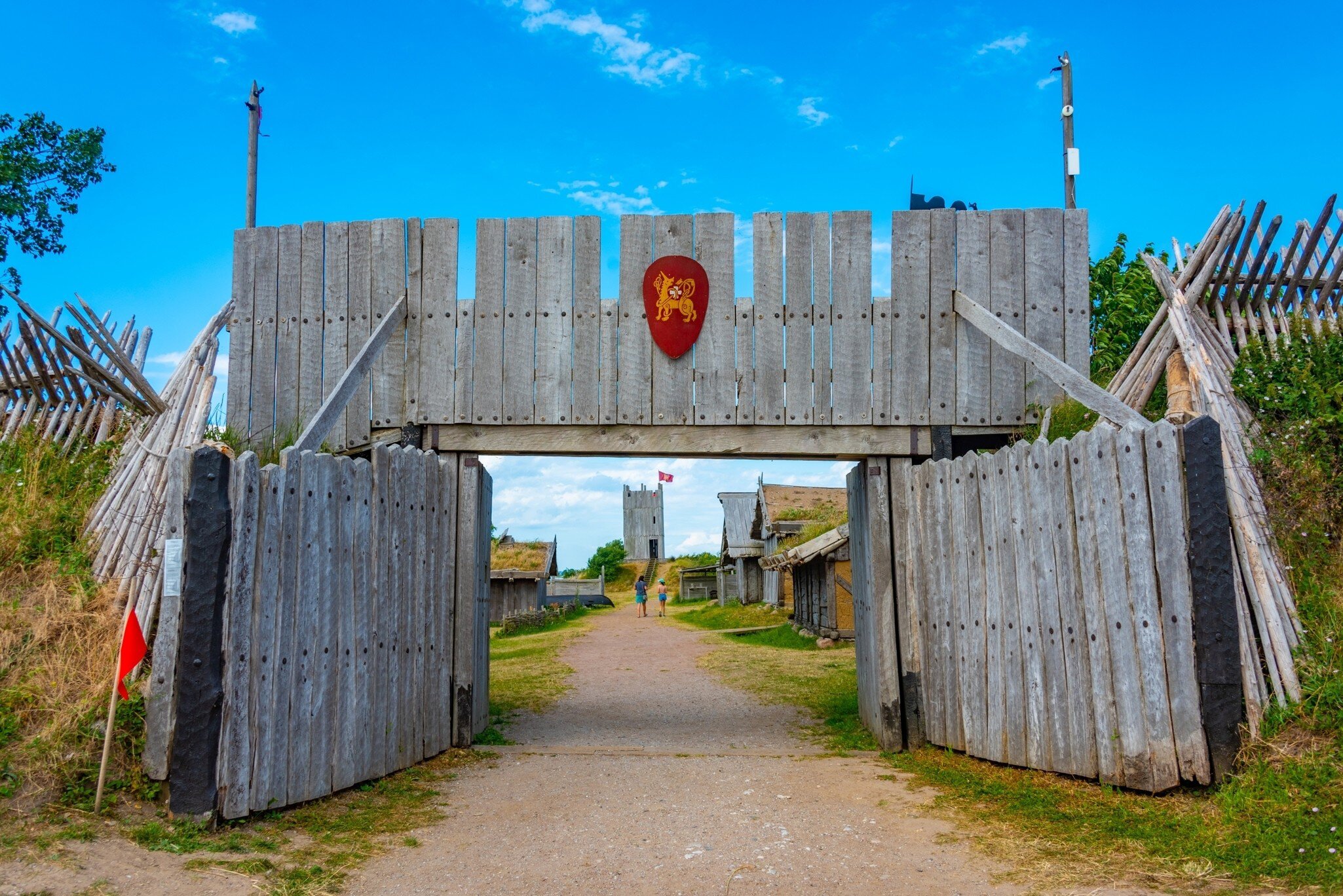
Historical documents suggest that during the Viking era the Falsterbo peninsula was the site of a prosperous fishing village that hosted one of the largest summer markets in Scandinavia. Inspired by this heritage, the local Vellinge municipality and Scandinavian Viking Explorer Group re-created a late–Viking Age village in Höllviken, 25km south of Malmö, as an experiment in living history and experimental archaeology. Opened in 1995 and now one of Skåne’s more popular tourist attractions, the Fotevikens Museum (fotevikensmuseum.se) includes 23 reconstructions of original Viking-era huts complete with historically appropriate furnishings and equipment.
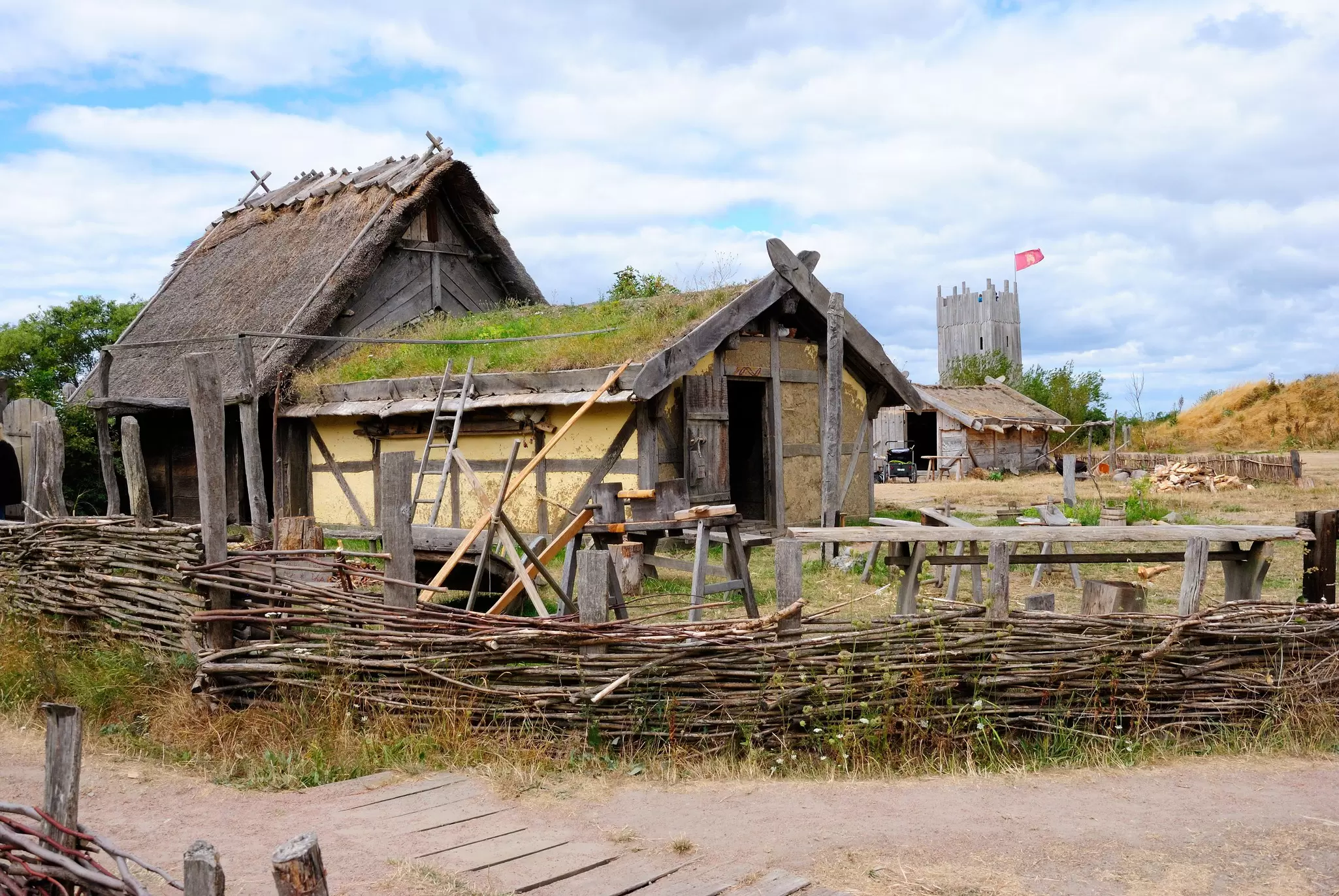
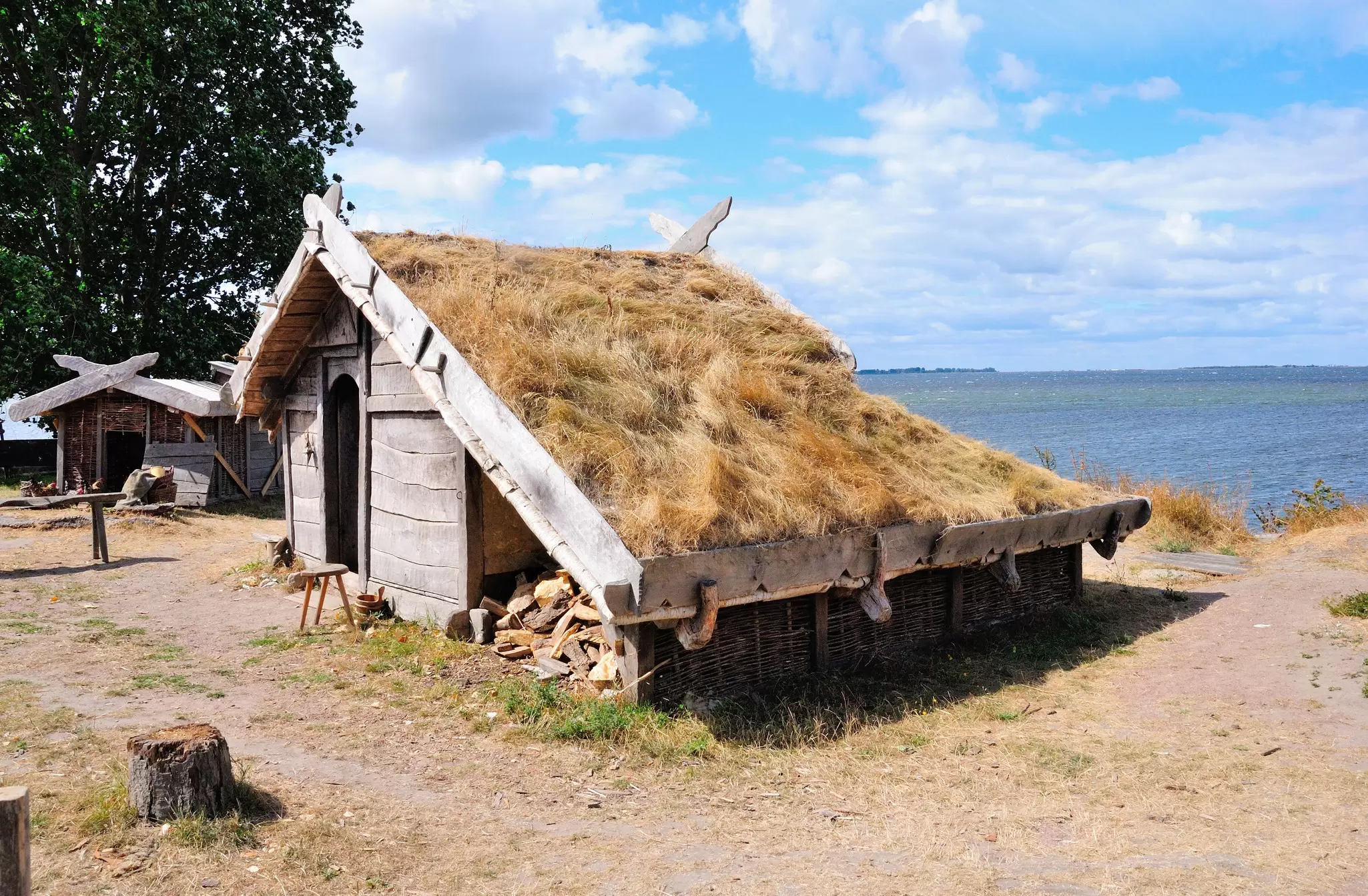
These huts are the types of structures that would have originally housed the village chieftain, the town’s jarl (commander of the armed forces), fishermen and tradespeople such as blacksmiths, potters, woodworkers, weavers and tanners. Other museum attractions include a lethally powerful war catapult, a shield-lined great hall (the Thinghöll) and a re-creation of the 11m-long Eric Emune, one of four wooden Viking ships discovered in the mouth of the Bay of Foteviken just north of the museum in the 1980s.
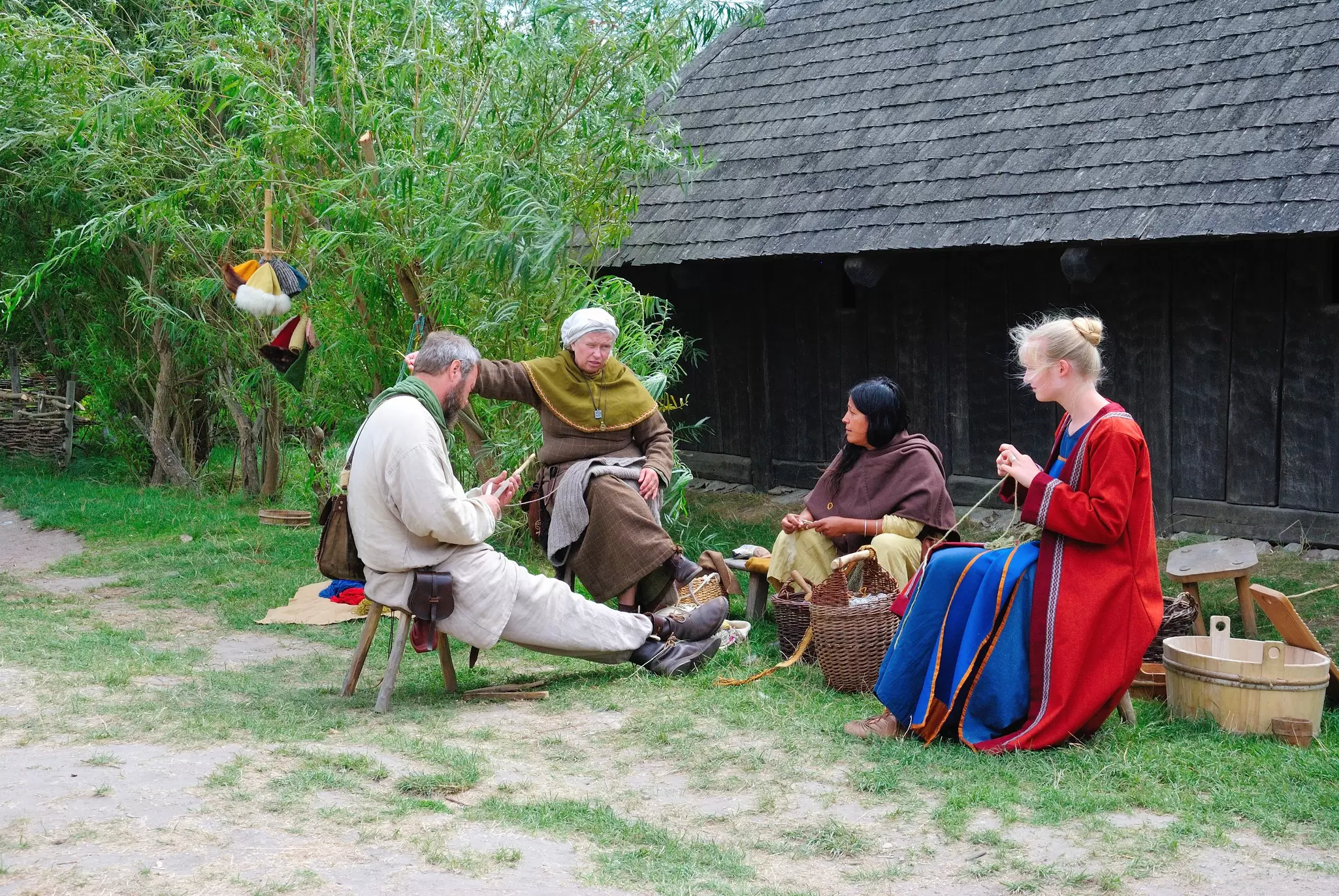
This is one of the few open-air museums we've encountered that has guided tours that usually run in English twice a day. Guides are highly clue-up and add a lot of meat to the museum's bones. Enquire at the ticket office about times.
The museum is open at Easter and then from May to the start of September, but the best time to visit is in the week after Midsummer Eve, when it hosts Viking Week, an extravaganza featuring handicraft workshops, battle re-enactments and Viking games such as tug-of-war, fish-throwing, axe-throwing and archery. Drawing aspiring Viking warriors from across Europe, it’s loads of fun and hugely popular – book ahead; tickets can be bought online in advance.