The 14 Best Things to Do in Nicosia (Lefkosia), Cyprus
Jul 27, 2026
12 MIN READ
Contributors
A busy cafe in Nicosia (Lefkosia), Cyprus. kirill_makarov/Shutterstock

Contributors


Alexis Averbuck, Lonely Planet Editors
Highlights
Writer Alexis Averbuck picks 14 Nicosia highlights, from walks to wellness.
Walk the Green Line, then admire revamped Plateia Eleftherias below the old walls.
History lovers should visit the Cyprus Museum and Archangelos Michail's glittering icons.
Soak in Hamam Omerye, stroll the Venetian walls and browse Laïki Yitonia for Lefkara lace.
Lonely Planet may earn a commission from affiliate links on our site. All recommendations and reviews reflect our own independent opinions.
Divided into Greek Cypriot and Turkish enclaves since 1974, the capital of Cyprus is steeped in history spanning centuries of diverse cultures and competing empires. Yet Nicosia (Lefkosia) retains a sleepy local vibe that feels far removed from the busy tourist scene on the coast.
Sleepy doesn't mean unrewarding – there's loads to see and do, from touring the treasure-stuffed Cyprus Museum to roaming the stone-lined streets inside the Venetian walls, which often terminate suddenly against the Green Line that divides the southern Republic of Cyprus from the disputed Turkish Republic of Northern Cyprus.
Along the way, you can stop for traditional coffee, drop into centuries-old mosques and Greek Orthodox churches, and pause for a Turkish bath in an ancient bathhouse. If you entered Cyprus via the south, it's also easy to cross the Green Line to see the northern half of Nicosia, known to locals as Lefkoşa.
Even if your trip to Cyprus is focused on the beaches or the rugged Troödos Mountains, there's much to gain from a visit to the island's historic capital. Here are the very best things to do in Nicosia (Lefkosia).
1. Follow the Green Line
The non-negotiable
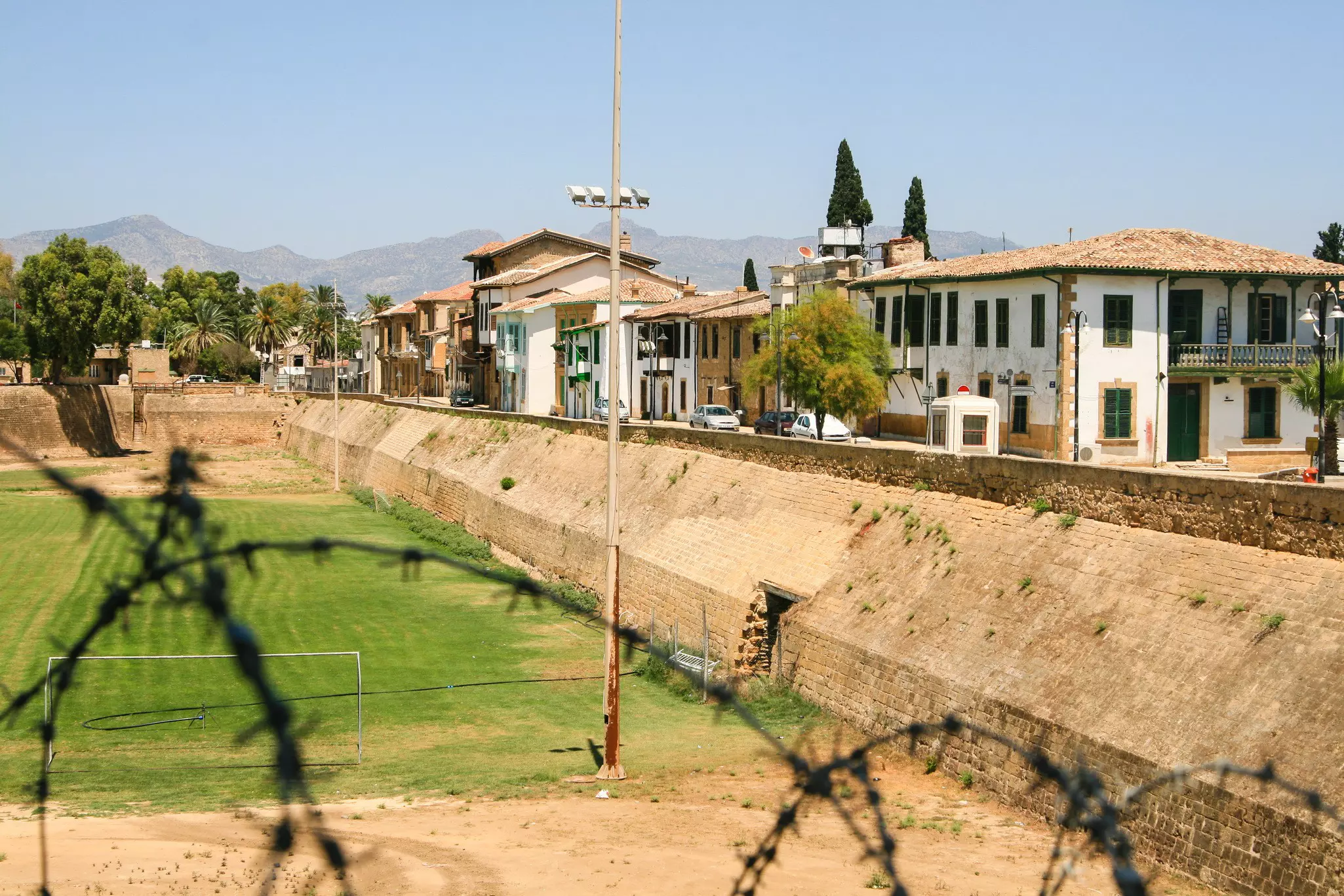
The 300km-long, UN-administered buffer zone known as the Green Line has divided the two parts of Cyprus since the island's civil war in 1974. This chain of barbed wire and barricades runs right through the heart of Nicosia, and following its zigzagging route makes for a fascinating walk. On the way, you'll take in centuries of history, passing mosques, ancient churches and monuments created by Greek, French, British and Ottoman rulers.
Start your walk on the eastern side of the Old City at the northern end of Leoforos Athinas, where a metal gate and UN bunker signal the end of the road. Turn left into Antasias Toufexi, rimmed by terraced cottages, some restored and others with their adobe-brick interiors exposed, and then right onto Axotheas, which ends abruptly at another cement-bunker barricade.
From here, stay close to the wall as you trace streets, alleys and squares in a generally southwest direction. Look at how residents have coped with five decades of division, whether by planting flowers on barricades or protecting windows with sandbags.
On Ledra Street, walk to the crossing checkpoint, and take the first left turn down the Stoa Tarsi arcade. Keep heading west, onto Artimidos with another bunker, and then zigzag to Pafou, where the Roman Catholic Holy Cross Church sits beside a barricaded-off stub of street with the Roccas Bastion right behind.
When to go: In summer, the heat can be uncomfortable in the middle of the day, so start a walk either early in the morning or late in the afternoon. Whenever you come, the bustle will fade quickly to quiet as you step into the streets beyond Ledra St and touristy Laïki Yitonia.
2. Stroll Nicosia’s stunning main square
The surprise
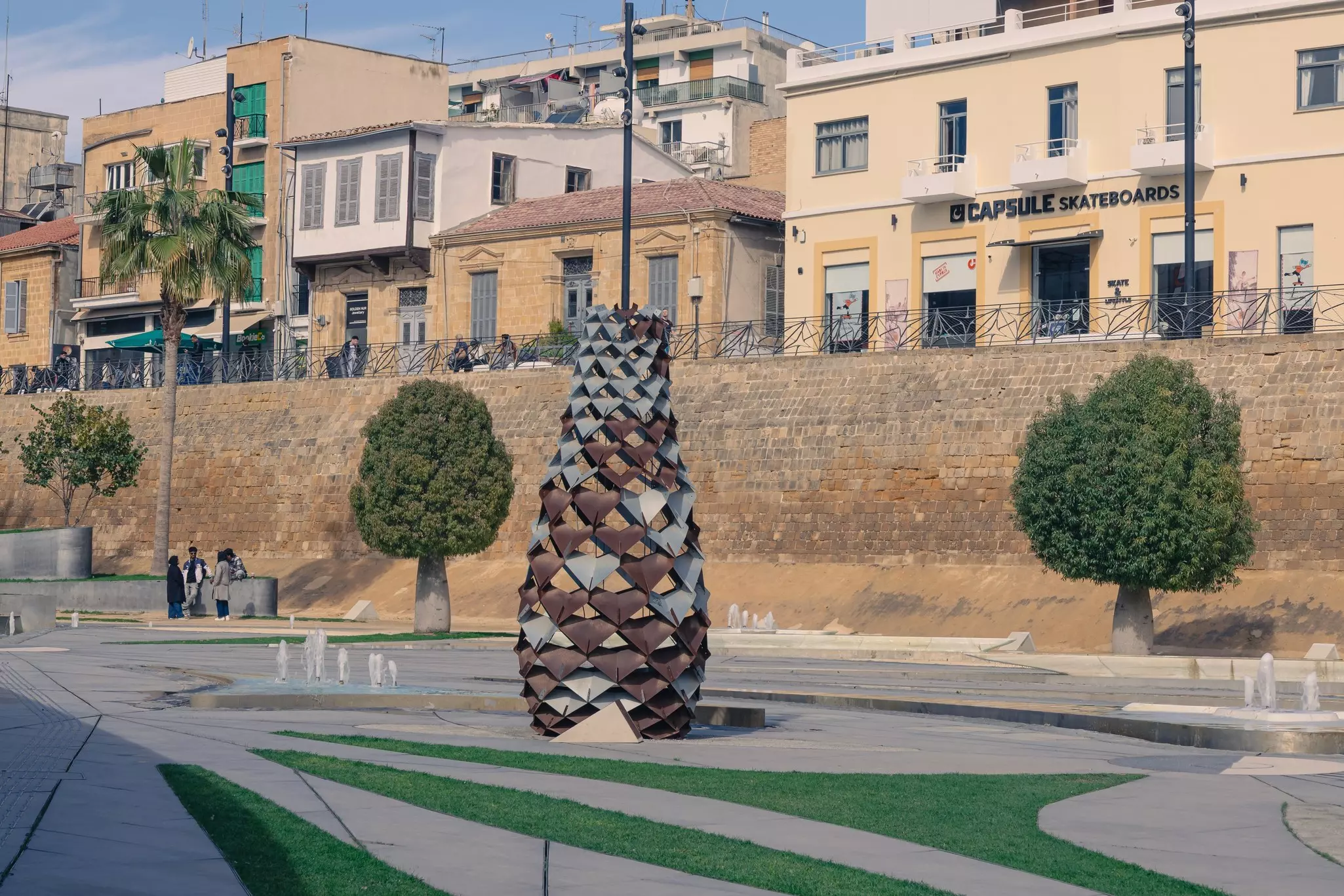
Nicosia is better known for ancient masonry than modern architecture but there are some surprises. The revamping of Nicosia's main square, Plateia Eleftherias, took 16 years under the guidance of architect Zaha Hadid, renowned for adding sinuous shapes and beguiling curves to major projects across the globe, including Rome's MAXXI Museum and the opera house in Guangzhou, China.
The project was mired in delays and economic woes, drawing some opposition from local people, but completion of the project in 2021 brought everybody together. The results are arresting, with Hadid’s flowing arcs making a dramatic statement below the old walls. Hundreds of native trees provide shade for pedestrian avenues and small gardens, all set beside the city's main post office and the D'Avilla Bastion on the Venetian walls.
Pair with: A stroll along Ledra St. Running north from Plateia Eleftherias, this is the Old City's main promenade, lined with shops and cafes. It ends suddenly at one of the checkpoints where travelers can cross between the north and south of Cyprus.
3. See both sides of Nicosia from the Shacolas Tower
Best for an overview of the city
For a view over what was once a unified city, the Shacolas Tower Observatory provides a sweeping vantage point from the 11th floor of its namesake tower. The vista takes in the rooftops of the whole of Nicosia. Look out for the minarets of the 13th-century Selimiye Mosque (Agios Sofia) in the north of the city, and the mountains of the Pentadaktylos range beyond.
Placards in English below the windows call out specific buildings and neighborhoods, and trace the course of the Green Line as it bisects the city. Come here first before exploring the old city to get your bearings.
Pair with: Ice cream. Ledra St has several options; Heraclis has been making quality ices since 1939.
4. Be dazzled by the city's ancient churches
Best free thing
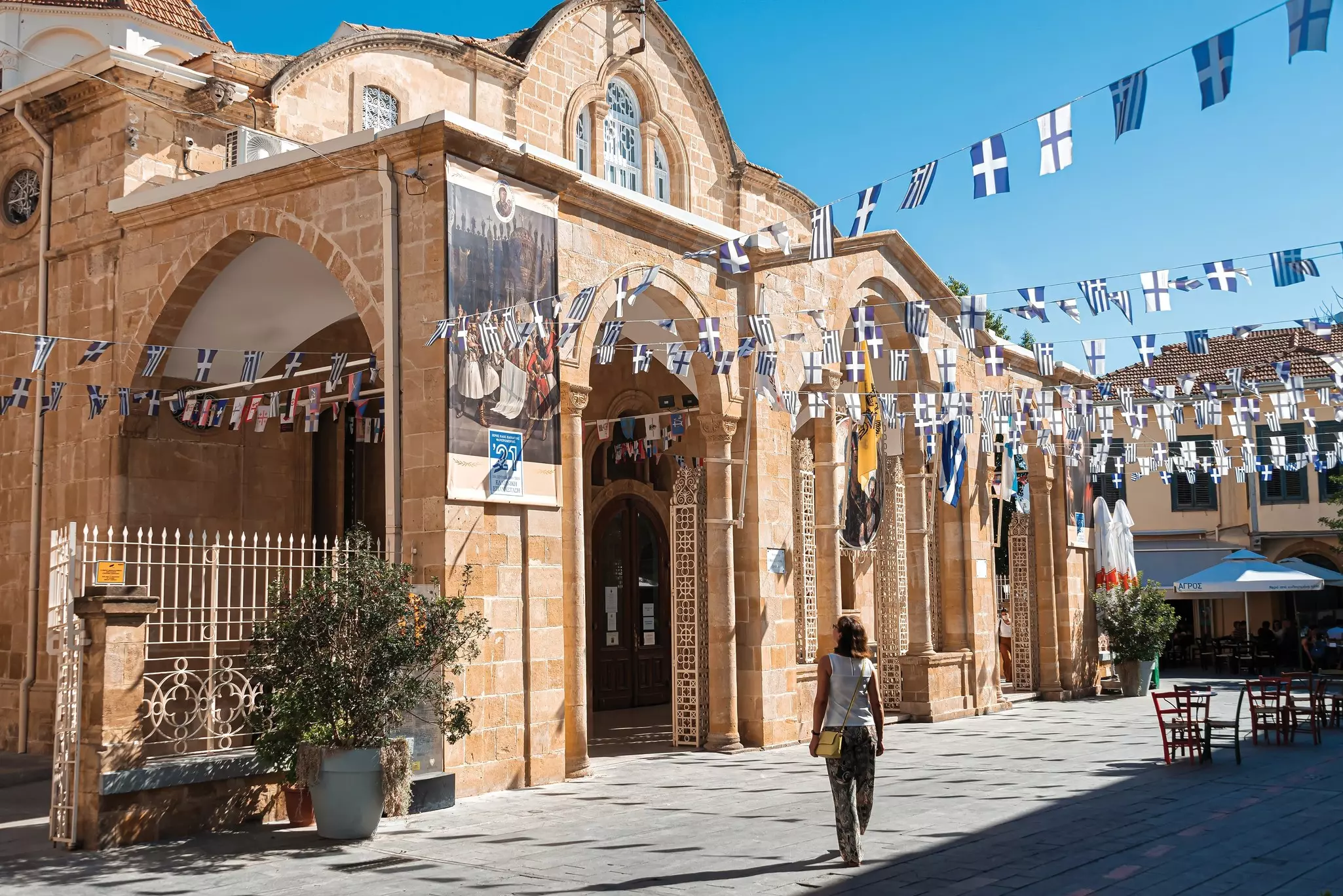
Old Nicosia is dotted with handsome sandstone and limestone churches, constructed by Cypriots, Armenians and French Lusignans in the centuries following the Crusades. The domed Church of Archangelos Michail dates to 1695 and is thought to have replaced an even earlier Gothic church on the same site. Its interior is a constellation of glittering gold from hundreds of icons, some dating to the 1400s.
The church is built in Franco-Byzantine style, a pastiche of Gothic elements from France and Byzantine details traditionally used by the Greek Orthodox Church. You can see influences from two different rulers: the Lusignans of France, who were active in Cyprus from the 12th through 15th centuries, and the Venetians, who ran the show starting in the 16th century.
When to go: Try to visit for the popular Orthodox service on Sunday morning, when the air is heavy with chanting and incense.
5. Marvel at the collection in the Cyprus Museum
Best thing to do on a rainy day
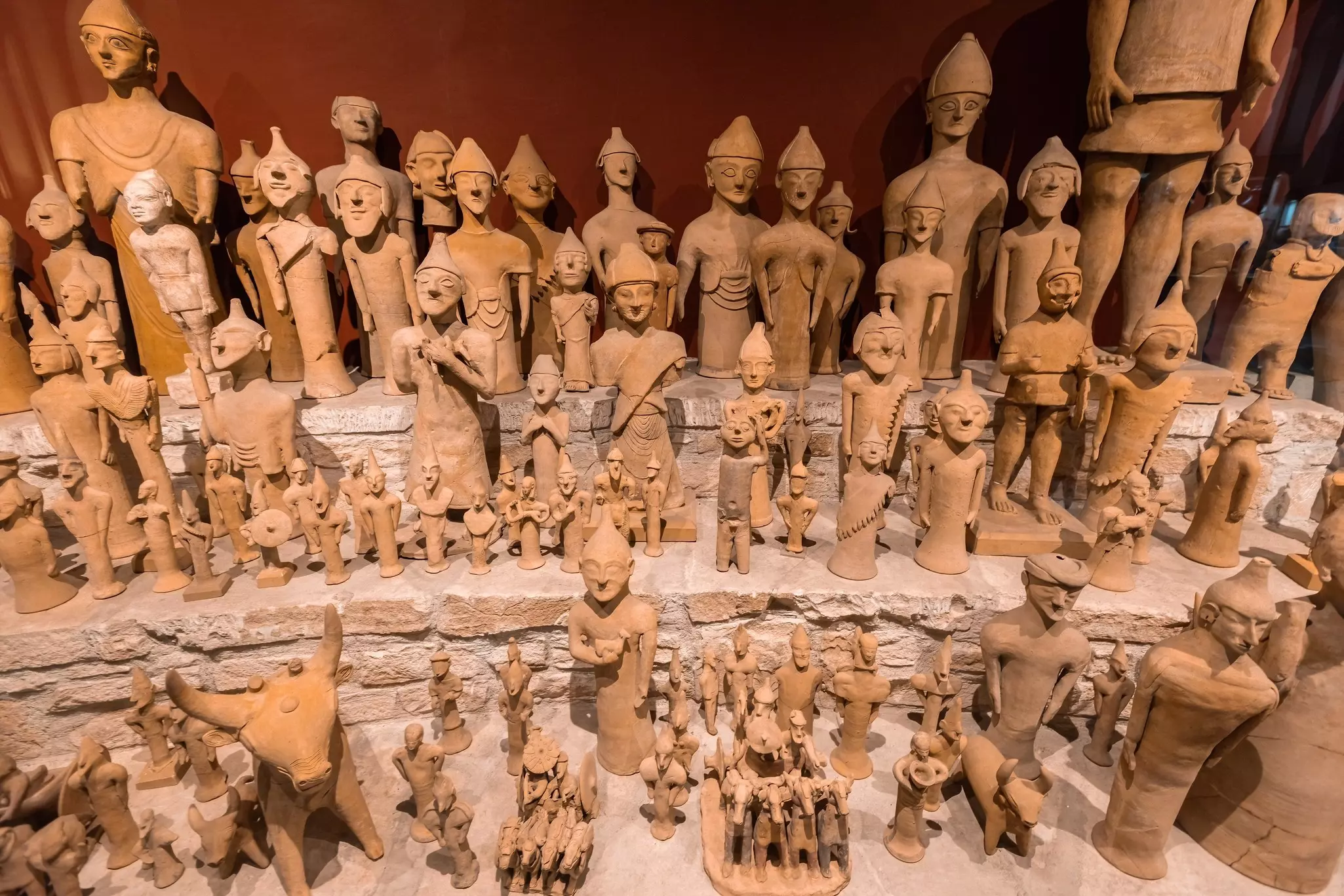
The collection at the Cyprus Museum, to the west of the Old City, is something to behold. It's hard to dig a hole in the ground in Cyprus without hitting the remains of some ancient monument, and archaeological digs have filled the national museum with ornately painted pots and figurines, bronze helmets, statues of deities, and enigmatic prehistoric fertility figures. Give yourself an hour or two to take it all in.
Pair with: More ancient treasures at the Leventis Municipal Museum on Hippocratous. The collection spans ancient Greek pottery, paintings, costumes, furniture and vintage photos of the city and island.
6. See the hidden riches of Agios Ioannis Church
Best for secret sparkle
After the Ottoman Empire took over the island in the 16th century, Christians kept a low profile in Nicosia. But they didn’t go completely underground, as you’ll see at the understated Agios Ioannis Church, which dates to the 17th century and is still an important place of worship today.
Located in the courtyard of the Archbishop Makarios III Cultural Foundation, the church’s discreet stone exterior masks an opulent interior featuring elaborate 18th-century frescoes as grand as those in any of the city's medieval churches. Extra sparkle is provided by gold-covered carvings and dangling chandeliers.
Pair with: A visit to the nearby Cyprus Folk Art Museum, exploring the island's traditional crafts, including embroidery, pottery and shadow puppetry, known on the island as Karagiozis.
7. Pay your respects at the Omeriye Mosque
Best for a glimpse of Muslim culture
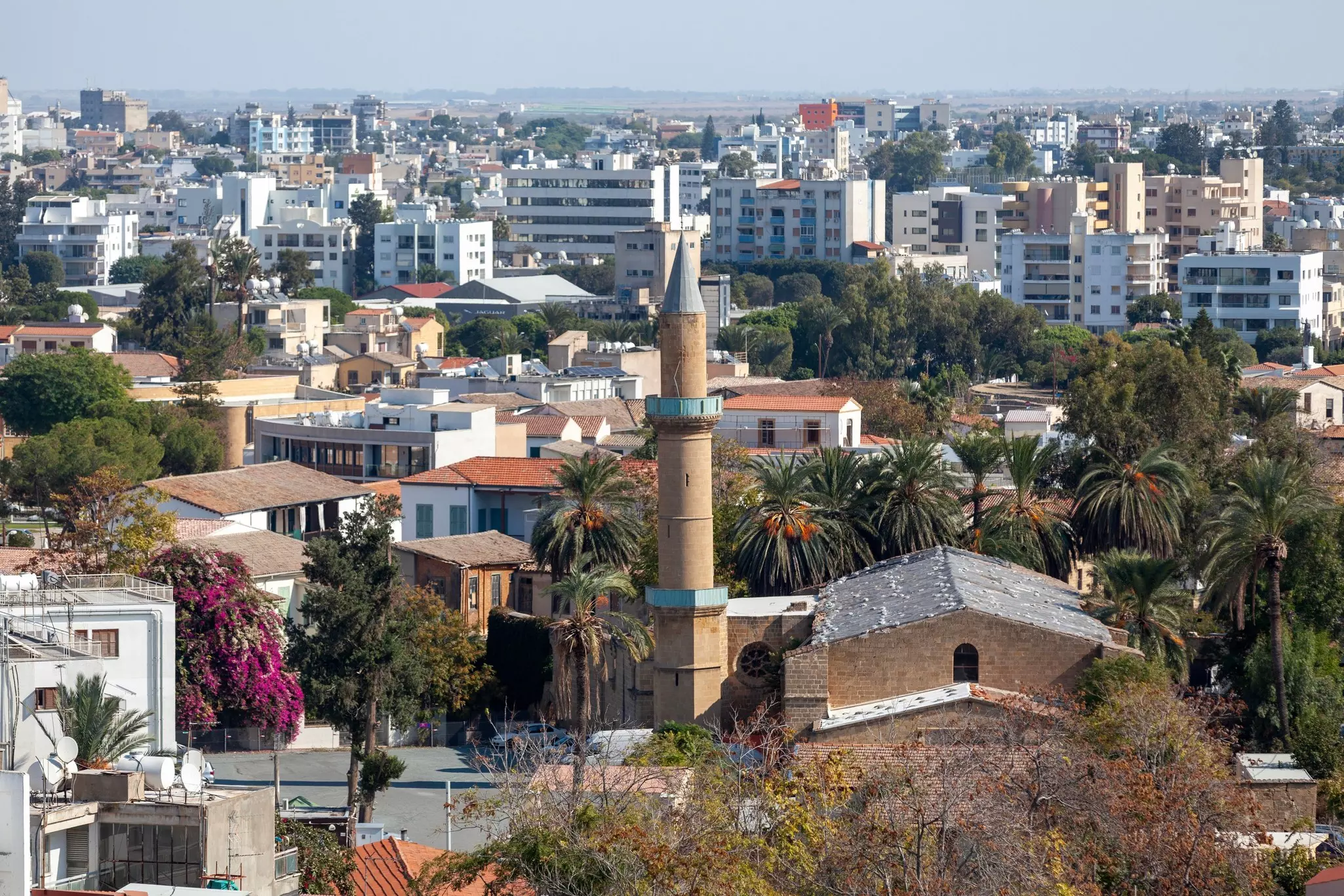
While dwarfed by the towering Selimiye Mosque (Agios Sofia) in the Turkish-administered north of the city, the Omeriye Mosque dates from the 14th century, and it still serves Nicosia’s diverse Arab and Asian Muslim populations. Non-Muslims may visit outside of prayer times, but observe the correct clothing etiquette (cover legs and upper arms, and hair for women) and remove your shoes.
The building was originally constructed as the Augustinian Church of St Mary, but it was seized and repurposed after the Ottoman invasion in 1571, when the roof was capped with a tall minaret. Popular lore says this was the first place used by Turks for worship on the island.
Pair with: A look at the Archbishop's Palace. Just north of the Omeriye Mosque, this is the official seat of the politically powerful Archbishop of Cyprus; peek through the gates at the white statue of Makarios III, the first president of independent Cyprus.
8. Take a selfie at Famagusta Gate
Best photo opportunity
Perhaps Nicosia’s most photographed feature, Famagusta Gate (Pyli Ammochostou) dates from 1567. Set at the end of Ammachostou on the east side of the Old City, it once marked the start of the medieval road to Famagusta, today part of the northern Turkish state.
This is the best-preserved of the three original gates that once led into the Old City, with a timeless, worn wooden door and a sloping facade that opens into a tunnel leading through the rampart wall. Beyond the tunnel on the right is a small open-air arena, where summertime concerts are held.
Pair with: A drink in one of the small bars along nearby Ermou; cozy Ermou 261 often has live music.
9. Wander the beguiling Chrysaliniotissa Quarter
The secret
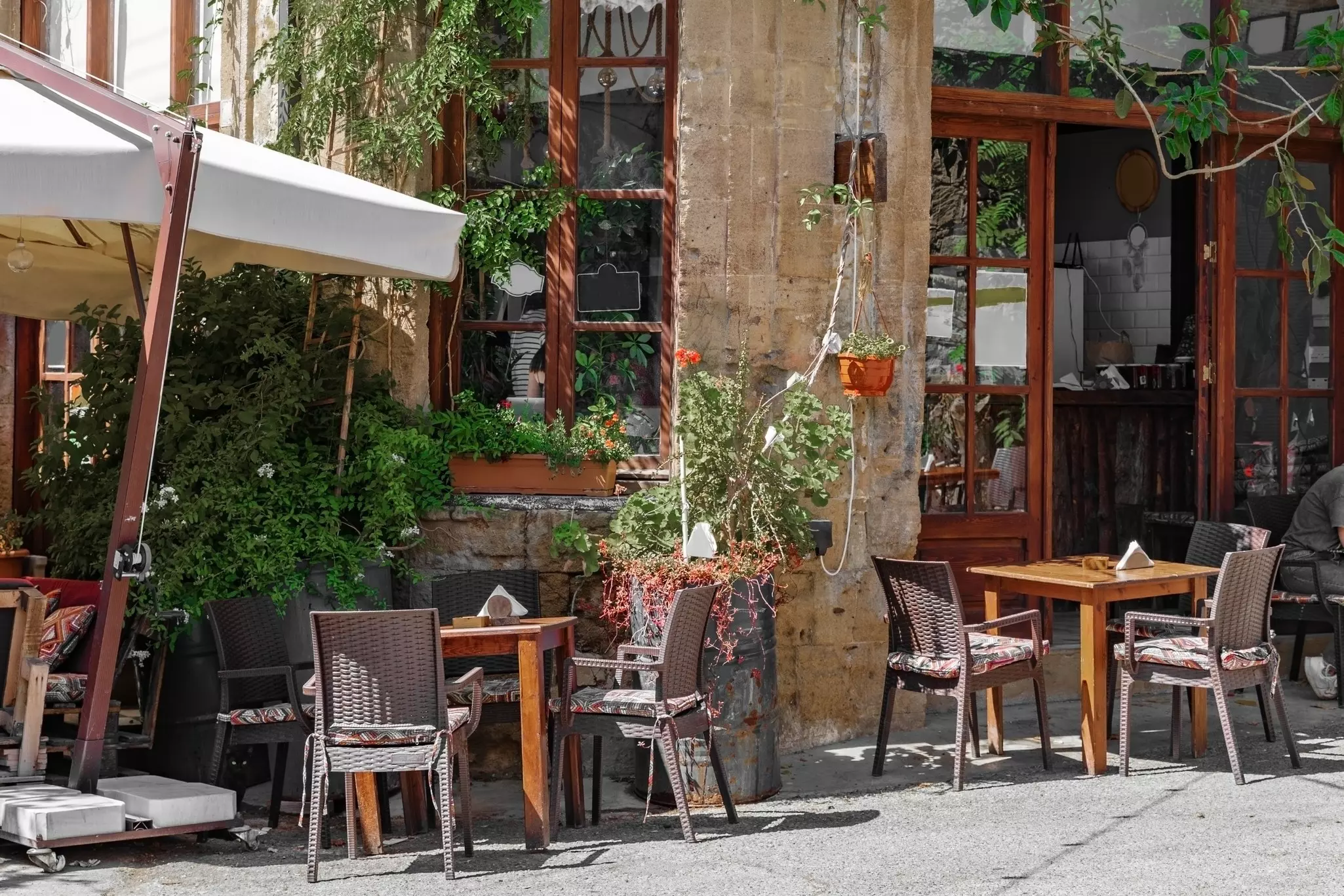
Hard up against the Green Line, the Chrysaliniotissa Quarter is a historic residential neighborhood on the edge of the Old City. Decades of neglect had the unintended consequence of preserving its elegant early-20th-century homes from redevelopment. Today, a wave of renovations has returned the facades to their past glory.
Residents create tiny, lush gardens with potted plants, and the narrow lanes provide a restful escape from the busier byways of the Old City. Stop into the Chrysaliniotissa Crafts Centre, where you’ll find artisans creating traditional Cypriot craft objects in eight workshops surrounding a central courtyard.
Pair with: A stroll along nearby Ammochostou; this gentrified corner of the city contains several small museums and art spaces.
10. Visit a 16th-century bathhouse
Best wellness experience
The ancient Romans provided the inspiration, but it was the Ottomans who popularized hammams – traditional bathhouses that use hot and cold water and steam to promote relaxation and well-being. The 16th-century Hamam Omerye has been lavishly restored to its centuries-old glory, and the luxurious facilities are open to the public. Indulge in a range of hot and cold baths, massages, body scrubs and treatments.
When to go: The hammam is closed on Mondays, so book ahead for a treatment between 10am and 8:30pm from Tuesday to Sunday.
11. Walk the 16th-century Venetian walls
Best walk through history
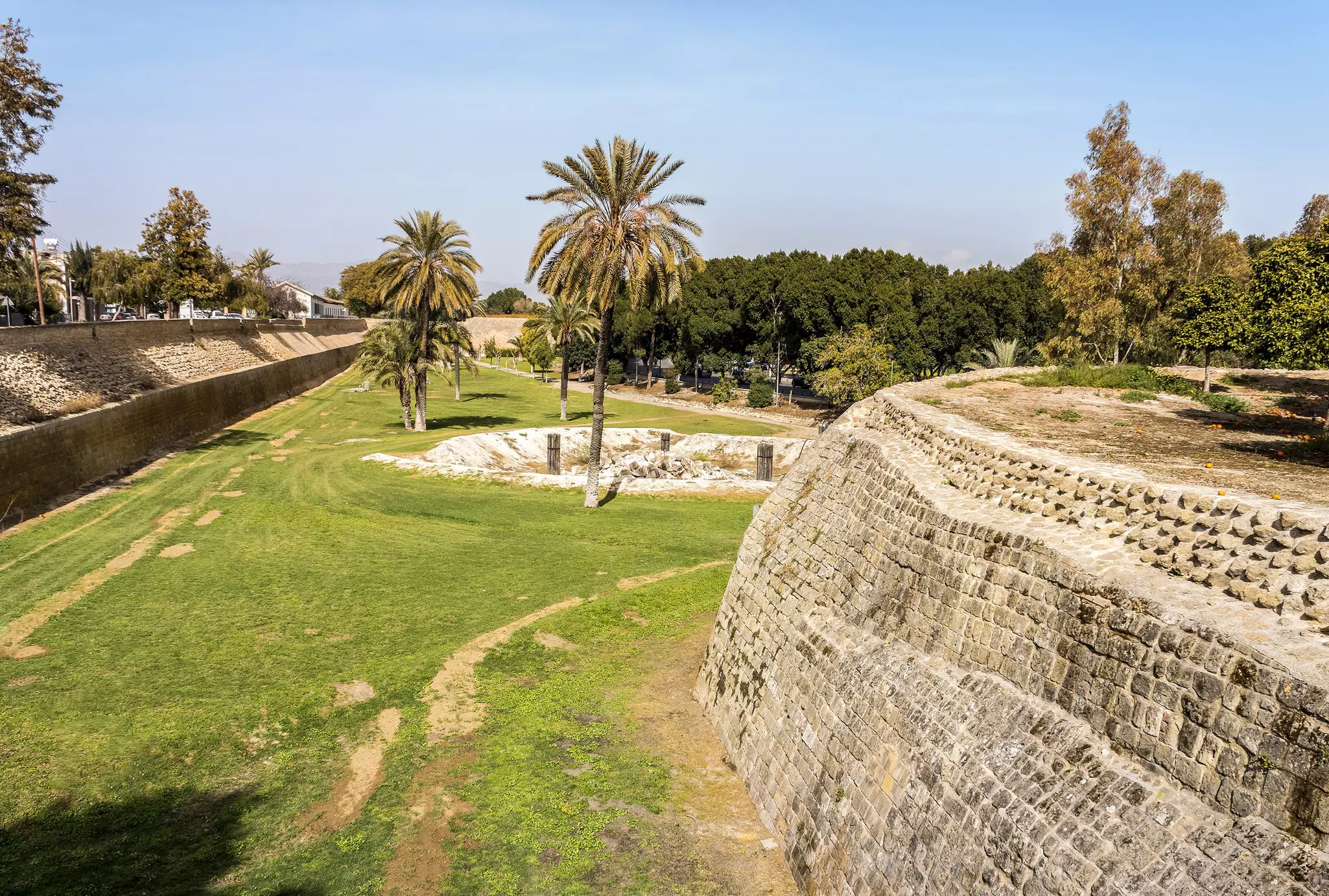
The Venetian Walls surrounding the Old City create a circle edged by heart-shaped bastions. The shape is so unusual that, once you see it on a map or aerial photo, you’ll never forget its idiosyncratic snowflake-like appearance. While parts of the wall lie across the Green Line in North Cyprus, strolling along the Greek Cypriot section of the fortifications is one of Nicosia’s highlights.
Dating from 1567, the walls were erected by the island's Venetian rulers to defend against Ottoman invaders, but the fortifications were no match for the determination of Sultan Selim II's forces. In 1570, his armies landed in Larnaka and stormed the walled city, killing over 50,000 inhabitants.
But the walls have remained in place ever since. Of the 11 bastions, five in Nicosia have been carefully restored, while another forms part of the dividing Green Line. The other five are in North Nicosia (Lefkoşa), where they sit slowly crumbling, awaiting restoration.
Getting there: Roads and footpaths meander between the bastions in the south, starting from Plateia Eleftherias, and sections of the old moat outside the walls contain parks and gardens. On Wednesdays and Saturdays, a busy farmers' market takes place in one of the parking areas below the bastions – ask locally for the current location.
12. Escape the heat in the Municipal Swimming Pool
Must-do with kids
There’s no need to trek to the coast on a baking-hot summer’s day, nor do you need to con the family into believing that a shady museum is the antidote to the heat. Instead, take the plunge at the well-maintained Municipal Swimming Pool. Located in the northwest corner of the city, it has lifeguards and is surrounded by big shady palms and well-tended public gardens.
Pair with: A wander along the Kanlıdere (Pedieos River); this urban river is the focus of a United Nations development project, and you can follow its path by bike or on foot.
13. Soak in the charms of Laïki Yitonia
Best for gift shopping
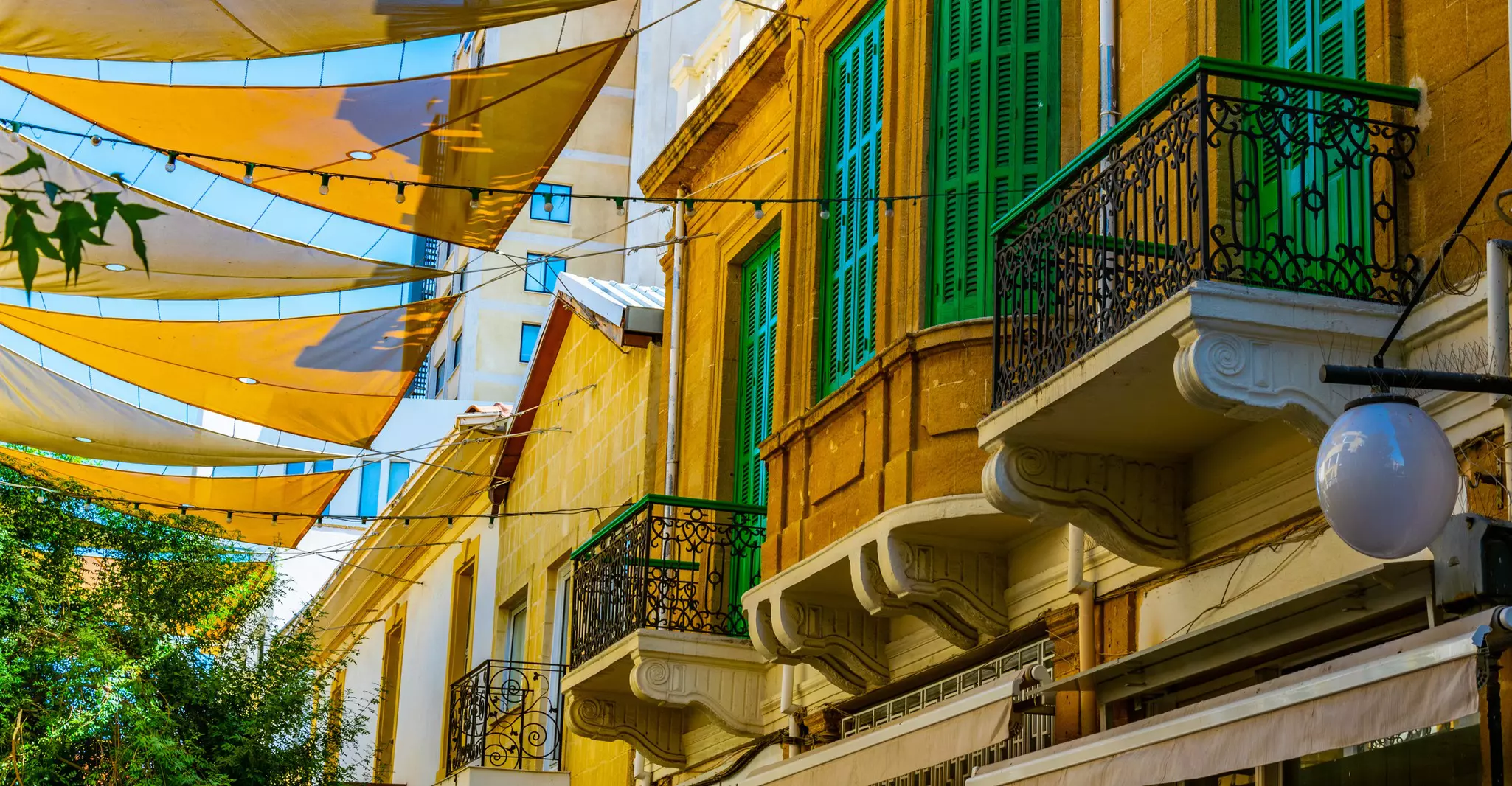
Appropriately translating to “popular neighborhood,” Laïki Yitonia is the only overtly touristy part of the Old City, but it manages to transcend the touts trying to lure you into restaurants with mediocre food, and its narrow lanes drip with vintage charm. It’s well worth a detour during your explorations of the Old City, and local shops sell island crafts such as Lefkara lace and filigree silverware.
Pair with: Shopping for art at Diachroniki Gallery. This unmissable space brings together the work of top Cypriot artists as well as artists inspired by the island.
14. See the past meet the modern day at Haratsi
Best for taking Nicosia's pulse
Set on a sleepy lane, frequently mostly by locals, Haratsi is a vintage cafe that has evolved into a bohemian space for music and art events, often with an anti-establishment message. Come for coffee or a brandy sour and see what is on the calendar. It's open from 4pm Wednesday to Sunday.
Pair with: Cyprus-style coffee. It's often served sweet (glyko in Greek) but to appreciate its flavors, ask for it to be served sketo – without sugar and very bitter and strong.
Explore related stories
-
- Nov 17, 20216 min readFind the Best Time for Your Next Cyprus Vacation with Our Seasonal Guide
- Nov 17, 20214 min readDo I Need a Visa to Visit Cyprus?
- Nov 17, 20218 min read15 Best Things to Do in Cyprus
- Nov 17, 20217 min readThe 5 most sensational road trips in Cyprus
- Nov 17, 20216 min readThe Most Serene National Parks in Cyprus: Take a Break from the Beach
- Nov 11, 20216 min readGetting Around Cyprus: How to Navigate This Sun-Drenched Island
- Nov 5, 20216 min readThe 12 Best Places to Visit in Cyprus: From Aphrodite's Rock to Adonis' Bath
- Nov 5, 20216 min readSee a Different Side to Cyprus on These Stunning Hikes
- Nov 4, 20215 min readThe 8 Most Beautiful Beaches in Cyprus for Wildlife, Swimming, and Partying
- May 27, 20202 min readCyprus to Reopen to Tourism in June as No New Virus Cases Reported