Sep 30, 20269 min read
12 Things to Know Before Visiting the PhilippinesSep 30, 2026
9 MIN READ

Writer
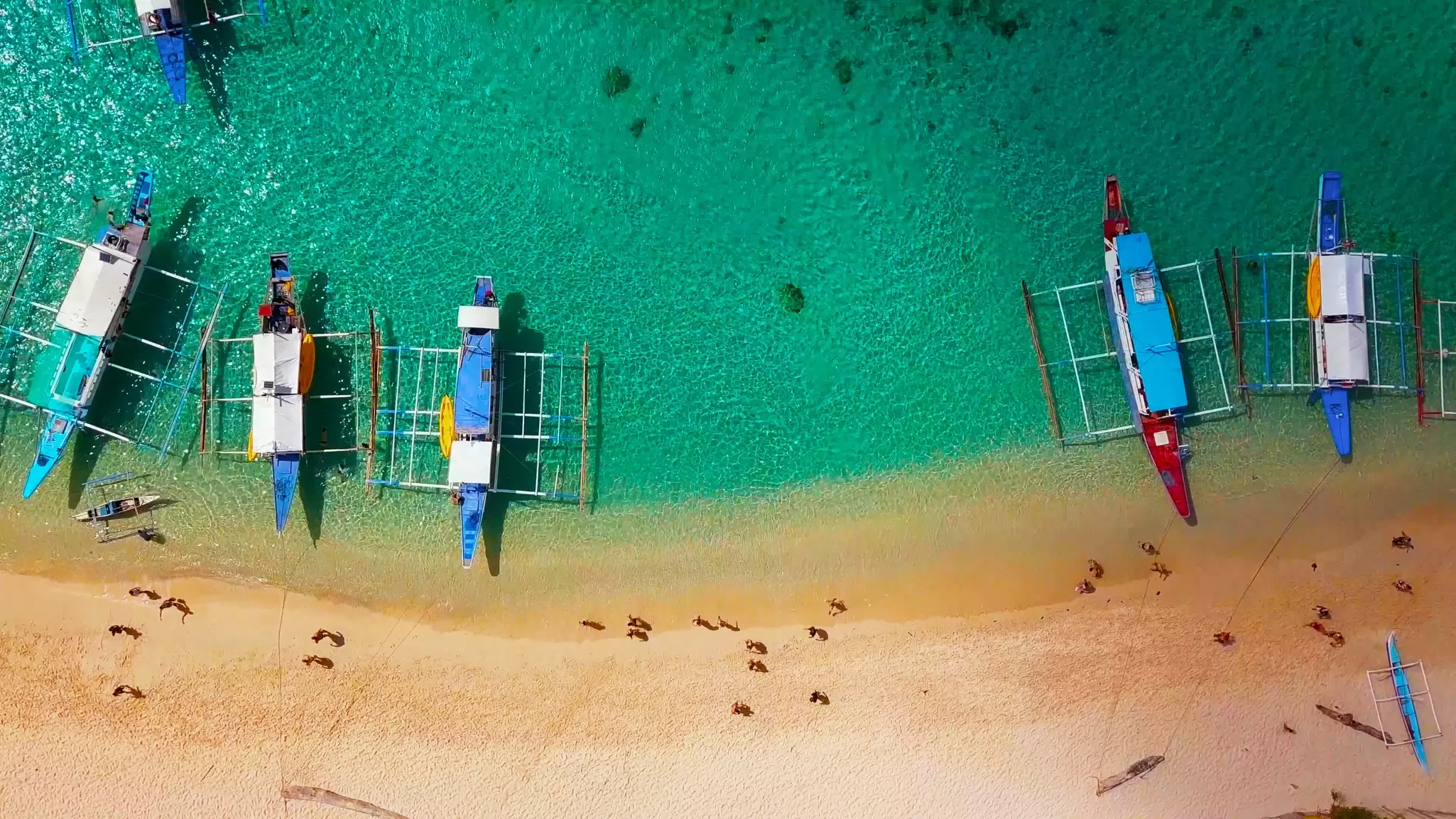
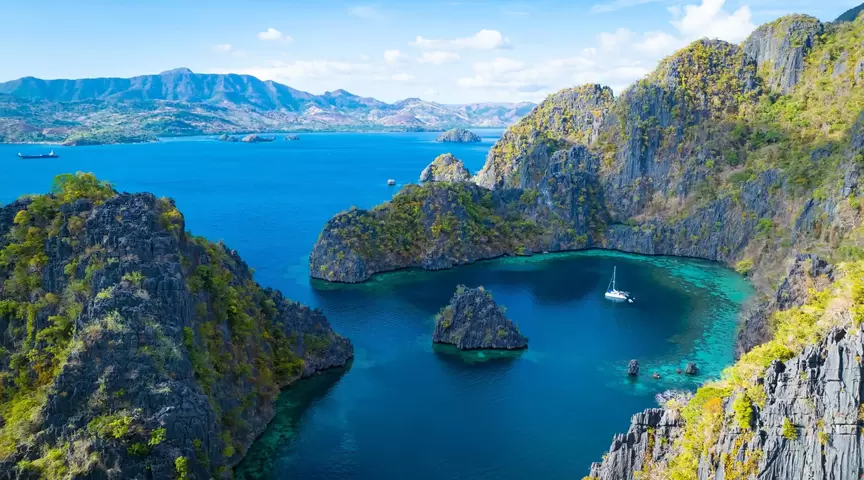
Seven Commando Beach, El Nido , Palawan, Philippines. Top Virtual Tours/Shutterstock
Writer
Highlights
Manila-based writer Kara Santos shares 12 tips on transport, weather, food and safety.
Choose one island as a base; ferries and flights follow their own unhurried schedule.
Never take the last bite without offering it to your table – food-sharing is how Filipinos say hello.
For rural areas, cash beats cards, and a local SIM card beats wi-fi.
Lonely Planet may earn a commission from affiliate links on our site. All recommendations and reviews reflect our own independent opinions.
Made up of more than 7000 islands, the Philippines has some of the most beautiful tropical landscapes and richest marine biodiversity in the world.
Even as a local who has made it a personal mission to visit the 82 provinces of my home country – a long-term, staggered quest that took me more than a decade – I feel like I’ve barely scratched the surface. Given this Southeast Asian nation’s spread-out geography, it may be more challenging to get around than its neighbors. Yet it’s precisely that remoteness and sheer beauty that delight any traveler who makes the effort.
Here are some insider tips to make the most of your trip to the Philippines.
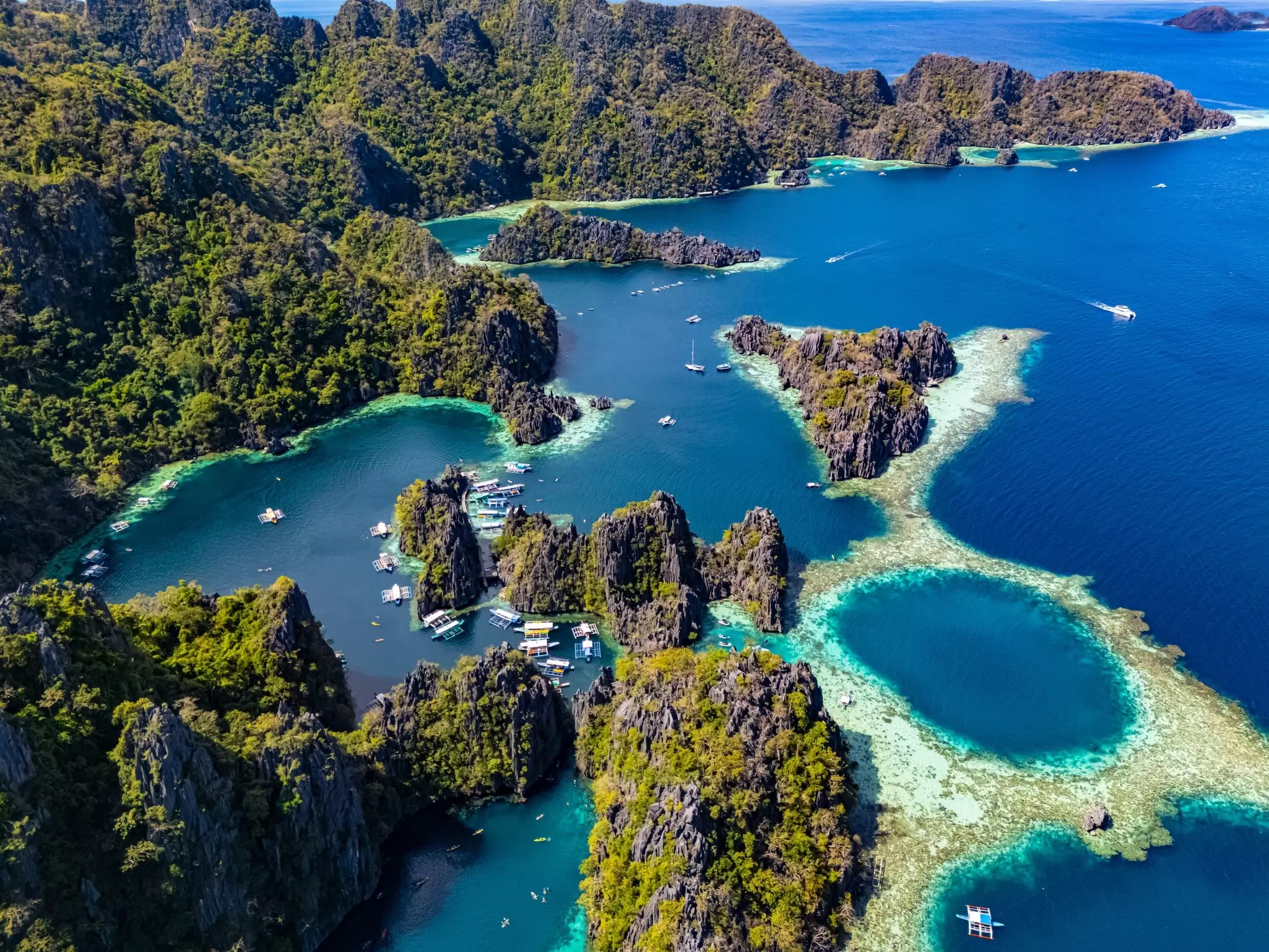
The archipelagic makeup of the country means hopping around islands can involve multiple planes and ferries. Domestic flights between key hubs are the fastest option; they’re also the most expensive. Boats and ferries cost less, but can take longer thanks to inconvenient schedules, weather conditions or delays.
You’ll need to plan your itinerary carefully. You may choose to spend more time savoring the main attractions, instead of rushing to tick off as many places as you (think you) can get to. Concentrate on one or two main island hubs – such as Palawan – with stopovers in those cities that have airports. If you plan to hop from north to south and cover the three major island groups of Luzon, the Visayas and Mindanao, factor in travel time by adding a day or two between flight days and ferry crossings just to be safe.
Think you’re an expert at train travel and city navigation? Try getting around Manila using only mass transit – a notoriously tricky brief. If you can manage to get where you’re going using only the disjointed network of trains, buses, jeeps and tricycles without a hitch, you’re surely qualified to go far on a future season of The Amazing Race. Consider it a boot camp even for seasoned travelers. And you’ll also save a lot on fares, too.
If the idea of this challenge stresses you out, you can always book rideshare services like inDrive (a cheaper alternative to Grab), or motorbike taxis like Move It and Angkas, to get around with ease.
To avoid getting stuck in the gridlock, head right away to the islands and countryside spots, where the only traffic you’ll encounter are schools of fish underwater, or the occasional cow blocking the road.
In the Philippines, getting from point A to point B isn’t as simple as checking a timetable, swiping your smartphone, booking tickets and leaving at the exact appointed time. In many rural areas, you have to physically go to a bus station, van terminal or port on the day of your trip; if there’s an available seat, you take it.
Some bus companies allow online bookings or reservations a day or so before, but schedules are frequently in flux. If you’re a spontaneous traveler who likes to wing it, you’ll be at ease here. It helps to keep your days flexible and book tours at the last minute to save costs.
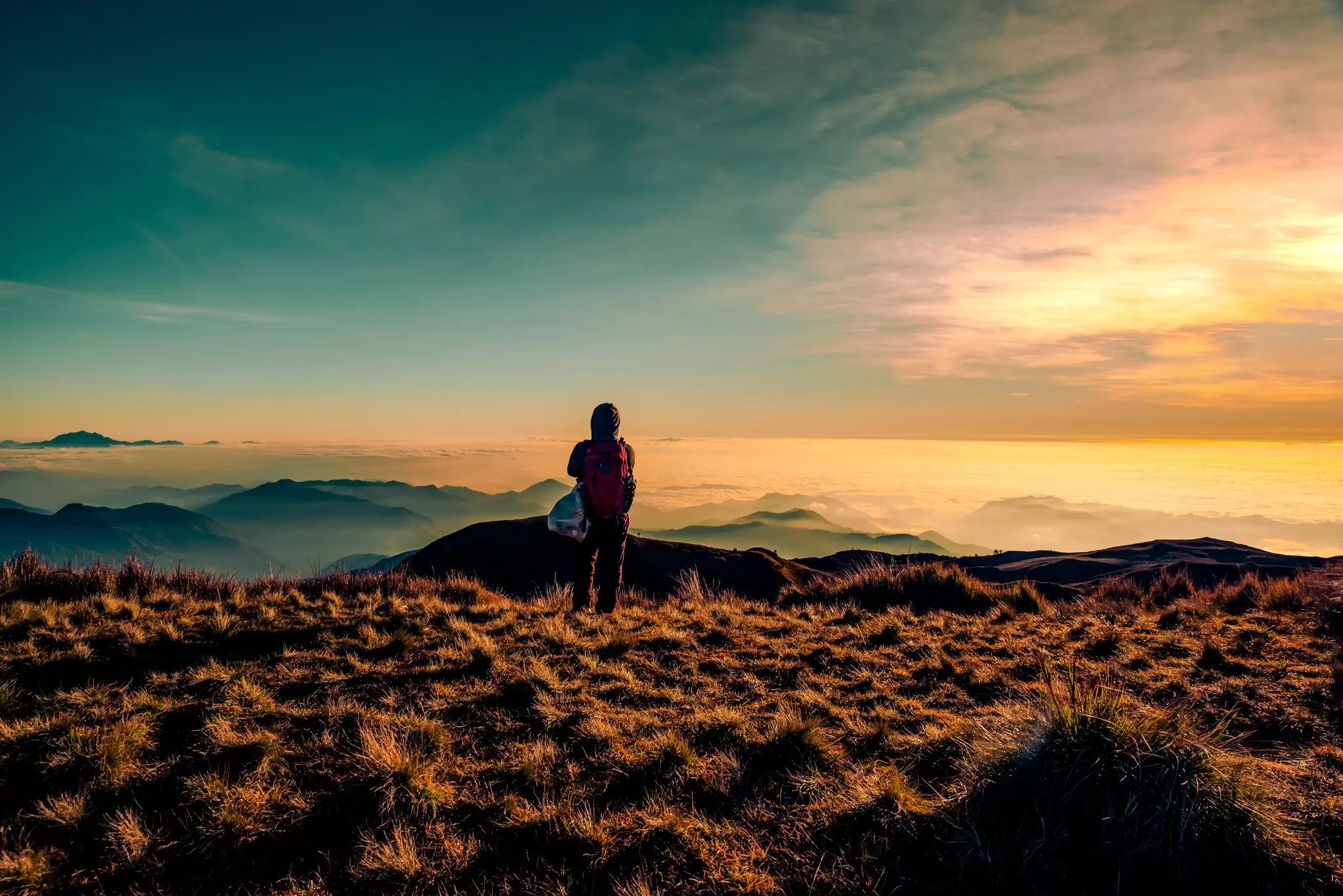
The Philippines’ climate and weather can vary depending on the region, though just about everywhere can get hot and humid, especially during summer. Pack light, breathable clothing like cotton shirts, shorts, skirts and dresses so you don’t feel too sticky or sweaty.
If you’re hitting the beach, sunscreen is essential, as are waterproof dry bags, phone covers and insect repellent. If you’re hiking in Sagada or Mt Pulag, you’ll need clothing for cold weather. A thin windbreaker or waterproof jacket is always useful.
Both men and women across different ethnic groups in Mindanao traditionally dress modestly, with arms and legs covered, so be mindful of cultural sensitivities and prioritize modest clothing over tank tops and shorts when visiting mosques or local communities. Some areas outside mosques rent malongs (wrap-around skirts) and hijabs (headscarves) for tourists.
The weather in the Philippines can be as unpredictable as a cat’s mood: a picture of perfection, purring sweetly one moment – then yowling for no reason the next. You could be getting a nice tan on the beach, with clear, cloud-free skies, only to be soaked under a heavy downpour within minutes, especially during the monsoon months of June to October. November to May, when it’s mostly dry and cool, is the best time to enjoy beaches and go island hopping, though temperatures and humidity start to ramp up in March and April.
Factor in the weather when ironing out your itinerary, as flights and ferry trips may be canceled whenever tropical storms head toward the country. Located along the Pacific typhoon belt, the Philippines experiences an average of 20 typhoons a year, which typically hit during the latter half. If you find yourself in the Philippines during these months, head to islands like Palawan, Mindoro and Cebu, which remain relatively sheltered from storms by other islands all year round.
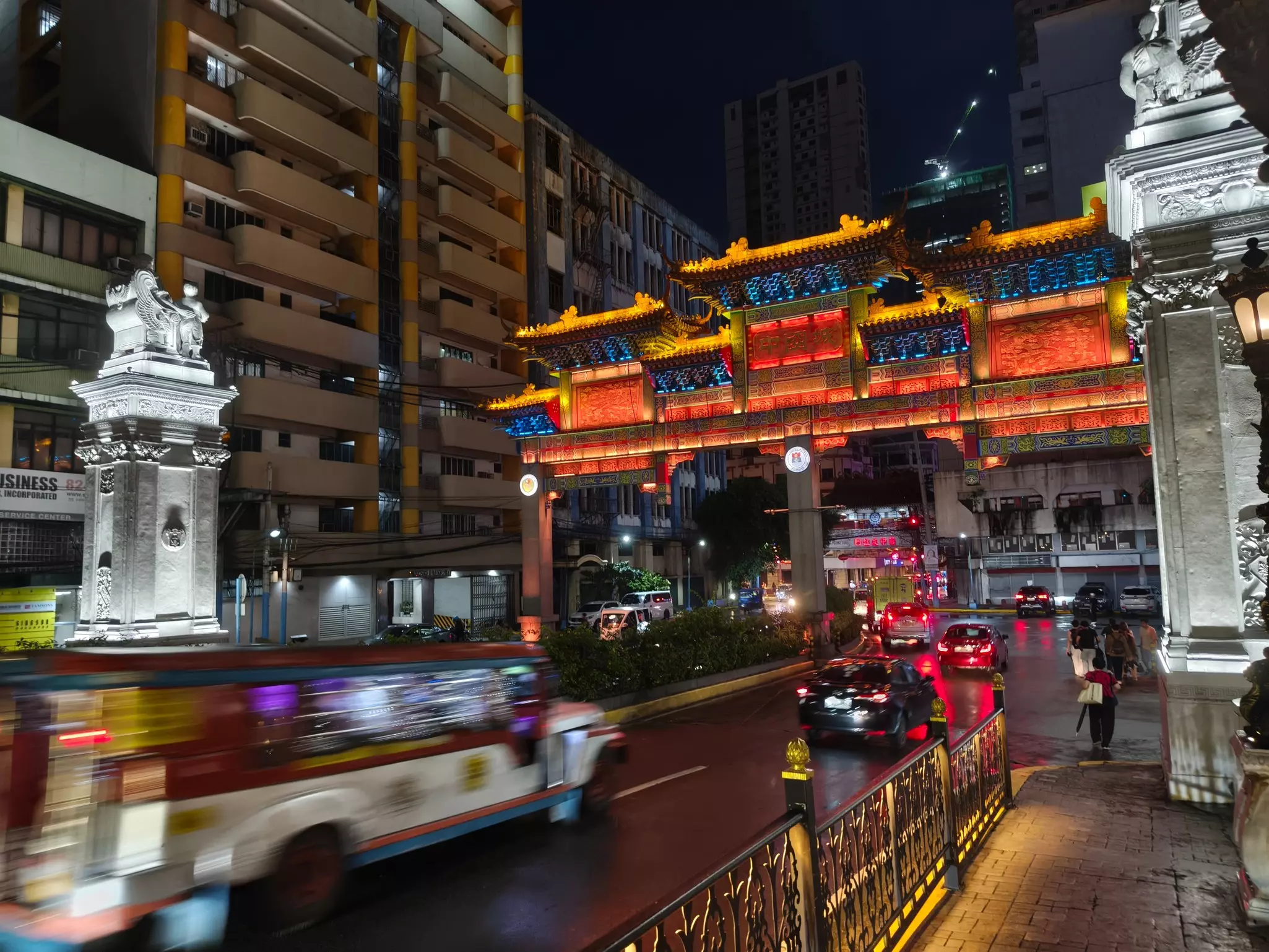
The week between Christmas and New Year’s, as well as Holy Week are the high peak seasons for travel. City streets empty out, as Filipino families rush for quality bonding during these annual breaks. This leads to a surge in resort prices and crowds in the most popular hubs.
National observances move from year to year to create long weekends for holiday getaways, so check local holiday calendars and Holy Week dates when making travel plans. It can be blissfully peaceful in big cities like Manila at this time, with locals who remain behind cheekily expressing their opinion that those who go out of town should just stay there.
Most Filipinos are basically fluent in English, so you shouldn’t expect any communication barrier. Even little kids who wave at you from the side of the road in rural areas can understand and speak English. Filipinos are also naturally friendly and helpful – so don’t shy away from asking for directions if you’re lost.
That said, picking up a few local phrases can go a long way. While there are more than 170 languages and dialects spoken across the islands, Filipino (Tagalog) is the official national language. Useful words to know include magandang umaga (good morning), kamusta (hello), salamat (thank you) and masarap (delicious). Uttering these words and phrases with a genuine smile or a thumbs-up sign will often leave a positive impression and elicit goodwill (or at least giggles) from locals.
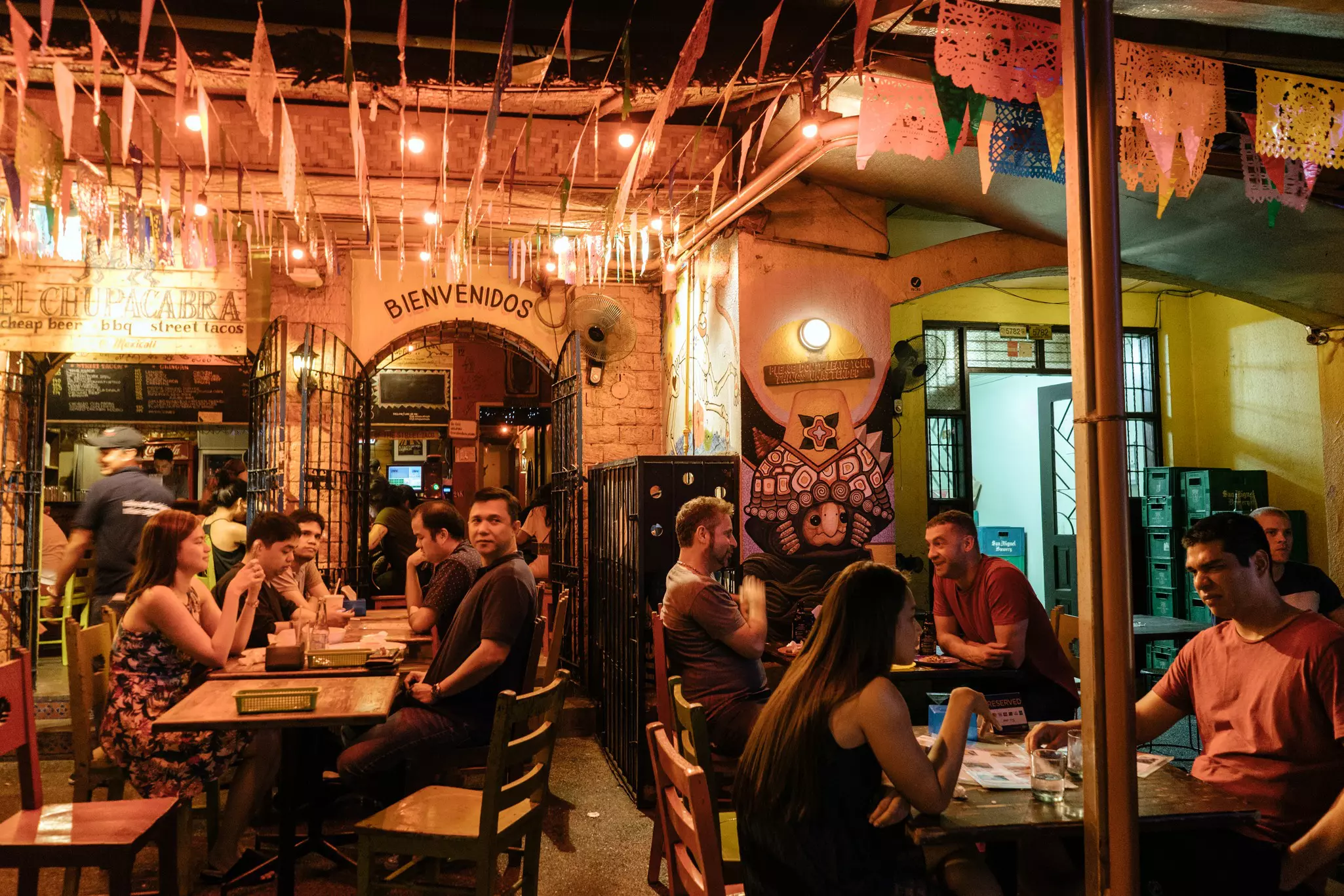
Filipinos embrace their good culture, and are known for sharing food with others. The invitation “Kain tayo!” (“Let’s eat!”) is a polite greeting often used interchangeably with “hello.” If a host has prepared food – often served family-style – it’s courteous to taste a little bit even if you’re full or aren’t particularly fond of it.
A drama customarily takes place over who will get the last food portion left on the table. Always offer the last slice of anything to your dining companions, or offer to split it into smaller portions to share. Saying you’re full is a simple gesture and shows consideration for others. Taking the whole piece without offering it to others can come across as rude or thoughtless.
Major cities have good internet service, yet some places in rural areas and remote islands may have limited connections or no signal. If you’re a digital nomad who needs to stay connected, mobile data (through local SIM cards) is vital and often more reliable than wi-fi.
Sadly, power outages and unstable internet connections are still a reality in many regions due to weather conditions or ongoing infrastructure issues. Staying in bigger hotels with generators may help prevent getting disconnected – yet you may find the (inadvertent) chance to go off the grid an enriching, eye-opening experience.

Unlike many European countries, where cafés often charge for bottled water or to serve tap water only upon request, most food establishments in the Philippines with potable water usually provide free, safe and clean drinking water to customers. (In fact, it’s a requirement by law.) Bring your own tumbler when dining out to stay hydrated and save on drinks.
Yet if you have a sensitive stomach or are unsure of the water’s quality (particularly in rural areas), you might want to refill from proper mineral-water stations when you can, or opt for bottled drinks.
While it’s easy to find ATMs and pay with cards in major cities like Manila, Baguio and Cebu City, cash is still king when you visit smaller towns, islands and local markets. While the mobile-wallet app GCash has become increasingly popular, you’ll want to have cash on you when traveling to remote or rural areas.
Bring small bills for entrance fees, restroom stopovers, souvenirs and those tasty random treats hawked by vendors who board buses during long trips. Tips in the 10% range are often expected for services of tour guides, boatmen and spa therapists. While you’re not required to tip on taxis and rideshare apps, many locals often round up their payments.
One of the most common questions I get asked – even from fellow Filipinos – is whether traveling around the Philippines is safe. In my experience, some regions of the country, particularly areas in the south, get an unfairly bad rap.
As a solo female traveler who’s ventured to many places, I can count on one hand the times I’ve felt unsafe – and in most cases, this was due to my own foolhardy behavior. In general, the people across the Philippines are warm, welcoming and eager to help if you find yourself in a jam. It’s the bigger, busier cities where you have to use more caution.
As with any other destination, isolated incidents can and do happen. Yet if you register with tourist offices wherever you visit, get travel insurance, notify loved ones of your whereabouts, pick safe areas to stay in and (above all) use common sense, you should have no issues.
If you feel uncomfortable traveling alone, join up with fellow travelers, or opt for packaged and guided tours – especially for the more remote, hard-to-reach places. In case of emergencies, get in touch with the 24/7 government-run Tourist Assistance Call Center (TACC) at 151-TOUR.
Book your Philippines trip with Lonely Planet Journeys
See Philippines how it's meant to be seen
Accommodations, activities and ground transportation all taken care of, so you can focus on the fun part. Tell us what your dream trip to Philippines looks like, and our local experts will build it from scratch. Or start with one of our itineraries and make it your own.

Explore related stories