Jul 14, 20267 min read
14 Things to Know Before Visiting MaltaJul 14, 2026
7 MIN READ
Writer
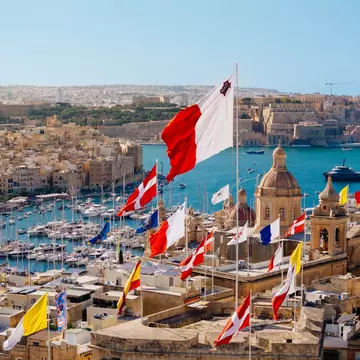
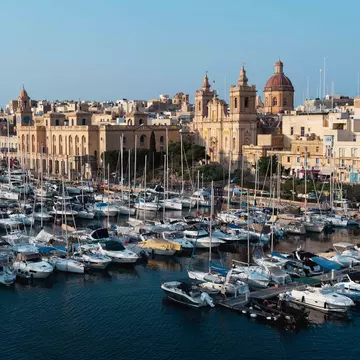
The view of Senglea Harbor from the rooftop of the Cugo Gran Macina. Jack Pearce for Lonely Planet

Writer
Highlights
Writer Brett Atkinson shares 14 Malta tips on timing, bookings, safety and etiquette.
Book the Ħal Saflieni Hypogeum three months ahead; entry is capped at 80 visitors daily.
Pack walking shoes for Valletta's cobblestones, Mdina's lanes and Gozo's clifftop trails.
Rent a car for Gozo's quieter roads; non-EU visitors need an International Driving Permit.
Lonely Planet may earn a commission from affiliate links on our site. All recommendations and reviews reflect our own independent opinions.
Compact, easy to get around and with a friendly English-speaking population, Malta is a relaxed and convenient destination filled with pleasures. Taking note of a few pre-departure tips will make a trip to the Mediterranean’s smallest island nation even more enjoyable. Here’s all you need to know before visiting Malta.
There is an appeal to visiting this archipelago in every season. Spring (March to May), with maximum highs of 18°–24°C (64°–75°F), is good for hiking and sightseeing. The summer months (June to September) are very hot, with highs of 30°–38°C (86°–100°F) and up to 85% humidity. The evenings come alive with local festivals and events where you can experience Maltese culture. Fall (mid-September to late October) is often considered to have the best weather – it's warm but not scorching, and the sea is a pleasant temperature still for swimming. Winter (November to February) is a good time for budget travelers, when prices drop on accommodations. January and February are the rainiest months.
A first-time visitor could see the highlights of Malta in 7 days, covering Valletta, the Three Cities, Ħaġar Qim & Mnajdra, Marsaxlokk, Mdina and Rabat, and Mellieħa. If you're just coming to Valletta, allow at least 3 days.
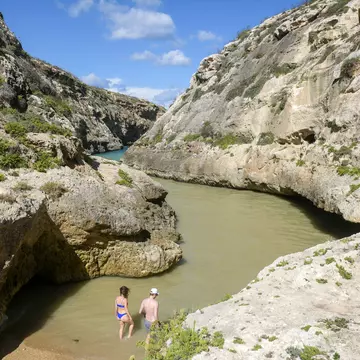
Malta’s diminutive dimensions (27km by 14.5km) mean you can cover a lot of ground while using just one city or resort as a base. Hop easily from a UNESCO-listed capital to an extraordinary prehistoric site to a beautiful natural swimming pool in a day.
A 5000-year-old subterranean necropolis only rediscovered in 1902, Malta’s Ħal Saflieni Hypogeum is one of the country’s essential sights. As such, it’s extremely popular – and to protect the fragile, centuries-old interior, entry is limited to 80 people per day. Booking online – far ahead, ideally 3 months or more before arrival in Malta – is highly recommended. Also, if you miss your timed entry, it’s not possible to join the next guided tour. Last-minute entry tickets, which also sell out quickly, are available the day prior for €50.
Malta is an excellent destination to explore independently in a rental car, especially on the quieter roads of Gozo. Car-rental prices are some of the lowest in Europe, and having your own ride offers more convenience and efficiency than relying on Malta’s extensive but sometimes slow bus service. As in the UK and most Commonwealth countries, drivers need to stick to the left-hand side of the road. Booking rental cars in advance is recommended for visits in July and August.
Travelers from the UK and European Union countries can use their home driving licenses – but if you’re coming from a non-EU country, you’ll also need an International Driving Permit (IDP). These are issued for a one-year period by local automobile associations in travelers’ home countries.
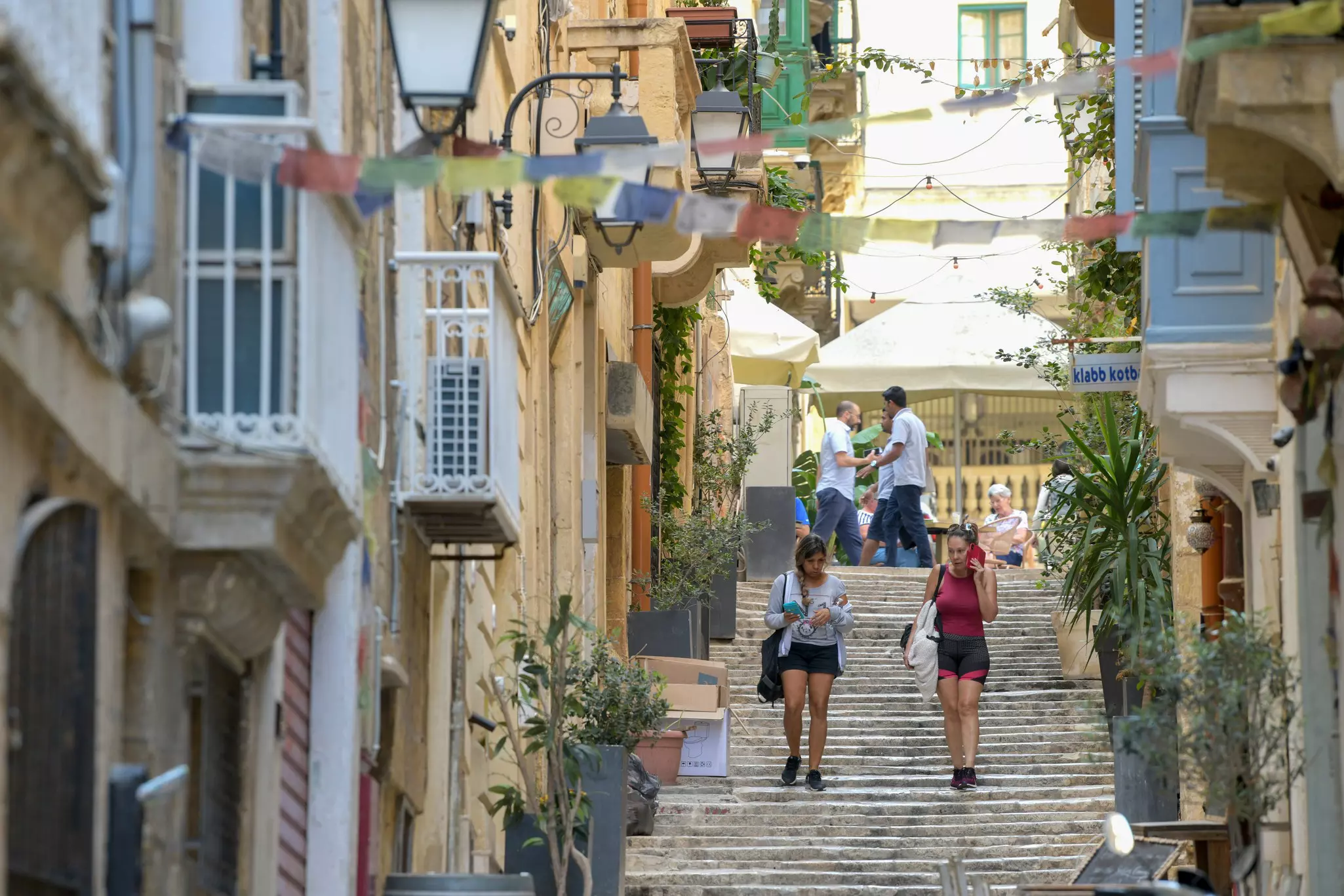
Malta is a great place to explore on foot, especially around Valletta and in the hilltop walled city of Mdina. Note that both places involve many steps and centuries-old cobblestones, and wearing comfortable walking shoes is recommended, if not essential. If there’s a bit of rain, lanes and plazas can also become slippery, and are probably not best negotiated in a pair of sandals or flip-flops.

Stay connected abroad with an eSIM
Holafly eSIM provides unlimited mobile data with no hidden fees, giving you peace of mind wherever you travel. Stay connected even after your plan ends with Always On. Use code LONELYPLANET for an exclusive discount.
Lonely Planet may earn a commission from affiliate links on our site. All recommendations and reviews reflect our own independent opinions.
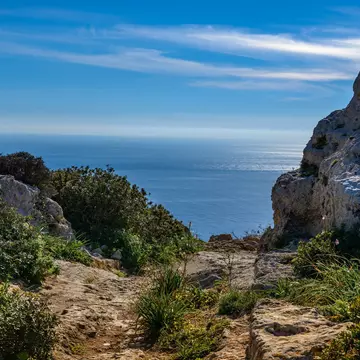
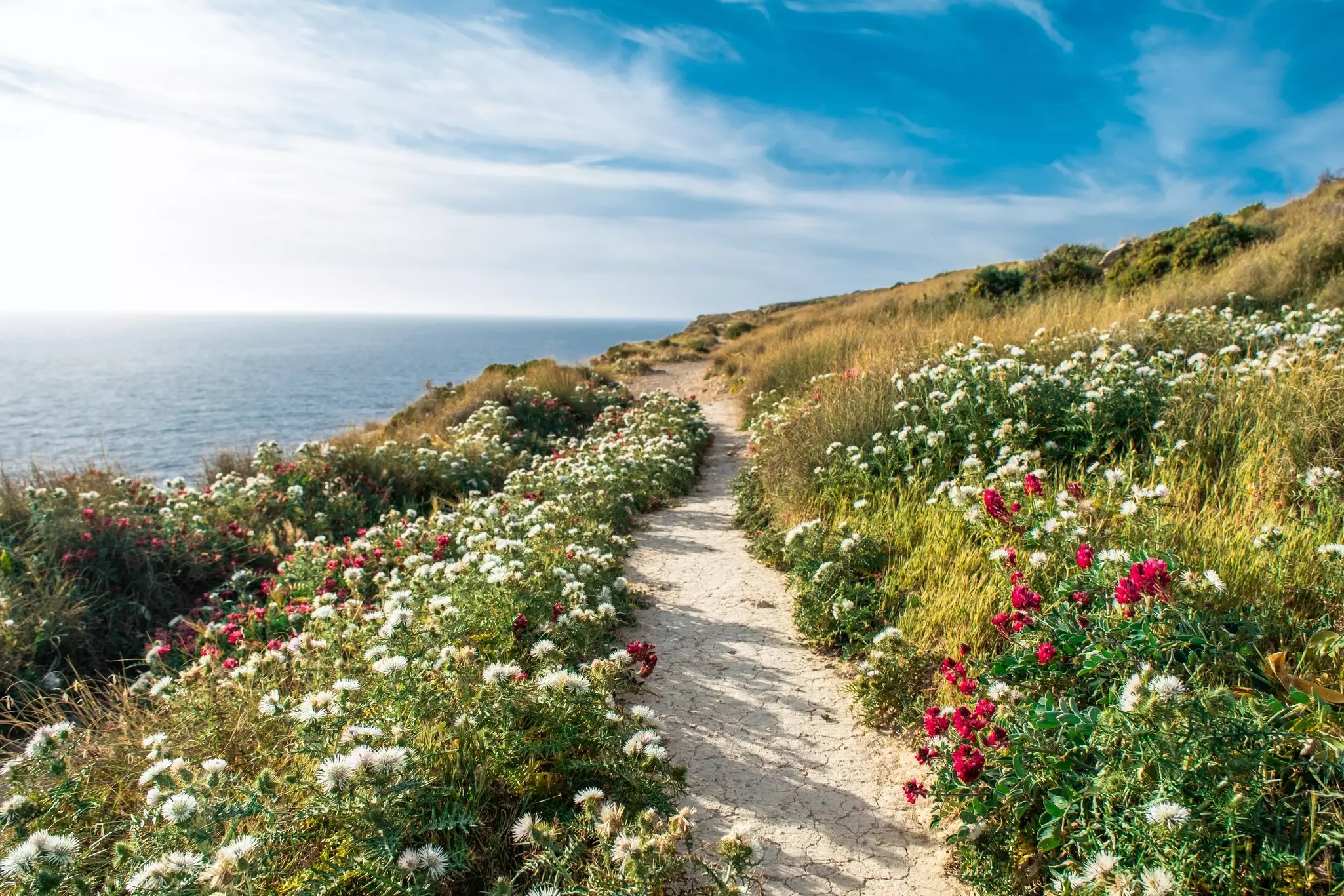
Good walking shoes will also serve you well when exploring clifftop hiking routes like Malta’s Dingli Cliffs or the Xlendi Walk on Gozo. An effective sun hat and sunglasses are also essential to combat the heat of a Mediterranean summer. Gozo in particular is becoming a popular walking destination, with marked trails linking villages, clifftops and beaches.
Everyone speaks English in Malta, but it’s still worth learning a few key phrases in the country’s national language (also known as Malti). Most closely related to the Arabic dialects of western North Africa, Maltese is Europe’s only Semitic language (a grouping that also includes Arabic, Hebrew and Amharic), as well as a language with a few loan words easily traced to their country of provenance.
Here are a few key Malti words to assist you during a trip:
merħba (hello)
bonju (good morning)
bonswa (good evening)
grazzi (thank you)
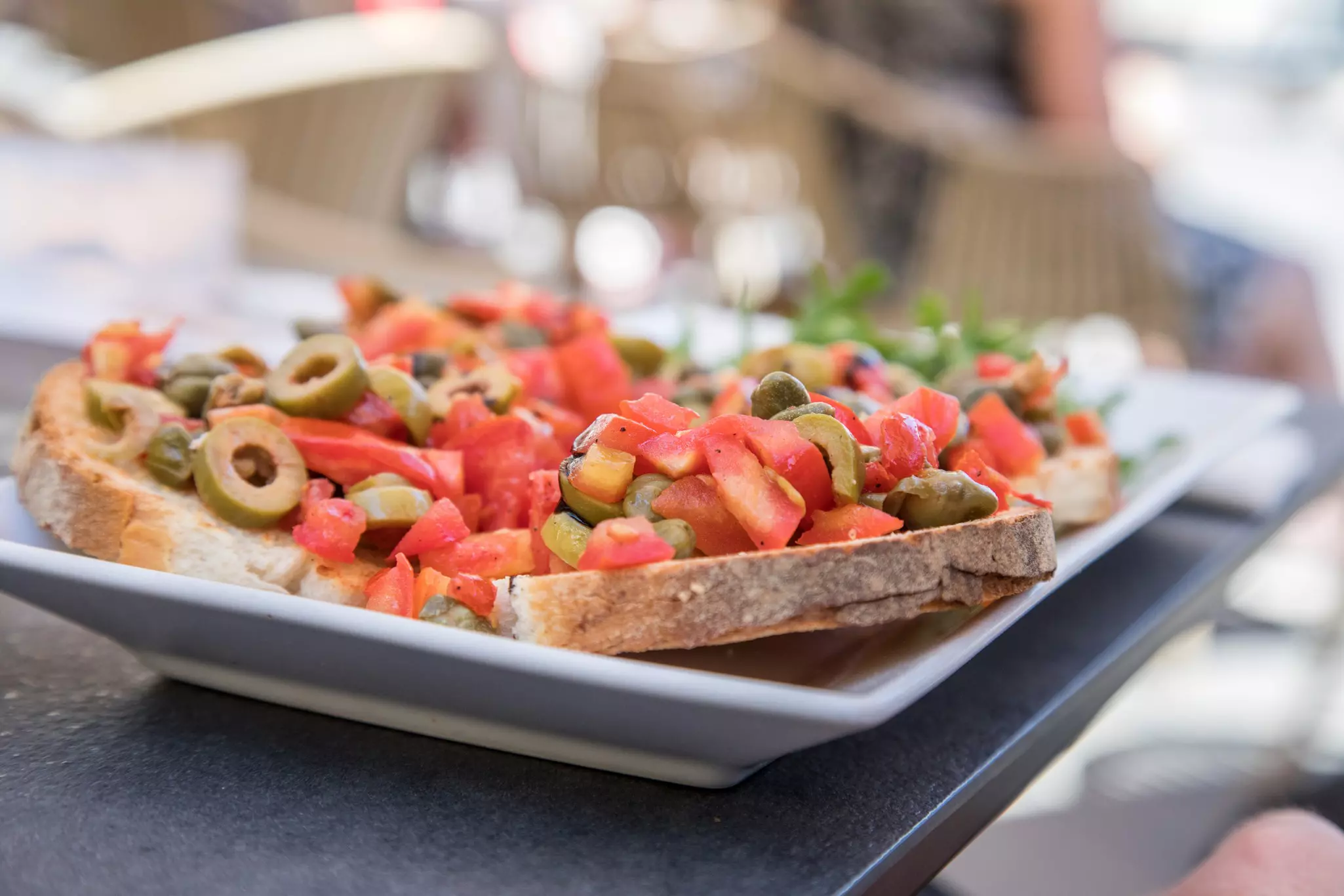
As an island country in the middle of the Mediterranean Sea, Malta has a cuisine that’s been influenced by various cultures throughout the centuries. French, British, Italian – especially Sicilian – and Arabic flavors all overlap in the diverse food traditions here. Before leaving home, book a private walking tour with Offbeat Malta Food Trails for early in your trip. That way, you’ll be up to speed and armed with cultural and historical culinary insights as you explore local restaurants, island vineyards and food markets across Malta and its smaller sister island of Gozo.
It’s also worth booking well ahead for popular Michelin-starred restaurants like Valletta’s Noni, especially during Malta’s busiest travel months, July and August.
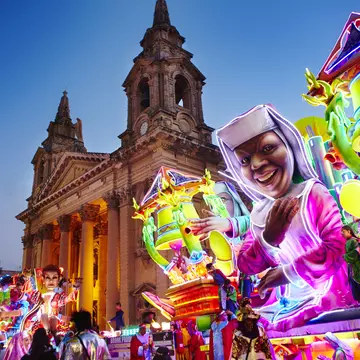
Held in early August near Valletta, the annual Malta International Food Festival is an essential event for traveling foodies. Around one month earlier in July, Gozo’s version of the same festival enlivens the traditional village of Xewkija.
With a strong Roman Catholic heritage, Maltese society remains largely conservative. Dress respectfully when entering a church – having a shawl to cover shoulders is a good idea – and hats and sunglasses should be removed. Away from the beach, cover up with a sarong and T-shirt, and note that topless and nude sunbathing is illegal. When meeting someone for the first time, a handshake is appropriate.
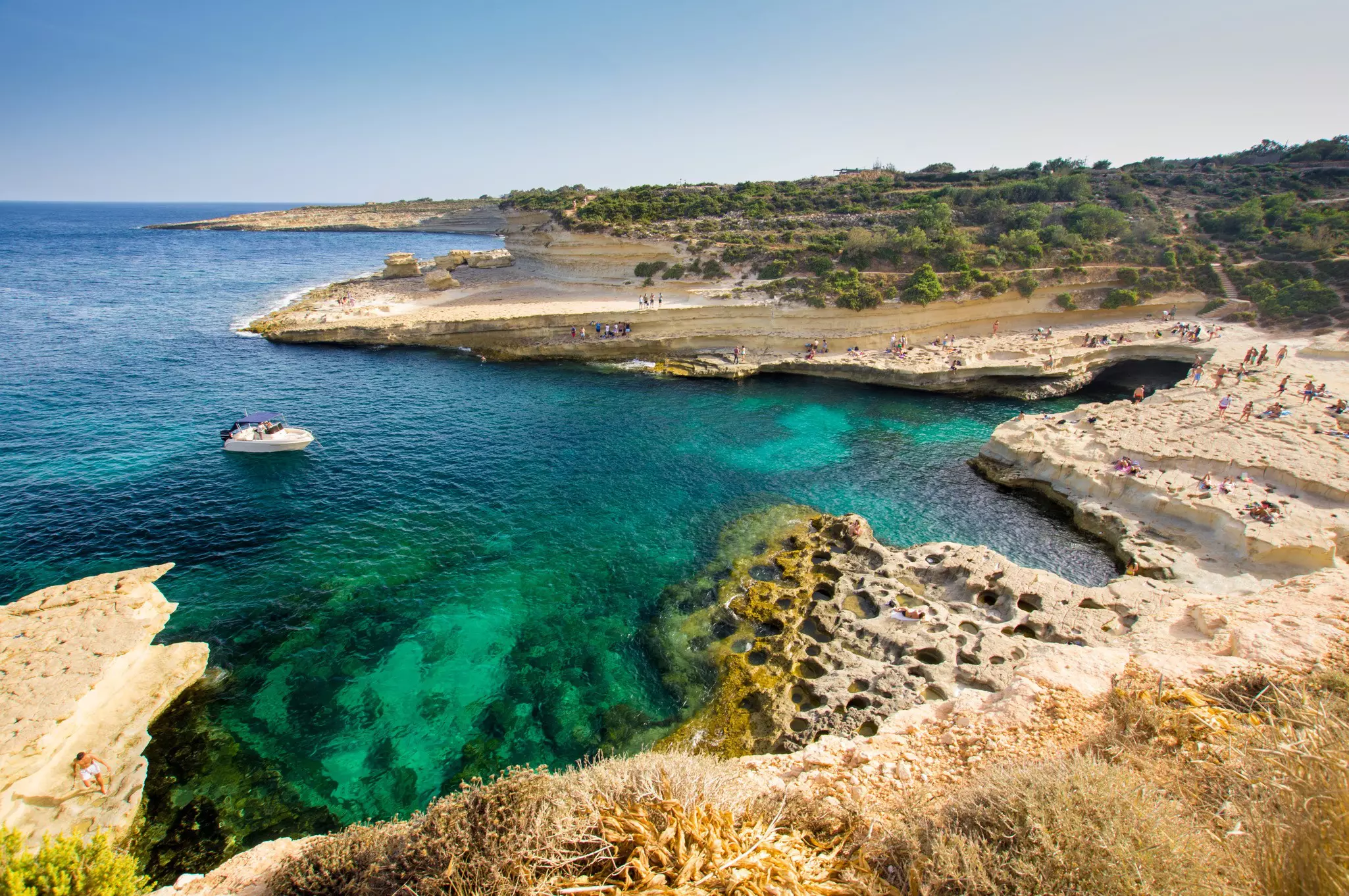
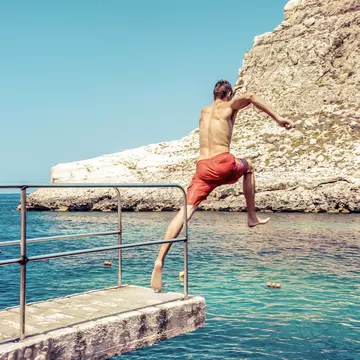
The Maltese have a well-known phrase: “Il-baħar żaqqu ratba u rasu iebsa,” meaning, “The sea has a soft belly, but a hard head.” While beaches are largely safe in calm weather, storms, windy weather and strong undercurrents can present danger, and locals advise never to swim in rough seas. Major beaches operate a flag system and have lifeguards on patrol from June to September. If there’s no flag system operating, or if you’re in doubt, ask a local about whether and where it’s safe to swim. When diving into popular swimming locations such as St Peter’s Pool and Il-Kalanka in southern Malta, take extra care.
Fueled by alcohol, fights and drunken violence have been known to occur in nightlife zones, especially around the late-night clubs of the Paceville area of Valletta. Keep your wits about you, even (or especially) after a cocktail or two.
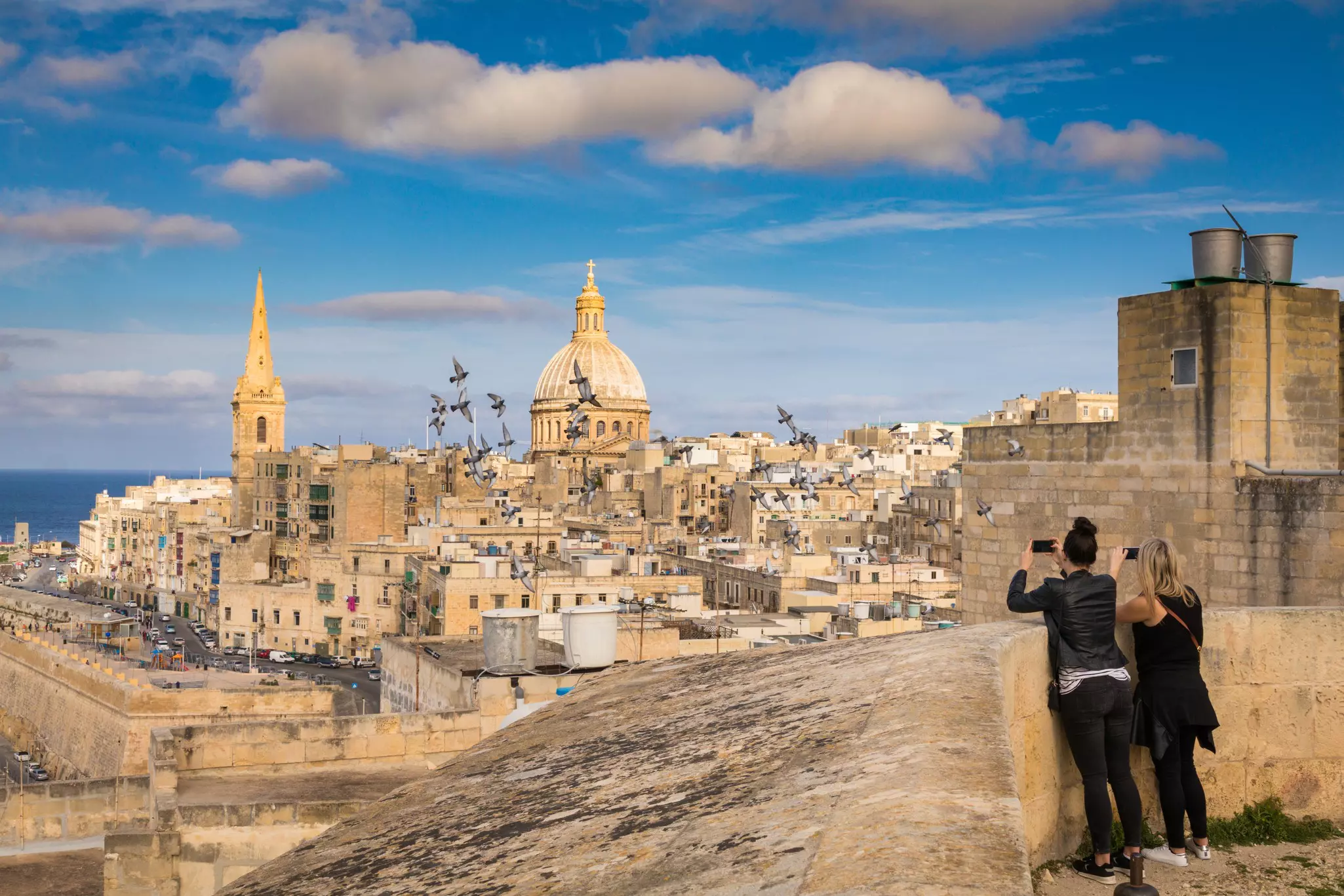
Malta has a low rate of violent crime, though there are occasional reports of rental cars being broken into at beach car parks, especially if they’re adjacent to a more remote stretch of sand. Take care to always lock your car and never leave anything of value inside. Also, be aware of your belongings when swimming and sunbathing on all beaches, as occasional opportunistic thefts do occur.
High-standard health and dental care is readily available, and Maltese pharmacists can give advice and sell a wide range of over-the-counter medications. Holders of a European Health Insurance Card (EHIC) – available to citizens of the EU and Iceland, Liechtenstein, Norway and Switzerland – or GHIC for travelers from the UK receive free or reduced-cost health care while in Malta, and the country has reciprocal health-care agreements with Australia and the UK. Visitors should definitely have travel insurance.
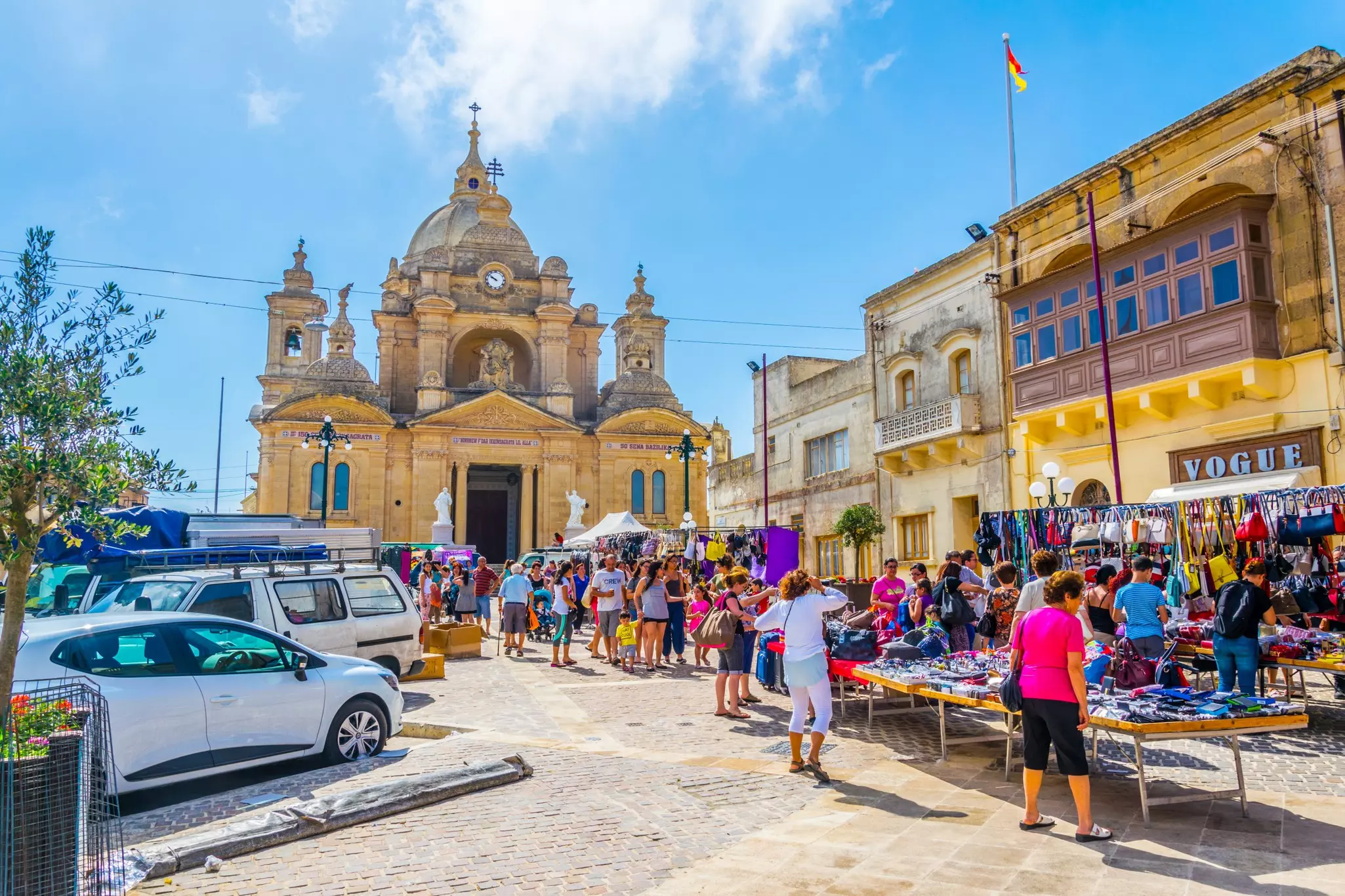
Especially when driving around Malta’s main urban conurbation (incorporating Valletta, Sliema and St Julian’s), it’s worth channeling a confident approach to getting behind the wheel. The roads are usually very busy, and local drivers can regard indicators for signaling a turn as optional. Yielding (giving way) at roundabouts is also routinely ignored.
If you remember to drive with confidence, plus an added level of awareness, you’ll be fine. Many Maltese roads, especially through villages, can be narrow, so be patient and courteous to oncoming traffic if you need to yield. As a pedestrian, also never assume that local drivers will stop for you at pedestrian crossings.
Outside of Malta’s most built-up areas, driving is much less stressful, and having a car makes getting around Gozo and to Malta’s more remote beaches and destinations much easier.
To continue planning your trip, check out our Malta and Gozo guidebook
Explore related stories