Jun 21, 20266 min read
5 of the Best Food and Drink Experiences in Burgundy, FranceMar 26, 2026
7 MIN READ
Writer
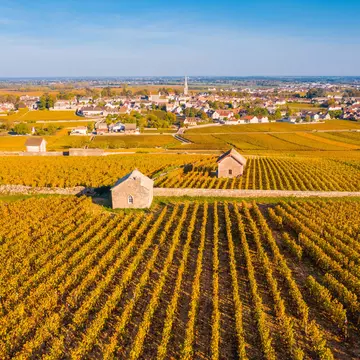
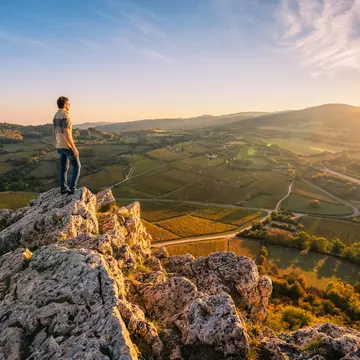
Vineyards in autumn near the village of Mersault, Burgundy. © Marco Bottigelli/Getty Images

Writer
Lonely Planet may earn a commission from affiliate links on our site. All recommendations and reviews reflect our own independent opinions.
Burgundy doesn’t always align with a fixed itinerary – sometimes by design, sometimes not. Trains run easily from Paris to Dijon, but beyond that, the region slips gently out of sync with timetables: services are infrequent, taxis need to be booked ahead, and – this being France – train strikes are never entirely out of the question. It’s not unusual to find yourself unexpectedly delayed in a vineyard village, waiting things out over a glass of something local.
From the limestone slopes of the Côte d’Or to the medieval lanes of Noyers-sur-Serein and the forested uplands of the Morvan, Burgundy rewards a little preparation. Plan your visit with these tips on culture and etiquette, food and drink, and safety.
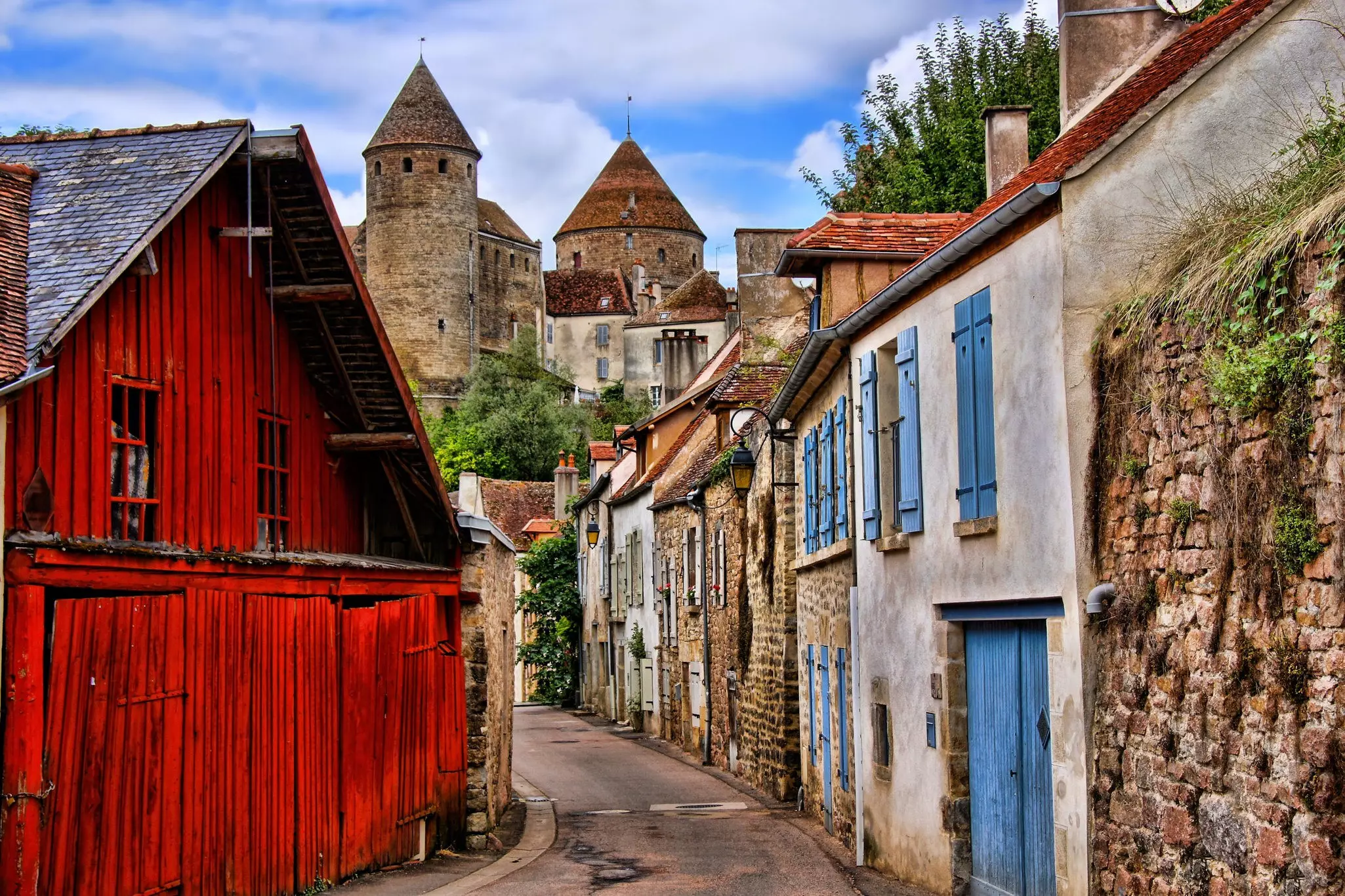
High-speed TGV trains connect Paris to Dijon in around 90 minutes, and Beaune and Auxerre are easily reached by rail. But the places that make Burgundy memorable – the vineyard villages of the Côte d’Or, hilltop towns like Flavigny-sur-Ozerain and Noyers-sur-Serein, or the Morvan’s lake country – have little to no public transport.
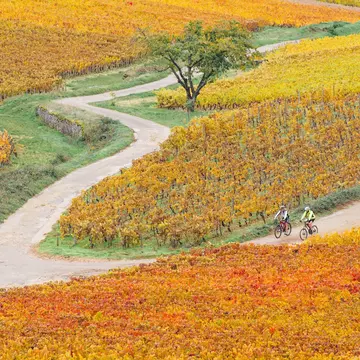
A rental car gives you flexibility and lets you stop wherever the landscape draws you in. If you’d rather go slower, e-bikes are widely available in Beaune and Dijon and are well suited to the gentle vineyard routes.
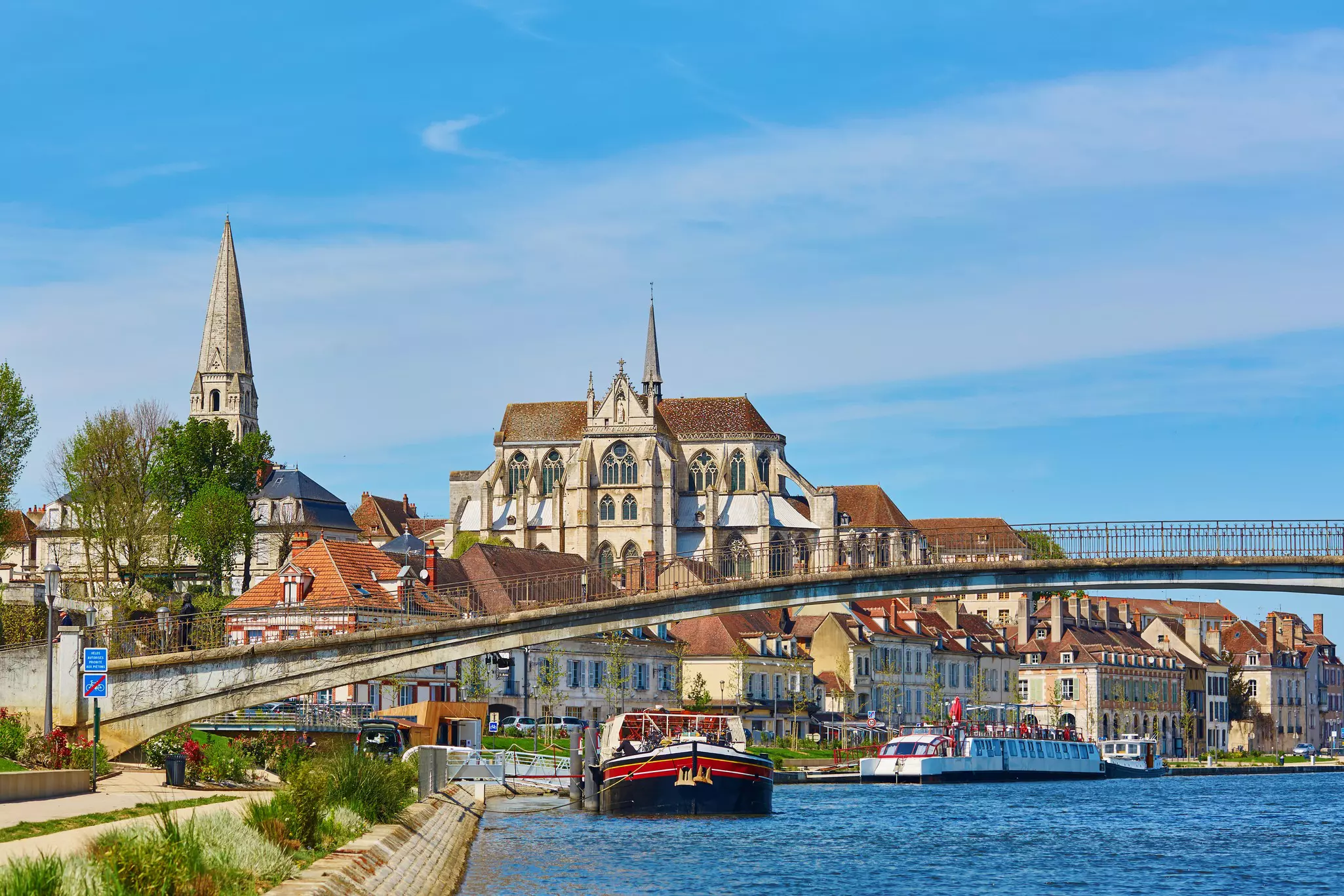
Accommodations become difficult to find during two key periods: the grape harvest (September into early October), when vineyard towns fill with visitors, and the third weekend of November, when the Hospices de Beaune wine auction and Les Trois Glorieuses take over the Côte d’Or. Hotels in Beaune and Dijon book out months in advance, with prices to match. If your trip overlaps with either, reserve as early as possible.
Despite Burgundy’s global reputation, most winemakers are small, independent producers working limited plots, and cellar visits are rarely open without prior arrangement – often only through trade or personal connections.
If visiting a domaine matters to you, email or call a few weeks ahead and be clear about what you’re hoping to taste, but don’t be discouraged if it’s not possible. For a more accessible introduction, Beaune’s négociants (wine merchants) and specialist wine shops offer excellent tastings, often with a broader overview of the region’s wines and styles.
The grand cru are the most celebrated wine names in Burgundy – such as Romanée-Conti, Chambertin, Montrachet – and are priced far beyond most visitors’ reach. The more interesting place to look is premier cru at the level just below: village wines, which often come from the same slopes and are made with the same care and attention. A good Gevrey-Chambertin or Meursault can be a genuine revelation. Burgundians are a proud lot, and happy to share their knowledge, so don’t hesitate to ask for guidance whatever your budget.
Held on the last weekend of January, this annual festival honours St Vincent, the patron saint of winemakers. Each year a different village hosts, and when it arrives, the streets fill with processions, tastings, music and open cellars. It remains largely local in feel and is one of the most atmospheric ways to experience Burgundy out of season. Book accommodations as soon as the host village is announced – it fills quickly.
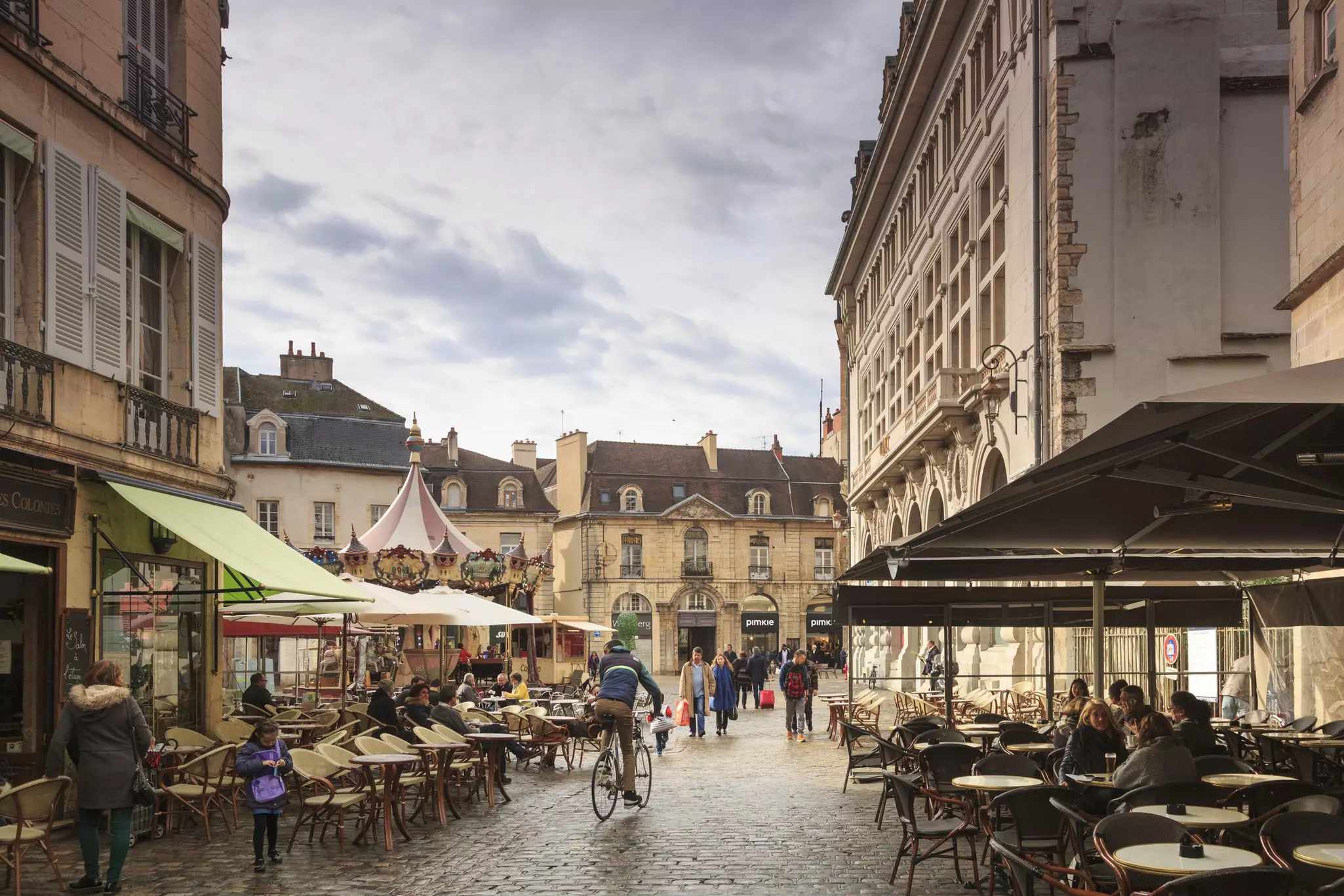
In Burgundy, lunch is not rushed. The midday meal is treated with the same care as dinner, and some of the region’s best cooking is served at lunchtime, often at lower prices. Many bistros serve only between noon and 2pm and rely on reservations – often ordering just enough for the tables they expect. Walk-ins are regularly turned away, not out of snobbery, but because there simply isn’t food to spare.
Call ahead, even for a weekday lunch in a village. Many restaurants also close 2 days a week, and some shut entirely for several weeks in winter – check before you go, or you may find a locked door where you’d planned a long afternoon.
Dijon’s name is so closely tied to mustard that it surprises many visitors to learn that one of the most respected producers is based in Beaune. La Moutarderie Edmond Fallot has been making stone-ground mustard since the 19th century, and visits end with tastings and the chance to mix your own blend. Book your visit online in advance.
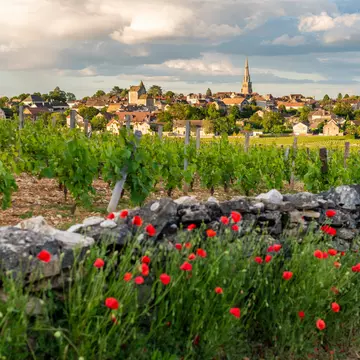
In spring, keep an eye on the vineyards: bright yellow mustard flowers bloom between the rows, turning parts of the Côte de Beaune vivid with colour.
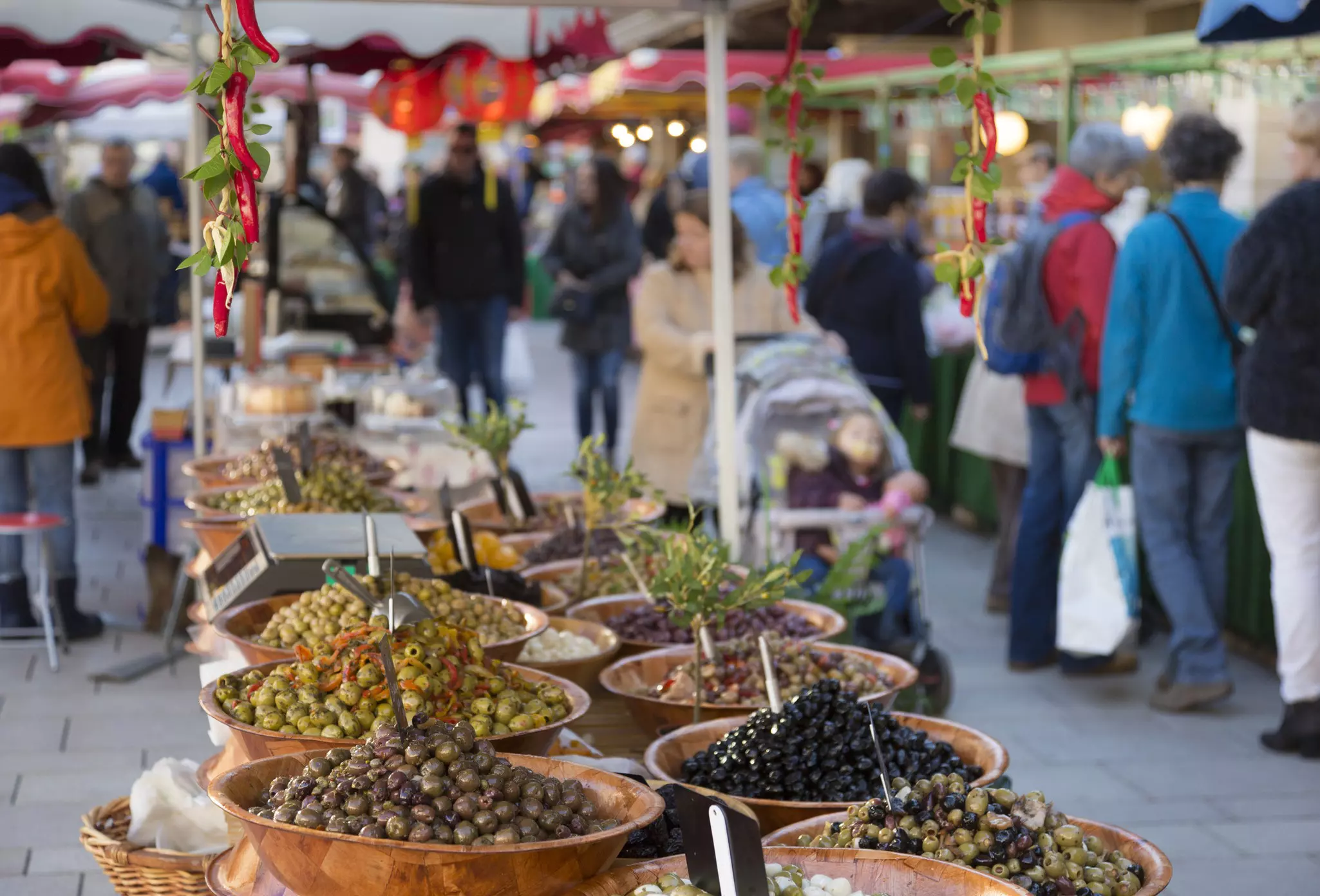
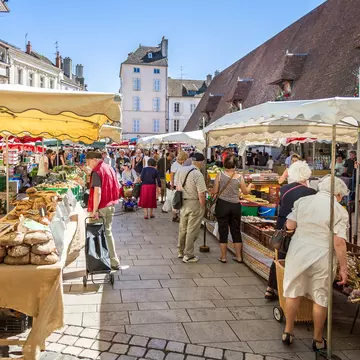
Picnicking is part of everyday life in Burgundy, especially once the weather warms up. Markets are the best place to pick up local specialties – think cheeses like Époisses, slices of jambon persillé, fresh bread and seasonal produce.
From there, head to the vineyards, a riverside path or a quiet patch just beyond the village. It’s one of the simplest – and best – ways to experience the region. Don’t forget a corkscrew and a knife for the cheese.
“Burgundy” is widely understood, but Bourgogne is what the region calls itself. Using it is a small gesture, but a polite one. The same goes for wine: a Bourgogne rouge or Bourgogne blanc, rather than “red” or “white Burgundy.” It’s not essential, but it will be noticed.
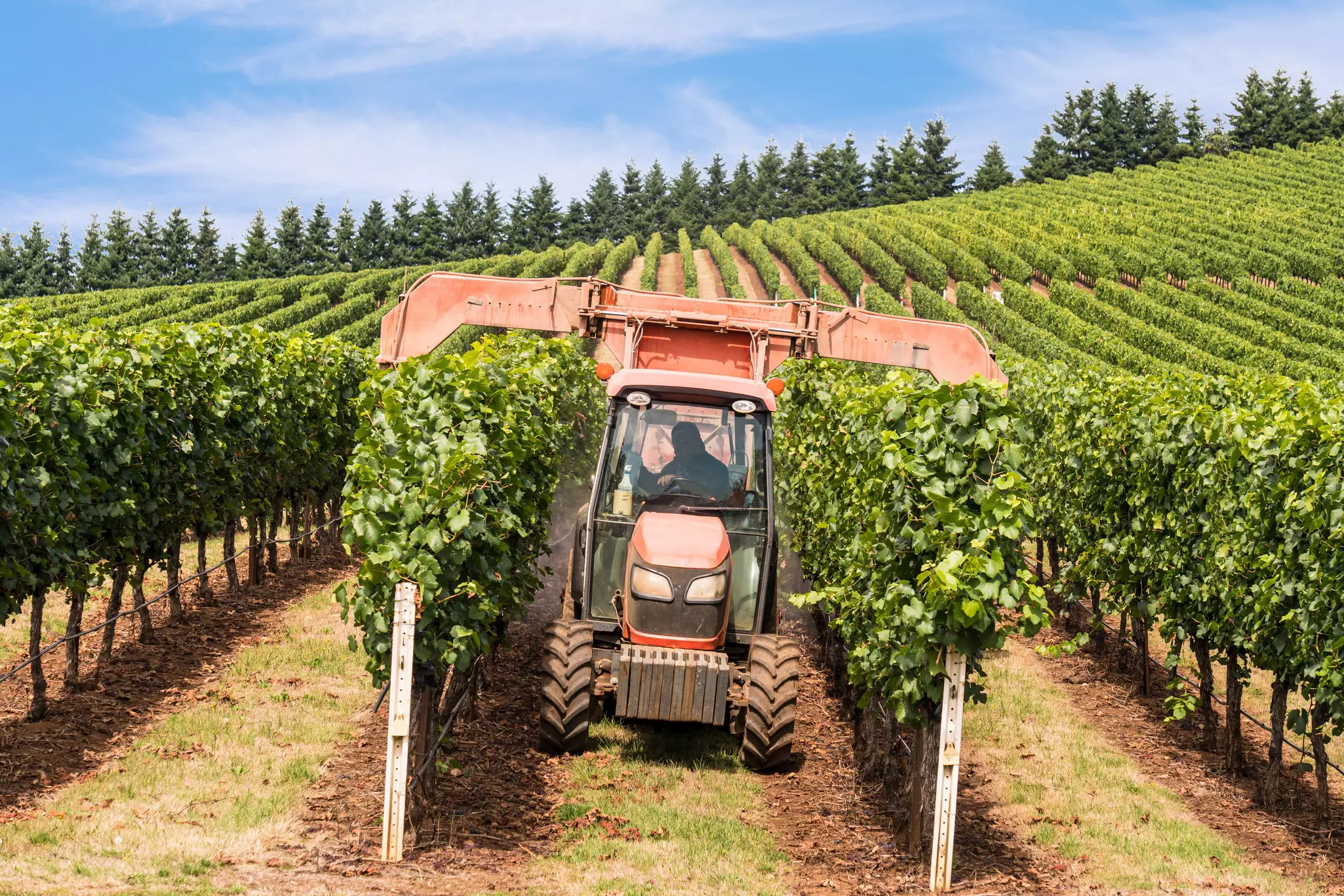
Unlike the fenced estates of Bordeaux or Champagne, most of Burgundy’s vineyard parcels can be freely walked and even picnicked in, including Premier and Grand Cru sites. It’s an unusual level of access, and one that comes with expectations.
Stick to the paths between the rows, don’t step into the vines, and leave no trace. If work is underway – spraying, ploughing, harvesting – move on without complaint. These are working landscapes, not attractions, and you’re an unexpected visitor in their space.
Burgundy’s vineyards are divided into over 1200 precisely defined parcels known as climats, a term that refers not to weather, but to the combination of soil, slope and exposure that shapes each site.
Recognized as a UNESCO World Heritage site, this system is central to how Burgundy understands wine. Two bottles from the same village, made by the same producer from nearby plots, can taste noticeably different. A basic grasp of this idea will make cellar visits far more rewarding.
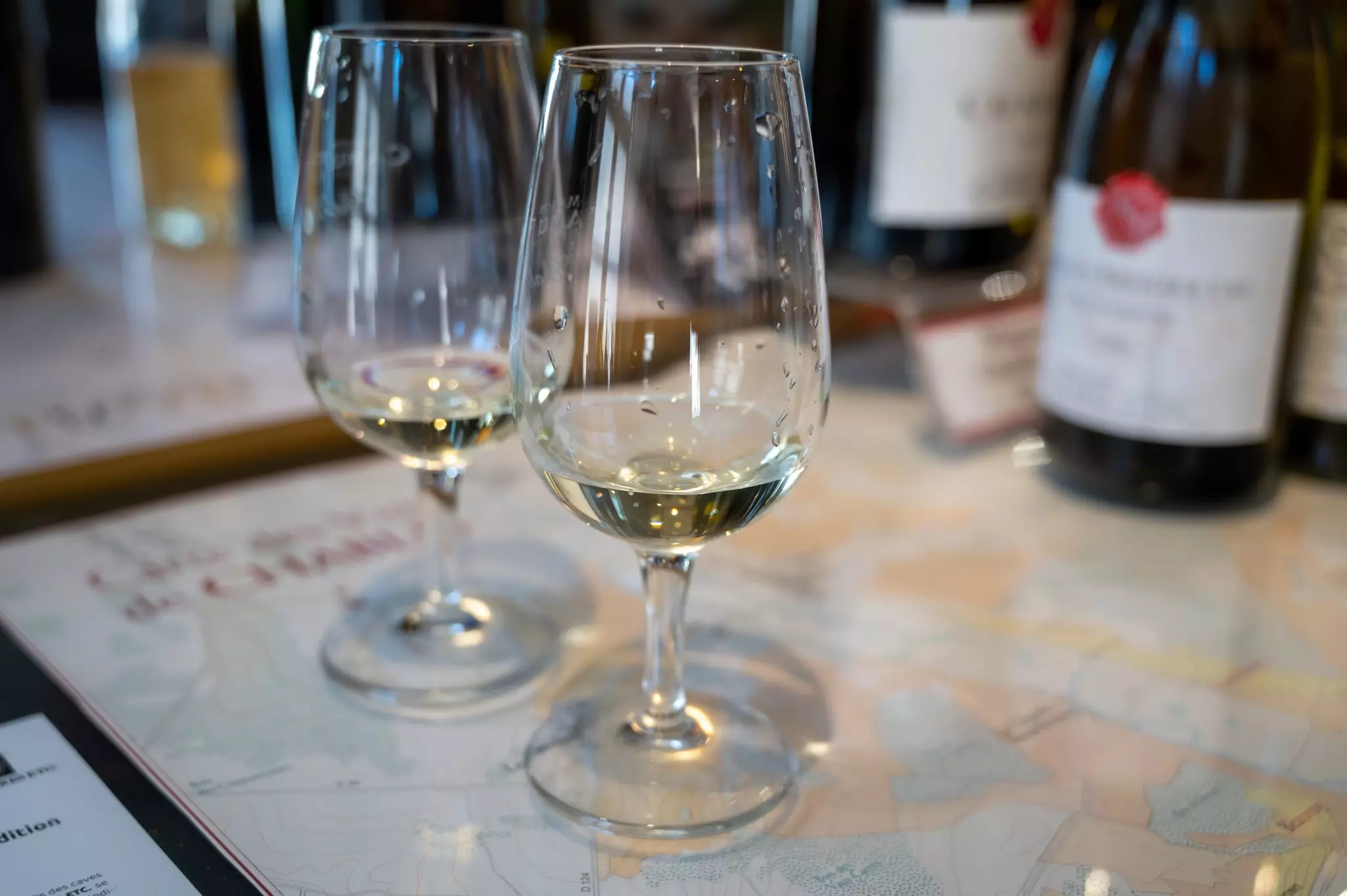
Technically, Chablis is a white Burgundy – chardonnay grown within the region’s boundaries. But producers there tend to bristle at the label. The cooler northerly climate and distinctive limestone soils, threaded with fossilized oyster shells, give the wines a character quite different from those of the Côte d’Or.
When tasting with a producer, treat Chablis on its own terms – the wines will make more sense, and the producer will warm to you faster.
English is widely spoken in Dijon and Beaune, but much less so in smaller villages. In markets, cafes and cellar visits, even basic French can make a noticeable difference. You’ll often get by without it, but the experience is usually warmer, and more generous, when you make the effort.
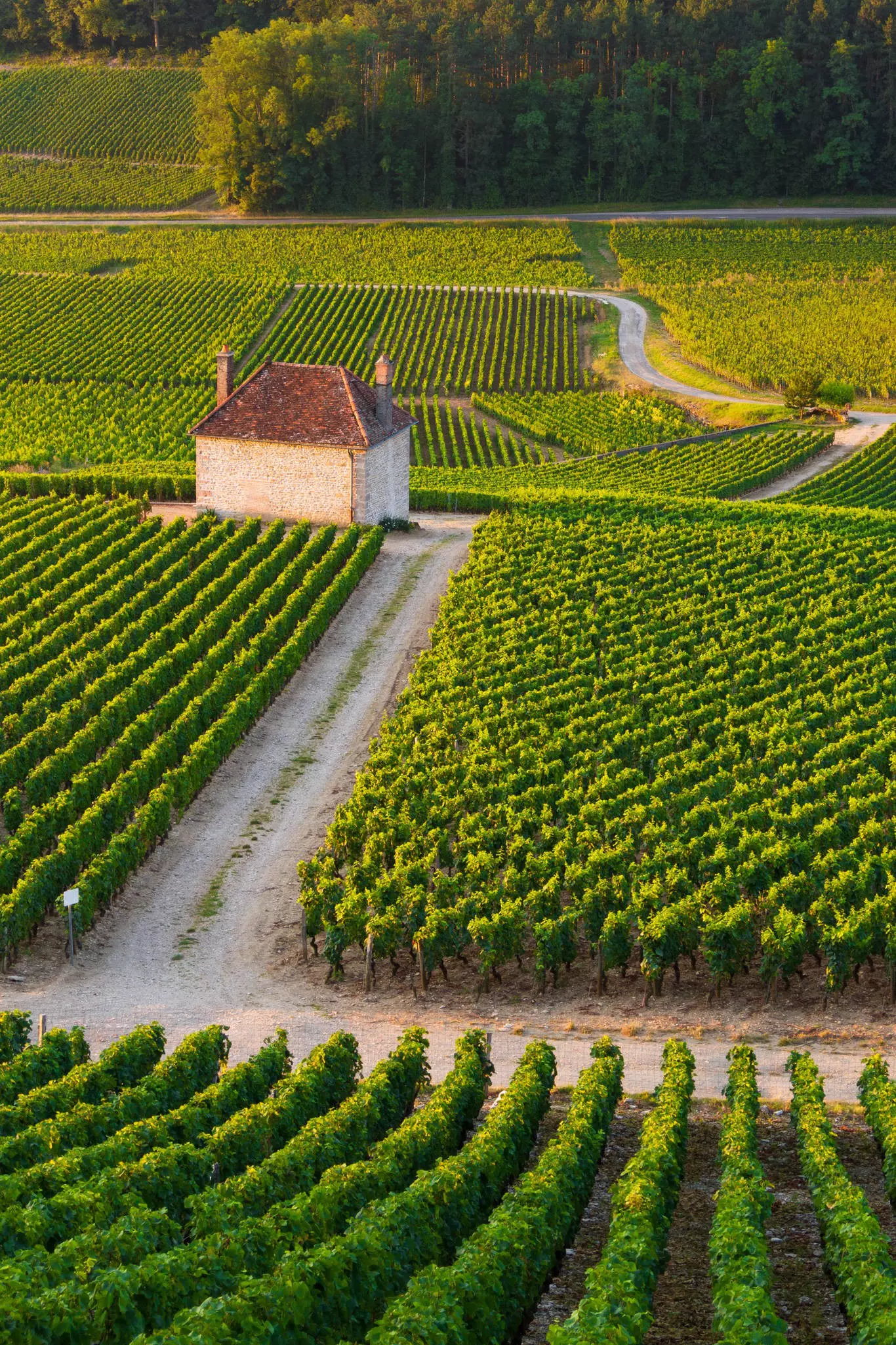
Driving through Burgundy is one of the region’s great pleasures, but it requires patience. Roads between vineyard villages can be narrow, with tight turns and vines close to the tarmac. During the harvest, tractors move slowly between fields and cellars and have priority. Parking in popular villages like Gevrey-Chambertin or Meursault is limited, especially on weekends – use designated areas on the outskirts and walk in.
French pharmacies, marked by an illuminated green cross, are staffed by qualified pharmacists who can advise on common ailments without a doctor’s appointment.
For blisters, stomach upsets, mild sunburn or headaches, they’re the right first stop. In smaller towns and villages, pharmacies are often the most accessible place to seek help, and many pharmacists speak enough English for basic consultations.
Explore related stories