Jun 21, 20266 min read
5 of the Best Food and Drink Experiences in Burgundy, FranceMar 25, 2026
6 MIN READ
Writer
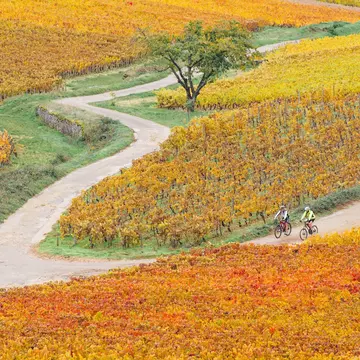
Cycling through the vineyards of Burgundy in autumn. David Bise/Shutterstock

Writer
Lonely Planet may earn a commission from affiliate links on our site. All recommendations and reviews reflect our own independent opinions.
There’s no single best time to visit Burgundy – only different ways of experiencing this fabled part of France. In one of the most famous wine regions in the world, the calendar hews closely to the cycles of the vine. Yet there’s far more to do in Burgundy than visiting vineyards and tasting fine reds and whites. Throughout the year, visitors to Burgundy can enjoy long lunches in medieval village squares, cycle through vineyard lanes, walk in wooded hills, and linger over markets and in museums.
Each season reveals a different side of the region. Many travelers come for the grape harvest in fall, when vineyards buzz with activity. Spring, meanwhile, is ideal for cycling and exploring villages before the peak season kicks off. Things are at their liveliest in Burgundy in the summer months, while winter offers a closer view of everyday life, as villages, markets and cafes return to a more local rhythm, far removed from the summer crowds.
As you plan your own trip, consider our guide to the best times to visit Burgundy.
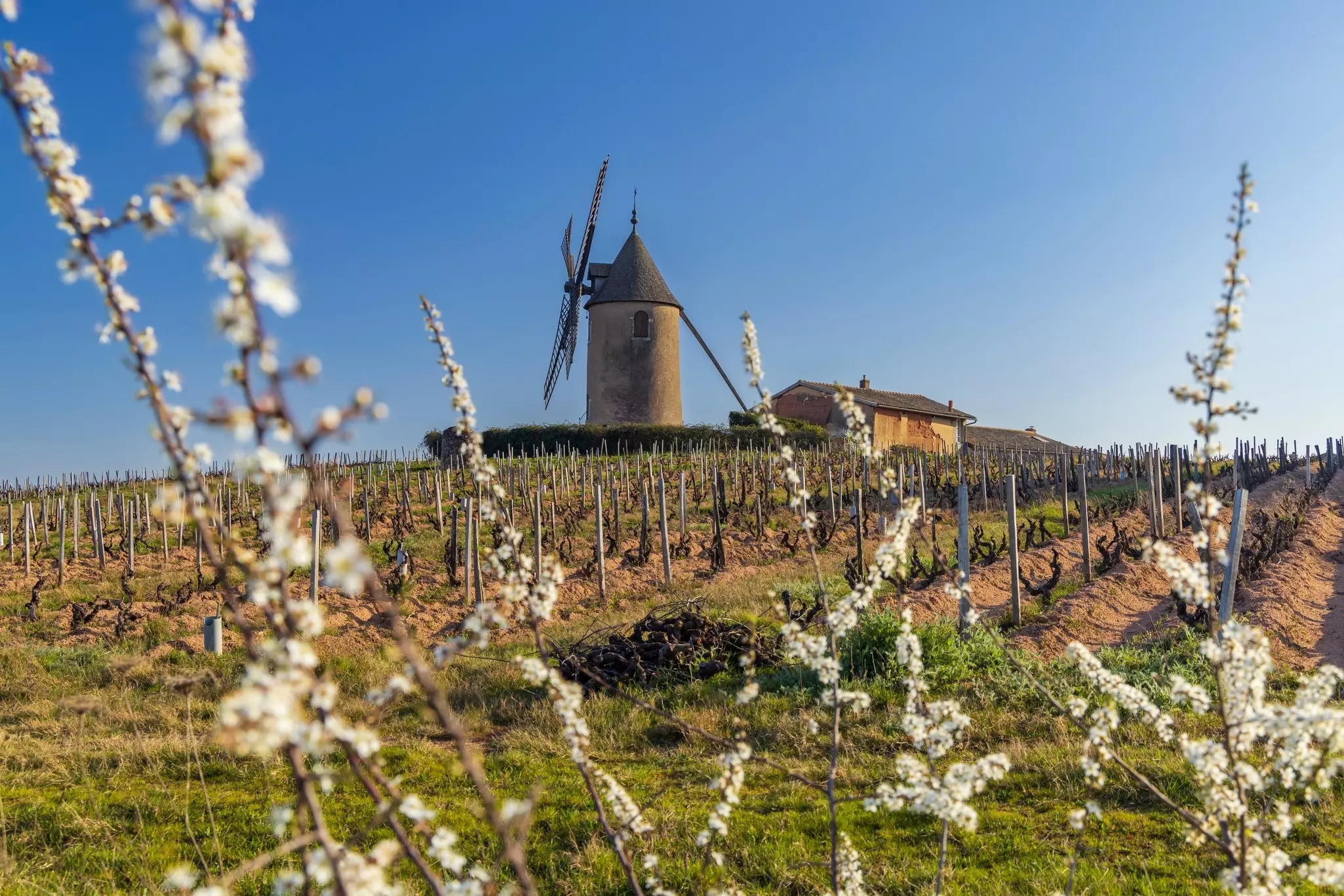
Weather in Burgundy in spring: Temperatures typically range from around 10°C (50°F) in April to about 25°C (77°F) by June. Showers are common and late frosts can still threaten the vines – but longer days and generally mild conditions make this a rewarding time to explore. Keep in mind that Burgundy’s weather has grown less predictable in recent years, and sudden spring storms occasionally sweep across the vineyards – a reminder of how closely the region’s wine culture remains tied to the rhythms and risks of the climate.
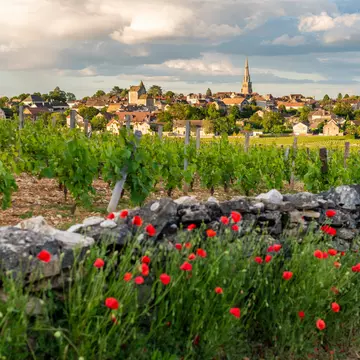
As spring unfolds, Burgundy’s vineyards burst into life. Fresh green shoots push through winter’s bare vines, and bright yellow mustard flowers bloom between the rows, turning parts of the Côte de Beaune vivid with color. The appearance of buds in April, followed by their flowering through May and June, mark the first stages of the vintage, as growers begin watching the season ahead closely.
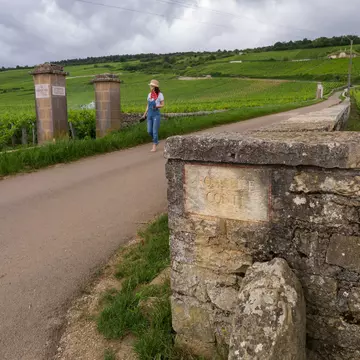
In these lovely conditions, Burgundy is best explored on two wheels. Routes like the Route des Grands Crus and the Voie des Vignes follow winding country roads and dedicated bike paths that weave between the region’s wine villages. Many stretches run directly alongside the vines, with little shade – another reason why spring’s milder temperatures make cycling especially enjoyable.
Spring also welcomes the return of markets and wine festivals. In May, Auxerre celebrates Fleur des Vignes along the banks of the Yonne River, where local wines and regional produce take center stage.
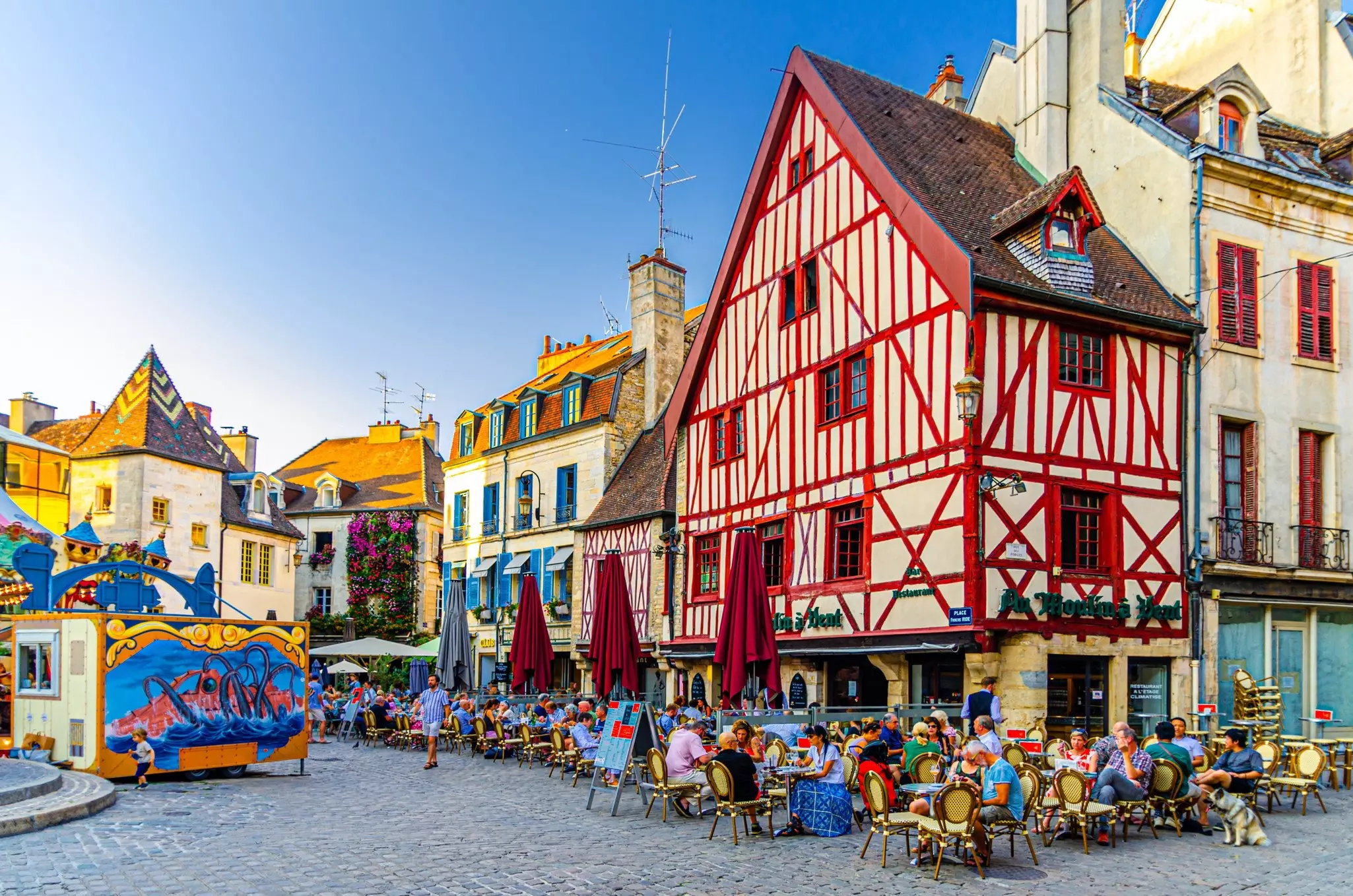
Weather in Burgundy in early summer: June and July are warm and generally sunny, with average temperatures between 20 and 26°C (68–79°F). Long daylight hours and relatively low rainfall make this an easy time to be outdoors, though occasional thunderstorms can roll through in July.
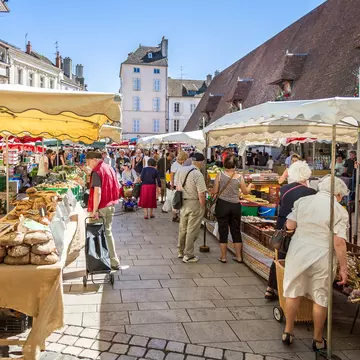
Early summer is when Burgundy feels at its most sociable. Locals spill into village squares to enjoy concerts, markets and open-air gatherings, while restaurant terraces fill from lunchtime and stay busy well into the evening. During long, sunny days, it’s easy to settle in over a long lunch and a glass of wine (or two) before heading to the next cellar on your bicycle.
The warm weather also promises activities beyond the vineyards. Throughout July, Beaune hosts the Festival International d’Opéra Baroque, with performances staged in historic venues around town. In Dijon, locals head to Dijon Plage on Lac Kir, where swimming areas, sand and pop-up cafes create a relaxed, holiday-like atmosphere just outside the city. Further west, lakes in the higher-altitude Morvan offer a cooler counterpoint, with swimming, kayaking and shaded walks through forested hills as the heat begins to build.
By August, Burgundy takes on a different rhythm. The heat can be intense, and many family-run restaurants and businesses close for holidays, leaving some villages slower, sleepier and a little less animated than earlier in the summer.
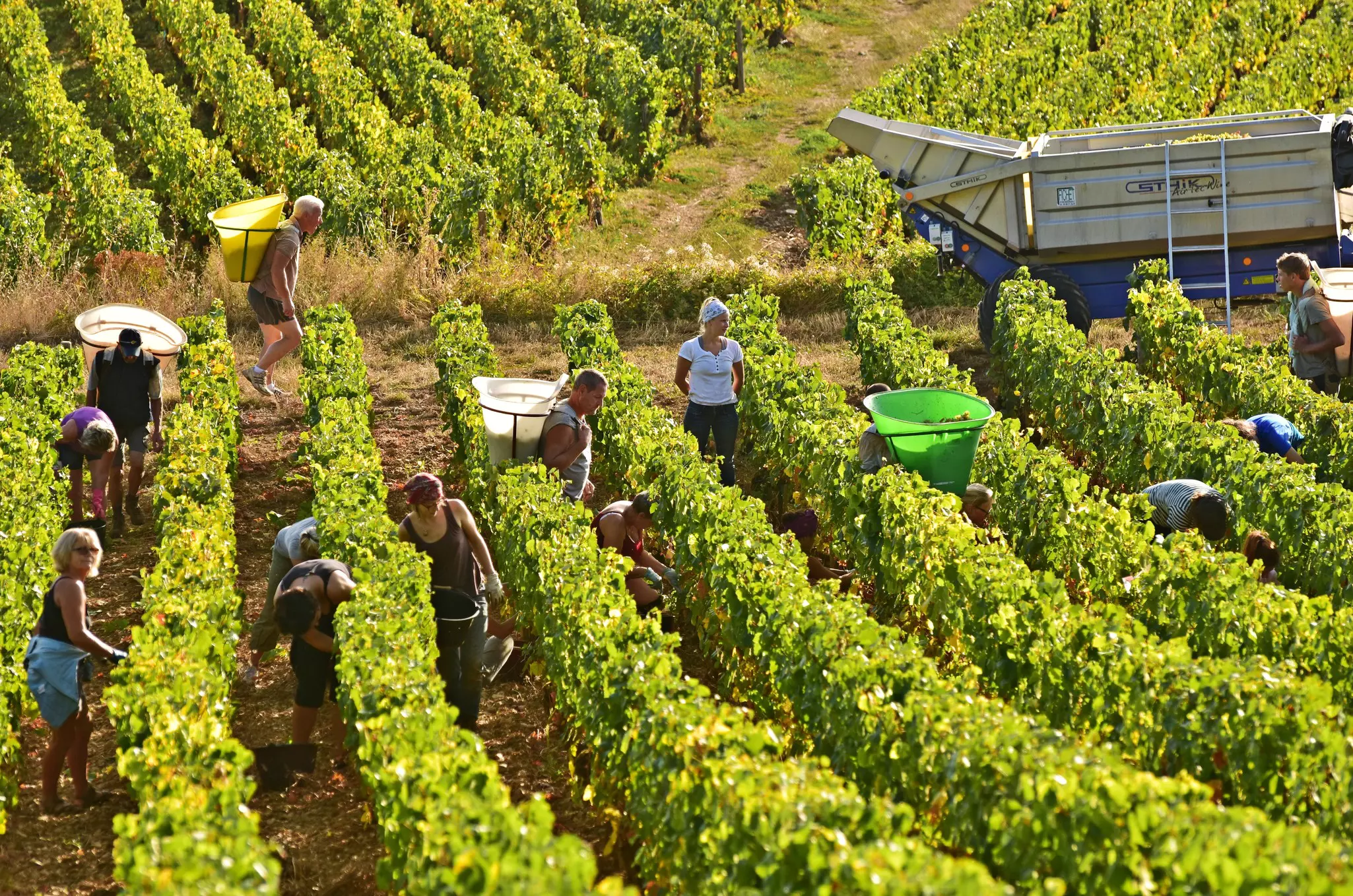
Weather in Burgundy in fall: September is often warm and golden, with temperatures around 12–23°C (54–73°F) – ideal conditions for the harvest. October brings cooler and shorter days, with temperatures dropping to around 10–15°C (50–59°F) and a greater chance of rain.
Fall is when Burgundy’s wine culture is on full display. The vendange, or grape harvest, usually begins in September, when vineyards across the Côte d’Or fill with teams of pickers harvesting grapes by hand. Workers arrive from across France and beyond to take part, and villages often mark the season with long communal meals and lively harvest celebrations.
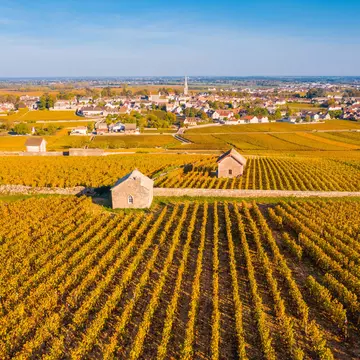
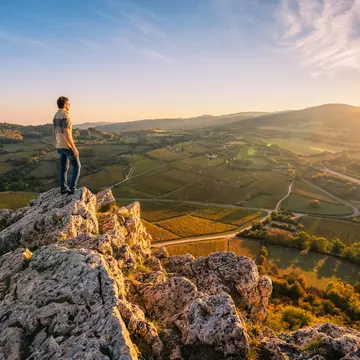
The landscape shifts quickly at this time of year. Vineyard slopes turn from deep green to shades of gold, amber and rust, making fall one of the most striking seasons to travel through the region. For hikers and cyclists, the trails feel more open, and the softer, lower light gives everything a warmer, more textured quality than in high summer.
Seasonal wine events follow the pace of the harvest. On the third weekend of October, Nuits-Saint-Georges hosts the Fête du Vin Bourru, with tastings of freshly pressed grape juice – still lightly fermenting – alongside local food and music. The same month brings one of Burgundy’s more unexpected celebrations: Vin et Hip-Hop at Clos de Vougeot, where young winemakers pour their wines while DJs spin hip-hop inside the château’s historic walls. Also in mid-to-late October, Chablis holds its Fête des Vins, a lively weekend celebration during which the village’s famous chardonnays take center stage alongside local producers and regional food.
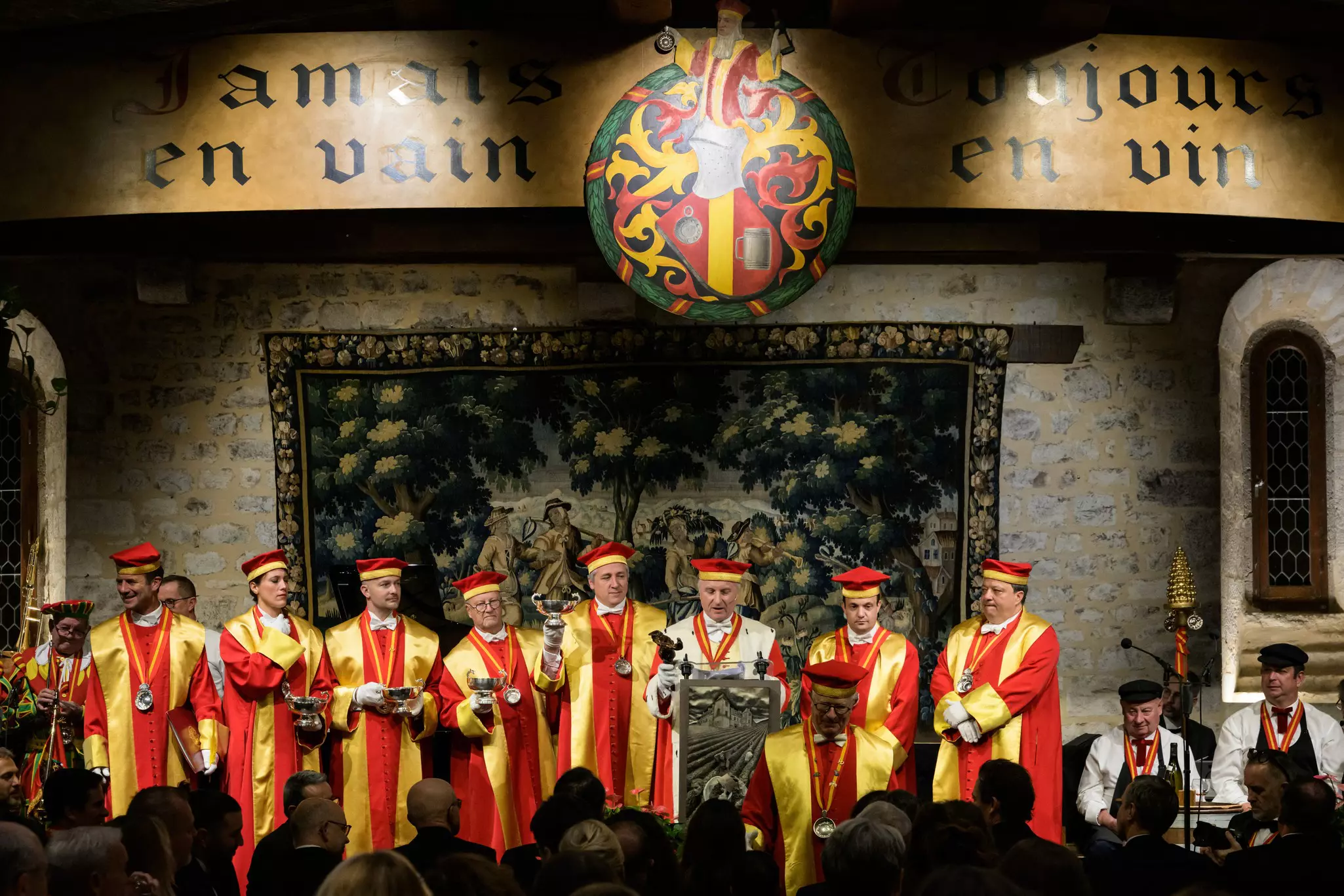
Weather in Burgundy in winter: Winters are cool and often gray, with temperatures typically between 2°C and 8°C (36–46°F). Frost is common, particularly in January and February, and snowfall occasionally dusts the hills of the Morvan. Some rural hotels, restaurants and outdoor attractions close during the quieter months.
After the harvest celebrations fade, Burgundy settles into its quiet winter rhythms. Vineyard work continues during the colder months (pruning the vines is the main task) while towns like Dijon and Beaune remain lively, with museum visits, cellar tastings and long lunches in traditional bistros.
November sees one of the region’s most famous wine events: Les Trois Glorieuses, a 3-day celebration centered around the long-standing Hospices de Beaune wine auction on the third weekend of the month. Tastings, gala dinners and gatherings across the Côte d’Or mark the close of the harvest season.
January brings the Saint-Vincent Tournante, the rotating wine festival honoring the patron saint of winemakers. A different village hosts the celebration each year, meaning the atmosphere and lineup of participating domaines are never quite the same twice. Accommodation fills quickly once the host village is announced, so booking early is essential.
Although some rural hotels and restaurants close for a few weeks in winter, visitors who arrive during this period often discover a more local side of Burgundy. Accommodation prices are at their lowest, and the region’s grand cellars and tasting rooms feel especially welcoming.
Explore related stories