Jul 30, 202612 min read
The 12 Best Beaches in Ireland for Every SeasonApr 14, 2026
7 MIN READ

Writer
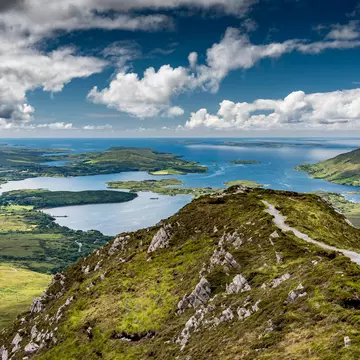
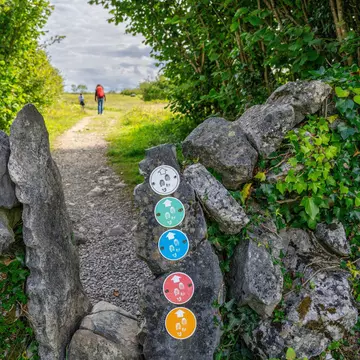
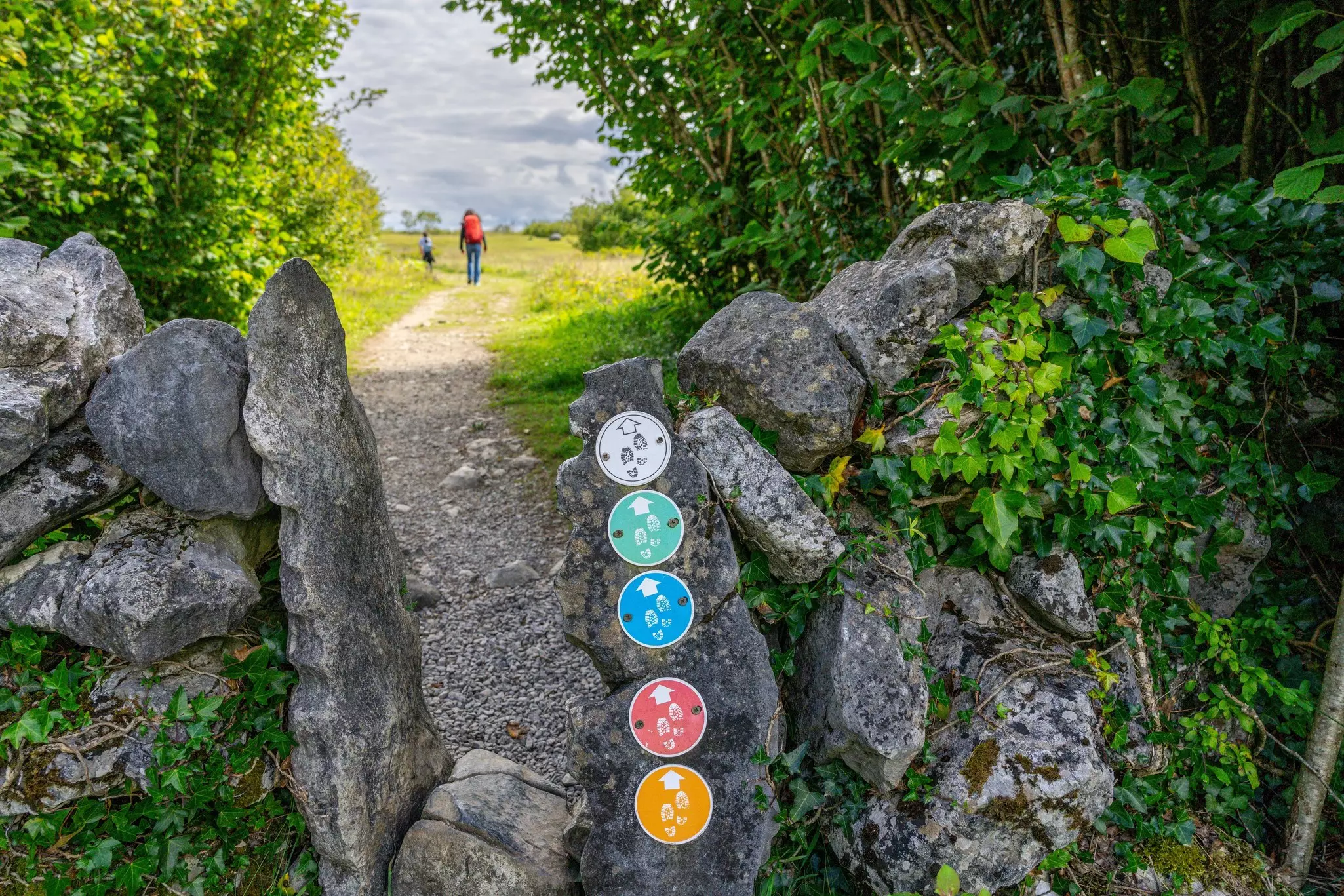
A designated walking trail through the Burren National Park, County Clare. tolobalaguer.com/Shutterstock
Writer
Highlights
Writer Fionn Davenport shares Ireland budget tips on timing, transport and free experiences.
Skip peak May and August; autumn brings lower prices, smaller crowds and surprisingly good weather.
Get a Leap card for up to 30% off public transport fares across Ireland.
Head to any pub session for free traditional music – the only cost is a drink.
Lonely Planet may earn a commission from affiliate links on our site. All recommendations and reviews reflect our own independent opinions.
The question a lot of first-time visitors have at the planning stages is whether Ireland is expensive to visit? By most European standards, it certainly can be. Accommodation and food are generally priced at the upper end of the scale, which means a sizeable daily budget is needed.
However, there are plenty of ways to make your money go further during your visit to Ireland, and if you are travelling on a tight-ish budget, I have a host of cost-saving tips that will help you enjoy the best of what the country has to offer without missing out on the most popular (and usually most expensive...) experiences.
Here’s a few tips that will help stretch your budget while visiting the Emerald Isle.
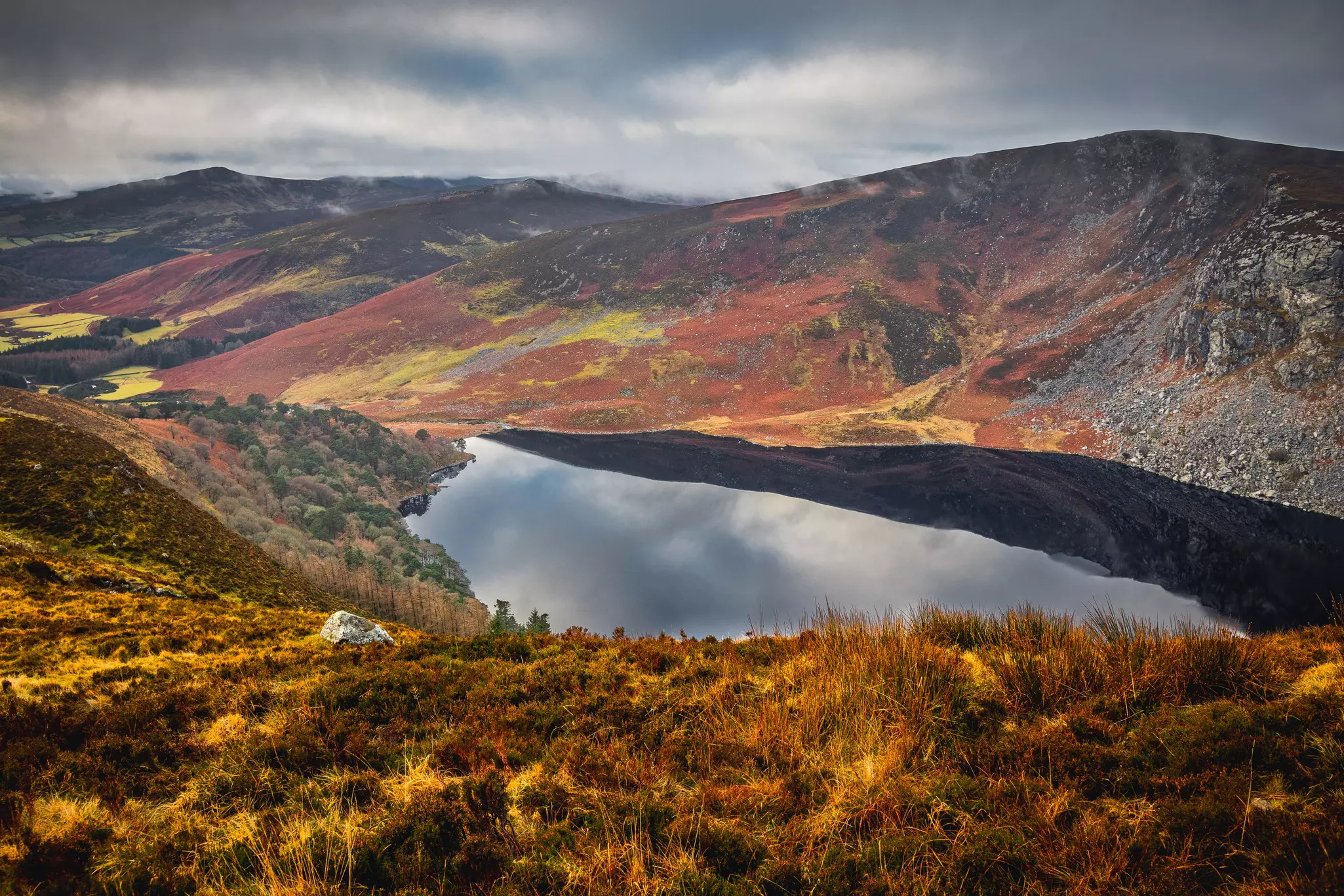
Peak season – May and August – is the most expensive time to visit, so you can make considerable savings traveling to Ireland outside of those months. Winter (except for Christmas) is when flight costs and accommodation rates are at their lowest, but you’ll likely encounter the worst weather, shorter days and a lot of seasonal closures, especially along the west coast.
The ideal time to visit is during the shoulder season, especially in autumn (spring has St Patrick’s Day and Easter, which are typically busy and popular), when the crowds have dwindled, prices drop (especially for accommodation) and the weather can be surprisingly good.
Ireland is an island, so the vast majority of visitors arrive by air. Dublin is the most popular arrival point, but if you’re coming from North America, flights into Shannon Airport are usually cheaper. For arrivals from Europe, Irish-based Ryanair is Europe’s largest airline, with dozens of cheap flights into Dublin, Belfast and Cork from most major European cities. Cheaper still is the ferry (as a foot passenger – the cost goes up quite a bit if you're bringing a car). There are ferry ports in Dublin, Rosslare and Belfast, serving arrivals from the UK, France and Spain. A typical Sail & Rail ticket between London and Dublin can cost as little as 46 euros (€).
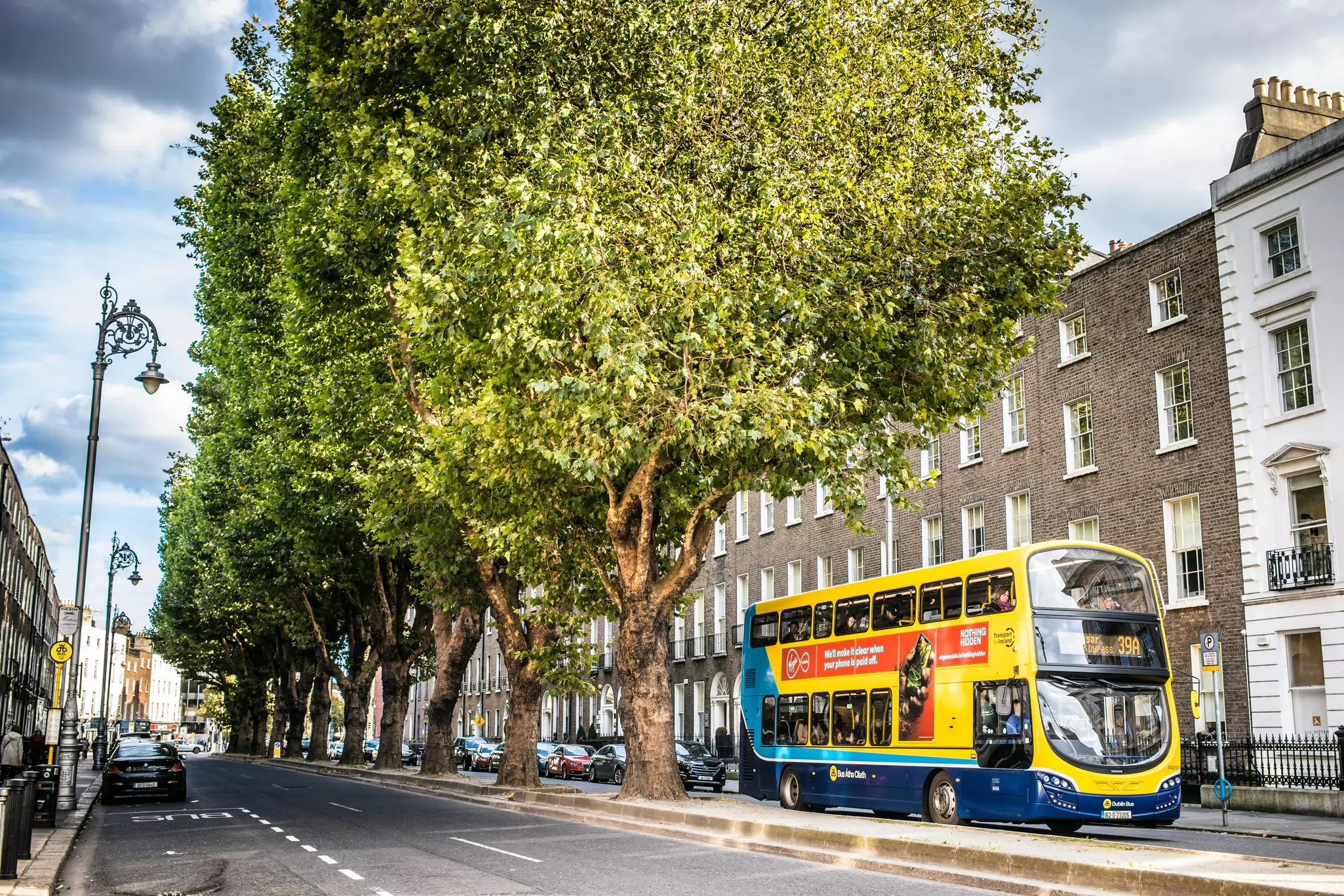
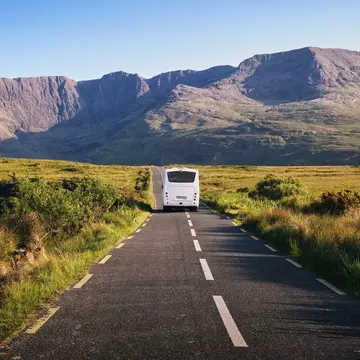
Ireland has a pretty extensive network of public and private buses that are the most affordable way to travel. Transport for Ireland is a handy route planner for all public transport services across the country, including buses; in rural areas, Local Link services are a convenient way of exploring the local surroundings.
Many attractions offer discounted rates if you buy tickets online in advance. You can also buy visitor passes that include entry to a number of attractions, such as the Dublin Pass. The Heritage Card includes free entry to all Office of Public Works–managed sites; it can be a good deal depending on how many spots you plan to visit.
There’s free entry to the four museums that make up the National Museum of Ireland (three branches in Dublin and one, the Museum of Country Life, in County Mayo), the National Gallery in Dublin, the Crawford Art Gallery in Cork, and the Ulster Museum in Belfast.
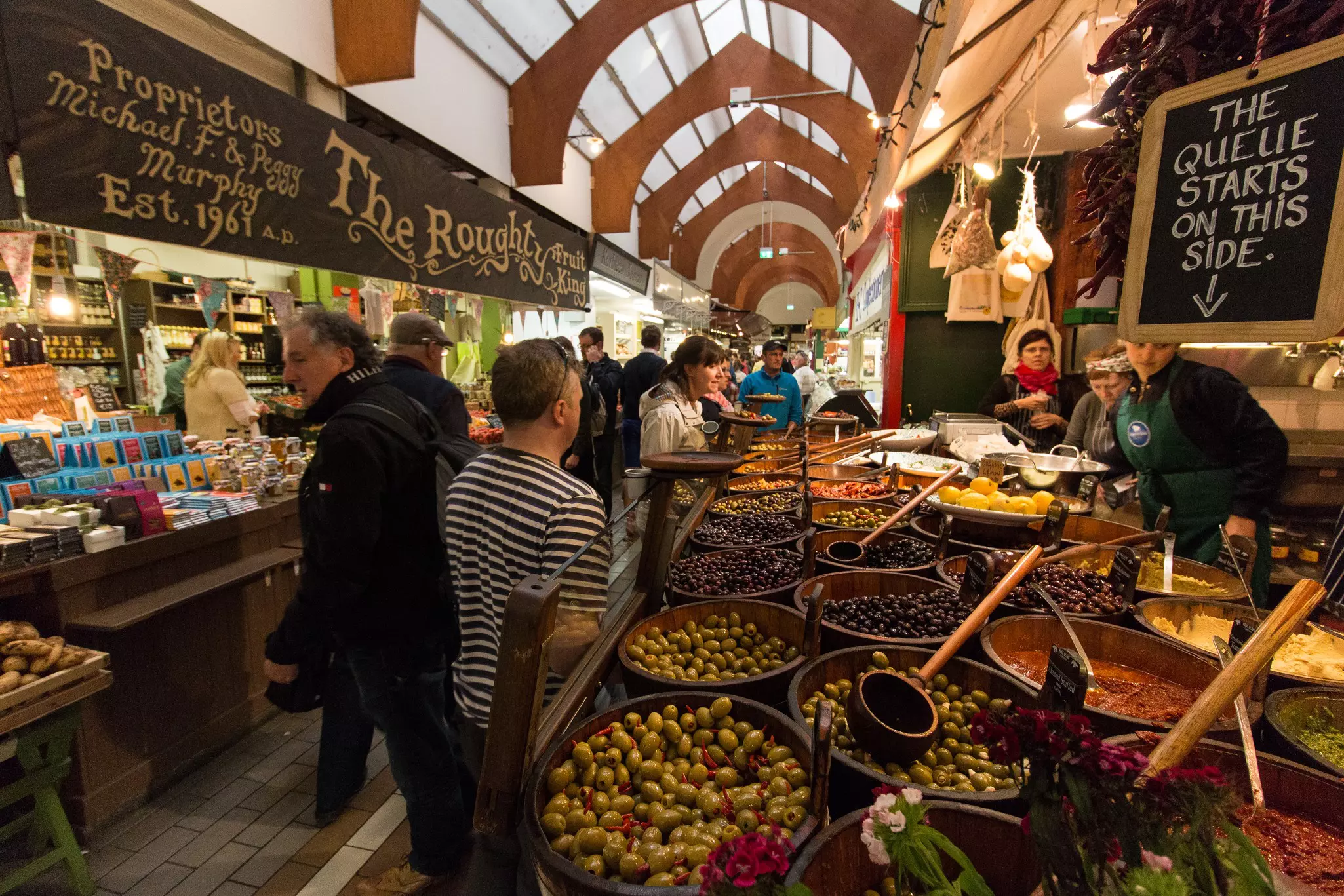
In bigger towns and cities with a large working population, many restaurants offer lunch deals that usually include a starter and a main course; a lot of Asian restaurants serve bento boxes as part of their lunch deals. Many restaurants also provide early bird menus that usually run between 5pm and 7pm; the menu is more limited but can offer considerable savings compared to the standard evening a la carte menu.
Early Table is an excellent online service that allows you to book an early sitting in restaurants across the country. You need to buy credit with them but the savings are considerable, usually up to 50% of the regular price of the meal.
Accommodation will likely be the heftiest part of your travel budget. However, as many hotels use booking engines that operate dynamic pricing (which means rates go up and down depending on demand), early booking can often result in some very good deals. Calling a hotel directly – especially at the last minute – can also result in getting a better price than the one quoted on a website.
The traditional B&B was long the backbone of the Irish accommodation industry, and while many have been superseded by a glut of midrange hotels, they still offer surprisingly good value for money – with a home-cooked breakfast thrown in for good measure. Another option for savings on accommodation is to travel in the off-season, when rates are typically lower.
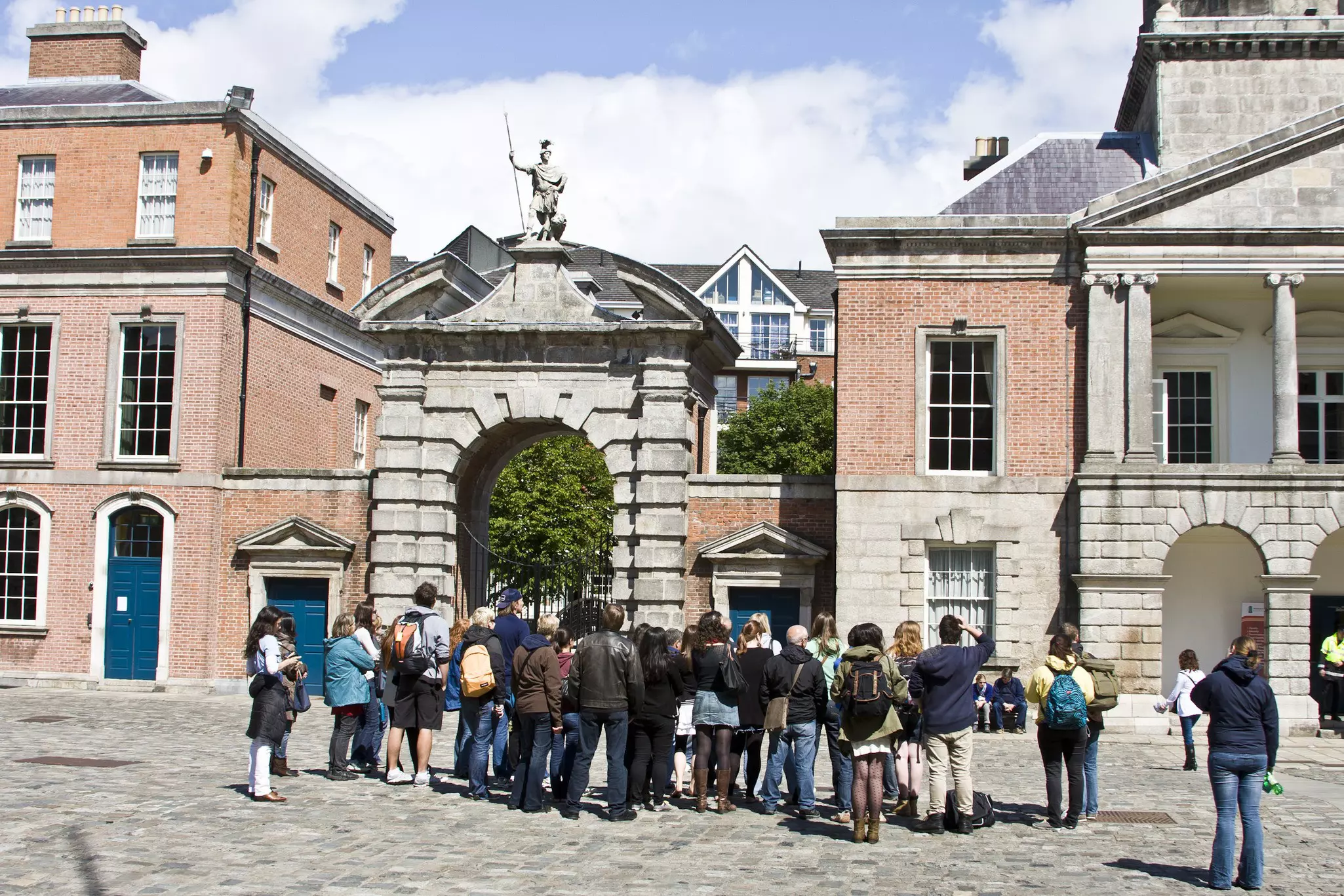
There are a handful of free walking tours that only expect a tip. Yellow Umbrella Tours operates free, thematic tours in Belfast, Cork, Dublin and Galway. Sandemans offers free tours across many European cities including Dublin, and Generation Tours offers a free tour led by a local musician, as well as a pub crawl if you'd prefer frequent pit stops as you explore.
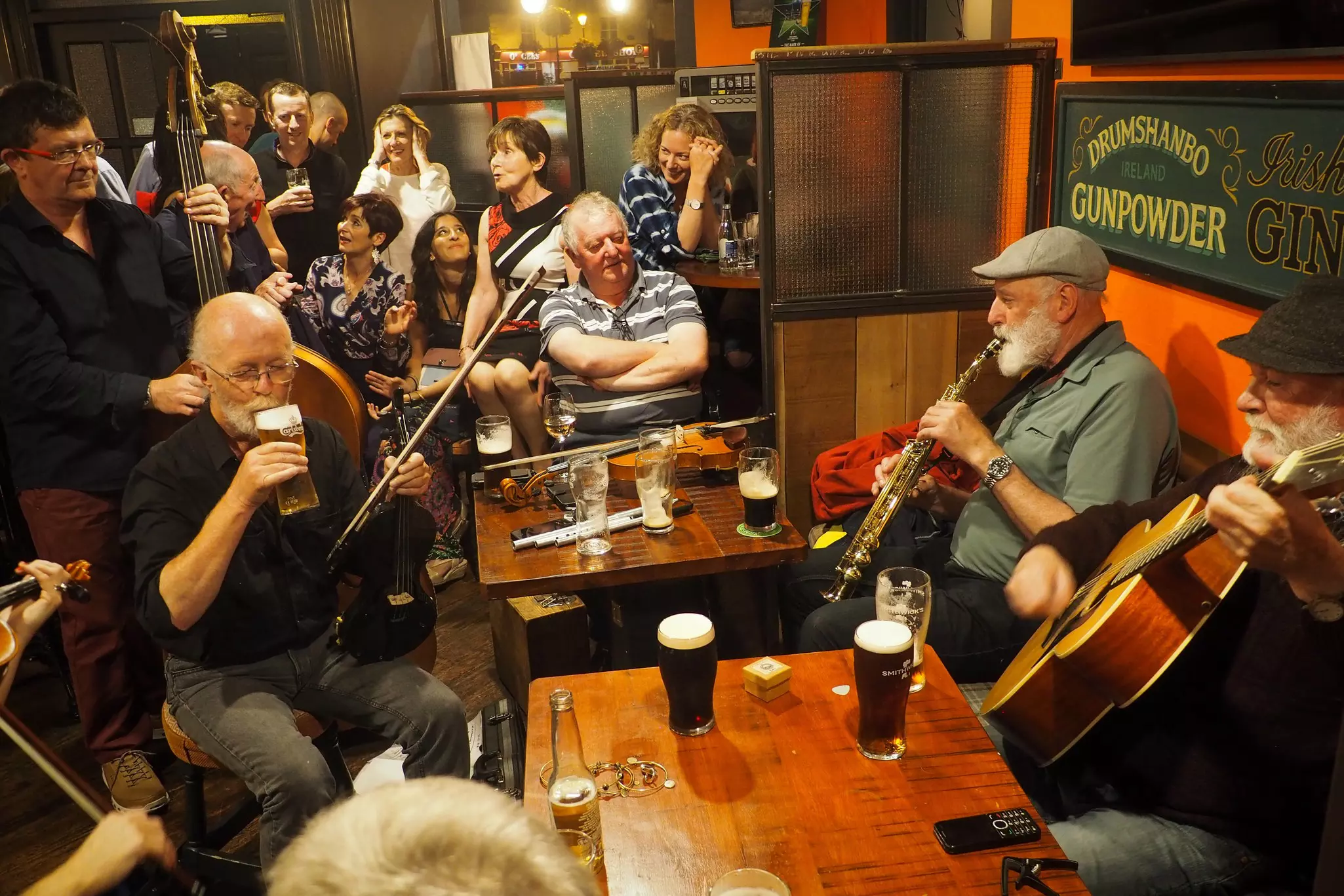
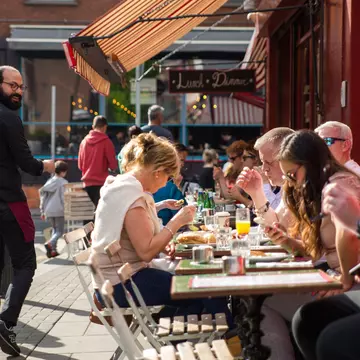
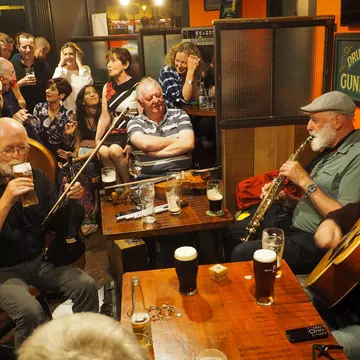
Irish traditional music is Western Europe’s most vibrant and dynamic folk music. It is played all over the country, mostly in traditional pub "sessions", where many of the world’s very best players in the genre will showcase their remarkable skills…at no cost to the public. All you need to do is show up, buy a drink and settle in to enjoy.
Unless you invest in a Heritage Card, visiting OPW (Office of Public Works; the government agency that manages Ireland’s heritage sites) attractions can add up. However, try to time your visit for the first Wednesday of the month, when a large number of sites waive their entry charges as part of Free Wednesday.
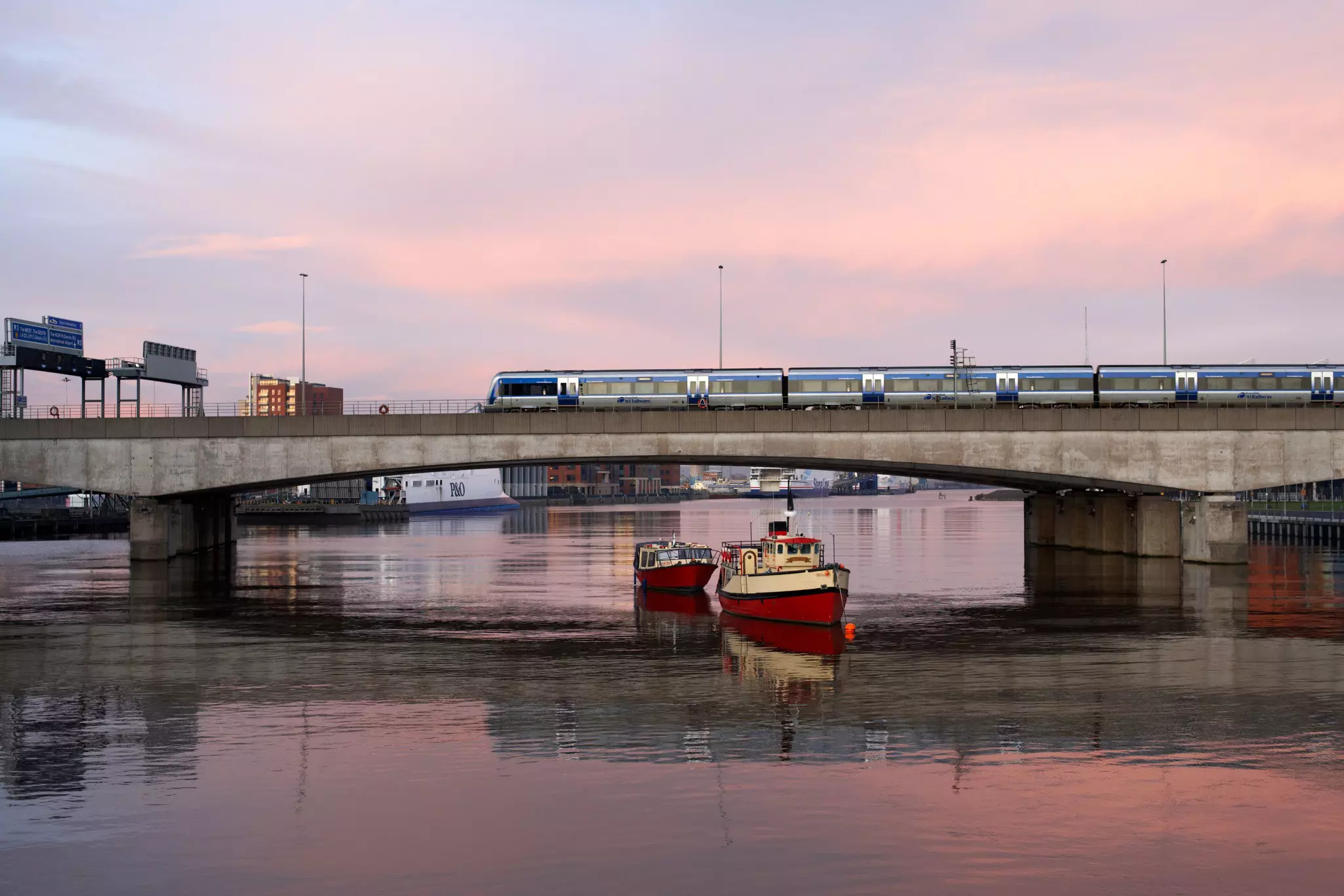
In Northern Ireland, the Sunday Day Tracker ticket gives passengers unlimited train travel on a Sunday for 10 British pounds (£) (£5 for children; Northern Ireland is part of the UK and uses sterling as currency rather than euros). Tickets are available from all ticket offices, the mlink ticketing app and from the train conductor.
If you’re planning to explore the region surrounding Dublin, you can save money by using public transport. The local authority has instituted a fare cap on travel to some of the region’s commuter towns across counties Kildare, Meath and Louth. Leap (see below) single fares on a bus to/from Dublin to a host of towns is fixed at €6.30. Prices increase slightly for train fares or a mix of bus and train.
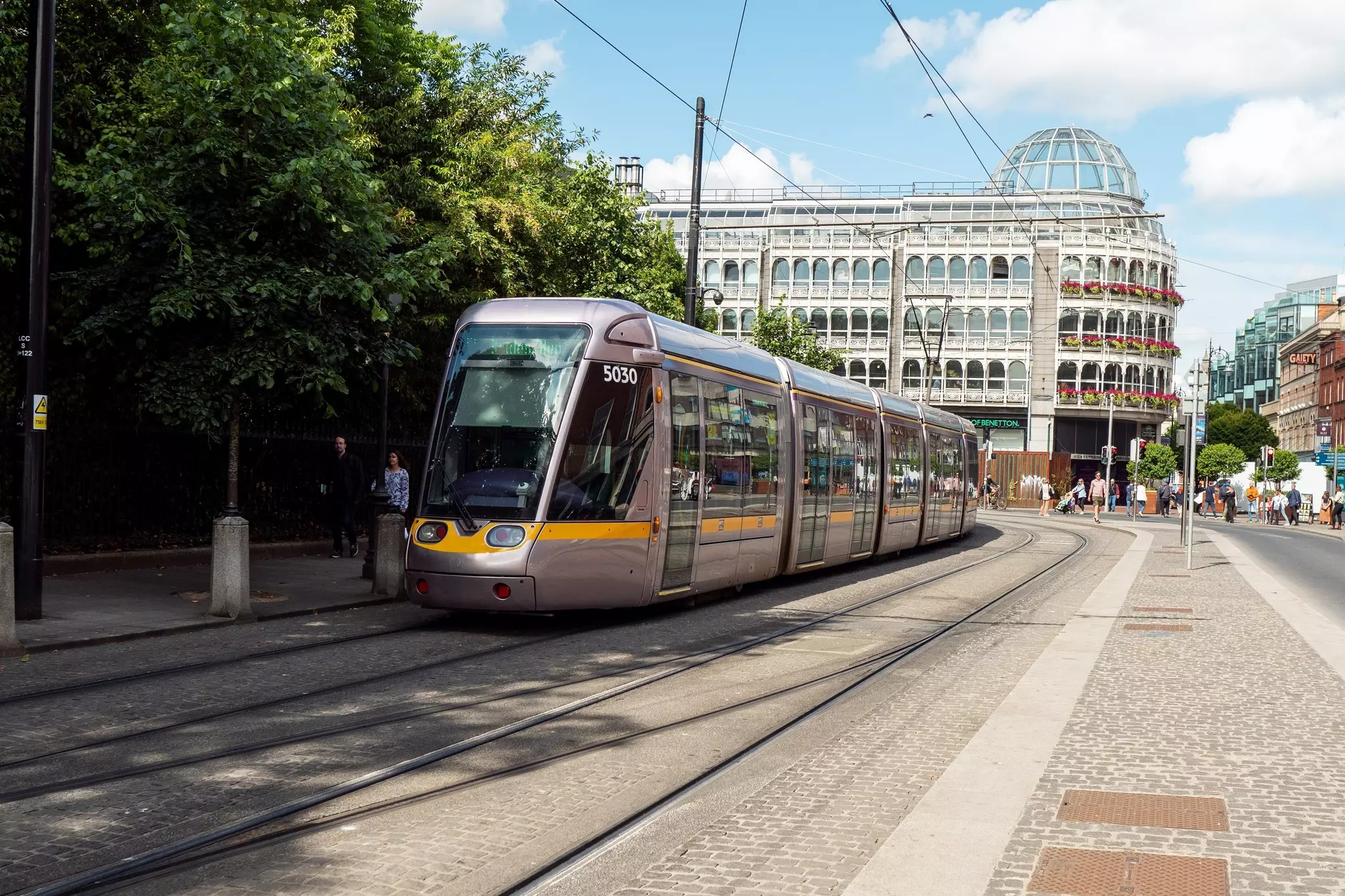
If you're going to use public transport in Ireland, be sure to get a Leap card – a tap-on, tap-off card (similar to London’s Oyster Card) – as it reduces fares by up to 30% compared to cash and eliminates the hassle of having to provide exact change when buying a ticket. Leap cards can be bought in most convenience stores. Topping up is a cinch: you can do it at train stations, Luas stops (tram service in Dublin) and at all convenience stores that sell them. You can also download the Leap top-up app for NFC-enabled iPhone 7 (or above) and Android phones. You then hold the card to the back of the phone and it’ll display your balance and options to add value.
Hostel room: €40-€70 (€50-€120 in Dublin)
Basic room for two: €90-€110 (€120-€160 in Dublin)
Self-catering apartments (including Airbnb): €160-€250
Public transport ticket: from €1.50
Coffee: €3.50-€6
Sandwich: €4-€8
Dinner for two: €170
Beer/pint at the bar: €6-€9
Book your Ireland trip with Lonely Planet Journeys
See Ireland how it's meant to be seen
Accommodations, activities and ground transportation all taken care of, so you can focus on the fun part. Tell us what your dream trip to Ireland looks like, and our local experts will build it from scratch. Or start with one of our itineraries and make it your own.

Explore related stories