Jun 26, 20266 min read
Best Museums in Kyoto for Contemporary Art, Traditional Sake and Popular MangaMay 21, 2026
10 MIN READ

Writer
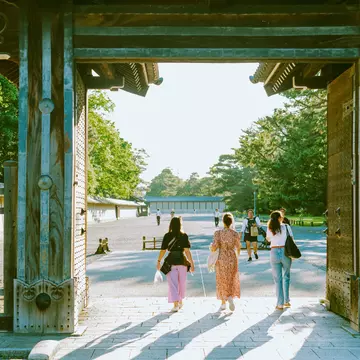
Kyoto Imperial Palace. Rintaro Kanemoto for Lonely Planet

Writer
Lonely Planet may earn a commission from affiliate links on our site. All recommendations and reviews reflect our own independent opinions.
A tranquil and spectacularly green retreat just north of Kyoto’s downtown, the Kyoto Imperial Palace Park is the central city’s largest park by far. While it once drew dignitaries and the ruling elite, it now attracts a more varied crowd of picnicking families, weekend runners and sightseers. The Kyoto Imperial Palace was the seat of the imperial family for many centuries, while the neighboring Sentō Imperial Palace was a refuge for retired emperors. Both remain grand monuments to Kyoto’s historic importance.
Kyoto’s most famous attractions tend to be around the edges of the city, but visitors will find plenty to do during a visit to the palace complex and surrounding area. This guide to the Kyoto Imperial Palace will get you started with when to go, what to see and what's nearby.
Visit the Kyoto Imperial Palace at any time of the year – it’s beautiful through all seasons. Most people visit during the plum season (late February) and cherry blossom season (late March to early April). On weekdays it is best to visit early in the morning, when you’ll find fewer crowds. The weather will also be a little cooler in the morning during warmer seasons.
Plan to spend 2–3 hours at the palace, in the gardens and at the surrounding attractions.
Entrance to the grounds, Kyoto Imperial Palace and Sentō Imperial Palace is free.
Free 75-minute guided tours of the Imperial Palace grounds are offered in English twice daily, at 10am and 1:30pm. Either register online or go to the Kikyo-mon gate an hour before the tour for any remaining tickets. You need to be over 18 and have a valid form of identification. No tours are given on Sundays, Mondays, most national holidays, afternoons from July 21 to August 31, and from December 28 to January 4.
The Kyoto Imperial Palace is open from 9am to 4 or 5pm, depending on the season. English tours (50 minutes) are available at 10am and 2pm. No registration is required; simply meet at the visitors room (on the right side of the entry gate) before the tour.
You must join a Japanese guided tour of the Sentō Imperial Palace (free audio guides are available in English, Chinese, French, Korean and Spanish). You need to register in advance. No tours are given on Mondays and from December 28 to January 4.
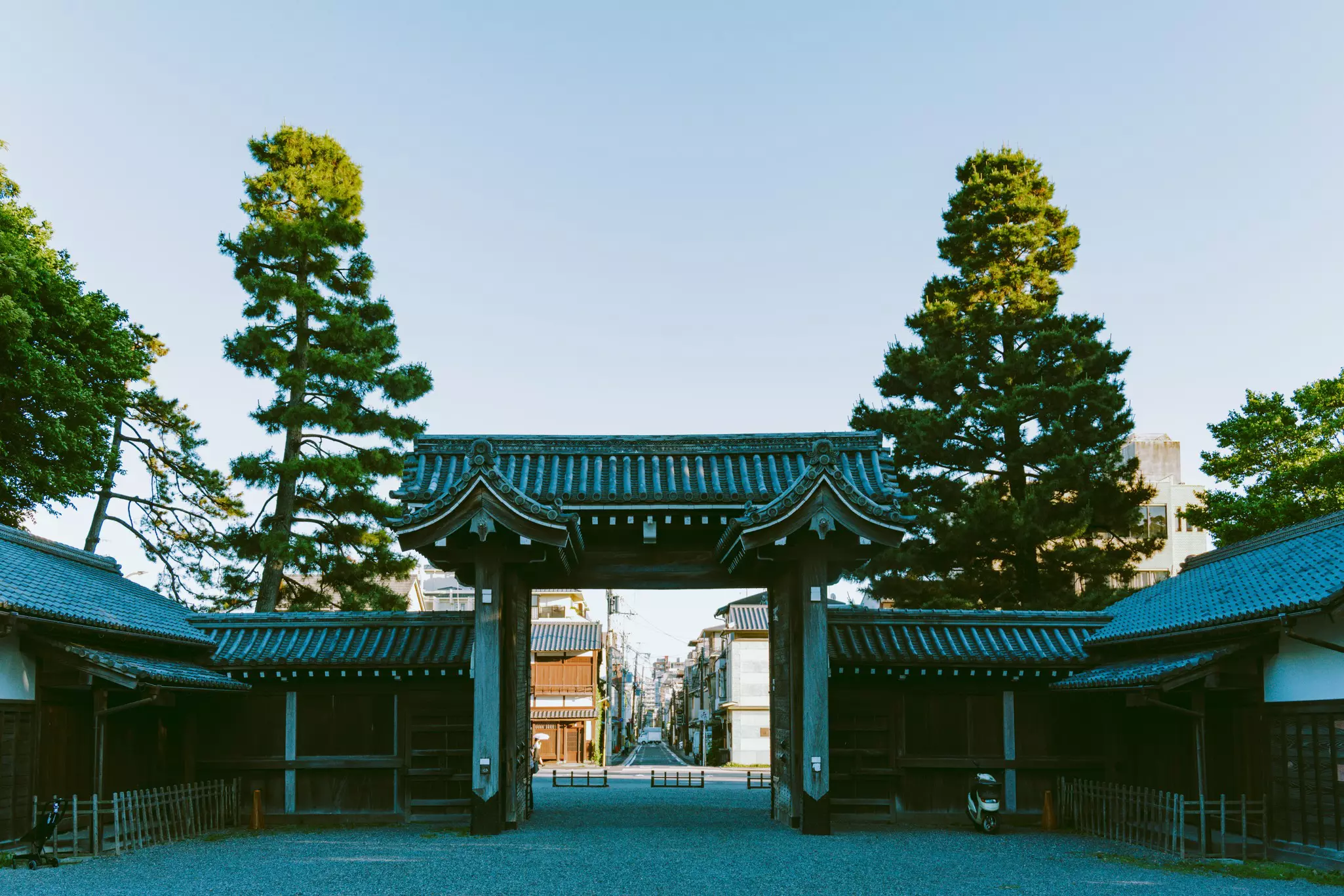
Kyoto is an easily navigable city, with an excellent public transportation system and mostly flat streets. Depending on the time of year, weather and your itinerary, you can bike, walk or take public transit to the Kyoto Imperial Palace.
Subway: Take the Karasuma Line (green line) to Marutamachi Station (it’s just one stop north of the city center). From here, it’s about a 10-minute walk to the palace. The Karasuma line conveniently connects directly to Kyoto Station.
Bus: Take Kyoto City Bus 9, 50 or 101 to the Imperial Palace (Kōkyo-mae) bus stop, which is right in front of the palace entrance. Tourist information centers can help you out with bus routes and timetables.
Bicycle: Several places rent bikes near tourist areas, like Kyoto Station. Cycling to the Kyoto Imperial Palace from central Kyoto takes 10–15 minutes. The sights are quite spread out in this part of town, but the streets are flat, so a bicycle is also a great way of getting around.
On foot: Walking to the Kyoto Imperial Palace from Kyoto Station or downtown Kyoto takes 30–40 minutes.
Taxi: It is no more than a 20-minute ride to the Kyoto Imperial Palace, depending on where you’re coming from.
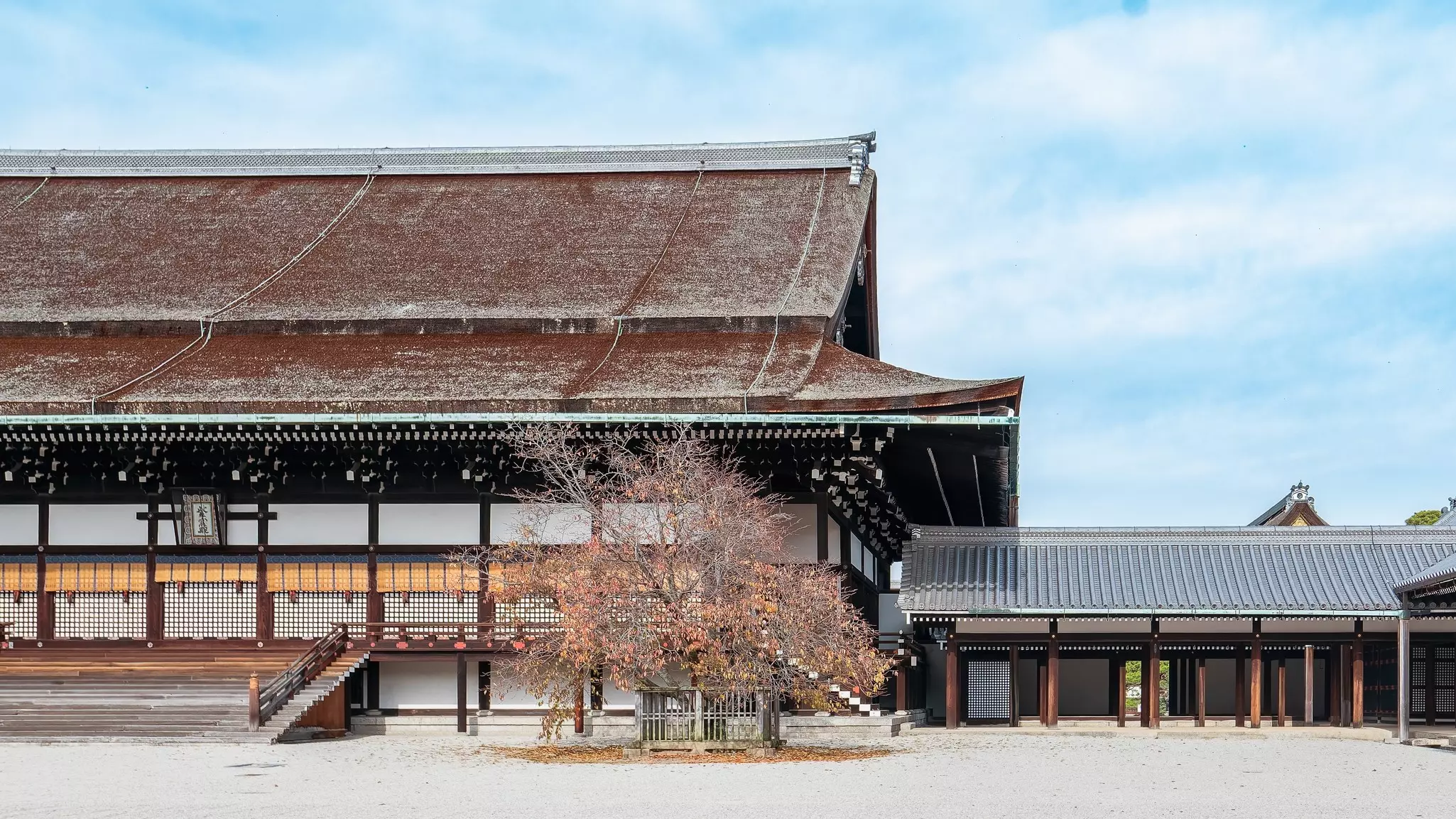
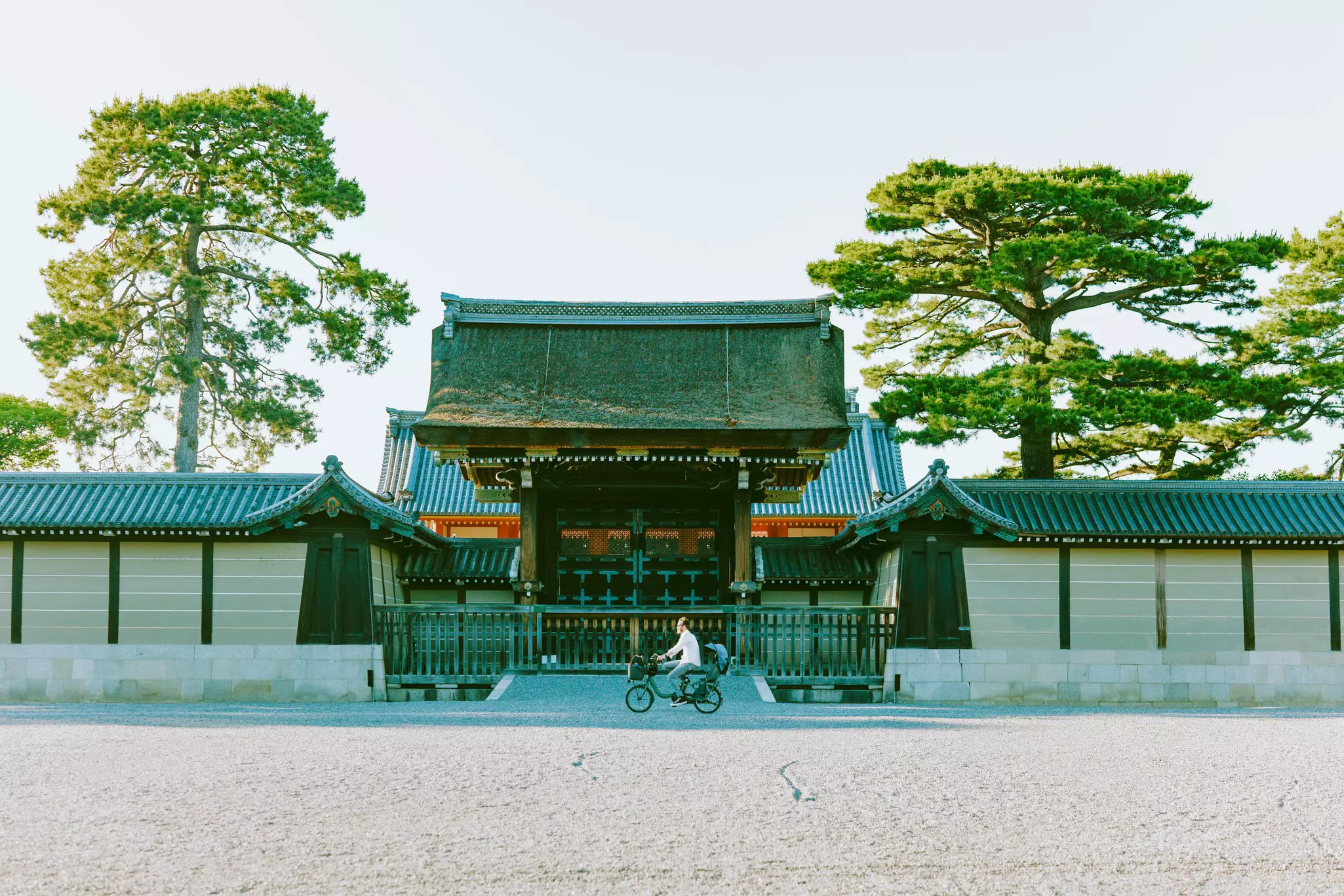
Near the middle of the Kyoto Imperial Palace Park is the Gosho, or the Kyoto Imperial Palace (京都御所). This was the residence of Japan’s imperial family until both the emperor and capital relocated from Kyoto to Tokyo in 1868. While the palace itself can’t be entered, it takes about an hour or so to wander around the grounds and admire the grand buildings and sumptuous gardens. English signs explain some of the history and details, or follow the free downloadable self-guided audio tour.
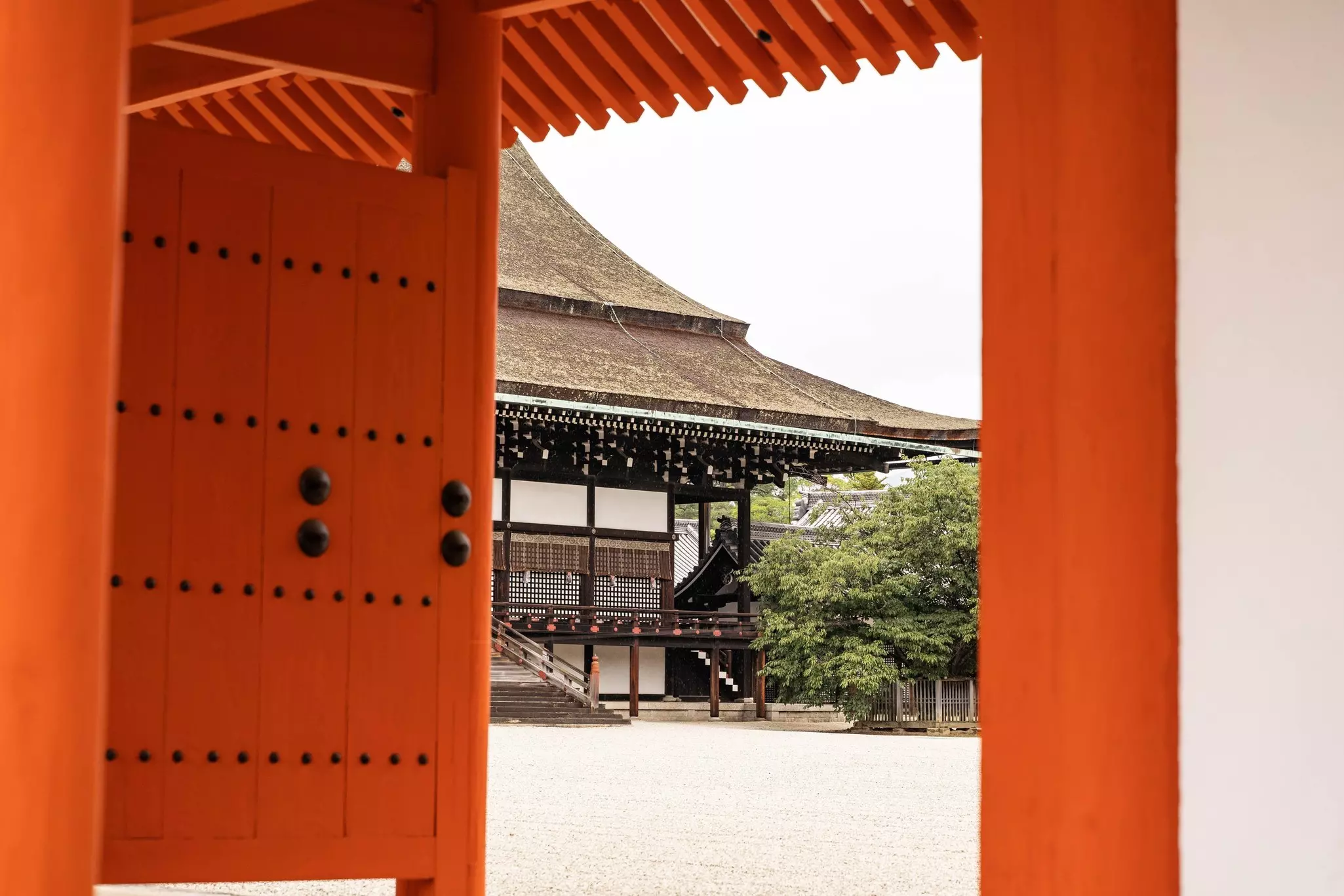
Across from – and slightly less grand than – the Kyoto Imperial Palace is the Sentō Imperial Palace (仙洞御所). Originally built in 1630 as a retirement residence for Emperor Gomizuno, it was subsequently used as a retirement home for other emperors. The current structure dates to 1867, but the impressive strolling gardens are from the original construction.
History buffs should not miss the former Kaninnomiya residence in the park’s southwestern corner. Free to enter, it is the only entirely preserved noble family mansion from the Edo period (1603–1868) within the Kyoto Imperial Palace Park and gives visitors a look into the lives of Japanese court nobles. It is a great way to learn more about the aristocratic culture of Japan and see original features like the polished zelkova wood floorboards and parts of the original garden.
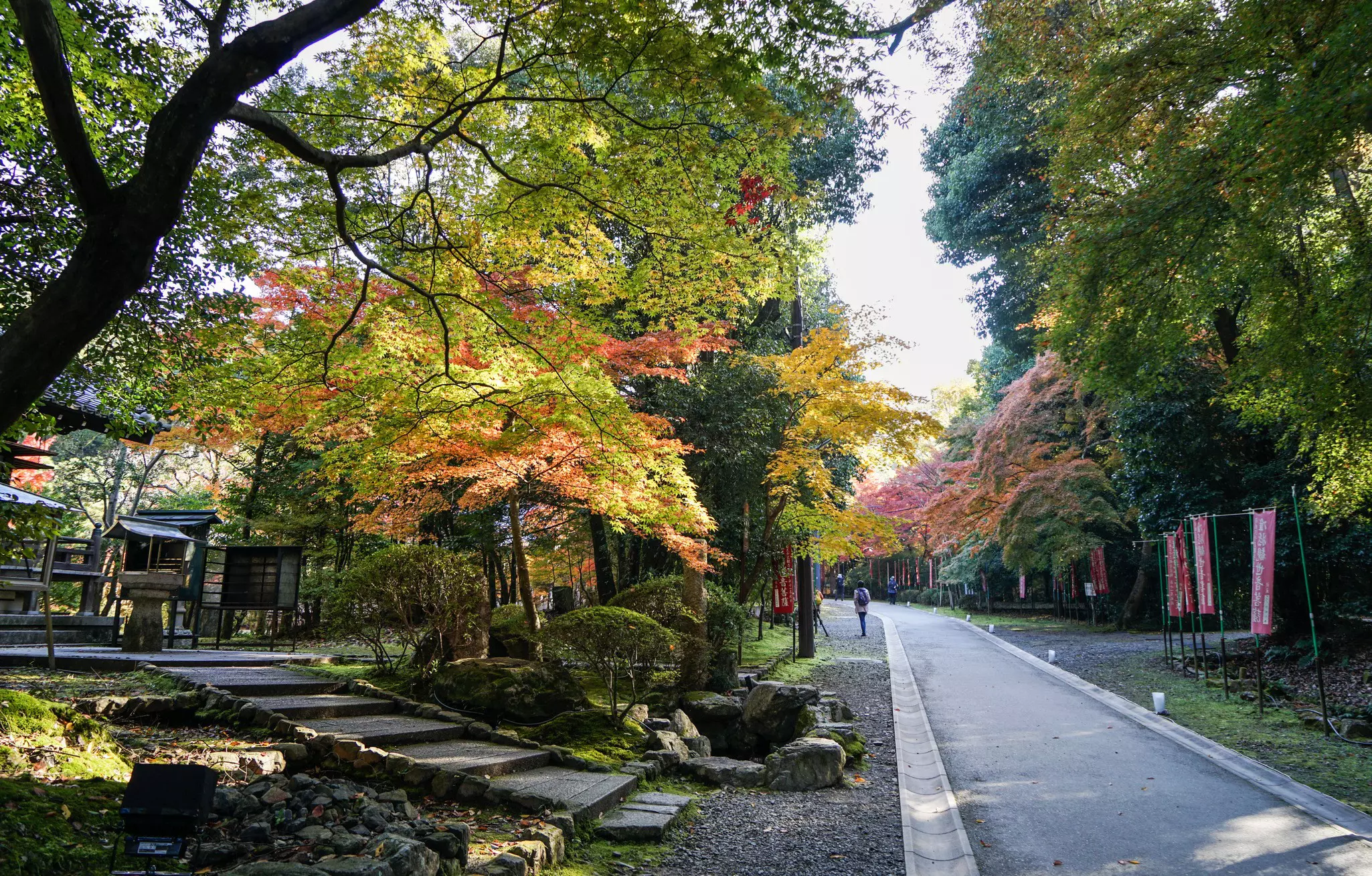
Also known as Kyoto Gyoen National Garden (京都御苑), this enormous site is located almost in the exact center of the city. It is a lovely place to take a walk, picnic or people watch, with forested pathways, wide gravel boulevards, landscaped gardens and grassy lawns that are great for frolicking and games.
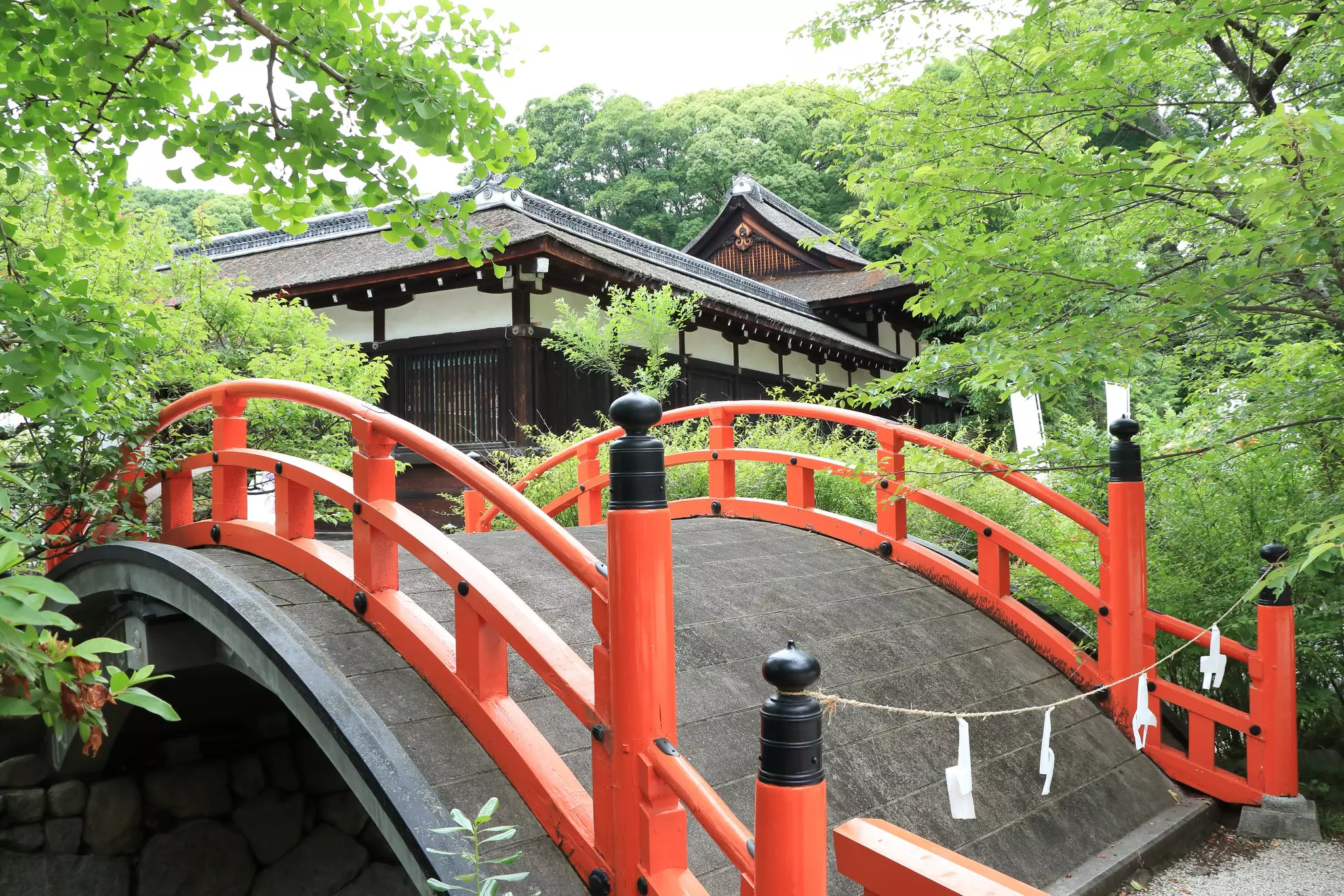
A UNESCO World Heritage Site, this 7th-century Shintō shrine is one of the oldest and most important in Japan. Near the convergence of the Kamo-gawa and Takano-gawa, Shimogamo-jinja (下鴨神社) is best approached along a path through the atmospheric Tadasu-no-mori, a forest where 600-year-old trees grow and, it is said, lies cannot be concealed.
A number of smaller shrines dot the site. Kawai-jinja bestows visitors with beauty, Aioi-no-Yashiro is for luck in love, and at Mitarashi-sha, people wade through the nearby stream in the summer for purification and respite from the heat. You can dip omikuji (fortune paper) in the water to reveal a hidden message (use a translating app to decipher it).
Planning tip: City Bus 4 stops just outside the shrine, or it’s a 15-minute walk from Demachiyanagi Station on the Keihan line.
A sprawling site covering 24 hectares, the wonderful Kyoto Botanical Gardens (京都府立植物園) is a must for anyone looking for a quiet few hours in a serene environment. For only 500 Japanese yen (¥), you can see over 12,000 plants, trees and flowers, so whenever you go, something will be in radiant full bloom. The enormous flagship conservatory has fascinating botanical displays that take you on a whistle-stop tour around the world, from deserts to tropical rainforests and alpine biomes.
Planning tip: The gardens tend to be skipped by most visitors to the city, so it is a great place to escape the crowds.
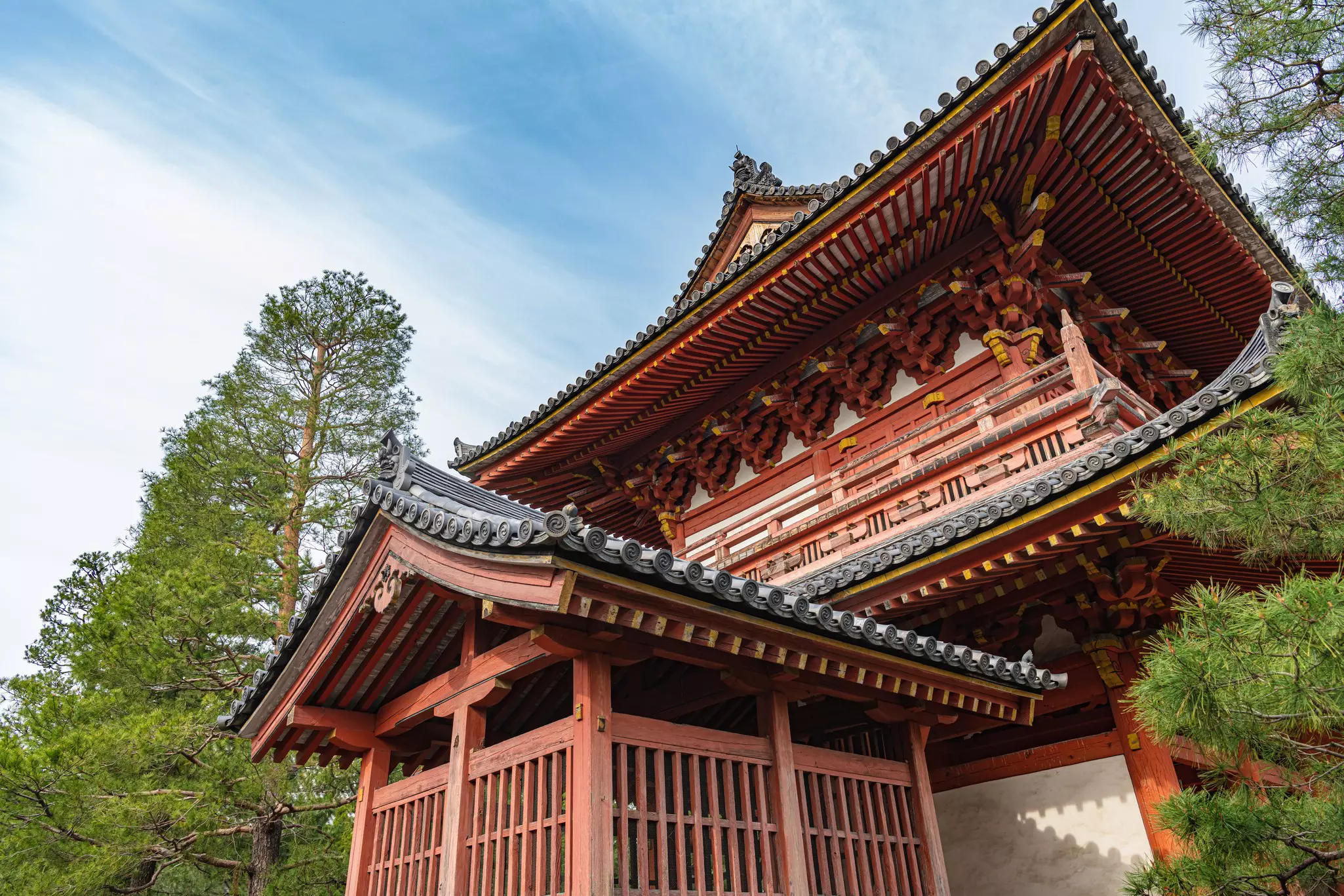
Daitoku-ji is the head temple of the Rinzai sect’s Daitoku-ji school of Japanese Zen Buddhism. Located at the eastern end of the complex, the headquarters were founded in 1319, burned during the Ōnin War a century later, rebuilt and later developed associations with the art of the tea ceremony and feudal lords such as Toyotomi Hideyoshi.
The impressive main buildings are not usually open to the public (although they can be glimpsed through the pines), but a number of the surrounding subtemples are. What’s more, they’re all quite distinct from one another, making the district well worth a thorough exploration.
Planning tip: Separate entry fees are required for each temple.
This small district to the northwest of the Kyoto Imperial Palace Park is famous as city’s traditional textile-making quarter. Spread over several blocks, the streets of Nishijin (西陣) are filled with machiya (traditional townhouses) and have a real old-fashioned feel.
Several small museums and galleries showcase the area’s long-standing weaving industry. Most tourists head to the Nishijin Textile Center (on the southwest corner of the Horikawa-dōri and Imadegawa-dōri intersection) to watch weaving demonstrations and see how kimonos are created.
Planning tip: Orinasu-kan is a much quieter and more evocative workshop, museum and shop where you can see the elegant fabrics and craft-making process up close.
Kyoto is not blessed with many hot springs, but Funaoka Onsen (船岡温泉) is one of the best places for a rejuvenating soak. This sentō (public bathhouse) gives bathers plenty of options, with an outdoor bath, a cypress-wood tub, herbal waters, an ice bath, an electric bath and a sauna. It’s open daily with towels to buy or rent. Find it on Kuramaguchi-dōri behind some large rocks.
Planning tip: Baths are separated by gender. Use the showers or washbowls to wash beforehand, being careful to rinse off any soap suds, and take a small towel to protect your modesty or to dry off a bit afterward.
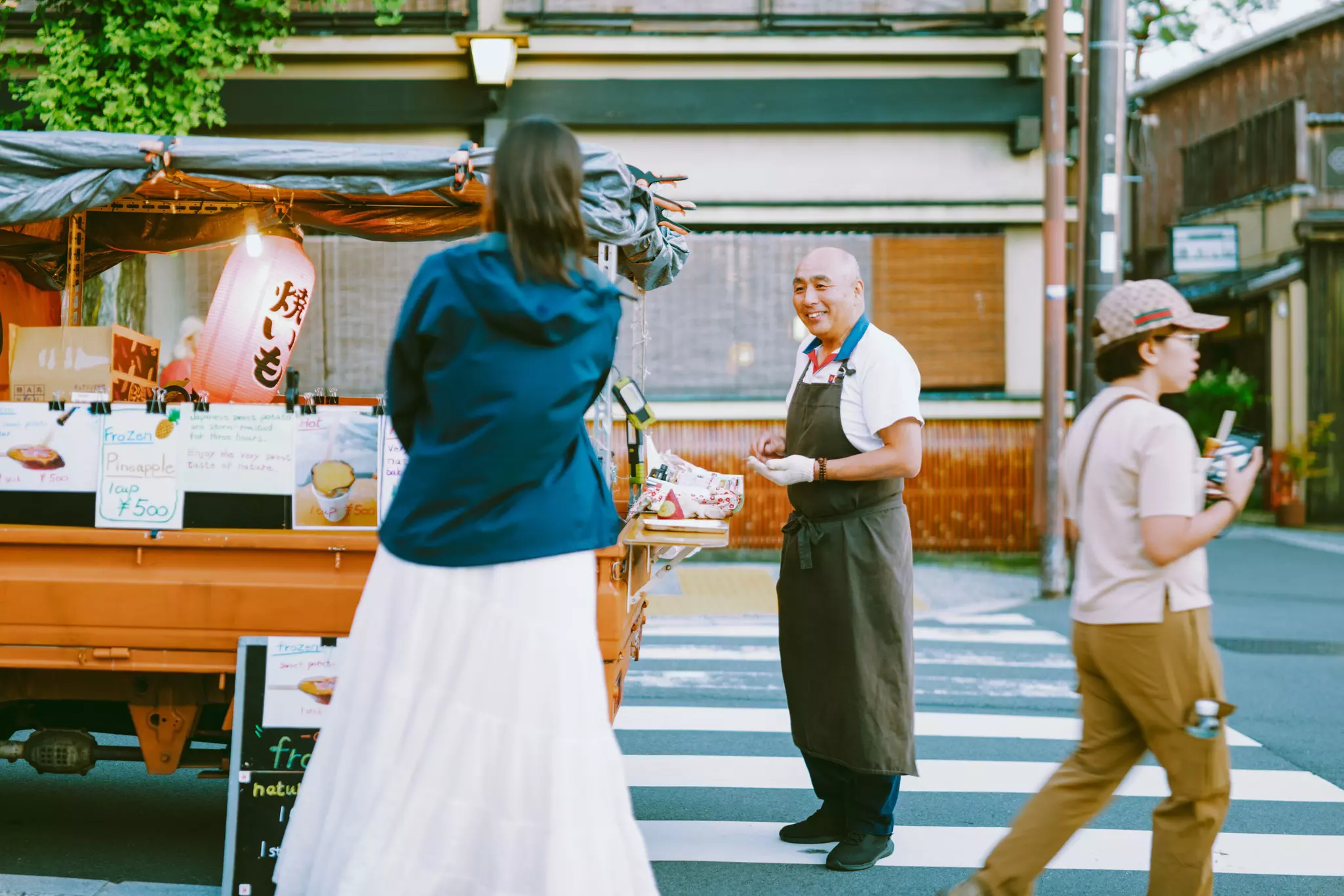
Kyoto is one of the world’s great food cities, but the sheer choice of establishments – particularly downtown – can make eating out bewildering. For straightforward but reliable options, the restaurant floors of Takashimaya and Daimaru offer a good selection of high-quality eateries in a compact area.
For a quick meal close to the Kyoto Imperial Palace, check out Grand Burger, which has large juicy burgers on toasted buns, plus good sides. The quick, friendly service and quiet location make this a local favorite.
There is a shōjin-ryōri (Zen Buddhist vegetarian cuisine) restaurant called Izusen on the grounds of Daiji-in, in the southern section of Daitoku-ji. Shōjin-ryōri is the traditional food of Buddhist monks: the beautifully presented and delicious small dishes consist of seasonal vegetables, tofu, mushrooms and rice. Courses are on the pricier side (around ¥4000–5000), but it is an excellent vegetarian food – and overall – experience.
Planning tip: Download the Tabelog app for the best restaurant recommendations during your trip to Japan.
The area around the Kyoto Imperial Palace blends peaceful surroundings with convenience to the top attractions. A short walk from the Imperial Palace Park, Kyoto Brighton Hotel has large rooms and refined luxury, with a free shuttle service to Karasuma-Oike Station. For a comfortable budget option, consider Kyoto Garden Palace, which is directly across from the park and offers bicycles for guests to use.
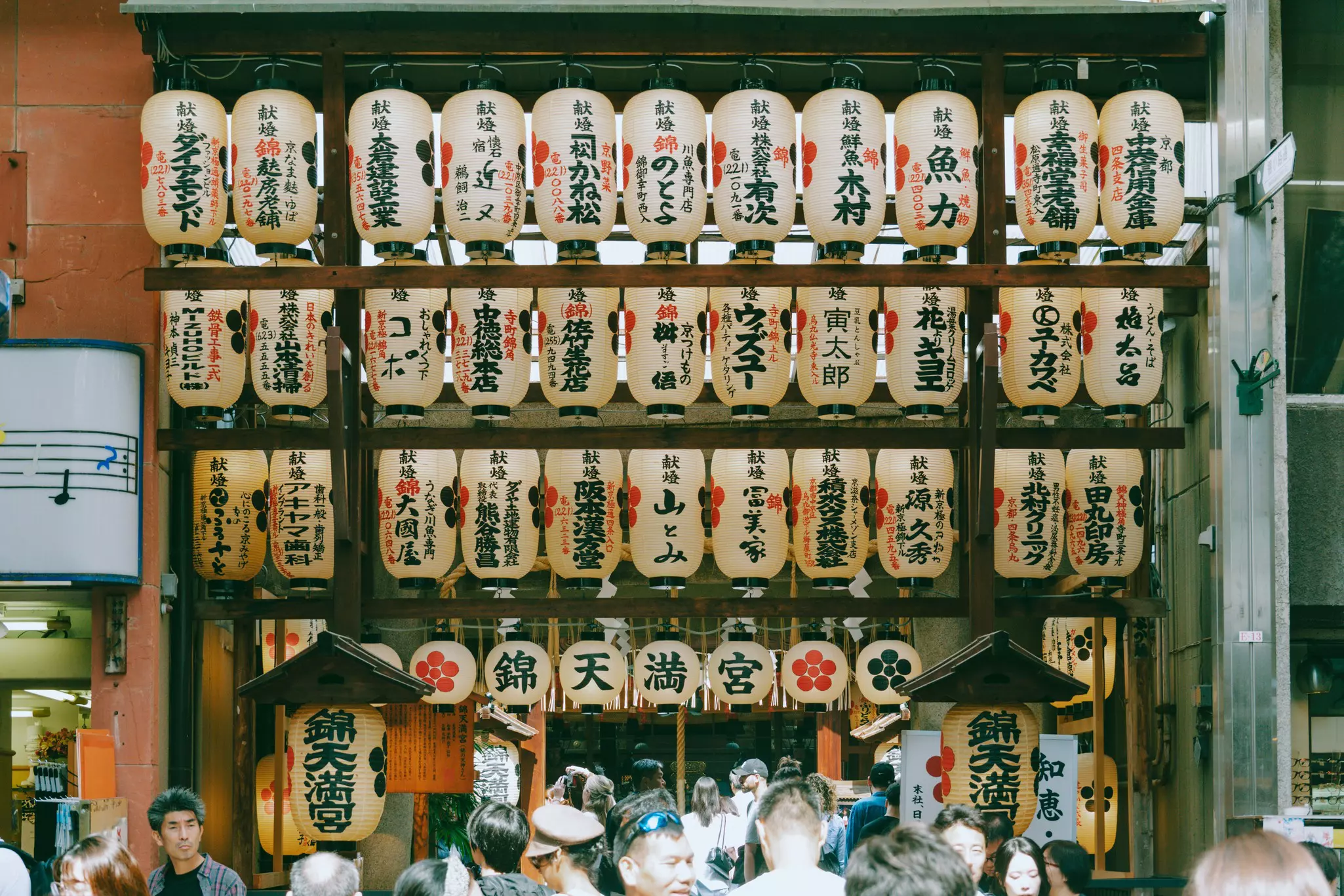
Mind your manners when traveling around Kyoto, especially when visiting temples and shrines. Don’t talk loudly, and be sure to follow any other rules, including removing your shoes and following any photography policies.
Pack shoes that you can easily slip on and off at traditional guesthouses and temples.
Do not eat and walk – this is considered disrespectful. If you grab food at Nishiki Market or any other food vendor, stand near that spot and eat before continuing your journey.
In Tokyo, people stand on the left side of escalators and walk up the right. Osaka does things the opposite way around. In Kyoto, it isn’t always clear-cut, but the majority follow Osaka rules: stand right, walk left.
Airports, stations, cafes, hotels and busy tourist areas often have free wi-fi, but it can be unreliable. Consider renting a mobile wi-fi router or buying a SIM card at the airport when you arrive.
Tap water is safe in Kyoto. For refill points, download the MyMizu app.
The grounds and gardens of the Kyoto Imperial Palace are accessible for those in wheelchairs via the paved pathways. There is a free wheelchair rental at the entrance, but it is recommended that you call ahead for availability.
Explore related stories