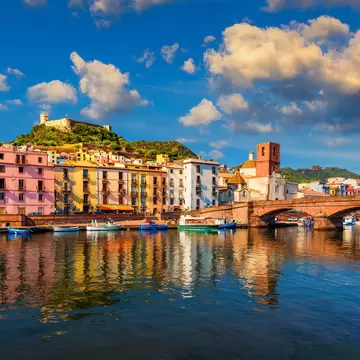
Sep 2, 20267 min read
The 8 Best Places to Visit in SardiniaDec 22, 2025
7 MIN READ
Writer
Having your own set of wheels in Sardinia gives you plenty of freedom, but make sure you know the rules of the road © SimonSkafar / Getty Images
Writer
Highlights
Writer Gregor Clark breaks down the best ways to get around Sardinia.
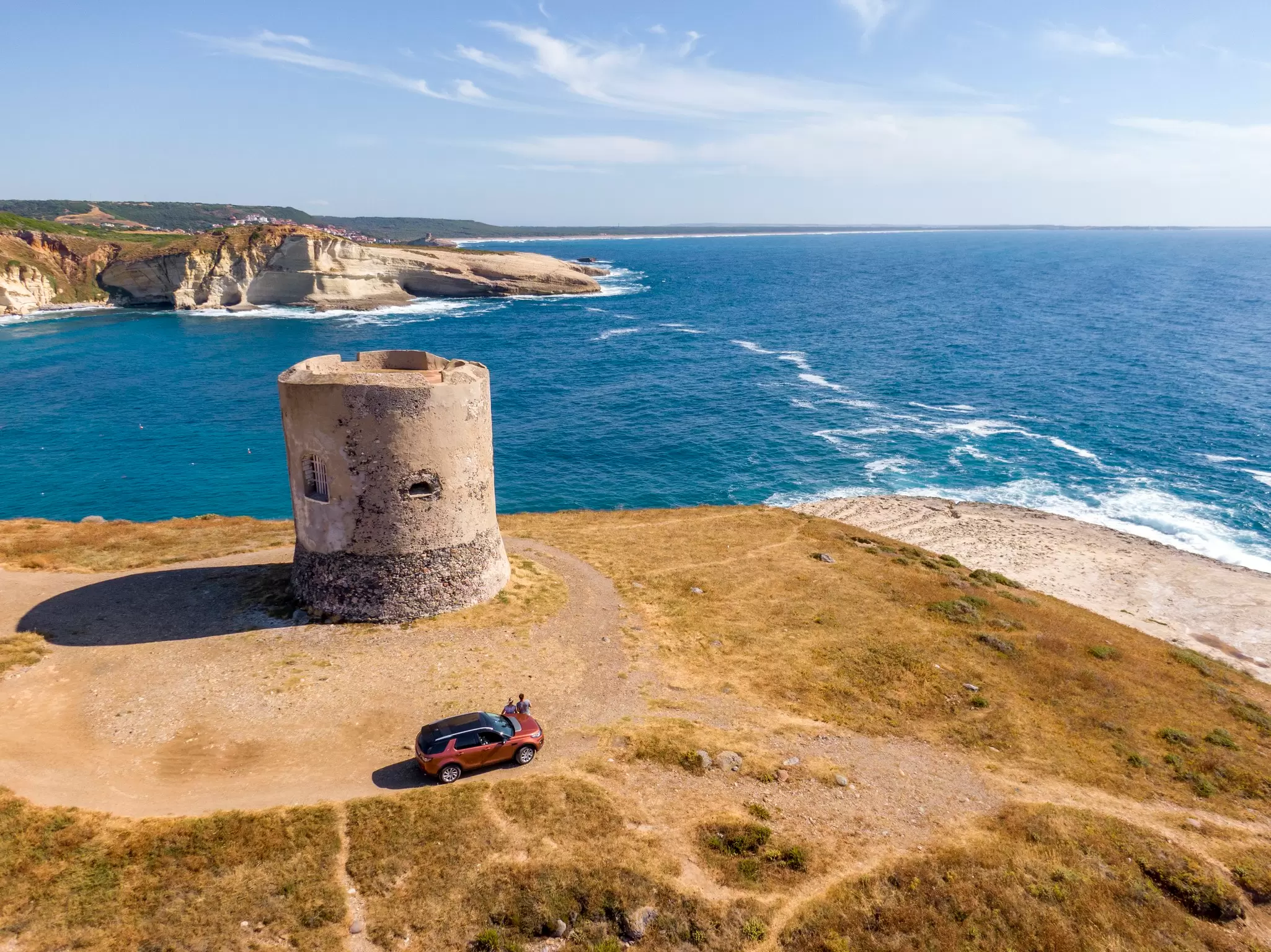
Renting a car at Cagliari, Olbia or Alghero airport unlocks beaches and remote sites.
ARST buses reach more of the island than trains and are often faster.
For the offshore islands, take a ferry to Asinara and the Maddalena parks.
Lonely Planet may earn a commission from affiliate links on our site. All recommendations and reviews reflect our own independent opinions.
Even though it’s the Mediterranean’s second-largest island, seductive Sardinia is relatively compact, measuring roughly 300km north to south and 125km east to west.
Indeed, it is possible to cross the entire island in a few hours – though windy two-lane roads and limited public transport connections can make short distances more time-consuming to cover than you might expect. Sardinia’s rail network is slow and limited to major cities; buses offer more connections and are often faster, but routes can be confusing and services delayed.
All this means traveling with your own car, motorbike or bicycle makes it much easier to explore Sardinia’s beaches, archaeological sites and other destinations not well served by public transport. Read on for more information and tips about the best ways to get around Sardinia.
Europcar, Sixt, Hertz, Avis and other international operators, along with local chains such as Maggiore and Only Sardinia, rent out cars at Sardinia’s three main airports (in Cagliari, Olbia and Alghero). Smaller cities, including Nuoro, Oristano and Alghero, also offer in-town car rentals, while motorbikes and scooters are available to rent at many beach resorts. Electric cars are an option with most companies, but keep in mind that charging stations are few and far between – and, when they can be found, often slow. If you choose to rent a car, keep in mind these key tips.
While many credit card companies offer complimentary CDW (Collision Damage Waiver) protection to their cardholders, Italy is often excluded from the list of covered countries. Check before you make your reservation.
Beware of narrow one-way streets in smaller villages, as it’s unfortunately easy to scratch your car. You may even get stuck in narrower passageways.
Away from the main cities and beach resorts, gas stations can be sparse, especially in the mountain towns of Sardinia’s interior. Save yourself headaches by fueling up whenever you pass a station.
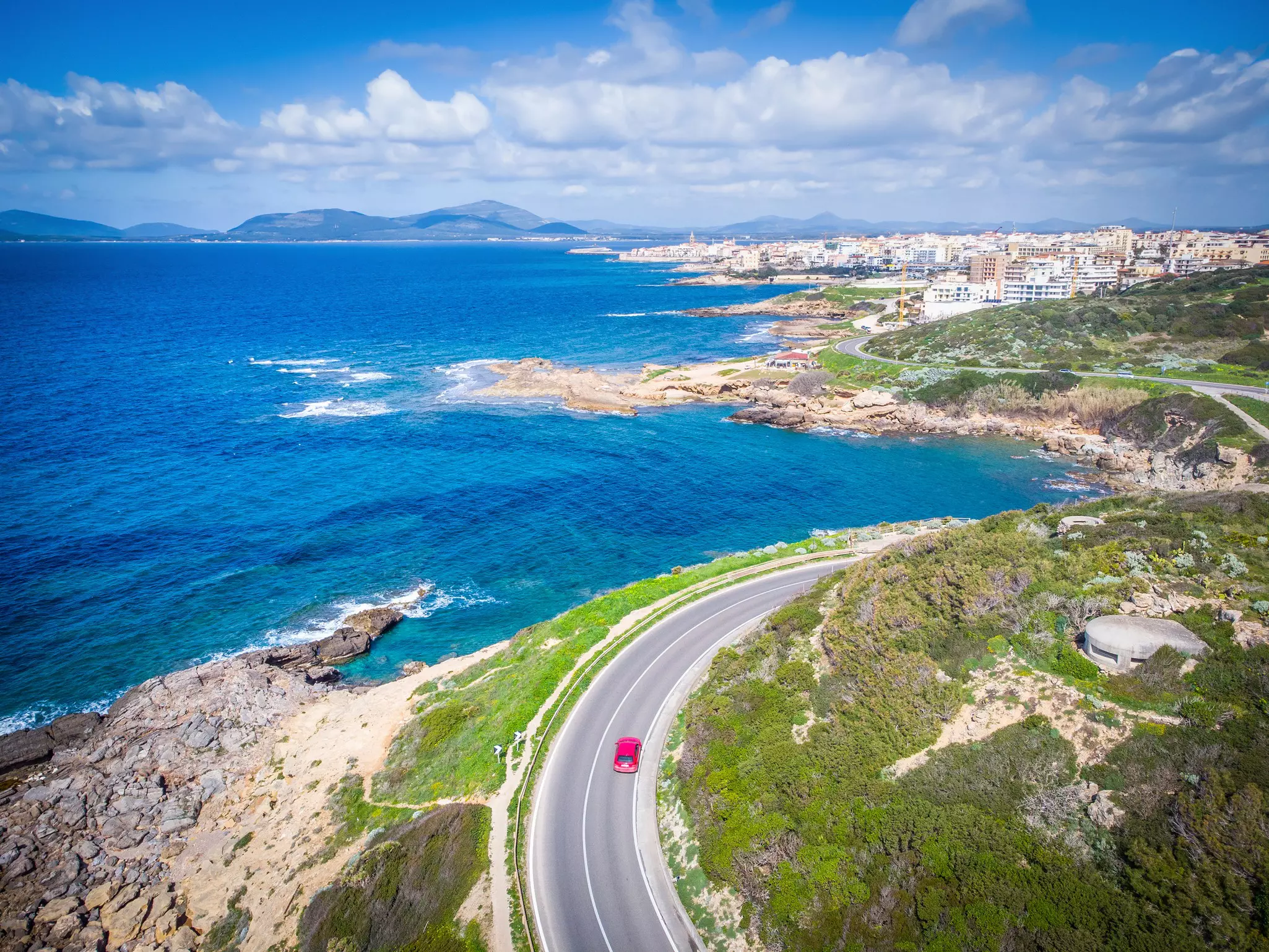
Sardinia has a handful of multilane highways (known as superstrade, or SS), including the SS131, which connects Cagliari, Oristano, Sassari and Porto Torres; and sections of the SS125, which runs along Sardinia’s east coast. Superstrade are toll-free, with speed limits topping out at 110km/h.
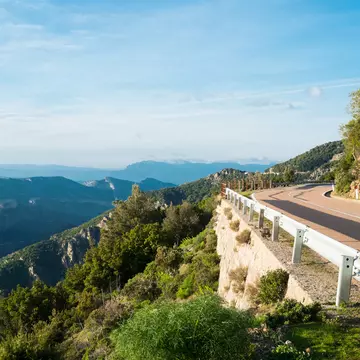
Away from these main routes, be prepared for slower driving on two-lane, often curvy provincial roads known as strade provinciali (SP), where the speed limit ranges from 50km/h in town to 90km/h outside city limits. Note that many access roads to beaches and trailheads are unpaved.
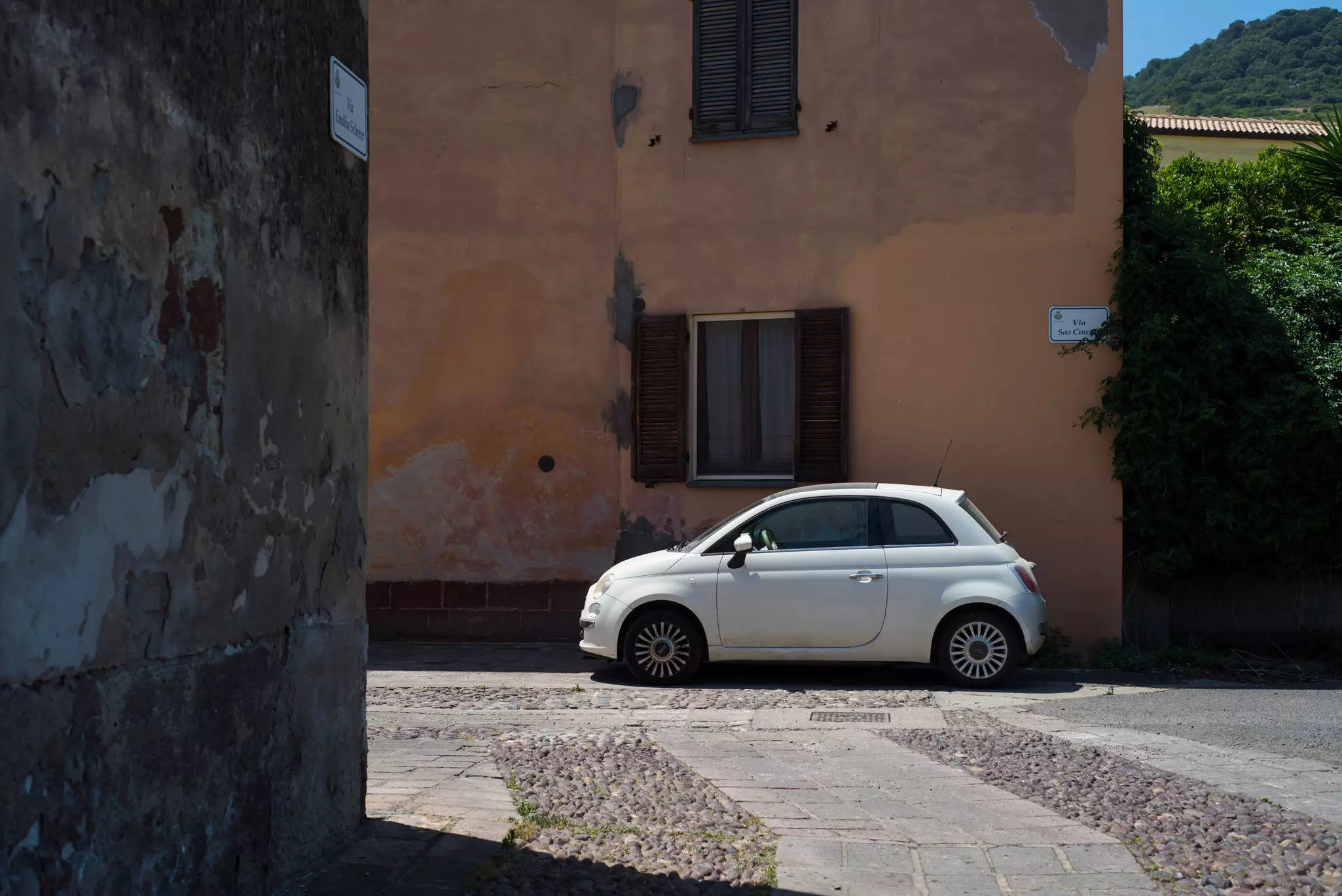
In cities, parking spaces designated with blue stripes require payment via street-side ticket machines or an app such as DropTicket. Rates are highest (1 euro to €2.50 per hour) during normal business hours (9am–1pm and 4–8pm from Monday to Saturday). Free or reduced rates apply on evenings, Sundays and during lunch hours. Parking spaces marked with white stripes are free of charge.
Every Sardinian municipality has its own rules for beach parking, which can cost as much as €2 per hour. Private companies usually manage fee collection, often using onsite parking attendants. Beware of hefty fines for parking outside designated areas in summer. If you do get a ticket, it’s best to pay on the spot, as delayed payment can result in higher charges being billed to your credit card by the rental-car company.
Cycling is an agreeable way to explore the Sardinian countryside, with rentals available in most larger towns and coastal resorts. Bikes can be carried on Sardinian trains for a €3.50 surcharge.
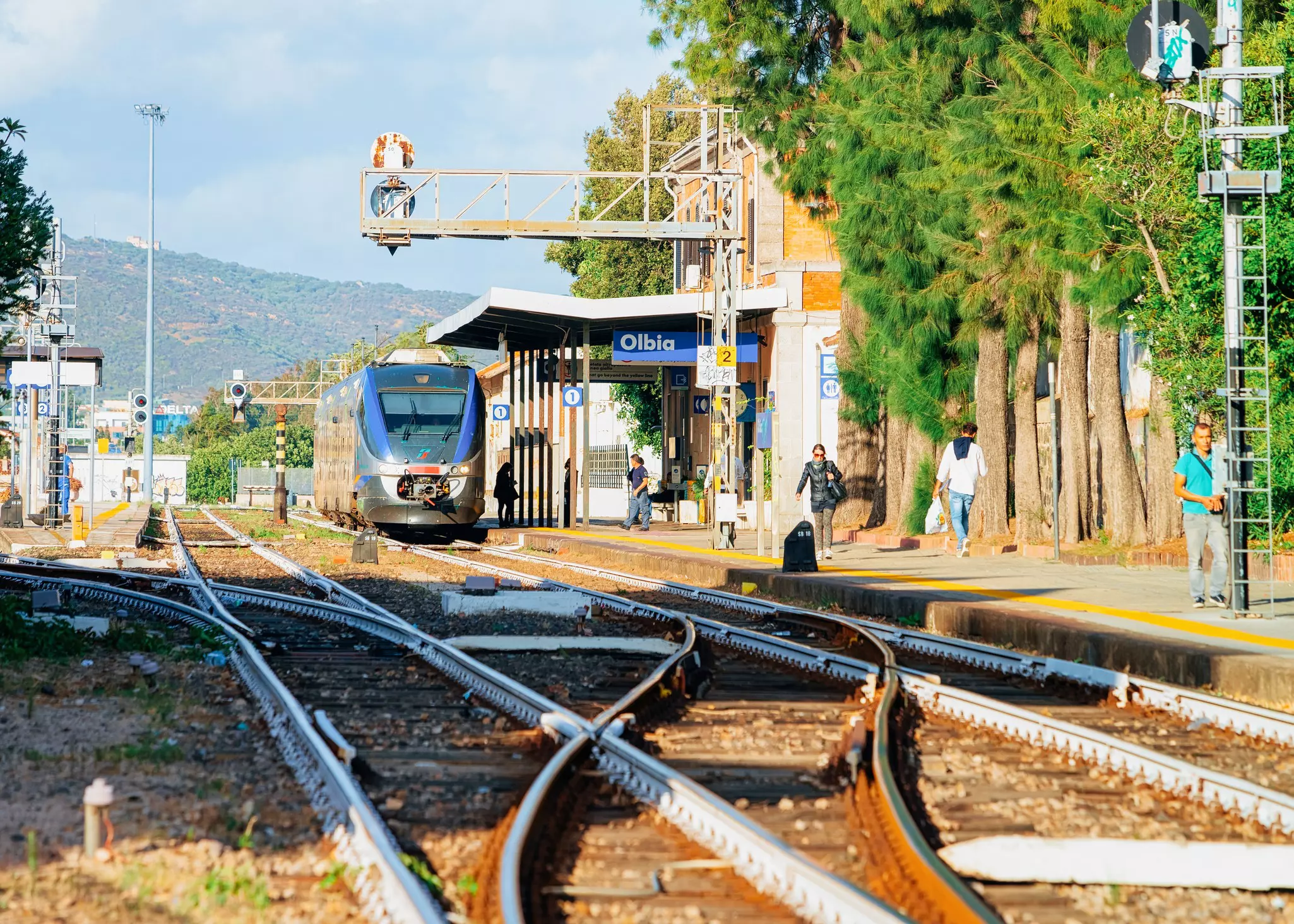
Italy’s national rail operator Trenitalia offers a limited network of routes that connect Sardinia’s major nodes. From Cagliari, trains run west to Iglesias and Carbonia; north to Oristano, Sassari and the Porto Torres ferry terminal; and northeast to Olbia and the Golfo Aranci ferry terminal. On the main routes, trains depart every hour or two. Fares are very reasonable: even the longest journeys, such as the 4-hour trip from Cagliari to Olbia, generally cost less than €20.
Public transit agency ARST operates a supplementary narrow-gauge rail network, serving a few corners of the island not reached by Trenitalia. Most useful to visitors are the trains connecting Sassari to Alghero on the northwest coast, and the route from Macomer to Nuoro – an ideal jumping-off point for exploring eastern Sardinia.
Note that in Macomer and Sassari, where the Trenitalia and ARST railways intersect, the two companies have separate stations. Fortunately, they’re within easy walking distance of one another.
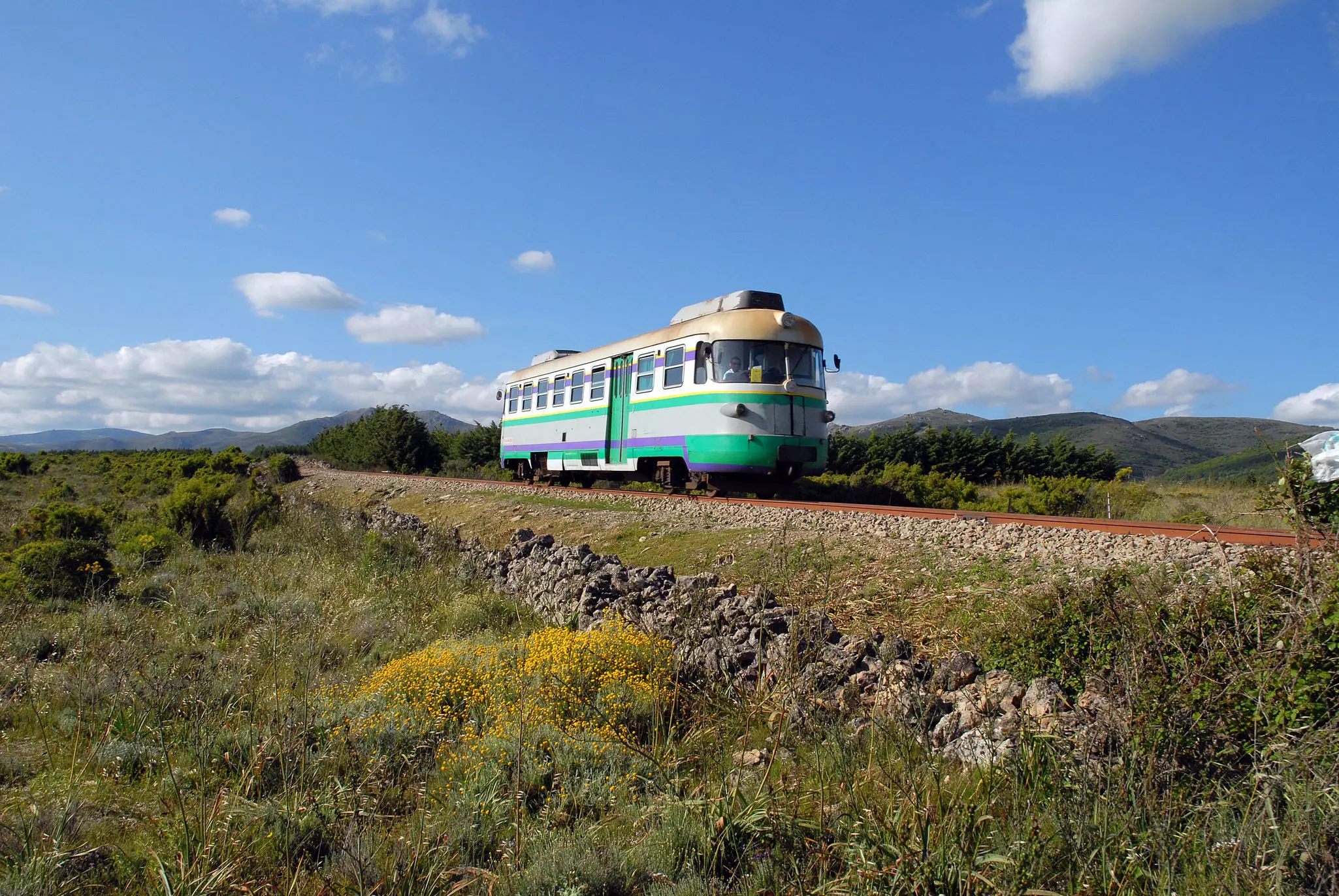
Encompassing 400km of narrow-gauge railways, Sardinia’s network of tourist trains offers visitors a compelling glimpse of the island’s backcountry. Originally constructed in the 1800s to navigate the steep grades and sweeping curves of Sardinia’s mountainous interior, these less-traveled rails were popularized by DH Lawrence in his book Sea and Sardinia.
These days, the uber-scenic Trenino Verde (Little Green Train) offers five official routes around the island. While long on charm, the trains are slow (20km/h), seasonal and prone to frequent shutdowns. Check online to see which lines will be operating during your visit.
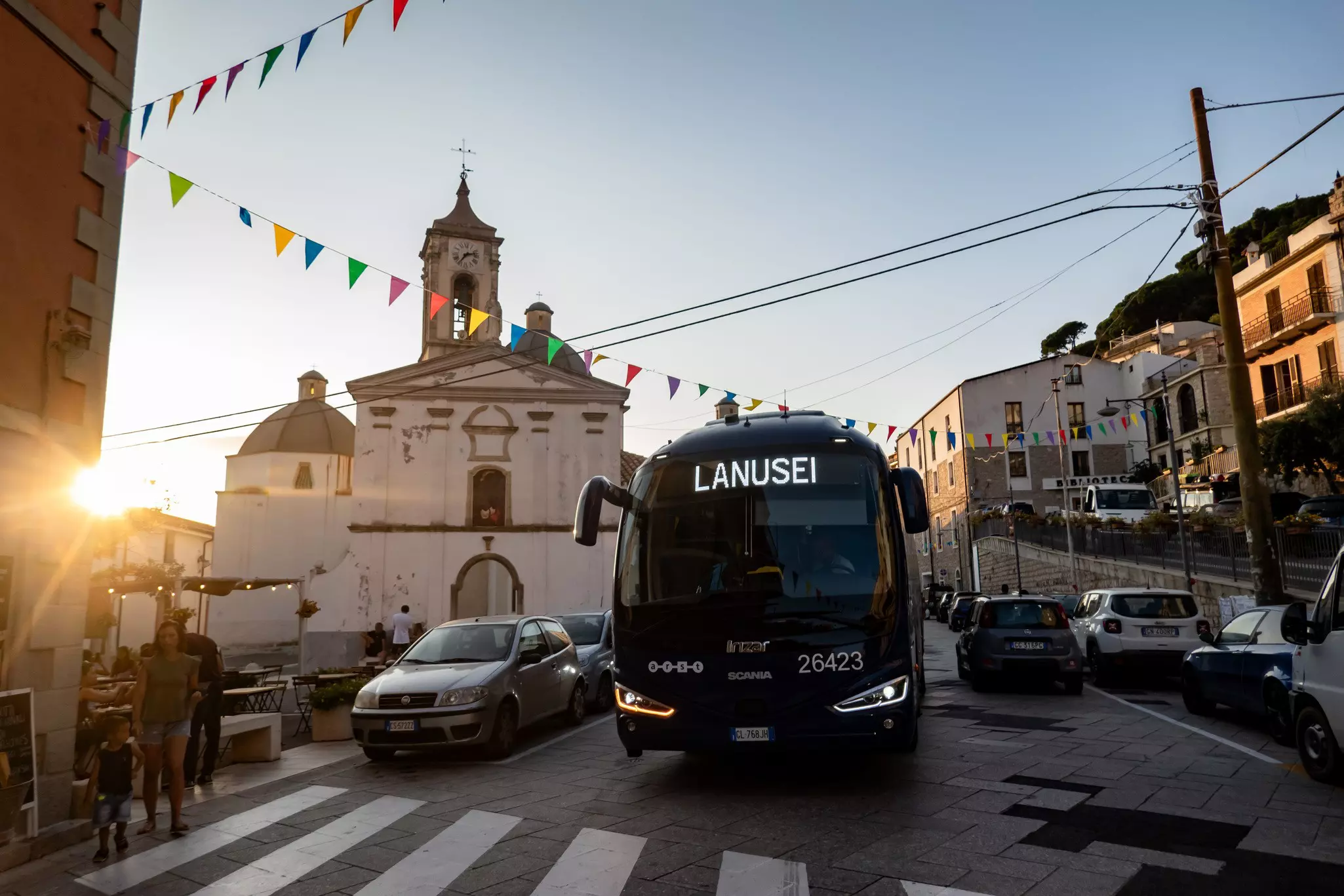
If you’re not interested in driving yourself, the bus is Sardinia’s most convenient public transport option for exploring the island outside of major cities. ARST operates an extensive, well-priced network of bus routes connecting key destinations, including many not reachable by train.
You’ll find proper bus stations with ticket windows in Alghero, Sassari, Olbia, Nuoro, Oristano, Iglesias and Cagliari. In smaller towns, buy tickets from a local bar or tobacconist, and catch your coach at stops marked with a “Fermata” signpost. You can also buy tickets for all ARST bus services using the DropTicket app.
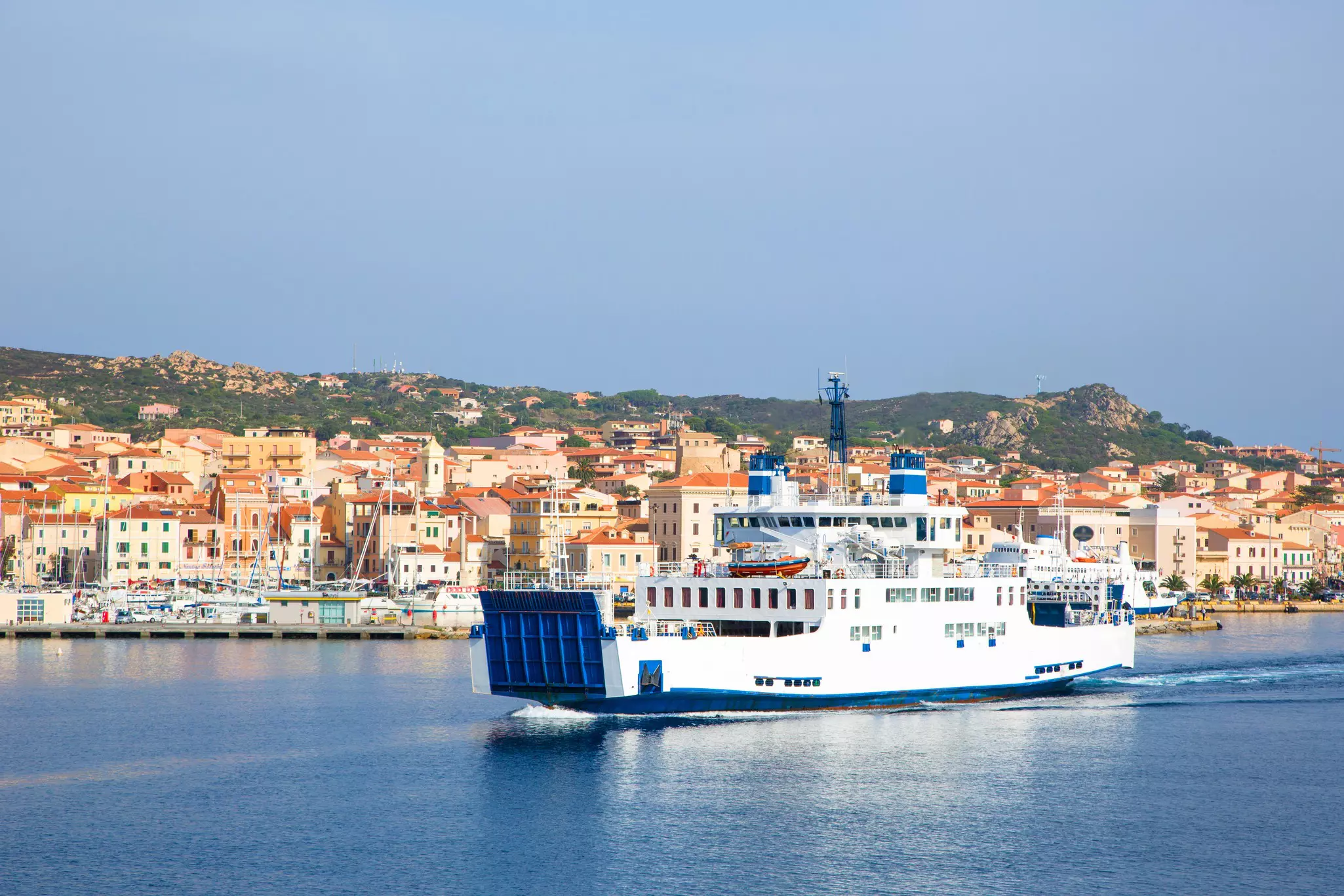
Sardinia’s fleet of ferries provides easy, affordable access to smaller offshore islands, including the spectacular Asinara and Maddalena national parks off the north coast; Isola Tavolara near Olbia; and Isola di San Pietro in the southwest. Two of Delcomar’s best-known routes connect Palau with La Maddalena, and Portovesme with Carloforte on San Pietro; Maddalena Lines also plies the former route. Tavolara Traghetti e Gite serves Tavolara from Porto San Paolo from the end of April through the end of October.
Many services accommodate cars; be sure to reserve ahead or arrive well in advance in the summer high season.
Sardinia has seen several recent improvements in accessible transport. Trenitalia now provides special accommodations for people with disabilities at eight stations, including Cagliari, Cagliari Elmas Airport, Oristano, Sassari and Olbia. Free assistance with ticketing, boarding, disembarking and baggage handling is available to wheelchair users, pregnant women and passengers with hearing, vision or cognitive disabilities. All services can be coordinated via the “Sala Blu” at Cagliari's main train station.
ARST trains are equipped with mobile boarding ramps for wheelchairs, while city trams in Cagliari and Sassari have special wheelchair boarding platforms. ARST’s newer buses have well-signposted seating areas for travelers with disabilities; electronic lifts; Braille signage; and audible confirmation of stop requests. For intercity travel on ARST buses, wheelchair users should reach out to the company 36 hours in advance to confirm points of boarding and disembarking.
Cagliari-based Arcobaleno organizes accessible transport to beach resorts and other far-flung destinations.
Discover the magic of Sardinia with Lonely Planet Journeys. Our bookable 10-day itinerary is crafted by a local expert, with the option to customize your trip based on your interests.
Book your Italy trip with Lonely Planet Journeys
See Italy how it's meant to be seen
Accommodations, activities and ground transportation all taken care of, so you can focus on the fun part. Tell us what your dream trip to Italy looks like, and our local experts will build it from scratch. Or start with one of our itineraries and make it your own.


Explore related stories