Sep 17, 202618 min read
Everything You Need to Know About Interrail Passes in EuropeDec 21, 2025
9 MIN READ

Writer
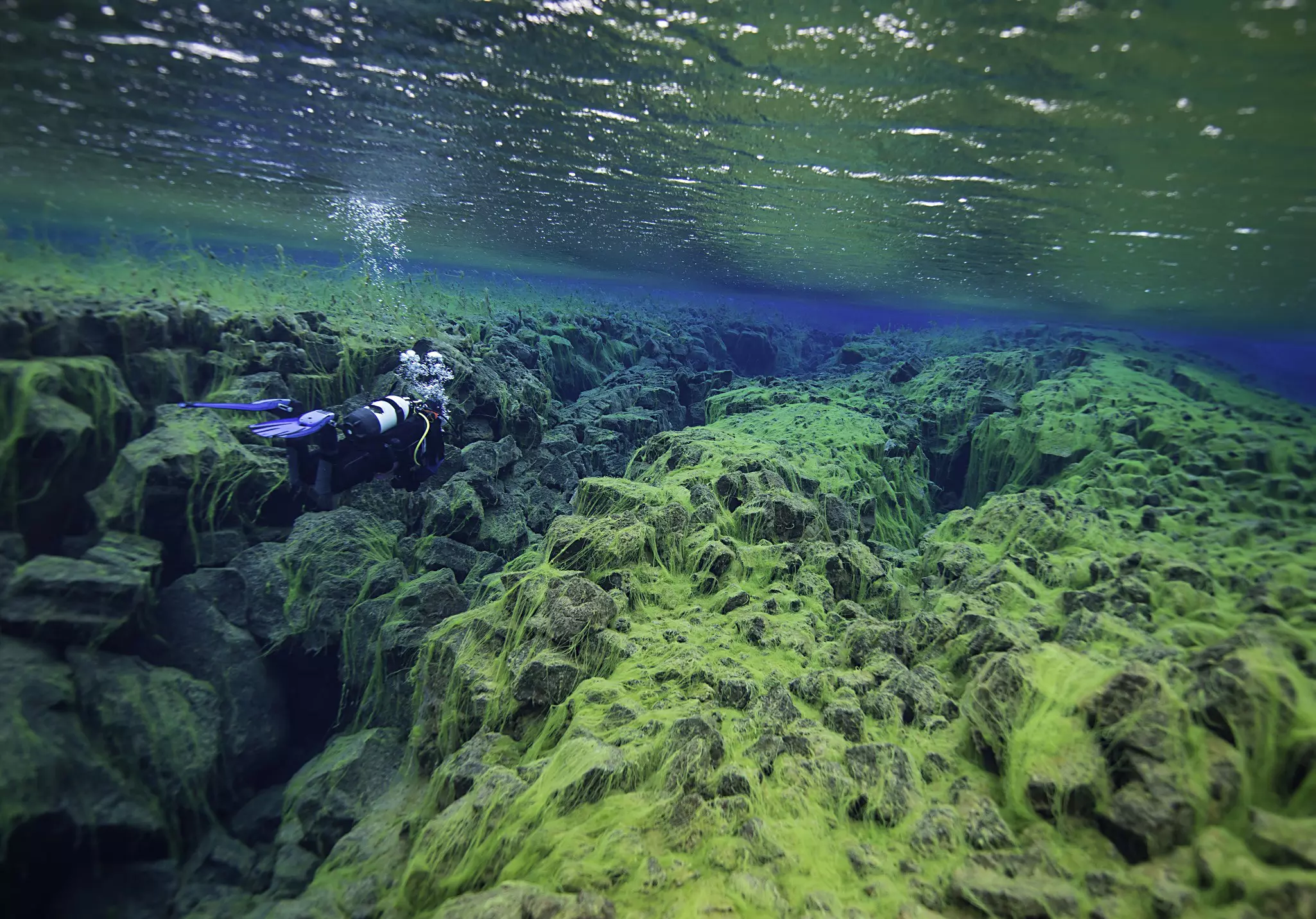
Scuba diving in Thingvellir National Park. VicPhotoria/Shutterstock

Writer
Lonely Planet may earn a commission from affiliate links on our site. All recommendations and reviews reflect our own independent opinions.
Europe may not be the first place that comes to mind when considering a scuba trip, but the continent is teeming with surprises once you dip below the surface. Islands that enjoy year-round warm water, seas scattered with fascinating shipwrecks, ever-shifting volcanic landscapes, terrific and unrelenting whirlpools: the region has far more varied diving adventures than many travelers assume.
Whether you are looking for a quick city break to get your underwater fix or embarking upon a full remote scuba adventure, here are a few European spots to consider the next time you get the urge to suit up and dive down.
Best for diving with a volcanic twist
Floating west of mainland Portugal, the Azores offer some of the most tropical conditions in Europe. The nine-island chain is home to 26 active volcanoes, eight of which are underwater. The heavy lava activity means that the ocean floor is constantly changing, giving divers a chance to see unique topography that includes canyons, caverns and gullies at a crystalline visibility of as much as 39.6m.
The archipelago sits directly at the meeting point of ocean currents, meaning big ocean creatures are abundant. Possible encounters include blue sharks, mako sharks, smooth hammerhead sharks, mobula rays and manta rays – not to mention fascinating octopus, eel and fish varieties.
Princess Alice Bank is the most famous local spot, though with a depth of up to 40m and strong currents, it is best for more advanced divers. This is the premier spot for schools of mobula rays and shark spotting.
Getting there: The main international airport is in Ponta Delgada on São Miguel island, offering direct flights from both Europe and North America. Hopping between the islands can be done by boat or plane.
Planning tip: It is critical to consider the time of year you plan to visit, as marine life varies greatly season to season. Winter temperatures dip below 58°F, which brings the thrill of a cold water dive… or the misery of it, depending on your tastes. June to October is the main diving season, with manta rays out in full swing.
Pricing: Diving in the Azores is in line with other world-class diving destinations, with a 2-dive day trip with Azores Diving costing around €100. Other well-known dive shops on the islands include Twin Peaks Diving Center, Azores Sub and Best Spot Azores. For new divers or those looking to level up their skills, open water certification for both SSI and PADI is available. An open-water PADI course costs between €400-500 and takes 3 to 5 days.
Best for diving between tectonic plates
Ever wanted to squeeze in between chunks of Earth’s crust? Find yourself in Iceland, and you are in luck. The Silfra Fissure is the only place in the world where divers can sink between tectonic plates, slicing right between the North American and Eurasian plates. Earthquakes in 1789 led to this continental rift, and the two slabs of earth continue to drift further apart by 2cm each year. Glacial water from Langjökull is filtered through underground lava for up to a century before reaching Silfra, resulting in visibility up to 100m and some of the clearest water in the world.
Divers can explore awe-inspiring rock formations and brightly colored algae in this 230-year-old gap, though marine life may be lacking. While Thingvellir Lake hosts many fish species, most avoid the freezing fissure itself.
Other popular spots in Iceland include Gardur, which features more sea creatures, and Kleifarvatn, home to underwater hot springs.
Getting there: Thingvellir National Park is only an hour’s drive from Reykjavík and is located on the Golden Circle, a very popular and accessible tourist route in southern Iceland. The Park is also full of fishing activities and walking routes for those not interested in suiting up for the cold water.
Planning tip: These waters are cold year-round (just above freezing), so be prepared for dry suits and some shivering. This also means that those tackling the fissure require both an Open Water and Dry Suit certification (and snorkeling is another, more beginner-friendly option). Keep in mind that you cannot dive at Sifra alone, as the number of daily divers is heavily regulated by park rangers.
Pricing: Sifra is a pricier dive spot, with a day’s package costing upwards of US$250. There are several operators you can go through, like Dive.IS, Iceland Dive Adventures and Arctic Adventures, so shop around before booking and ensure that all the gear you need is provided.
Best for exploring an epic ship wreck
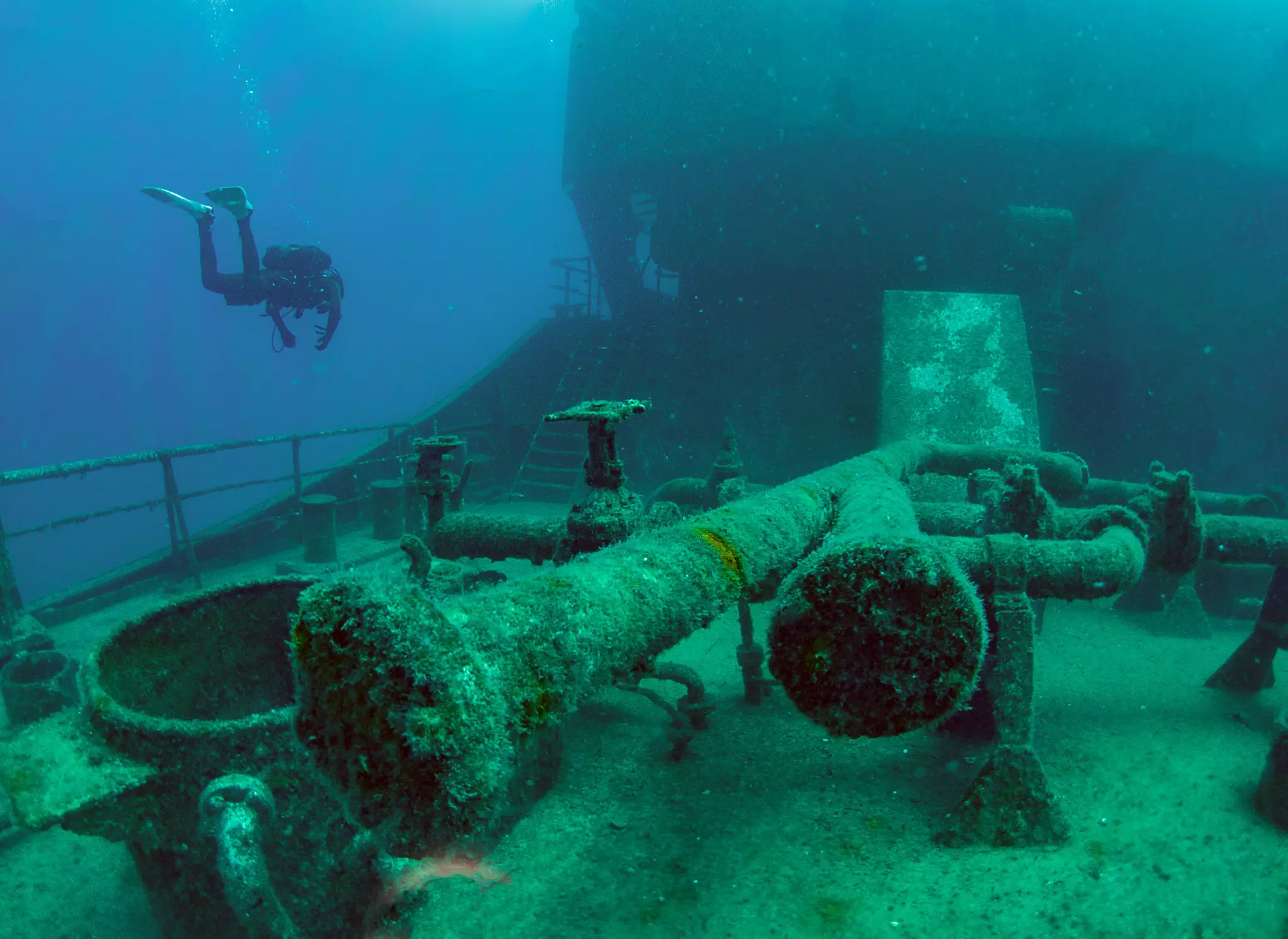
Malta is home to some of Europe’s top wreck dives, thanks to its strategic position in the Mediterranean Sea, sitting at the historically busy intersection of Italy, Tunisia and Libya. One standout is Um El Faroud, a 110m Libyan tanker that suffered a tragic gas explosion in La Valletta Port in 1995. The boat was scuttled out to sea in 1998 and has since become a diving hotspot, offering an artificial reef, old mechanical rooms to explore, and a plethora of moray eels, barracudas and octopuses.
Most reach the spot from the shores of Wied iz-Zurrieq, with the wreck resting a 10-minute swim away, though there are local boatmen offering rides to those wishing to preserve air. More experienced divers can enter the old engine room and other interior rooms, exploring the two sides of the boat (it cracked into two pieces during a major storm in 2006).
Because the wreck is large and complex, many divers split it into two separate dives. It is highly recommended to go with a guide from a local shop, like ABC Diving or Buddies.
Planning tip: Malta’s seas are best explored in the summer months, with the highest visibility and warmest water from July to September. But off-season diving has its perks, with good visibility and fewer crowds if you have the proper gear.
Pricing: A guided dive into the wreck will cost you around €80-90.
Best for an underwater pilgrimage
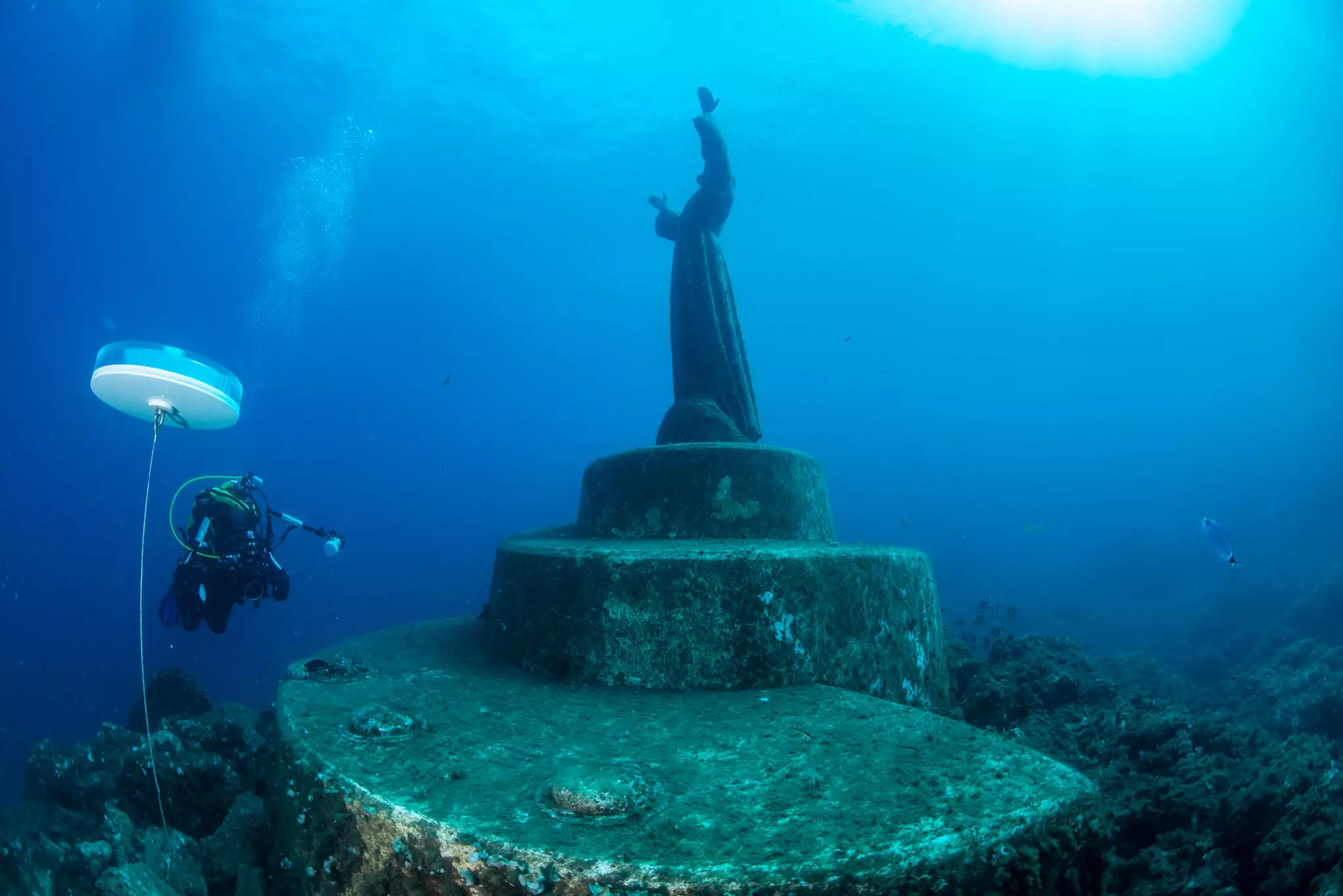
Christ of the Abyss is one of Europe’s most iconic underwater sites, resting just off the coast of Portofino, a beloved summer destination in Italy’s Liguria region. The solid bronze statue stands 2.5m tall, with Christ’s arms outstretched in blessing, and sits only 17m below the surface.
Designed by sculptor Guido Galletti and installed in 1954 near the Abbey of San Fruttuoso, the statue was commissioned by diver Duilio Marcante in memory of his friend Dario Gonzatti, who died while diving nearby. Over time, it has become a symbol of protection and remembrance for divers across Europe. Its bronze was donated from a range of meaningful sources, including ship bells, Olympic medals and military awards.
The statue lies within the Portofino Marine Reserve, attracting moray eels, groupers, lobsters, red coral and schools of Mediterranean fish. It is a quick 15- to 20-minute boat ride from Portofino, and non-divers can take a ferry to view the site from above. Other standout dive spots in the reserve include shrimp-filled Punta Chiappa, the deep Gonzatti Pinnacle, and the beginner-friendly Lighthouse.
Local shops, such as Portofino Divers and Diving Group Portofino, offer frequent trips out to the statue.
Planning tip: On the last Sunday of July, an evening mass is held on the beach beside the statue, followed by an underwater procession where divers lay a laurel wreath at its feet. Diving is possible year-round, but the best conditions run from May to October.
Best for the world’s strongest tidal current
Saltstraumen is home to the world’s strongest tidal currents that can reach up to 26 knots, making it a bucket-list site for many European divers. The dark fjord waters teem with pollock, cod, halibut and vibrant anemones, and divers come for the challenge of navigating the powerful currents and steep underwater walls. Beneath the surface, you will find jagged rock formations, shifting seaweed fields and the distinctive sea wolf fish.
The strength of Saltstraumen’s whirlpools is due to the tide pushing through a narrow, shallow strait beneath the local bridge, creating the famous maelstrom effect. These surging waters force nutrient-rich water upward, supporting a thriving ecosystem and offering a bouquet of amazing sightings for divers.
Although all levels can find suitable sites in the area, the best are reserved for advanced divers. A local operator such as Nord&Ne is highly recommended, as independent diving is not permitted due to the technical nature of the dives.
Planning tip: Timing your visit to Saltstraumen depends on your goals. Want to see some whales? Late October to March might be your chance, though June to September is much warmer with better visibility. Regardless of the time of year, a dry suit is essential, as temperatures rarely top 53°F.
Getting there: Saltstraumen is near Bodø in northern Norway. The area has a small airport, connected to Oslo or Copenhagen, though it is mainly reached by car.
Best for a quick city break with mega biodiversity
Just a few hours by bus from Barcelona, the Costa Brava is a lesser-known Spanish vacation spot favored by Catalonians. It is an ideal road trip destination, with each seaside town offering its own character, excellent local cuisine and crystal blue water, all within easy reach of one of Spain’s biggest cities.
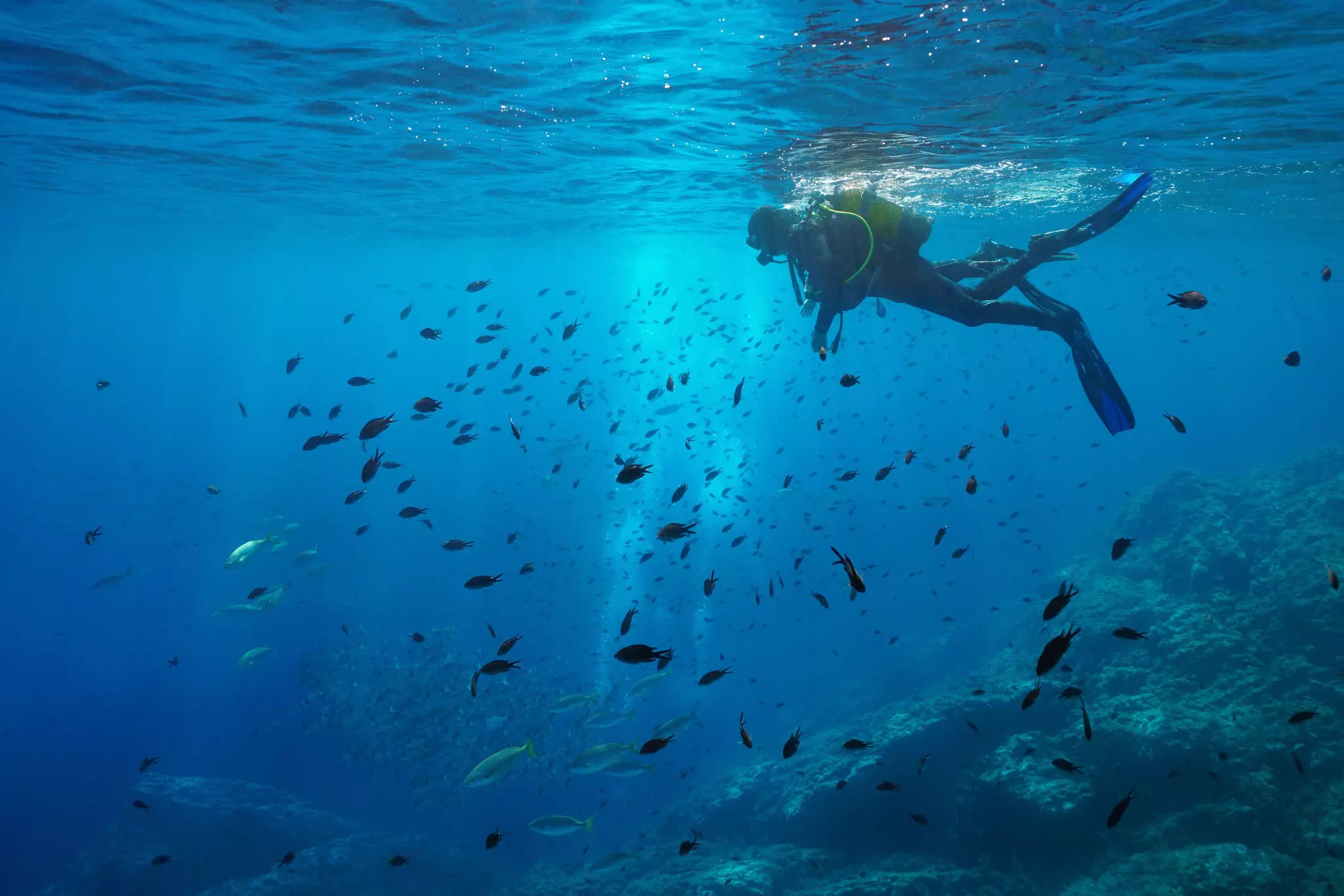
Although often overshadowed by Spain’s flashier islands, the Costa Brava has some of the best and most affordable diving in Europe. The Medes Islands are the top attraction, home to dive shops such as El Rei de Mar and Calypso Diving. Fourteen sites surround the islands and their protected marine reserves, providing divers at every level with the opportunity to spot moray eels, lobsters, groupers, coral, octopuses and numerous fish species.
Other hotspots include Cap de Creus, the Formigues Islands and Tossa de Mar, the idyllic town that homes the only standing fortified medieval town on the Catalan coast, where I got my PADI license for about €350 from TossaSub Diving Center, spotting a pregnant octopus in the process.
Planning tip: The best time to dive in the area is May to October, though this is also the high season for beachgoers. Be sure to book your accommodation, transport and dive classes/guides early, as things fill up.
Explore related stories