Sep 25, 20267 min read
The Best Places to Get Korean Food in Los Angeles, CaliforniaApr 17, 2026
13 MIN READ
Contributors
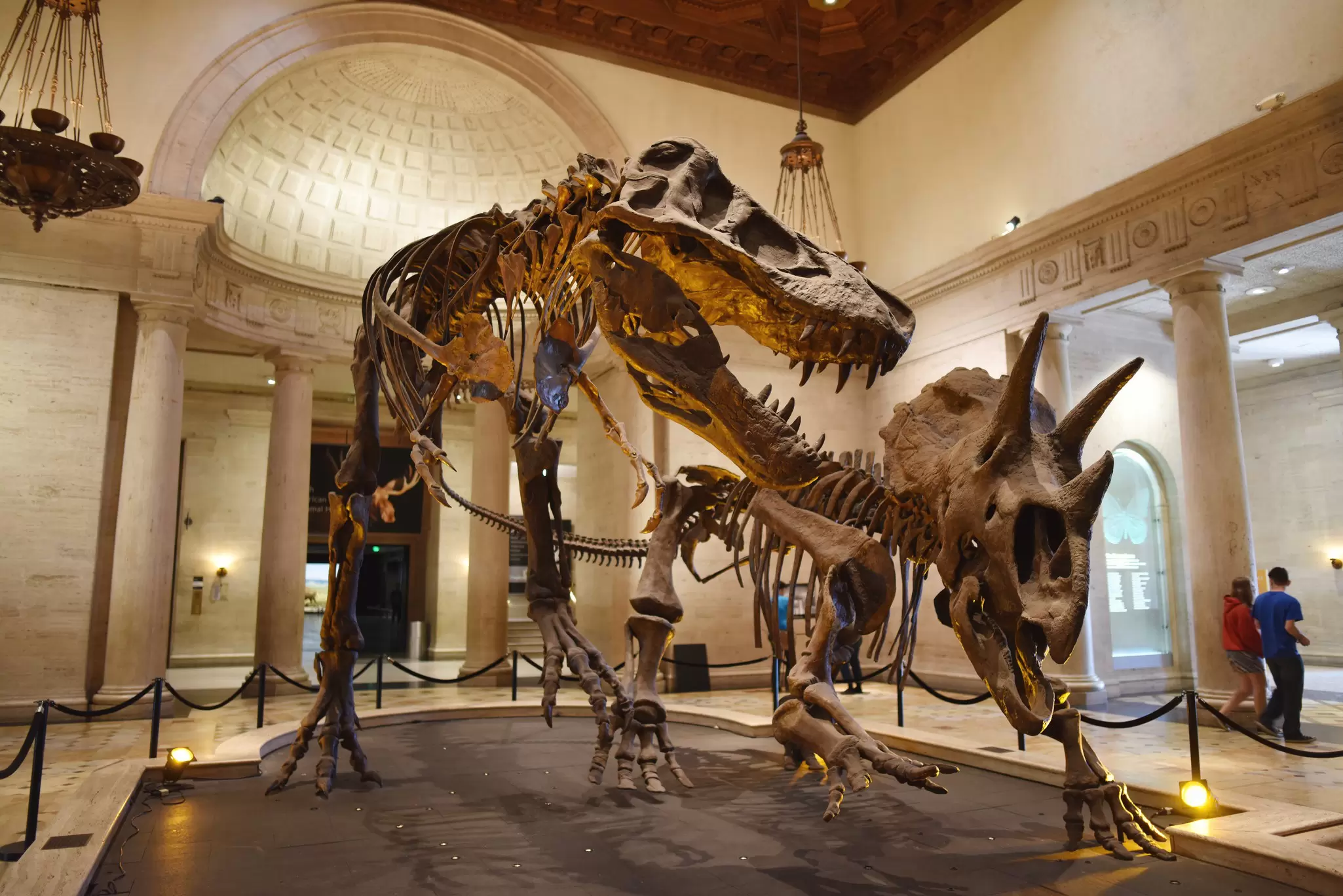
Dinosaurs battle at the Natural History Museum in Los Angeles. Lee Hari/Shutterstock
Contributors


Juliana Shallcross, Lonely Planet Editors
Lonely Planet may earn a commission from affiliate links on our site. All recommendations and reviews reflect our own independent opinions.
The sprawling city of Los Angeles is famed as the world's movie capital, but there's more to see here than the Hollywood Sign. Beyond the celebrity mansions and film sets, the best museums in Los Angeles bring to life everything from art, science, aviation and history to music and the movie business.
Adding a museum or two to your list of things to do in Los Angeles is strongly recommended – some of the top museums are even free to visit. You'll soon discover that the city's commitment to culture (and educating the next generation) runs deeper than the Hollywood Walk of Fame.
Because LA is so widely spread out, you'll need a car to reach many museums, but some of the best are clustered around Museum Row (the stretch of Mid-Wilshire between Fairfax and La Brea Aves), making it easy to visit a couple of museums in one day. Other hotspots for museums include Exposition Park, southwest of downtown, and the chic neighborhood fringing the Hollywood Hills west of the center.
Even if general admission is free, some of the city's most popular museums require you to book tickets or a timed entry slot before you visit, so always confirm entry requirements via the museums' websites before you go. If you'd rather not drive, you can always get to museums by rideshare, or by public transportation downtown.
Whether it’s your first time in the city or you're an LA regular, here are the best museums in Los Angeles for fans of film, music, history, art, automobiles, dinosaurs, and a whole lot more besides.
Best for fans of film history
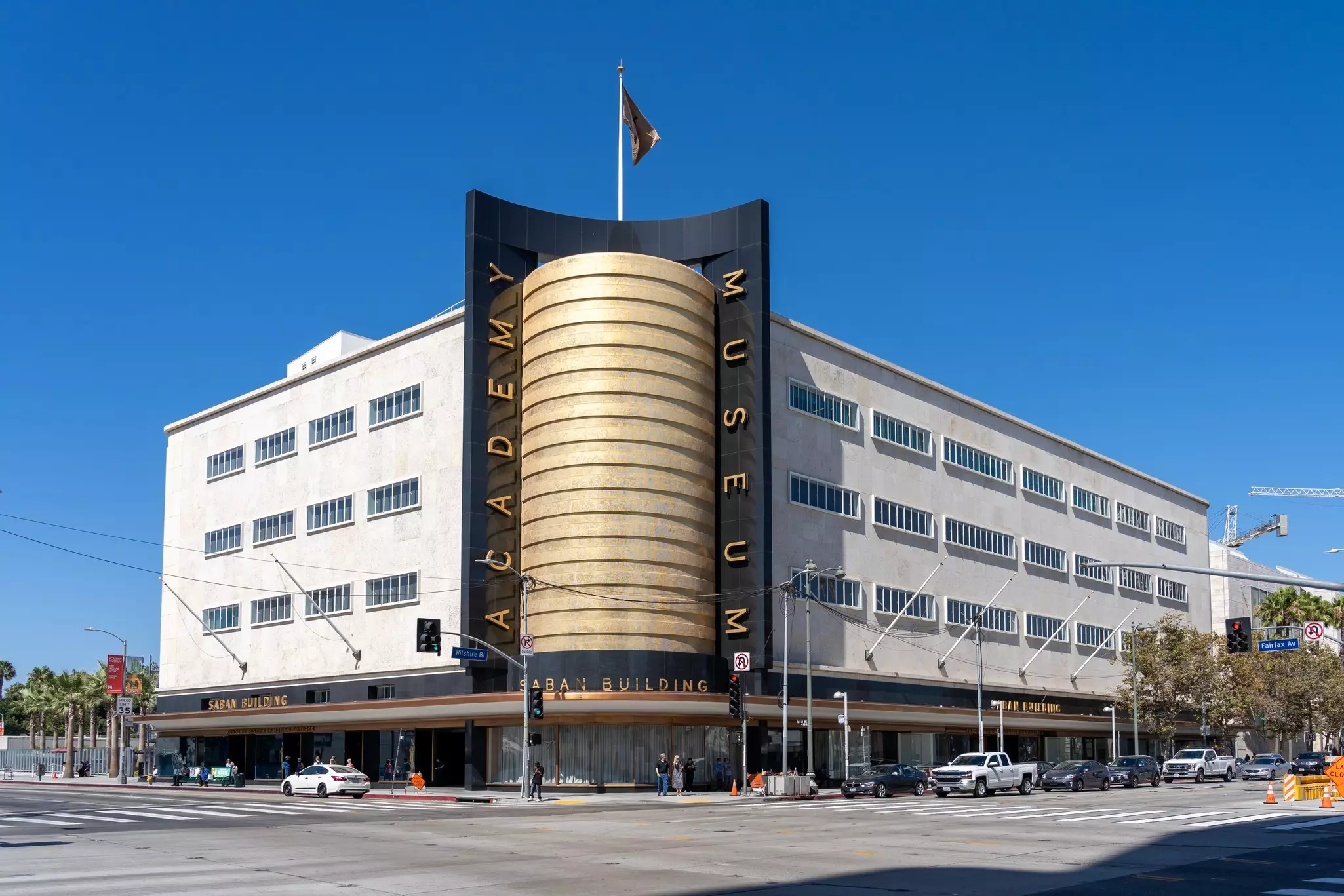
Los Angeles’ signature museum dedicated to the magic of film, the Academy Museum of Motion Pictures was in the works for decades, and now that it’s open, it encapsulates what many visitors come to LA to learn more about – the history of the legendary movie business founded beside the Hollywood Hills in the early 20th century.
Designed by architect Renzo Piano and located at the corner of Wilshire and Fairfax Blvds, the museum spans the former premises of the May Company department store and a brand-new globe-shaped building with a thousand-seat movie theater.
In the first building, the anchoring attraction is the Stories of Cinema exhibition, showcasing the diverse output of moviemakers from around the world, from some of the very first moving pictures to today’s technological marvels. With an official pledge to “address the history of cinema in truthful and inclusive ways,” the museum also confronts cinema’s long history of excluding diverse voices.
This is where you’ll find Judy Garland’s famous red slippers from The Wizard of Oz, props from Citizen Kane, make-up and prosthetics from Bombshell and costumes from a whirlwind of iconic movies, alongside the Oscar-night outfits of the stars, and even the Oscar statues themselves.
The museum also offers the Oscars Experience, where, for an additional fee of $10, you can be filmed “accepting” an Oscar statue and receive a download of the 15-second clip within minutes.
Planning tip: The Academy Museum is located right next to the Los Angeles County Museum of Art on Museum Row, making it easy to visit both in one trip; there are several (quite expensive) parking garages nearby. Tickets should be reserved in advance; if you’re traveling with children, all visitors under 17 are free (an initiative supported by the George Lucas Family Foundation and other movie industry sponsors).
Best for world-class art
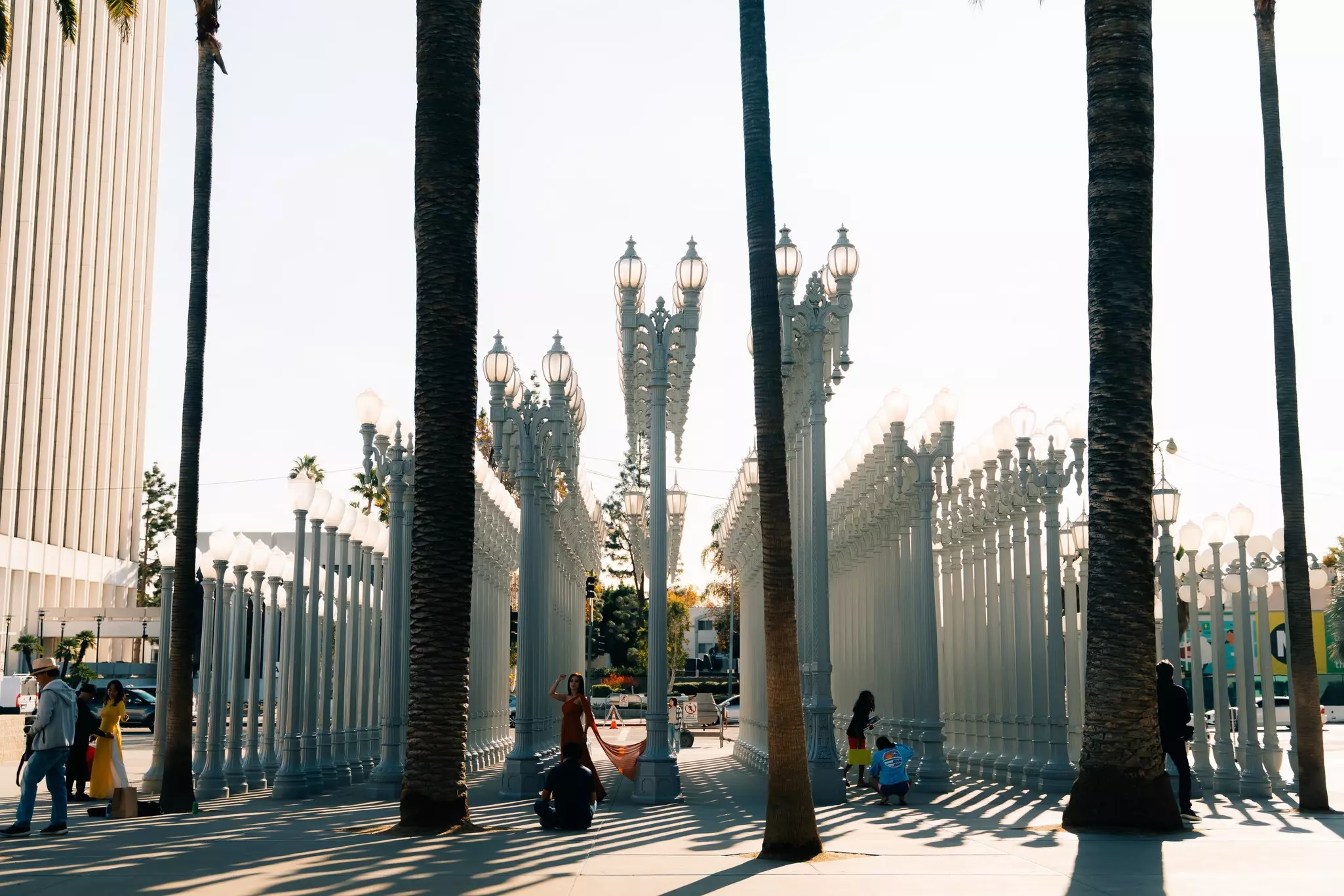
If there’s one museum you absolutely have to visit in Los Angeles, it's the Los Angeles County Museum of Art, or LACMA, also on Museum Row. This powerhouse institution is the largest art museum in the western USA, featuring more than 147,000 objects spanning 6000 years of human creativity.
The permanent collection includes major works from European painters such as Picasso and Matisse and pieces by American greats such as Roy Lichtenstein, as well as work from important Latin American and Asian artists and Greek, Roman and Etruscan artifacts. Rotating exhibitions often deal with contemporary subjects, such as augmented reality and digital art.
Alongside its vast indoor collection, the museum has a series of permanent outdoor exhibits too, the most famous being Chris Barden's Urban Light sculpture, a cluster of street lamps facing out toward Wilshire Blvd. Behind the museum, there's also Levitating Mass, a 340-ton boulder sitting atop a long trench that people can walk through and take photos, making it look like they're holding up the rock.
LACMA’s 20-acre campus has been undergoing construction for a few years, so be sure to check what’s open before you go. The museum is across the street from the Petersen Automotive Museum and adjacent to the famous La Brea Tar Pits, so it’s easy to make a whole day out of your visit here.
Planning tip: All visitors should purchase a timed-entry ticket in advance, as tickets for walk-ups are limited and timed slots often sell out. Residents of Los Angeles County can visit for free after 3pm on weekdays, except on Wednesdays, when the museum is closed. There are several parking garages around Museum Row if you arrive by car.
Best for visitors who like things fast and furious
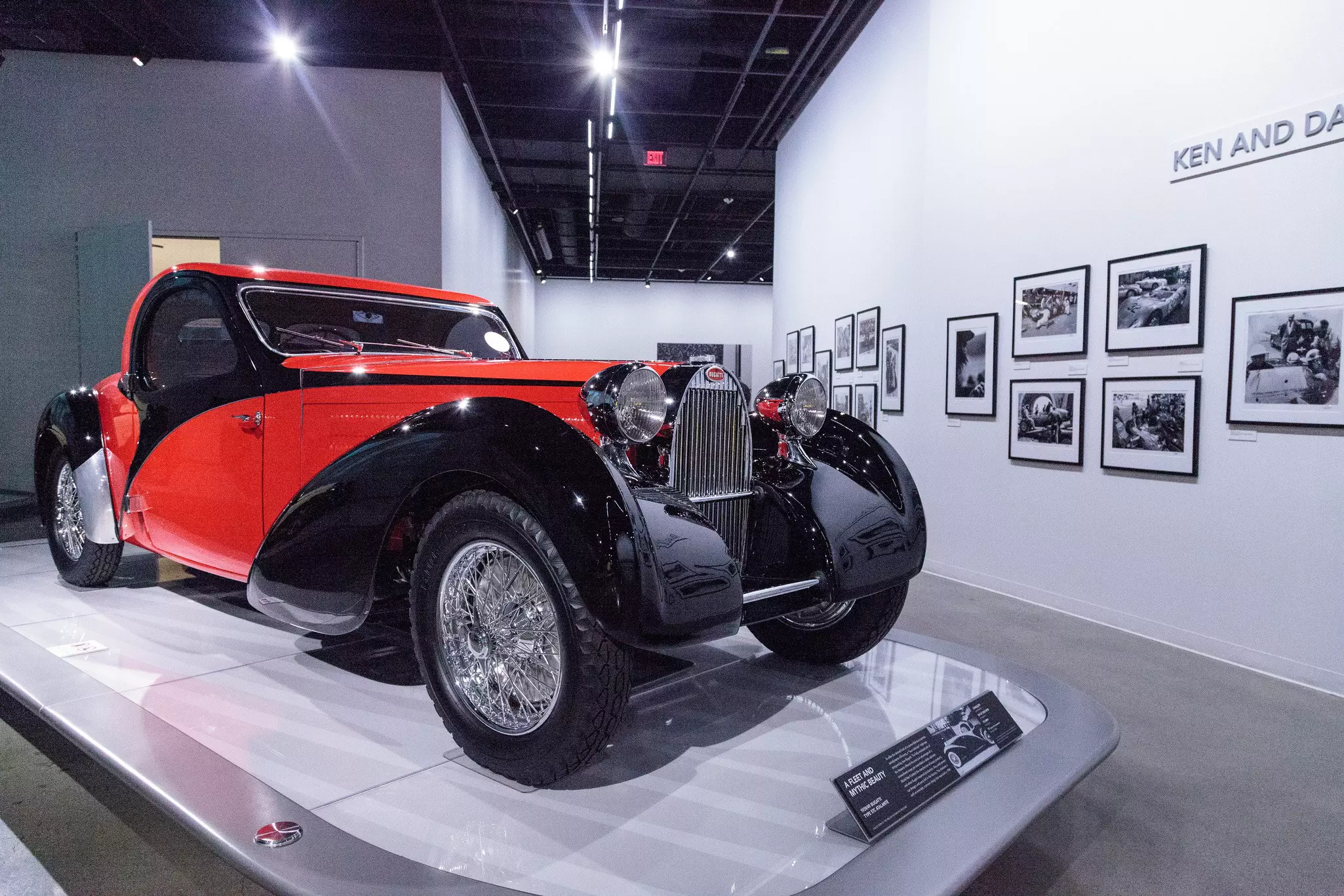
Los Angeles loves cars just as much as movies, and the Petersen Automotive Museum on Museum Row does a thrilling job of introducing visitors to the history of the automobile, from its earliest incarnations to prototype vehicles for the future.
With flashy steel ribbons wrapped around a cherry-red exterior, the museum is hard to miss from Wilshire and Fairfax. Inside, you’ll find classic and rare cars from the past century, including those made famous in movies such as Back to the Future, Batman and the James Bond franchise.
Adults will be drawn to the collection of futuristic, extreme and electric vehicles from this century. For kids, there’s a Forza Motorsport racing experience and an interactive storytelling exhibit for children, featuring characters from the Disney/Pixar movie, Cars.
For even more vehicular action, the basement-level Vault by Hagerty features more than 300 rare and iconic cars, motorcycles and trucks from around the world. Entry requires a separate ticket, and children under 4 years old are not allowed into this section of the museum.
Planning tip: General admission can be expensive, with the combined adult ticket for the museum and Vault coming in at $51, but there are discounts for kids and seniors. As for other Museum Row institutions, you'll have to park in one of the nearby parking garages.
Best for fans of modern art
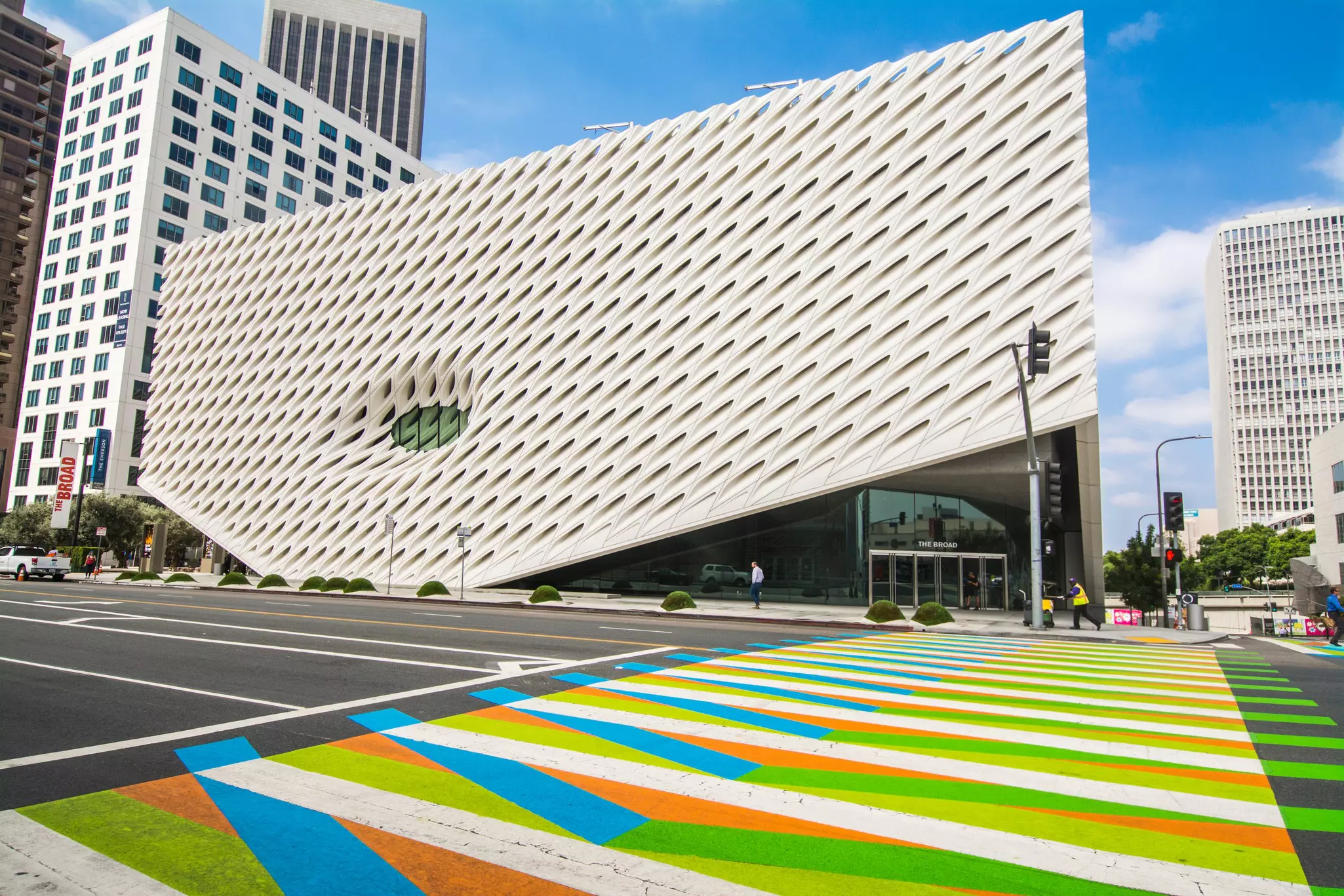
If you want to see the latest in the art world, head downtown to The Broad (the name rhymes with "road" - it's named for philanthropists Eli and Edythe Broad). This eye-catching museum is a repository for some 2000 pieces of postwar and contemporary art by big names such as Jeff Koons, Jasper Johns, Cindy Sherman, Andy Warhol, Jean-Michel Basquiat, Barbara Kruger and Roy Lichtenstein.
The building itself is also a work of art – an angular, perforated structure designed by architectural firm Diller Scofidio + Renfro, also responsible for New York's MoMA and High Line. The museum features a novel concept called the "veil and the vault," offering a glimpse of the wider collection beyond the art currently on display.
The "vault" is where artwork is stored when it's not being exhibited, though it's not completely out of sight – there are viewing windows within the stairwells, so museum-goers can catch a glimpse of pieces awaiting placement. The "veil" is the honeycomb-like structure surrounding the building, allowing natural daylight to stream in through the galleries.
Planning tip: General admission to the museum is free, but it does require a timed ticket. Special exhibits may have a separate fee. The museum has an underground parking garage, or there's more parking on Grand Ave.
Best for kids who love nature
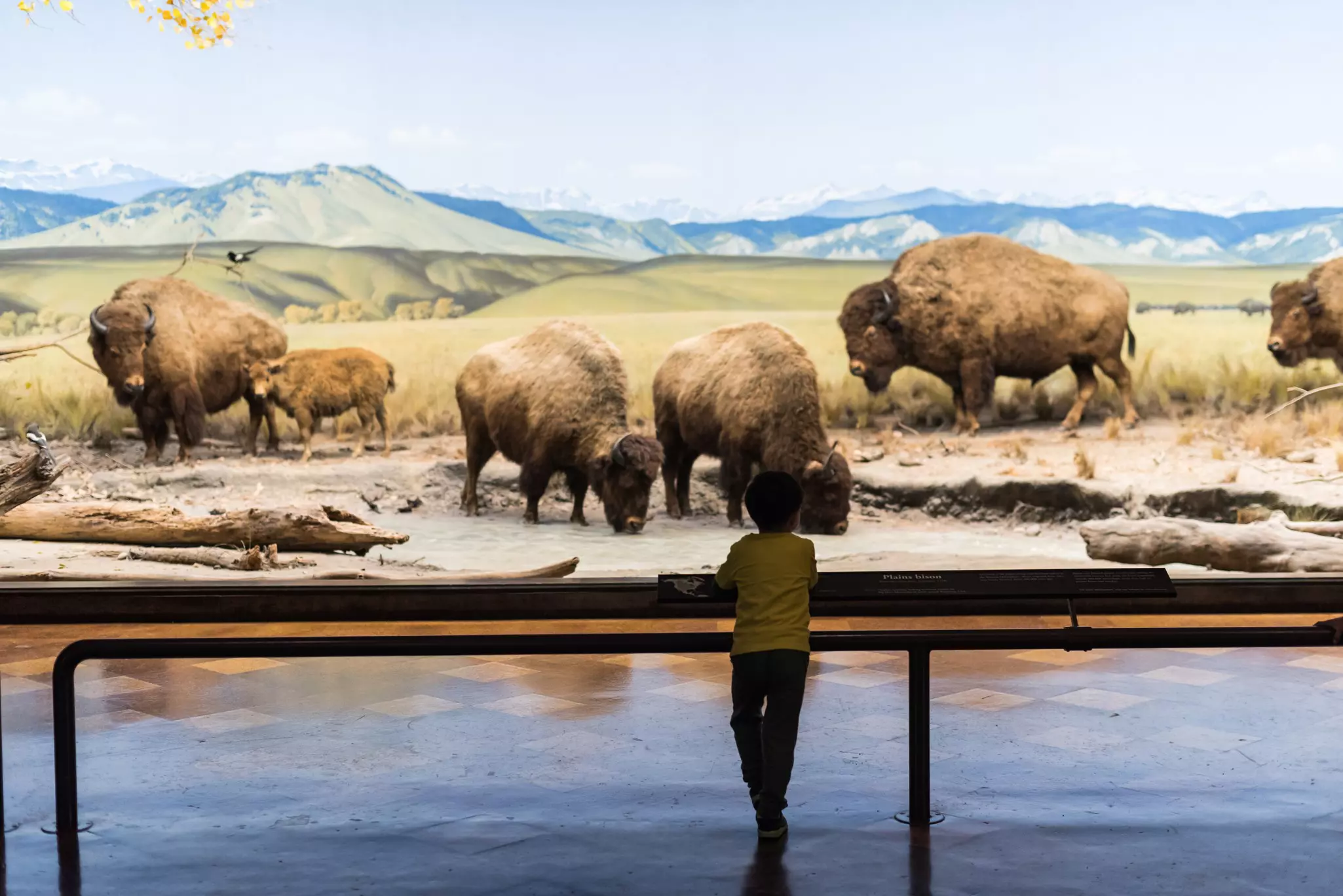
Families seeking indoor-outdoor fun should head to the Natural History Museum in Exposition Park, just south of downtown. Children can see the bones of dinosaurs such as Triceratops and many more nature-themed exhibits inside, then run around the gardens out back; there's even a dedicated Get Dirty zone, where kids can dig in compost bins and play inside a house made from willow branches.
The NHM will appeal to all nature enthusiasts, not just young ones. One of the oldest museums in Los Angeles, it has expanded considerably since it first opened in 1913, and it now showcases more than 35 million specimens and artifacts. In the old part of the museum is the striking rotunda, with marble columns and a stained-glass dome, while the modern NHM Commons wing – which opened in 2024 – features a green-boned sauropod skeleton called Gnatalie.
Don't miss the wildlife dioramas, much like those at the American Museum of Natural History in New York City. The scenes are spread across two floors and provide a life-size look at African and North American animals, such as gorillas, lions and elephants.
Planning tip: Entry to the Natural History Museum is ticketed and it's best to make a booking ahead on the museum website. LA County residents get free entry on weekdays after 3pm. Note that the museum is closed on the first Tuesday of each month. There's a dedicated parking structure near the museum at Exposition Park
Best for an educational experience
Just a quick skip over from the Natural History Museum in Exposition Park is the California Science Center, where older children can enjoy interactive exhibits on science, biology, ecosystems and space. There’s a discovery room where smaller kids can play, but this museum is best for school-age children who can better understand the exhibits.
Despite the lure of 3D IMAX movies (for an extra charge) and plenty of fun attractions exploring all areas of science, the star of the science center is the massive Endeavour space shuttle. This was the final shuttle built for NASA’s Space Shuttle program, and its journey overland from Cape Canaveral, Florida, to Los Angeles was an enormous undertaking.
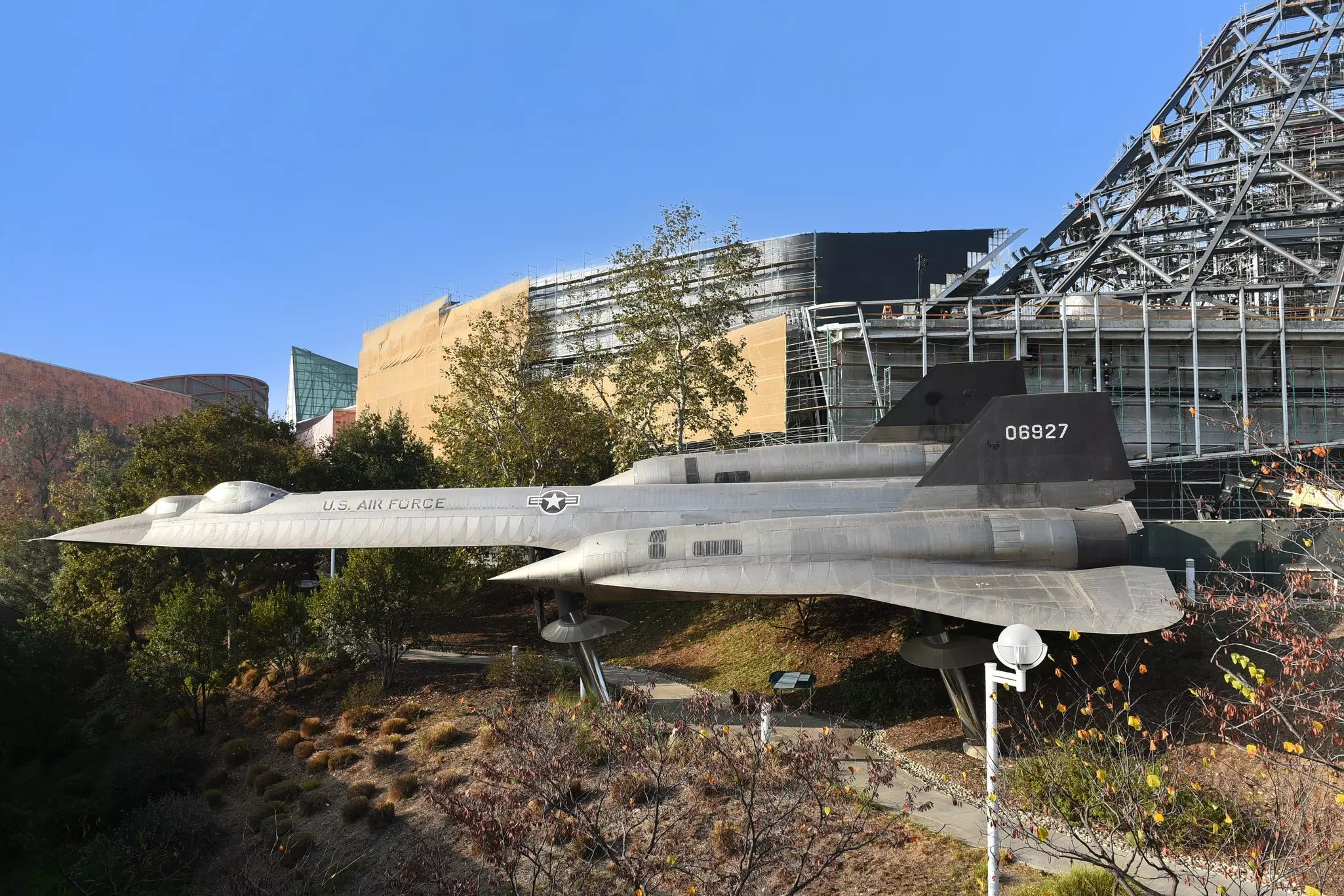
Unfortunately, the shuttle is under wraps while work is completed on the new Samuel Oschin Air and Space Center; see the website for updates. Until it goes back on display, you can admire the futuristic-looking Lockheed A-12 Blackbird reconnaissance aircraft displayed in the grounds.
Planning tip: Tickets to the science center are free, but the IMAX shows and other special exhibitions require a separate paid ticket, which should be purchased in advance. Parking is available in the Exposition Park parking structures.
Best for rock and rollers (and fans of every other music genre)
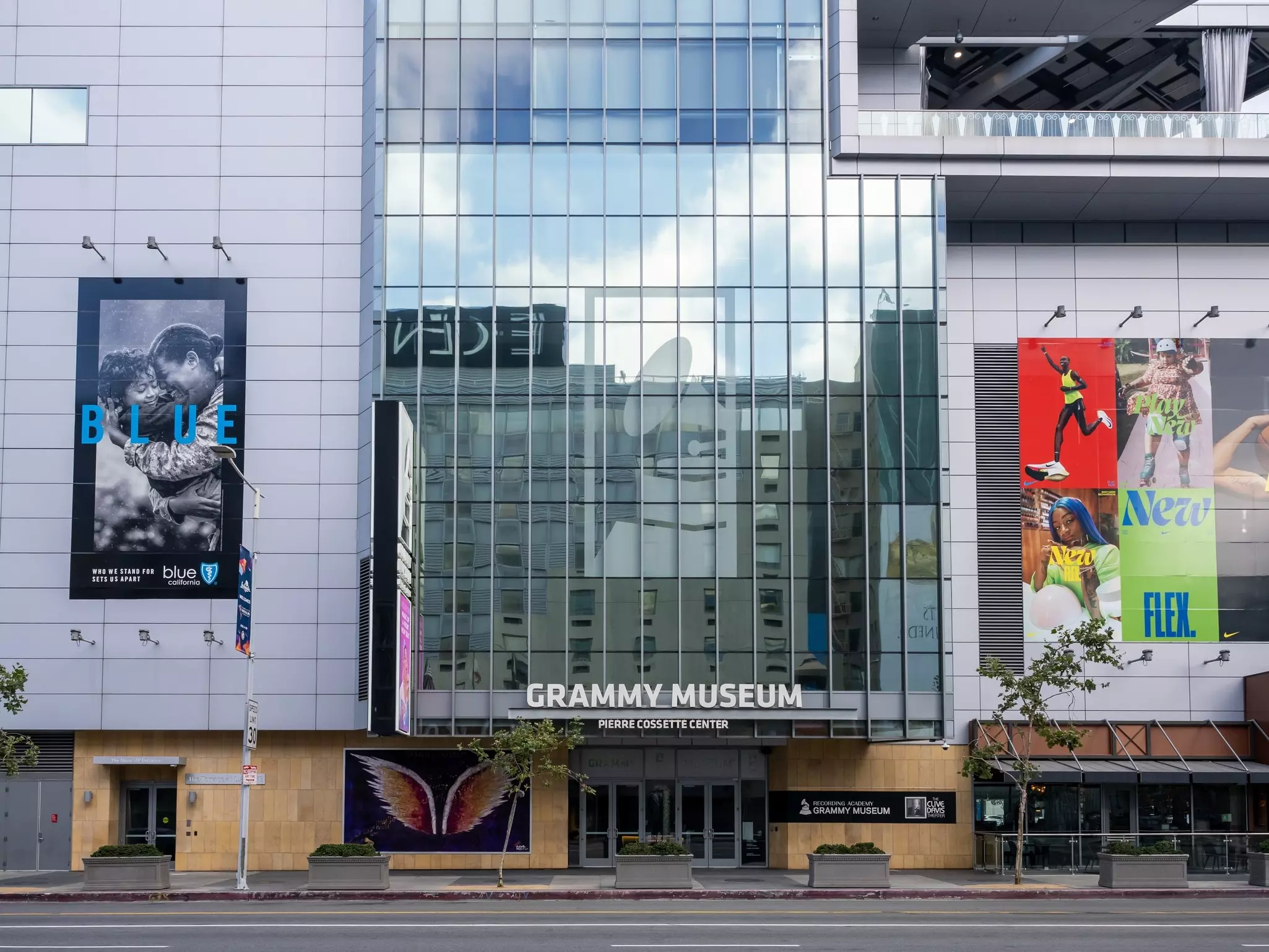
The Grammy Museum is a fun stop within the LA Live entertainment complex downtown. Its permanent collections take visitors behind the scenes of the music industry’s biggest annual awards show, featuring winners and their music, alongside handwritten lyrics, instruments, records, videos and costumes. Look out for outfits worn by Taylor Swift, the Jackson Five, Kanye West and Jennifer Lopez, among others.
Rotating special exhibitions accompany the permanent displays, often giving a deeper look at a recording artist or a particular moment in music history. The museum also has interactive stations where visitors can bang out their own renditions of popular songs and, of course, a bunch of actual Grammy awards to ogle.
Planning tip: Entry is free for visitors aged 17 or under; for everyone else, book tickets ahead on the website. Note that the museum is closed on Tuesday. The LA Live complex has its own parking garages.
Best for regularly changing exhibitions
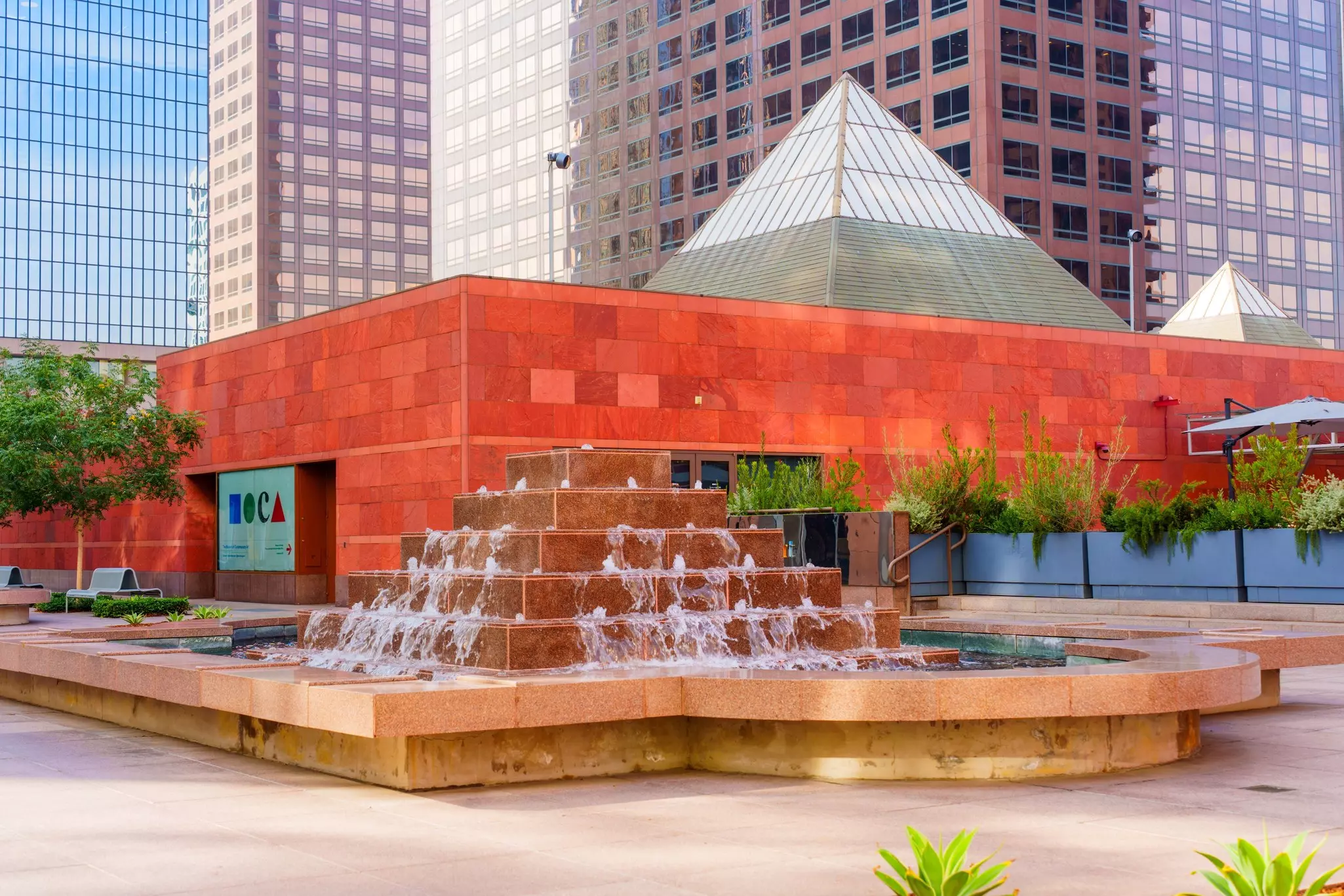
True to its name, the Museum of Contemporary Art (MOCA) collects and displays various works of art created after 1940. As the only artist-founded museum in Los Angeles, it's dedicated to preserving the art of today, but also to expanding the ever-evolving definition of art.
In short, much of what you’ll see here is unlike what’s found in any other museum in town. If you want to spend a day thinking about the future of art and creative expression, this is the place to do it. The museum and its 7000 pieces of art are split between two buildings, MOCA Geffen, in Little Tokyo, and the MOCA Grand on Grand Ave downtown.
While both buildings feature contemporary art, the main building on Grand Ave tends to display more traditional forms of art like paintings and photography, whereas MOCA Geffen has space for more cutting-edge forms, such as large murals and projections.
Planning tip: Tickets to MOCA Grand are free but timed reservations are required (book online), and the gallery is closed on Mondays. MOCA Geffen is open Thursday to Sunday and tickets are typically required for special exhibitions. There are parking lots near both buildings.
Best for combining art with outdoor space
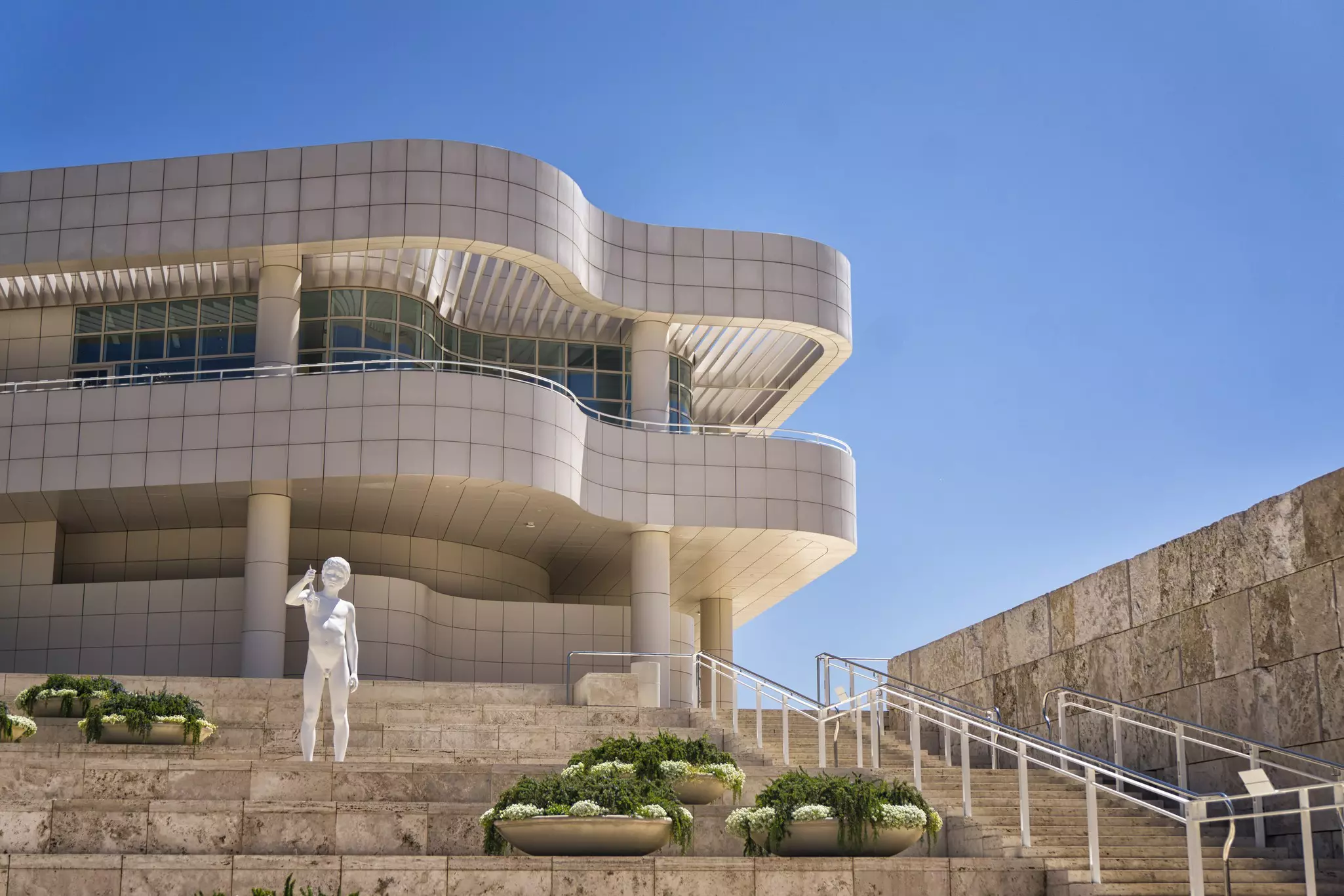
The entrance to the Getty Center begins at the bottom of the Santa Monica mountains, past the frenetic 405 Freeway in Brentwood, where you’ll hop on a funicular and ride to the edge of the museum’s 600-acre campus. Beyond lies a sprawl of gardens and gleaming modernist buildings, displaying artworks collected by oil magnate J Paul Getty.
Inside, you can view a vast collection of European paintings, drawings, sculptures, illuminated manuscripts, decorative arts and photography. Outside, you can enjoy the California sun from the museum's lovely terraces and gardens, including the 134,000-sq-ft Central Garden, designed by artist Robert Irwin and featuring more than 500 varieties of plants.
For more art from the Getty collection, head over to the Getty Villa, perched above the Pacific Coast Highway in Pacific Palisades. Alongside prime Pacific Ocean views, J Paul Getty's former home – a replica of a Roman villa built in the 1970s – displays art from ancient Greece and Rome, dating from 6500 BCE to 400 CE. Elegant gardens surround the villa, and there’s also a 450-seat classical-style outdoor theater, where performances are often held.
Planning tip: For both museums, general-admission tickets are free, but you should book ahead online for a timed entry slot. The Getty Villa is closed on Tuesdays; the Getty Center is closed on Mondays but open late (till 9pm) on Saturdays. There are dedicated parking lots for both museums; parking at the Getty Center is free after 6pm on Saturdays.
Book your United States trip with Lonely Planet Journeys
See United States how it's meant to be seen
Accommodations, activities and ground transportation all taken care of, so you can focus on the fun part. Tell us what your dream trip to United States looks like, and our local experts will build it from scratch. Or start with one of our itineraries and make it your own.

Explore related stories