May 22, 20265 min read
When Should You Visit Anchorage?May 6, 2026
8 MIN READ
Writer
Dancers at the Summer Solstice celebration, Anchorage. Time your visit to one of the city’s free festivals. O’Hara Shipe

Writer
Lonely Planet may earn a commission from affiliate links on our site. All recommendations and reviews reflect our own independent opinions.
Anchorage is the frequent first port of call in the dream-vacation destination of Alaska. Whether you visit the state’s largest city visiting during its brief, mild summer or in the frosty depths of winter, rugged snowcapped mountains, epic views, iconic wildlife and eccentric locals await.
A trip to Anchorage doesn’t come cheap, and costly flights and pricey excursions can put a major dent in your savings. Still, with a a little planning, savvy travelers can take advantage of shoulder-season deals to save a bit.
For these and other tips, read on for a full guide to visiting Anchorage on a budget.
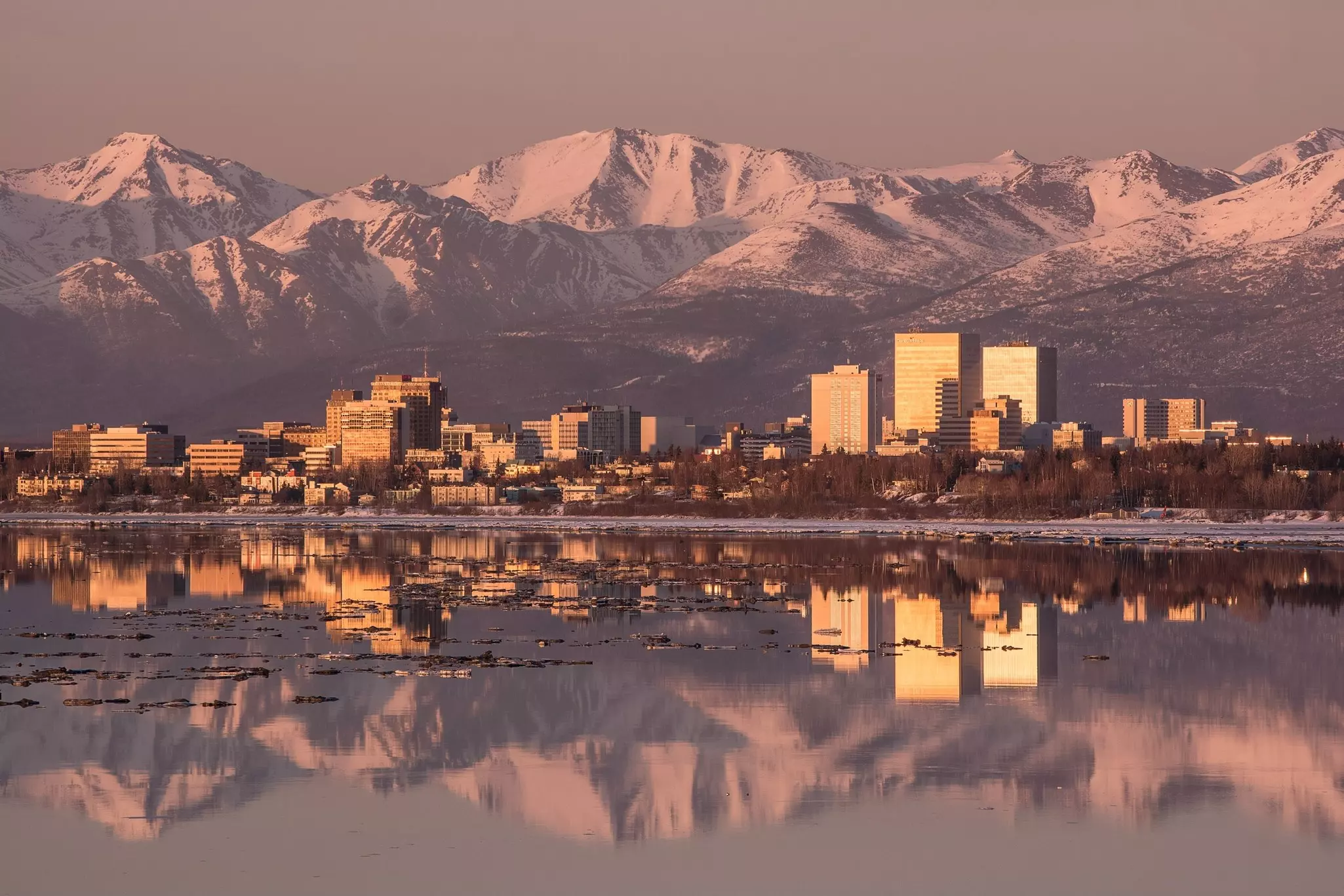
Plane tickets are likely to be your most significant expense when planning a trip to Alaska. While you can never fully avoid the high cost of getting here, planning ahead is vital to scoring the best deals. Alaska Airlines often announces airfare promotions via its social media accounts, so monitor those feeds and be ready to pounce. The best dates to watch for deals are Cyber Monday and immediately after New Year’s Day.
Another great way to save on flights is to apply for an Alaska Airlines Signature Visa Card. If approved, you can usually earn 60,000 bonus miles and one free companion ticket each year. Restrictions almost always apply to these special deals, so it pays to be flexible with your travel dates.
For the best chance of savings on flights, aim to visit Anchorage in the spring or fall shoulder seasons. And if you don’t mind the cold, consider a deep-winter trip in January or February, when airfares are their lowest.
Marked by smaller crowds, the springtime shoulder season in Anchorage runs from March through May – and your best bet is to wait until April to visit. Since it’s not quite tourist season, you can snag great deals on cruises along the Alaskan coast – and you’ll miss the worst of the cold weather. Cruises through the Inside Passage begin at the tail end of April, and prices are notably cheaper for the first voyages of the season.
Whale enthusiasts can also enjoy discounted rates on wildlife-spotting tours. Gray whales are the first migratory whale species to return in the spring, and glacier and wildlife cruises through Kenai Fjords National Park depart from Seward (about 126 miles south of Anchorage) from mid-March to mid-May.
April is also the time to enjoy a quintessentially quirky Alaskan event: the Alyeska Spring Carnival, famous for the Slush Cup, a daring jaunt down a ski slope into a freezing pond. Participants can also race mountain bikes and compete in an old-fashioned tug of war – or you can do what many locals do and sip a beer while cheering for the best wipeouts. The best part? The carnival is free to attend.
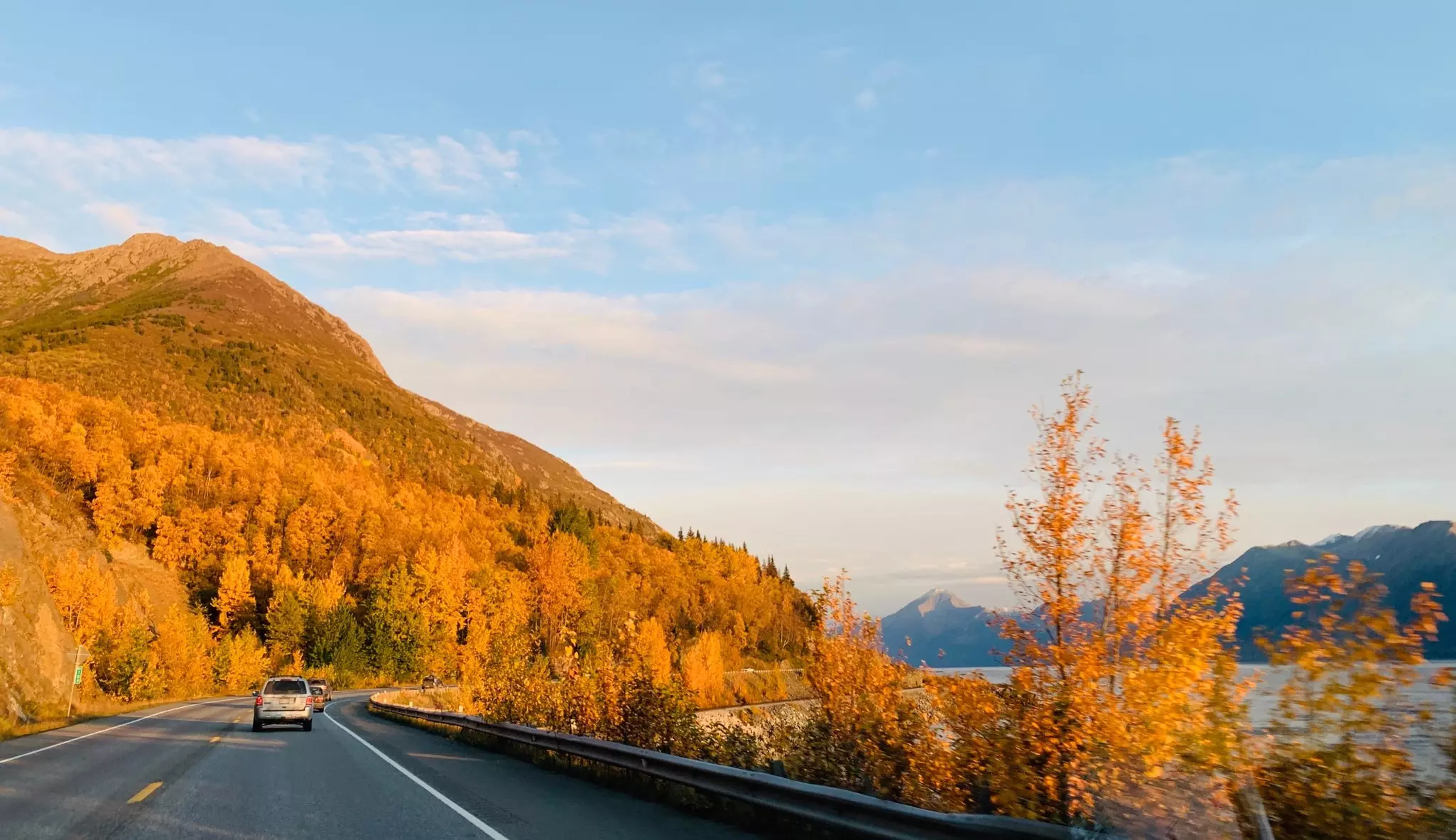
Anchorage sees a second shoulder season from August through November, with September offering the best weather for outdoor activities such as hiking and camping. This is also one of the best times to take a drive or hike along the Turnagain Arm, the scenic waterway running east from Anchorage.
For less than the cost of a tank of gas, you’ll be rewarded with stunning views of fall foliage and amazing sunsets. If you’re lucky, you may even catch sight of belugas and orcas frolicking in Turnagain Arm’s rolling tides. Remember to gaze inland and scan the cliffsides for agile mountain goats, too.
Bird enthusiasts will enjoy a leisurely walk down the Potter Marsh boardwalk. As late as September, you can see northern pintails, canvasback ducks, red-necked phalaropes, red-necked grebes and northern harriers as they prepare for their annual migration; the odd trumpeter swan has also been known to stop by. If you bring your binoculars, you might spot an eagle’s nest in trees surrounding the marsh.
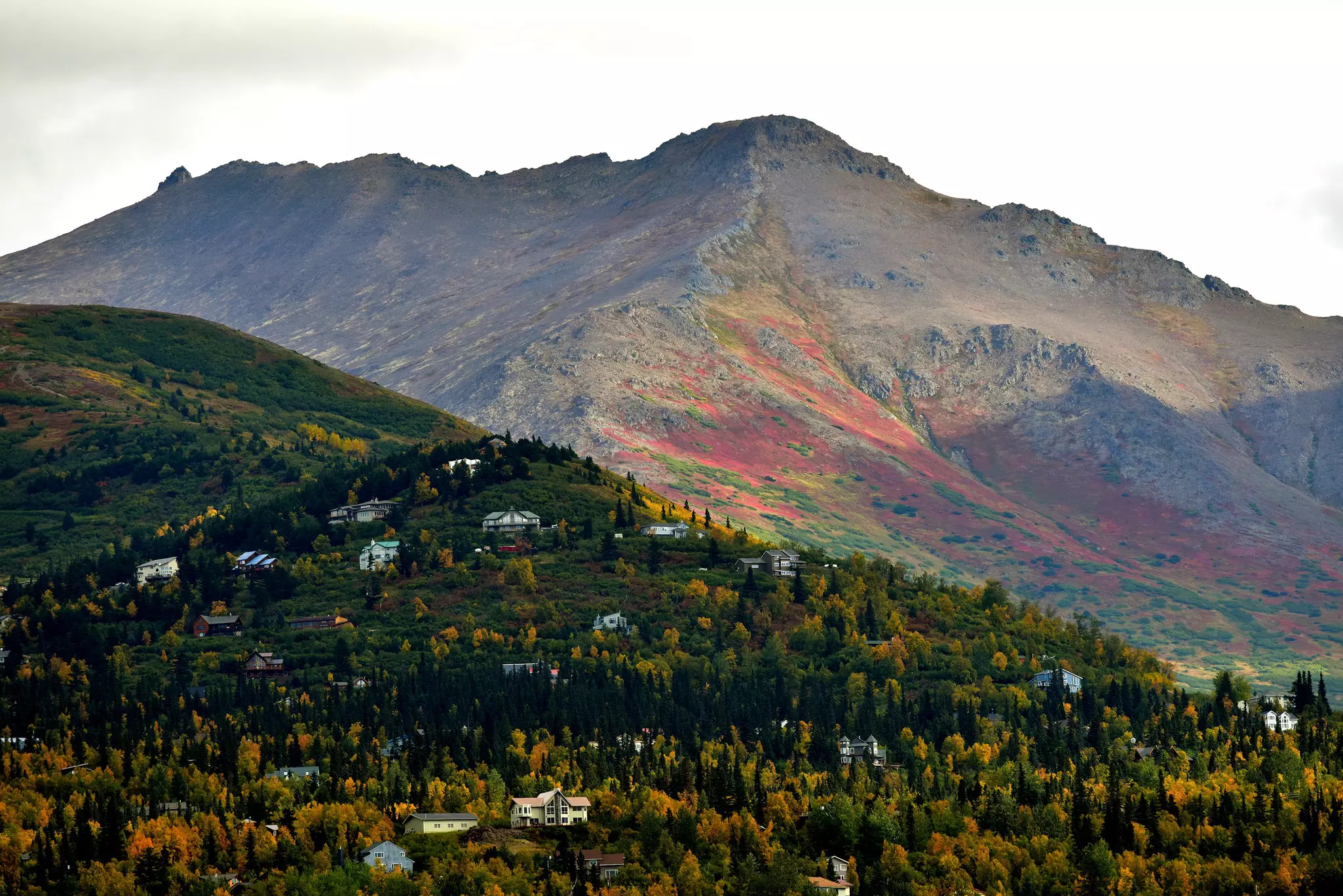
Anchorage is home to plenty of snowbirds who flee south to warmer climates during the icy Alaskan winter. This gives visitors a chance to rent an entire house for as little as $60 per night through rental sites such as Airbnb (though you should expect to pay more for roomier digs).
Typically, you'll find the ritziest rentals in the Hillside neighborhood, 11 miles south of downtown. In addition to beautiful interiors, many homes in Hillside boast panoramic mountain views. As an added bonus, having access to a full kitchen can significantly reduce your food bill.
Plenty of hotels and hostels can be found in town if you prefer more-traditional lodging options. But even in the cheaper shoulder season, you can count on paying $140–200 per night for a hotel room.
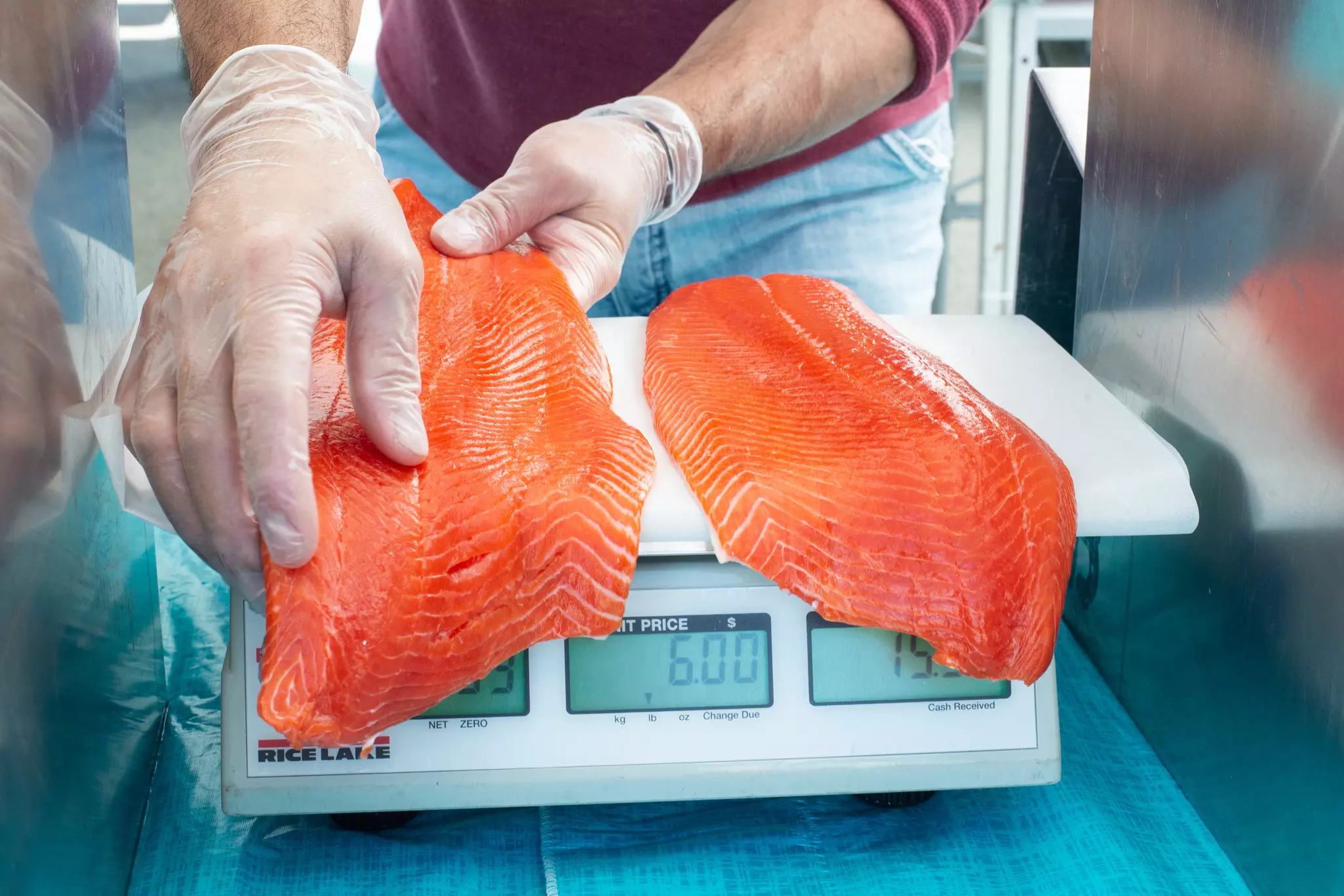
While eating out anywhere in Anchorage will make a big dent in your budget, the city’s unpretentious greasy spoons are usually the most affordable dining options in town. You can snag a burger for as little as $12 at the Lucky Wishbone or get a delicious rice bowl with three toppings for under $15 at Yak and Yeti Cafe.
Adventurous eaters can enjoy a half-pound Alaskan reindeer sausage or a German-style bratwurst from Yeti Dogs (a Food Network favorite). Both sausages will only set you back around $6.
If you're looking for something more family-friendly, the no-frills Great Alaskan Pizza Company offers $16 takeout large pizzas daily. For those days when you wake up feeling ravenous, Kava's Pancake House will fill you up with massive breakfast platters for pocket-friendly prices.
For snacks, stop up at the Walmart Supercenter on A St for the best prices in town. And don't overlook Anchorage's farmers markets: from mid-May to September, vendors cluster around the city on different days of the week selling local produce and treats.
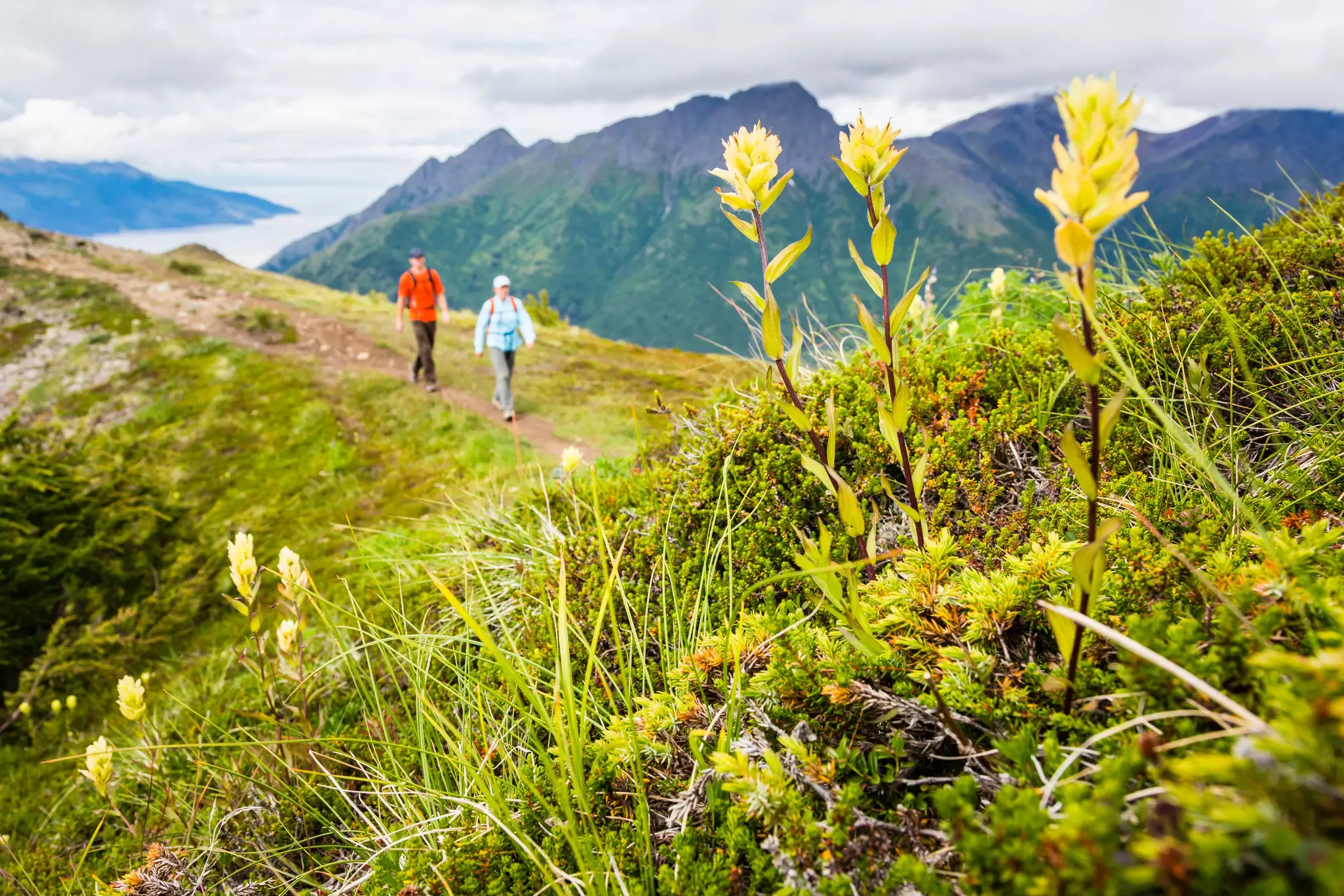
Many of Alaska’s famous national parks have entry fees on top of the steep prices for organized tours and activities. Yet adventurous types can enjoy a cheaper wilderness experience in nearby Chugach State Park, which starts just 7 miles from the Anchorage city limits.
Parking is $5, and campsites go for $20 per night – not bad for access to 495,000 acres of mountains, lakes and glaciers, linked by thrilling hiking and biking trails. The adventure continues in nearby Chugach National Forest, an even larger area of wilderness flanking Prince William Sound.
Understandably for such a quirky place, Alaska has lots of eccentric souvenirs you can take home. Whether you're interested in moose-nugget swizzle sticks (made from real moose poop) or gold pan jewelry, you’ll find the best-priced gifts in town in Downtown Anchorage.
Grizzly’s Gifts sells discounted T-shirts, hats and foodstuffs. For affordable handicrafts, check out the Anchorage Market at the Dimond Center, held every Saturday and Sunday from May to September.
A little off the beaten path in Midtown, Alaska Fur Exchange sells Alaska Native–made gifts unparalleled in craftsmanship. Although prices are higher than you’ll pay for more commonplace souvenirs, they still offer good value. Take your pick from bone carvings, masks, jewelry and Alaska Native dolls.
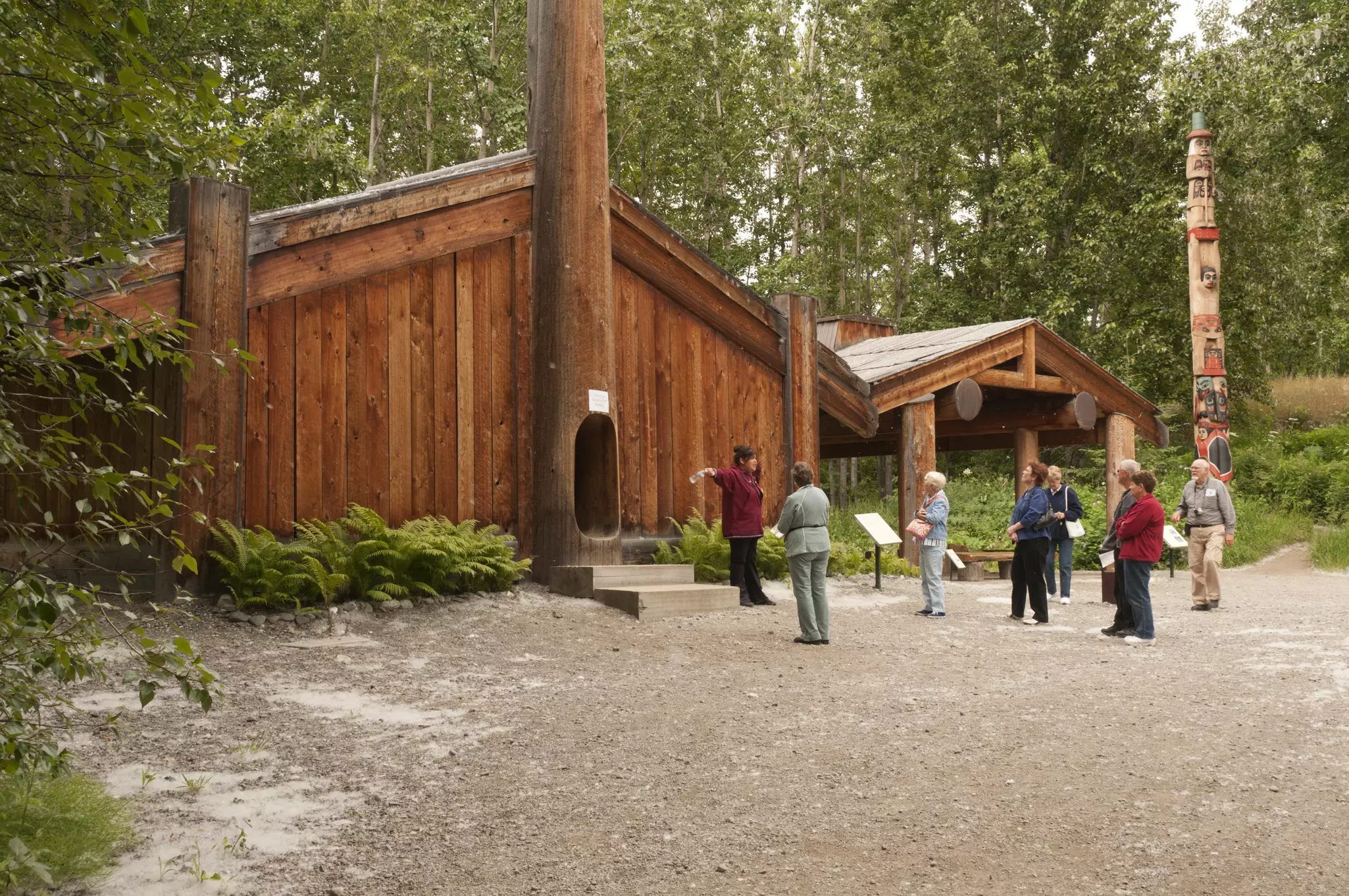
If you want to enjoy Anchorage weather at its fairest, you can still find affordable things to do in peak season. For a $30 entry fee, you can explore 10,000 years of culture at the Alaska Native Heritage Center. For $15, you can visit the Crow Creek Gold Mine, or pay $40 to pan for gold. History buffs can see Anchorage's historical sites on an hour-long trolley tour for $25.
Families will undoubtedly love seeing the seals, polar bears and tigers at the Alaska Zoo, where admission is $25 for (non-resident) adults and $12 for children between 3 and 15. And over-21s can go to any of Anchorage’s downtown bars and listen to great live music for free most nights of the week, everything from jazz and country to metal.
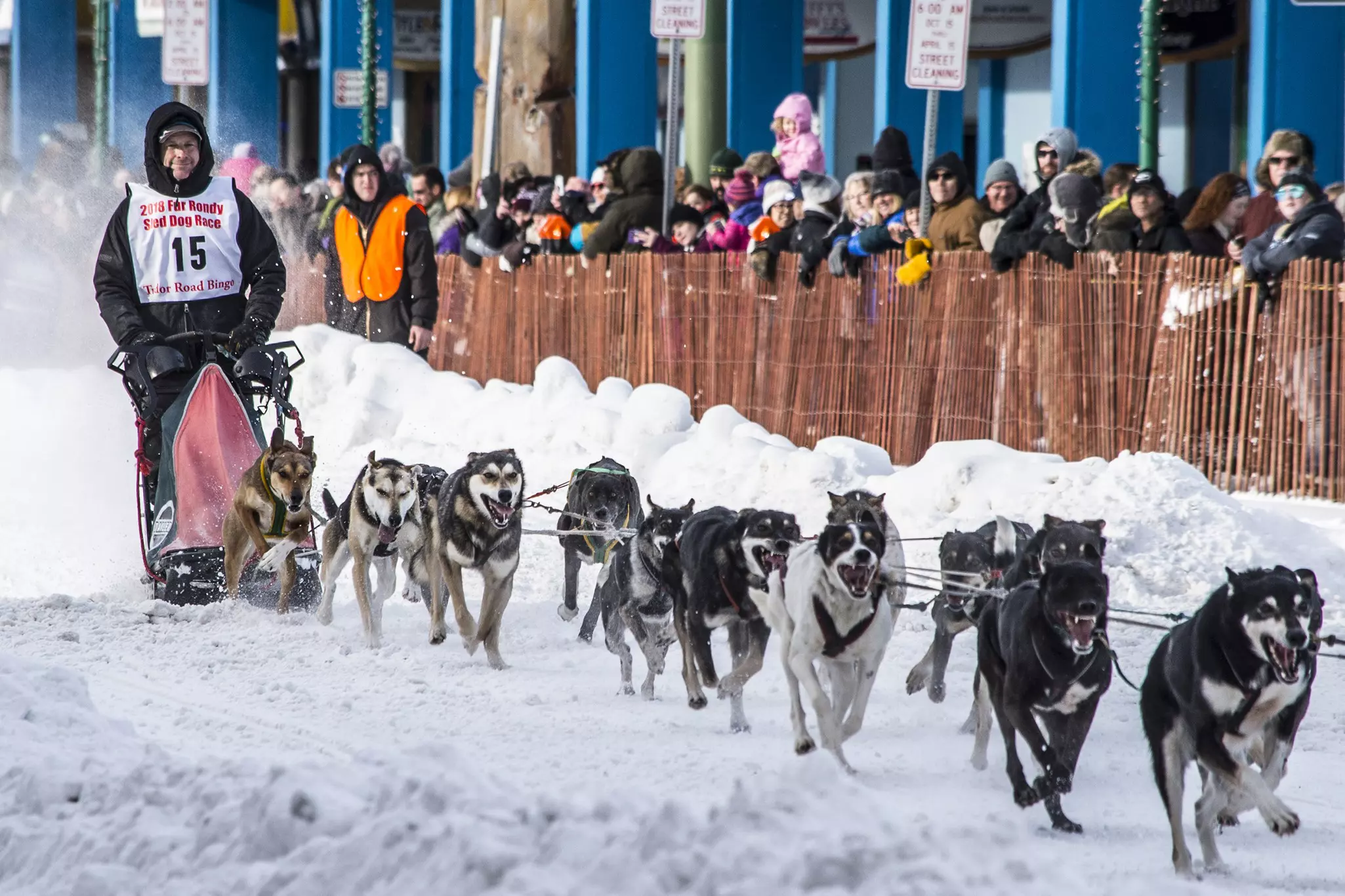
Anchorage hosts several large festivals throughout the year, all free to enjoy. In February, the world-famous Fur Rendezvous (known by locals as the Fur Rondy) takes over the city, with everything from parades to snow carving, dog sled competitions and outhouse races. Think of it as Alaska’s version of Mardi Gras.
In the summer, three big festivals draw large crowds. Held between June and July, Summer Solstice, Girdwood Forest Fair and Anchorage Pride all feature music, food, beer, art, parades and dancing.
Self-catering apartment (including Airbnb): $50–100 a night
Basic hotel room for two: $140–200 a night
Local bus transport ticket: $5 a day or $26 a week
Latte from a coffee hut: $5–6
A sit-down breakfast: $14
Light lunch from a food truck: $5–15
Seafood dinner for two: $45–60
Growler (take-away bottle) of craft beer: $10–18
Explore related stories