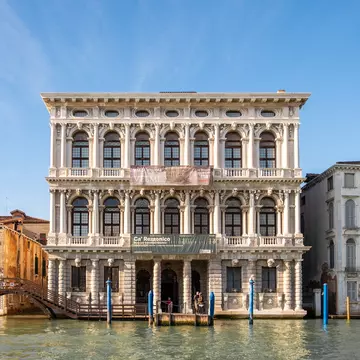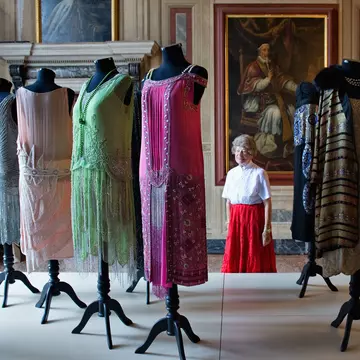
In 1869 Conte Giovanni Querini Stampalia left his ancestral 16th-century palazzo (mansion) to the city on the condition that the bequest, including the 700-year-old library, were put to public use. Part the preserved rooms give an insight into the lifestyle of the 19th-century Venetian aristocracy, with an art collection including works by Tintoretto and Canaletto, while downstairs is Carlo Scarpa’s modernist garden and an adjoining cafe. The boutique onsite sells some lovely glassware and jewelry.
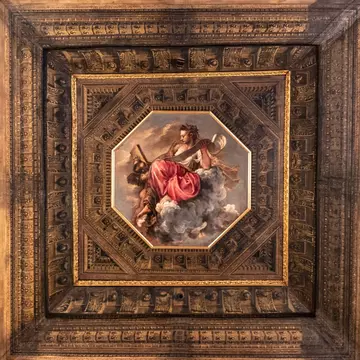
Located in the upstairs apartments, the museum reflects the 18th-century tastes and interests of the count. Beneath the stuccoed ceilings you'll find rich furnishings and tapestries, Meissen and Sèvres porcelain, marble busts and some 400 paintings. Of these, many are dynastic portraits and conversation pieces, such as Alessandro and Pietro Longhi's genre scenes of masked balls, gambling dens and 18th-century bon vivants. It's a testimony to the richness of the collection that a lovely Tiepolo of St Francis clutching a crucifix is hidden in a small passageway off the bedroom.
Another standout is Giovanni Bellini's arresting Presentation of Jesus at the Temple, where the hapless child looks like a toddler mummy, standing up in tightly wrapped swaddling clothes. Other engaging pieces are the 39 winningly naïve Scenes of Public Life in Venice by Gabriele Bella (1730–99), which document the city and its customs during the period. Although somewhat crude in their realisation, the subject matter is fascinating.
In November 2018 the museum was further expanded onto the 3rd floor, where Michele de Lucchi refurbished seven new rooms to display artworks on permanent loan from the Intesa Sanpaolo bank. Each room is themed with relevant artworks and period furnishings, stepping you through works by Tintoretto, Pittoni and Creti, Tiepolo, Canaletto, Caffi and Ciardi and sculptures by Arturo Martini. In addition, the bank’s glittering numismatic collection is one of the most important collections of coins produced by the Venetian Mint between the late 12th century and when it was shut down in 1866.