Indonesia
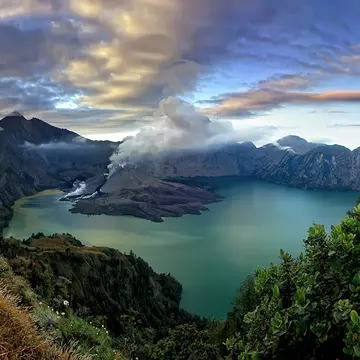
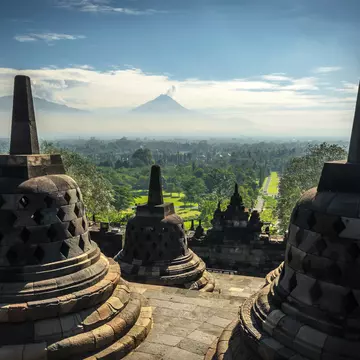
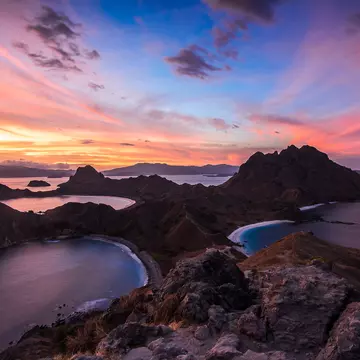
This beguiling nation of over 17,000 islands is home to a huge diversity of adventures to choose from – Indonesia's sheer range of experiences is hard to beat.

Henri Fitriadi/Shutterstock
Latest Stories
- Mark Eveleigh | Sep 29, 2026The 11 Best Things to Do in Indonesia
- Mark Johanson | Aug 22, 2026The 13 Best Places to Visit in Indonesia
- Ray Montgomery | Jul 16, 202610 of the Best Foods and Drinks to Try in Indonesia
- Mark Eveleigh | Jul 15, 2026Indonesia on a Budget
Book
Trip 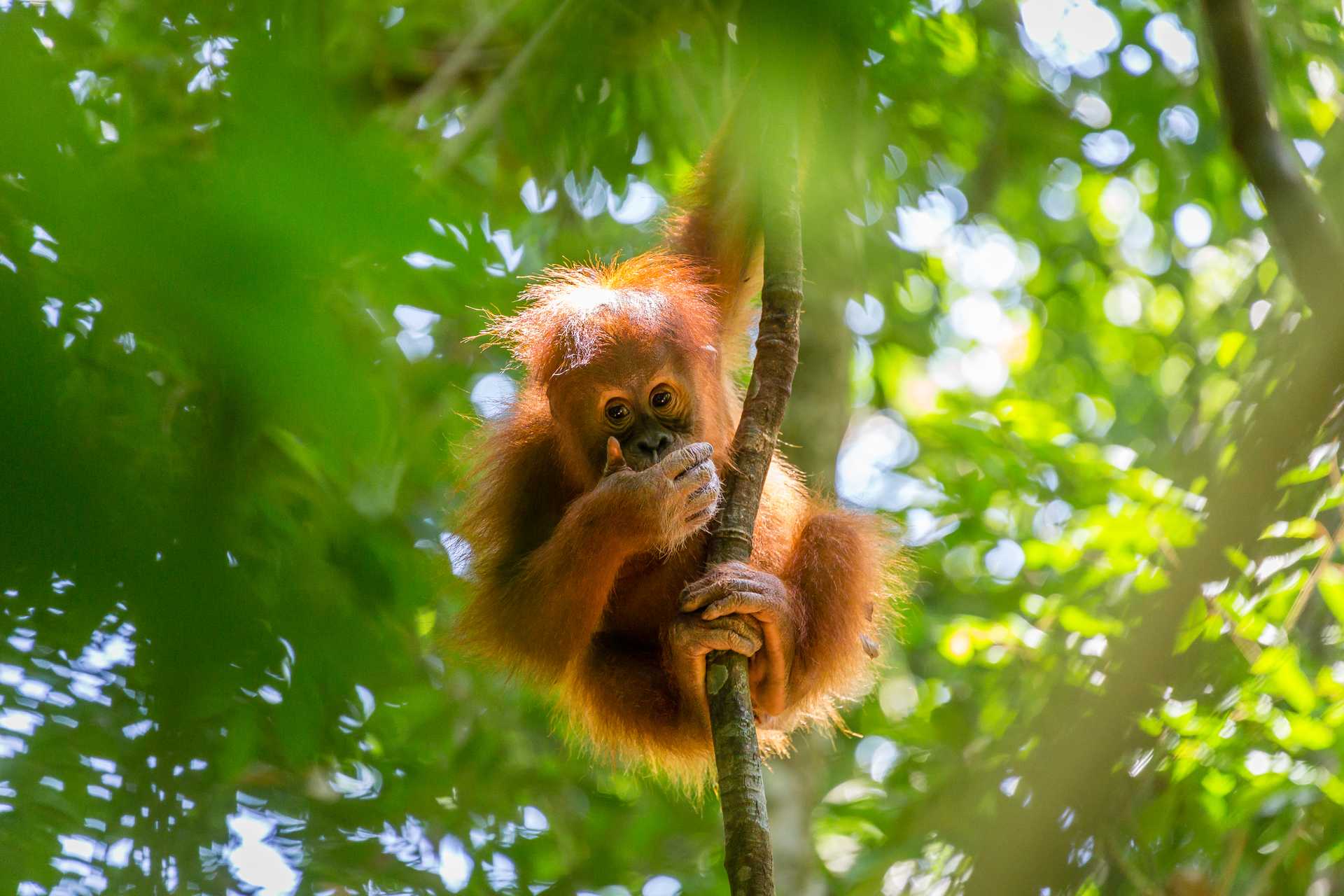
App


Trusted Partner
Dreaming of Indonesia? Protect your trip
Travel with confidence. Protect your trip and your wallet.
We don’t represent World Nomads, we receive a fee from quotes using this link. This is not a recommendation to buy travel insurance.
Book your Indonesia trip with Lonely Planet Journeys
See Indonesia how it's meant to be seen
Accommodations, activities and ground transportation all taken care of, so you can focus on the fun part. Tell us what your dream trip to Indonesia looks like, and our local experts will build it from scratch. Or start with one of our itineraries and make it your own.
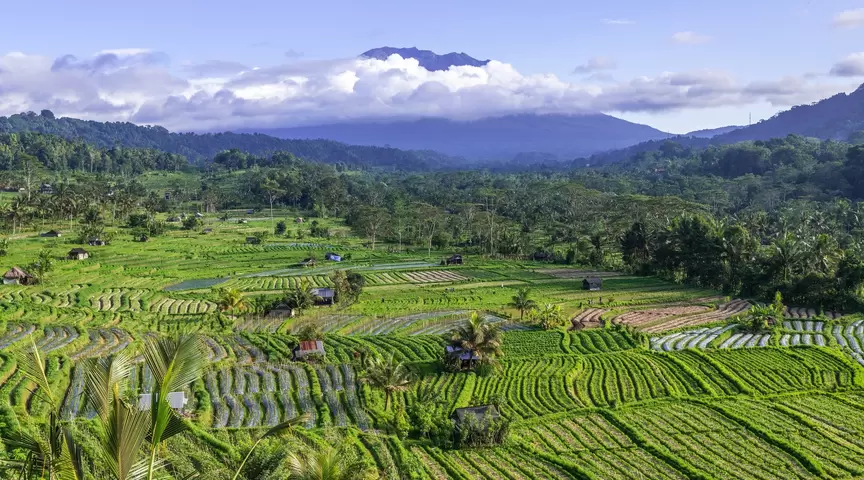

Top places to visit in Indonesia
Discover the best attractions in Indonesia from must-see sights to unexpected hidden gems.
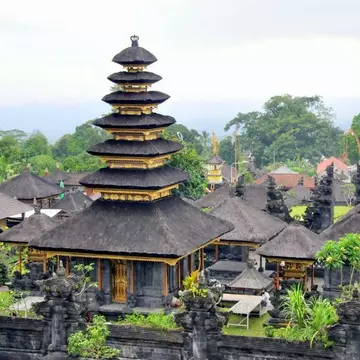
- Attraction in BaliPura Besakih
- Attraction in IndonesiaKomodo National Park
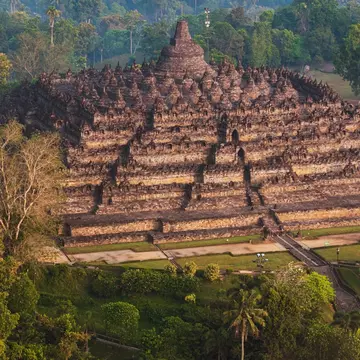
- Attraction in IndonesiaBorobudur Temple
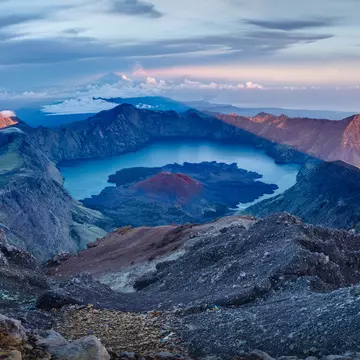
- Attraction in IndonesiaGunung Rinjani
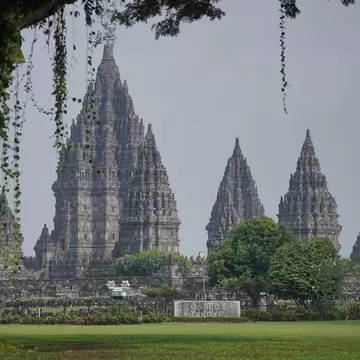
- Attraction in IndonesiaPrambanan Temple
-
 Attraction in BaliPura Luhur Batukau
 - Attraction in IndonesiaGunung Api
- Attraction in IndonesiaKapuas Indah Building

Travel Guides
Indonesia travel tips from Lonely Planet experts
Find practical guidance from our team of contributors around the world who bring their decades of first-hand travel experience to your next trip.
Best Things to Do
Spotting orangutans, sailing in traditional schooners, diving with manta rays, climbing volcanoes and much, much more.
Read full article
Things to Know
Indonesia is blessed with a rich history, culture and cuisine, and fabulous scenery. Here are the top things you need to know before you visit.
Read full article
Transportation
Indonesia spans 17,508 islands, but it's easy to get around by plane, train, bus, ferry and local transport. Here's how to explore the archipelago.
Read full article
Best Road Trips
Experience the best of Indonesia's beaches, volcanoes and culture with our pick of the top scenic driving routes.
Read full article
Money and Costs
This guide to daily costs, along with tips on saving money, can help you budget for your visit to Indonesia.
Read full article
Best Places to Visit
In Indonesia, it's possible to salute the sun at sunrise, then surf a world-class barrel at a remote beach come sunset. These are the country's top destinations.
Read full article
Get Connected
Vast and varied, Indonesia spans more than 17,000 islands. Here's how to get connected in the world’s largest archipelago.
Read full article
Get a book. Get inspired. Get exploring.
in partnership with getyourguide
Book popular activities in Indonesia
Lonely Planet may earn a commission from affiliate links on our site. All recommendations and reviews reflect our own independent opinions.
Indonesia and beyond
- destinationBali
- destinationLombok
- destinationJakarta
- destinationJava
- destinationNusa Tenggara
- destinationSumatra
-
 destinationSulawesi
 - destinationKalimantan