Costa Rica
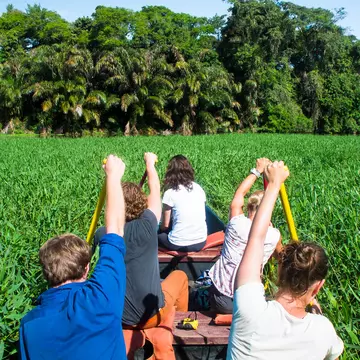
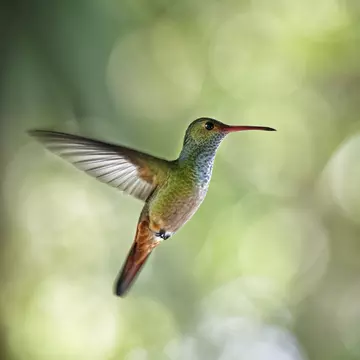
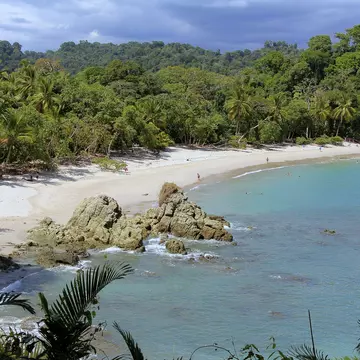
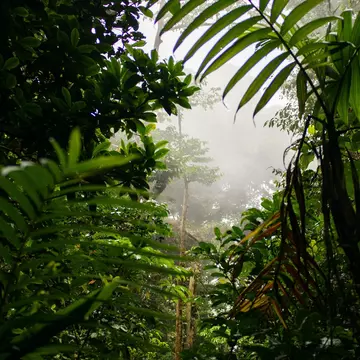
From golden beaches to lush jungles and ancient volcanoes, Costa Rica celebrates the natural world unlike anywhere else on the planet. Surf the Central Pacific’s raucous waves, catch the party vibe in hot spots like Jacó, wander the dense jungle in the Península de Osa, visit the Península de Nicoya for some relaxation, or head to the Caribbean coast for one of the country’s best destinations, Parque Nacional Tortuguero. Lively capital San José has some of the best museums in the country, while La Fortuna offers wonderful natural springs. In short, Costa Rica has it all, so go explore. Not sure where to start? Plan your trip to Costa Rica with our travel inspiration and tips covering top attractions, best things to do, when to visit, road trips and more expert advice.
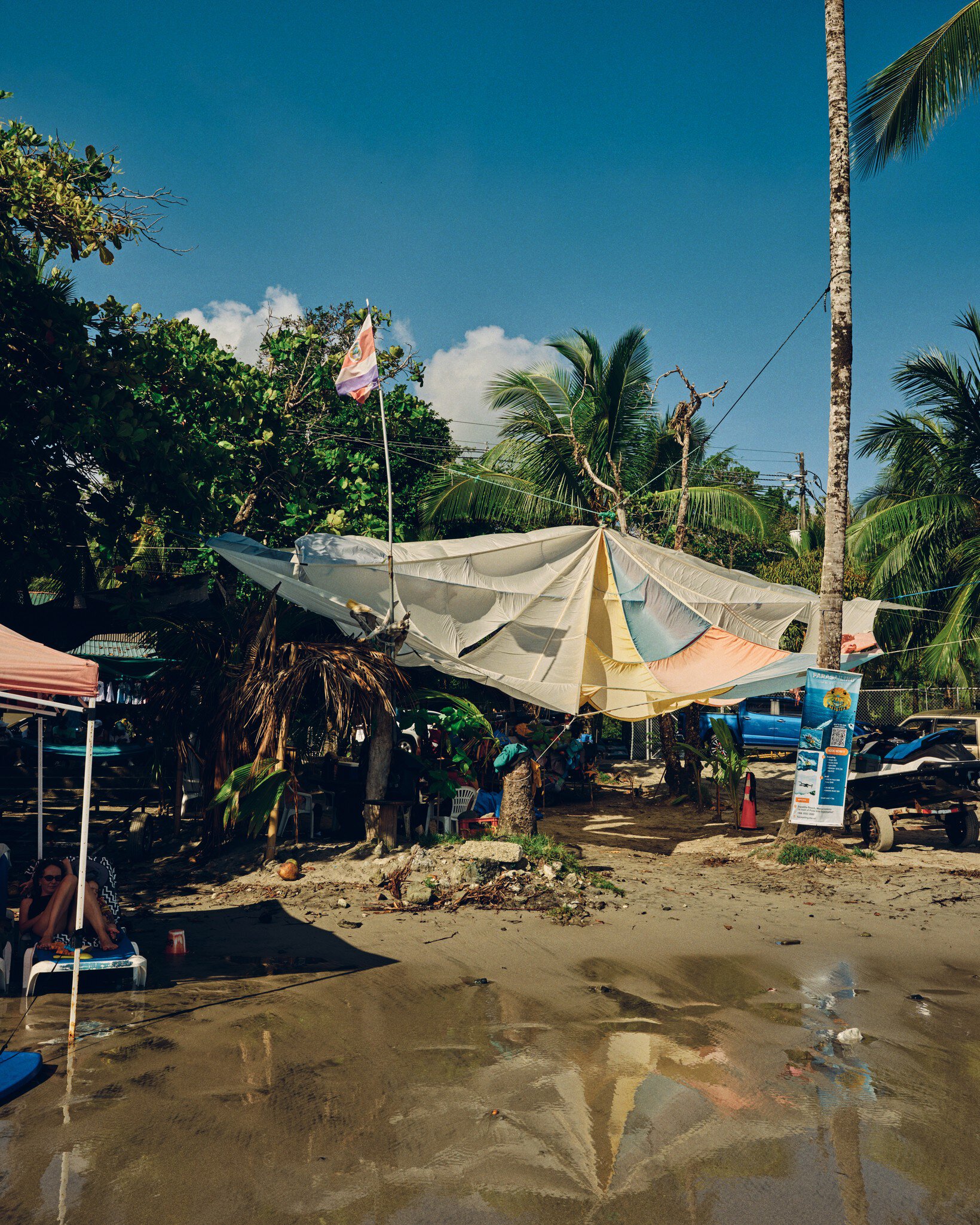
David Cabrera for Lonely Planet
Latest Stories
- Sarah Gilbert | Sep 20, 2026Guide to Monteverde’s Cloud Forest, Costa Rica
- Ann Douglas Lott | Aug 31, 2026Costa Rica’s Rainy Season Is Its Most Underrated – Here’s Why
- Mara Vorhees | Aug 18, 20267 of the Best Hikes in Costa Rica
- Mara Vorhees | Aug 18, 20268 of the Best Places to Drink Coffee in Costa Rica
Book
Trip 
App

Book your Costa Rica trip with Lonely Planet Journeys
See Costa Rica how it's meant to be seen
Accommodations, activities and ground transportation all taken care of, so you can focus on the fun part. Tell us what your dream trip to Costa Rica looks like, and our local experts will build it from scratch. Or start with one of our itineraries and make it your own.
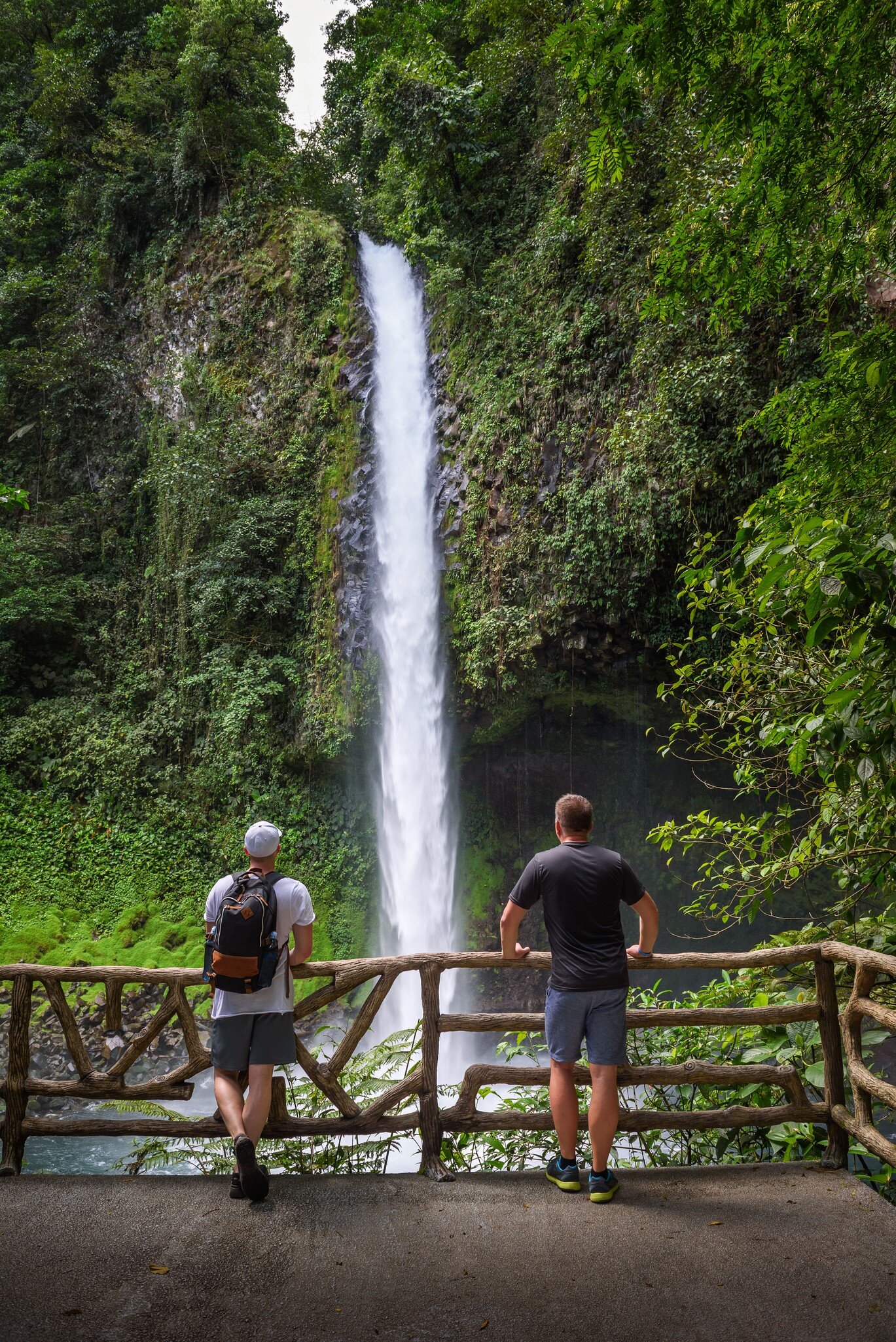

Top places to visit in Costa Rica
Discover the best attractions in Costa Rica from must-see sights to unexpected hidden gems.
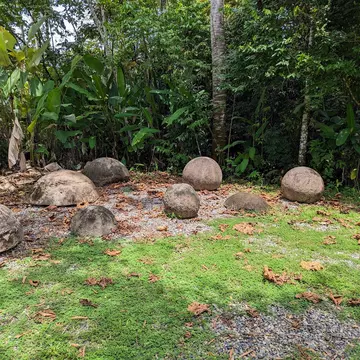
- Attraction in Costa RicaMonumento Nacional Guayabo
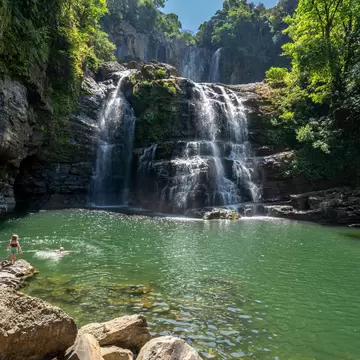
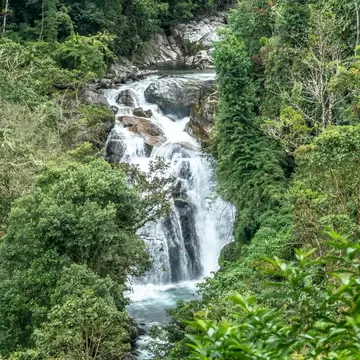
- Attraction in Costa RicaNauyaca Waterfalls
- Attraction in Costa RicaLa Paz Waterfall Gardens
- Attraction in Costa RicaParque Nacional Manuel Antonio
- Attraction in Costa RicaFinca 6
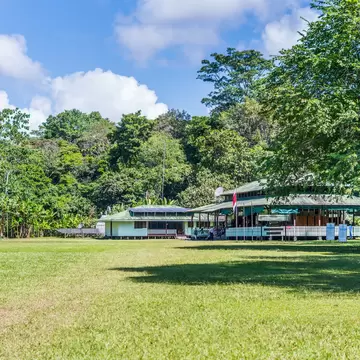
- Attraction in Costa RicaParque Nacional Corcovado – La Sirena
- Attraction in Costa RicaCloudbridge Nature Reserve
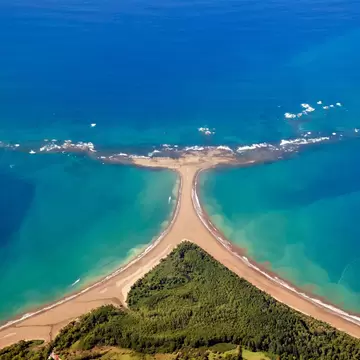
- Attraction in Costa RicaParque Nacional Marino Ballena
Travel Guides
Costa Rica travel tips from Lonely Planet experts
Find practical guidance from our team of contributors around the world who bring their decades of first-hand travel experience to your next trip.
Best Things to Do
From water sports and mountain hikes to rainforest zip lines and cloud-forest birding, these are the best things to do in Costa Rica.
Read full article
Best Time to Visit
Costa Rica has an enviable wealth of attractions, but the best time to visit depends on what you want to do when you get there.
Read full article
Things to Know
Plan your visit to Costa Rica with these essential travel tips on bookings, etiquette and safety.
Read full article
Transportation
Find out the best way to get from A to B in Costa Rica, whether your budget and schedule stretches to bus, boat, rental car or airplane.
Read full article
Best Road Trips
From the relaxed vibe of the country's beach towns to its wildlife-filled forests, Costa Rica is an epic destination for road-tripping. Here are five we love.
Read full article
Traveling with Kids
Costa Rica is the easy way to dive into Central America with kids in tow. Here are our top family adventures, from surf beaches to volcano hikes.
Read full article
Best Places to Visit
Costa Rica is one of the world's most incredible (and well-protected) destinations. These are the 8 best places to visit when you get there.
Read full article
Accessibility
Here's what makes Costa Rica a genuine leader in accessibility.
Read full article
Get Connected
Stay fully connected on your next trip to Costa Rica with this guide to local wi-fi networks, roaming charges, eSIMs and data.
Read full article
Get a book. Get inspired. Get exploring.

in partnership with getyourguide
Book popular activities in Costa Rica
Lonely Planet may earn a commission from affiliate links on our site. All recommendations and reviews reflect our own independent opinions.
Costa Rica and beyond
- destinationPenínsula de Nicoya
-
 destinationCentral Pacific Coast
 - destinationSouthern Costa Rica & Península de Osa
- destinationCaribbean Coast
- destinationNorthwestern Costa Rica
- destinationSan José
- destinationParque Nacional Manuel Antonio & Around
- destinationMonteverde & Santa Elena