Oct 2, 20265 min read
The Best Hotels for NYC’s Macy’s Thanksgiving Day ParadeJul 12, 2026
11 MIN READ

Writer
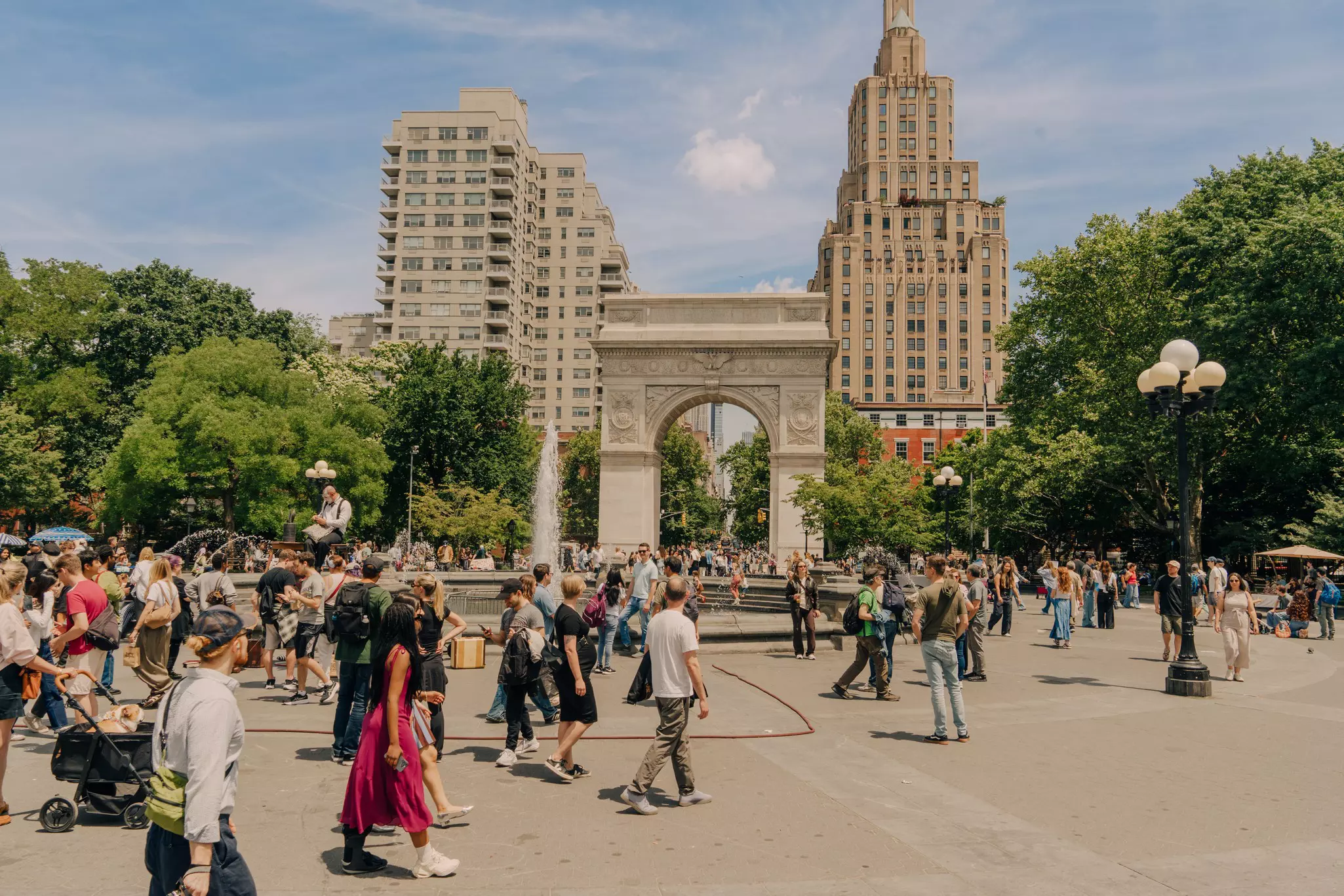
Washington Square Park, Manhattan, New York City. Zayira Ray for Lonely Planet
Writer
Highlights
Writer Cassandra Brooklyn shares NYC tips on transit, food, etiquette and money.
Skip taxis and ride the subway, which runs 24/7 and usually beats city traffic.
Fold your pizza slice – a former NYC mayor was ridiculed for eating it with a fork.
Head beyond Manhattan to Queens for global food and Brooklyn for waterfront parks.
Lonely Planet may earn a commission from affiliate links on our site. All recommendations and reviews reflect our own independent opinions.
Arguably America's most famous metropolis, New York City is legendary for its world-class cultural institutions, incredible diversity and everything-goes vibe. Getting under the skin of this one-of-a-kind destination gets a whole lot easier with some insider New York tips.
Having moved here more than 20 years ago, I think it's fair to say that I'm now officially a New Yorker. And as an official New Yorker, I've played tour guide for dozens of friends and family over the years.
In my experience, most visitors arrive full of excitement, clutching a list of places to go and restaurants to try. But while these lists usually include some great New York City sights and bites, they often miss the information that will really help tourists fit in, feel like a local and make the trip easier and more fun.
Consider the following list of tips as a primer on what to know before visiting New York City.

Every season in the city has its pros and cons. In summer, subway platforms and sidewalks can get steamy, but you're more likely to eke out a dinner reservation at that tough-to-get-into spot on your wish list. In winter, snow can make the city a bit messy, but there's nothing quite like the utter silence of a mid-snowfall walk, admiring the New York street scenes in the middle of a storm. Fall brings glorious colors to every corner in every neighborhood, while farmers markets brim with outstanding produce and local crafts. And, of course, spring makes this historic city feel fresh and new with blooming tulips, especially pretty in Central Park and Brooklyn Botanical Garden.
New York offers an endless loop of things to do: enjoy the city's incredible green spaces; see world-class museum exhibits; eat at top-notch delis, corner bistros and James Beard-winning restaurants; run or walk along the water in nearly any borough; scour vintage stores; cruise luxury storefronts on Madison Ave; catch a Broadway or black box theater show, and so much more. If you're in town for the weekend or have an entire week to fill, you'll never run out of new, exciting things to do and see.

Manhattan is great. After all, it's home to beautiful Central Park and the Metropolitan Museum of Art, both must-see stops in NYC. However, Manhattan is only one of the city's five boroughs, and you're missing out if you don't explore beyond it.
Southeast of Manhattan Island, Queens is the city's largest and most diverse borough, and it has some of the best food in the city. Not only can you find Bhutanese, Mexican, Ecuadorian and Thai food within a few blocks, the Queen's Night Market also offers a huge concentration of globe-trotting vendors in the summer.
North of Manhattan, the Bronx is known for being the birthplace of hip-hop, created here by DJ Kool Herc in 1973. The borough is also home to the New York Botanical Garden, which is near Arthur Ave, the city's real Little Italy (the one in Manhattan has become more of a stage set).
South of Queens and Manhattan, Brooklyn has become the coolest kid on the block, with amazing waterfront parks that offer the best views of Manhattan, world-class exhibits at the Brooklyn Museum, and a happening nightlife scene to keep you going until the wee hours.
Staten Island might be called "the forgotten borough," but New York City wouldn't be New York City without it. Take the (free!) Staten Island Ferry from Whitehall Terminal in Lower Manhattan to catch views of the Statue of Liberty, then continue across the harbor to visit the Snug Harbor Cultural Center on the north shore of Staten Island. Here, in a secluded corner, a team of 40 Chinese artisans used Ming-dynasty methods to handcraft the lattice screens, pagoda-style roofs, pavilions and bridges of the Chinese Scholar's Garden. It's one of NYC's most charming places to unwind.
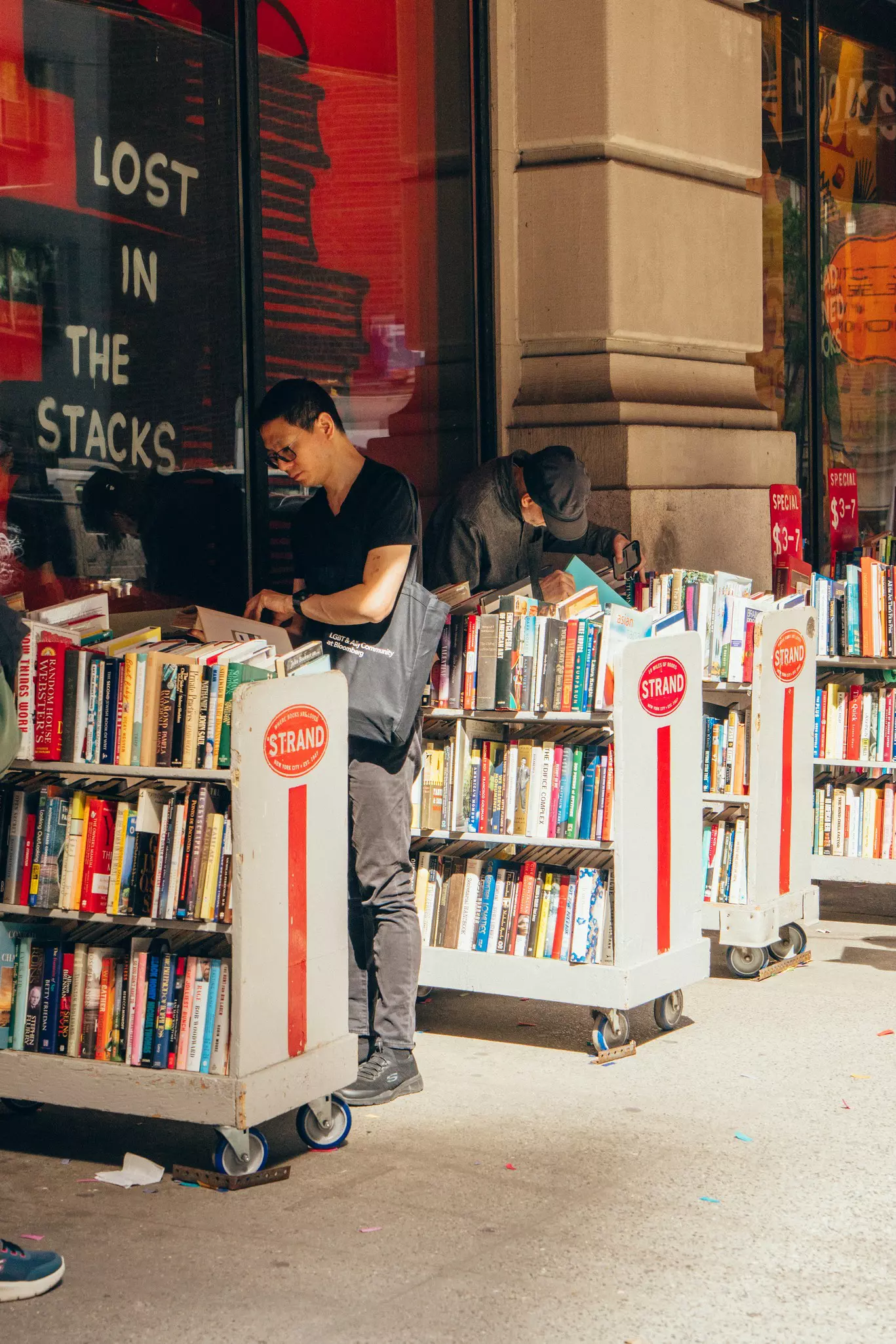
New York has a reputation – often well-deserved – for being expensive, but there are easy ways to visit New York City on a budget, and there are even things to do for free. Staying outside Manhattan will bring your accommodation costs down a bit, as will visiting museums at times when entry is free or discounted. Food truck dining will also help you keep a lid on NYC's sometimes astronomical dining costs.
Keep your wallet stocked with cash. Most businesses in the city accept credit cards, but smaller shops and street vendors may only take cash. Want to relax with a massage? Chinatown has loads of affordable massage parlors (I promise, most are legit), and some only take cash. When it comes to tipping, thousands of New York workers depend on tips – 15–20% is appropriate at restaurants and for taxi drivers.
Ride New York City Transit's five-borough-wide subway and bus network, famous for its 24/7 coverage and (relative) reliability, compared to getting around by car in New York's traffic. Locals like to complain about train delays and malfunctions (which are absolutely a thing, especially on the weekends), but overall, the subway is pretty impressive.
NYC yellow cabs are iconic, and ride-hailing apps such as Uber are popular and convenient, but in addition to emission-pumping vehicles being bad for the environment, traffic is horrendous in New York City, and the subway is usually faster than going by car. You'll also need a healthy budget to travel around the city by taxi.
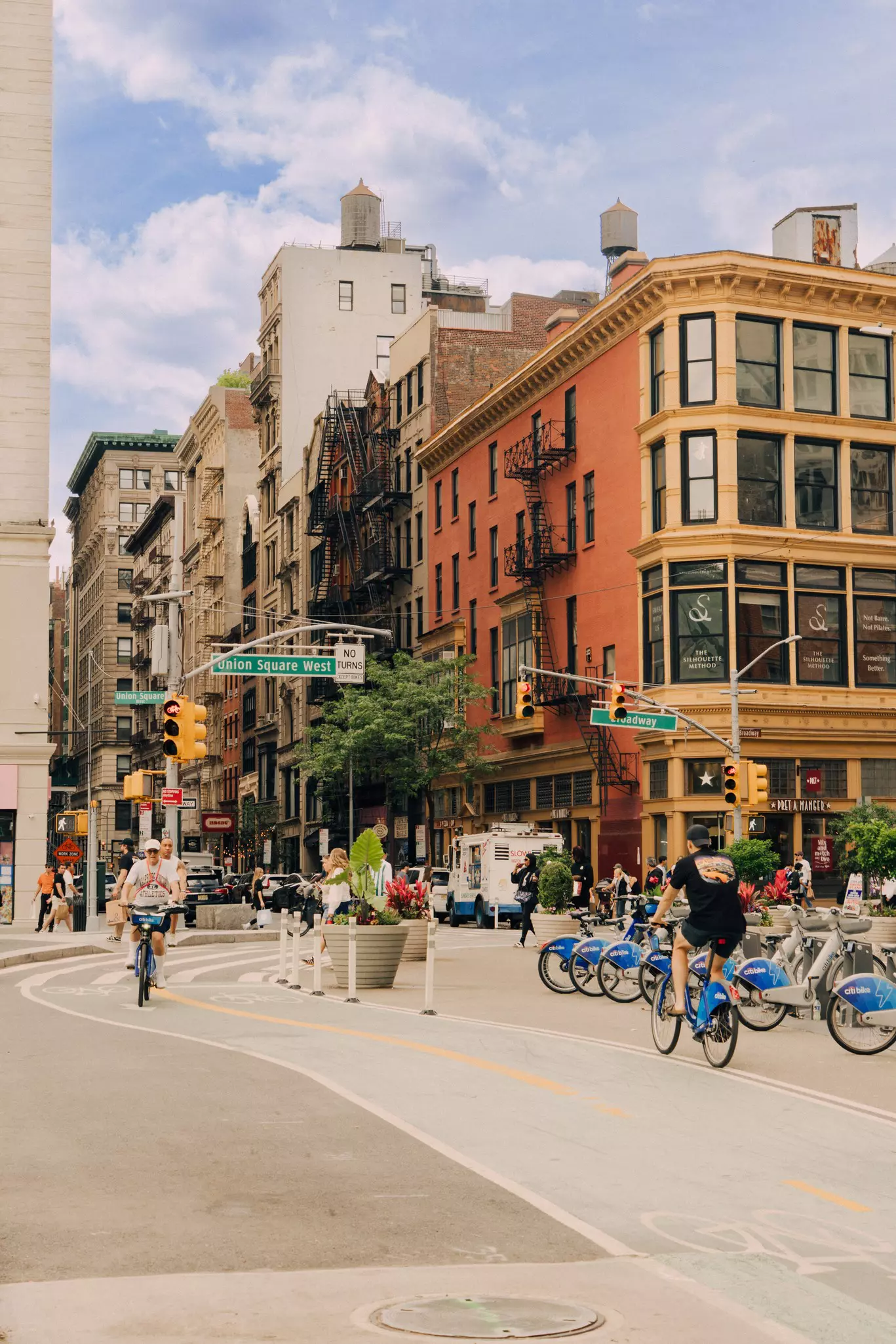
There are more than half a million bike trips made in the city every single day. If you really want to get around like a New Yorker, ride a bike! Loads of bike shops offer rentals (as do outfitters in Central Park, though the bike loop here tends to get crowded on weekends), and there are organized cycle tours, but you can also use the city's fabulous bike share scheme.
Citi Bike provides thousands of bikes across four boroughs (sorry, Staten Island), as well as Hoboken and Jersey City in New Jersey. Snag a free map from a bike shop and study NYC's extensive cycle path network to plan a day on two wheels.
Some of the most popular places to ride are along the Hudson River Greenway, which runs along most of the western coast of Manhattan, and on the Brooklyn waterfront. If you're biking on city streets, be careful and wear a helmet; the traffic can be unforgiving.
Travelers with disabilities should check out NYC Tourism's Accessible NYC Guide, which includes information on accessible dining, museums, festivals and other attractions. The site allows you to search for activities by category, neighborhood or type of assistance (for example, braille, assistive listening systems or neurodiverse programming).
Wheelchair-friendly subway stations exist, but these tend to be high-traffic hubs. According to the MTA, over 160 of its stations offer full access for visitors with a walking impediment, but the bulk of the city's 472 subway stations lack elevators and ramps, and they may not always be working in those that have them.
Before heading out, check the MTA Accessibility page for a list of accessible stations and then cross-check that with the Alerts Page so you don't route your trip through a station that is under repair.
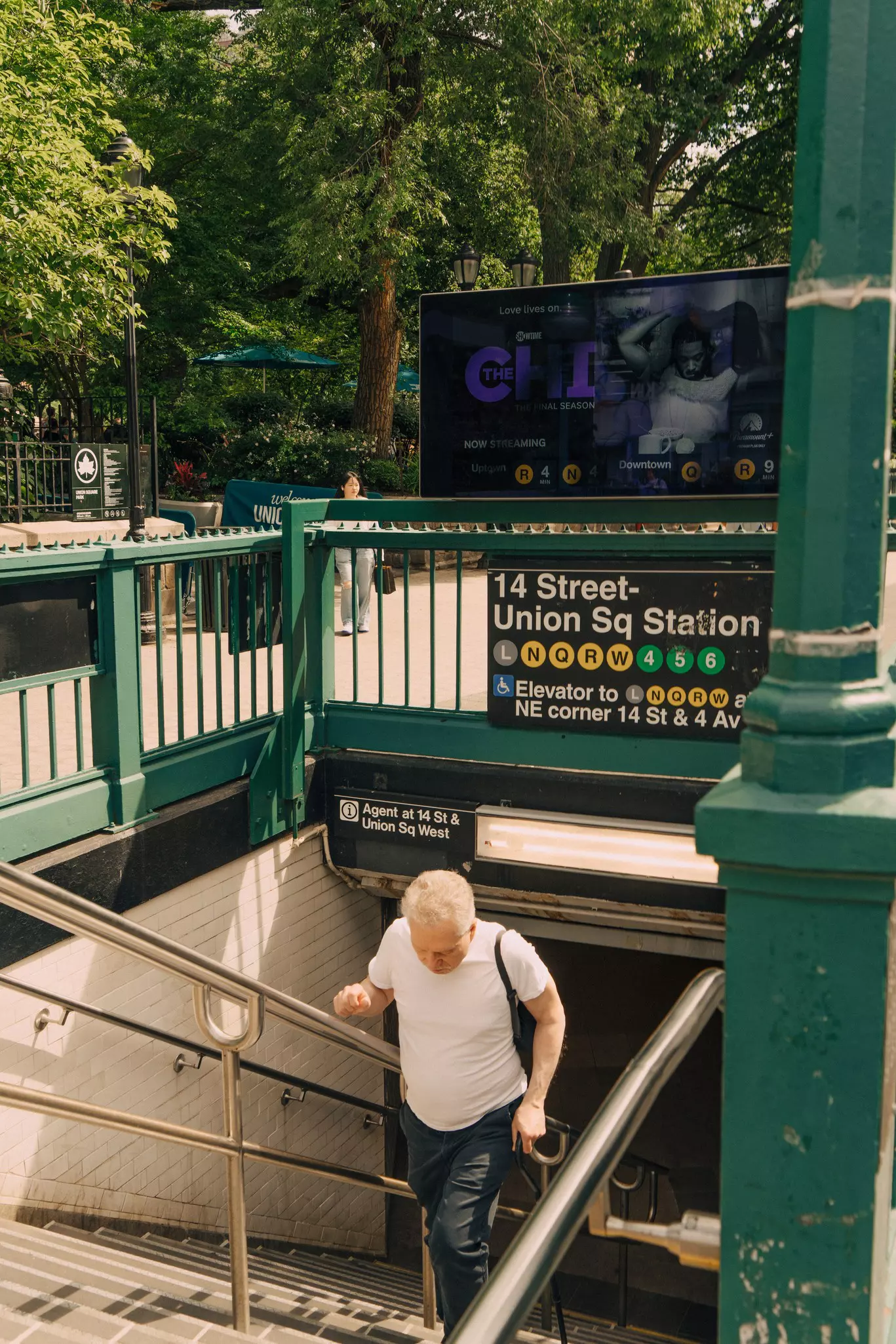
Riding the train is one thing; understanding basic subway etiquette is another. Learning some ground rules for public transit in the city is key – take your backpack off and put it on the floor or swing it around to your front so you don't bump into people with it or take up too much space. Step out of the way of the doors to let people on and off – blocking the doors (which some annoying New Yorkers also do) really slows things down.
Even if you see locals blasting music, cutting their nails, ranting on the subway or eating, please don't follow suit. Finally, if you see someone get on who is elderly, pregnant or disabled, offer them your seat. As the classic New York Metro Transit Authority motto states, "Courtesy is contagious, and it begins with you."
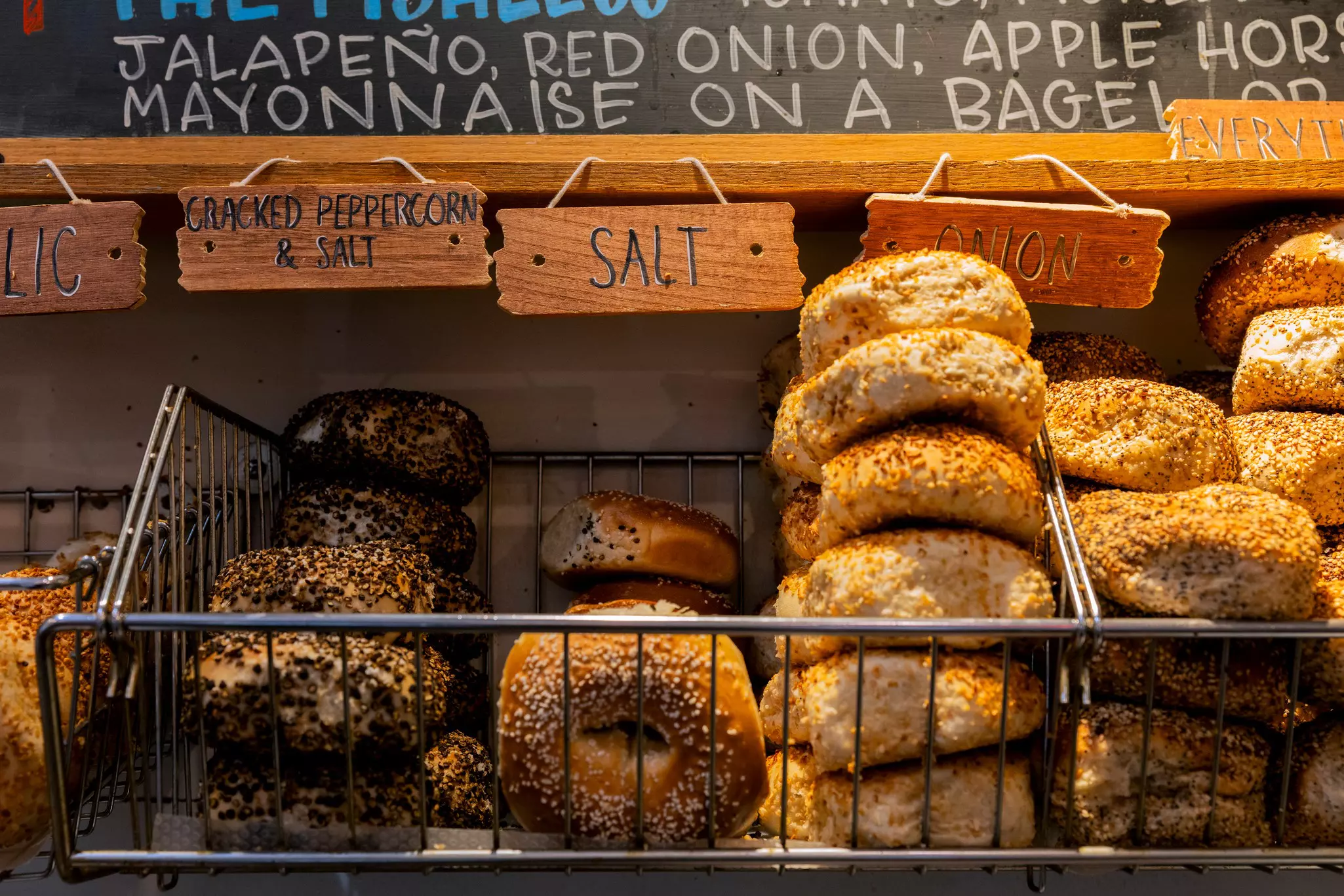
For the most part, no matter what you've seen in the movies, New Yorkers talk just like other Americans. We do have our own slang, however, and much of it applies to food. If you're in the mood for a "BEC" – a bacon-egg-and-cheese sandwich, usually served "on a roll," which is a soft kaiser roll – then go to a bodega (neighborhood convenience store). Another classic NYC deli sandwich to order is "pastrami on rye" – sliced smoked brisket, jammed into rye bread with pickles and mustard.
If you're buying pizza, you can usually get "a slice," a "grandma slice" (the square ones) or a whole "pie." In some American cities, you can order a hoagie or submarine sandwich, but when in NYC, ask for a "hero," which can be served either hot or cold. A "regular" coffee has milk and sugar.
Also, when it comes to so-called "New York speak," I feel compelled to mention Houston St in lower Manhattan. No, that street is not pronounced "Hugh-Stun," like the city in Texas. It's pronounced, "How-Stun." I don't know why, but it is, and anytime we hear someone say it otherwise, we know they're a tourist.
Please, please don't do it. Even the former Mayor of New York City, Bill De Blasio, was ridiculed for doing this back in 2014. De Blasio (who is originally from Boston) argued that the knife-and-fork method was authentic to his Italian roots, but New Yorkers weren't having it and mocked him even more. Grab your sloppy slice by both ends of the crust and fold it in half so the cheese doesn't spill out (or at least less cheese spills out), then dig in.
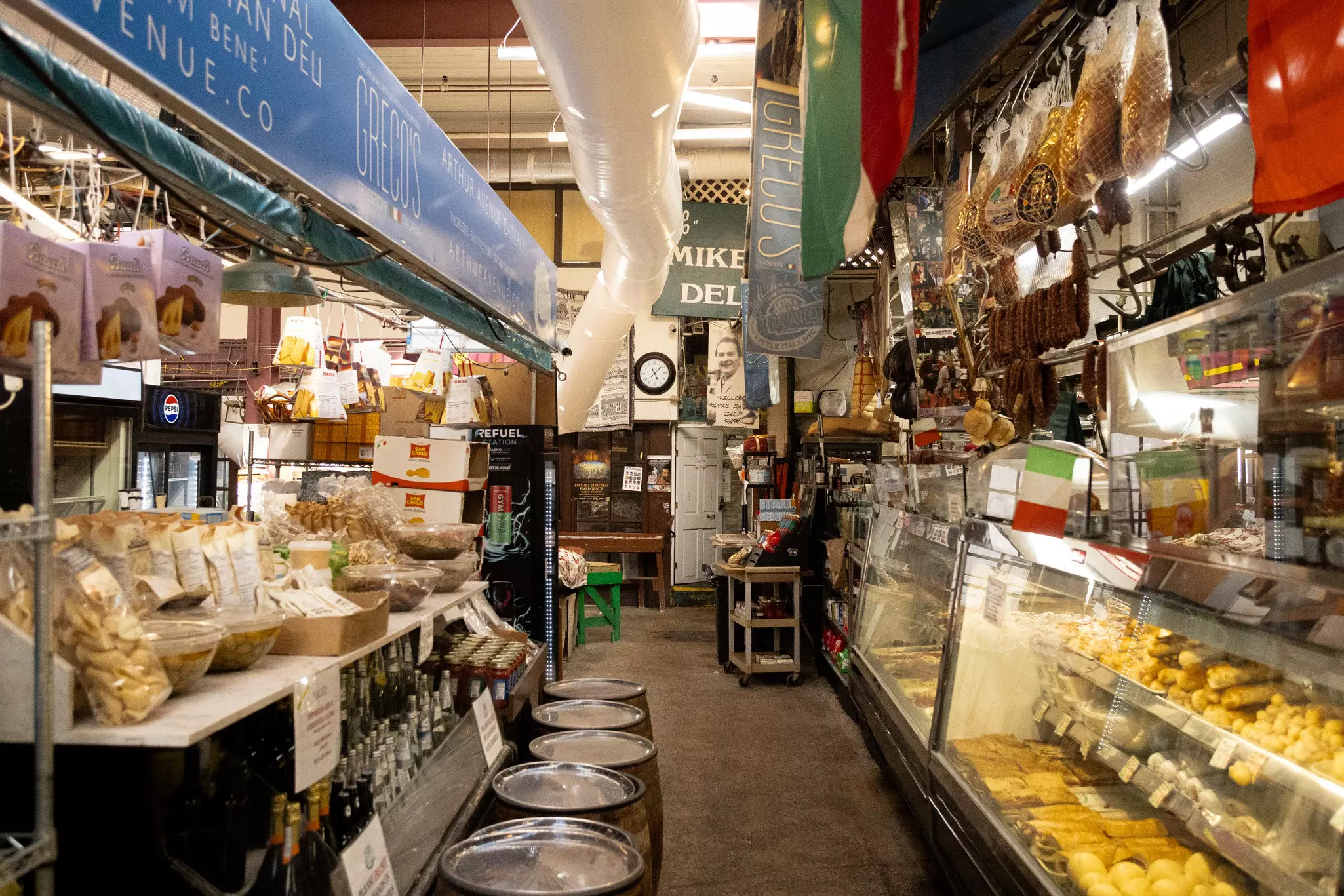
New York City is known for its food, from world-class dining to world-hopping street food. Portable snacks such as pizza, bagels, hot dogs and pastrami on rye are the city's big claims to fame, but as the most diverse city in the country, expect to find extraordinary food from all over the world.
Not only do we have a huge amount of excellent Chinese, Thai, Mexican, Korean and Vietnamese food, but the city also boasts a tremendous number of restaurants specializing in cuisine that can be harder to find in the US, on top of great Jewish dishes that may be less familiar to non-New Yorkers.
Start a food safari with Sri Lankan food in Staten Island or try Colombian and Bhutanese food in Queens. Seek out Jamaican and Dominican food in the Bronx, or Trinidadian, Palestinian and Haitian food in Brooklyn. As for Manhattan, you'll find everything from Burmese stews and Persian kebabs to some of the best soul food in the country.
For its size, NYC is one of the safest large cities out there, and most major crime tends to happen far away from tourist areas. That said, visitors should be prepared for the same issues that are found in other cities around the world. Pickpocketing and phone and purse snatchings are far from rampant, but they do happen. Don't tempt petty thieves – keep your belongings close to you and your phone tucked away.
New York City is one of the most progressive cities in the country, but racial and gender-based discrimination still occurs here, as does discrimination against LGBTIQ+ people. If you're a victim of any kind of crime, NYPD officers patrol the streets around subway stations, major tourist sights and public spaces in most areas visited by tourists.
To continue planning your trip to the city's five boroughs, check out our latest guide to New York City.
Explore related stories