May 19, 20269 min read
14 Best Things to Do in OsakaMar 19, 2026
7 MIN READ

Writer
Osaka offers many charms. cowardlion/Shutterstock

Writer
Highlights
Writer John Walton guides first-timers through Osaka's food, sights and nightlife.
Visit in spring for blossoms or winter, when the nightlife takes center stage.
Wander neon-lit Dōtombori for street food, then stroll Osaka Castle's park-like grounds.
Try takoyaki, okonomiyaki and kitsune udon – Osaka's street food is almost unbelievably cheap.
Lonely Planet may earn a commission from affiliate links on our site. All recommendations and reviews reflect our own independent opinions.
Japan’s friendliest city – and among its most delightful – Osaka combines great food, buzzing nightlife and high-tech high rises. And given its manageable size, you can take it all in with just a couple of days.
From when to go to what to do to – crucially – what to eat, our Osaka guide covers everything first-time visitors need to know.
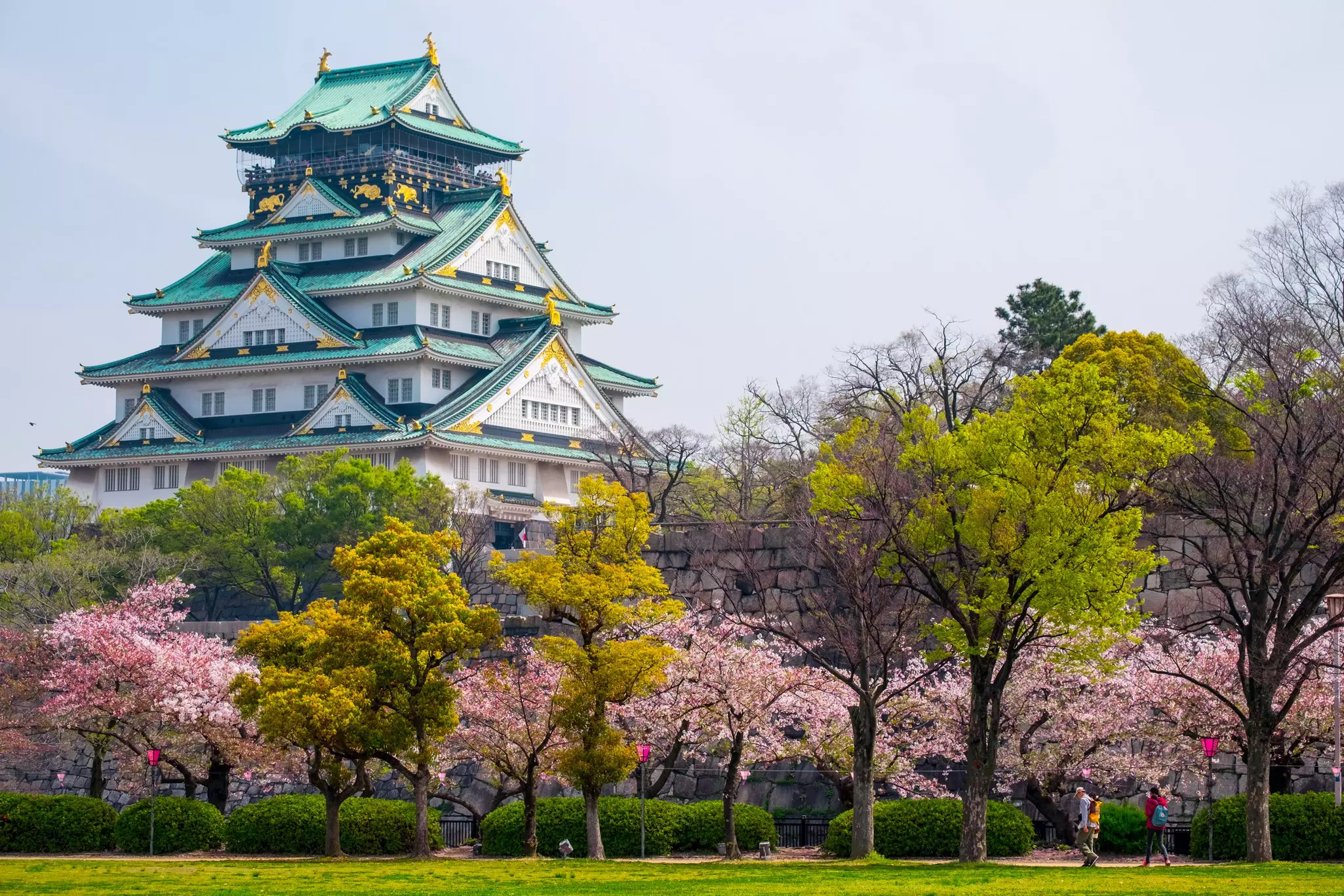
Short version: the best time to visit Osaka is in the spring or autumn. If you want off-season deals, consider visiting in winter.
Long version: like much of Japan, Osaka has a humid subtropical climate, with mild winters but hot and humid summers. June and July bring the tsuyu, or rainy season, while in September and early October tropical storms and sometimes typhoons blow through. One of Osaka’s main draws is strolling its outdoor entertainment districts, so wet conditions aren’t ideal.
There’s a reason that spring, and its gorgeous blossoms, and autumn, with picture-perfect foliage, are the most popular seasons to visit Japan. Such beauty does bring crowds, though – and while Osaka will be quieter than neighboring Kyoto, the cities do share airports and a shinkansen line – and thus crowds of visitors. So if you want to home in on just Osaka and its incomparable nightlife, you may well find the quieter winter season a great time for your visit.
If you opt for summer, you’ll get to enjoy a trio of city’s most popular festivals. A celebration of love, Aizen Matsuri kicks off the season in late June to early July. Tenjin Matsuri in late July is known for its spectacular fireworks. And the purification festival of Sumiyishi Matsuri happens in late July to early August. Extending the season, the exciting Kishiwada Danjiri Matsuri, with its crashing wooden floats, takes place south of the city in September.
Three to four days is a good bet. Several full days will let you enjoy everything Osaka has to offer, day or night; a couple more will let you explore elsewhere in the region. You might want a rest or two, as well – which means more time to munch your way through the city.
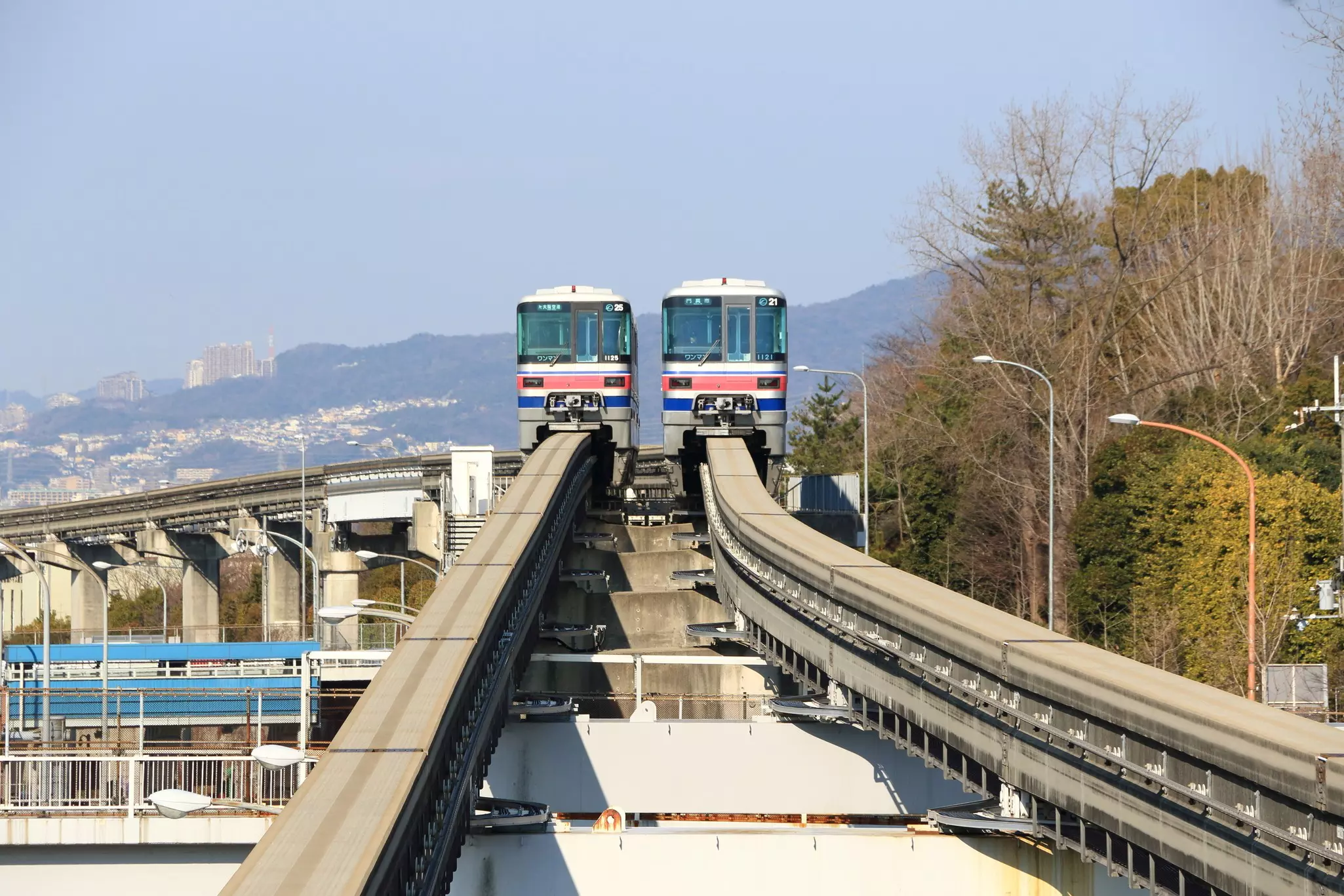
If you fly into Osaka’s Kansai Airport, JR West’s Haruka or Nankai Railways’ Rapi: t will whisk you to different parts of town. As an alternative, KATE (Kansai Airport Transportation Enterprise) buses are always efficient. From Itami Airport (which has mostly domestic service), take the Osaka Monorail, then connect to local railways from there.

Lonely planet’s trusted travel insurance provider
Travel with confidence. Protect your trip and your wallet.
We don’t represent World Nomads, we receive a fee from quotes using this link. This is not a recommendation to buy travel insurance.
The shinkansen arrives at Shin-Osaka station, north of the city center, which is also served by many regional, local and metro services that will get you into the heart of the city.
Within Osaka, a metro system, commuter lines and the monorail will get your around with ease. Rideshare apps can be helpful, as few taxi drivers speak English (though you can always show an address on your phone). Like taxis, rideshares remain pretty expensive, especially compared with Osaka’s excellent public transportation.
Apple and Google’s map apps are well integrated with local transit, and thus very helpful for navigating around Osaka. Keep an eye out for inclement weather, especially seasonal typhoons in early autumn: the network can and will shut down early before a major storm rolls in.
If you plan on using public transport extensively, use a stored-value IC smart card like ICOCA to easily tap in and tap out of the metro and local railway stations.
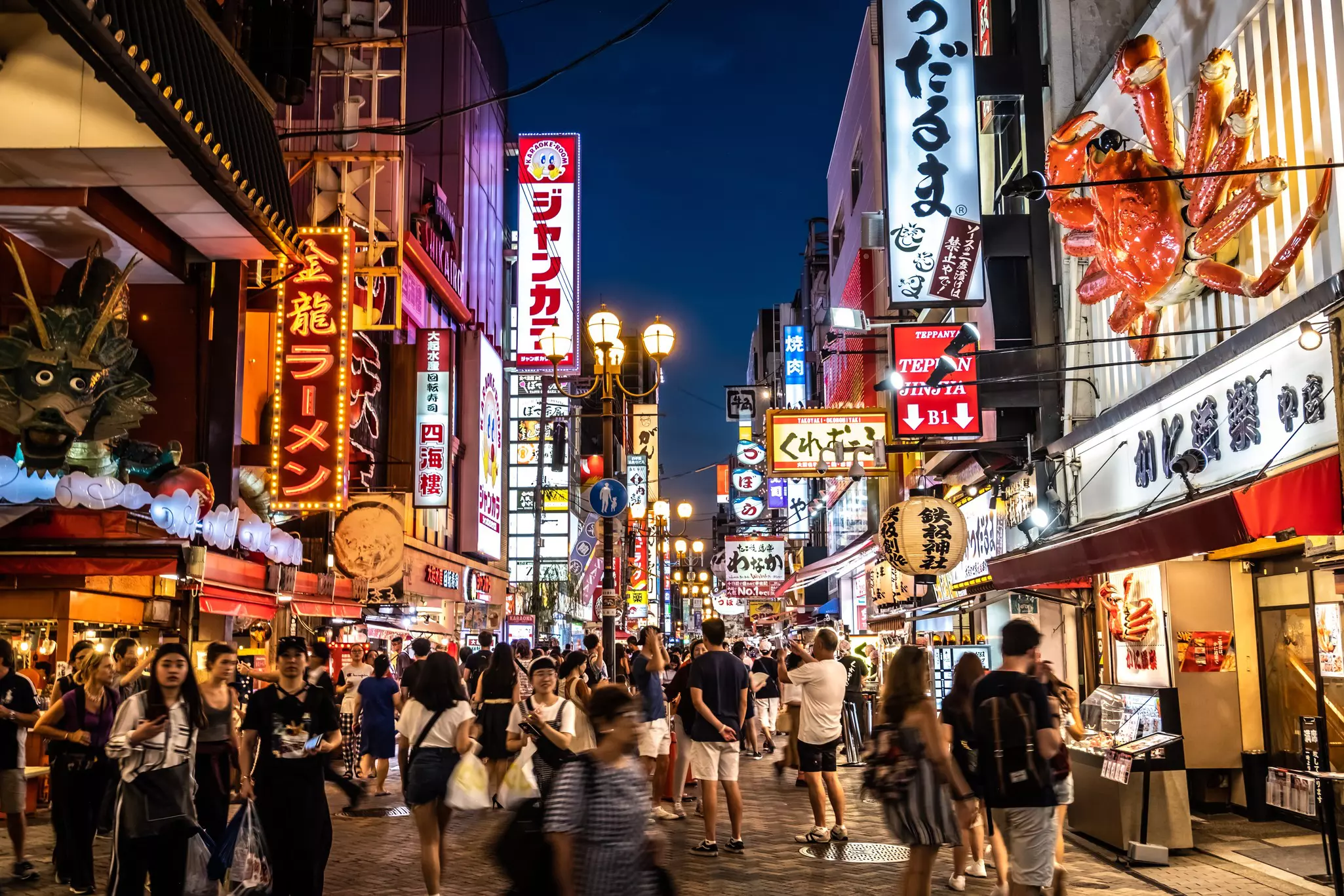
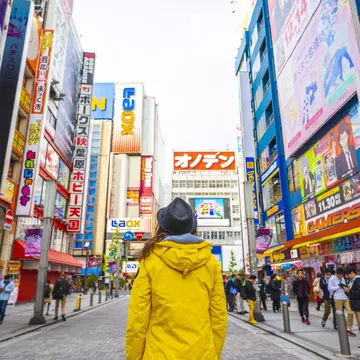
When you feel at your most energetic, hit up Dōtombori, a street parallel to the canal of the same name. It’s both a street-food hub and one of Japan’s most incredible neon wonderlands – meaning the perfect time to start is an hour or two before sunset. Walk, wander, snack, poke your head into video game arcades…it’s busy and touristy and utterly essential for any first-time visitor to Osaka.
To munch like a local, use your phone to find a nearby department store. Head for the basement, where there will almost always be a food hall crammed full of small stalls, many independent and local vendors selling delicious morsels to take away.
Amerika-mura (literally “America Village”) is to Osaka what Harajuku is to Tokyo: a funky district that once was (and sort of still is) where all the cool kids hang out...and is also close to the newest Apple Store. Gentrified or not, it remains a fascinating place that’s well worth a visit. Start at Triangle Park, then wander either toward or away from the designer-heavy avenue of Midō-suji, as you prefer.
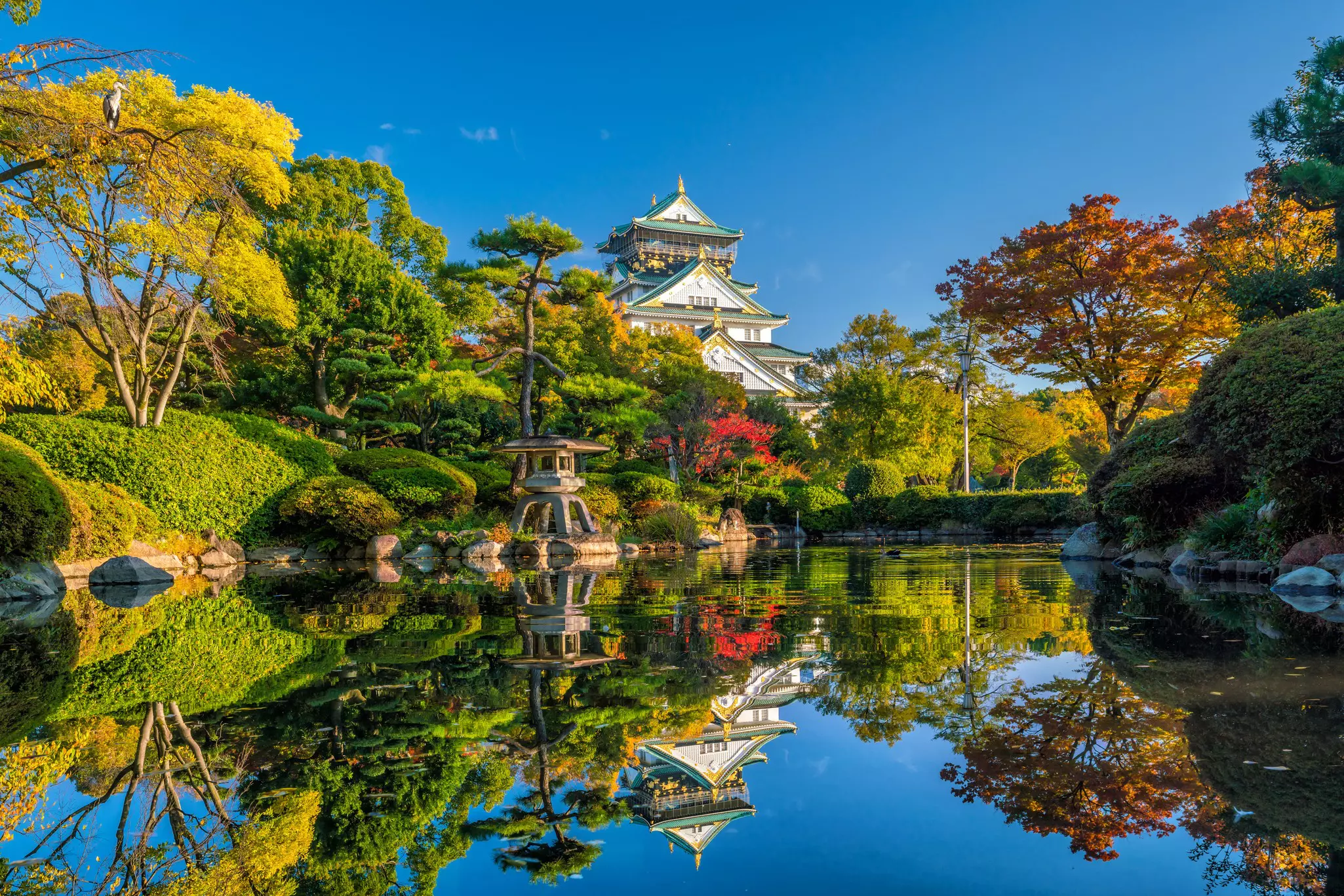
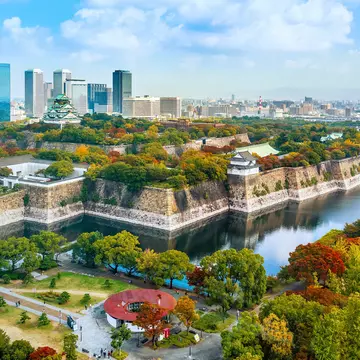
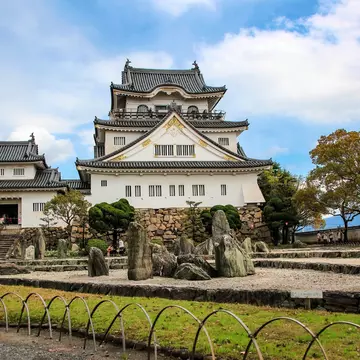
Osaka Castle was destroyed many times throughout history, and the main tower keep today is a concrete reconstruction that contains an excellent museum. It’s one of Osaka’s most photogenic spots, as are its extensive park-like grounds, which are surprisingly lovely at night. The enormous moats and walls are hugely impressive, too, while the site’s cherry blossoms are glorious in spring.
Offering a deep dive on the city’s past, the nearby Osaka Museum of History is great for a rainy or humid day. The building also offers great views of the castle and gardens, against a backdrop of modern Osaka’s towers and lights.
If you’re after views, skip the pricey skyline observation decks an invest instead in a drink at one of Osaka’s rooftop bars. (Indeed, the price of a cocktail at most of them is less than a ticket to the top of a skyscraper.) I love the high ceilings and windowed walls of the Ritz-Carlton’s panoramic bar (not to mention its martini menu), while the Sky Lounge Stardust in the postmodern Umeda Sky Building is also super, with a range of attractive cocktails (and mocktails) that won’t break the bank but go great with the superlative views. Sunset cocktails are always a great idea.
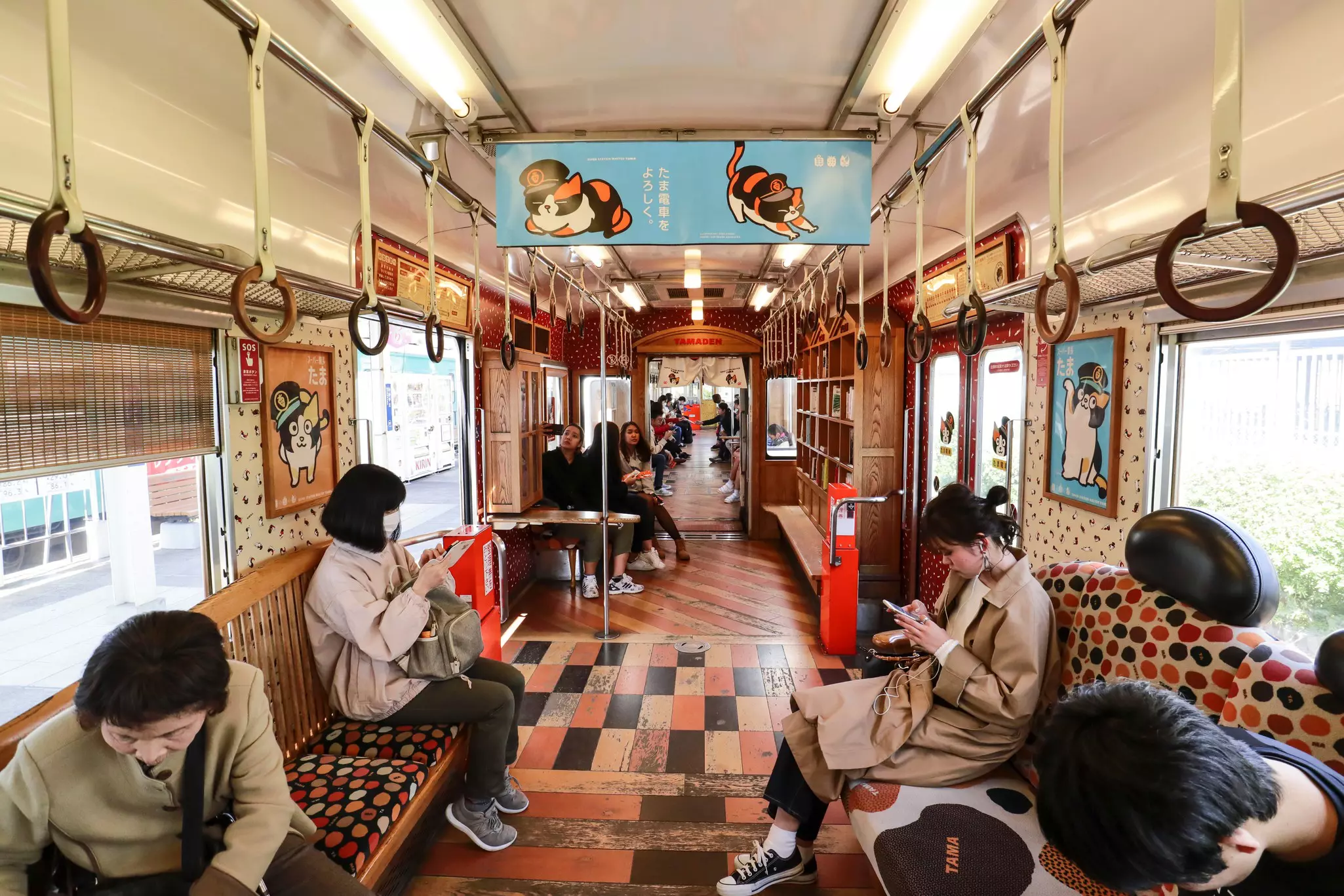
Love cats? Hop on the train for the hour-and-a-half jaunt south along the bay to nearby Wakayama, where you’ll change to the Wakayama Electric Railway. You’ll then ride a cat-themed train to Kishi Station, which is literally shaped like a cat and home to the world-famous stationmaster cat Tama (now succeeded by Nitama). Check the website for the hours when the cats are at work. Also, make sure that you’re definitely on the way to Kishi Station in Wakayama Prefecture, not the Kishi Station in Osaka Prefecture.
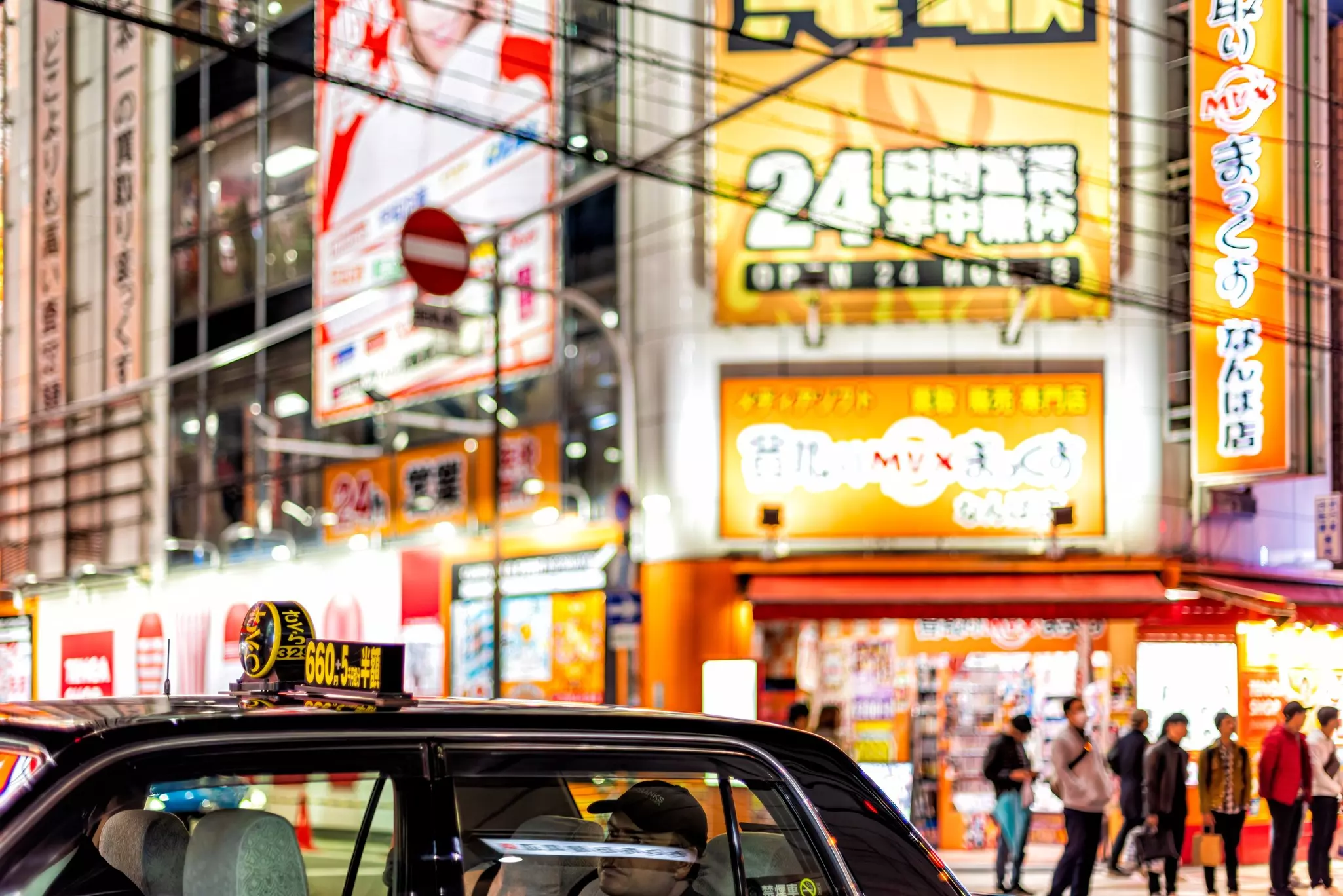
You can find cheap, scrupulously clean and intensely Japanese “business hotels” like Toyoko Inn for around 10,000 yen a night, with midrange international brands perhaps double that.
Getting around the city is really inexpensive ($1–2 per trip), while munching your way around Osaka is almost unbelievably cheap. You’ll can get a plate of steaming takoyaki (fried balls) for under $5, lunch sets for under $10 or a filling okonomiyaki dinner for well under $15.
Cash is still the favorite way to pay in Japan, though this is less true in Osaka than in more rural areas. While credit cards are widely accepted in hotels and restaurants, stored-value IC cards are also very useful – though note that they’re more often topped up with cash rather than credit cards or payment apps. You’ll want cash for taxis and street food at the very least; most Japanese people carry a fair amount of cash on them, especially in coins. Not all ATMs take international cards, though those found in post offices and most convenience stores will.
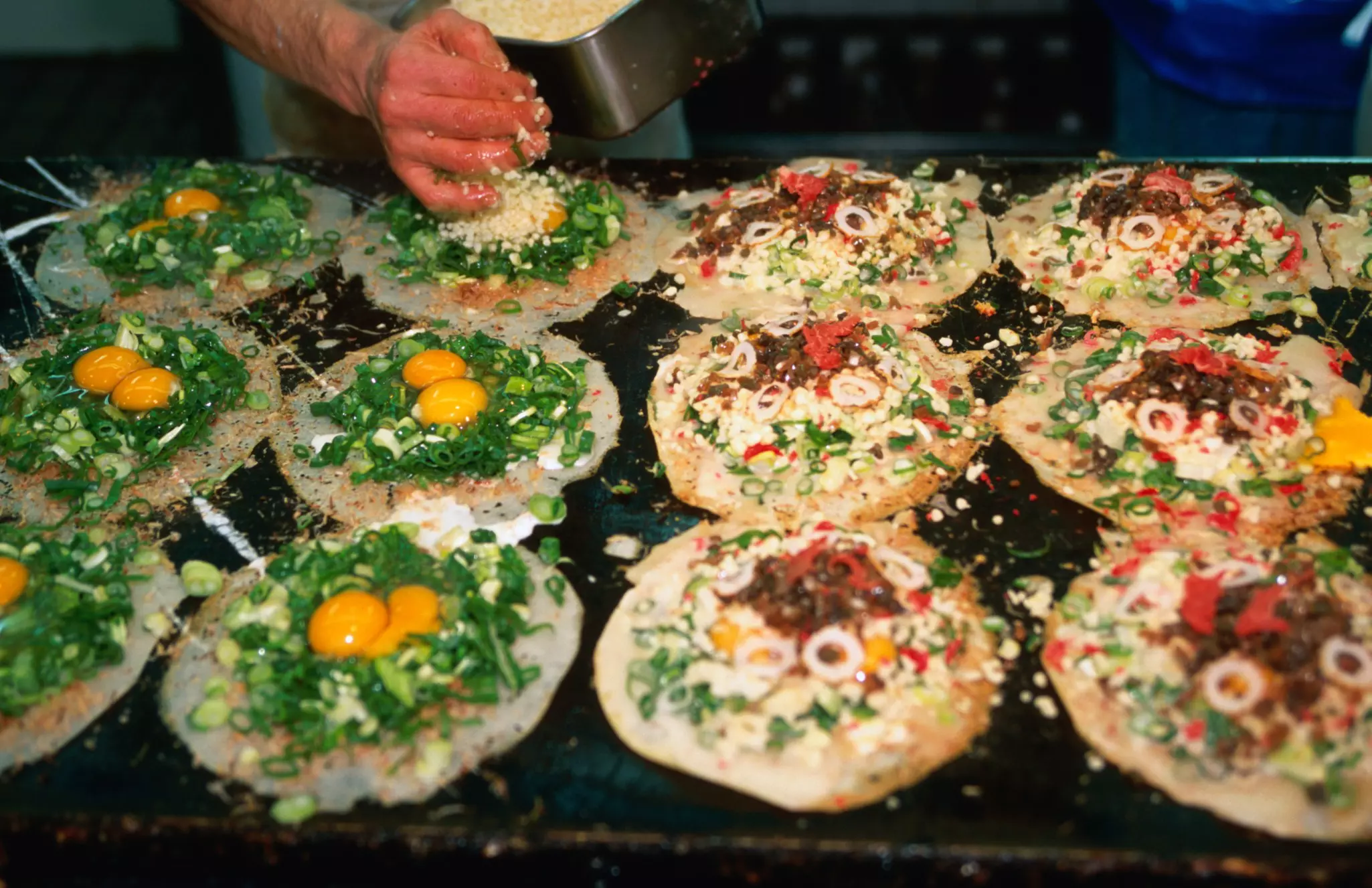
Local food is a huge part of Osaka’s appeal. Here are some dishes you shouldn’t skip.
Takoyaki: an octopus dumpling ball snack, served volcanically hot inside. Watch out.
Okonomiyaki: an infinitely customizable and very filling cabbage pancake-fritter. The Kansai version (more cabbage-based) is favored in Osaka; in Hiroshima, okonomiyaki come stuffed with more noodles.
Kushikatsu: battered skewers of meat and vegetables – the ultimate street food.
Kitsune udon: the local udon noodle specialty, with a seasoned tofu top (said to be a favorite snack of foxes, kitsune – hence the name).
Explore related stories