Aug 19, 20267 min read
12 of the Top Things to Do in MunichJul 10, 2026
6 MIN READ
Writer
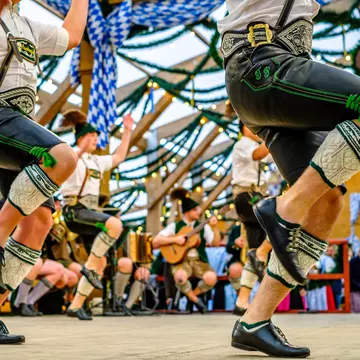
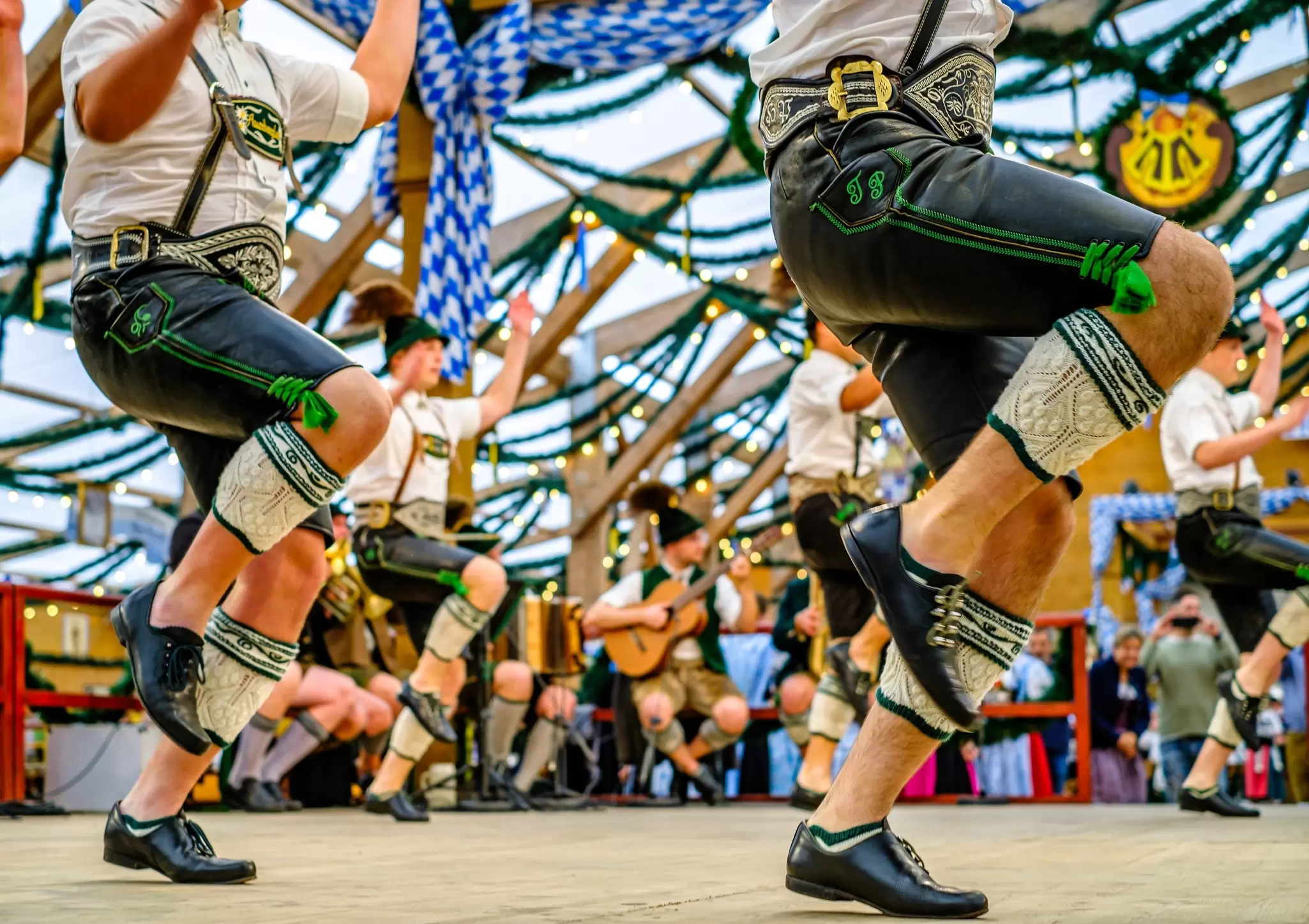
Bavarian dancers in traditional clothing at the Oktoberfest in Munich. FooTToo/Shutterstock
Writer
Highlights
Writer Ryan Barrell guides you through Munich's Oktoberfest beer, food and logistics.
Only six Munich breweries pour at Oktoberfest, with each 1L Mass hitting around 5.8% ABV.
Eat before you start drinking – Weisswurst, Hendl and Kaiserschmarrn fuel a long day.
Book accommodation and tent tables early, and carry cash – each beer costs €14–15.
Lonely Planet may earn a commission from affiliate links on our site. All recommendations and reviews reflect our own independent opinions.
Oktoberfest returns every September and runs for around 15 days in Munich, Germany. Every year, more than 7 million thirsty visitors descend on the German city for the celebration featuring parades, fair rides, traditional food and music, and of course, lots of beer.
Oktoberfest can be an exciting event for outsiders to experience Bavarian culture, and it can also be hectic and difficult to navigate for the uninitiated, particularly after a few liters of Löwenbräu. Don’t fret – we’ve got you covered with this guide to the festival of all festivals.
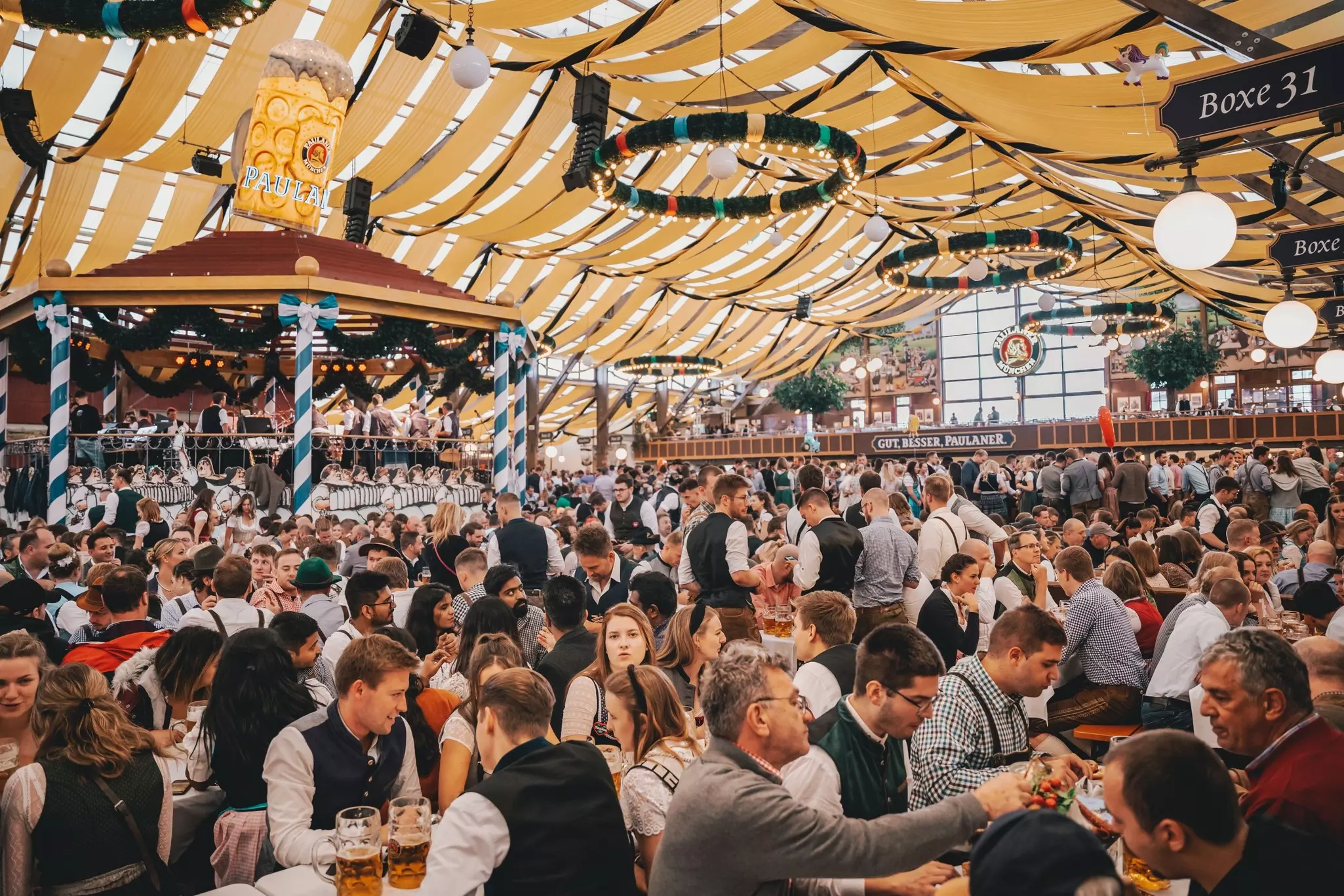
Oktoberfest began in 1810 as a series of horse races honoring the marriage of Crown Prince Ludwig and Princess Therese of Saxe-Hildburghausen. It was such a big hit that it became an annual event with more activities popping up every year. It wasn’t until the late 19th century that sausages and beer were served. Nowadays, the keg-tapping and countless meaty morsels available are the most recognizable aspect of the event, along with the traditional Bavarian garb.
Oktoberfest is really about celebrating Bavarian culture, so outsiders can learn a lot from simply visiting various attractions and experiencing the atmosphere. You can also brush up on your brewing knowledge, with various ways to find out more about how the beer was made.
Even though it's not all about drinking beer, about 7 million liters of beer were served at Oktoberfest in 2024. Waitresses in the traditional dirndl (full-skirted dress with tight bodice and small apron) and waiters donning lederhosen (translates to "leather pants," but look somewhat like shorts) ferry giant frothing mugs (Masskruege) of beer to thirsty attendees. Even this simple act is a spectacle as they are often carrying an unbelievable number at once – the current world record is for 29 full Masskruege!
The wonders of Oktoberfest have spread through Germany and across the globe. You can also find similar copycat events in Berlin and Hanover, Germany; Kitchener-Waterloo, Canada; Blumenau, Brazil; London; Pretoria, South Africa; and countless cities in the United States.
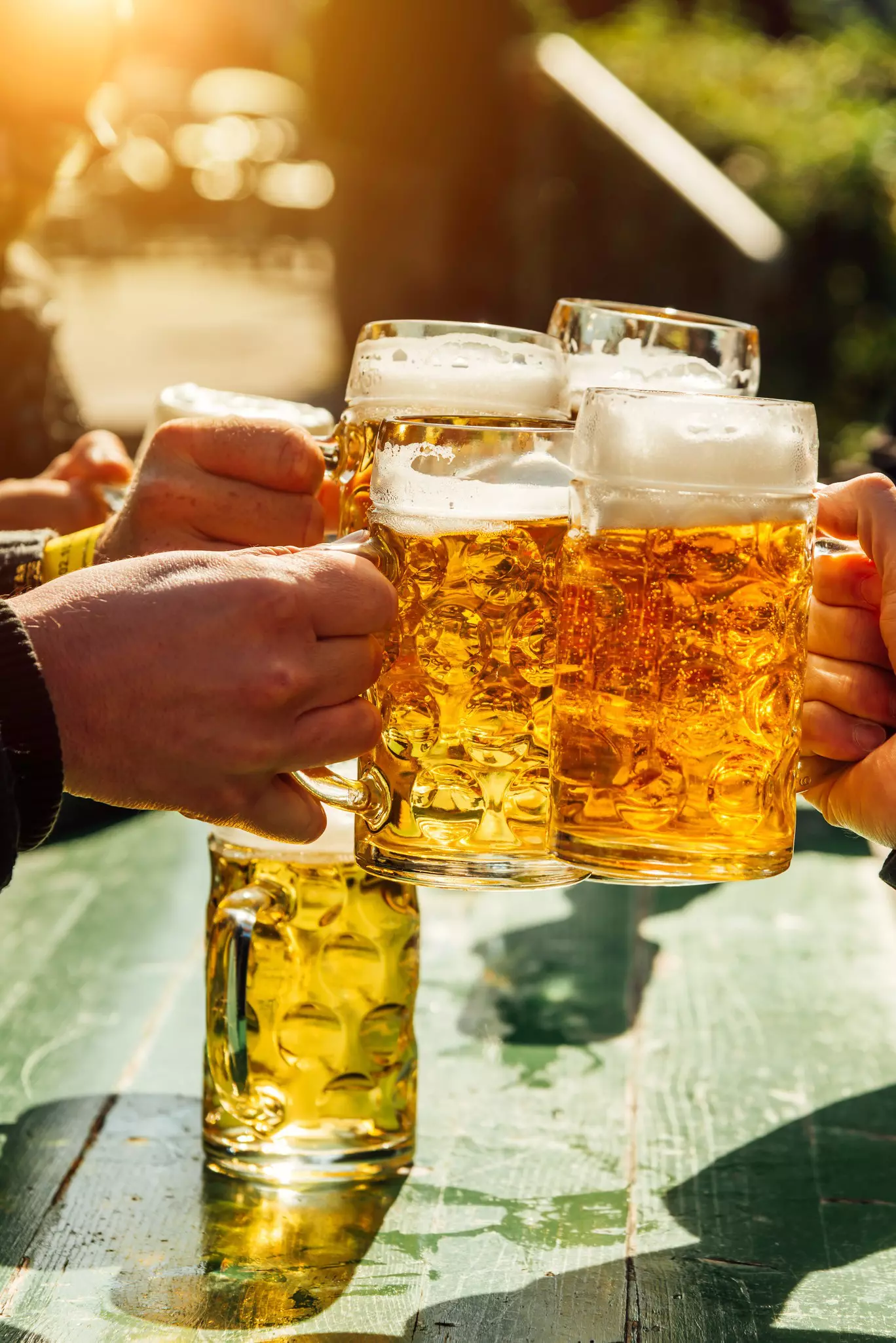
All the lager pulled at Oktoberfest must have been brewed within Munich’s city limits, which restricts the number of breweries permitted to wet your whistle to six: Hofbräu-München (of Hofbräuhaus fame), the world-famous Paulaner, Löwenbräu, Augustiner, and the lesser-known Hacker-Pschorr and Spatenbräu.
The famous 1L Mass brought to your table by a dirndl-trussed waitress contains pretty strong stuff as the breweries cook up special concoctions for the occasion (usually known as Oktoberfestbier). The percentage of alcohol starts at around 5.8%, which makes a single Mass the equivalent of almost 3.5 pints of most regular ales in Britain, Australia and the USA. Traditionally, the most potent brews are piped to the Wiesn – a local name for the event – by Hofbräu, and the weakest by Hacker-Pschorr.
After the beer, the second most exciting attraction is the food. Bavarians will typically begin a day at Oktoberfest with some Weisswurst, a white sausage consisting of veal and bacon meat. Lunch might be half a rotisserie chicken (Hendl), a roasted pork knuckle drowned in gravy (Schweinhaxen), or even more sausages.
Throughout the day, visitors who feel the pang of drunken hunger can snack on pretzels, roasted almonds or a traditional shredded pancake dish called Kaiserschmarrn. The Lebkuchenherzen (gingerbread hearts) may look cute, but you’re much better off grabbing some Kaiserschmarrn if you’ve got a hankering for something sweet.
Pro tip: Eat before you start drinking. There’s a reason the food served in the tents is so hefty and filling – it can be hard to track how many of those one-liter Masskruege you’re getting through. Don’t expect change from the wait staff. They have seriously hectic jobs, so any remainder from the cost of your drinks is assumed to be a tip.
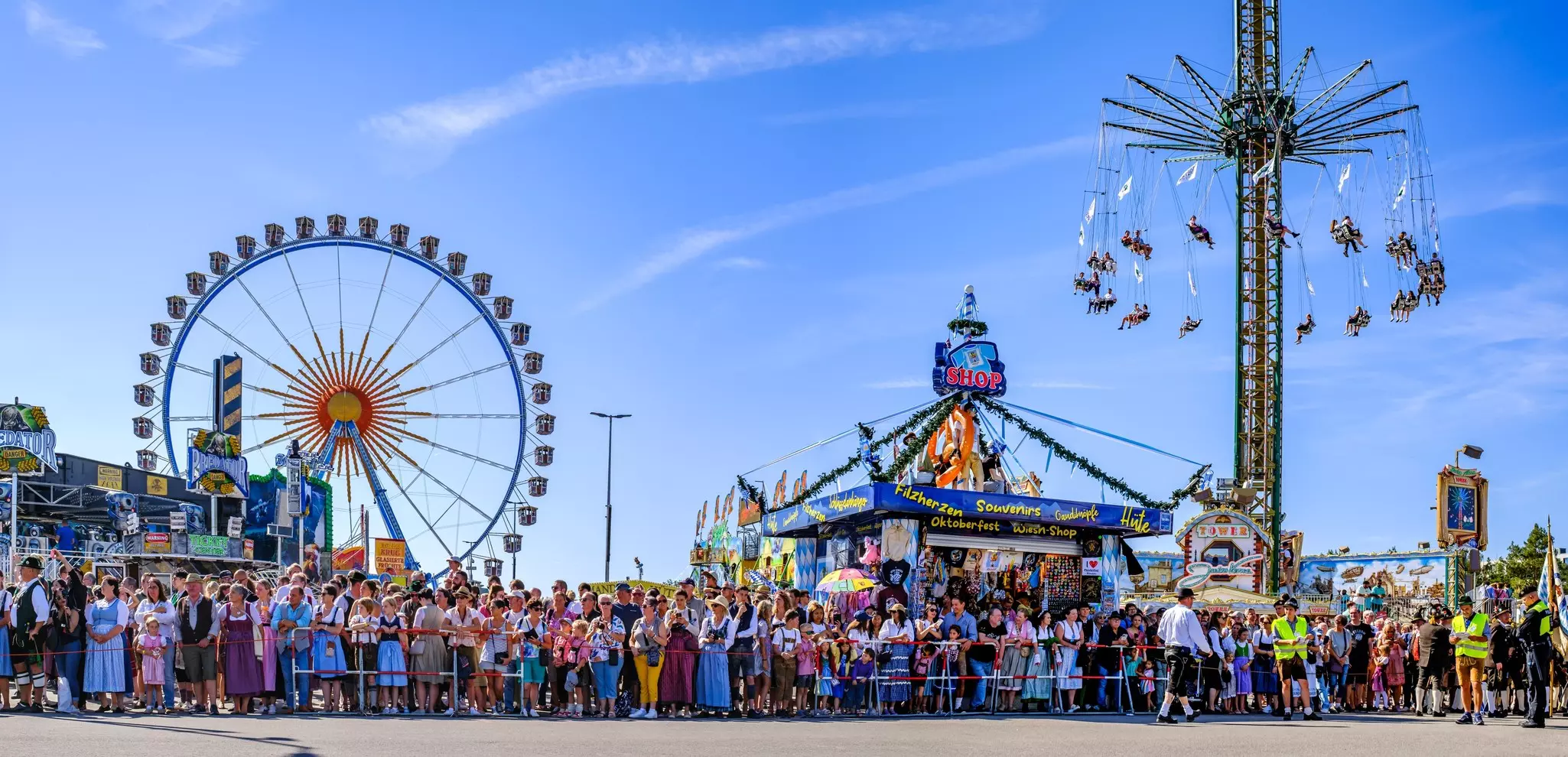
If you can still move after all that beer and food, the festival also has traditional Bavarian folk music shows, puppet shows and several parades to watch. But after several drinks and sausages, stay off the bumper cars and amusement rides. This should go without saying, but you won’t want to be strapped into a seat 10m in the air when all of that beer or food decides to come back up.
Regulars have also started a tradition of rolling down a large hill while inebriated. Partake at your own risk.
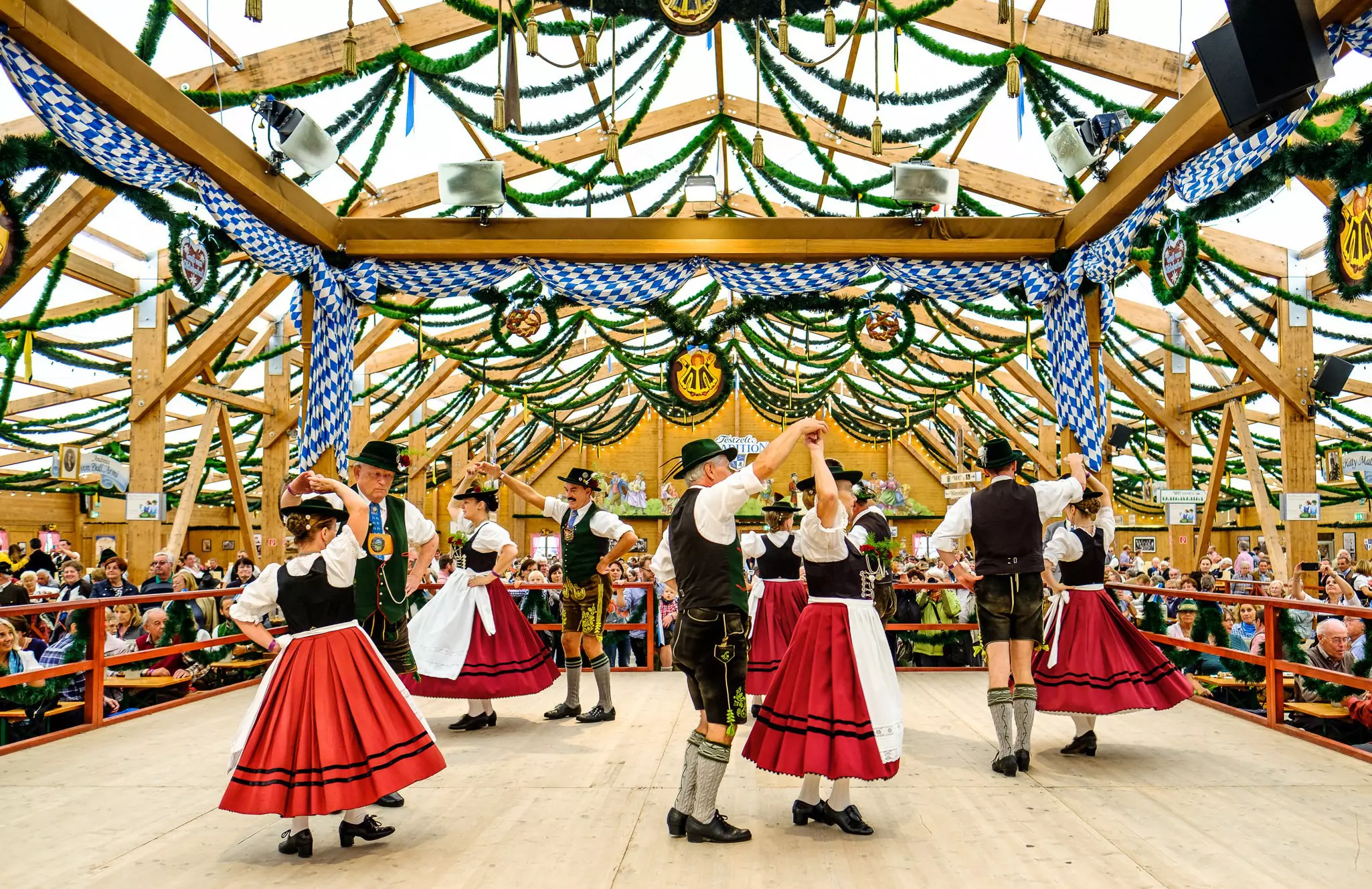
Lederhosen and dirndl are not compulsory, but if you’re going to commit, go big or go home. Wearing your regular clothes won’t get you any unwanted attention, and neither will the traditional garb, but if you show up in a low-quality bachelor-party-style fancy dress costume, you risk offending quite a large number of the festival’s attendees.
Pay attention to how you tie your dirndl. There’s a historical code based on the placement of the bow; front-right means you’re married or in a relationship, front-left means you’re single, and front middle means you’re a virgin.
Secure accommodations well in advance; rooms are booked up quickly. Camping is another option, or you could consider staying a bit further from the city.
Book a table for the tent you want to enter. You’ll have a much nicer experience and you won’t need to wait in the infamously long lines. If you didn't book a table, aim for the tents’ side entrances to avoid the lines. You’ll still need to wait, but hopefully not as long.
Take cash. There are very few ATMs available, and you can expect to wait a while to withdraw money, so you’ll want to have some notes and coins with you. Bear in mind that each beer is likely to cost between 14-15 euros.
Don’t drive directly to the event. Parking is a nightmare, and if you’re planning to sample the region’s beautiful beers, you won’t be able to drive home, anyway. It’s a good idea to leave your car at a Park & Ride or in a car park and use public transportation to get to the festival.
Munich’s Hauptbahnhof, the central public transport station, is a short walk from the Oktoberfest celebrations. Or the nearest U-bahn (underground railway) stations are Theresienwiese or Schwanthalerhöhe.
Don’t stand on the tables. You don’t want to be on the wrong side of an Oktoberfest security guard. And don’t be surprised by people snorting things all around you – sniffing tobacco is quite common in Bavaria. Since smoking isn’t allowed in the tents, you’ll often see people having a little sniff.
Beware of the Kotzhügel. This area, whose name means Puke Hill, is where people who’ve overindulged go to relieve themselves. Keep an eye on your belongings and make sure your pockets are secure. Like many large public events, Oktoberfest can inevitably attract opportunist thieves.
Book your Germany trip with Lonely Planet Journeys
See Germany how it's meant to be seen
Accommodations, activities and ground transportation all taken care of, so you can focus on the fun part. Tell us what your dream trip to Germany looks like, and our local experts will build it from scratch. Or start with one of our itineraries and make it your own.

Explore related stories