Apr 9, 20267 min read
First-Time Guide to Ikaria: What to Know Before You GoApr 9, 2026
7 MIN READ

Writer
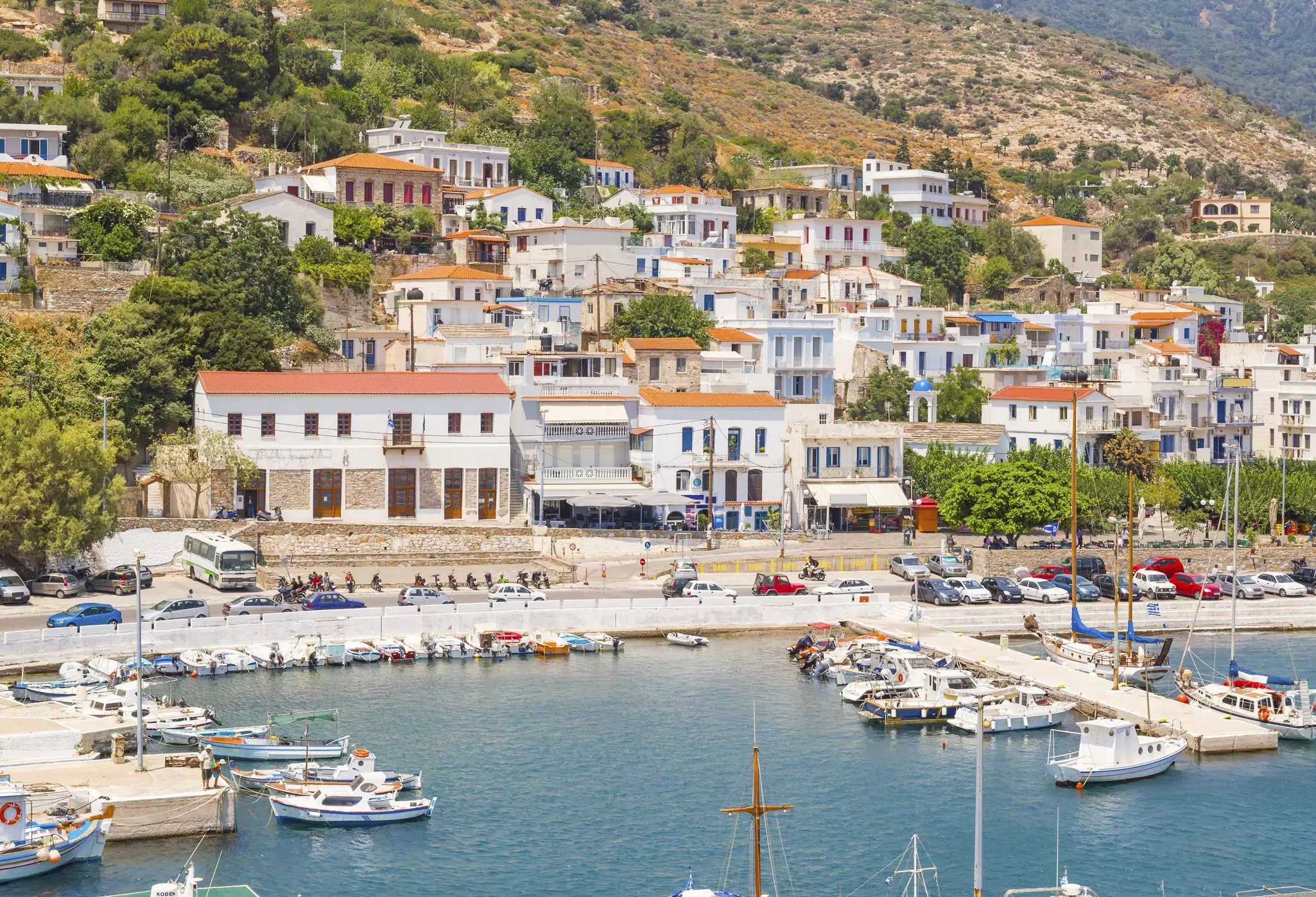
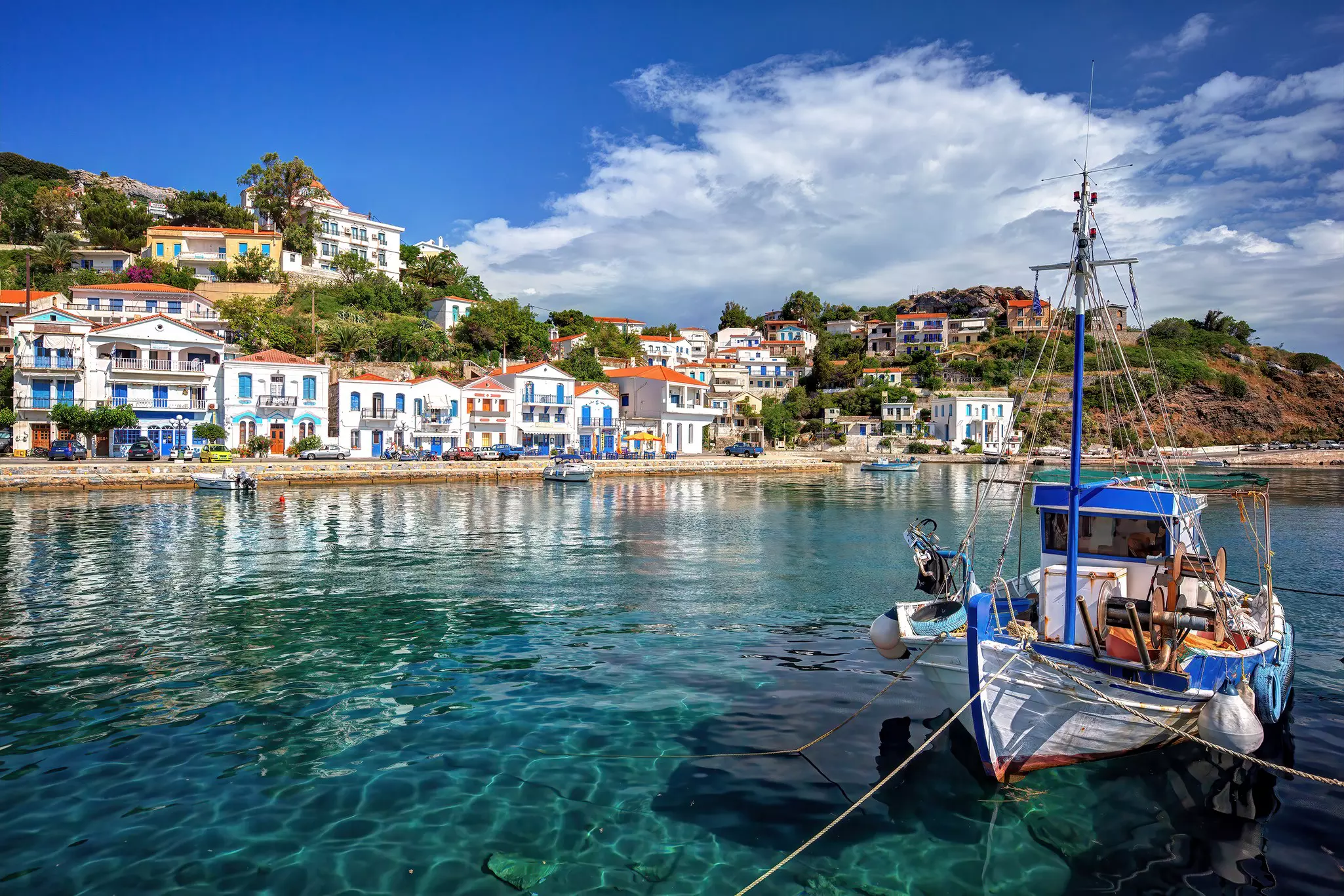
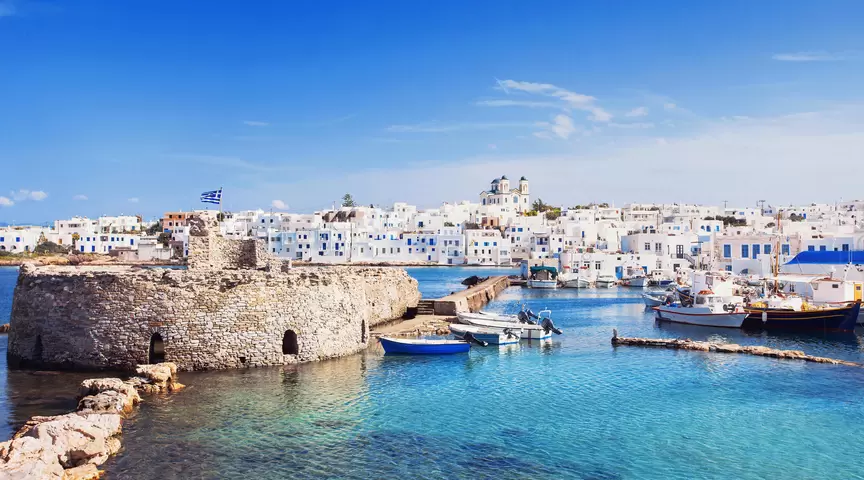
The harbor in the town of Agios Kirikos on Ikaria. kostasgr/Shutterstock
Writer
Highlights
Writer Alexis Averbuck guides first-time visitors through Ikaria, a Greek Blue Zone.
Visit in spring for flowers and hiking; summer brings panagyria all-night festivals.
Soak in Therma's radon-rich hot springs and taste wine at Afianes Winery above Rahes.
Base yourself in Armenistis for beaches or highland Rahes for nocturnal village life.
Lonely Planet may earn a commission from affiliate links on our site. All recommendations and reviews reflect our own independent opinions.
The small Greek island of Ikaria, with its 164km of undulating coastline, sits serenely in the midst of the Northern Aegean islands, just a hop from the much larger Samos.
It’s a rural, relaxed kind of place, with clear, cerulean waters and craggy central mountains blanketed in forests and slashed by rocky gorges – a perfect mix of seaside and interior village life.
Named after the mythical Icarus, said to have crashed here after flying too close to the sun, Ikaria is also honored as the birthplace of Dionysos, the god of wine. And the islanders famously throw wild parties called panagyria on saints’ days, with a cornucopia of food, wine and traditional dancing.
A visit to this lesser-known haven is a chance to enjoy Ikaria's serenity and the locals' attitude to life; their active Mediterranean lifestyle and healthy herb-enriched diet results in extraordinary longevity – it’s one of the world’s famed Blue Zones and 1 in 3 people live into their 90s. This is everything you need to know about planning your first trip to the island of Ikaria.
Ikaria gets busiest in the summer when both Greek and international visitors come for the majority of the panagyria, plus beachside lounging – crowds tend to peak in August. But spring and autumn are tops for hiking the island’s trails when the temperatures are cooler, and spring shines with flowers blooming across the hills. Winter sees the island retreat into hibernation but offers a better chance to spend time with locals and explore in deep peace, plus you’ll save on accommodation (though some places close in the off-season).
If you’re short on time, you’ll be best served having one beach day (check out Seychelles or Nas, for example) and one mountain day (around Rahes), just to get an initial taste of island life. But ideally, you'll spend longer than a few days on the island – the key to enjoying Ikaria is taking your time.
It’s easy to explore several different coasts with their excellent beaches over multiple days and hike rugged trails up into and around mountain villages. A week is ideal to get a solid sense of life on Ikaria and anything more is pure bliss.
If you are staying longer, consider taking a multi-day Greek-language course with the Ikarian Centre in Arethousa, where you're more likely to hear the sound of goat bells than motorbikes. You can also go on a hiking tour with them, or book in for a guided nature walk with Ikarian Footprints, run by super knowledgeable Lefteris Trikiriotis.
Despite its relatively remote location, Ikaria is well-served by a small airport with flights to/from Athens, and it also sits at a crossing of busy ferry routes leading to the mainland ports of Piraeus (via the Cyclades) and Kavala in the north, as well as to the Dodecanese Islands. Its two ports, Evdilos and Agios Kirykos, are quite far apart; make sure you know which one you need to avoid spending more than your boat fare on taxis.
It's a good idea to hire a car or scooter for any travel beyond the main towns. Other summer-time options include a daily caïque (small traditional boat) that goes from Agios Kirykos to Therma, or a boat on Ikaria's south coast linking Manganitis with the idyllic Seychelles Beach, 2.5km away, for swimming and sunbathing. Bear in mind that the roads are steep and winding, so travel times are often longer than they appear on a map.
Also in summer months, a cram-packed daily bus serves the winding route from Agios Kirykos to Hristos Rahes, via Evdilos and Armenistis. It also calls at Ikaria Airport on the way.
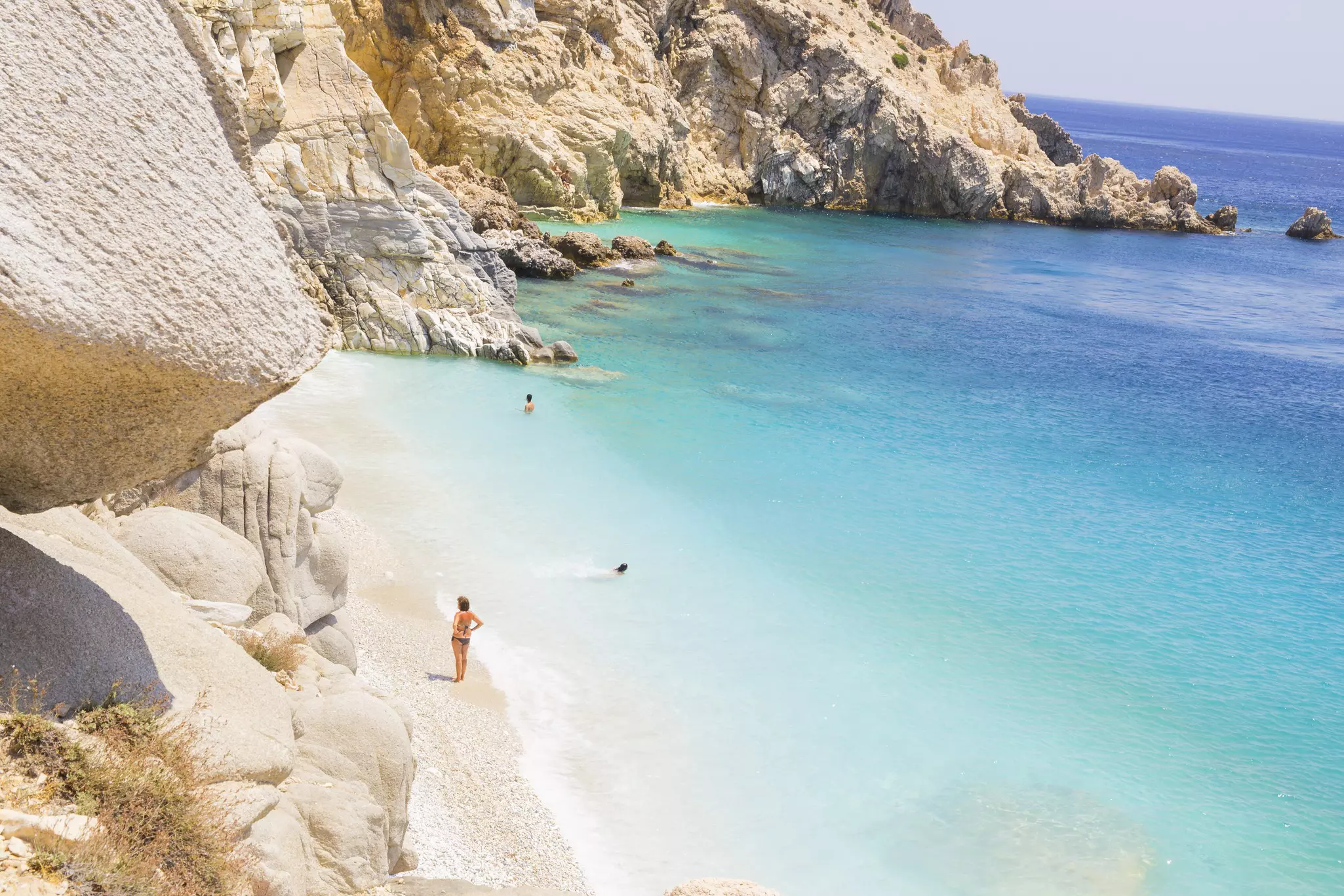
Outside of August (when it is simply too packed), join the warm-weather crowds for the worthwhile pilgrimage to the small and stunning Seychelles Beach, 2.5km east of Manganitis. Its marble pebbles, emerald water and giant rocks polished by the waves teleport you into the middle of the Indian Ocean – hence the name.
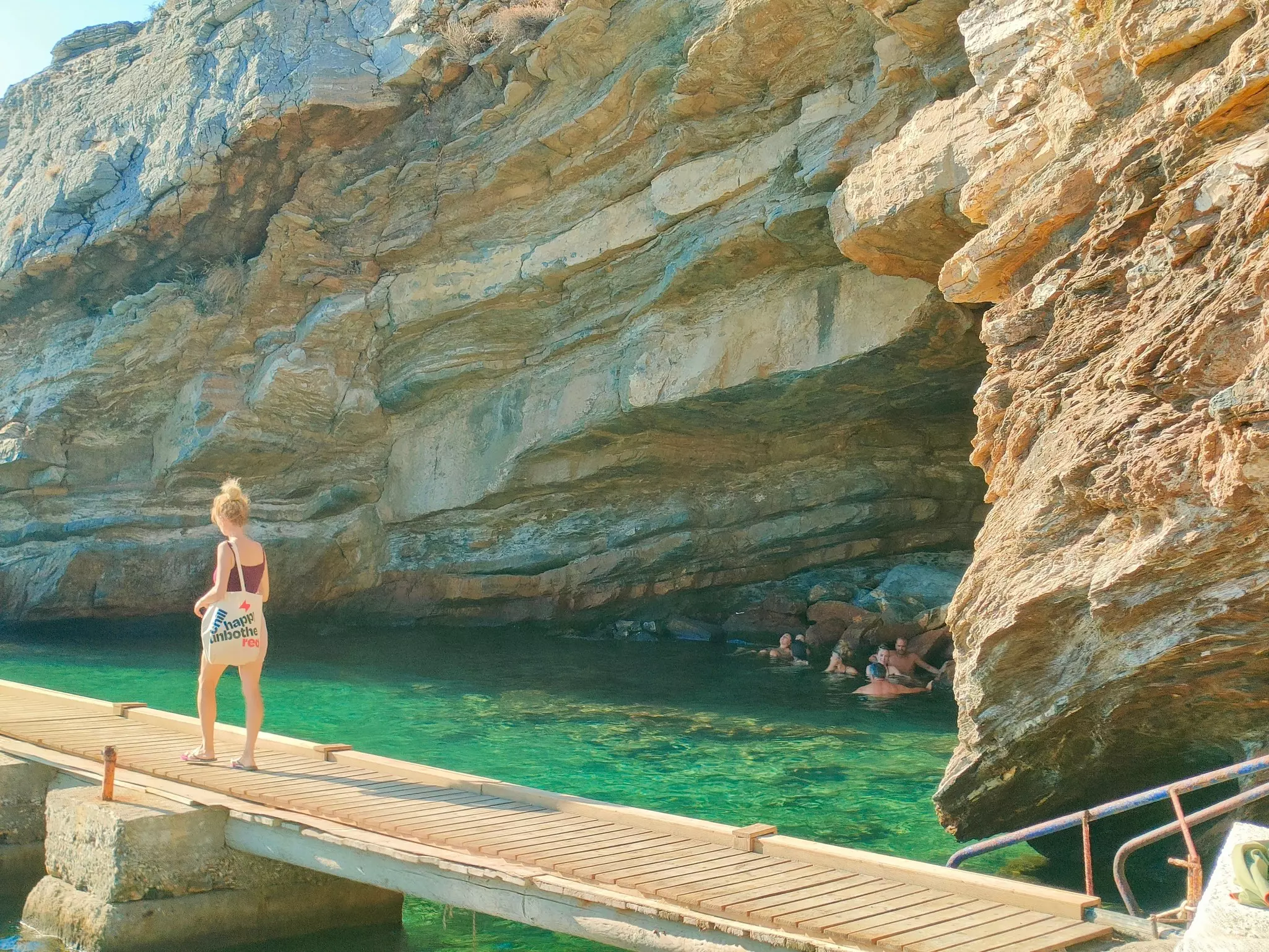
In the small harbor at Therma, enter the sea and swim for about 30m towards a large cave on the southern side of the bay. As you paddle, you'll begin to feel hot radon-rich water swirling into the Aegean. Swim into the cave to discover a casual circle of large stones where you can lounge in the toasty water.
Take a moment to celebrate Dionysos at this small family-run winery crowning the hill above Hristos Rahes. If you time your visit for sunset, you can behold gorgeous views down the slope while you do your tasting and food pairing al fresco, under the rose-tinted sky.
The heart of Ikaria beats in the cool highlands above Armenistis, where a cluster of picturesque villages, collectively known as Rahes (the main village is Hristos Rahes), come to life after dark, with children playing in the streets and adults sipping coffee or raki. These nocturnal habits began back when the locals wanted to give the impression the island was uninhabited to avoid attacks from pirates based on nearby Fourni.
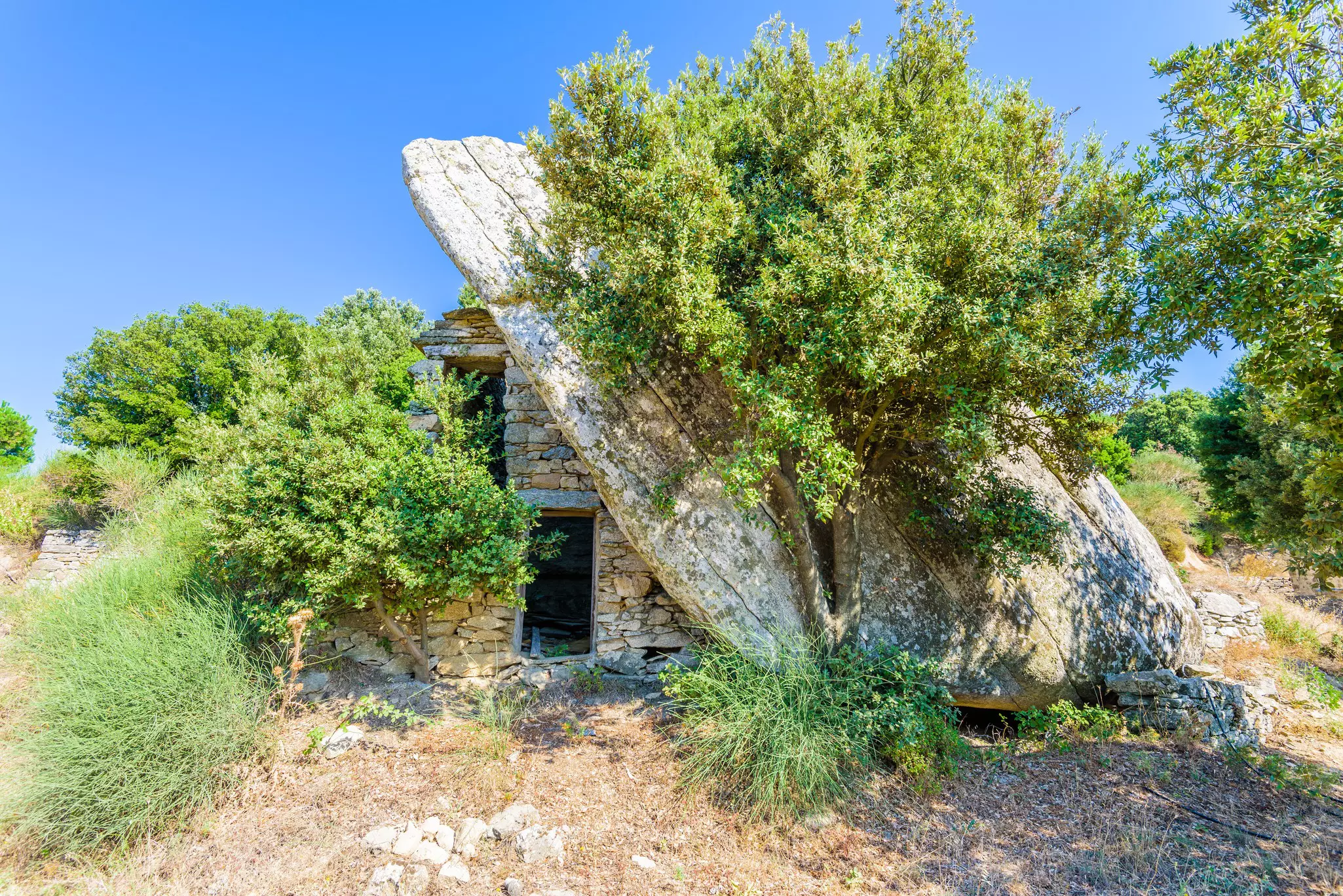
An occasional roof covered with stone slabs is another vestige of that epoch when people tried to camouflage their dwellings as piles of rocks. By day, Rahes villages serve as departure points for many exciting hikes through Ikaria's highlands, covered in pine forests and fruit orchards.
Manganitis and Karkinagri, located in Ikaria's southwestern corner, are serene end-of-the-universe places, with quaint fishing ports and a few tavernas. You can hike down from the desolate moonlike plateau south of Hristos Rahes.
Dionysos may no longer reign over Ikaria’s vineyards, but his essence lives on in Ikaria’s fabulous summertime panigyria – all-night festival celebrations held on saints’ days across the island. There’s no better way to dive headfirst into Greek island culture than drinking, dancing and feasting while honoring a village’s patron saint. But reserve a place to stay well in advance – the island is hopping during these celebrations.
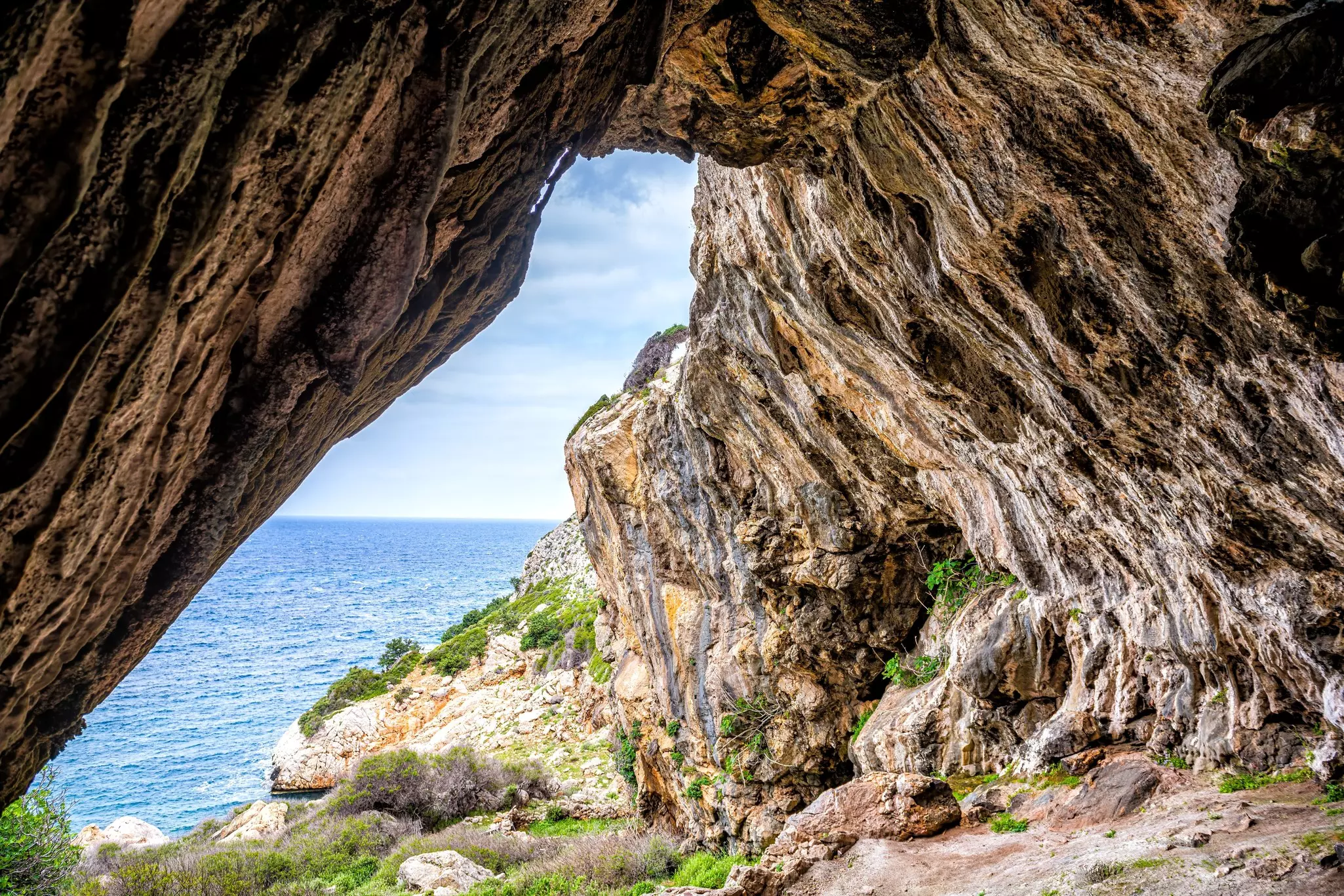
You can also visit the ancient god's legendary lair surrounded by grand coastal scenery. On the eastern side of the village of Fanari, trek up a dirt track climbing the hill to reach a fork in the trail where a sign points toward the Fortress of Drakanos. Follow it to reach the 2500-year-old archaeological site with sweeping views to Samos, then descend along a well-marked trail to Iero Beach. This inviting cove with crystal-clear water harbors Dionysos’ cave, where he is said to have cavorted with maenads and satyrs, or so the story goes.
Ikaria is generally a great-value destination, especially outside of August when services are at their priciest and most difficult to book.
Average daily costs are:
Basic room for two: 45–140 euros (€)
Self-catering apartment: €80–250
Caïque (small boat) from Agios Kirykos to Therma: €3
Taxi from the airport to Armenistis: €70
Greek coffee: €2.50
Sandwich: €5
Dinner for two: €35-55
Beer/pint at the bar: €4
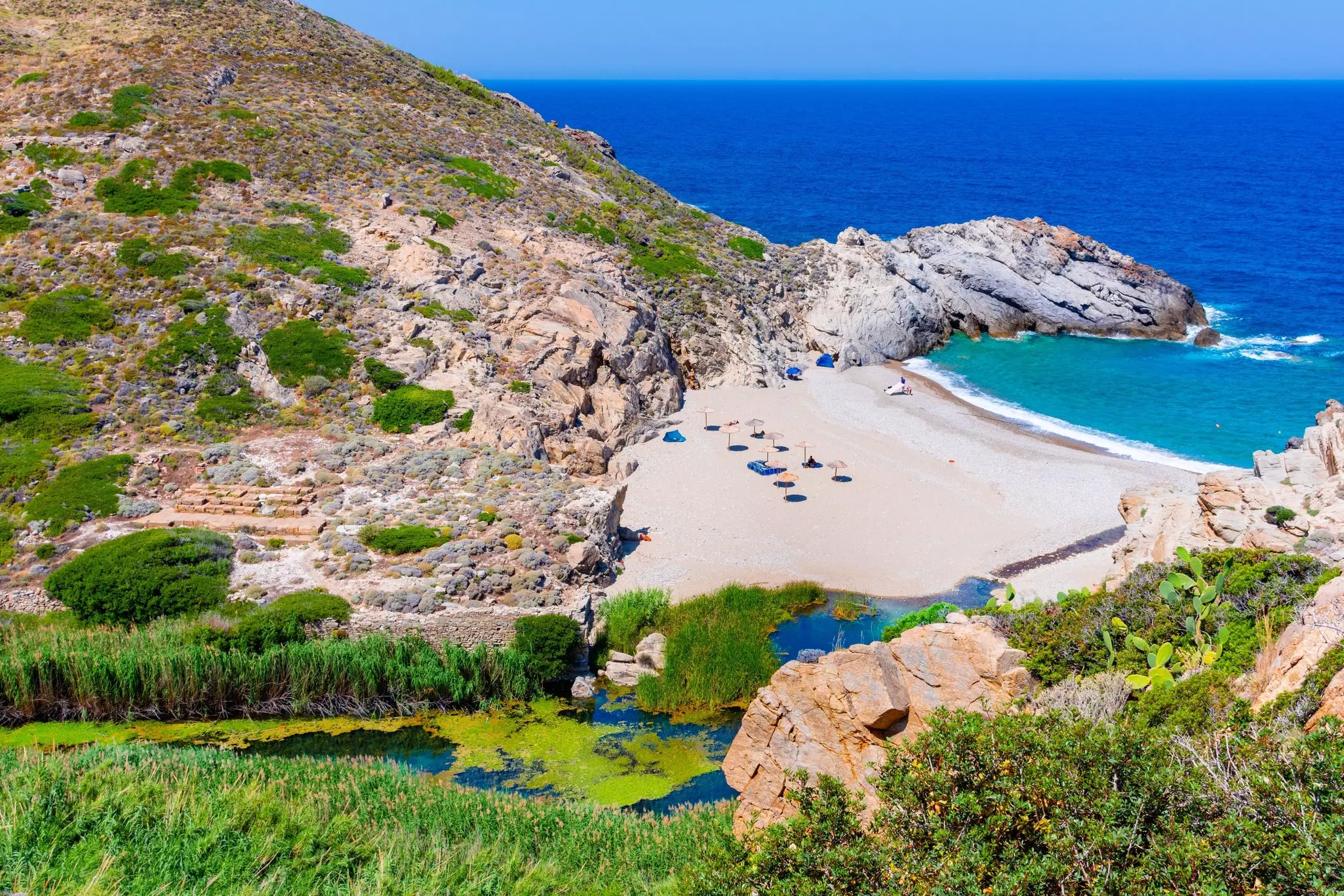
Most visitors gravitate to north coast beaches, particularly those around Armenistis. On the southern coast, Fanari and Therma are good for a quiet holiday away from the crowds. Up in the mountains, Hristos Rahes is a lovely area to base yourself if you have a car, but accommodation is scarce. The island’s best restaurants – featuring an interesting mix of both traditional and experimental culinary styles – are located around Armenistis and Hristos Rahes.
Book your Greece trip with Lonely Planet Journeys
See Greece how it's meant to be seen
Accommodations, activities and ground transportation all taken care of, so you can focus on the fun part. Tell us what your dream trip to Greece looks like, and our local experts will build it from scratch. Or start with one of our itineraries and make it your own.

Explore related stories