Aug 15, 202612 min read
15 of the Best Things to Do in CreteJul 7, 2026
11 MIN READ
Contributors
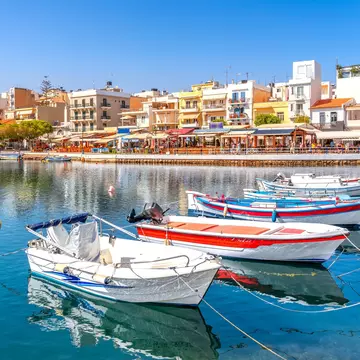
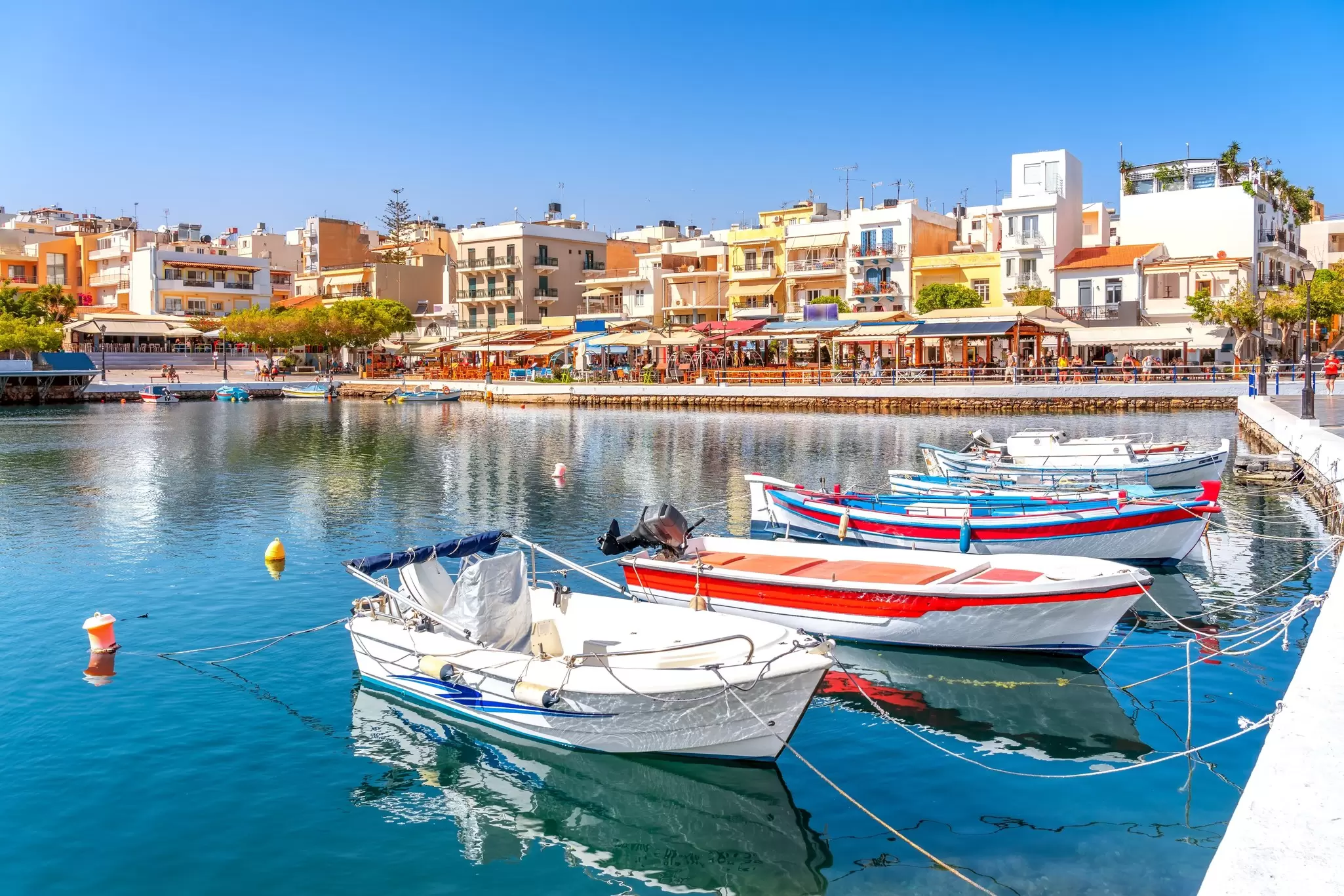
Boats in the harbor in Agios Nikolaos, Crete. Sina Ettmer Photography/Shutterstock
Contributors


Ryan Ver Berkmoes, Lonely Planet Editors
Highlights
Writer Ryan Ver Berkmoes shares Crete budget tips on timing, eats and transport.
Visit April–May or September–October for smaller crowds and lower prices.
Beaches cost nothing; for cheap eats, head inland from the waterfront in Hania.
Ferries from Athens to Iraklio or Hania are often cheaper and more enjoyable than flying.
Lonely Planet may earn a commission from affiliate links on our site. All recommendations and reviews reflect our own independent opinions.
You can spend as much or as little as you want in Crete, the largest of Greece's sun-sizzled islands. But the island hailed as the birthplace of Zeus has a well-deserved reputation as one of the most affordable destinations in the Mediterranean.
Crete's large size and popularity mean that local businesses keep prices competitive to lure in customers. With a little planning, visitors can reap the rewards of what is one of Europe's most enticing destinations.
By choosing when and where you travel and shopping around, you can get some great deals on transport and accommodation. Once here, inexpensive buses provide affordable local transport, and the most interesting towns and beaches are easily explored on foot. Even renting a car needn't be a major cost if you plan your time carefully.
Eating and drinking in Greece can be agreeably inexpensive if you follow the lead of locals. Sample Crete's excellent and much-vaunted produce and cuisine at local tavernas or enjoy home-made picnics and the savings can be substantial. And while there are entry fees at Crete's famous ancient sites, beaches are free to bask on, and most of the island's ornate and historic churches are free to explore.
To help you see more for less, here are our top tips for visiting Crete on a budget, from what to book ahead to tips on transport and dining out.
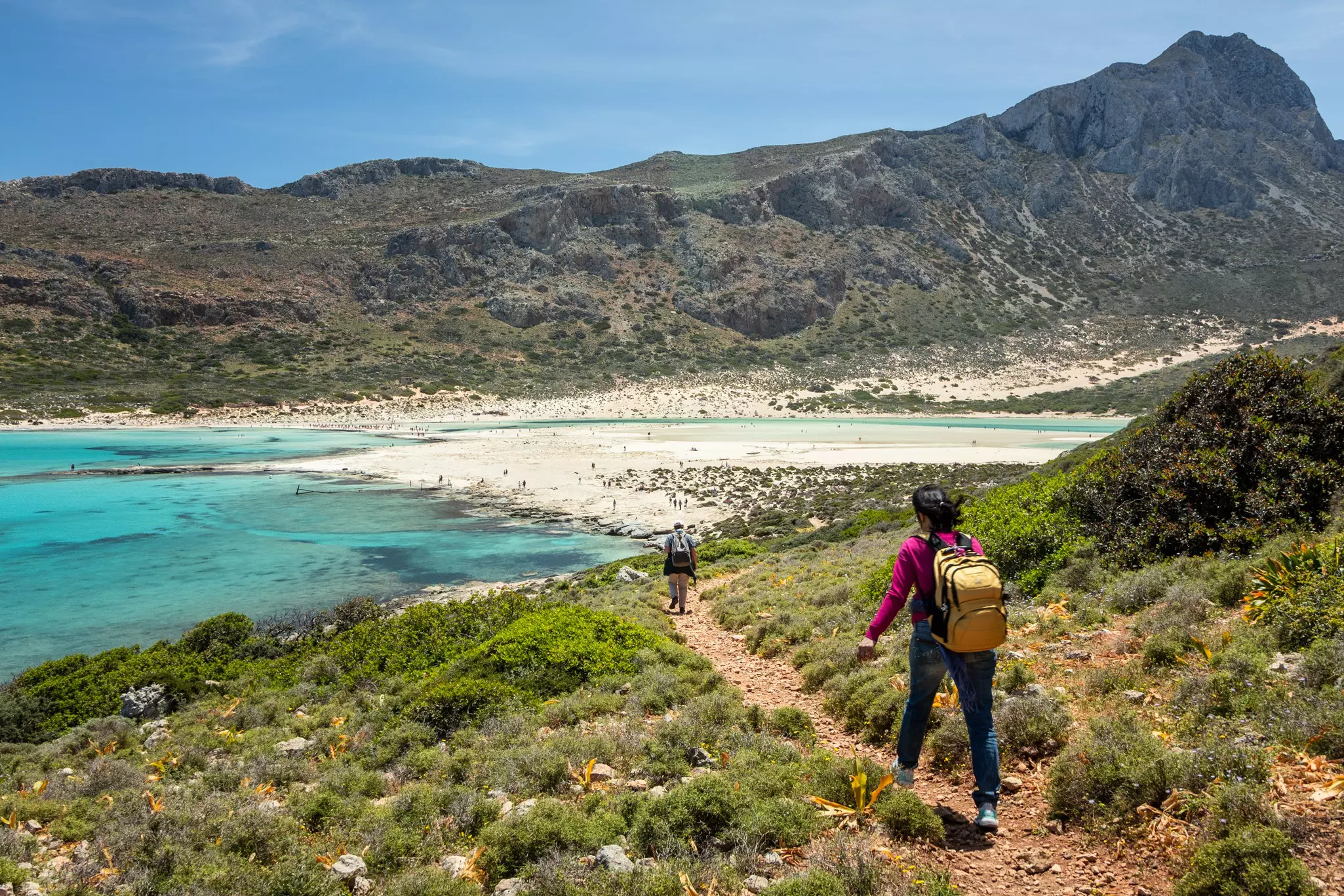
Crete is a legendary destination for summer sunshine, but June to August is the peak season and prices climb as demand soars for flights and accommodations. April to May and September to October are quieter, cooler and cheaper – ideal for exploring the sights in relative calm and getting away from the crowds on walking trails such as the winding path along the Samaria Gorge.
If you really want to save, the winter months see prices fall significantly, but some tourist-facing businesses close and daytime temperatures dip below 15ºC (59ºF). This is fine for sightseeing but less ideal for enjoying the beaches or sitting in outdoor cafes.
We looked at the cost of a hostel bed or a single room compared to a short-term rental or hotel room to determine the ideal daily budget for an island break in Crete. Note that affordability can vary depending on the exchange rate of the euro (€) compared to your home currency.
Solo traveler: €50–100/day
Couple: $100–200/day
Family of four: €150–300/day
To help you plan, here are some sample costs on the island of Crete. Note that larger cities such as Hania and Rethymno and major tourist resorts tend to be more expensive than quieter towns and villages.
Dorm bed at Cocoon City Hostel in Chania: around €20
Budget double room at Oceanis in Sougia: from €60
Self-catering apartment at Big Blue Apartments in Myrtos: around €100
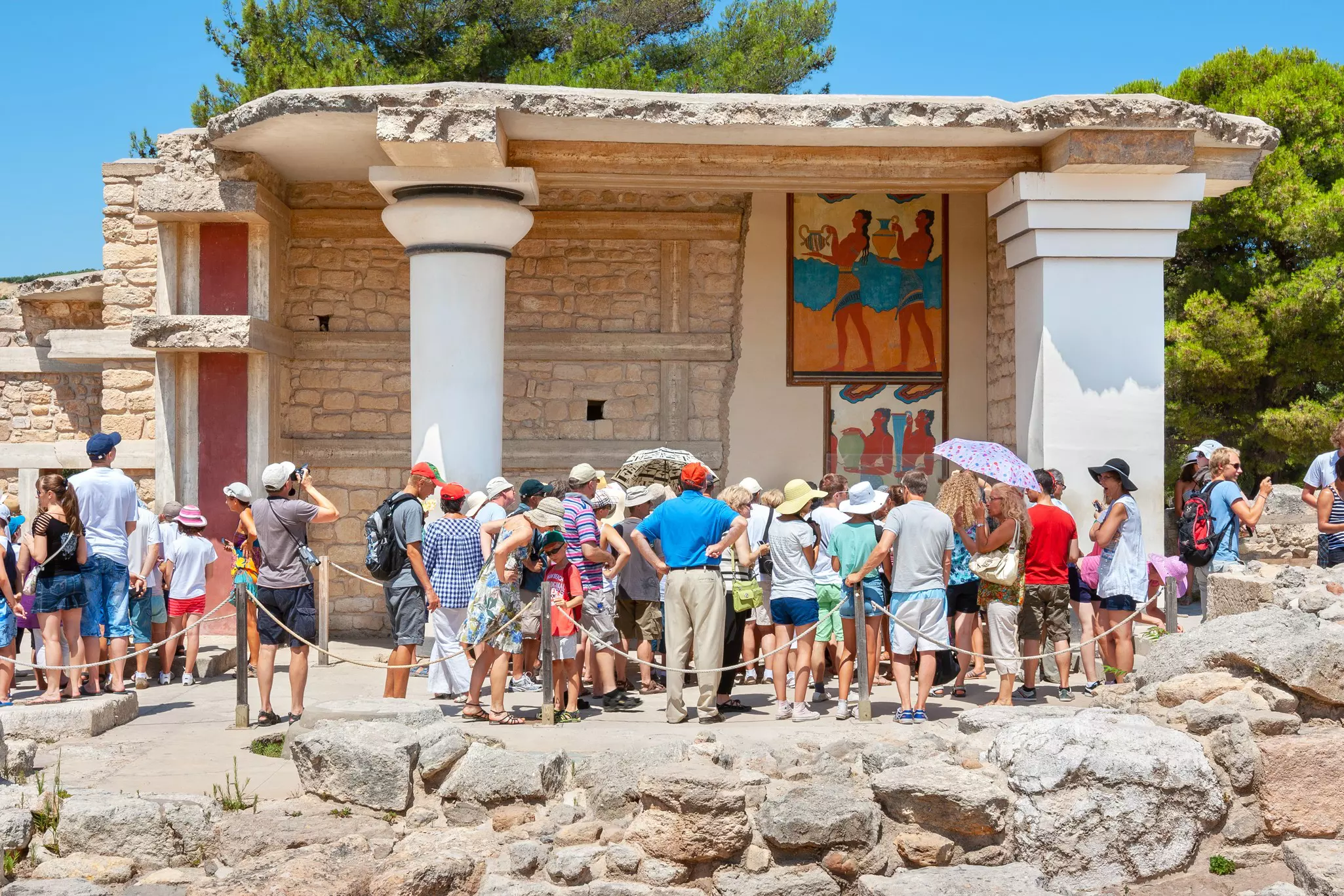
Entry fee to the Palace of Knossos: €20
Local bus ticket: €2–15
Coffee at Skrik in Rethymno: from €3
Souvlaki sandwich at Oasis in Hania: around €5
Dinner for two at Avli in Rethymno: €40–100
A pint of craft beer at Plaka in Hania: from €5
Pastry at Bougatsa Chania in Hania: from €3
Beach umbrella and lounger rental at Paleohora: from €10
Crete has accommodations for all budgets, from all-inclusive holiday resorts where all eyes are aimed at the beach and buffet to family-run guesthouses, boutique hotels and hostels in the heart of the action in Rethymno and Hania. Scroll beyond the high-profile choices on sites like Airbnb and Booking.com to find smaller, family-run accommodations; you'll be rewarded with cheaper prices and also a warmer welcome.
Note that you'll pay for the pleasure of an ocean view. In resort towns, look for apartments and small hotels set back from the beach; that 10-minute walk can save you lots of euros every day. Consider off-the-trail destinations such as smaller villages in the mountains or less-visited beaches like Falasarna, where hotel prices reflect the lack of hype.
Note that because of the scorching heat and blazing sun during summer, camping is not a popular option in Crete (and in winter it's blustery, cold and rainy).
Hostels are most common in Crete's larger cities, though they're also found in some beach resort towns. Recommendations include Kumba Hostel in Hania, with its hip rooms and cool cafe-bar, Rethymno's excellent Youth Hostel, and Intra Muros Boutique Hostel in Iraklio, with its communal kitchen and sociable veranda. A few hotels and apartment places nudge into the budget bracket, including seaside Havania in Agios Nikolaos.
Mid-range hotels, guesthouses and resorts make up the bulk of accommodation in Crete, alongside plenty of B&B-style pensions and apartments for rent. Some of our favorites include Plakia's good-value Alianthos Beach Hotel, Rethymno's Venetian-era Casa Moazzo, and Iraklio's eco-oriented Hotel Green Olive.
With a bigger budget that allows for the odd upmarket stay, Crete has some very stylish boutique hotels and upscale resorts. Architecture fans rate Minos Beach Art Hotel in Agios Nikolaos, Rethymno's Venetian Casa Vitae Villas, and Kapsaliana Village, which spans an entire stone village. For pure beach chic, there's Hersonisos' Abaton Island Resort & Spa.
Visiting the beach is usually free in Crete if you don't hire a lounger and umbrella, and many museums are inexpensive to visit. Walking in the gorgeous countryside also won't cost you a cent, but you'll pay more to visit top-tier sights such as the Palace of Knossos and the island's water parks. Consider visiting some of Crete's less-explored ancient sites, such as Gournia, where entry fees are lower and you can imagine the ruins in their heyday in relative peace and quiet.
It's worth paying the entry fees to enjoy some of the top experiences in Crete.
Palace of Knossos – standard adult entry €20. Book ahead online to make sure you get your preferred entry time slot, particularly for morning visits. There are five free admission dates a year, but they get busy.
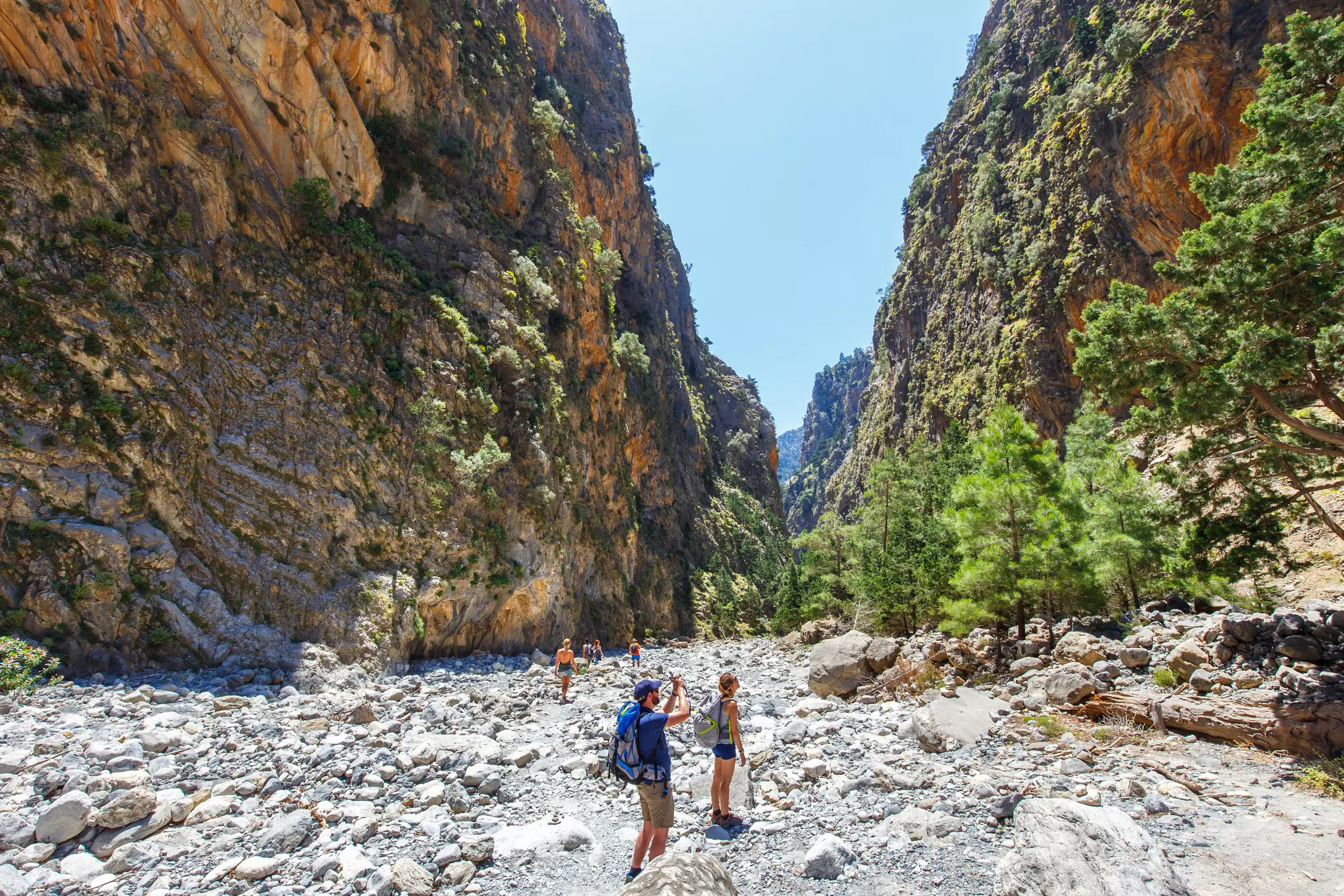
Samaria Gorge – adult admission €10; ferry from the end of the gorge at Agia Roumeli to Hora Sfakion €17. Mornings get busy with hikers in this famous gorge, particularly from June to August. Come in May, September or October for a quieter experience.
Elafonisi Beach – free admission; umbrella and lounger hire €10–15. This sandbar beach gets busy in peak season, but it's undeniably gorgeous. Find calmer sands nearby at Kedrodasos Beach, 2.5km east.
Spinalonga Island – adult admission €20, boat ticket €12–16. Exploring this storied island near Elounda is an easy family adventure; save a little by taking the boat from Plaka rather than Elounda or Agios Nikolaos.
Fortezza of Rethymno – adult entry €4. There's plenty to see at Rethymno's sprawling Venetian fort, from mosques and barracks to secret passageways. Bring an umbrella for shade in summer.
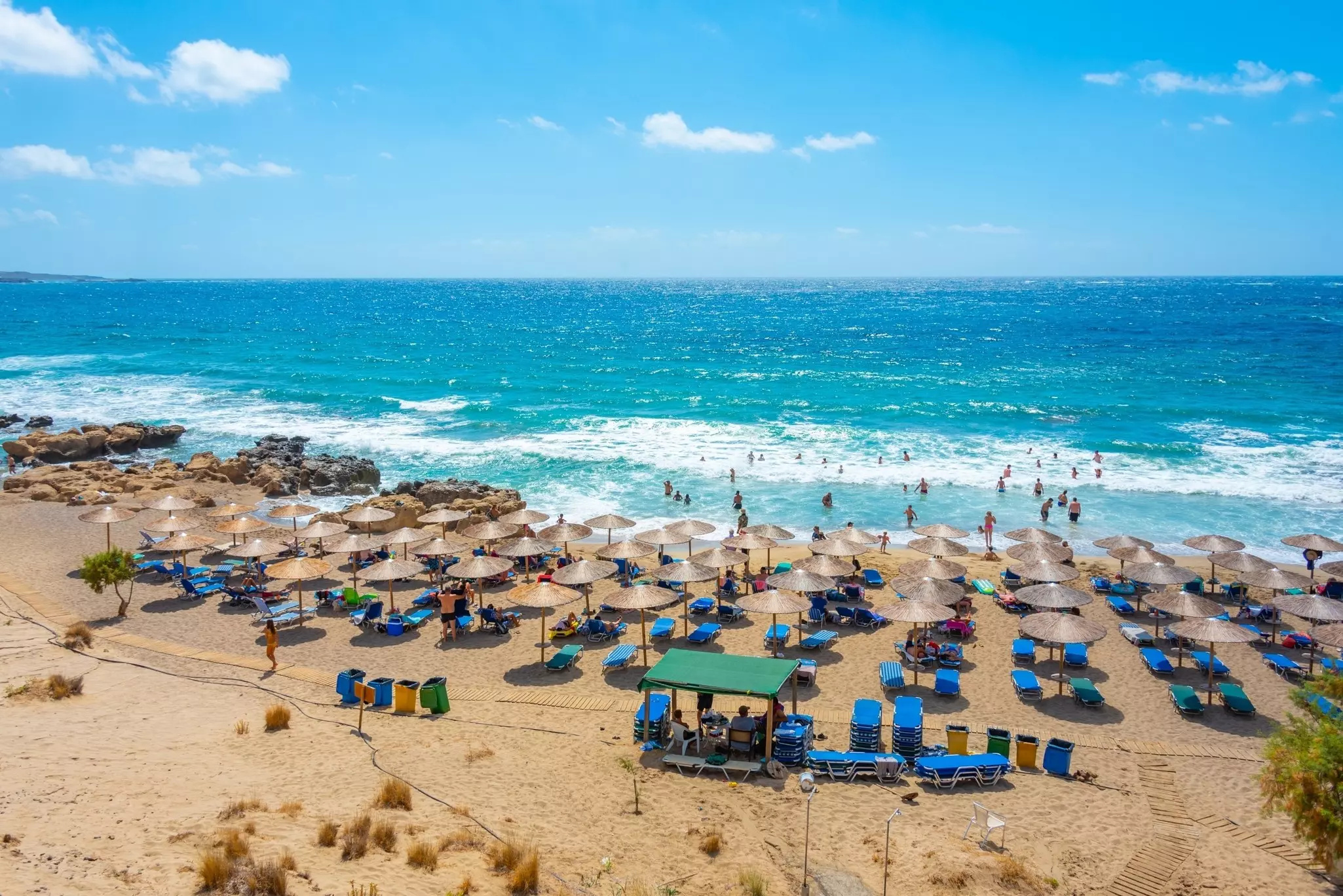
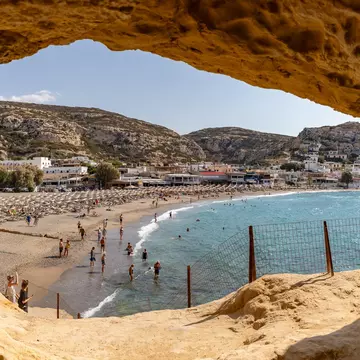
Enjoy beaches, everywhere – there's no fee to access Crete's gorgeous beaches, so make full use of the sands and bring a picnic lunch (much cheaper than eating at a waterfront taverna).
Ierapetra Archaeological Museum – get a lot of history for a modest entry fee, in the appealing town of Ierapetra.
Take the south coast shuttle boats – prices are modest to ride the small ferries between Hora Sfakion and villages and beach-fronted villages such as Agia Roumeli, Paleohora and Elafonisi.
Graze the tavernas of Hania – meals are a feast in Crete's best town for foodies, and prices drop as you head inland from the water.
Cycle the Lasithi Plateau – public transport is limited on this scenic, windmill-dotted plateau, but you can take a public bus to Malia, then rent a bike or E-bike.
Relive Roman times at Gortyna – Roman basilicas, temples and civic buildings await at this impressive, less expensive ancient site.
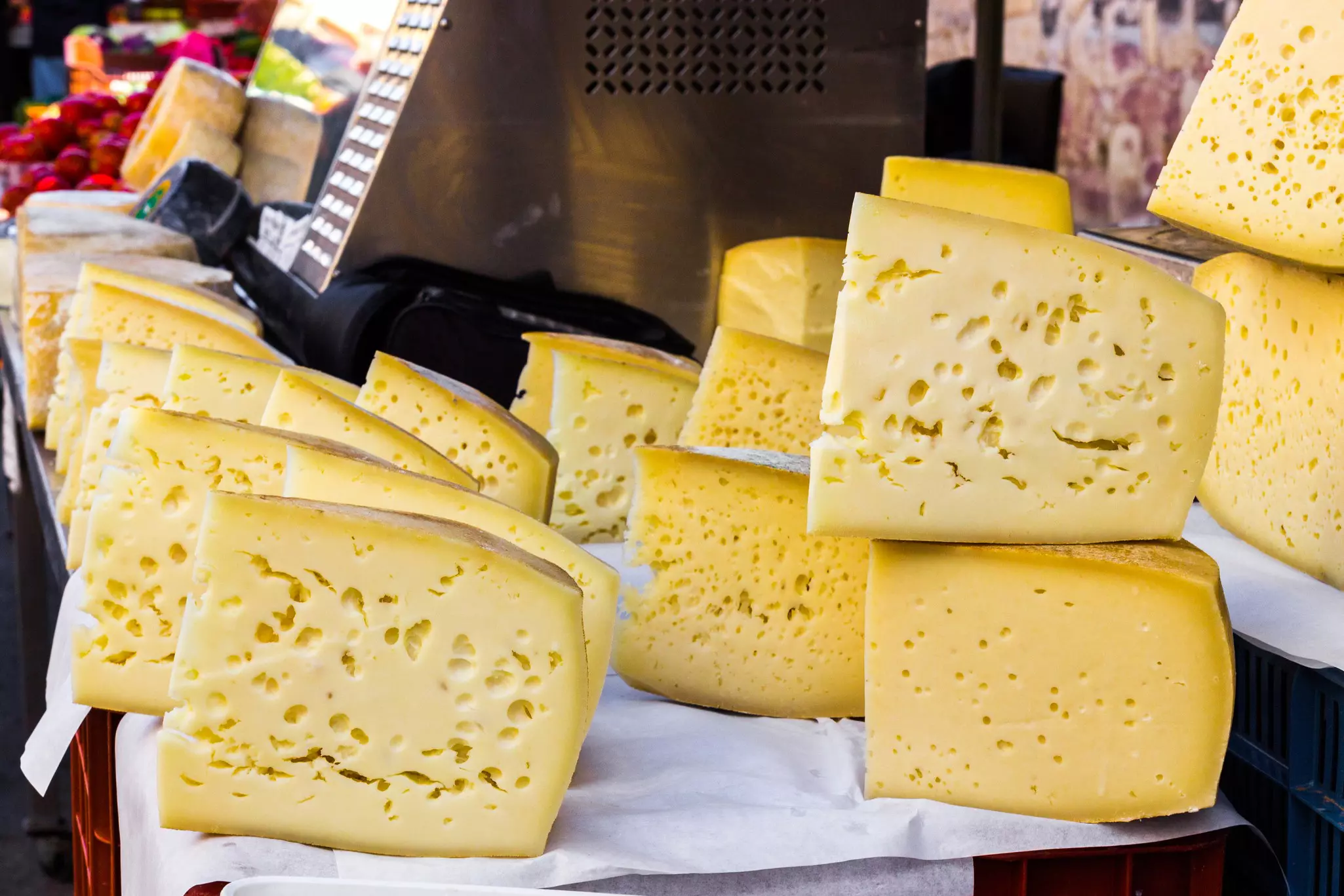
The simplest way to find cheap and good eats in Crete? Ask a resident! People who live and work in Crete need to eat too, and they are often happy to share their off-the-beaten-path recommendations for souvlaki stands, scent-filled bakeries and budget tavernas.
No matter how popular and touristy a town, a quick jaunt down the back alleys away from the waterfront, or away from the main flower-bedecked squares, can yield excellent options for a low-cost feed. Cretans relish a good meal, so if you go where they go, you'll eat and drink well.
Alternatively, shop at the market and self-cater. Every town has a marketplace – often thronged with vendors daily – where Crete's superb produce and prepared foods are sold, including whatever is in season. This is the best way to enjoy the island's famous local treats (even the olive oil is divine) and just browsing the stalls is a mouthwatering delight.
Since some of the best-value accommodations often include self-catering kitchens, you'll be well-equipped to prepare your Cretan treats. With or without cooking facilities, fridges are common in rooms, so at the very least, you can assemble ingredients for a picnic before you head out for the day.
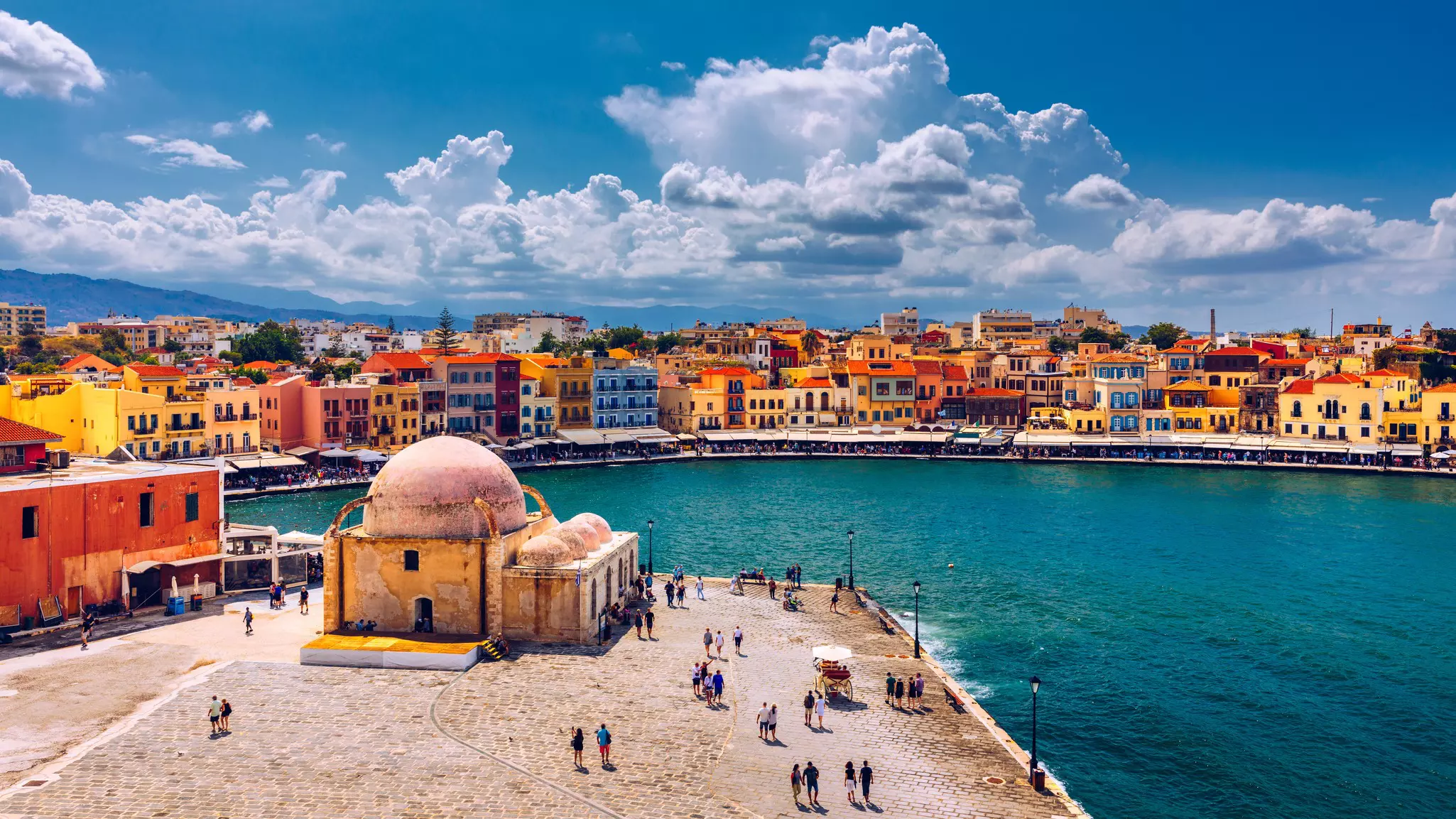
If you're coming to Crete from Athens, there are many fast ferries to Iraklio and Hania in summer, and less frequent services in spring, fall and winter. This can be cheaper than flying, and it's much more enjoyable arriving by water in the fresh air. Compare the cost of a ticket to bring your own car to the cost of flying and hiring a car on arrival.
Where ferries offer a real advantage is on trips between Crete and other islands. From late April through October, routes – mostly from Iraklio – radiate out across the Aegean. You can be in Santorini (Thira) in as little as 2 hours, which can be a cheaper and less hassle option than flying.
If you prefer to reach Crete by air, look out for deals on budget carriers such as Jet 2, Ryanair and Easyjet, and consider flying to Hania rather than the busy airport at Iraklio (Heraklion). Good deals abound even in summer if you book early. Note that the number of flights to the island plummets in winter, so don't expect to find bargains then.
Package holiday deals can be good value for travel to Crete if you book ahead, though massive savings are rare in the high season. The best time to save money on a trip to Crete is during the shoulder seasons from April to June and September and October. During these months, the weather is still warm and sunny but visitor numbers are lower, so hotels and airlines offer discounts to tempt visitors.
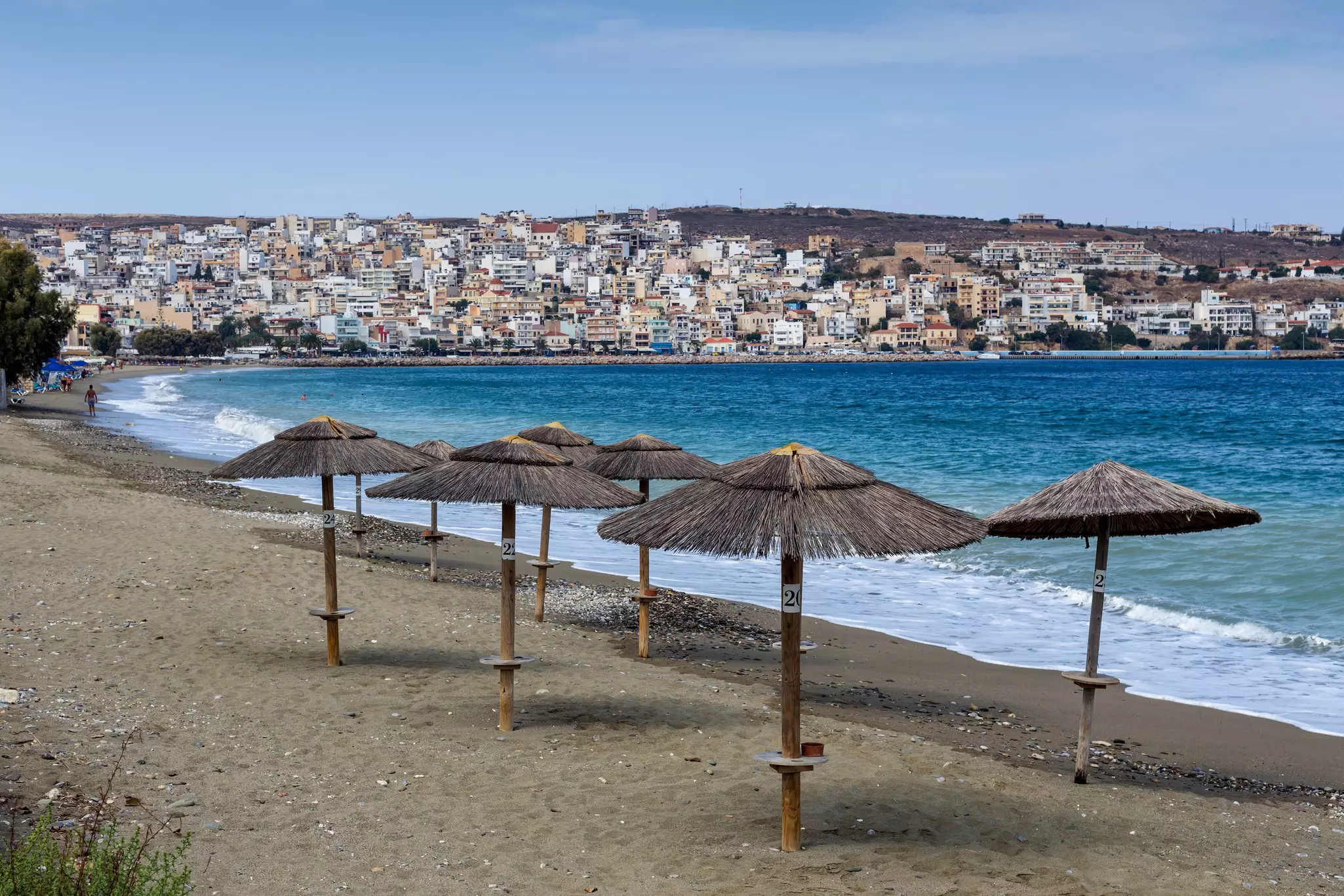
From April to October, you can get to all the main areas of Crete using public buses, though services between coastal hubs are more frequent than buses to villages inland and more remote beaches. Many routes are served less frequently in winter. Plan your travel using online schedules on the websites for western Crete, with services centered on Hania, and central and eastern Crete, with services centered on Iraklio.
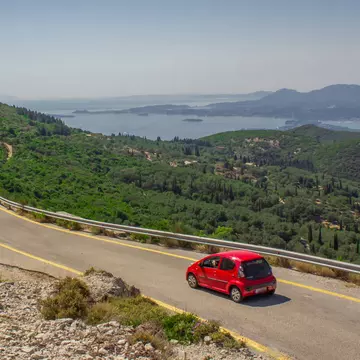
Renting a car in Crete can be expensive, or it can be affordable with some forward planning. If you plan to rent a car for much of your stay, look for package deals that include a rental car along with accommodation to save. If booking your car separately, start your search as far in advance as possible, as last-minute deals are rare.
Rent a car only on the days you really need it, such as when exploring mountain villages or touring Iraklio's wine region. Besides money, you'll save on the considerable hassle of finding parking in Crete. Ask at your accommodations for local rental car providers; you may find that the owner has a relative ready to make a deal for a car that would otherwise sit empty for a day.
Ferries can be a fun and cost-effective way to hop along the coast in some areas. For example, trips on the small ferries linking Hora Sfakion to surrounding coastal villages will turn getting to the beach into a mini-adventure, with fares as low as €11.
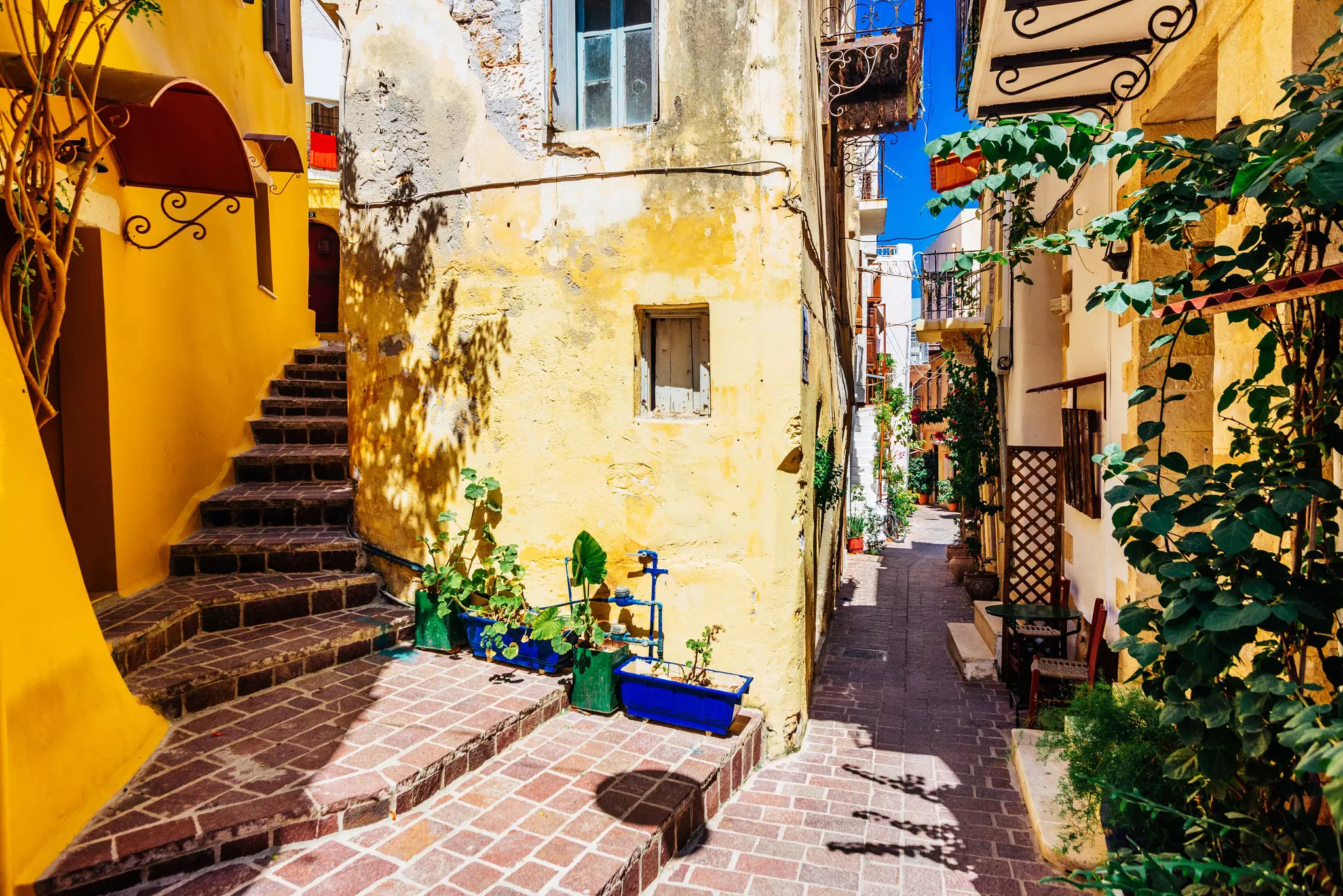
Wandering the evocative, charming and historic lanes and alleys of the old towns such as Hania and Rethymno costs nothing and it can be one of the highlights of your trip. The same goes for any of Crete's charming traditional villages, both on the coast and in the mountains.
Many beaches have walking and hiking trails that take you to remote, uncrowded beaches or less-visited archaeological sites. Two great examples are the beach at Falasarna on the west coast, and Kato Zakros on the thinly developed east coast. In fact, you'll find hiking trails almost anywhere you go in Crete, including across its mountains, down its gorges and along its coasts.
Sign up for the Lonely Planet newsletter for more travel tips and hacks.
Book your Greece trip with Lonely Planet Journeys
See Greece how it's meant to be seen
Accommodations, activities and ground transportation all taken care of, so you can focus on the fun part. Tell us what your dream trip to Greece looks like, and our local experts will build it from scratch. Or start with one of our itineraries and make it your own.

Explore related stories