Apr 1, 20268 min read
The Best Time to Visit Washington State: A Seasonal Guide Apr 1, 2026
8 MIN READ

Writer
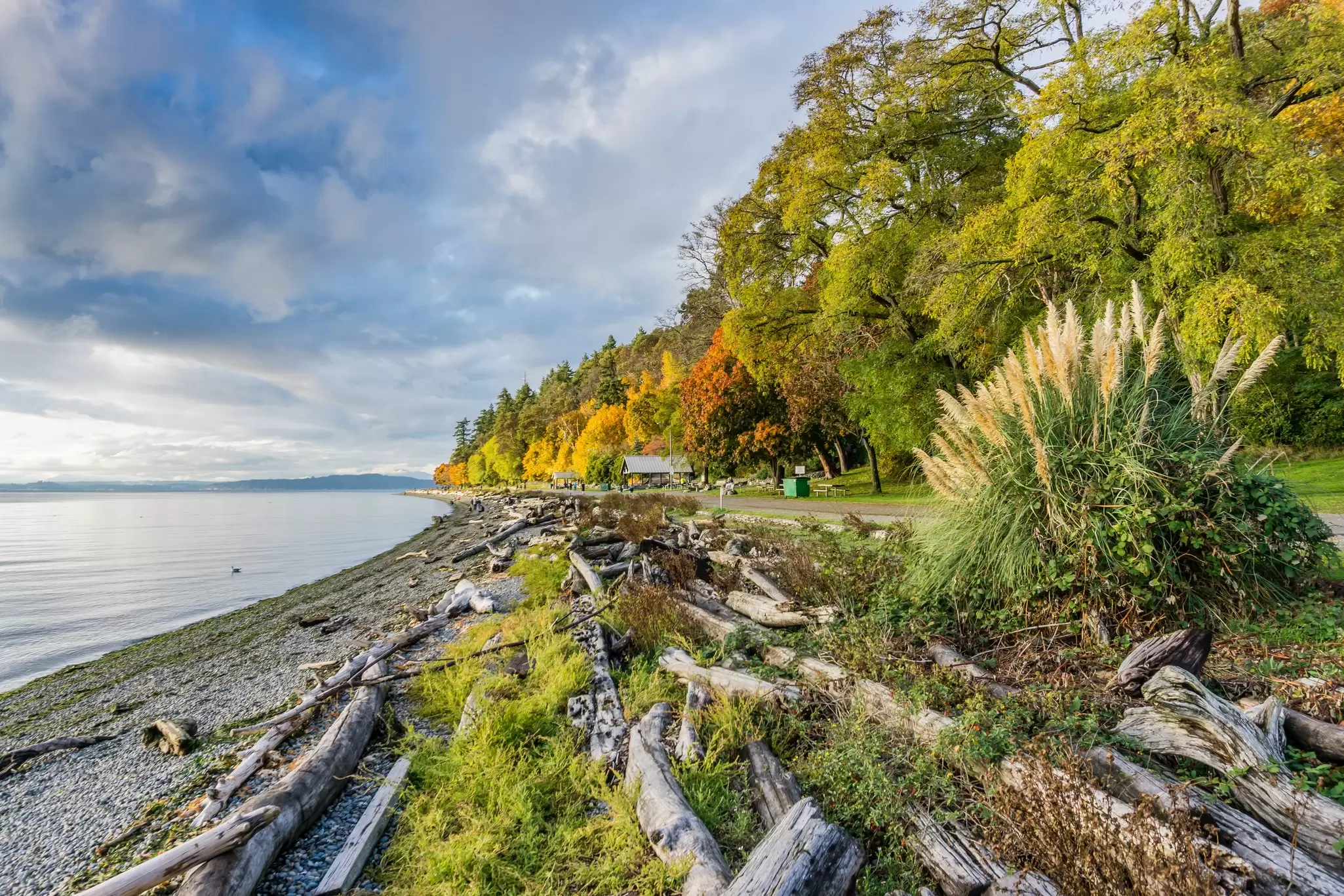
Trees covered in fall colors along the shore at Lincoln Park in West Seattle, Washington State. gmc3101/Getty Images
Writer
Highlights
Writer Becky Ohlsen maps Washington State's seasons for hiking, skiing and fewer crowds.
Head to Mt Rainier's Paradise trailheads or kayak the San Juan Islands in summer.
Ski the Cascades from November or duck into Seattle's beloved Elliott Bay Book Company.
Visit Skagit Valley's tulip fields in spring; October brings harvest festivals and fall color.
Lonely Planet may earn a commission from affiliate links on our site. All recommendations and reviews reflect our own independent opinions.
Washington’s nickname, the Evergreen State, fits it well. This is a place rich in alpine meadows and old-growth forests, lakes and rivers, waterfalls and wildflowers. And what makes all this green beauty possible? Rain – lots of it. This corner of the Pacific Northwest (and its largest city, Seattle) have a well-earned reputation for wet, drizzly weather.
But that’s only half the story. The Cascade Mountains divide Washington into two distinct parts. On the west side, green forests stretch to the Pacific Ocean, but east of the mountains it’s typically warmer and drier. While the Olympic Peninsula rainforests might see up to 150 inches of rain a year, the eastern parts of the state get less than 10 inches. Meanwhile, the Cascade Mountains get around 200 inches of snowfall each winter (ideal for fans of winter sports).
In Western Washington, daytime temperatures rarely go above 80°F in summer or below 45°F in winter (though winter nights can dip below freezing). Eastern Washington temperatures are hotter in summer and colder in winter, and this part of the state can see 300 days of sunshine a year. Wherever your interests or vacation plans, this is everything you need to know about picking the best time to go to Washington State.
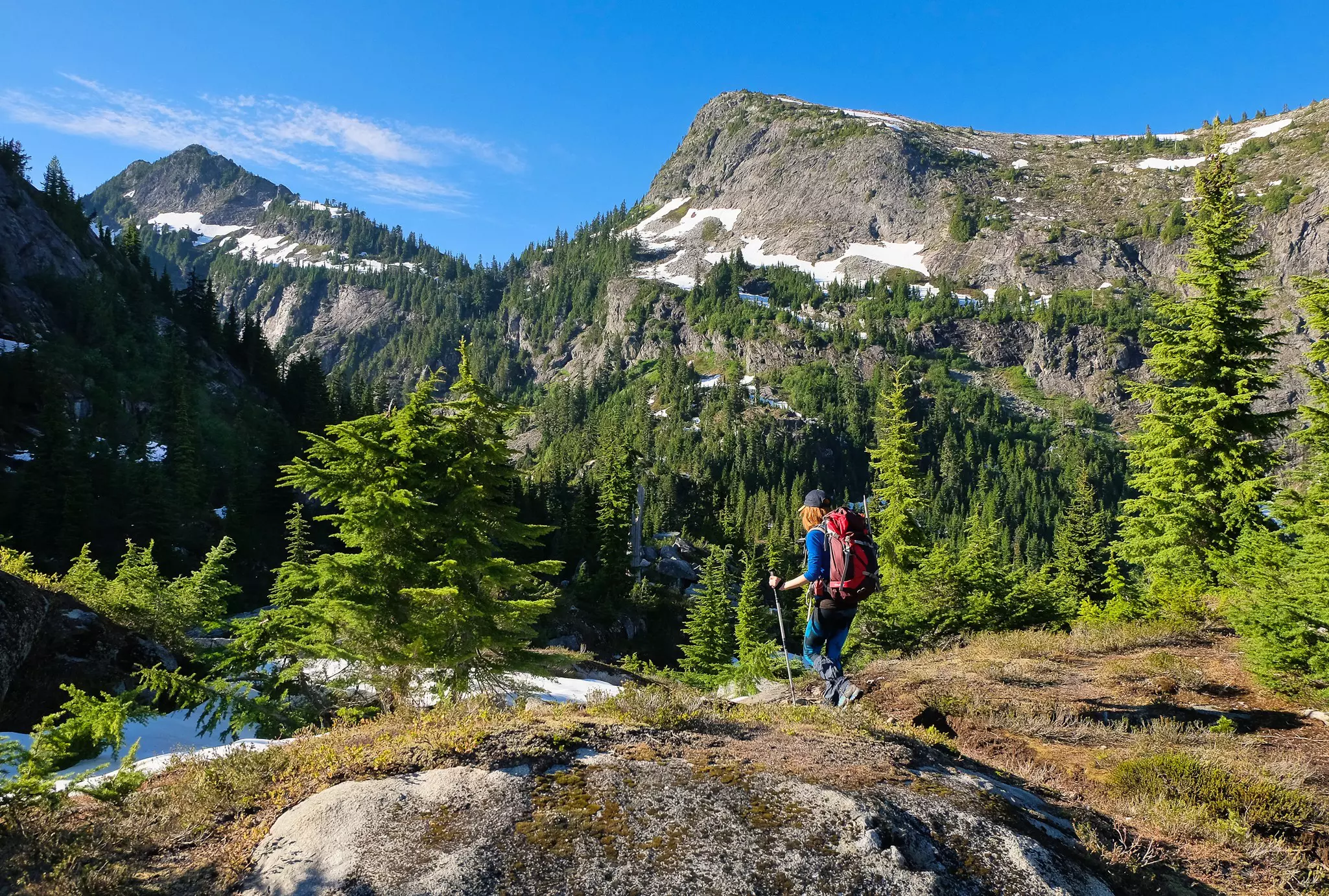
Weather in Washington State in summer: July and August are the warmest and driest months in Washington – even Seattleites get a little sun. Temperatures in Western Washington hover around the mid 70s, while in Eastern Washington gets hotter (80-90°F).
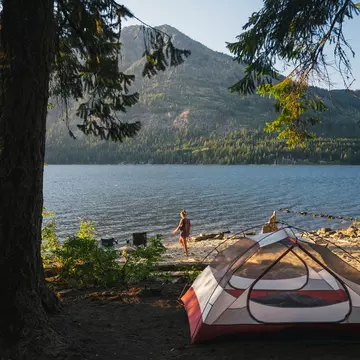
National parks and campgrounds are open, temperatures are mild and the rain has eased, creating beautiful conditions for outdoor activities such as hiking and camping or sipping a beer on the patio. Coastal storms have calmed down, and the ruggedly beautiful Washington coast beckons.
July is officially summer, with warmer temperatures, sunnier days, and bigger crowds to prove it. Hotel prices go up, and there are more people in popular neighborhoods and at big tourist attractions. This is an excellent time for a water-based adventure such as sea kayaking around the San Juan Islands or paddling Puget Sound. July is also great for backpacking into the Mount Rainier wilderness; head to the trailheads at Paradise for a range of great hiking options. Summer concerts kick of with Seafair in Seattle, while the better weather brings color to the fields and this is celebrated at the annual Lavender Festival in Sequim.
Temperatures continue to rise in August and rainclouds disappear, while arts and music festivals pick up. The Capitol Hill Block Party in Seattle attracts major recording artists early in the month and a wonderful celebration of the Makah Tribe of Neah Bay happens during Makah Days. Watch color fill the skies of Long Beach during the Washington State International Kite Festival during the third full week of August. On the east side of the Cascades, heat can be extreme and wildfires are a concern. Riverside and coastal campgrounds are an excellent way to beat the heat, but reserve ahead as they do book up quickly. If you were lucky and wise, you planned ahead and scored a campsite at stunning Kalaloch Beach on the Olympic Coast.
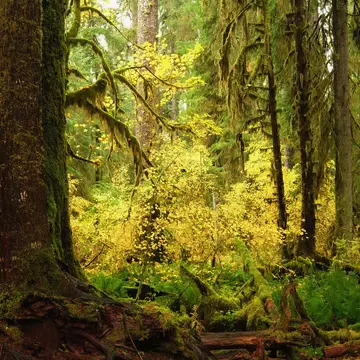
The beginning of fall in September means more or less reliably beautiful days with cooling temperatures and impressive fall colors. Most hiking trails and campgrounds are still open, and are much less crowded than they are in summer, especially after the Labor Day weekend (the perfect time to enjoy the Bumbershoot arts festival at the Seattle Center). The weather is still warm enough for a backpacking trip into the Goat Rocks Wilderness or a day hike in the Enchantments. On four wheels, take a drive up to the Johnson Creek Observatory overlooking Mount St Helens to admire the views. Early fall is also the best time to visit wineries, ideally by bicycle.
Note that Washington State ferries add a summer surcharge to fares from May to September.
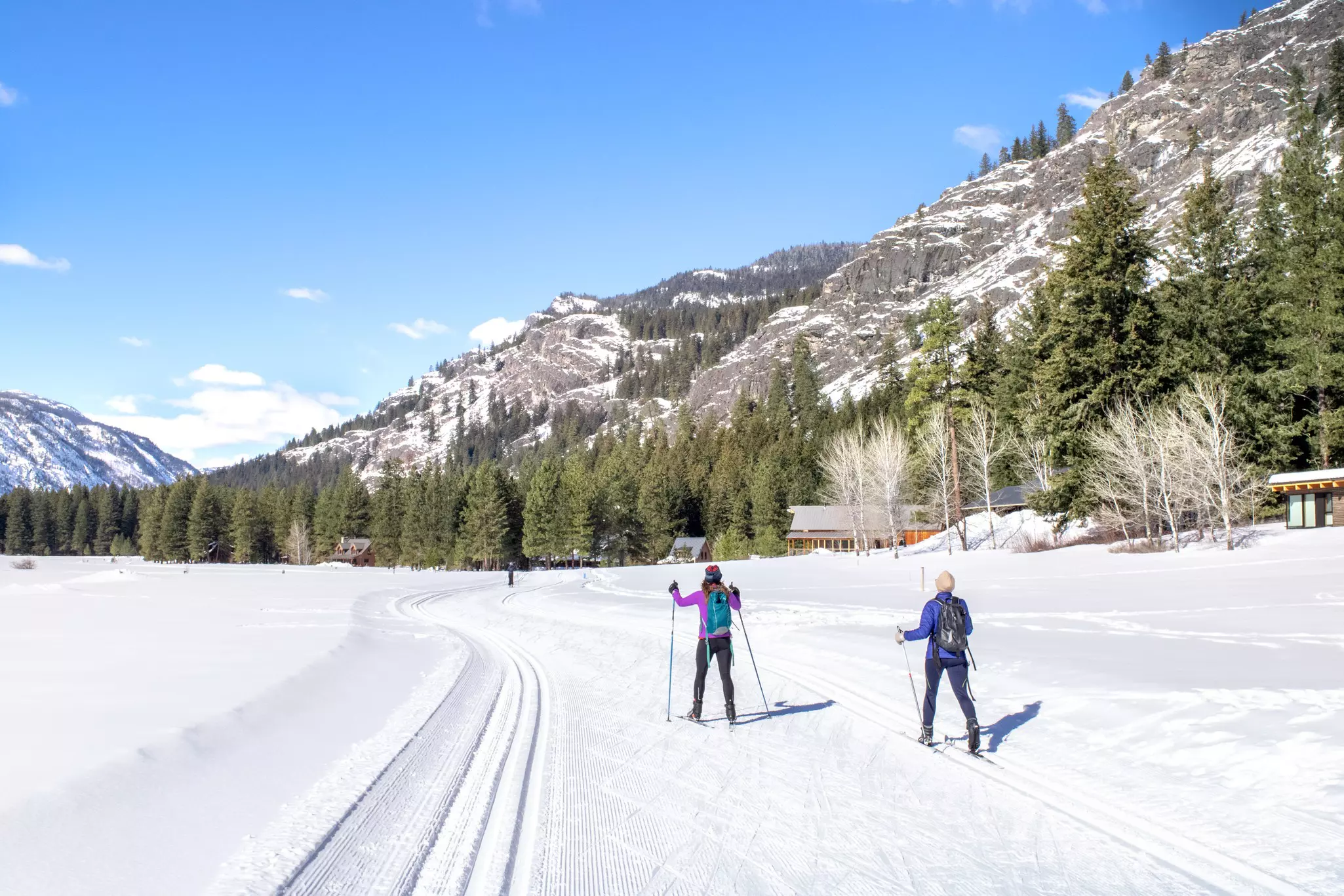
Weather in Washington State in winter: November to January is the coldest and wettest period in Washington (averaging 5-6 inches of precipitation per month). Campgrounds are usually closed, and many back roads are inaccessible. On the plus side, hotel prices tend to be lower.
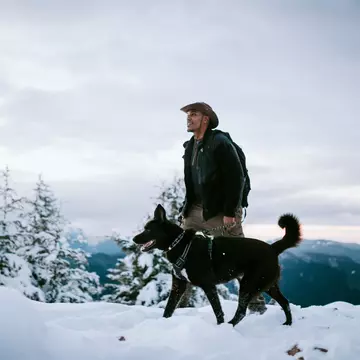
This is technically the low season, but it’s prime time for winter sports. Ski season begins as early as mid-November and continues through to March, though snow lingers at higher elevations into July. Washington has some top-notch alpine ski resorts, as well as countless opportunities for cross-country skiing and snowshoeing. In a good snow year, ski resorts are open by Thanksgiving. If it’s not one of those years, or you’re not a skier, wear layers and focus on indoor activities. This is the time to bundle up and scurry between museums, cafes, pubs, and bookstores (including the beloved Elliott Bay Book Company in Seattle). Or try some interesting wines in Walla Walla, a cute town packed with tasting rooms. Comic book fans can discover new artists and celebrate established ones at the Short Run Comics & Art Festival.
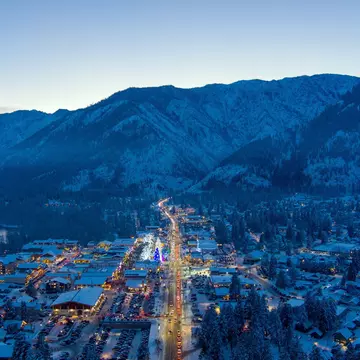
Holiday parades and tree-lighting festivals brighten up the dreary days and long nights of December. In Seattle, look for floating light shows at the Christmas Ship Festival. In the winter-loving mountain town of Leavenworth, all of Front Street is aglow, and the year-round Christmas decorations shop finally makes sense. Look for cheap flights for the ski season; The Summit at Snoqualmie is just an hour’s drive from Seattle.
Western Washington in January can be pretty gloomy, with many unbroken cloudy days and lots of cold rain. But if you’re a skier or snowboarder, this is a great time to head for the hills, where the high elevation turns all that precipitation into fluffy powder. In cities, it’s perfect weather for snuggling into a cozy pub or coffee shop with that new book you got for Christmas. For nature lovers, this is the peak time to take an eagle-watching excursion along the Skagit River. Locals gather together to illuminate the darkness with fun and fireworks at the Lake Chelan Winterfest.
The cloudy days continue, but at least February is a short month! Seek out Valentine’s Day specials at wineries and fine restaurants, like a three-course dinner at the Hotel Sorrento or the all-vegan Cafe Flora in Seattle. Rent a house with a fireplace on Long Beach Peninsula, or avoid the hassle of winter driving and take an Amtrak train to Leavenworth to recapture some of that festive sparkle.
Little hints of spring begin to pop up in March, especially in the eastern half of the state. In Seattle, Pike Place Market celebrates spring with Daffodil Days, alongside food tours and cooking classes. Hotel prices and airfares are relatively inexpensive, and the summer crowds have yet to arrive. Spend a rainy day at the Museum of Pop Culture, or play some pinball at the Racket in Bellingham. Foodies will love the Taste Washington festival, a celebration of all things epicurean, and a pop culture juggernaut rolls into town at Emerald City Comic Con.
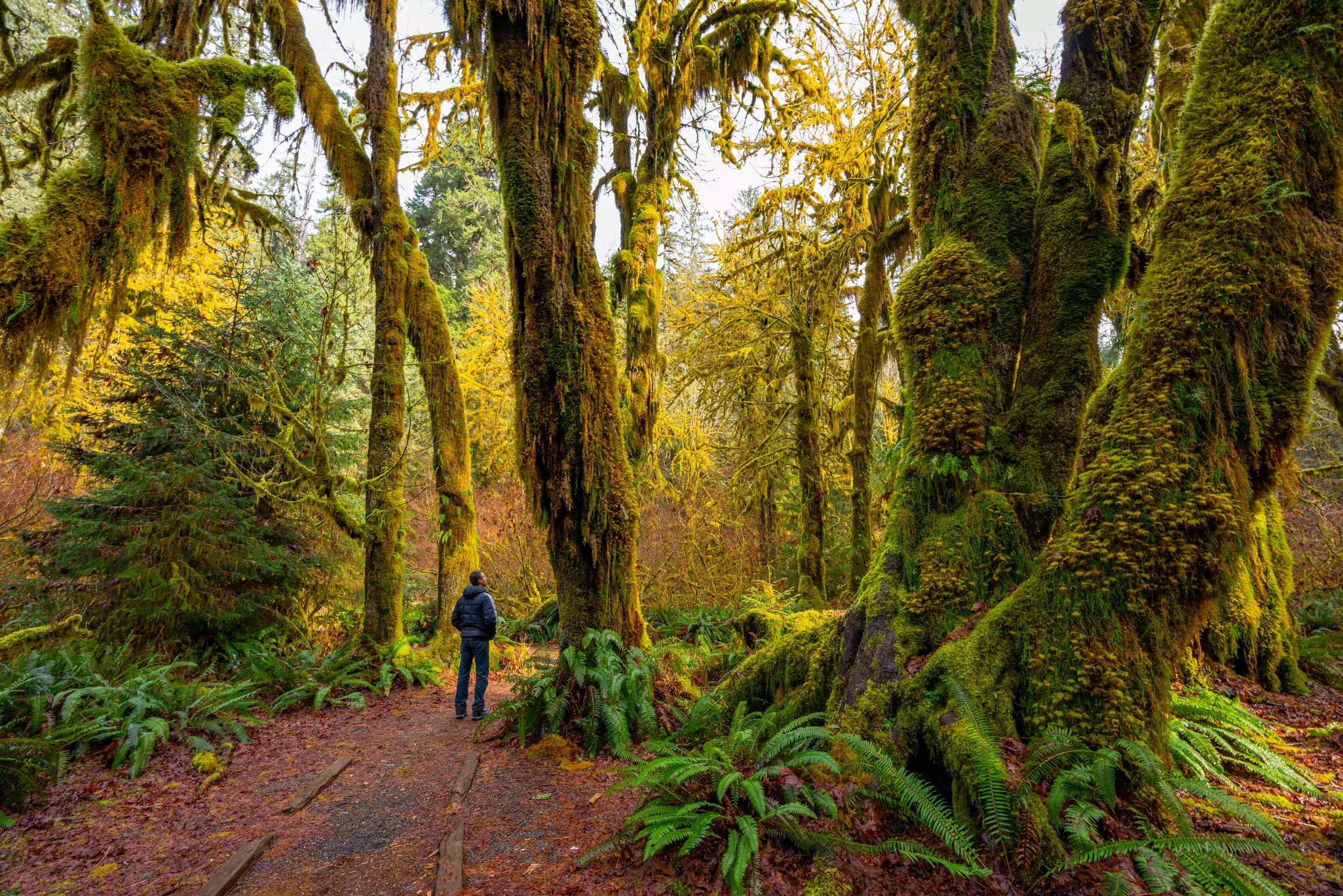
Weather in Washington State during shoulder seasons: The shoulder seasons – covering the early spring and fall – can be an ideal time to visit if you’re hoping to avoid the crowds, and are willing to take your chances on the weather. It’s likely to rain on you, but you may also get lucky with a few glorious spring or fall days.
April is considered the beginning of the end of winter in the Cascade Mountains; snow might continue to fall, but most of the year’s big powder dumps have already been delivered. Elsewhere, flowers are blooming, temperatures are warming and locals are emerging from the winter gloom. A pro tip: pack your rain gear and your sunglasses, because, well, you never know.
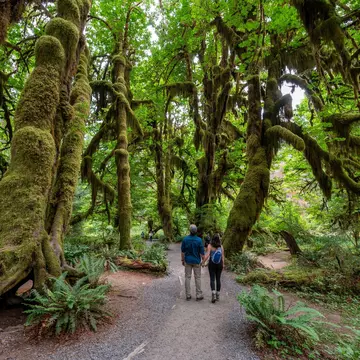
Snow-packed roads mean it’s not the best time for exploring the wilderness, but April usually brings perfect weather for scenic drives at lower elevations – check out the colorful fields of tulips in the Skagit Valley, or visit the intensely green and mysterious Hoh Rainforest on the Olympic Peninsula.
May in Washington can be delightful, though it's also frequently damp. Wildflowers and orchard blossoms are going strong by now, and as long as you remember your raincoat you can basically live a normal life. Whale-watching boat tours are a great family activity for May, and visiting any of the San Juan Islands is almost mandatory, whether you're camping, glamping or on a cycling, driving or sea kayak tour. Drop by Poulsbo to celebrate their Scandinavian heritage at the annual Viking Fest and enjoy all things cultural and artistic at the Northwest Folklife Festival later in the month.
Springtime continues to morph into summer as more campgrounds and trails open up and early tourist activities begin in June. If you’re lucky, you’ll get summer-like weather without the summer crowds. Outdoor festivals are everywhere, such as the Leavenworth Accordion Celebration and Seattle PrideFest; head to Seattle’s Fremont neighborhood for a definitive dose of Pacific Northwest street life.
Sometimes there’s an amazing “second summer” in October, with gorgeous warm days, fall colors, and few crowds. Even if the weather doesn’t get that warm, this is a beautiful time of year in the Pacific Northwest. It's usually a little cold at night for camping, but it can still be worth it if you come prepared. Harvest season makes this a great time for food and wine; check out the annual Fall Festival at Seattle’s Pike Place Market.
Book your United States trip with Lonely Planet Journeys
See United States how it's meant to be seen
Accommodations, activities and ground transportation all taken care of, so you can focus on the fun part. Tell us what your dream trip to United States looks like, and our local experts will build it from scratch. Or start with one of our itineraries and make it your own.

Explore related stories