Mexico
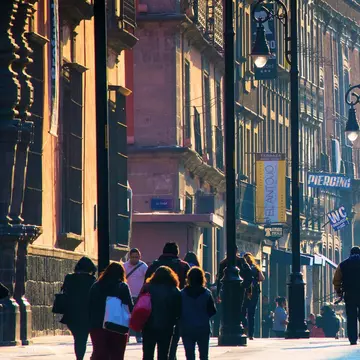
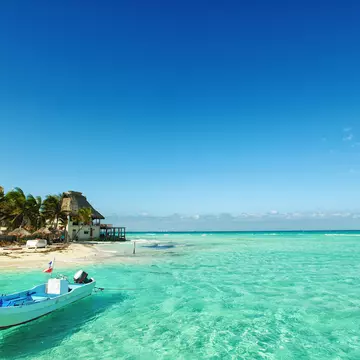
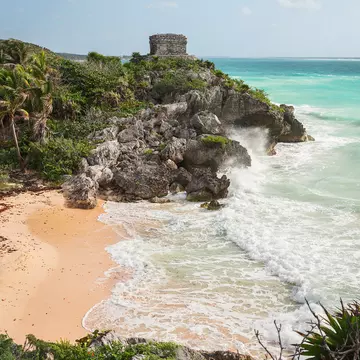
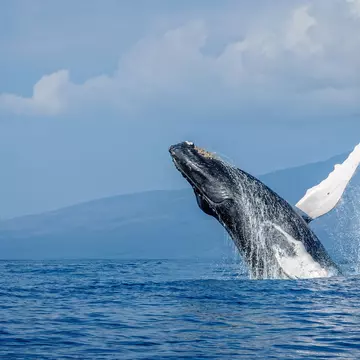
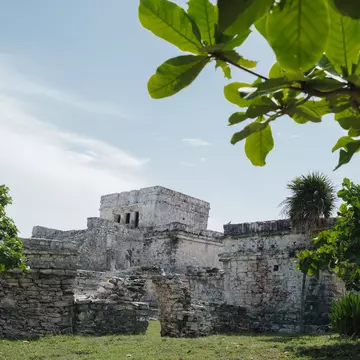
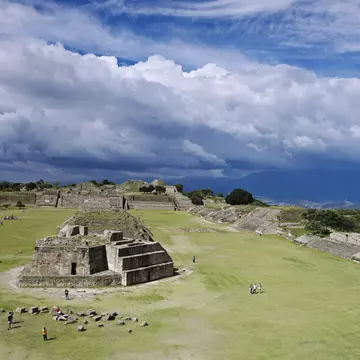
Get blown away by ancient cities and towering pyramids that have withstood the test of time. Meet indigenous people who continue to practice the traditions passed down from their ancestors. Strap on your boots and go on wild adventures in remote, virgin jungles. Come face to face with unique wildlife and marine animals. Frolic at sun-kissed beaches, spearmint natural pools and dreamy waterfalls. Chow down on sizzling street tacos or dine in style at Michelin-starred restaurants. Down mezcal and tequila in old-school cantinas. Mexico has all of this and much, much more. Not sure where to start planning your Mexico trip? Get inspired with tips on top attractions, the best beaches, Maya ruins, when to visit and more expert advice on Mexico travel.
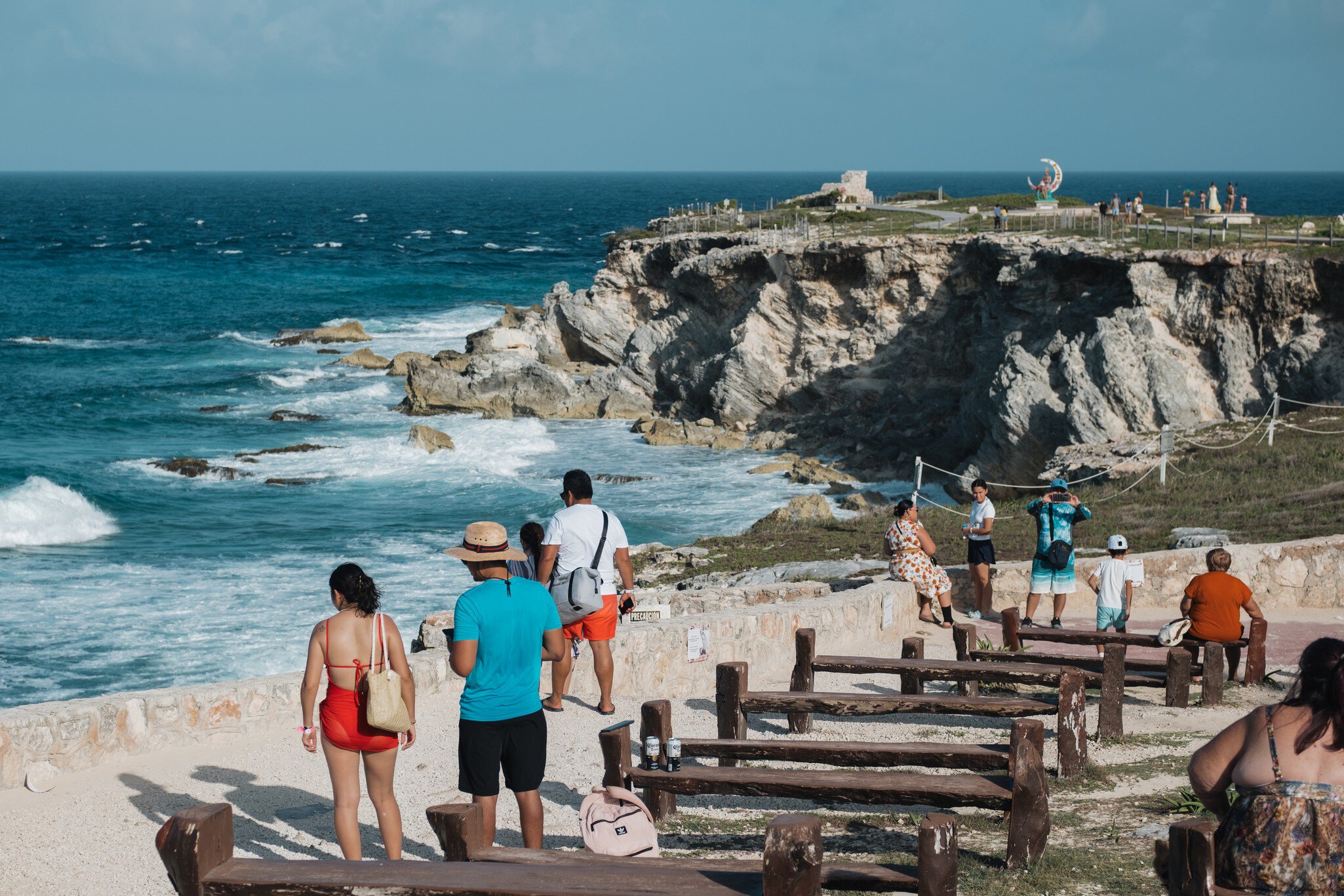
Fernando Farfán for Lonely Planet
Latest Stories
- Amelia Mularz | Sep 21, 2026A Guide to Valle de Guadalupe, Mexico
- Regis St Louis | Sep 20, 20269 Best Places to Visit in Mexico
- Liza Prado | Aug 11, 2026A Guide to Día de Muertos in Mexico
- Lonely Planet Editors | Jun 22, 202614 Best Beaches in Mexico
Book
Trip 
App

Book your Mexico trip with Lonely Planet Journeys
See Mexico how it's meant to be seen
Planned by local experts and tailored to you, Lonely Planet Journeys handles the logistics so you can just enjoy the trip. Tell us what you want and we'll build your Mexico itinerary from scratch, or browse our bookable trips to get inspired.

Top places to visit in Mexico
Discover the best attractions in Mexico from must-see sights to unexpected hidden gems.
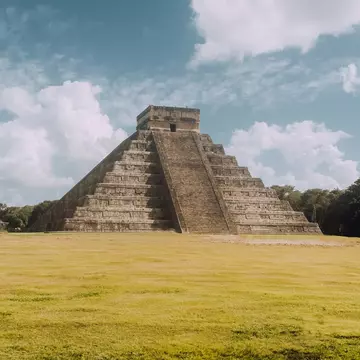
- Attraction in MexicoChichén Itzá
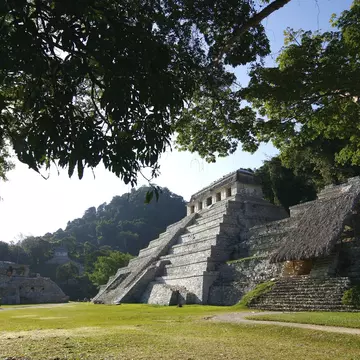
- Attraction in MexicoPalenque Ruins
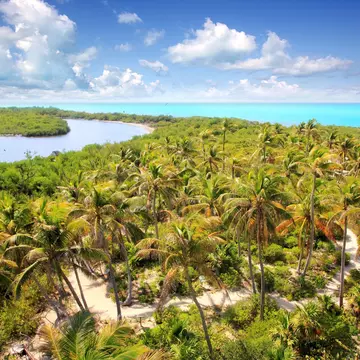
- Attraction in CancúnParque Nacional Isla Contoy
-
 Attraction in La PazPlaya Balandra
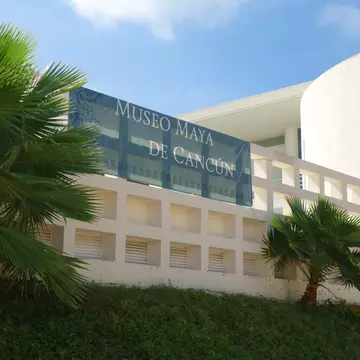
 - Attraction in CancúnMuseo Maya de Cancún
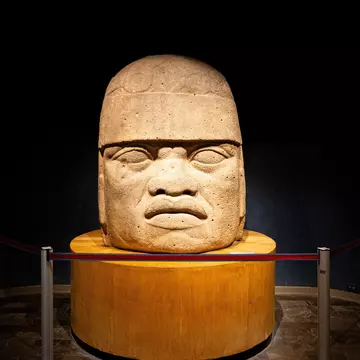
- Attraction in Polanco & Bosque de ChapultepecMuseo Nacional de Antropología
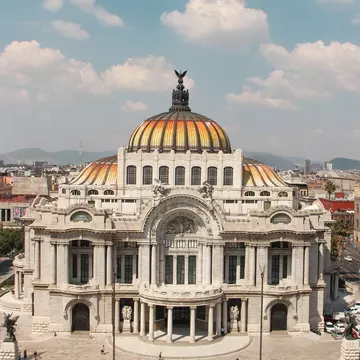
- Attraction in Mexico CityPalacio de Bellas Artes
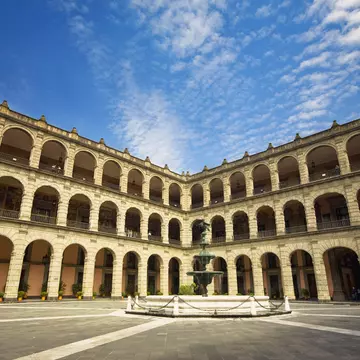
- Attraction in Centro HistóricoPalacio Nacional
Travel Guides
Mexico travel tips from Lonely Planet experts
Find practical guidance from our team of contributors around the world who bring their decades of first-hand travel experience to your next trip.
Best Things to Do
From swimming in cenotes and eating street food to soaking up the history and culture of this vibrant nation, here are the best things to do in Mexico.
Read full article
Best Time to Visit
Beach lover, culture maven, history buff or foodie – Mexico has a perfect time for you to experience its countless treasures.
Read full article
Transportation
From ski slopes and jungle to deserts and sublime stretches of sand, expect to use many transport options to get around the world's 13th biggest country.
Read full article
Best Road Trips
Fuel your wanderlust on the open road in Mexico with these epic drives.
Read full article
Money and Costs
Soak up history and art without spending a cent, and find out how to make every peso stretch further with our top tips for visiting Mexico on a budget.
Read full article
Traveling with Kids
Family is at the center of daily life in Mexico, and children are warmly welcomed almost everywhere. Here are the top things to do with little ones in tow.
Read full article
Best Places to Visit
Mexico's beauty goes far beyond the resort strips and tourist hotspots that dominate most vacation itineraries
Read full article
Accessibility
The Mexican government voted to introduce hefty fines for hotels, restaurants or other coastal businesses who block public access to the country’s beaches.
Read full article
Get Connected
Mexico’s best experiences are worth writing home about. Here's how to keep your cell connected.
Read full article
Get a book. Get inspired. Get exploring.

in partnership with getyourguide
Book popular activities in Mexico
Lonely Planet may earn a commission from affiliate links on our site. All recommendations and reviews reflect our own independent opinions.
Mexico and beyond
- destinationMexico City
- destinationCancún
-
 destinationCentro Histórico
 - destinationYucatán Peninsula
- destinationCoyoacán & San Ángel
- destinationCentral Pacific Coast
- destinationQuintana Roo
- destinationOaxaca