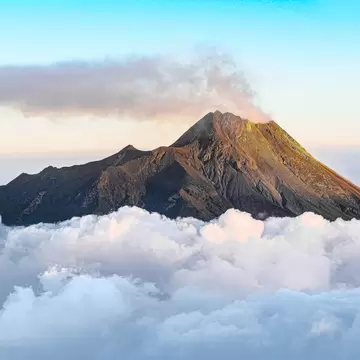
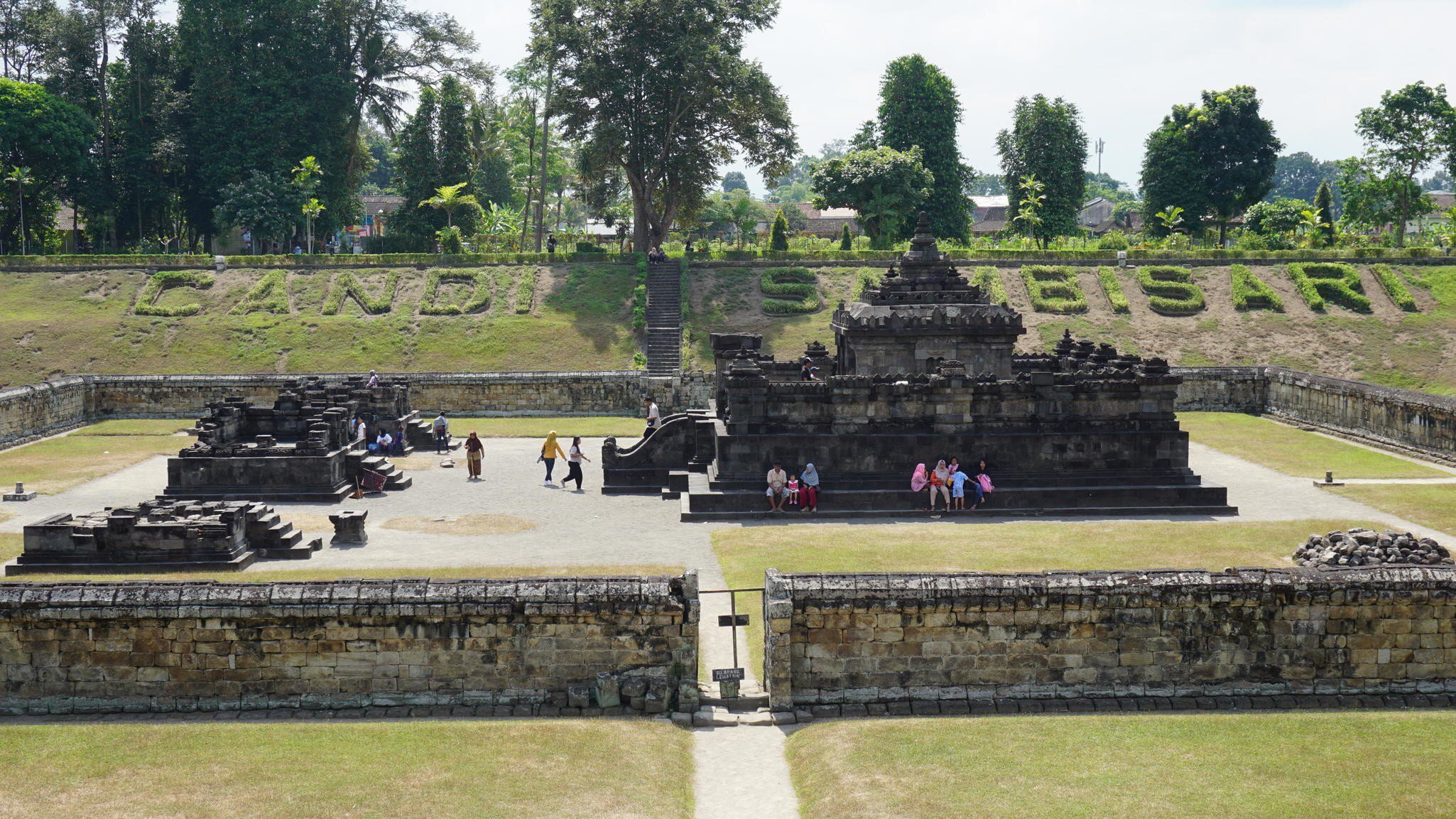
One morning in 1966 a farmer was working his field near Yogyakarta when his hoe hit something solid. He noticed that the rock was carved but it was far too deep to dig it out – and it would be another 21 years passed before that rock – and the temple below it, now known as Candi Sambisari (50,000Rp) – was fully excavated. The "sunken" 9th-century Hindu temple was buried layer by layer during multiple eruptions from Gunung Merapi’s crater, which lies 29km to the north. The main temple is fronted by three sturdy perwara guardian temples, and the whole complex – complete with stone deities and male Lingga and female Yoni statues – was unusually well preserved during the centuries underground. Candi Sambisari is a 15-minute drive west of Prambanan; it’s open 8am to 4pm on weekdays and 7am to 5pm on weekends.
Candi Sambisari
Ty/Alamy
Book popular activities
Lonely Planet may earn a commission from affiliate links on our site. All recommendations and reviews reflect our own independent opinions.
Contact
Address
Must-see attractions
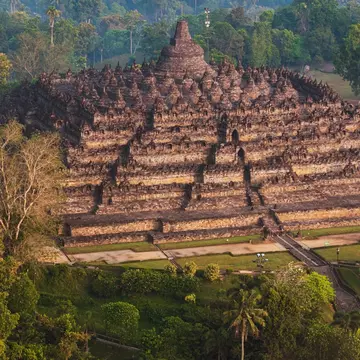
- Attraction in IndonesiaBorobudur Temple
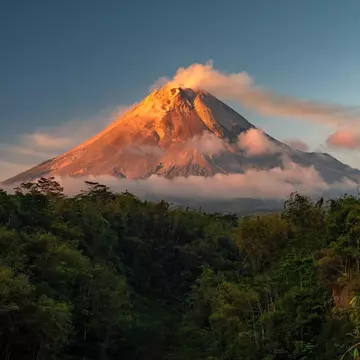
- Attraction in IndonesiaGunung Merapi National Park
-
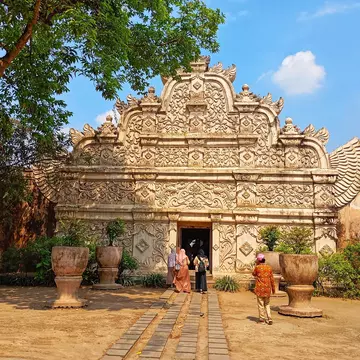
- Attraction in YogyakartaTaman Sari
- Attraction in IndonesiaGunung Merapi
-
- Attraction in IndonesiaKraton Ratu Boko