May 13, 20266 min read
9 Things You’ll Want to Do in the French PyreneesMay 13, 2026
6 MIN READ

Writer
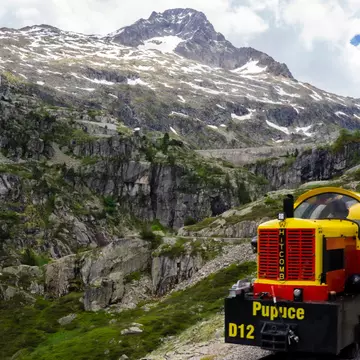
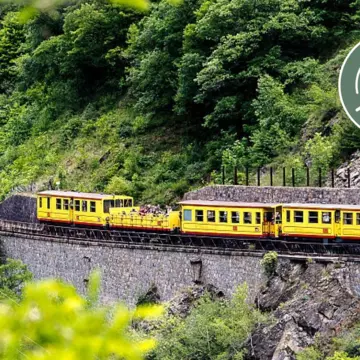
Le Train Jaune (Yellow Train) in the French Pyrenees. imelenchon/Getty Images
Writer
Highlights
Writer Samantha McGarry's nine Pyrenees picks range from hikes to coastal snorkeling.
Stand beneath Cirque du Gavarnie's 422m waterfalls, then wander the fairy chimneys at Ille-sur-Têt.
Join the Montée du Géant cycling festival or time a visit for Espelette's Piment Festival.
For adrenaline, try moonlit canyoning at St-Lary-Soulan; the Little Yellow Train suits calmer days.
Lonely Planet may earn a commission from affiliate links on our site. All recommendations and reviews reflect our own independent opinions.
Visit the Pyrenees, and you can expect spectacular sunsets and unique landscapes – plus cycling, hiking, canyoning and other outdoor adventures. And in between adventures, the picturesque little towns nestled between the peaks of this rugged mountain range are full of cherished traditions, cultural delights and eccentric festivals.
With so much on offer, where do you start when planning a trip to this part of southern France? Our list of the best things to do in the French Pyrenees is one place.
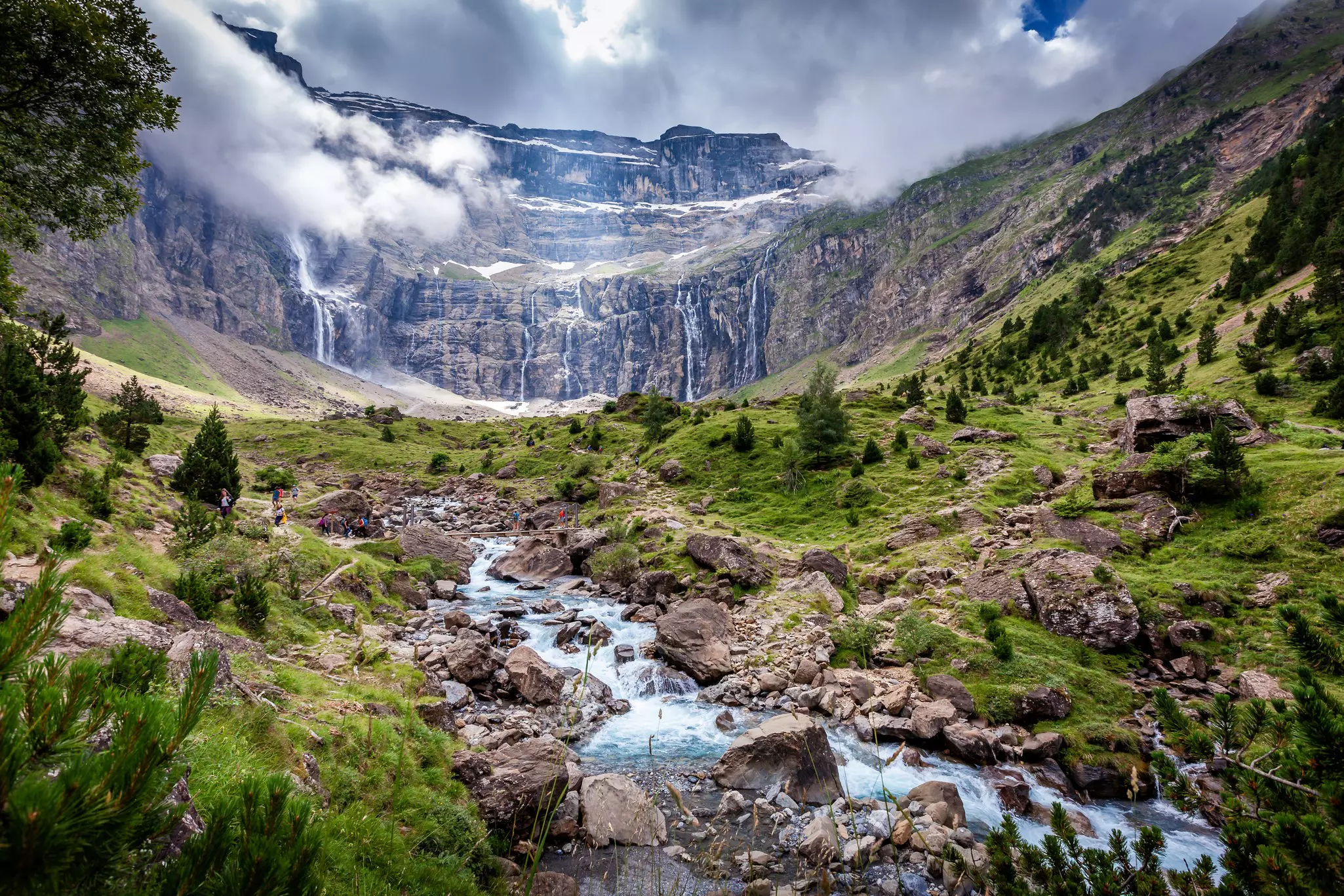
An amphitheater-like valley sculpted by glaciers, the magnificent Cirque du Gavarnie is home to multiple towering waterfalls – the highest reaching a drop of 422m – that flow from one of the Pyrenees’ last remaining permanent glaciers. Victor Hugo once described this UNESCO World Heritage Site as “the Colosseum of nature.” Indeed, the deafening noise and spectacular views are sure to stay with you for a lifetime.
Join thousands for a taste of the Tour de France by joining an annual ceremonial ride up the Col du Tourmalet accompanying a...3m-tall statue of a cyclist. The Géant depicts the first race rider who crested the pass more than a century ago; every summer, the statue is relocated from its winter home at the foot of the Tourmalet to the top for 4 months.
The flotilla keeping him company on the way often includes past Tour champions (such as five-time winner Miguel Induráin). The spectacle isn’t just for pro cyclists: all ability levels are welcome, with some even donning 1910-style clothes – and bikes! It’s free to join; everyone gets a souvenir; and local cake, wine and cheese are typically available in abundance.
Planning tip: The event takes place every year on the first Saturday of June.
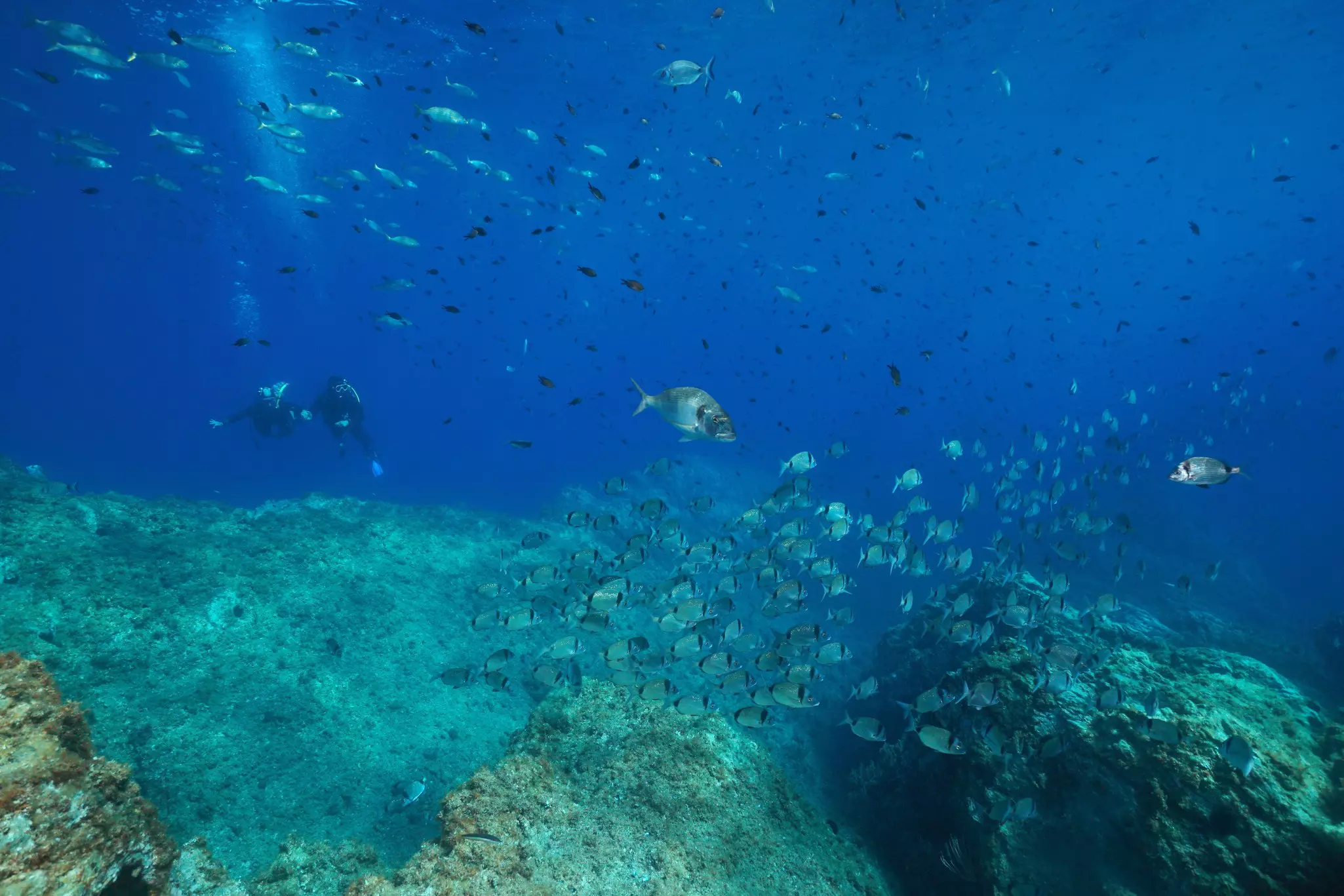
The Pyrenees’ rugged eastern seaboard drops suddenly and precipitously into the calm Mediterranean, which is where you’ll find France’s first underwater marine reserve. Situated in the calm waters of Cerbère on the cusp of the Spanish-French border, the reserve covers 6.5km of coastline, with five observation stations for snorkeling. Children and adults will love discovering the numerous colorful fish and starfish in the shallow offshore waters.
Detour: At wine cellars near the reserve, you can attempt the traditional art of drinking wine from a porro – a sort of glass watering can.
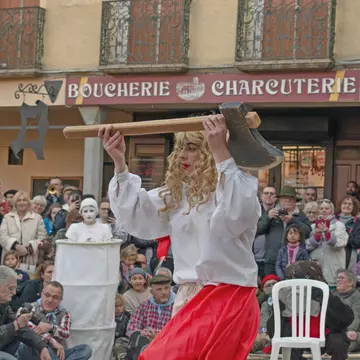
The Mirepoix Festival of Marionnettes brings together puppets and their creators from around the world, ranging from the strange and eerie to the graceful and hypnotic. Over 4 days at the start of August, the streets of this charming town come to life, as dance, theater and puppet troupes create numerous memorable moments, followed by cabaret as night falls. If you’re inspired to turn your hand to creating your own puppet, you can join a puppet-making workshop.
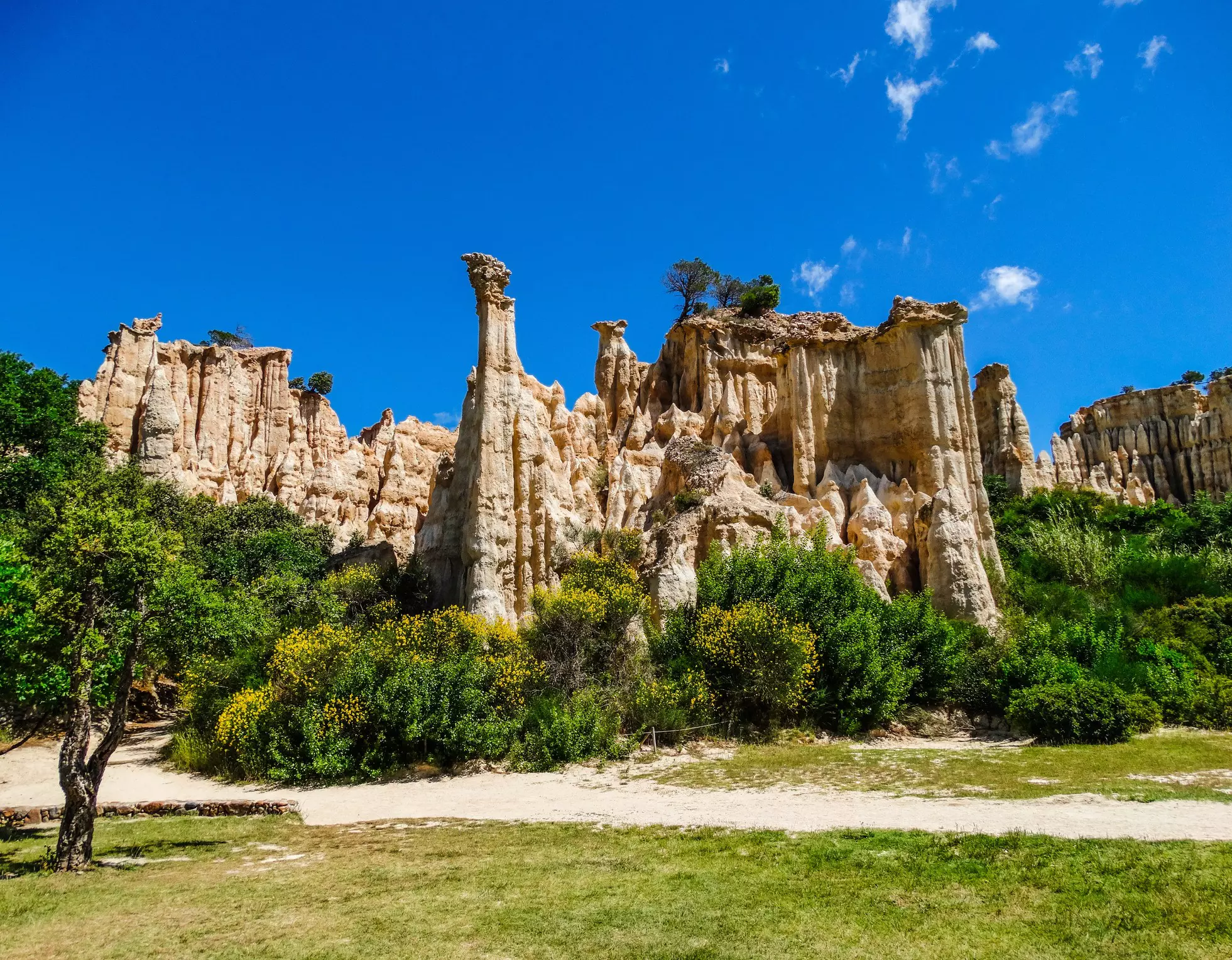
The Pyrenees’ best example of naturally carved rock formations known as “fairy chimneys” (or hoodoos) is probably the Orgues d’Ille-sur-Têt, named to reflect their resemblance to the pipes of church organs (orgues). Reaching up to 15m in height, the formations consist of sand and clay shaped over millennia by the weather. The maze of imposing yet fragile towers gives a different perspective on the vastness of the surrounding landscape.
Embrace slow travel through the Pyrenees and walk in the shoes of refugees past by following the Cathar Trail (Chemin des Bonshommes). Crossing the border from France to Spain via the GR 107, the route was followed by the Cathars, a 13th-century Christian sect whose members were persecuted by the Inquisition. Starting from Foix, the entire route takes around 2 weeks for the average walker. Highlights along the way include châteaux, nature reserves, and a good chance of seeing small and stocky Mérens horses in the Ariège.
Planning tip: Setting out from June onward will reduce the risk of bad weather, though you should check ahead for for unseasonal thunderstorms. En route, take the chance to refresh your feet in thermal baths in the spa town of Ax-les-Thermes.
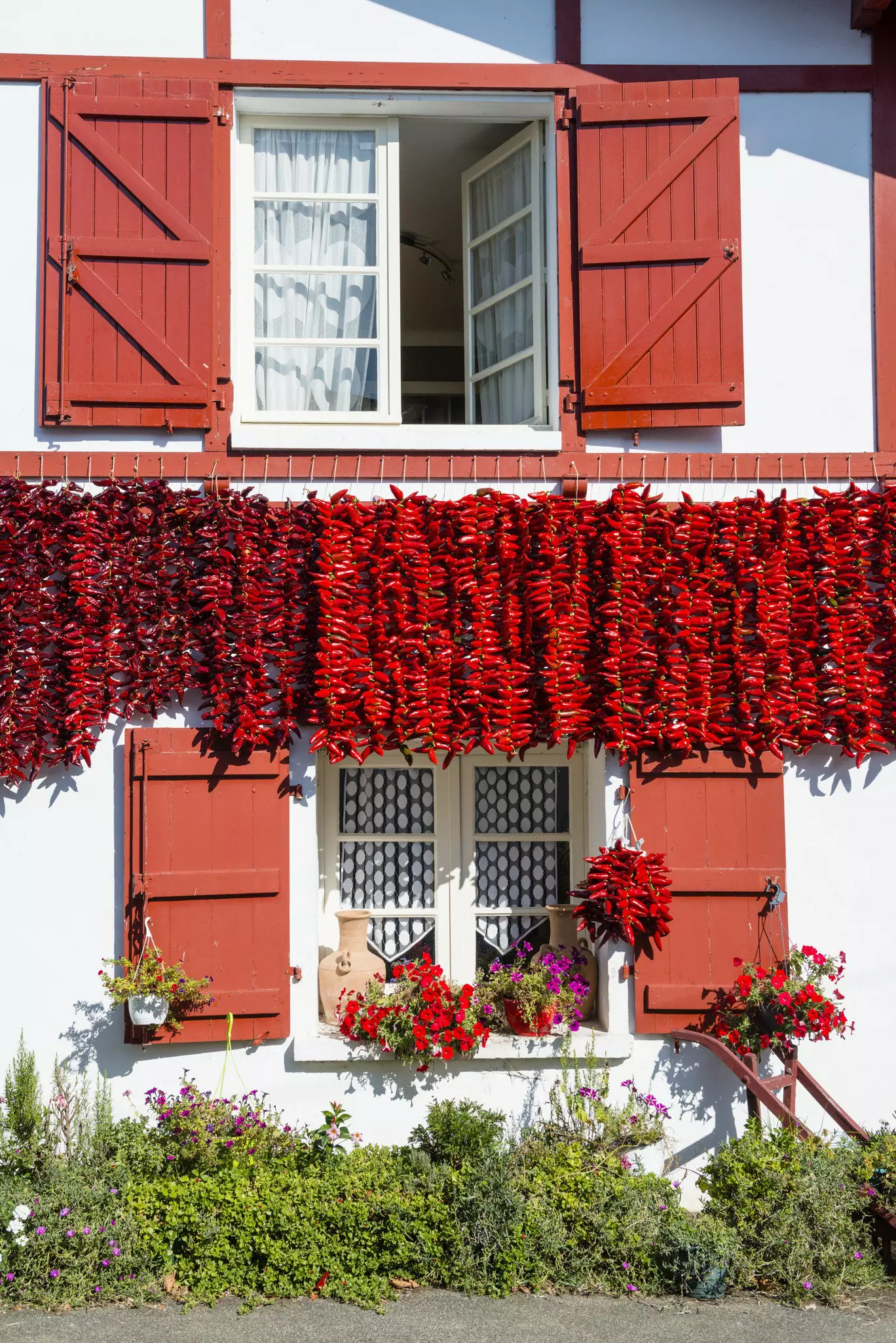
The Piment Festival in Espelette, in the Basque region of the Pyrenees-Atlantiques, is a sight not to be missed: for the whole town gets decorated with scarlet chili peppers. Over the course of the summer, giant red peppers are picked then hung out to dry in chains draped down the wattle-and-daub houses (whitewashed plaster with very dark beams) – turning the town into a vision of red and white. The peppers are sold during the festival, which takes place on the last weekend of October.
Detour: The rolling fog gives the hills in this part of the country a special, velvety quality of light. The views from La Rhune cog railway (open from June to November) are incredible – just plan ahead, as the area can be prone to rain.
If you want some adrenaline, try canyoning in the moonlight. Involving navigating a natural gorge via a fast-flowing mountain stream, this thrilling activity is very popular in the Pyrenees in summer. At the site in St-Lary-Soulan, zip lines will guide you through the more technical passages, alongside natural water slides, some nifty footwork and optional jumps. Tours are available by day – but the adventure becomes something truly unforgettable by moonlight.
Planning tip: Bring suitable clothes, towel, shoes and a picnic; other essential equipment is provided.
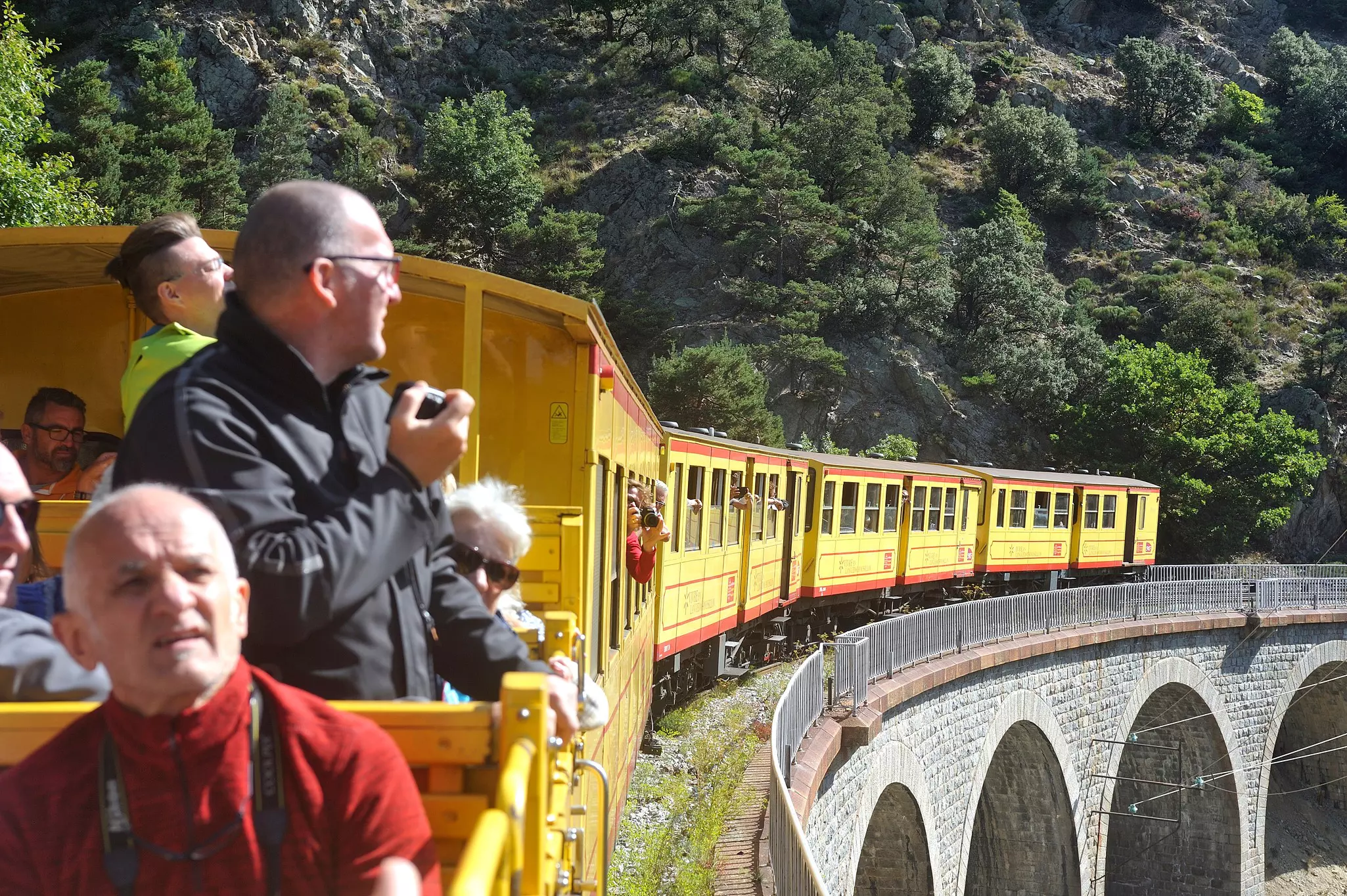
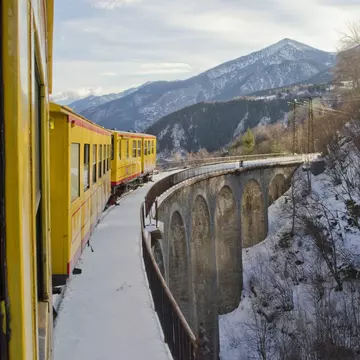
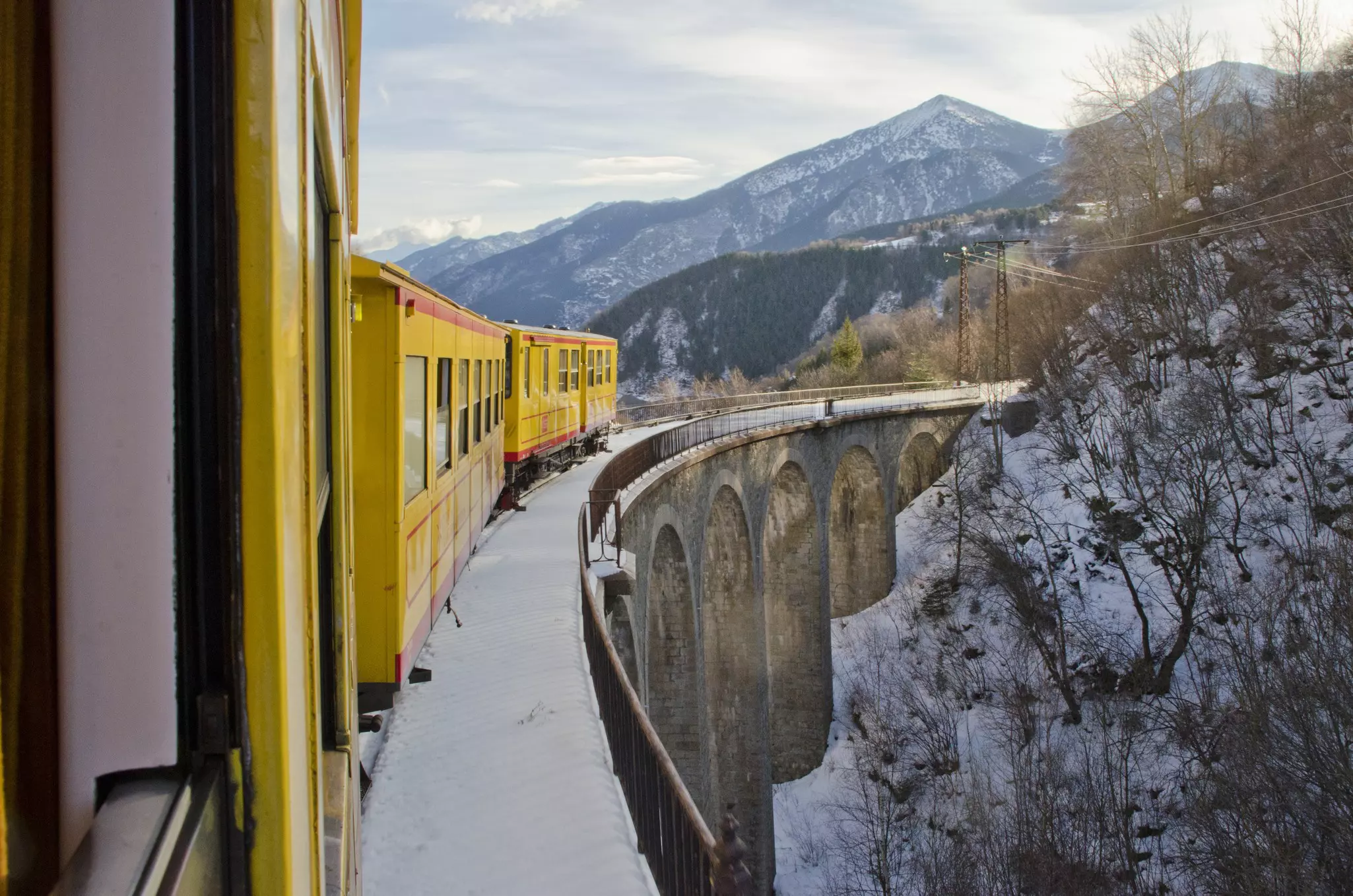
If you’re after a more...low-key way to explore the region, hop aboard the Little Yellow Train (Petit Train Jaune). At the foot of the eastern Pyrenees, the railway’s track sweeps along vertiginous bridges, past dramatic cliffs, through forests and across gushing streams – clinging to hillsides as it climbs 1200 vertical meters. The 3-hour journey terminates to Latour-de-Carol, though you can get out at various points along the way.
Local tip: The round-trip journey costs about 50 euros and starts from Villefranche-de-Conflent; arrive half an hour early to get a good seat. Villefranche is just 5.5km from Vernet-les-Bains, a natural starting point for climbing the Tour du Canigó on foot.
Book your France trip with Lonely Planet Journeys
See France how it's meant to be seen
Accommodations, activities and ground transportation all taken care of, so you can focus on the fun part. Tell us what your dream trip to France looks like, and our local experts will build it from scratch. Or start with one of our itineraries and make it your own.

Explore related stories