Jun 25, 202612 min read
The 15 best things to do in BrittanyJun 25, 2026
12 MIN READ
Writer
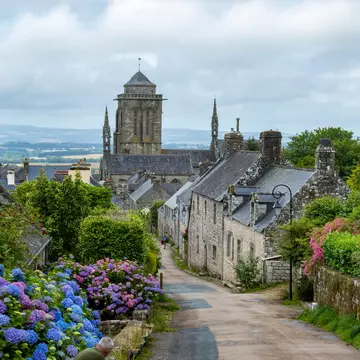
Locronan in Brittany, France. RikkieBel/Shutterstock

Writer
Lonely Planet may earn a commission from affiliate links on our site. All recommendations and reviews reflect our own independent opinions.
In Brittany in northwestern France, stone walls enclose crêperies, road signs are translated into the Celtic language and festivals showcase traditional dancing. The ocean sets the tone for the region, as fishers hum sea shanties at local bars and tide times determine the course of a day.
If you don't mind chilly water temperatures and occasional drops of rain, check out these 15 unmissable things to see and do in Brittany. The spectacular scenery and fresh catch of the day are bound to make you happy you're here.
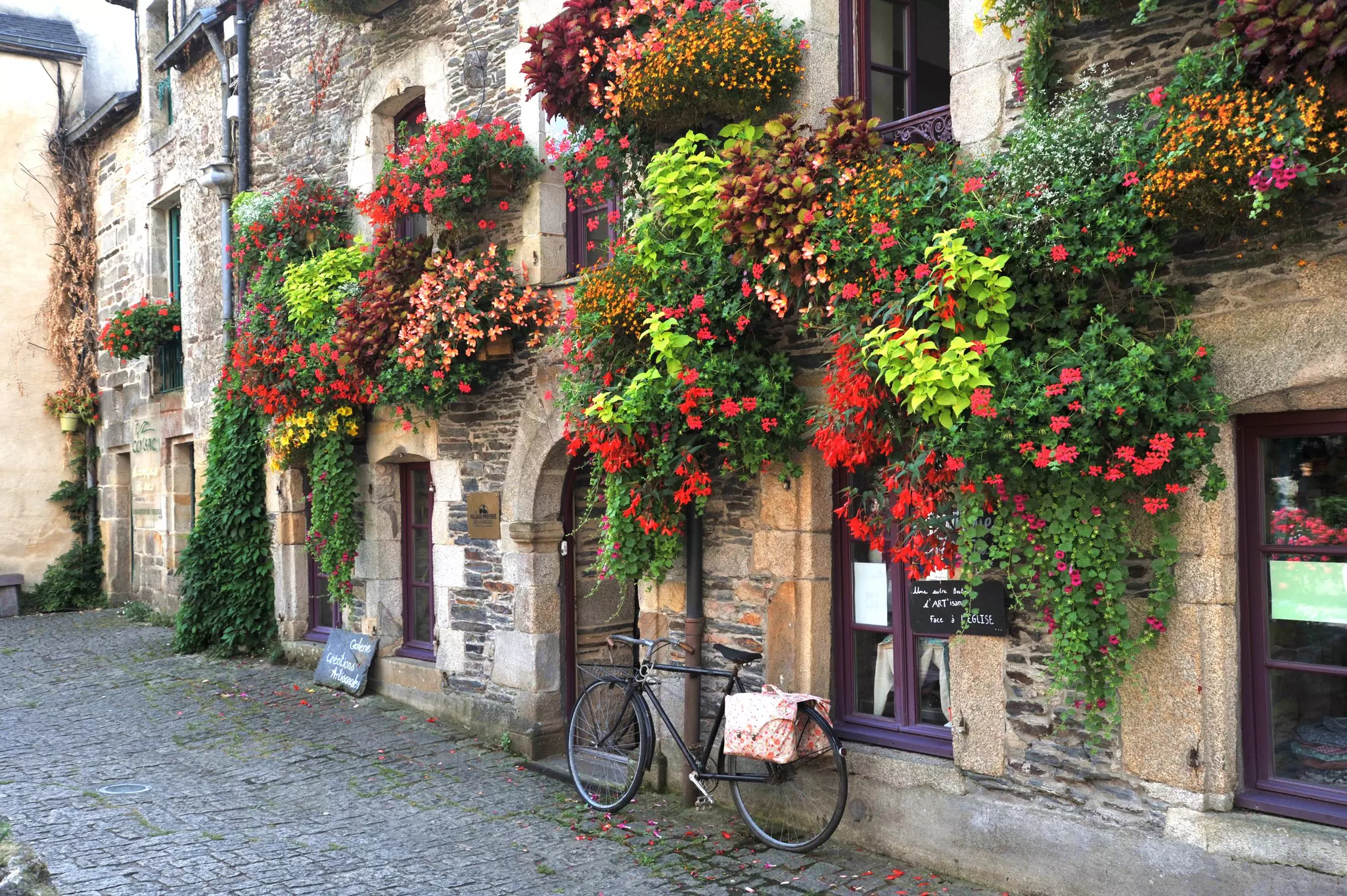
There is no shortage of defensive walls, granite castles and cobblestone streets in Brittany. The region is home to a long list of towns and villages straight out of the Middle Ages, from Dinan’s colorful half-timbered houses to the flowery streets of Rochefort-en-Terre, through Moncontour, Vitré and Josselin – each with its own history of fierce battles and lucrative mercantile trading.
Often topping the list of Brittany’s most picturesque villages, Locronan has been part of France’s select club of classified historic monuments since 1924. It's perched on a mountain less than 10km away from the sea, and you can catch breathtaking sights of Douarnenez Bay. The town also has a rich history as a convergence point for different faiths, and many Druid sites survive today.
Planning tip: A procession pays tribute to Locronan’s Catholic patron saint, St-Ronan, in mid-July. The village puts on an enchanting Christmas festival in early December, too, with concerts, shows and activities, all in true Breton style.
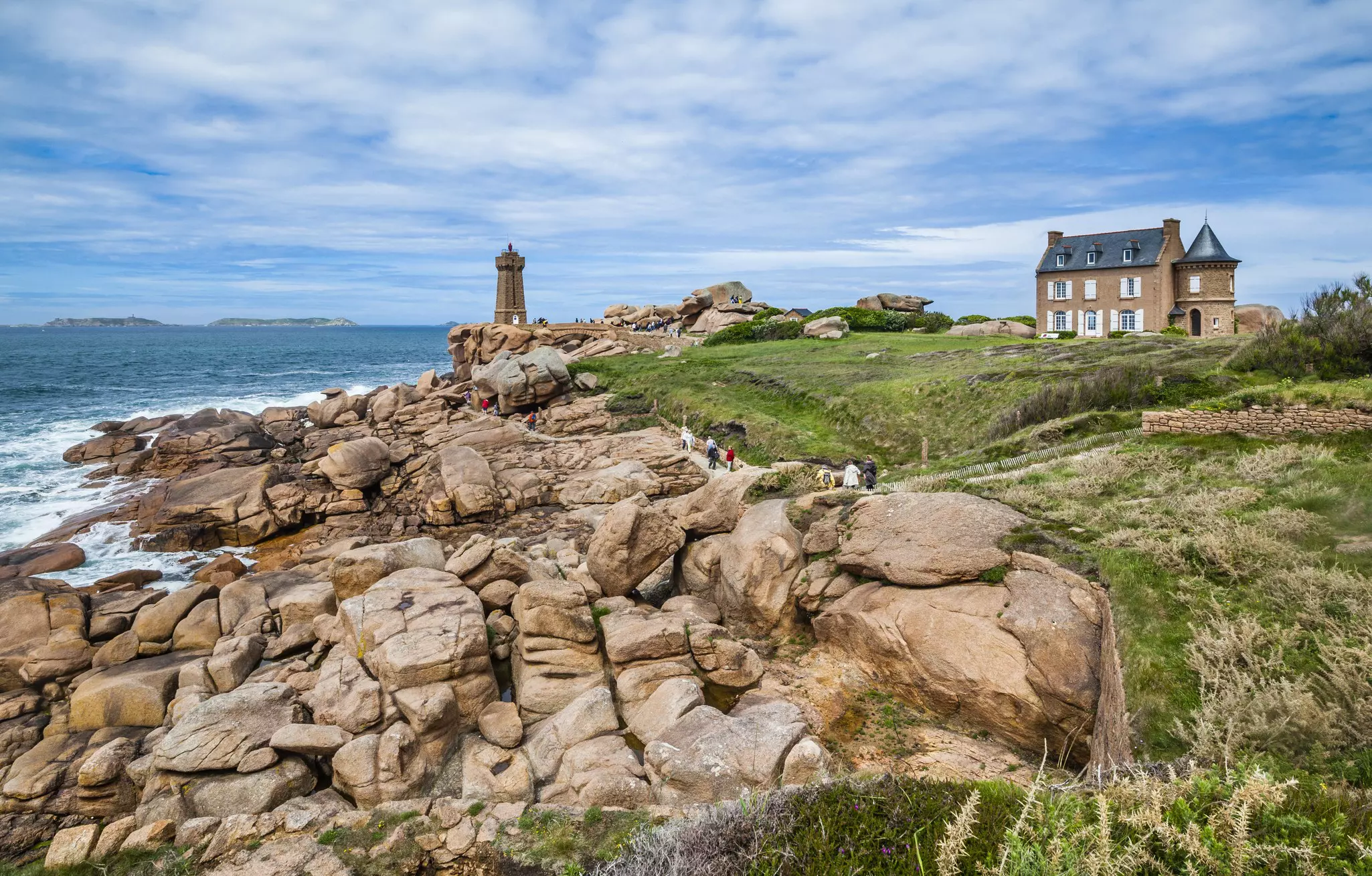
Stretching over a dozen kilometers between Perros-Guirec and Trébeurden, the Pink Granite Coast owes its name to the blush-colored rocks of a rare chemical composition, which were formed from volcanic activity some 300 million years ago. Take the meandering GR34 coastal footpath, and be prepared for some truly splendid sights as the rocks’ soft pink meets shades of sea blue and earthy green. Sunset only adds to the magic.
Planning tip: Keep your eyes peeled for some of the more fantastically shaped rocks, including the Painter’s Palette and the Crab Claw in Trégastel, and the Upside-Down Bottle and even Napoleon’s Hat in Ploumanac’h. And don’t miss Mean Ruz, an active lighthouse near Ploumanac’h that is emblematic of the region; it is built – you guessed it – out of pink granite.
Maritime history and culture have long permeated the city of Brest, which is still a key military base for the French Navy. Right in the city center, the Castle of Brest doubles as the Musée de la Marine, which recounts centuries of seabound expeditions through ship models, paintings and sculptures.
The city faces the majestic roadstead of Brest, which at 180 sq km, is one of the largest in the world. Jump on a paddleboard, in a kayak, on a cruise or in a sailing boat to explore this gigantic bay and its many spots of natural beauty.
Detour: A 45-minute drive from Brest – or just on the opposite side of the roadstead if traveling by water – lies the ship graveyard of Landévennec, where decommissioned vessels are moored while they await dismantling. You can catch a glimpse from various spots on the ground or watch from a safe distance at sea. It's an experience that, albeit slightly spooky, is definitely out of the ordinary.
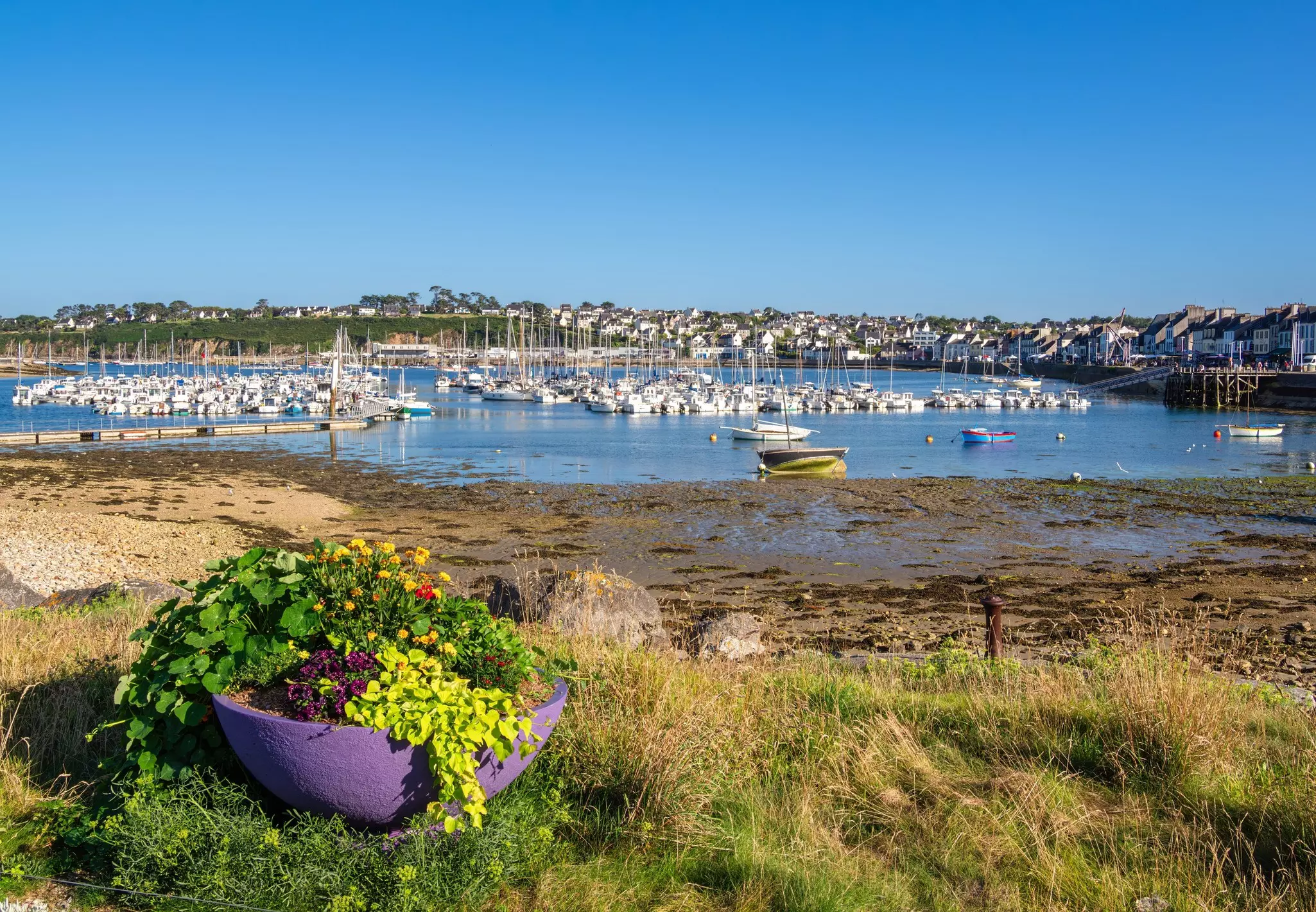
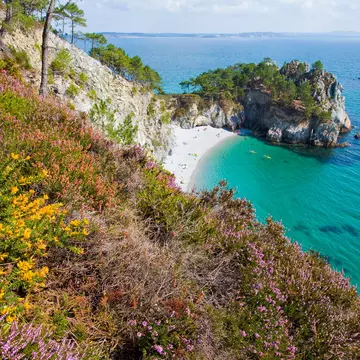
For some postcard pictures, head to the Crozon peninsula, where the rugged cliffs falling into turquoise waters attract ever-larger crowds of tourists each year. The area’s wild landscapes are nevertheless impeccably preserved.
The GR34 route, a long-distance walking trail that follows Brittany’s entire coastline from Mont St-Michel to St-Nazaire, will take you around the peninsula, making for almost 150km of pine trees and fragrant heather overlooking small coves and sandy beaches.
Planning tip: You can access the footpath year-round from many access points and will quickly become familiar with the red-and-white tags indicating that you are going the right way.
The capital of Brittany is also less officially known as one of the epicenters of rock music in France, a reputation that has stuck since the late 1970s when the city’s annual Trans Musicales festival started growing in popularity. Since then, Rennes has become an exciting musical hub, packed with festivals on a quasi-monthly basis.
Interested in moped races by day followed by an eclectic selection of music gigs at night? Check out Rock’n Solex in May. Fancy discovering both traditional and experimental takes on Breton folk music? Have a look at the Yaouank festival in November. Whether you are a punk rock purist or keen to branch out of your musical comfort zone, you can be sure there is a scene for you.
Planning tip: Time your visit so that you don’t miss the second-largest market in France, the Lices Market, which has been happening every Saturday morning on place des Lices for over four centuries. It is the place to be for every Rennais and a prime opportunity to taste galette saucisse (sausage wrapped in a savory crêpe).
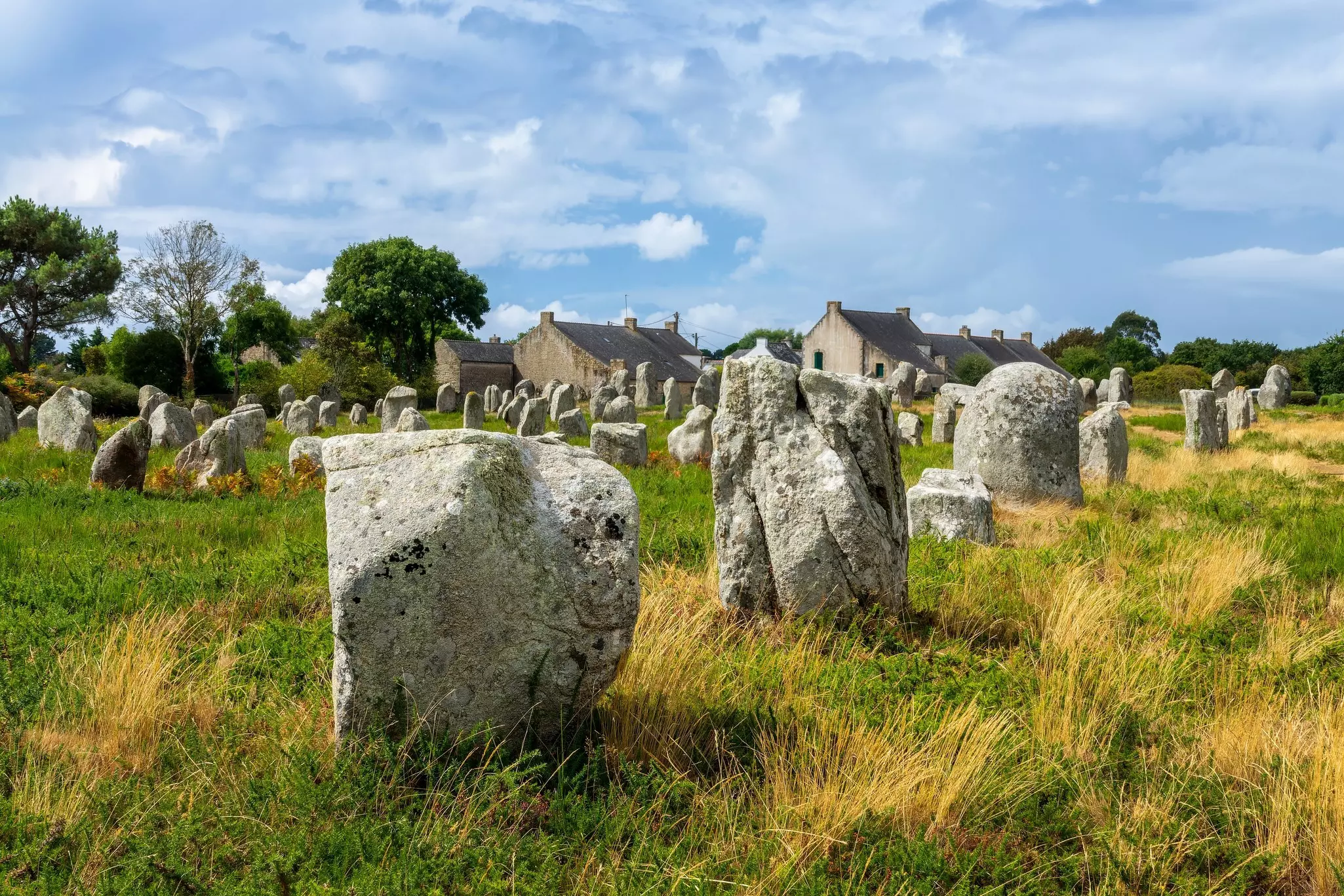
Next to the small seaside town of Carnac, some 3000 menhirs, or upright stones, are sitting in three alignments – the largest gathering of prehistoric stones in the world. The site was built around 6000 years ago, even before England’s Stonehenge, for reasons still shrouded in mystery. Walk the footpaths circling the alignments, or join a guided tour to learn more about the wild and wacky hypotheses that scientists have put forward to explain the collection.
Planning tip: The footpaths that are accessible year-round will only let you view the stones from the outside. You can also walk freely through the alignments from October to April. If you are visiting during the summer months, however, you will be required to book a guided tour.
Sure, Normandy has Mont St-Michel, but Brittany has Cancale, where you can not only see Mont St-Michel from a distance but do so while sitting on a lovely harbor eating some of the region’s best oysters. The reputation of Cancale oysters is established across France – this is a must-do for experienced oyster eaters as much as hesitant first-timers.
Planning tip: Head to the town’s oyster market, which welcomes eight local oyster aquaculturists year-round, and buy some to enjoy on the spot or on the go. Before you know it, you will be expertly differentiating between flat and cupped oysters, two of Cancale’s specialities.
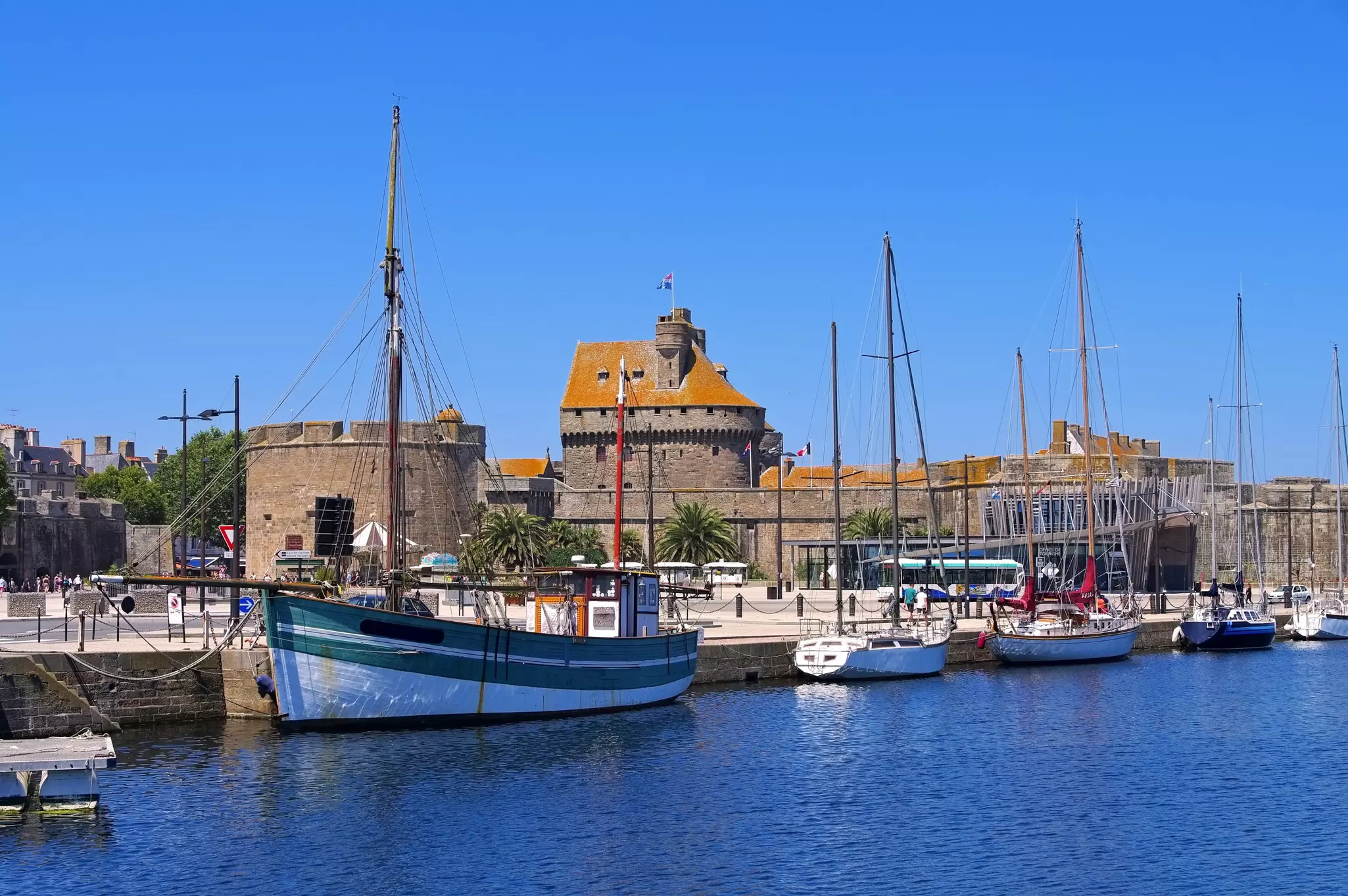
The 16th and 17th centuries saw the advent of notorious French pirates, many of whom kept their ships in the fortified city of St-Malo, which thus came to be known as a cité corsaire (pirate city). Head for the port, where you will spot Le Renard and L’Etoile du Roy, replicas of privateers on which you can set sail for as little as half a day or up to a whole weekend.
If you would rather remain on dry land, take a walk around the city’s 12th-century fortifications to enjoy both sea and city views. On a small island just 200m away you will see the Fort National, built in the 17th century on the orders of the Louis XIV to protect the immense riches accumulated in the city by his privateers.
Planning tip: Twice a year, around March and September, tidal coefficients surpass 100, a natural phenomenon that signifies an extreme tidal force. Keep an eye on those numbers online because in St-Malo this is prime time to observe massive waves dramatically crash against the city walls. Official coefficients are released via the Naval Hydrographic and Oceanographic Service and displayed at the harbormaster’s office.
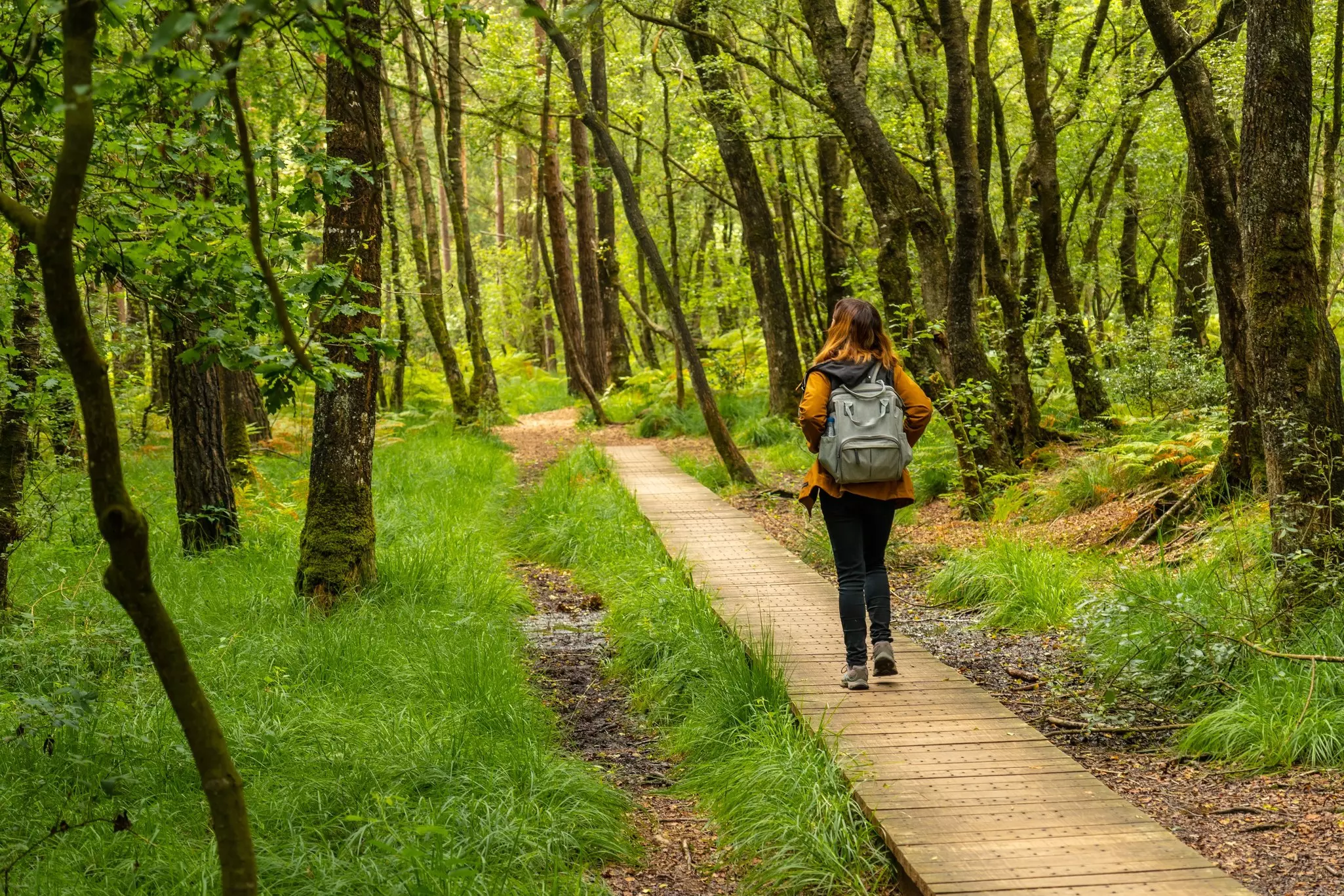
Merlin’s Tomb, the Church of the Holy Grail and the Valley of No Return may sound like they have no place in the real world, yet they are open to flesh-and-bone visitors in Brocéliande Forest. Also known as Paimpont Forest, the site, famous for its centuries-old legends and myths, served as the setting for Arthurian novels written by Chrétien de Troyes in the 12th century.
Trees that have lived through the last millennium overlook small ponds and quiet streams, creating an atmosphere that seems suspended in time. There is no shortage of options to make the most of your time in the forest, whether you are renting a bike, following a guide on a storytelling-themed tour or simply wandering around on foot.
Planning tip: The forest is largely private, which means that only a small area and a selection of sites are completely open to the public. To further complicate matters, some zones may be shut when it is hunting season (from mid-September to the beginning of April), so plan ahead and check if access restrictions apply by visiting the Brocéliande tourism office in Paimpont. You can also find online maps of the forest with recommended routes for spring and summer or autumn and winter, as well as a useful guide to visiting the forest. Do not ignore any hunting-related sign that you encounter during your visit (pull out Google Translate if you need to).
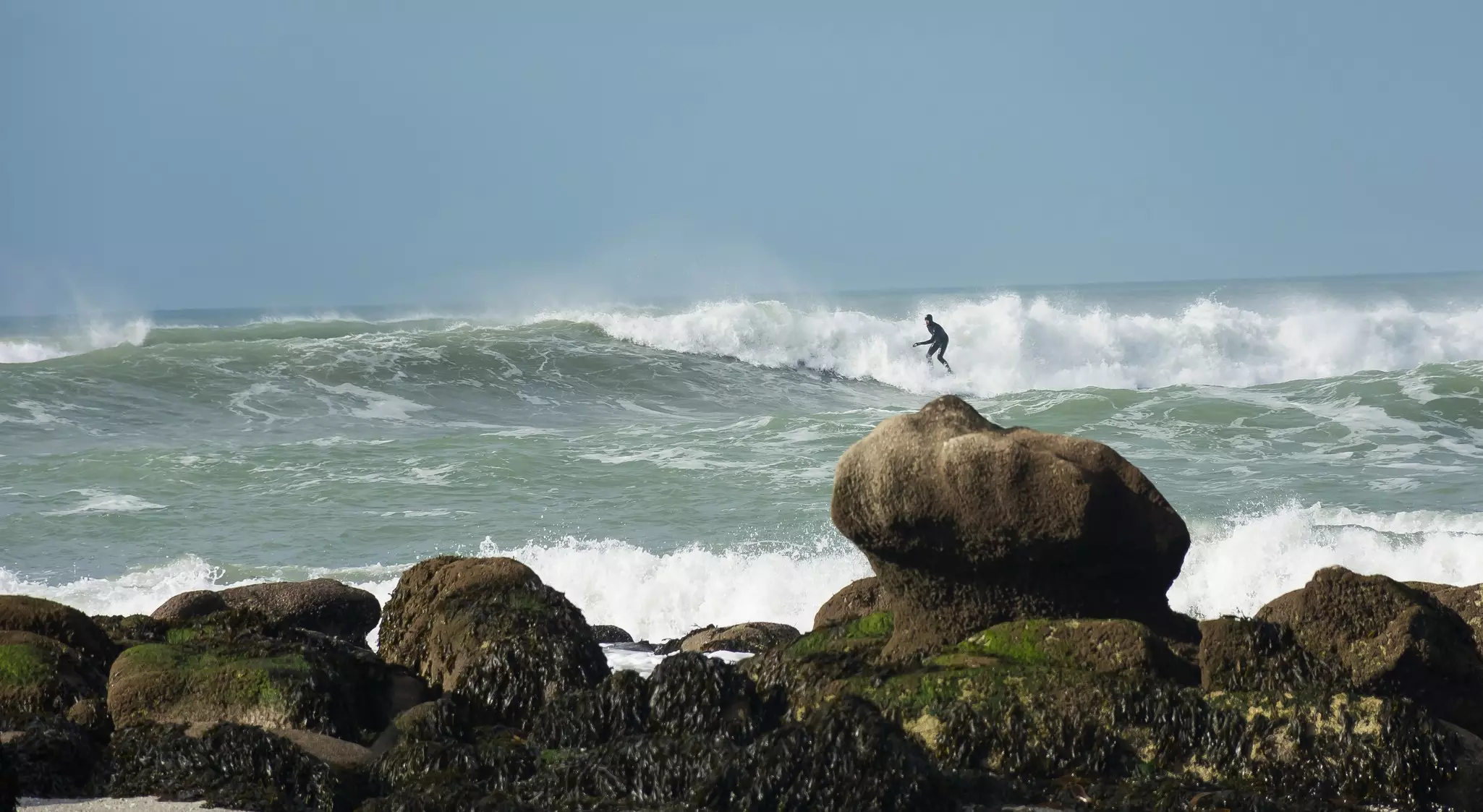
Who said France’s best surfing spots could only be found on the southwest coast? Although colder, Brittany’s waves are attracting a growing number of water sports enthusiasts. La Torche in Finistère is one of the most prized locations, but don’t hesitate to branch out to lesser-known options, such as the excitingly named Bay of the Dead, located near the scenic Pointe du Raz, or Plouharnel in the Morbihan.
Planning tip: Not a surfer? Not a problem. Most surfing schools will let you rent bodyboards at a lower cost, which require next to no skill or water sport experience. You will likely be given the option to rent a wetsuit with your board. Take it or bring your own, but don’t risk getting cold in the water, because you will.
Brittany is a land of horses. But not just any horses: the Breton breed is as imposing as it is gentle and is typically suited to pulling carriages and doing agricultural work. To see some of the region’s best specimens and learn more about their history, head to the Haras National in Lamballe, a stud farm established in 1825; it has an impressive collection of horse-drawn carriages and harnesses. During school holidays, children can spend half a day learning the basics of stable work. Make sure you book in advance.
Planning tip: In addition to guided tours, you can arrange a 30-minute carriage ride around the town center or in the nearby park.
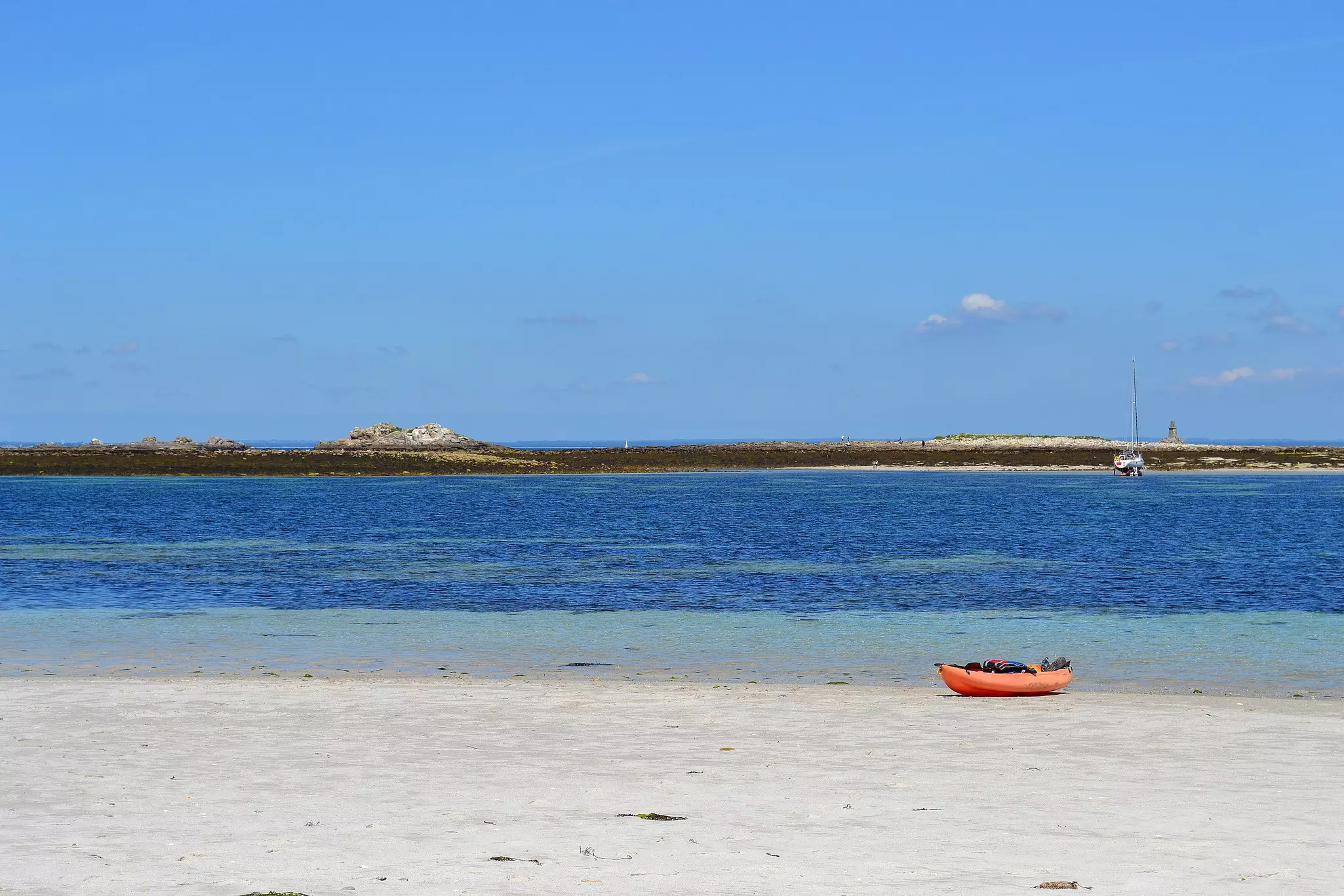
It is easy to see why Les Glénan archipelago is often compared to Tahiti. Made of seven islands and a dozen smaller islets, Les Glénan offers an exceptional – and largely uninhabited – spectacle of sandy beaches and translucent water. Home to an international diving center and a world-famous sailing school, the area can only be reached by boat.
Planning tip: You'll find several options for visiting, with shuttle boats connecting to various ports on the mainland between April and September. Prioritize the warmer summer months, when you can rent kayaks to tour the archipelago on your own. It’s not that often you get to disembark for a nap on a totally deserted isle.
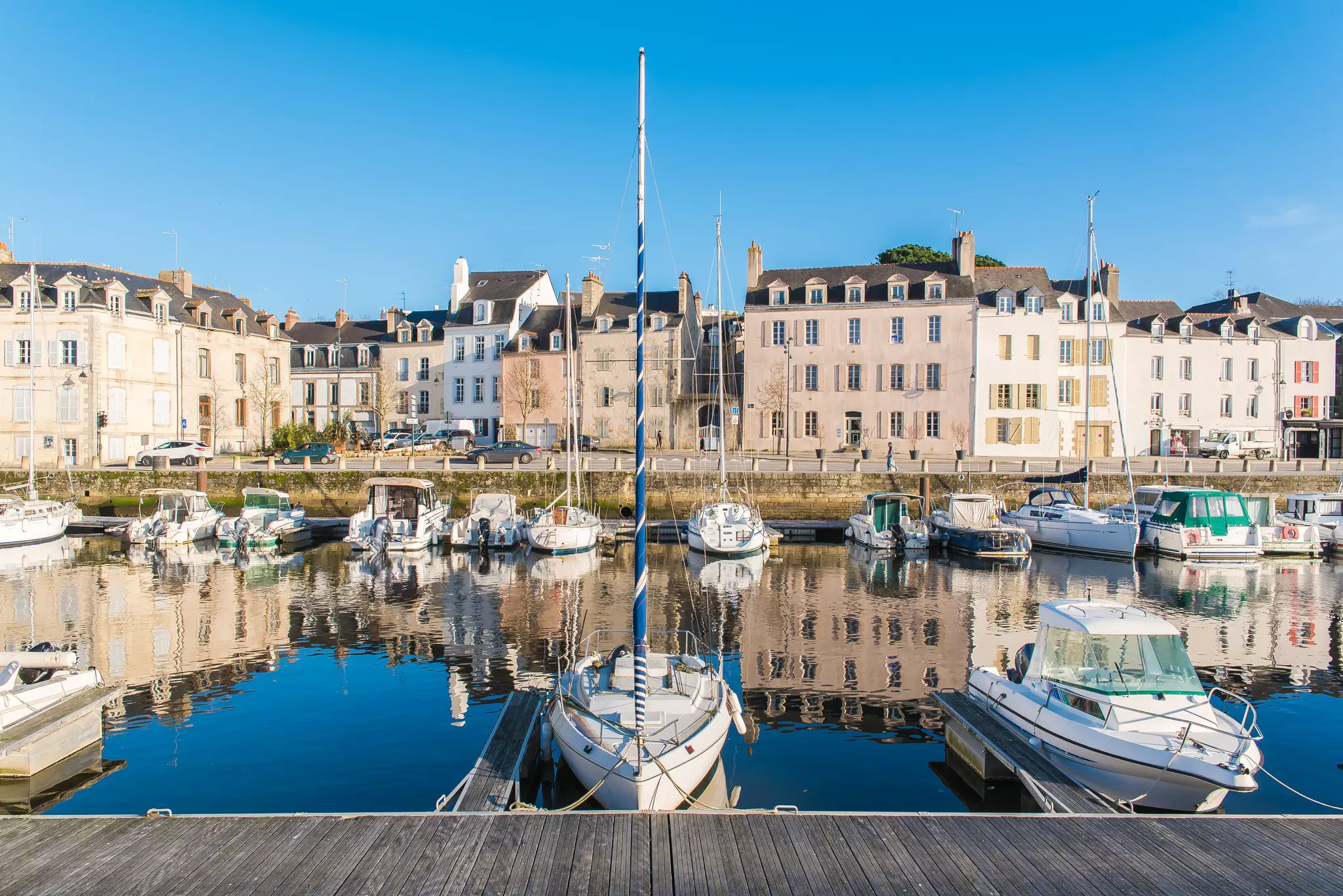
Small towns with pretty harbors abound in the Gulf of Morbihan. Pick and mix between Auray, Le Bono, Larmor Baden, Port Navolo and Port du Crouesty. Make sure you don’t miss the medieval city of Vannes, with its windy, historical streets.
You might also consider booking a boat trip. Up to 60 islands small and big sit inside the gulf, and a handful can be visited and explored via panoramic footpaths, the most popular of which are also the largest: Ile d’Arz and Ile aux Moines.
Planning tip: At low tide, you will be able to walk to Ile Tascon from St-Armel on the mainland and get around the island in 2–3 hours. The area is known for its high concentration of birds. Make sure you don’t get so lost in contemplation that you forget the rising water and get stuck there.
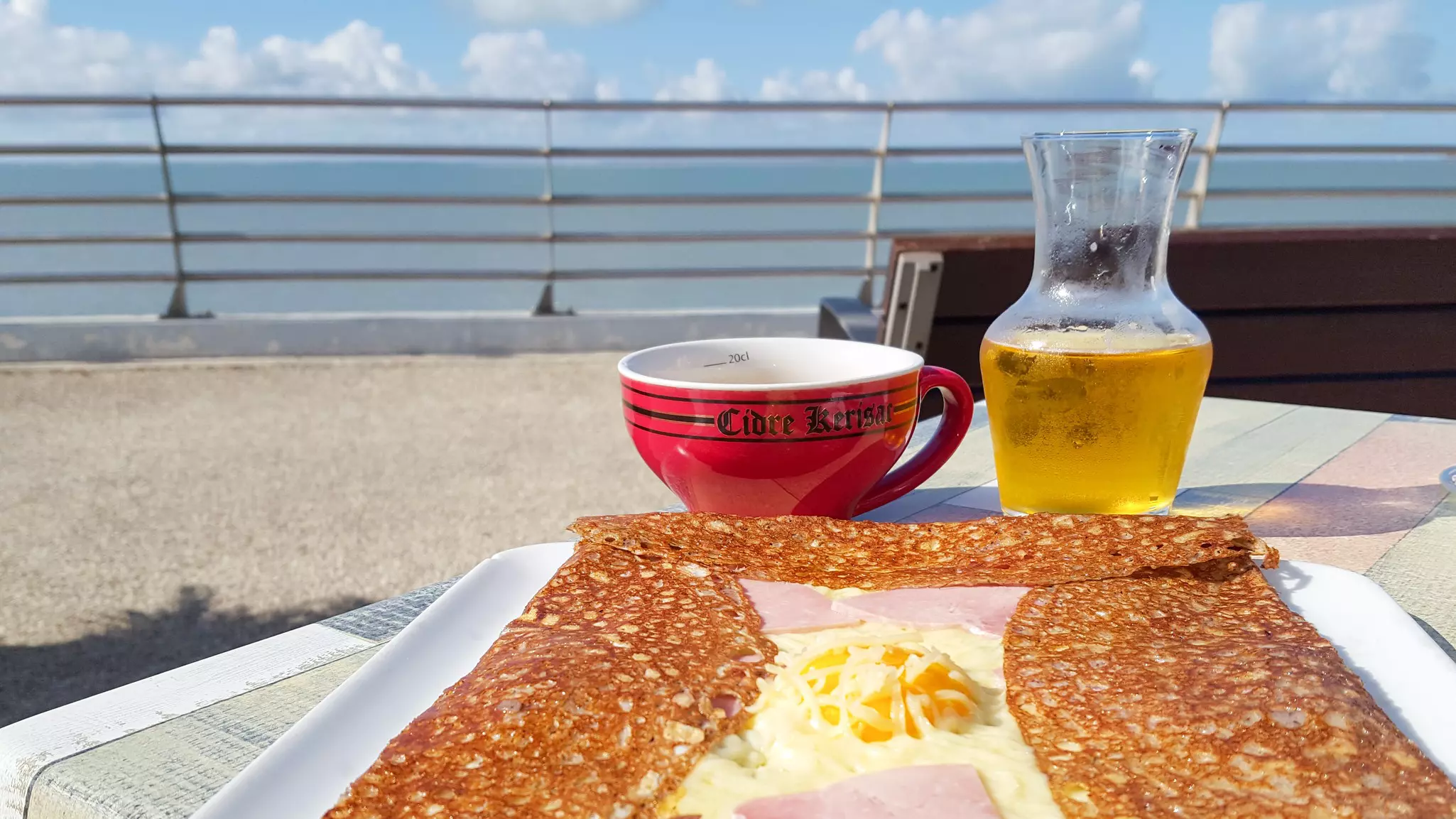
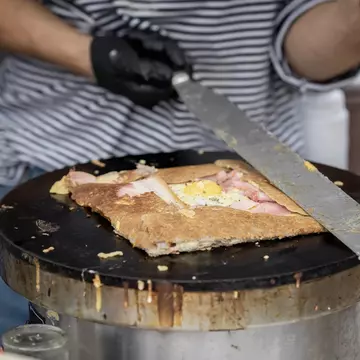
Discussing Brittany without mentioning crêpes would be like passing on pizza while visiting Naples. In fact, you will find it hard to go more than 10 minutes without walking past one of the cozy crêperies that are so typical of the region. And your trip cannot be complete without sampling an extensive selection of sweet and savory toppings.
Granted, crêperie etiquette can seem tricky. It is OK (and encouraged) to order a second galette if you are still hungry after your first one – and the same goes for crêpes. You are meant to drink cider with your meal, and it will come in a tiny bowl called a bolée. And if you have fearlessly chosen the galette à l’andouille, which is filled with a pungent sausage made from pork guts – then yes, that smell is normal.
Planning tip: In many parts of the region, savory crêpes are called galettes, and they are made with buckwheat. It gives them a deliciously nutty, smoky taste and also means that they are gluten-free. A crêpe de froment is for your sweet tooth only and is made with standard wheat flour.
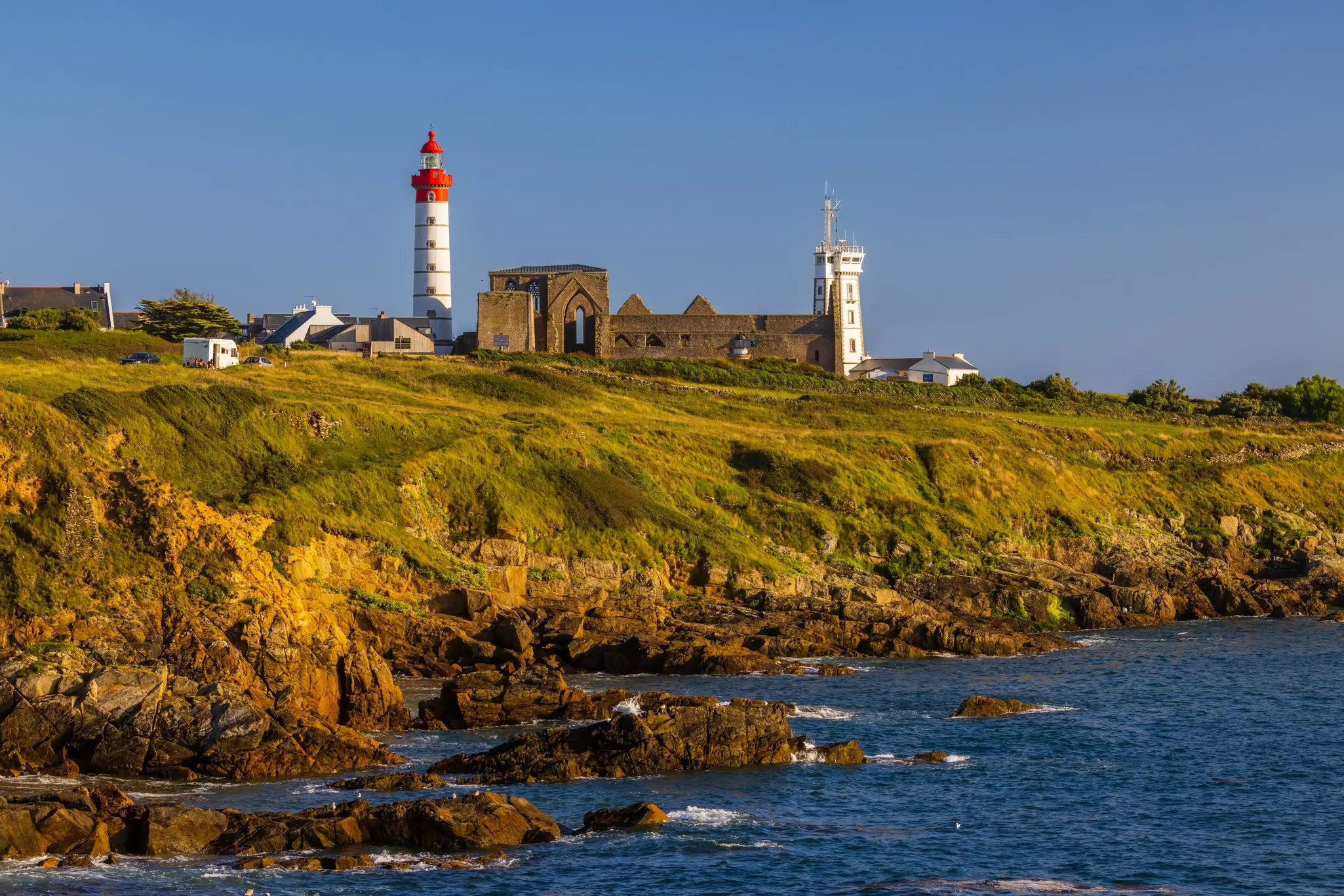
Finistère’s famous lighthouses dotted along the coast – proudly displaying their names in capital letters as they guide ships through the night – are a trademark of the region. Île Vierge, St-Mathieu, Stiff, Trézien and Petit Minou are among the lighthouses you can visit. Don’t count on an elevator to help with a potentially tough climb (up to several hundred steps, depending on which lighthouse you visit), but the views are worth it.
Planning tip: Many lighthouses are shut to the public during the winter months. Also make sure that you check access details before you visit as some, such as Île Vierge, have specific requirements depending on tide times.
Explore related stories