Feb 17, 202614 min read
16 of the Best Things to Do in CubaDec 23, 2025
9 MIN READ

Writer
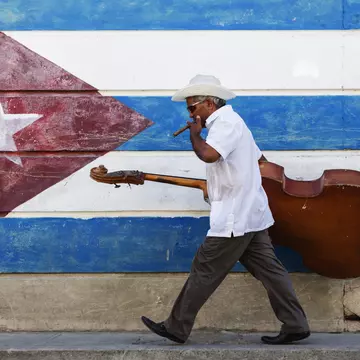
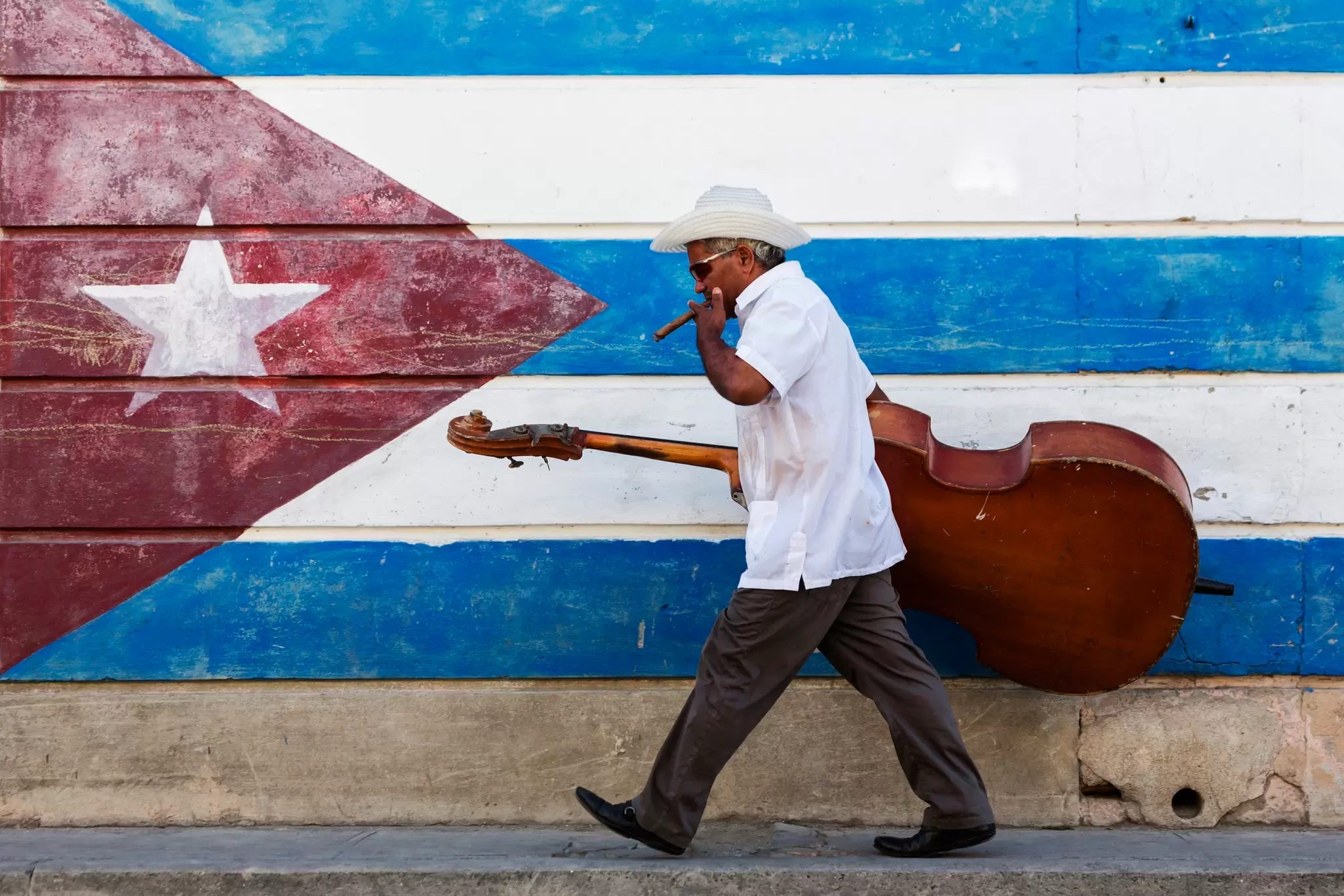
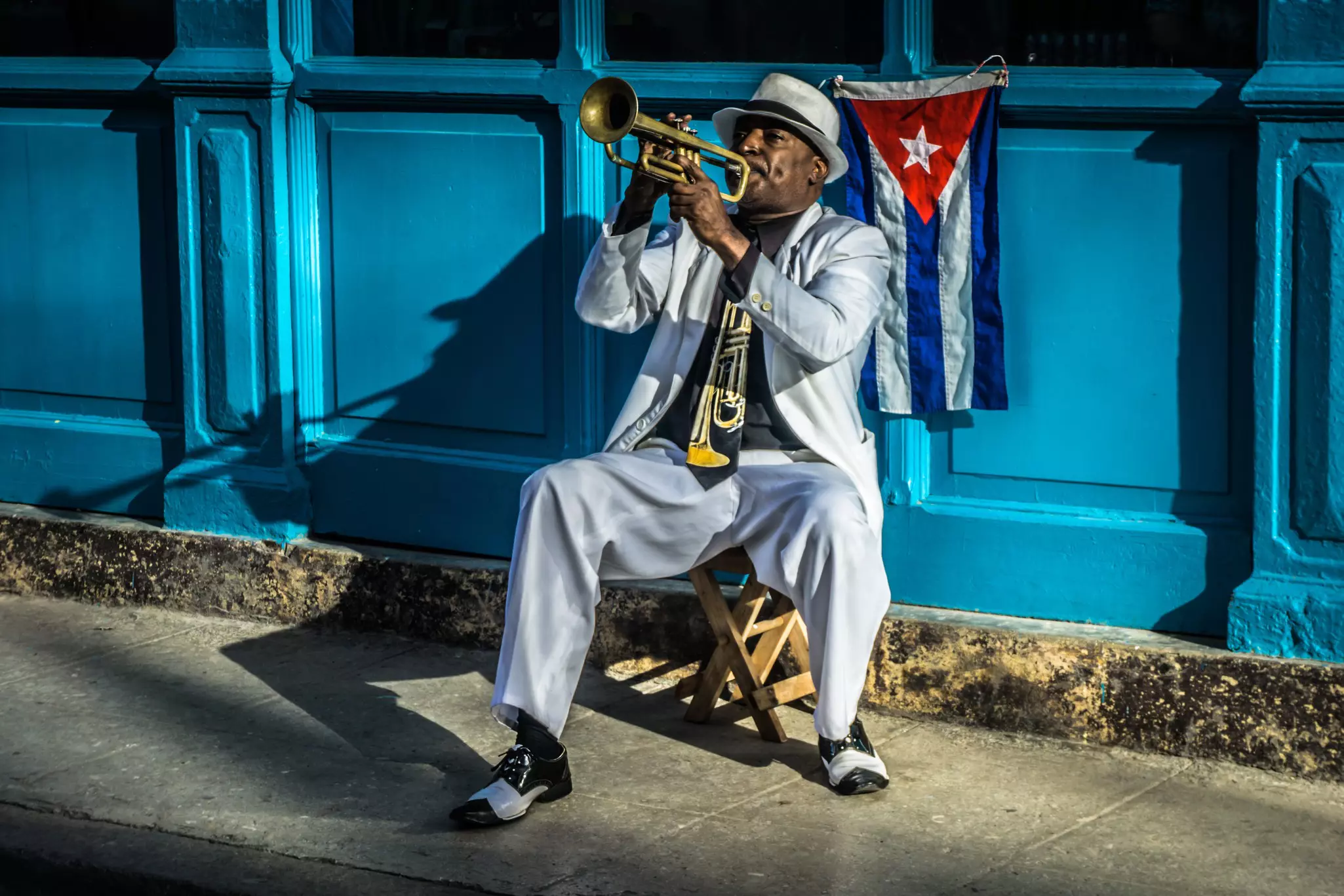
Cuban musician in front of the country's flag. Jeremy Woodhouse/Getty Images
Writer
Highlights
Writer Brendan Sainsbury covers Cuba's 20 travel tips, from currency to cigars.
Euros are preferred by Cubans – bring them for private casas, restaurants and taxis.
Arrange medical insurance and an e-visa before landing – both are required for entry.
Pack toilet paper and prescription meds – Cuba's supply of both runs chronically short.
Lonely Planet may earn a commission from affiliate links on our site. All recommendations and reviews reflect our own independent opinions.
To a first-time visitor, Cuba can seem like a confusing jigsaw puzzle, particularly if you’re breaking free of the seaside resorts and getting around the island on your own.
The Spanish spoken here is fast and hard to decipher, many streets have two names, and the country’s fickle and highly complicated monetary situation could fill its own guidebook. Yet the Cuba’s pleasures are well worth the research, especially if you prepare before you go.
Use this guide to help you get ready for your time in Cuba.
You are required to have medical insurance to visit Cuba and will need to bring digital or printed proof of your policy. Random checks are made at the airport. If you arrive without insurance, you’ll need to buy a policy from the local firm, Asistur, which has an office in the immigration hall of the airport. The insurance will cost around 4.50–7.50 US dollars (US$) per day.
Cuba uses an online form called D’Viajeros to gather travelers' information, including immigration and health data, in advance of travel. Fill out the form online up to 72 hours before you arrive in Cuba.
Visitors who plan to spend up to 90 days in Cuba need to apply and pay for an e-visa in advance. The cost runs US$25–85, depending on how and where you book your trip. If you’re traveling from Canada on a Canadian airline, the visa is included in your ticket.
Citizens of 20 African and Asian countries require a formal visa to enter Cuba. Check the situation for your country before booking.
Money in Cuba is confusing, even to Cubans. Since the country abolished its tourist currency Convertibles in January 2021 and took the US dollar out of circulation in June 2021, there has been massive inflation and the emergence of a rampant underground economy. The effect is a bewildering dual economy.
The official currency of Cuba is the Cuban peso (CUP$), but foreign currencies are widely accepted, especially by private businesses that need hard cash to buy nonrationed goods in shops that accept MLC (Moneda Libremente Convertible, a freely convertible digital currency).
State-run enterprises and banks use official exchange rates. However, the prices of the superior services offered by private businesses generally reflect underground economy exchange rates. For instance, a main dish in a private restaurant in Havana will cost around CUP$1500–4000. That’s an expensive meal if you’re paying in pesos bought from a Cuban bank. Most private restaurants will also accept payment in euros using a more favorable exchange rate. Some will even have a separate menu with prices printed in euros.
When buying something from a private business – be it a restaurant, casa particular (private accommodation) or taxi service – it’s usually best to pay in a foreign currency. Always ask upfront what currencies they accept and what exchange rate they use for their published peso prices.
Euros are the most interchangeable currency and the one preferred by Cubans. You can also use and exchange Canadian dollars and pound sterling.
US dollars still circulate in the underground economy, but we don’t recommend bringing them. The best bet is to keep most of your money in a foreign currency and only change small amounts into pesos for incidentals like museum entry fees, concert tickets and tips.

The MLC was approved by the Cuban government in 2020 and can be used in certain shops to buy higher-end goods. The currency doesn’t exist as cash, and its value is pegged with the US dollar. It’s used mainly by Cubans with special magnetic cards.
Tourists needn’t worry too much about MLC, although prices will sometimes be displayed in the currency in state-run enterprises such as cigar shops or airport souvenir stores where you can pay with a non-US credit card.
Credit cards are increasingly popular in Cuba and are the preferred (and sometimes only) method of payment in many state-run businesses.
Credit cards linked to US banks are not accepted. Private businesses almost never have credit card machines, meaning your only option is cash.
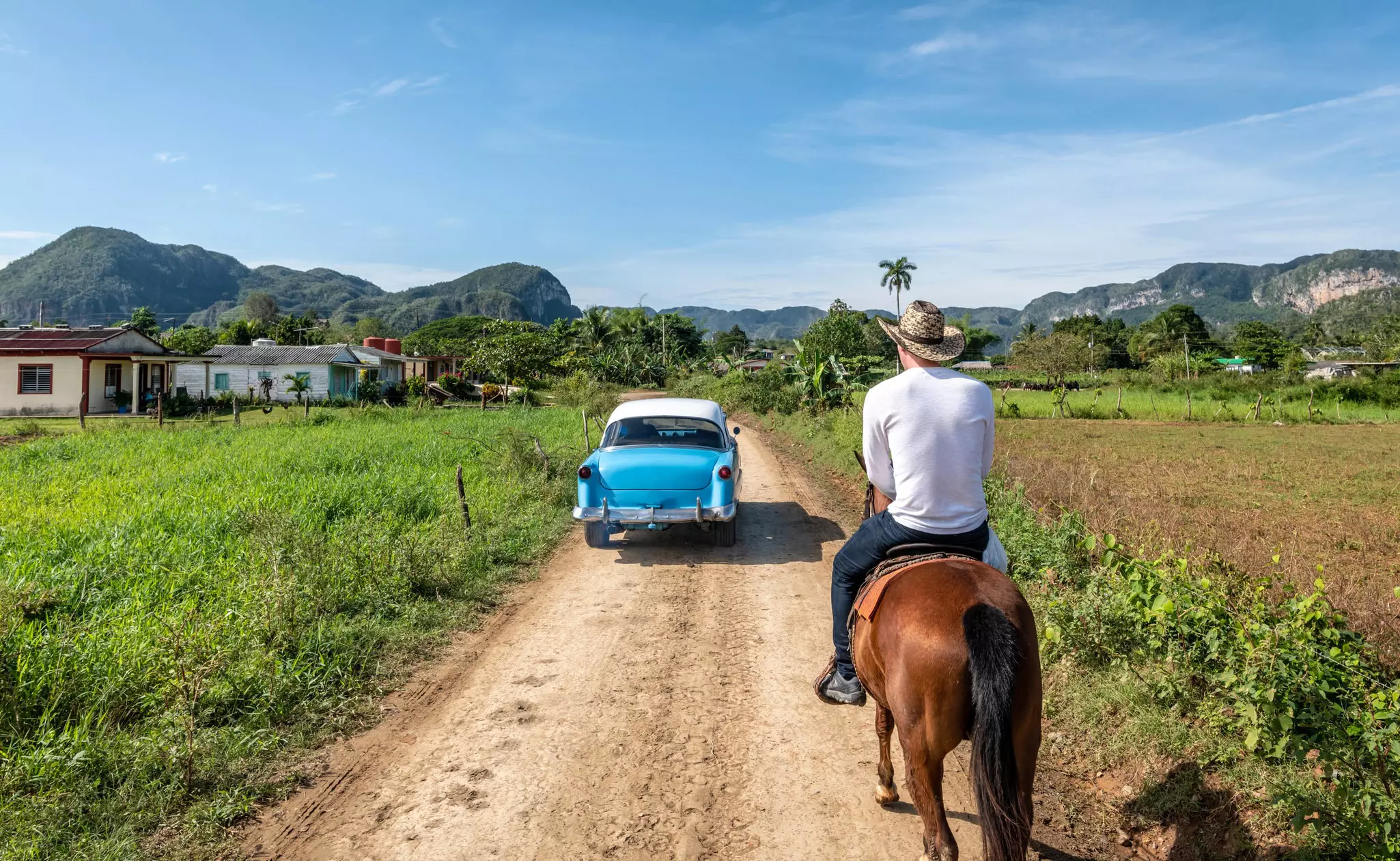
Dress in Cuba is casual; leave your high heels and tux behind. The only real dress code is in cinemas, theaters and nightclubs, where male patrons are required to wear long trousers and shirts with sleeves or half sleeves.
If you speak Spanish, you’ll find that Cubans mostly use the informal tú (you) form of address, rather than usted (you). In the plural, ustedes is used over vosotros (a plural form of you, mostly used in Spain).
If you don’t know someone, it’s best to address them as señor or señora (sir or madam), though you’ll hear Cubans use all kinds of substitutes: socio (buddy), hermano (brother), papá (dad), chica/o (girl/boy) and asere (bro/friend).
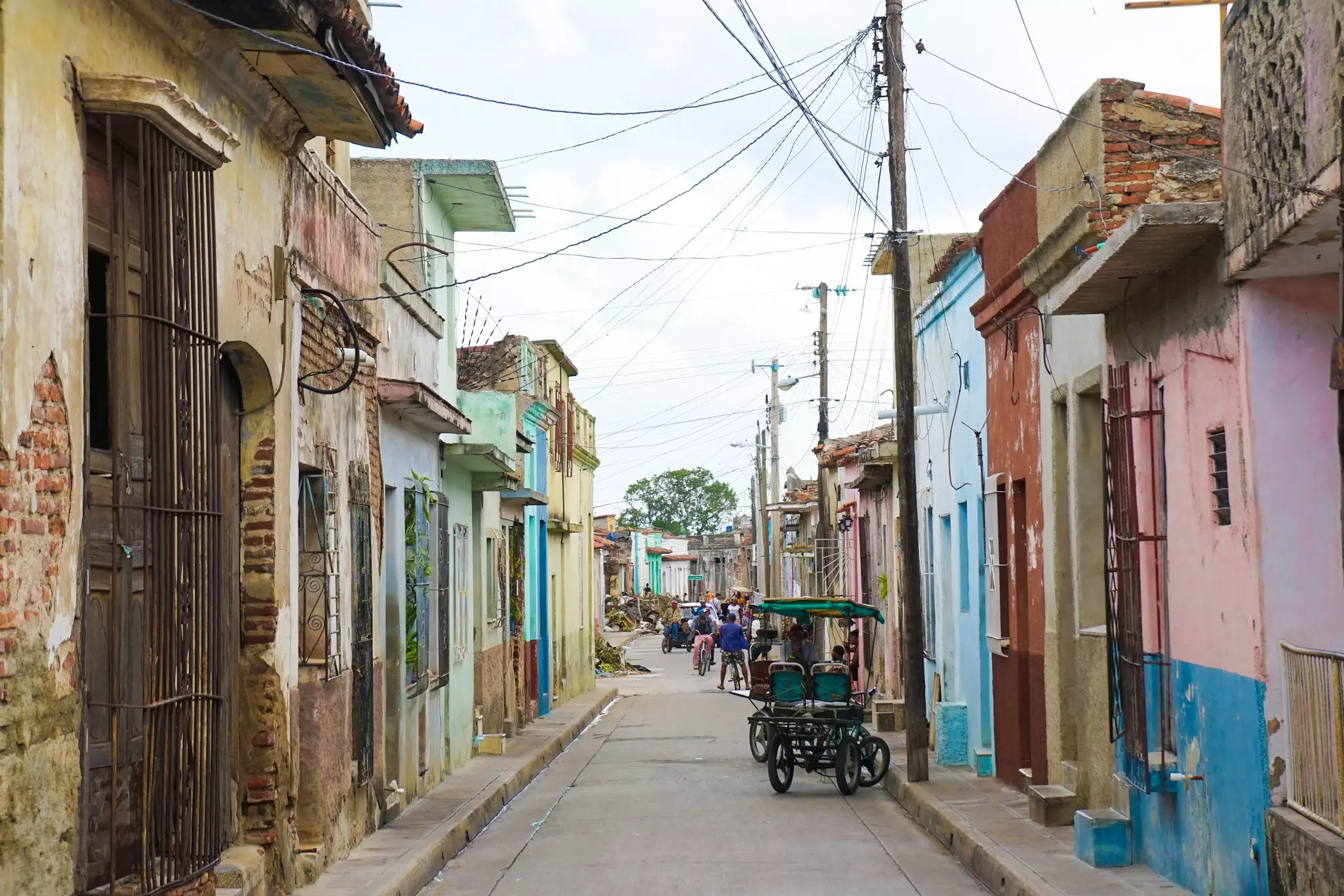
In most Cuban cities, the streets have two names: a contemporary one that is noted on maps and marked on street signs, and a prerevolutionary one that is still used widely by the locals.
This can become confusing, especially when locals, unaware of the new street names, start giving out directions or addresses using the colloquial nomenclature. Always double-check addresses and, if possible, get two potential names for the street you’re looking for.
Cubans have to endure a lot of long waits in boring queues, so they’ve invented a way of doing it that doesn’t involve standing in line. In a Cuban queue, you simply roll up to the bakery or clinic or visa office and yell out to the assembled masses, "Quién es último?" (Who’s last?); hopefully, someone nearby will answer your polite entreaty with the word, "¡Yo!" (me). That person is your yardstick. As long as this person is still around, go for a walk, sit in the lotus position or buy ice cream. When that person is called, pay attention; you’re next!
Thanks to heavy bureaucracy, answers to simple requests aren’t always straightforward – or even correct. Probe politely and ask at least five people before making important decisions.
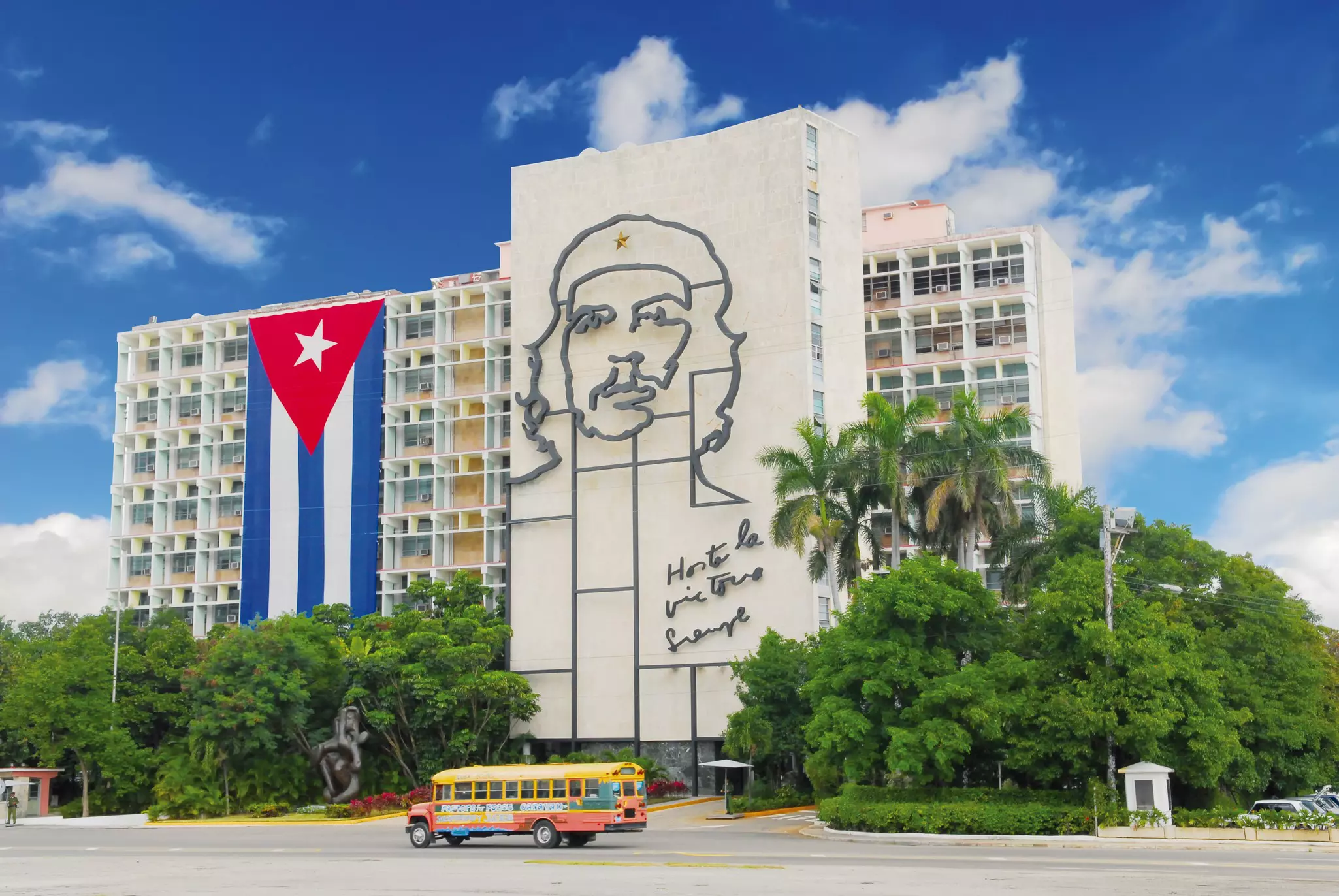
Cuba has a countrywide state-run bus service called Víazul that connects all of the main cities and some of the smaller towns. Prices are charged in MLC, and tickets must be paid for with a credit card either in person or online.
A second service called Conectando, run by Cubanacán, also runs buses in peak season along some of the more popular routes. Bring a sweater for long bus rides – the air-conditioning is akin to a chilly day in Vancouver.
Cuba is one of the safest countries in the Americas in terms of violent crime. Pickpockets are more common but not rampant, and it is mostly avoidable if you follow a few basic precautions: wear a money belt, use safe boxes in hotel rooms and don’t flash your cash in public.
Solo female travelers have reported experiencing a good deal of unwanted attention, but it didn't necessarily spoil their enjoyment of traveling in Cuba.
There is a fine line between being open and friendly and harassment, and some men can cross that line by being overly familiar or asking too many personal questions. Learn some key phrases in Spanish that make it clear when you're not interested: "No estoy interesada" (I'm not interested) and "Déjame sola" (Leave me alone) are good places to start.
Never change money with unlicensed traders on the street. You run the risk of receiving estafas (forged notes).
On the one hand, Cuba has a good health system; on the other, it is perennially short of pharmaceuticals.
Bring all the prescription medications you’ll need for the length of your trip, as well others that may come in handy, such as ibuprofen or acetaminophen. If you’d like to donate medicine to the people of Cuba, it is currently possible to bring in 10kg of medical supplies tax-free (pack them in a separate bag).
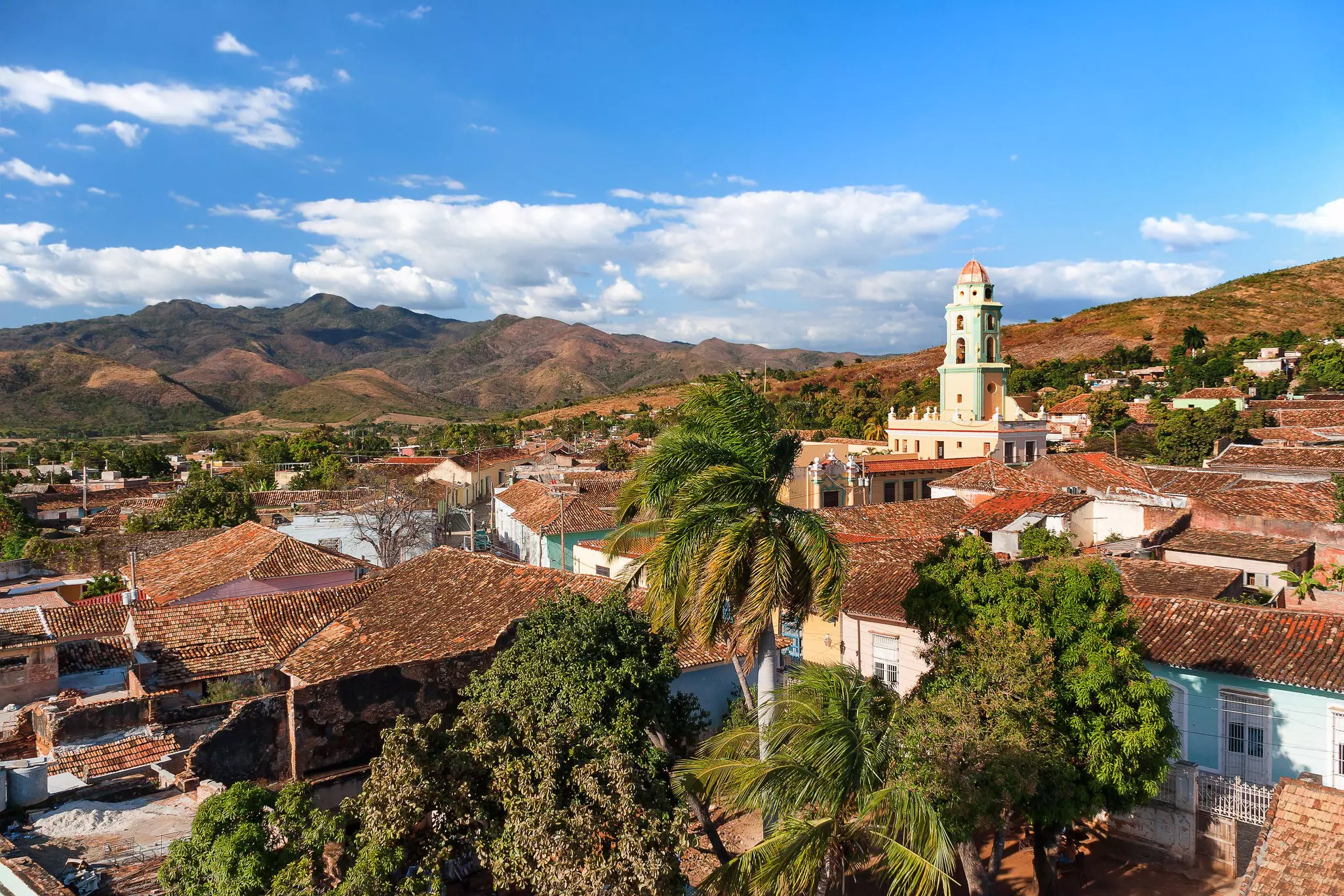
Cuba has its share of jineteros (touts) spinning elaborate stories about very inexpensive but high-quality cigars procured by a family member who works at a factory. Don’t believe them. Instead, buy your cigars in state-run shops such as the Casa del Habano chain. Cigars sold on the street are invariably factory castoffs and not genuine.
With light traffic on the road, driving might seem like an easy proposition, but with elevated rental prices and cars often in short supply, it’s not always so. Add in sporadic signs, potholed roads and a wide array of hazards – goats, horses, bicycles, kids and slow-moving, fume-belching trucks – and you might want to reconsider a self-driving road trip and get the bus or employ the services of a chauffeur.
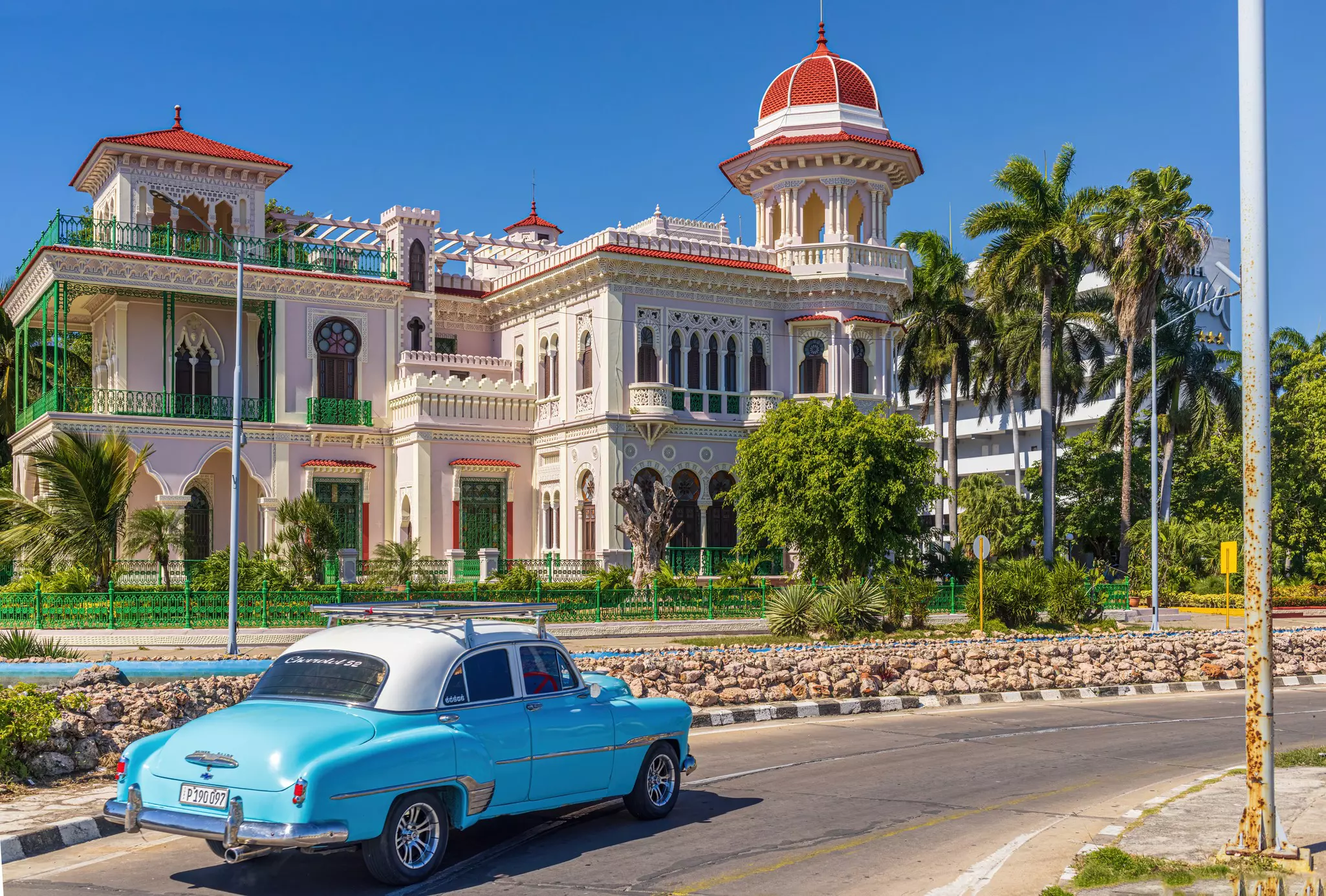
Toilet paper is often in short supply in public toilets. Carry your own roll or gravitate to four- or five-star hotels when you’re caught short in the city.
Silicon cups, disposable pads and tampons are must-pack items if you're expecting your period while you're in Cuba. These are in high demand here.
The water won’t kill you, but it might give you a little queasiness or an upset stomach. Fortunately, bottled water is abundant and inexpensive. An even better idea is to bring your own filter bottle or water purification tablets.
Explore related stories