Jul 16, 202614 min read
17 Things to Know Before Visiting Chiang Mai, ThailandJul 16, 2026
14 MIN READ
Contributors
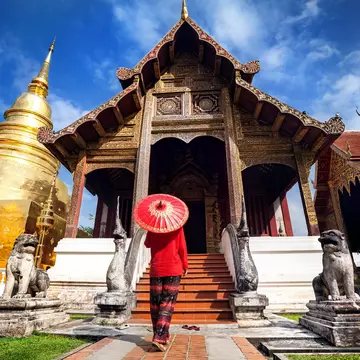
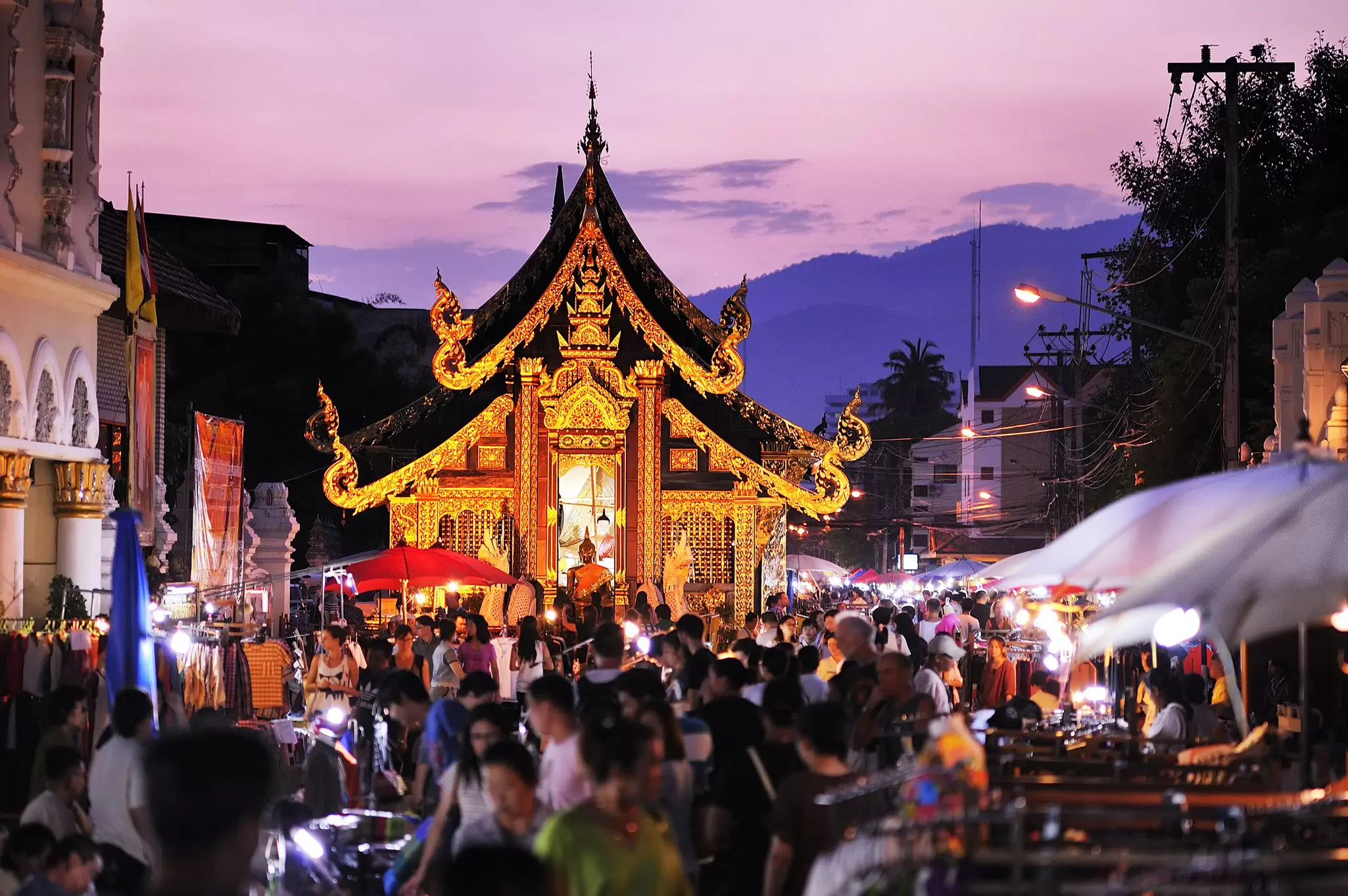
A golden prayer hall surrounded by market stalls in Chiang Mai. 501room/Shutterstock
Contributors


Lonely Planet Editors, Alana Morgan
Highlights
Writer Alana Morgan shares 17 Chiang Mai tips on timing, etiquette, food and safety.
Plan at least five nights and come November to January for clear skies and cultural festivals.
To show respect, cover shoulders and thighs, remove shoes at prayer halls and never touch monks.
For a taste of northern Thai food's unique funkiness, try khao soi and nam prik num.
Lonely Planet may earn a commission from affiliate links on our site. All recommendations and reviews reflect our own independent opinions.
There’s so much more to Chiang Mai, Thailand’s second city, than meets the eye. Though firmly on the travel circuit as the gateway to northern Thailand, Chiang Mai is overlooked by many travelers who zoom through Bangkok bound for the tropical islands of southern Thailand.
Visitors who head north instead will be richly rewarded with spectacular monuments, mesmerizing markets, fabulous cuisine and all sorts of adventures in the surrounding hills, but what are the key things to know before you visit Chiang Mai?
The first thing to be aware of is that Chiang Mai casts an alluring spell. With its foodie night markets, ancient stupas and wat (monasteries), artisan workshops, walking street craft markets and inviting coffee shops, many visitors plan on staying a few days, but this can easily stretch into a week… and then two… or more.
Being lucky enough to call Chiang Mai home for a decade, I still find it endlessly captivating, partly as so much is packed into a relatively small area – the historic Old City in the center of Chiang Mai covers just one square mile, but offers up many days of sightseeing and grazing. Here are my top tips on planning, etiquette and safety to help you make the most of your stay in Chiang Mai.
Before you book your tickets, give some thought to how you are going to get here and what you plan to do when you arrive.
A few days isn’t enough to uncover all of Chiang Mai’s charms, which often lie in its daily rhythms as well as the big sights. There's also tons to see in the rainforest-covered hills around the city, from responsible elephant sanctuaries and minority villages to dramatic waterfalls, craft villages and hot springs.
Do yourself a favor and plan to stay for at least 5 nights or even more, if possible. Between exploring town and squeezing in a couple of day trips, there are plenty of ways to fill your stay. Also, time your visit to stay over the weekend since some of the city’s night markets only happen on Saturdays and Sundays.
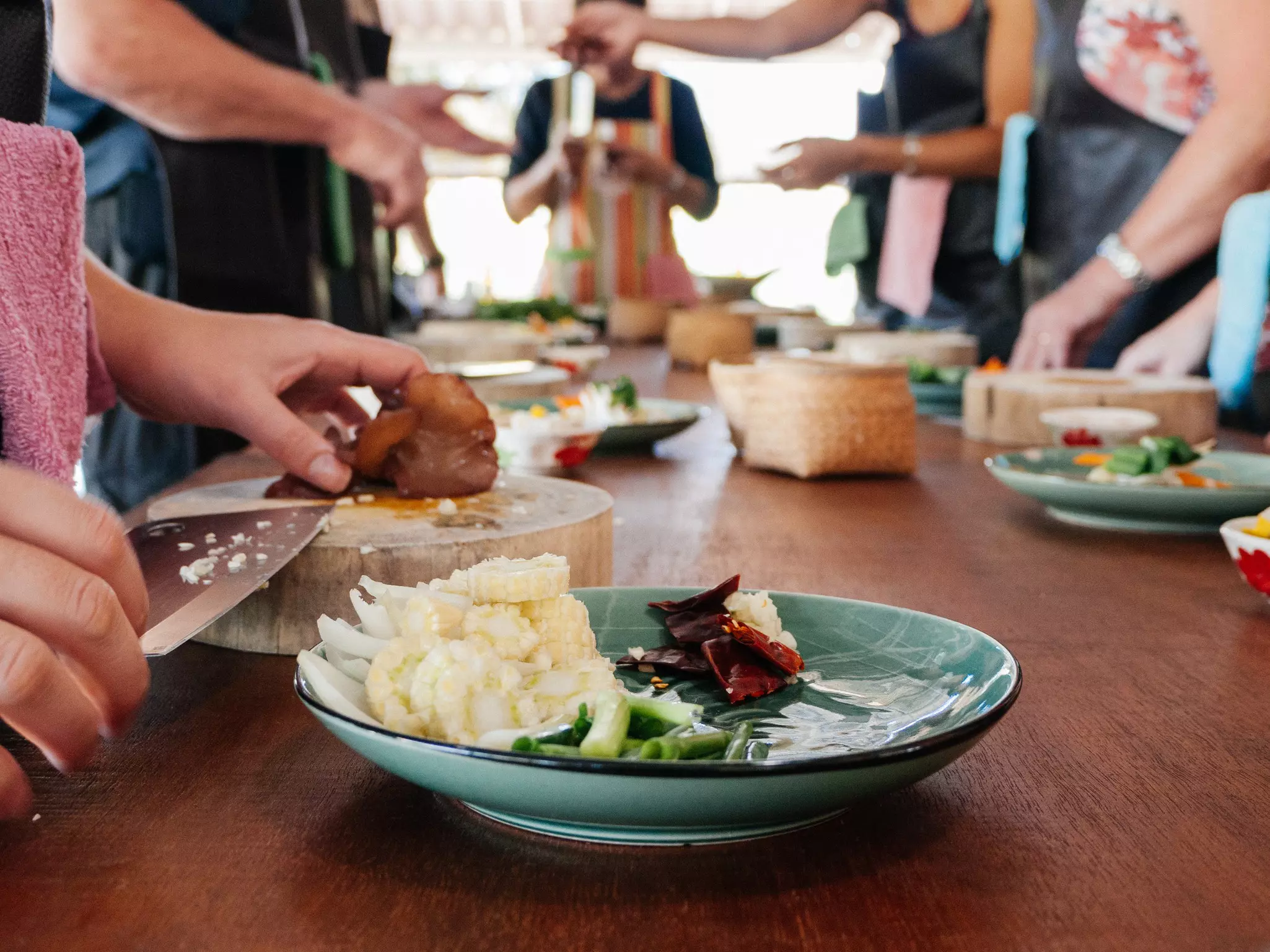
If you plan to sign up for a cooking course, meditation classes or other spiritual and holistic pursuits, allow extra time. You can often take a one-day class, but you'll get more from the experience if you put in several days. Staying a week will also let you extend long day trips such as the journey to Doi Inthanon National Park or Chiang Rai into less rushed overnight visits.
The best times to come to Chiang Mai align with the seasons. The period from November to January has the sunniest weather and is packed with cultural festivals, as well as offering more bearable temperatures, though this is also the peak season, with higher prices. The heat and haze from crop-burning deter many visitors from February to April, but tourism picks up again in April for Songkran, the Thai New Year. Come from May to October for lower prices during the rainy months.
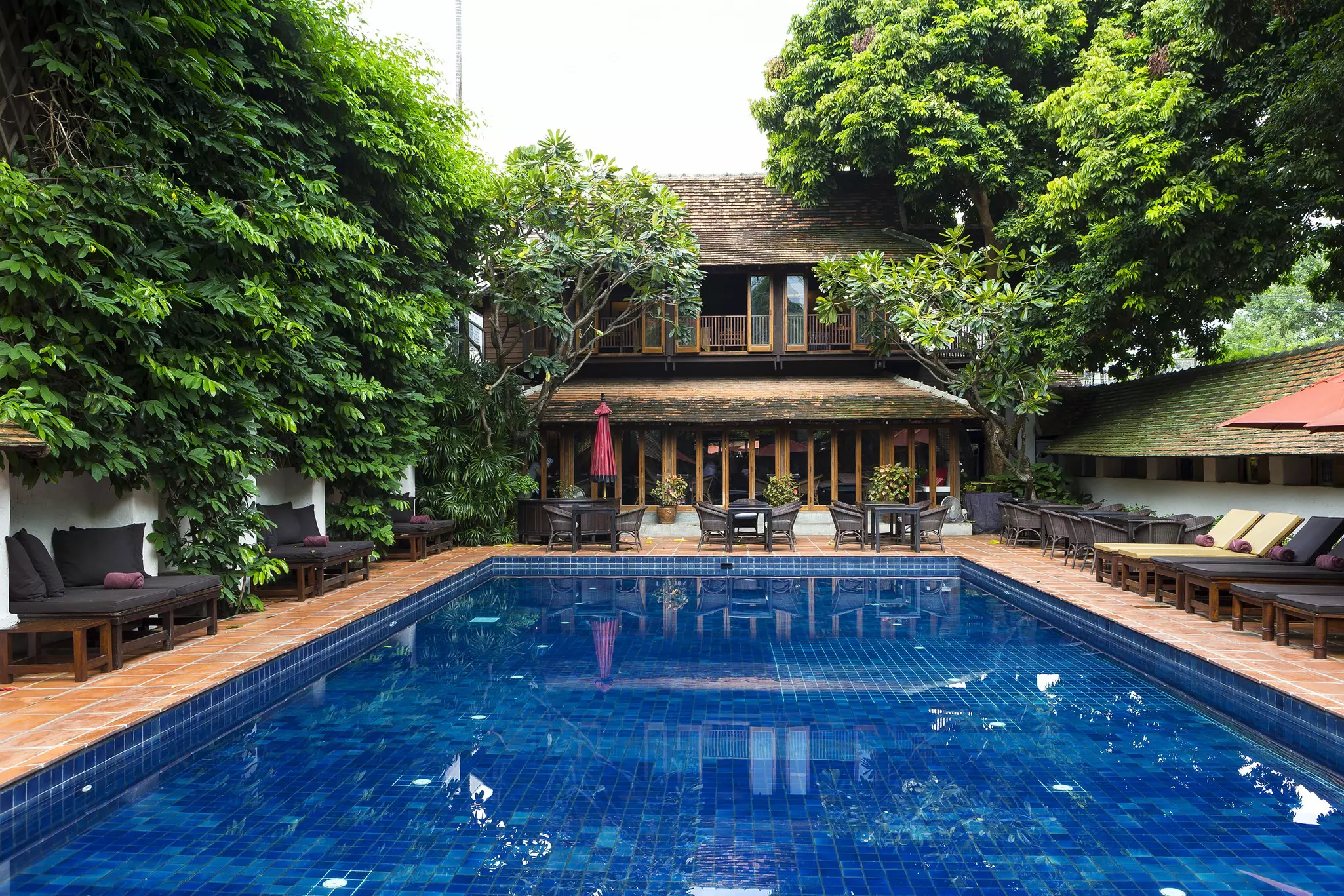
Most visitors pick a hotel, hostel or guesthouse inside or just outside the Old City, which is bound by the remains of Chiang Mai's medieval moat and walls. Other good areas for accommodation include the Nimmanhaemin neighborhood, northwest of the Old City – also great for hip places to eat and drink – and the Riverside and Night Bazaar areas, for upmarket hotel options (sometimes with a pool).
Chiang Mai natives and foreign residents take the city's reputation for appreciating “slow living” seriously, and you should, too. Keep at least 1 day unscheduled to simply wander around, enjoying the relaxed pace, and stay open to whatever serendipitous encounter or decision may unfold. That might involve a leisurely morning over elaborate coffee concoctions at a welcoming cafe, treating yourself to a 2-hour Thai massage, or dropping in on a yoga class or "meet the monks" session at a Buddhist monastery.
As is typical for Thailand, Chiang Mai is both the name of the country's second-biggest city, and the name of the surrounding province (other examples include the city of Chiang Rai in Chiang Rai Province or the island of Phuket in Phuket Province).
Keep this in mind while booking accommodations via booking websites – always check how far you will be from the historic center of the city. If you're too far out, you may end up spending a lot of time on transportation getting to the sights.
Budget airlines have made getting to Chiang Mai a breeze, with excellent connections to cities across Thailand and the rest of Asia, but if you zoom straight from Bangkok to Chiang Mai, you'll miss out on some interesting stops in between. Taking the train between the two cities – a comfortable trip of around 12 hours – will let you see more of the country you are traveling through.
Many travelers take the night train, which offers uncrowded, inexpensive, air-conditioned berths, but you can also travel by day, breaking the trip at the ancient Thai capitals of Ayuthaya and Sukhothai, or the untouristy cities of Lampang and Lamphun.
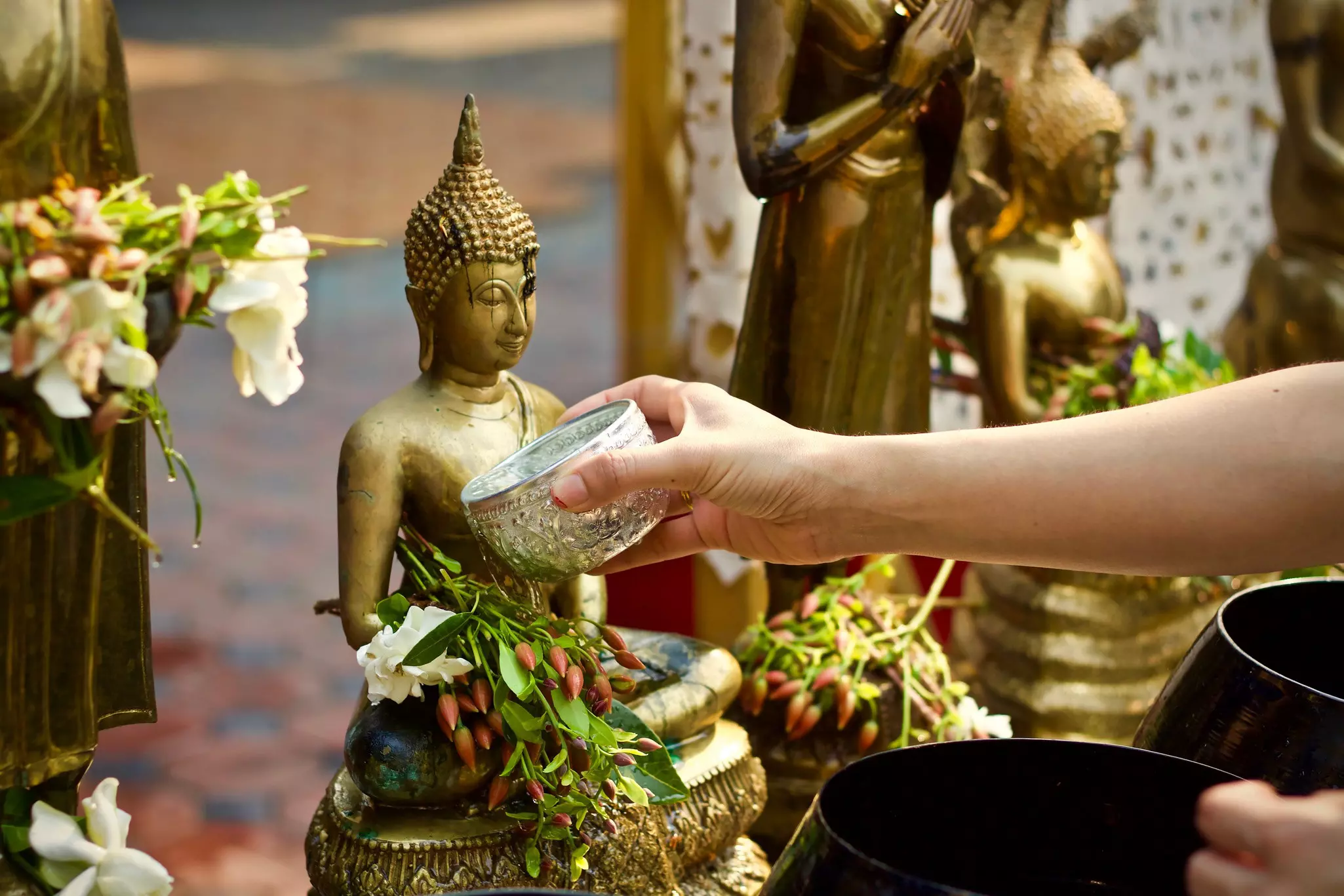
Northern Thais tend to be modest and respectful toward others, so follow the example of locals to put people at ease.
Even in the height of the hot season, Thais are fairly modest when it comes to clothing, particularly for women. This applies even more in the north, where people are not used to the swimwear and sarongs culture of the beaches and islands. “Polite” dress – meaning covered shoulders, chests, and thighs – is required for visiting temples, and it's often expected in everyday life, too.
That said, everyone tends to keep things comfortable and casual. No one will say anything (to your face) about what you’re wearing, but you’ll both show respect and often receive more respect in return when showing less skin. You'll also feel fresher in loose, thin, lightweight cotton clothing that covers the arms and legs, and it will keep off mosquitoes and the sun, too.
Show extra respect when visiting religious sites. Shoes should be removed when entering prayer halls and other areas where you see local people doing the same, the soles of the feet should never be pointed toward people (particularly monks) or Buddha statues, and monks should not be touched.
While the feet are regarded as the lowest part of the body, the head is the highest, so don't ruffle children's hair or pat them on the head. Even if you are not Buddhist, leaving an offering of money (or buying flowers and other offerings) at temples is welcomed, and it helps fund the upkeep of these monuments.
Note that northern Thais frown on overt public displays of affection, and kissing and hugging in public isn't the norm, though holding hands is common for couples. As elsewhere in Southeast Asia, losing your temper, shouting and other aggressive behavior should be avoided.

Songkran, Thailand’s enthusiastic New Year celebration held each April, and Loi Krathong, in November, are widely celebrated across Chiang Mai with parades around the Old City, elaborate decorations, city-wide events, and lots of photo ops. Book months ahead to avoid the worst of the price hikes, and join in with what feels like a city-wide street party.
While Chiang Mai can feel a little overrun with visitors at festival time, it’s worth braving the crowds to observe religious events, experience a side of city life aimed at Thais rather than foreign tourists, and immerse yourself in festival activities such as lighting floating lamps and enjoying festival foods.
Loi Krathong in Chiang Mai is particularly beautiful, thanks in part to the added northern holiday of Yee Peng, which sees countless illuminated paper lanterns released into the sky. If you come for Songkran, leave electronics and valuables in your hotel room, wear clothes you don't mind getting wet, and dive into the biggest (and friendliest) water fight you've ever seen.
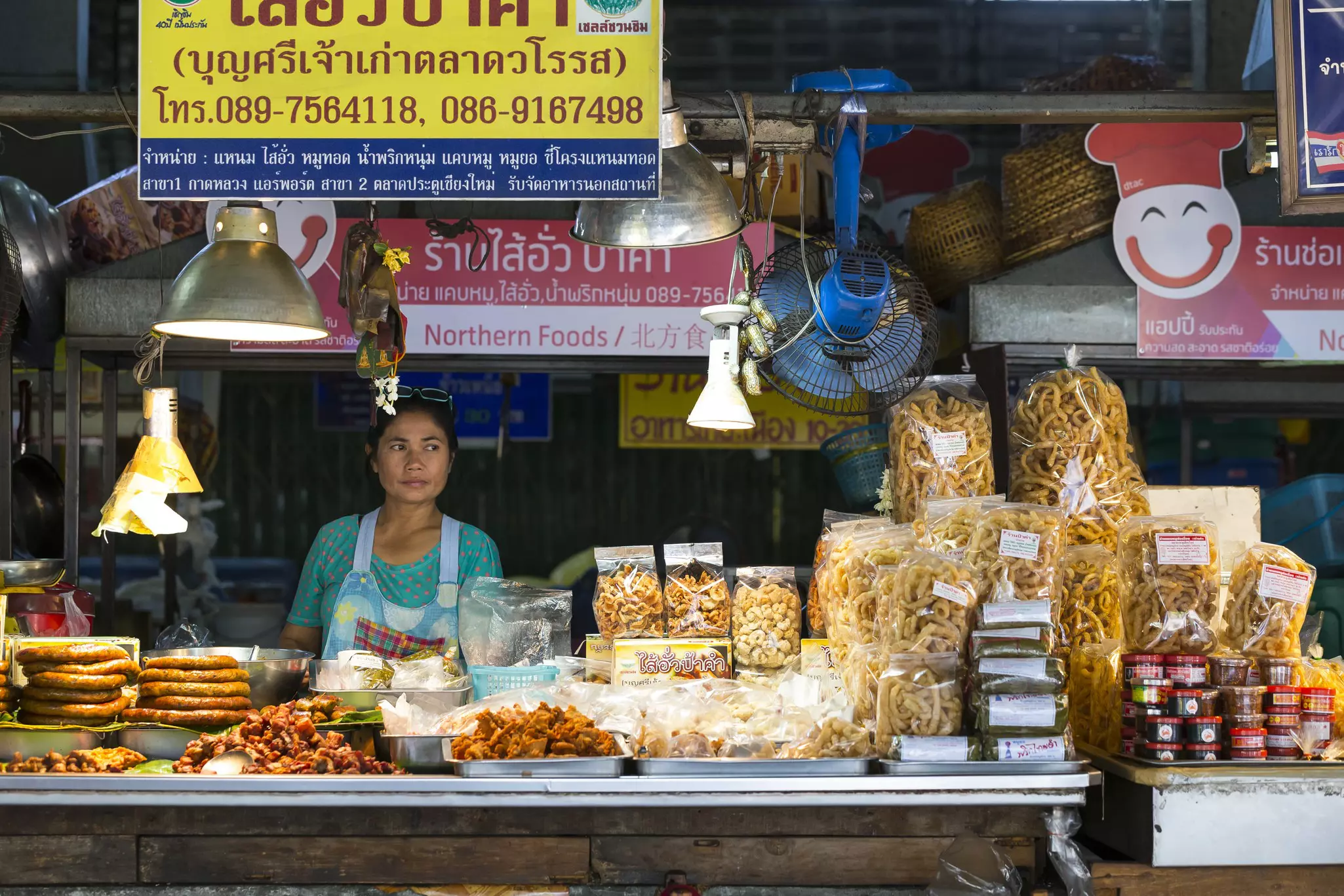
There’s a market, or talat, happening morning, noon and night in Chiang Mai, and this is where you'll see locals doing most of their shopping. In contrast to the tourist-focused walking street and craft markets, markets aimed at locals are great places to find snack foods, ingredients and utensils for Thai cooking, baskets and religious items – many of which make great souvenirs to take home.
Various fresh markets open before dawn and close by late morning, while others open in the afternoon and early evening for the after-work rush. Start the market browsing at Talat Wororot, also known as Kad Luang, on the east side of town along the Mae Ping River. This is Chiang Mai’s longest-running market and it's a popular local destination for everything from home goods and flower garlands during the day to clothes and streetside fare during the evening.
Nearby, the Talat Muang Mai, a wholesale produce market, stays open all day and is particularly busy late at night when traders arrive from the surrounding hills hauling tropical fruit and vegetables from local plantations and farms.
While undeniably commercial, the weekend Saturday Walking Street and Sunday Walking Street markets are popular spots for locals, Thai tourists and foreign visitors alike, and great places to pick up street food to munch on while you browse.
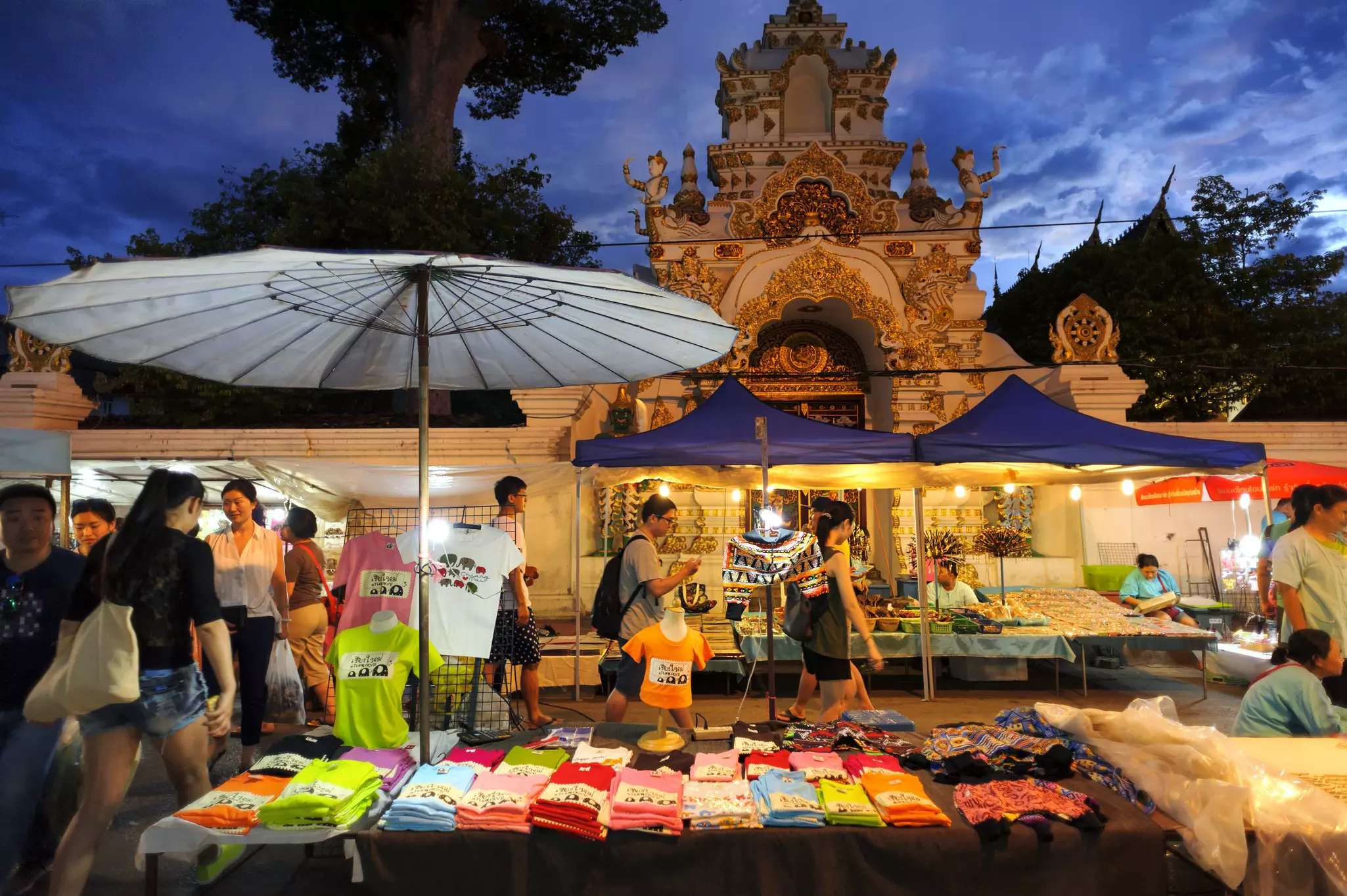
Statistically, Chiang Mai is one of the safest cities in Asia, but there are a few risks to be aware of.
According to climatologists, Thailand has three seasons – hot, rainy, and cold – but Chiang Mai also experiences what locals call the “smoky season.” Often starting sometime in February and lasting through the hot season until the rains begin at the end of April or early May, this period sees smoggy skies and poor air quality due to slash-and-burn farming practices across the region.
Every year is different depending on the weather patterns and the government’s current restrictions, but if you’ll be in Chiang Mai in February, March or April, you can expect some level of air pollution. Face masks are readily available and most accommodations and indoor restaurants will have air purifiers running 24/7. If you have a respiratory condition, consider visiting at another time to be safe.
Good doctors and dentists are easy to find in Chiang Mai. While you hopefully won’t have to go to the doctor for any reason, if you get sick or hurt, you can walk into any hospital and get care, though you'll usually pay for the service. This includes the city’s go-to private hospital for foreigners and locals with money to spare, Chiangmai Ram, which is in the center of town. Find a check-in desk, and staff will point you in the right direction.
Dentists' offices are also dotted throughout the city and readily accept new patients. Due for a dental cleaning? This is the place to do it, as prices are modest compared to Europe or North America. Two key steps you can take to avoid unnecessary medical visits are regular hand-washing (or using hand sanitizer) and slapping on plenty of sunscreen.
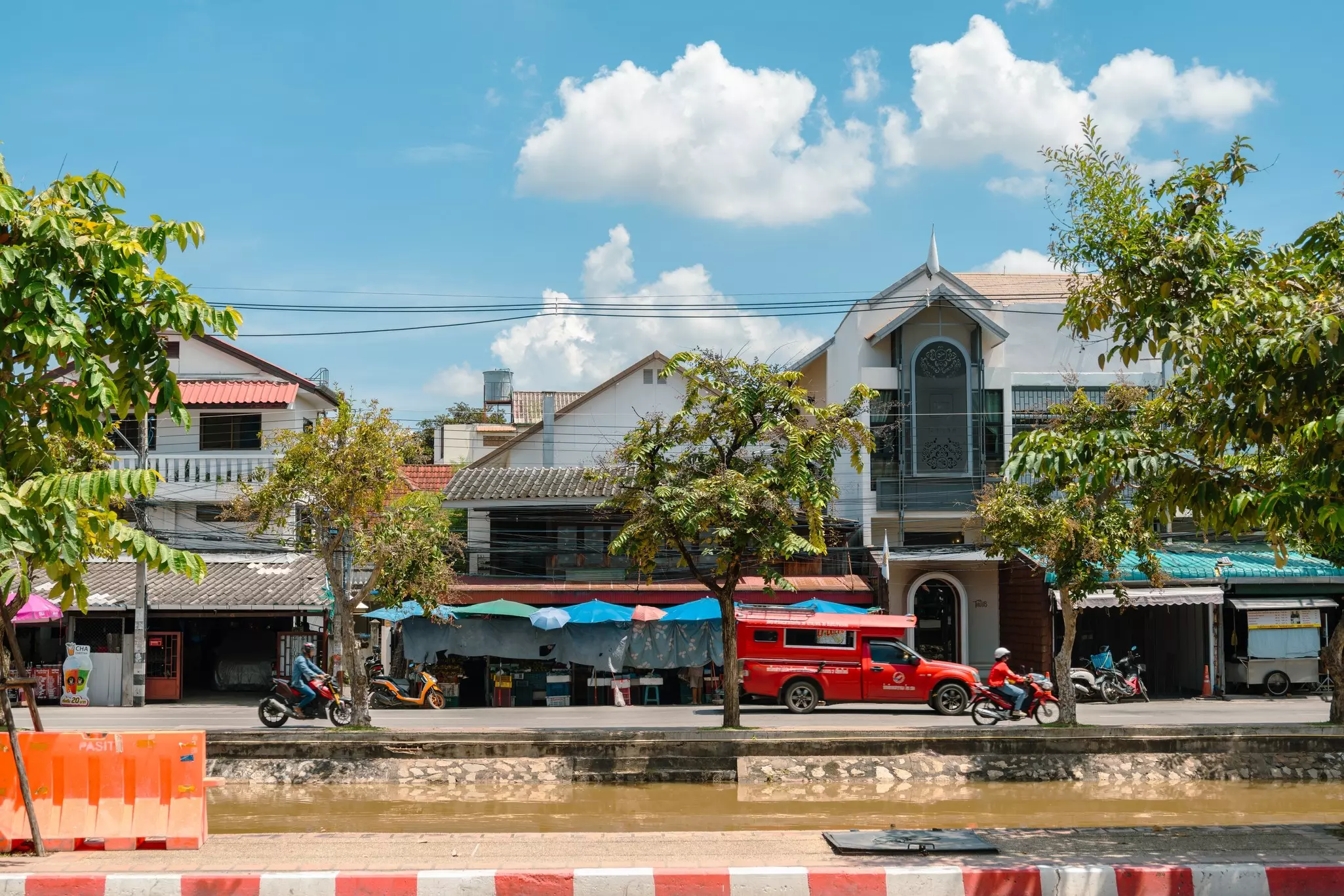
There are plenty of ways to get around Chiang Mai, from tuk-tuks (autorickshaws) to the local rot daang (literally "red trucks" – pick-up trucks that operate as shared taxis, but are also available for charter for bespoke trips). But many people rent a motorcycle or scooter to explore, as the traffic is much calmer than in cities like Bangkok.
Zipping around town on a motorbike is arguably the quickest, most convenient way to get around – if you know what you’re doing! Ride slowly and cautiously, give way to larger vehicles, wear a helmet, obey the road rules, and rent from agencies that offer insurance covering damage to the bike and damage or injury to third parties.
As a foreigner, be aware that you’ll likely get stopped at a police checkpoint at some point. Unless you have a valid Thai motorbike license or an International Driving Permit endorsed for motorcycles, you may receive a ticket. Be polite, stay calm, and pay the fine. They’ll then let you keep driving on your merry way.
Crime levels are low in Chiang Mai, but there's a minor risk of petty theft, so keep an eye on your valuables and don't walk around with an unzipped bag or your phone or wallet sticking out of your pocket, particularly in crowded markets. Also avoid leaving your phone or laptop in an easily swipeable position on tables when dining or drinking in the street. Another tip for women: politely decline offers of drinks from strangers because of the risk of drink spiking.
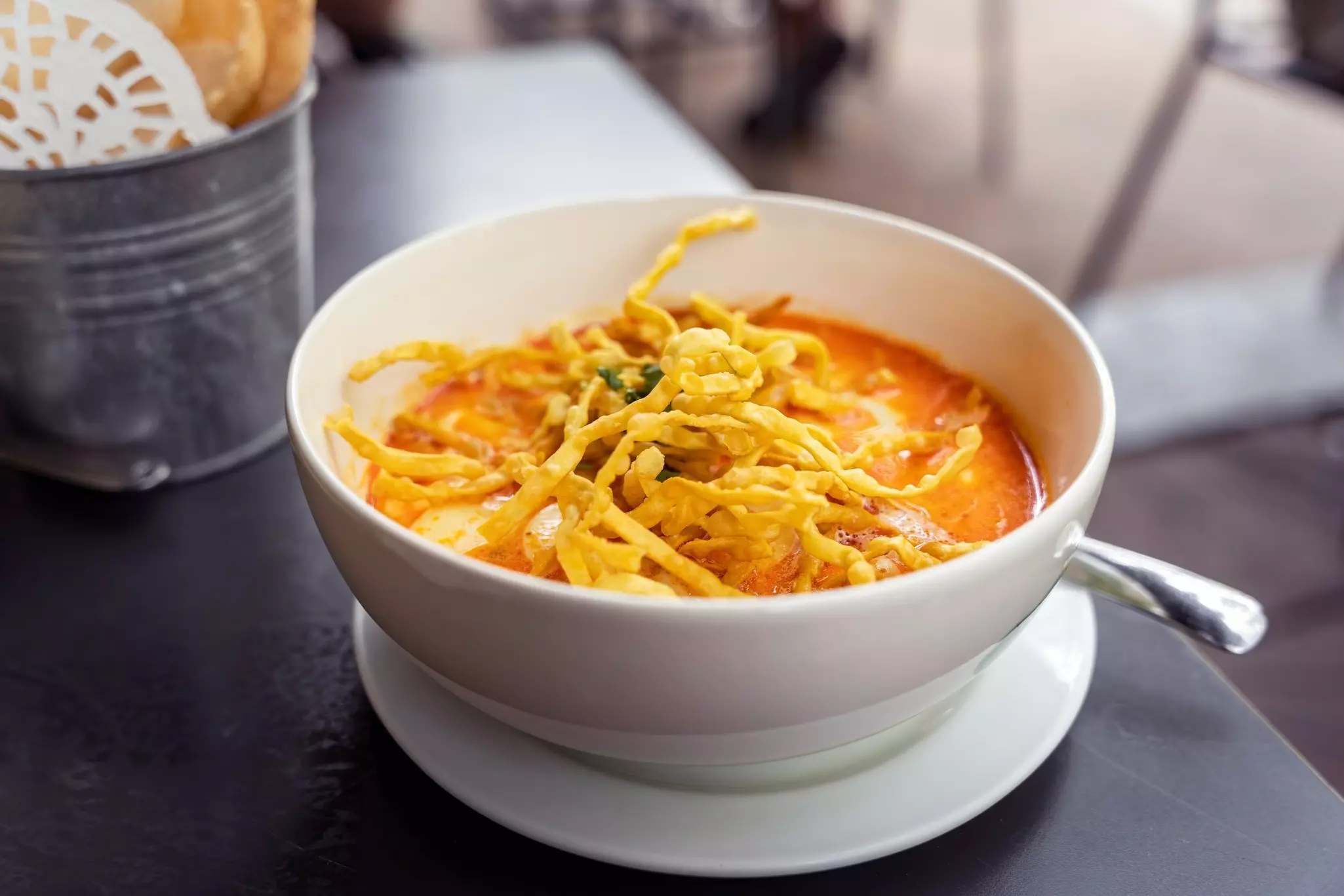
Northern Thai cuisine is a different beast to the food served in the south and the capital, so take time to graze and get familiar with its unique flavors.
Eating may be Thailand’s national pastime, but Chiang Mai takes this to the next level. The city is surrounded by farms harvesting fresh produce, the streets are packed with countless street stalls and food markets, and prices are affordable (you can still find bowls of noodle soup for just a dollar or two), so you’re never far from another satisfying snack, memorable meal or refreshing beverage.
Known for using lots of herbs, spices and pork, northern Thai food tends to have a unique funkiness to it that you won’t find elsewhere in the country. You’ve probably heard of khao soi, the Chiang Mai specialty of egg noodles topped with a rich coconut curry broth and pickled garnishes, but that’s just the beginning.
Look for kaffir lime leaf-stuffed sai oo a sausage, the spicy green chili dip known as nam prik num, the roasted tomato and ground pork chili dip called naam prik ong, and ka nom jeen nam ngee o – thin sticky rice noodles topped with a spicy, tomato-based broth.
Tong Tem Toh in the Nimmanhaemin neighborhood and Huen Phen in the Old City are both solid places to start your northern Thai culinary journey.
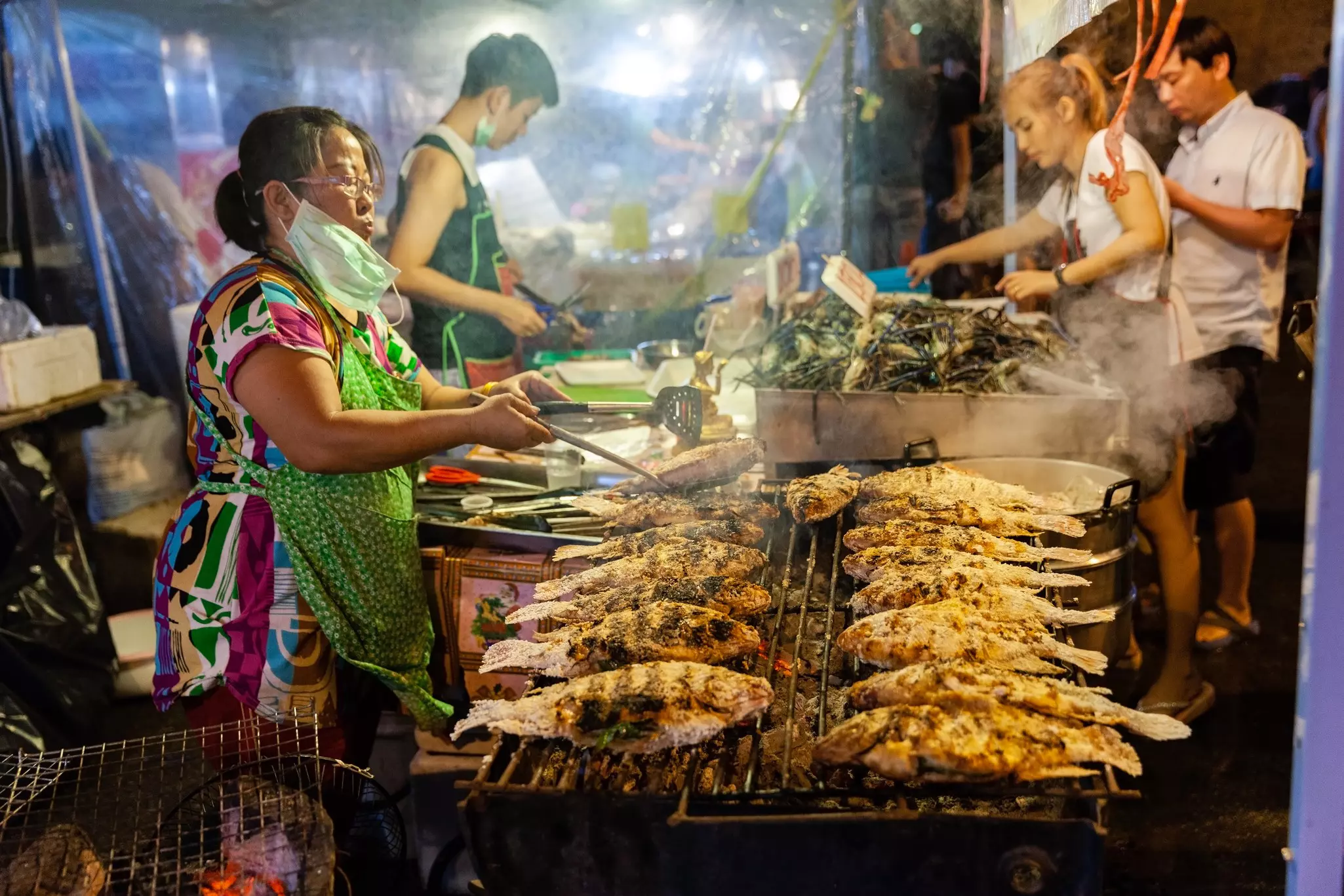
Chiang Mai loves its street food, so rather than dining at restaurants in the evening, follow the crowds of hungry locals to the city's excellent night markets, many of which have had the same vendors for a decade or more. For bargain prices, you can dine on everything from khao soi to the famous Cowboy Hat Lady’s kow kah moo (slow-cooked pork with rice), all washed down with some of the best fruit smoothies in the world.
Most night markets get going by around 4pm or 5pm and stay open till 11pm or later. Top choices include: the Chang Phuak Gate Night Market, home to the Cowboy Hat Lady; the conveniently located Chiang Mai Gate Market; the loved-by-students Lang Mor Night Market; and the boisterous Kalare Night Bazaar – the place to recharge after shopping in the Night Bazaar.
The Thai kings Rama IV and Rama V made an executive decision to abandon chopsticks in favor of Western-style cutlery in the 19th century, so most meals in Chiang Mai are eaten with a metal spoon and fork, or with the fingers. Carry hand sanitizer to ward off germs if you enjoy finger-food treats such as fresh vegetables dipped into nam prik noom. When using cutlery, Thais tend to hold the fork in the left hand and the spoon in the right.
To continue planning your trip to Chiang Mai, check out our Thailand guidebook.
Explore related stories