Sep 29, 20268 min read
11 Best Things to Do in Palawan Sep 29, 2026
8 MIN READ
Contributors
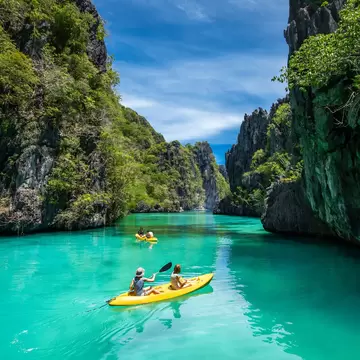
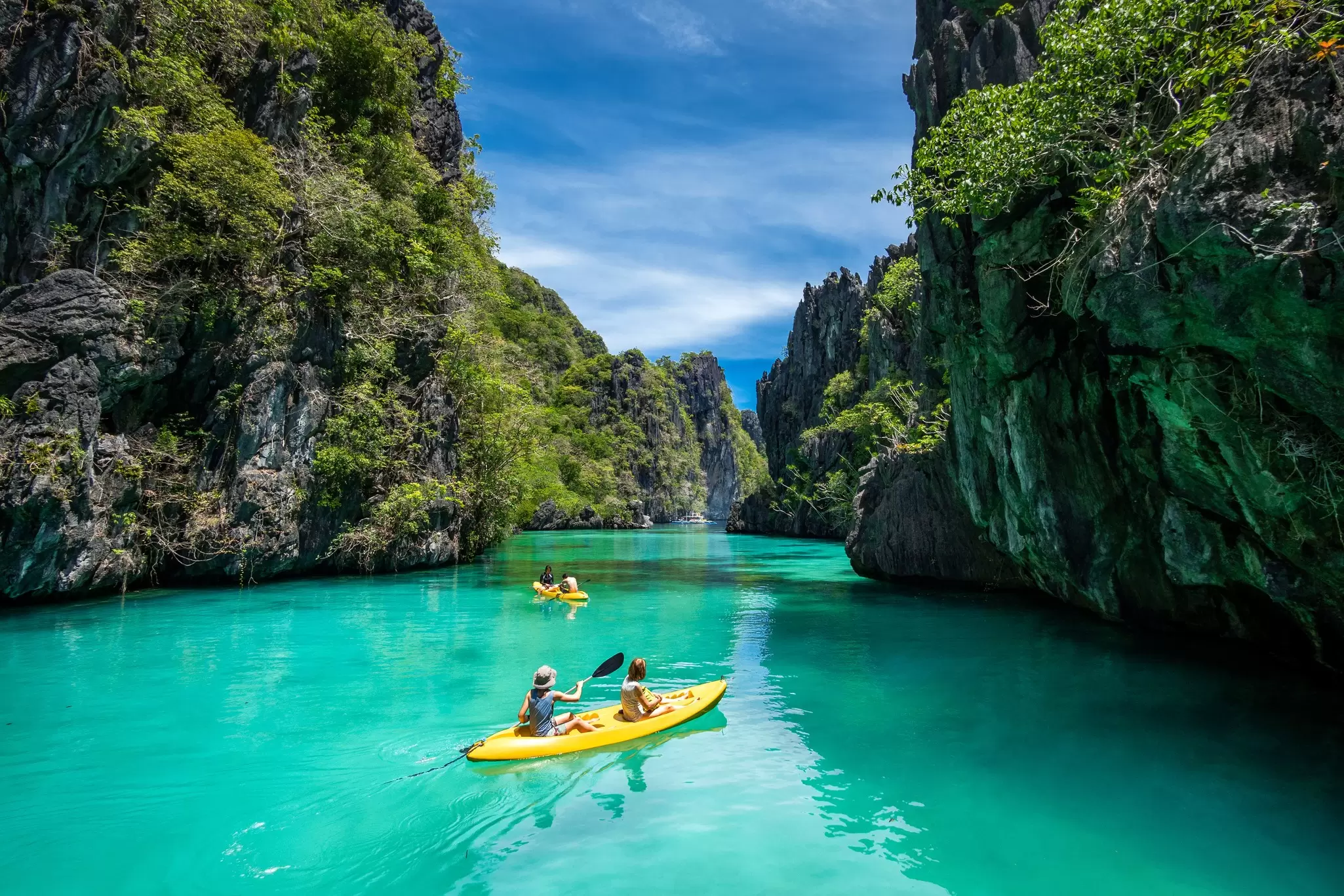
Kayaking around El Nido, Palawan, Philippines. R.M. Nunes/Shutterstock
Contributors

Michael Grosberg, Greg Bloom
Highlights
Writers Greg Bloom and Michael Grosberg highlight the best things to do, from diving to trekking.
Dive the UNESCO-designated Tubbataha Reefs, then penetrate Coron Bay's haunting shipwrecks.
For iconic seascapes, head to El Nido's Bacuit Archipelago; sea kayakers should base themselves in Busuanga.
Spot dugongs off Calauit Island, swim in Kayangan Lake or trek Palawan's rainforest waterfalls.
Lonely Planet may earn a commission from affiliate links on our site. All recommendations and reviews reflect our own independent opinions.
Nothing defines Palawan more than the surrounding water. One of the Philippines’ most sparsely populated regions is also the most beguiling. Stretching from the Mindoro Strait down to the tip of Borneo, it’s a magnificent, coral-fringed range of jungle-clad mountainous islands jutting up dramatically from the Sulu Sea. The peculiar geography of its long and narrow main island, only 39km at its widest, imparts a comforting ease to travel plans. South to north or vice versa. What complicates things – or rather what makes it so magical – are the islands and inlets that reward those patient and flexible enough to find their own ideal version of tropical bliss.
These are the best experiences in Palawan.
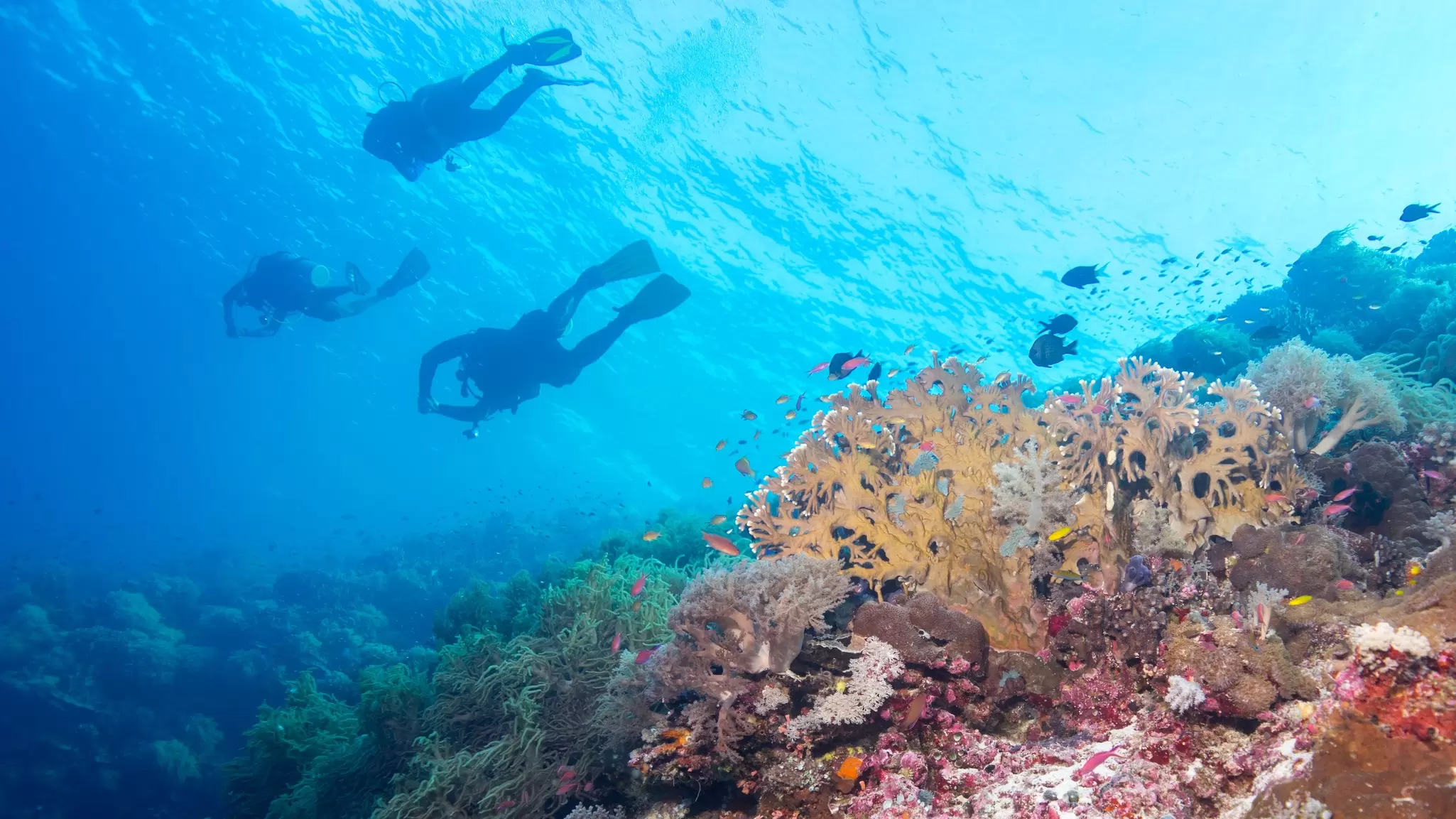
A rich underwater tapestry greets scuba divers who flock to Palawan, which lies at the very heart of the Coral Triangle biodiversity corridor. The highlight is the UNESCO-designated Tubbataha Reefs Natural Park, a partially sunken atoll in the middle of the Sulu Sea that’s accessible only by a live-aboard boat from mid-March to mid-June. Here, hammerheads mingle with giant wrasse and manta rays on a radiant coral shelf.
Up north in the Calamian Islands, experienced divers penetrate the haunting husks of some two dozen Japanese shipwrecks sunk by American bombers in Coron Bay in 1944. The Calamians, along with El Nido, have outstanding reef diving. Live-aboard trips between these two tourist hotspots cut through the Linapacan Archipelago, characterized by crystalline waters and lonely beaches.
Top of most visitors' bucket lists is boarding a trusty Philippine bangka (motorized outrigger) or speed boat and setting off to explore Palawan’s 1780 islands. Paradise takes many forms here, including the James Bond movie-worthy seascapes of El Nido’s Bacuit Archipelago, the striking turquoise waters and dazzling coral reefs of the Calamian Islands in the north, and the Maldives-esque sandbars of the up-and-coming Balabac Archipelago in the extreme south of the province. Why not unplug from the world and take a multiday expedition, camping on remote islands under the stars, far removed from other tourists?
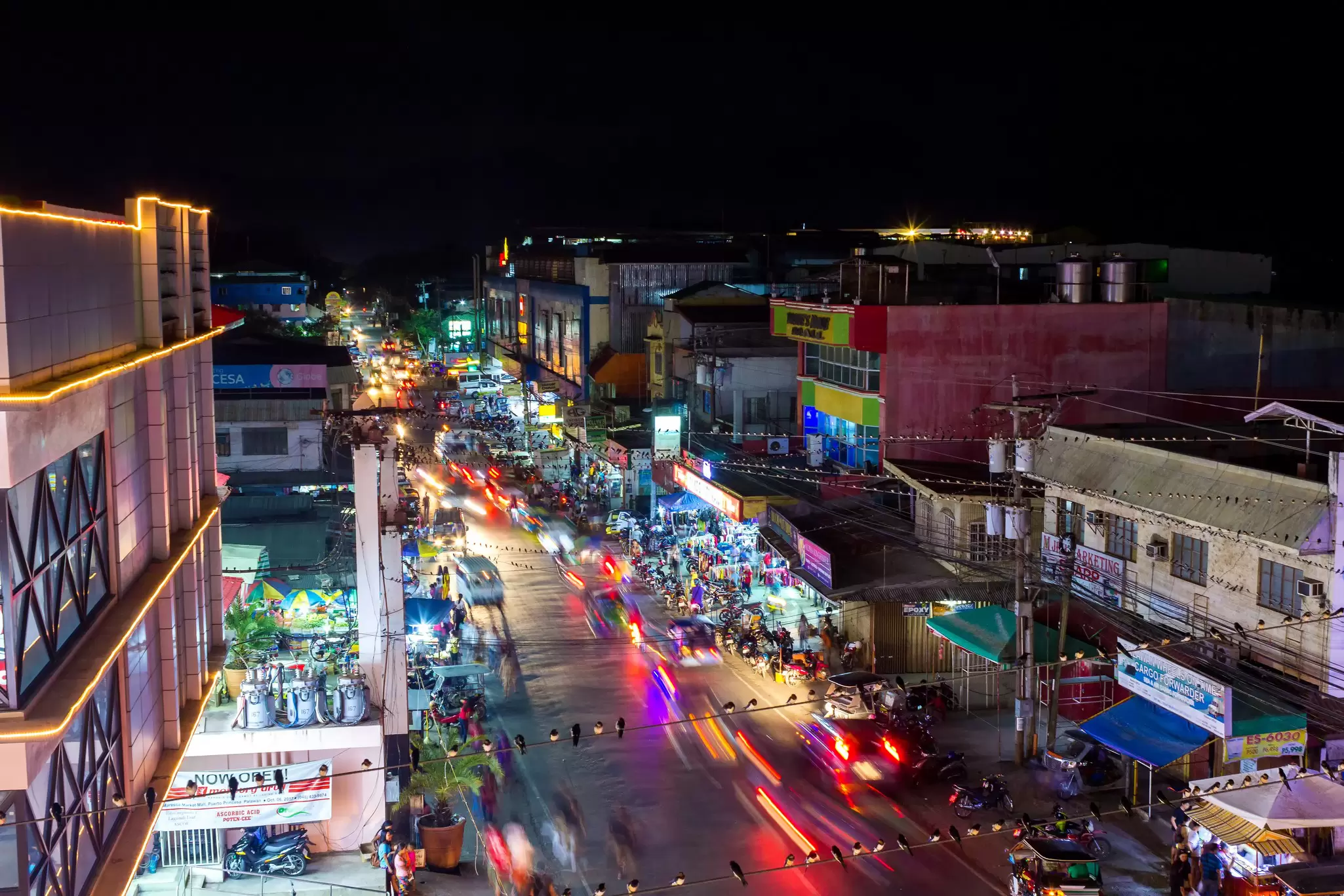
Palawan’s tourism wagon is firmly hitched to the sea, and so is its diet. In Bacuit Bay, bronzed backpackers on island-hopping trips out of El Nido alight on idyllic beaches to gorge on repasts of prawns, squid, mussels, crab and red snapper (pro tip: pick the boat operator with the best lunch). Calamian boat trips offer a similar culinary experience. In remote fishing communities across Palawan, dinner consists of whatever the locals caught that day, perhaps a dorado (mahi-mahi) or yellowfin tuna for sashimi if you’re lucky. Back in civilization, Kalui in the provincial capital, Puerto Princesa, does delectable set seafood menus complemented by salads of seaweed and forest-picked fern.
The best part about Palawan’s glorious beaches? Only a fraction are known to the masses. The rest are yours for the taking. El Nido has a seemingly endless supply of sandy dreamscapes both onshore and offshore in the Bacuit Archipelago. The latter was the muse for Alex Garland’s seminal novel, The Beach. North of El Nido, a rough road leads to amber-toned Nacpan Beach, a 3km sprawl with partial sunset views that somehow remains relatively undeveloped. Heading south along Palawan’s west coast, wind-swept affairs like Long Beach in San Vicente lay exposed to the full force of the Pacific Ocean. Way up north, the Calamian Islands are known for postcard-perfect islets often completely ringed by blindingly white sand.
Close to 50% of Palawan’s old-growth forest cover remains intact, by far the most among Philippine provinces. The cover provides ample opportunity for landlubbers to frolic. Thousands of waterfalls thunder out of mainland Palawan’s jagged peaks into crisp emerald-green pools. Estrella Falls in Southern Palawan has at least 64 tiers; it takes four days to reach them all. Naturalists can prowl the rainforests in search of giant monitor lizards, monkeys, endemic Palawan bearcats or flying foxes. Birdwatchers migrate from around the globe to spot rare species like the vocal Palawan hornbill or the red-vented (Philippine) cockatoo, while determined trekkers can scale myriad peaks.
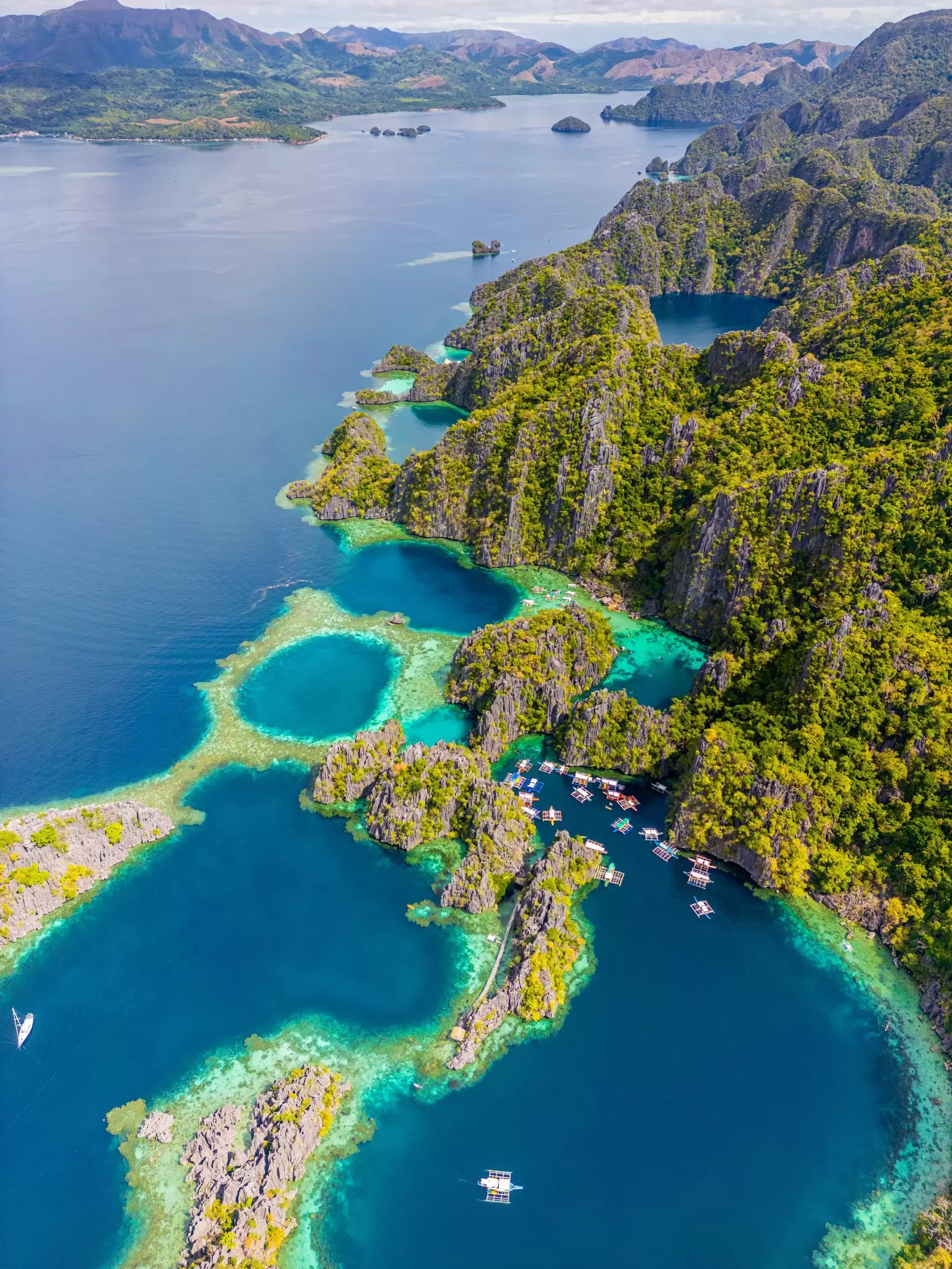
Accessible by a steep 10-minute climb, the crystal-clear waters of Kayangan Lake are nestled into the mountain walls. Underwater is like a moonscape. There’s a wooden walkway and platform to stash your things if you go for a swim. Buoys, placed some way out from shore after two Czech tourists died while freediving in 2017, mark the swimming boundary. Unfortunately, the lake is overwhelmed by the phone-wielding masses during peak hours because it's an Instagram favorite. To avoid the crowds, you’ll need to visit on a private tour early in the morning or late in the afternoon.
Scenic Barracuda Lake is of interest to divers for its unique layers of fresh, salt and brackish water and significant temperature shifts. (It can get as hot as 38°C.) It’s accessible by a short climb over a jagged, rocky wall that ends directly at the water’s edge.
Other places open to visitors include Banol Beach, a small sandy area with shelter from the sun, and photogenic Twin Lagoon, one half of which is accessed by swimming or kayaking through a narrow crevice. It can get crowded.
Local tip: All of the above are popular stops on island-hopping trips out of Coron Town, although standard group tours A and B (P1200 to P1400 per person) are allowed to take in at most two places at a time because of the relatively stiff admission fees at each site.
Why not skip the standard bangka tours and explore Palawan’s iconic bays by sea kayak? Multiday expeditions are a logical next step. Several companies on the main Calamian island of Busuanga already offer these. Busuanga is surrounded by little islands that provide shelter and good camping spots. Sea kayakers can spend up to a week paddling around the island, fishing for their food and basking in isolation. More extreme are two-week Busuanga-to-El Nido expeditions that pit person against sea. Paddling has the additional benefit of having a limited impact on Palawan’s fragile environment.

Plump, with dolphin-like tails and gentle dispositions, dugongs (sea cows), can be found in the waters off Tagbanua-managed Calauit Island in the extreme northwest of Busuanga. A critically endangered species previously hunted for their meat and oil, they’re cousins of freshwater manatees and the only herbivorous marine mammal. Since they feed on a good quantity of seagrass, their presence generally points to a healthy ecosystem.
On Calauit Island, African megafauna roam Calauit Safari Park. President Ferdinand Marcos. brought the animals here from Kenya in 1976 as part of a conservation effort. Species include 25 or so giraffes and about 35 zebras, and most are now fourth or fifth generation. Antelope species are here too, but sightings are less reliable. You’ll also see lots of Calamian deer, repatriated to Calauit from mainland Busuanga to prevent poaching. There is also a mini zoo at the reserve where Palawan porcupines, pythons and a few other animals are kept.
Local tip: Coron Town travel agencies offer the trip, usually with a stop at Black Island. Once at Calauit’s pier after the short bankga ride, you can pay the P600 entrance fee for the park.
Culion Island, the second-largest island in the Calamianes after Busuanga, has a fascinating history. In 1906, the Americans established one of the world’s largest leper colonies here. The main town, Culion, was divided into two worlds – that of the sano and that of the leproso. The Lower Gate that separated the two still stands and today separates Culion’s two central barangays, Balala and Libis. You can learn about this history in several well-curated galleries of the Culion Museum & Archives.
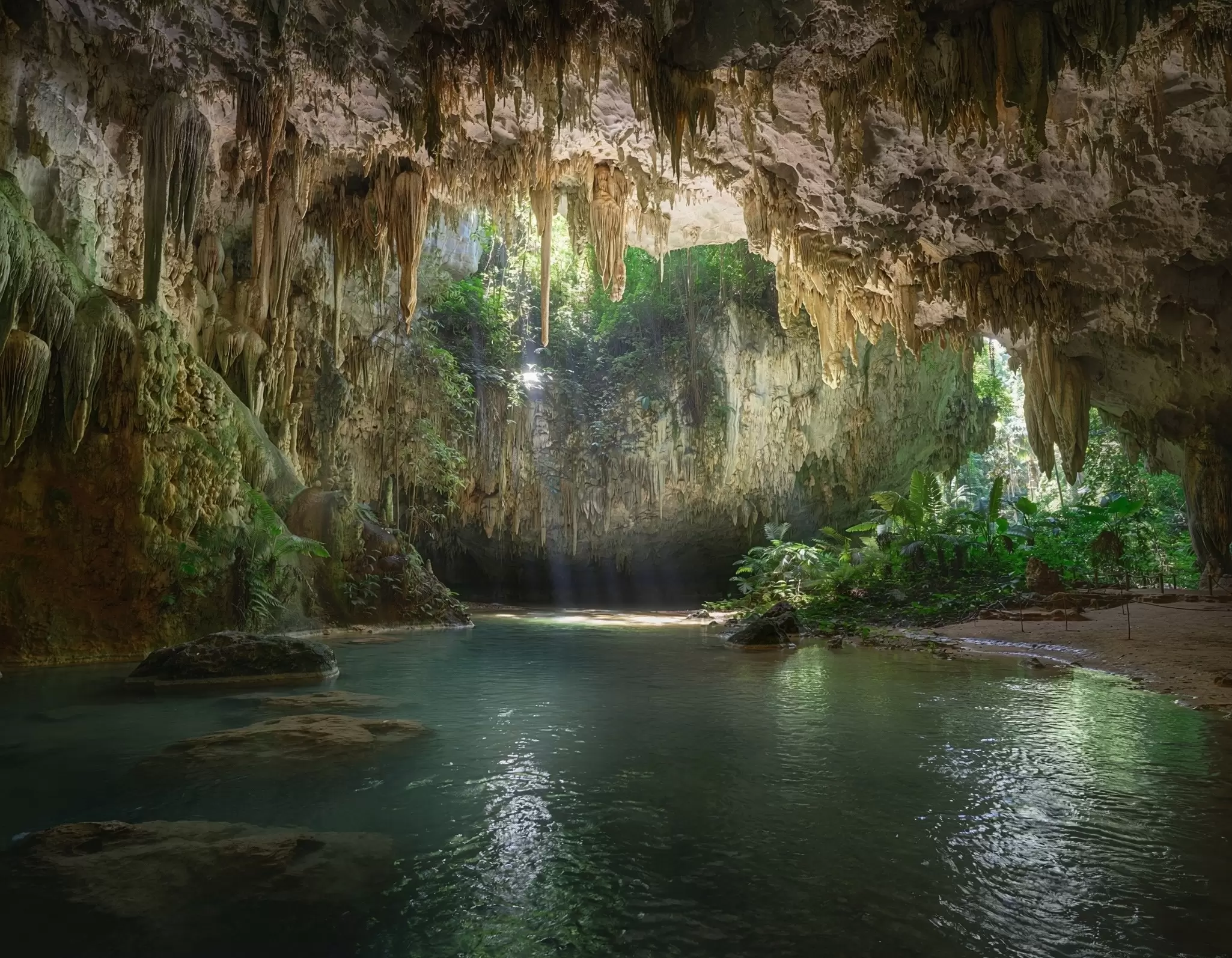
How extreme can you go? Palawan is an amazing destination for adrenaline junkies. In El Nido, it maxes out with cliff diving from the karst towers of Bacuit Bay. (The Red Bull cliff-diving series stopped in El Nido.) Also in the El Nido area, Sibaltan Beach is an up-and-coming kitesurfing spot while Duli Beach woos surfers; the season for both is November to March. Karst is everywhere, providing rock climbers with opportunities to get vertical – El Nido and Sabang are good choices. The latter is the site of the Subterranean River National Park, the longest navigable underground river in the world. Access is by slow paddle boats that hardly qualify as extreme, but with permission, you can don spelunking gear and proceed 3km beyond the tourist zone.
Explore related stories