Jul 9, 20267 min read
5 Ways to Embrace Slow-Living on Italy's Most Underrated CoastJul 9, 2026
7 MIN READ

Writer
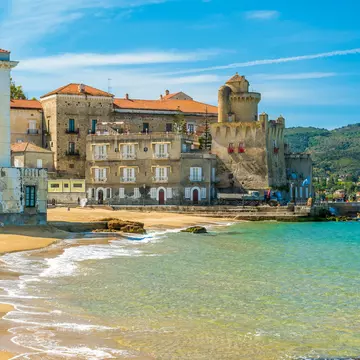
Santa Maria di Castellabate, Cilento, Campania, Italy. essevu/Shutterstock

Writer
Highlights
Writer Federica Bocco picks five slow-living ways to know Cilento, Campania.
Paestum's Greek temples and Padula's Certosa di San Lorenzo reward history lovers.
Sample fusilli cilentani and local cheeses to taste Cilento's UNESCO-recognized Mediterranean diet.
Sail underground at the Grotte di Pertosa-Auletta, then relax on Cilento's sandy beaches.
Lonely Planet may earn a commission from affiliate links on our site. All recommendations and reviews reflect our own independent opinions.
A UNESCO site in its entirety, underrated Cilento is often overshadowed by its showy neighbors Naples and the Amalfi Coast. While Cilento enjoys more relaxed rhythms than those well-trod destinations, many natural and built wonders await visitors who make their way to this southernmost part of Campania: 80 towns, a national park, archaeological sights (including Cilento's most popular attraction, the ancient Greek town of Paestum), mountains, hills and miles of beaches.
Then there's Cilento's food and lifestyle, which grant its residents the closest thing that most humans will get to immortality. The region has over 278,000 people, and about 40 in 1000 are over 90 years old - a far longer lifespan than anywhere else in Italy. Cilento's famed Mediterranean diet promises health and well-being without compromising on the life-affirming pleasures of delicious dining. The idea of limiting carb intake doesn’t exist here. Bread and pasta are staples, along with legumes and fruit and vegetables from sun-drenched gardens.
People in these remote villages take it slow, and indeed part of Cilento's charm is the lack of mass tourism, so be respectful of this gentler approach to living. You could easily spend a month visiting every town, hiking every path and visiting every beach. If your vacation time is a little more limited, we'd prioritize these five things to do on your first (but certainly not your last) visit to Cilento.
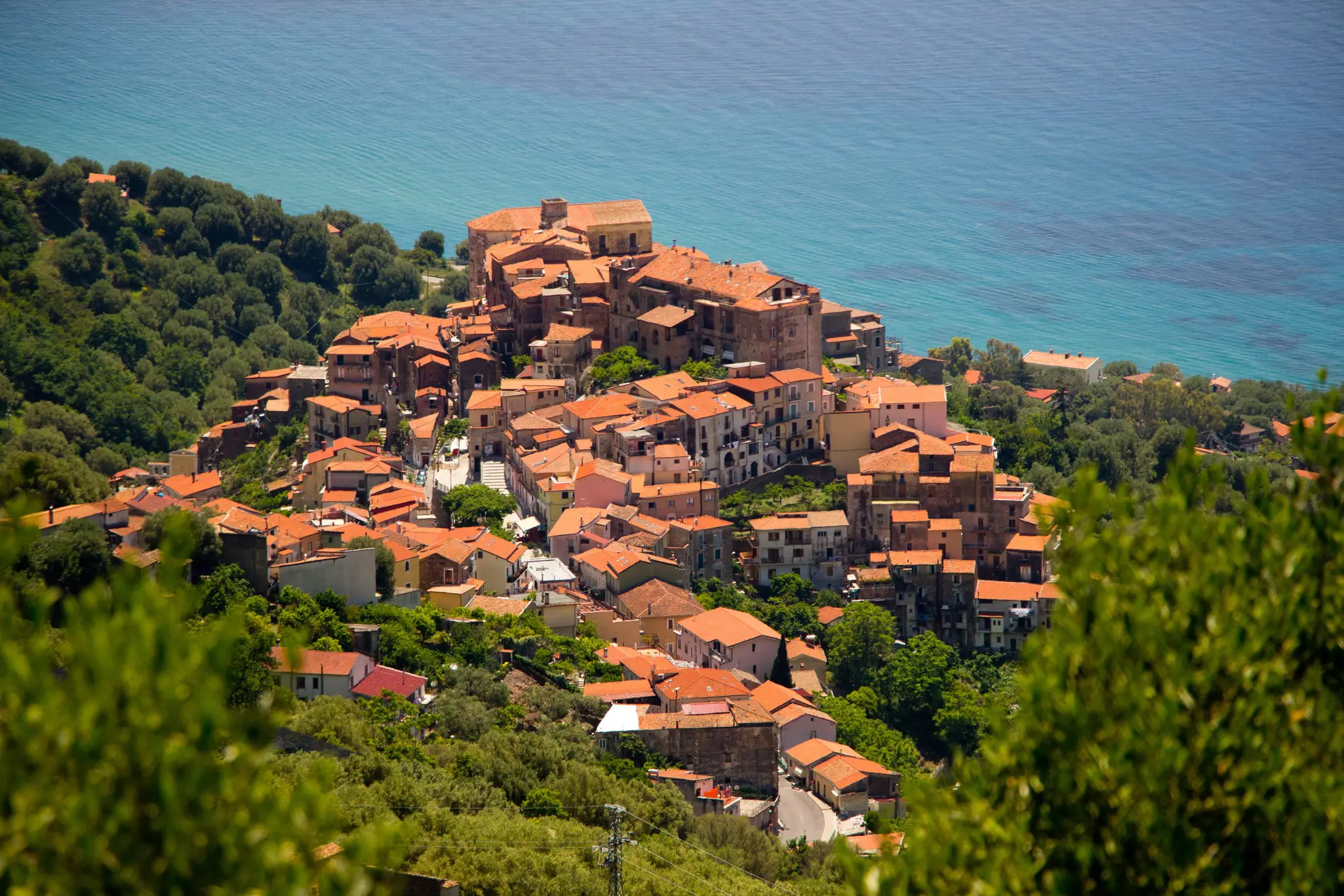
How to get to Cilento: Salerno-Costa d’Amalfi Airport just outside of Salerno is the closet to Cilento. Naples-Capodichino International Airport is a couple hours' drive depending on which part of Cilento you want to reach first.
Getting around in Cilento: Cilento is best explored by car – there is limited public transportation inland. A few train stations in Vallo di Diano exist but have been closed for years; the closest is Battipaglia. From there, the national railway service runs a handful of substitute buses every day to and from Naples, while the public bus company SITA Sud also runs services between Salerno and Pertosa.
Where to stay in Cilento: Get the full immersive experience at a family-run hilltop agritourism organic farm. Serving fresh, seasonal ingredients away from the hustle and bustle of the cities below, and enjoyed among locals. For a more lively holiday, pick a hotel in the seaside towns of Ascea, Palinuro or Marina di Camerota. You’ll be close to the beach and have many options for activities in and out of the water.
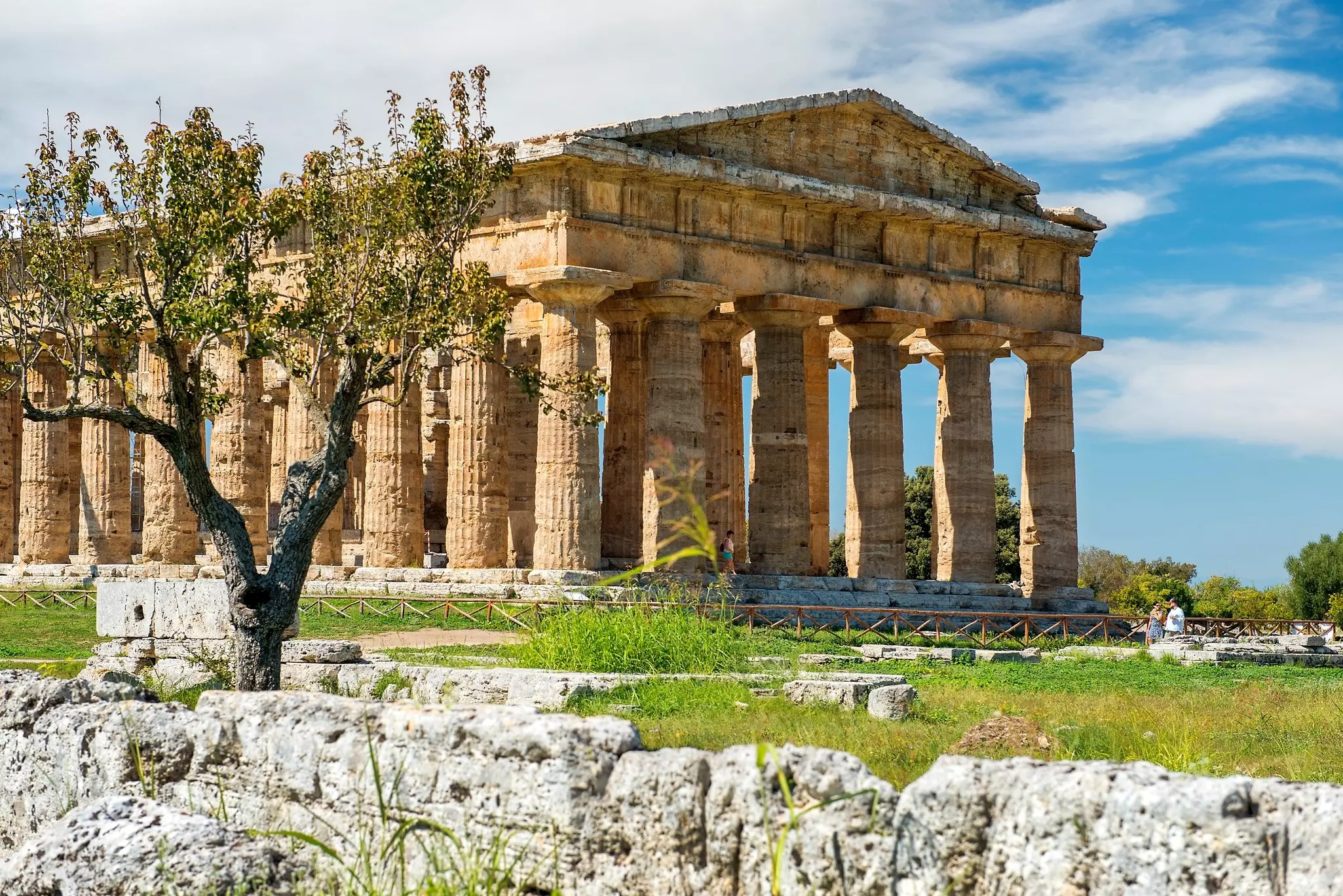
Almost 3000 years ago, the ancient Greeks arrived on these shores. They populated the area with their ideas and customs, shaping the land and culture in their image. The Greek colony Poseidonia, later called Paestum, is the only surviving example of a Magna-Grecian town. Its three magnificent Greek temples are among the best preserved in the world.
The highlights are the two temples dedicated to Hera and a smaller one dedicated to Athena, which were built in Doric style in the 5th century BCE. You can also walk in the ruins of a Roman amphitheater, thermal baths and various shops and houses.
The open-air archaeological park at Paestum is massive, but the experience is intimate: while carefully curated, it looks wild and unexplored, and you get to walk freely around the ruins. Compared to the ever-crowded Pompeii, this feels isolated and nestled in an idyllic landscape – even in high season, you may not encounter anyone else on your tour.
In summer, it’s best to walk the park in the early morning, then head inside the covered museum to escape the sun. There you can admire images like the Tomb of the Diver, as well as relics from ancient Greece and Rome.
Planning tip: For lunch, avoid the cafes and restaurants next to the site and instead drive 30 minutes north to Battipaglia. Pick a caseificio (cheese-making factory), and try its mozzarella di bufala DOP, as well as an array of local dairy products.
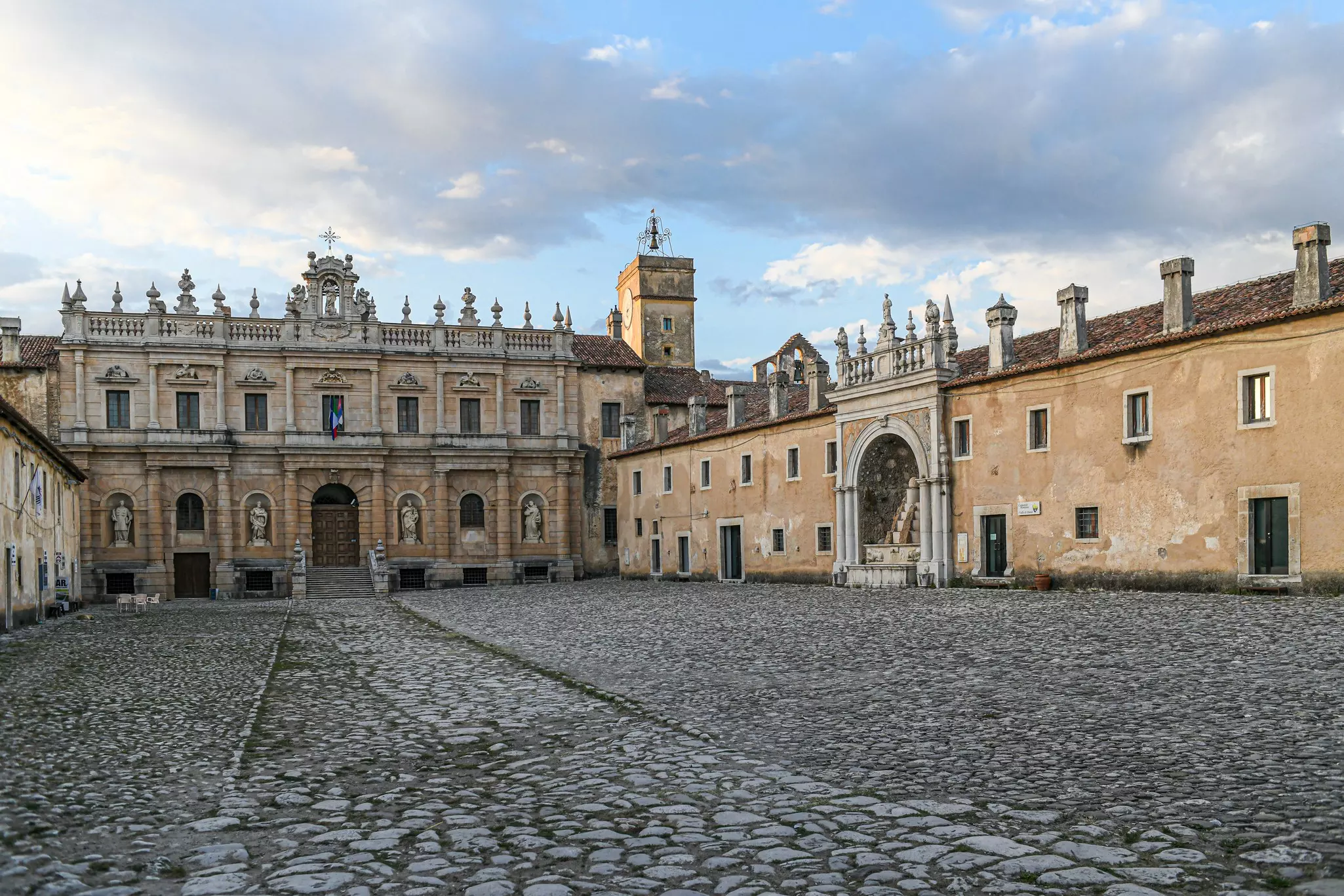
Venture to the inland town of Padula in the heart of Vallo di Diano to visit the largest charterhouse monastery in Europe, Certosa di San Lorenzo, first built in 1306.
You won’t run into any monks in this day and age, but you can still trace the steps they took on their daily schedule. Pause in the Chiostro Grande, a massive cloister (104m by 149m) that took nearly 200 years to complete. The view is especially evocative because the town of Padula on top of the hill seems to dominate the Certosa.
The monastery also houses the Museo Archeologico Provinciale della Lucania Occidentale, which displays a collection of tombs, vases, funerary items and archaeological findings from all over Vallo di Diano, dating from the 10th century BCE to the 6th century CE.
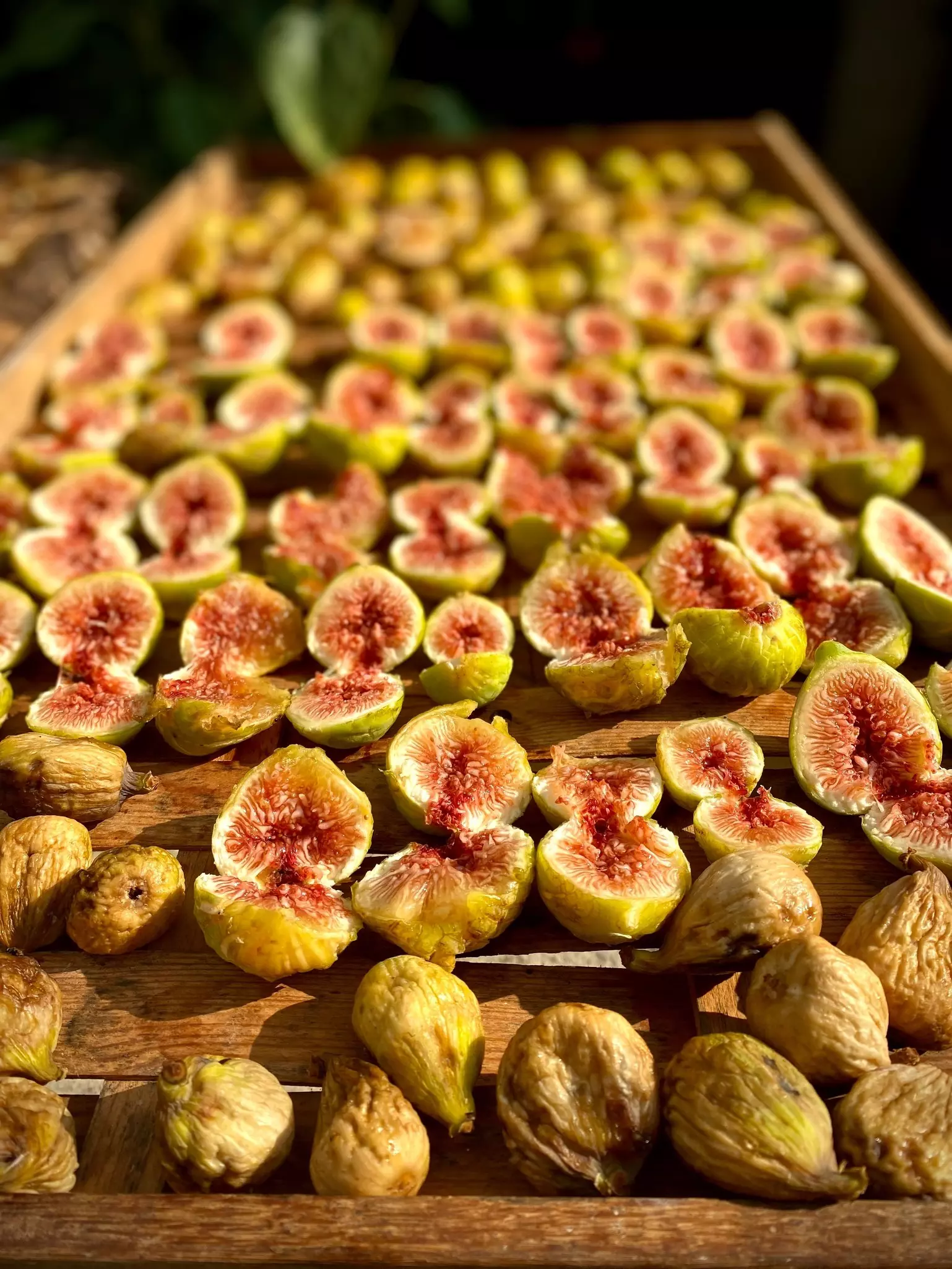
Meals in Cilento are as close to an immortality elixir as you're likely to get. American physiologist Ancel Keys (creator of the K ration during WWII) spent most of his life studying the habits of the Cilentani (Cilento's residents) and codified the Mediterranean diet here. So when in Cilento, eat as the Cilentani do.
Their diet is less about excluding certain foods and more about preferring some over others for reasons of availability, so savor local produce and enjoy some of Cilento’s typical pasta, the rigorously handmade fusilli cilentani (a type of elongated fusilli). The dish can come with a meat sauce or accompanied by local vegetables such as tomatoes, zucchini and eggplant. Make sure you get a taste of the white artichokes of Pertosa, either as a side, in a salad or as a spread.
And you can't leave without trying the local charcuteries, like the dried seasoned sausage and the soppressata di Gioi, along with the famous dairy products mozzarella and ricotta di bufala, and the wide variety of caciocavallo cheeses. Pair them with homemade jam and marmalades made from local produce, like Cilento’s white fig DOP, the sweetest in Italy.
Have as much Cilento extra-virgin olive oil as is politely allowed, and always add spices and herbs to your dishes. Ask for polvere di peperone crusco (dust obtained from grinding a local pepper), a maroon seasoning that can be sweet or hot and is often sprinkled onto vegetable dishes. And do sprinkle rosemary onto your meat and potatoes – it’s believed to be the key ingredient to longevity.
The Mediterranean diet is not just about food, however, but part of the lifestyle of Cilento in general. It’s how these foods are still cultivated and consumed as they always have been, in ways that are ethical and sustainable. In 2010, the Mediterranean diet was recognized by UNESCO as part of the Intangible Cultural Heritage, and Cilento is the perfect place to experience why it's considered so important.
The Grotte di Pertosa-Auletta are the only place in Italy where you can sail along an underground river. Dark and deep, the caves look like (and have been) the set of a horror movie, a feeling only softened by the colorful artificial lights. A guided tour will take you by boat to a point where you can alight to walk amid thousands of stalactites and stalagmites in incredible shapes and witness the remains of civilizations that are 4000 years old.
Planning tip: The temperature goes down significantly underground, so bring something warmer than your summer outfit, and be prepared for slippery stone floors.
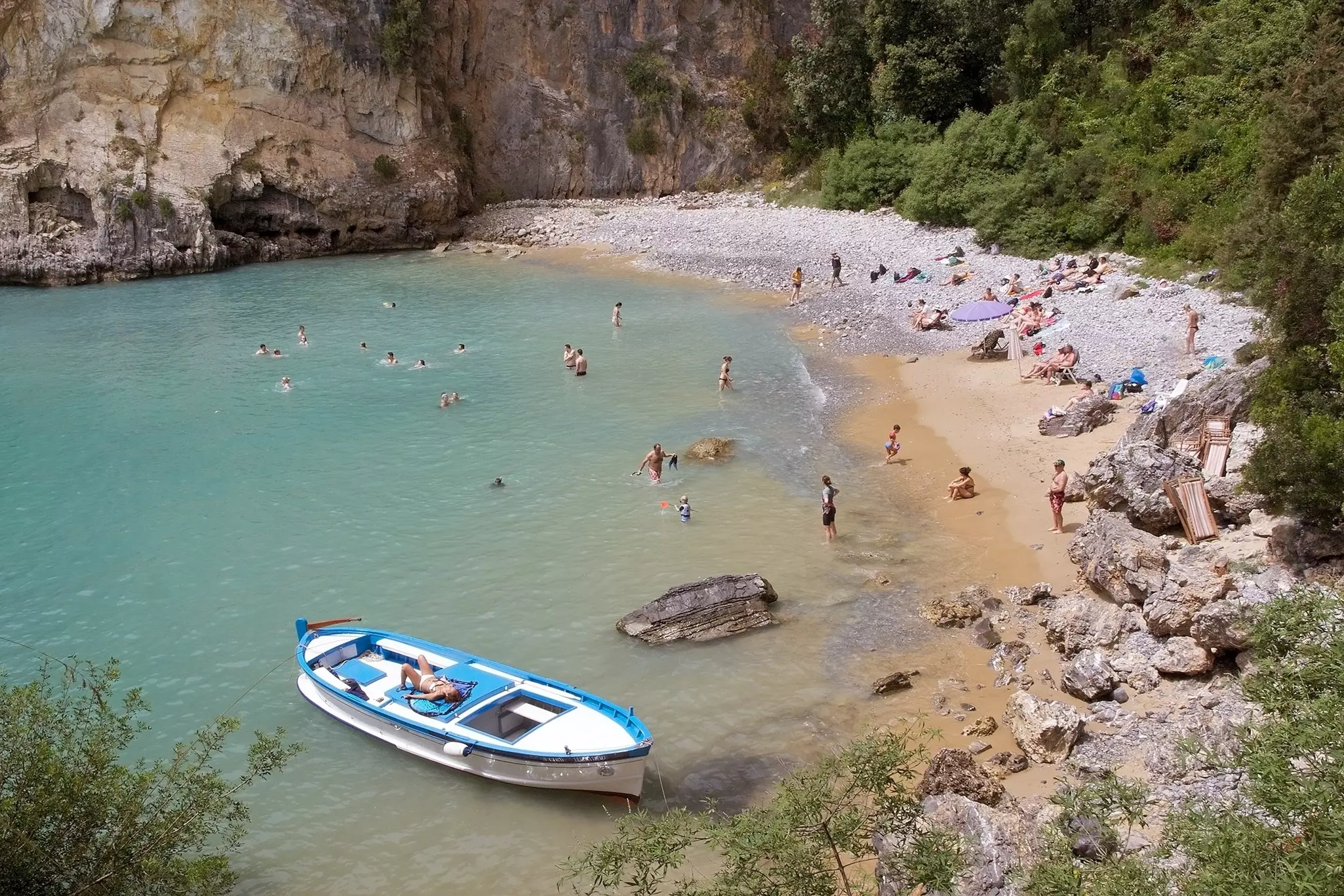
The beaches of Cilento sit along a 100km strip, facing the emerald waters between the Gulf of Salerno and the Gulf of Policastro. Along the coast there are 16 towns and myriad smaller hamlets where you can enjoy the seaside with little fear of overcrowded cafes and restaurants.
If you’re a fan of sandy beaches or are traveling with children, consider the towns of Agropoli and Marina di Ascea for their golden-colored sand and ample space for children to play. To the south, the picturesque Punta Licosa welcomes you with crystalline waters, white sand and wild Mediterranean scrub; this land was once believed to be inhabited by sirens. Proceeding further down the coast, stop at Acciaroli, the enchanting village where Ernest Hemingway was inspired to write The Old Man and the Sea. Head to the archaeological site of Velia for a history lesson or a theater show, and visit the ruins of the ancient city of Elea, which gave birth to the Greek philosopher Parmenides and his school of thought
Don’t miss the natural beauty of the protected beaches of Santa Maria di Castellabate and Costa degli Infreschi e della Masseta, or the marine grottoes on the coast of Palinuro and Marina di Camerota.
Explore related stories