Jul 30, 202614 min read
The 12 Best Greek IslandsSep 16, 2021
6 MIN READ
Contributors
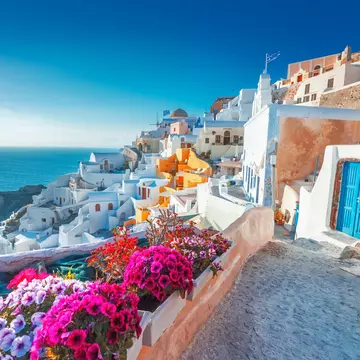
Enjoy a hike past cycladic Santorini houses in Oia village © Ihor_Tailwind / Getty Images / iStockphoto

Contributors
Chris Deliso, Jennifer Carey
Lonely Planet may earn a commission from affiliate links on our site. All recommendations and reviews reflect our own independent opinions.
Every Greek island has its own personal rhythm and delight – it's why they are such a thrilling destination to explore no matter what type of vacation you desire.
Though that trademark Greek warm welcome is present everywhere, the variety of terrain, culture and natural wonders mean that hikers, bikers, culture vultures, families and every other type of sun-seeker will find their perfect island paradise here. Our guide to the best Greek island for you will take all the stress out of booking your next trip.
Crete – Lipsi – Kefallonia – Skiathos – Mykonos
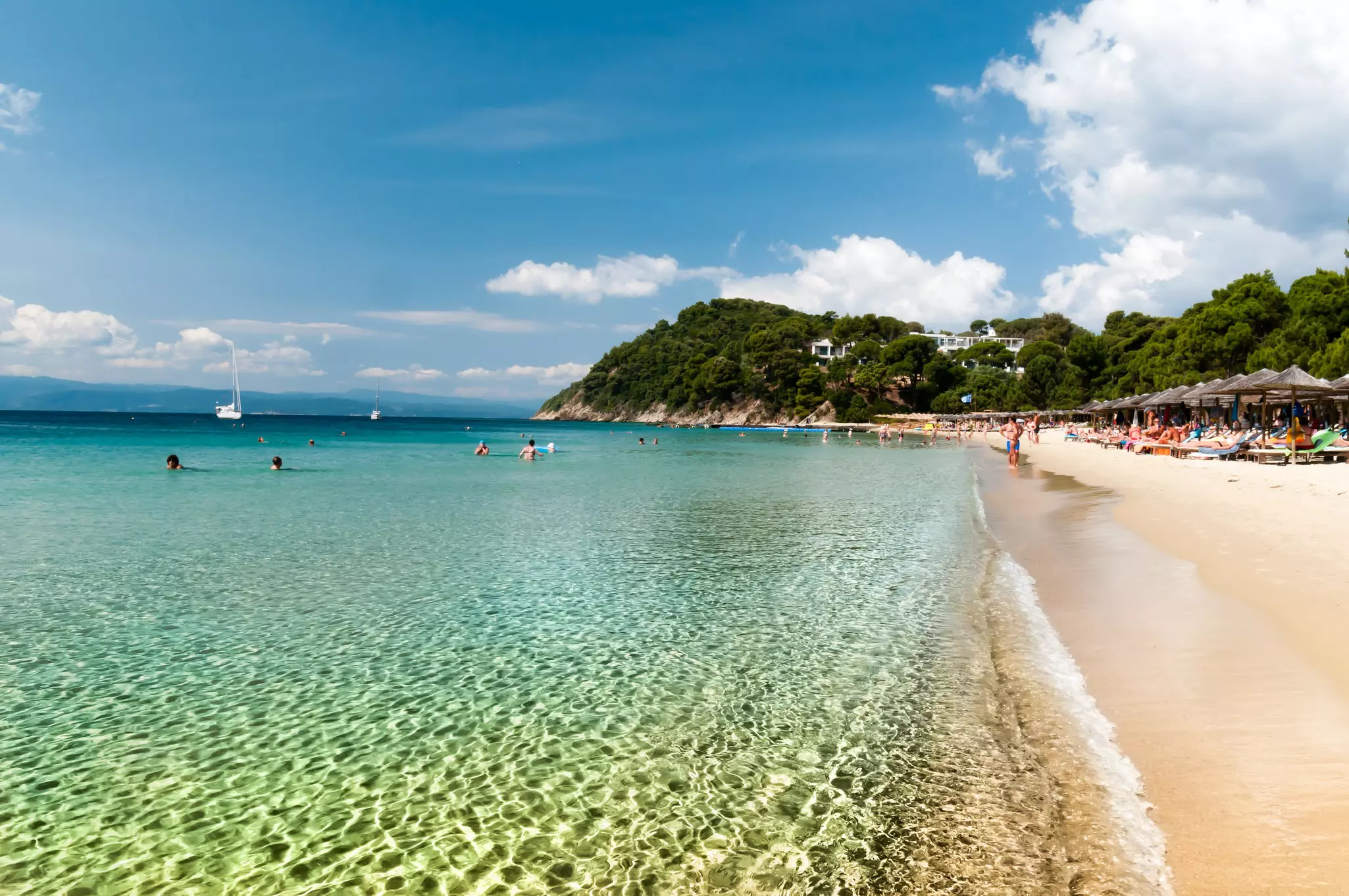
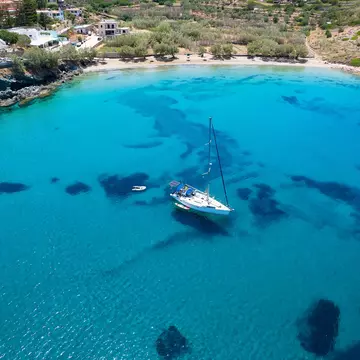
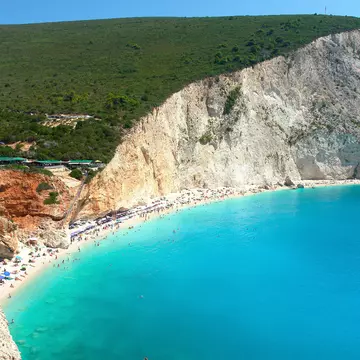
Almost every Greek isle has great beaches, but few come with a Venetian castle, like laid-back Frangokastello Beach in southern Crete. For lapping turquoise waters, try Platys Gialos on quiet Lipsi – its gradual slope into the water makes it very child friendly. And there are few beaches more stunning than the cove at Myrtos Beach in Kefallonia – it's renowned amongst locals and visitors alike.
To see and be seen, take your pick from one of Skiathos’ 65 beaches. Find your own perfect spot amidst the crowds at 1200m-long Koukounaries Beach or get an all-over tan on nudist-friendly Big Banana and Little Banana Beaches – both are hugely popular with the LGBTIQ+ community. If your favorite beach party is the one that never stops, then you can't leave without visiting Paradise and Super Paradise beaches on decadent Mykonos.
Crete – Milos – Paros – Santorini
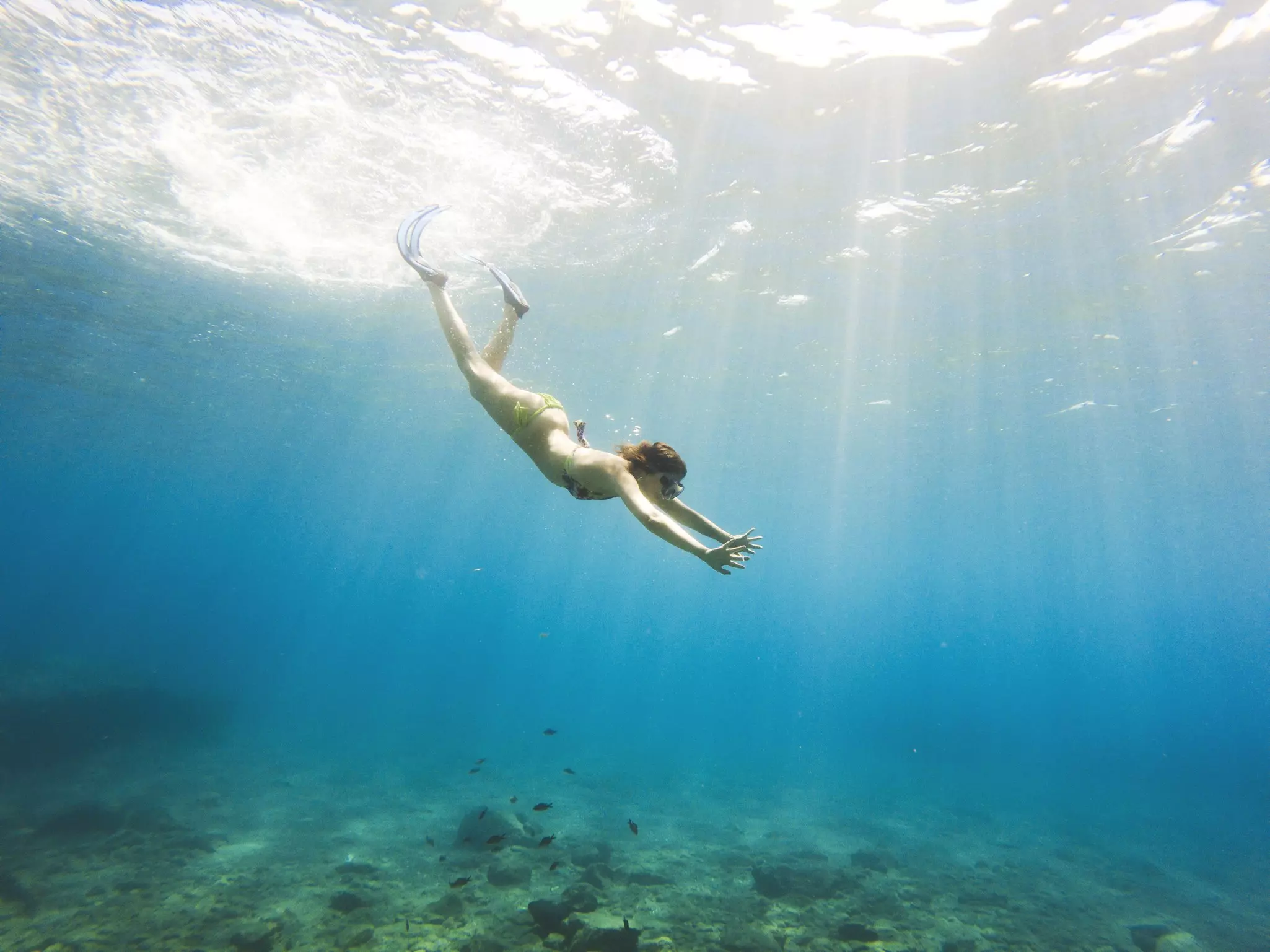
Much of Crete's coastline is a paradise for snorkeling and diving, but the sunken city of Olous near Elounda is a spectacular and relatively easy dive. Milos has phenomenal diving face-to-face with deep-sea fish, dolphins and even monk seals.
Snorkeling is great on Paros and picturesque Santorini is renowned for the high visibility in its waters, as well as reefs teeming with life and several old shipwrecks to explore.
Rhodes – Delos – Corfu – Patmos
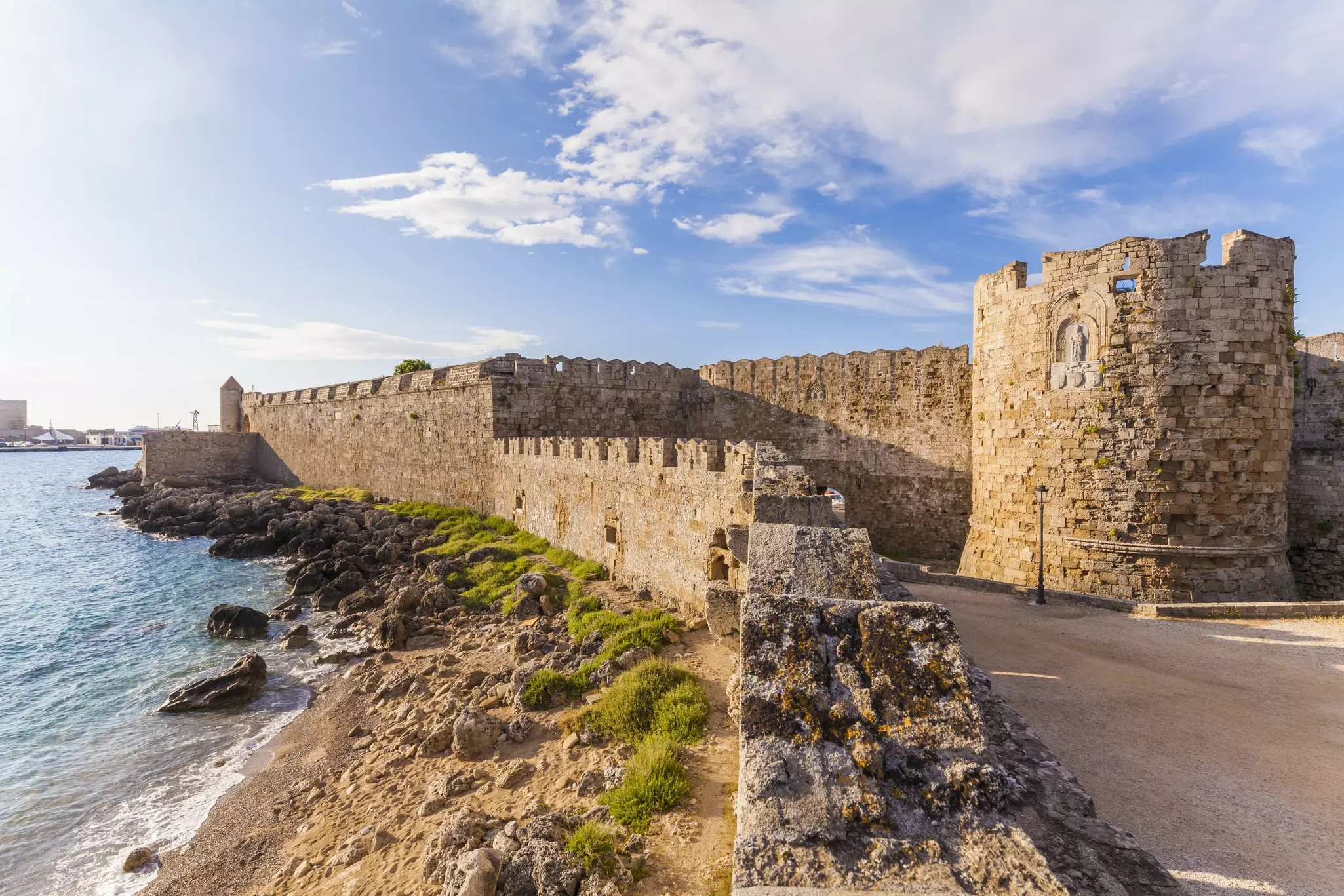
Gape at Rhodes’ magnificent, walled Old Town, where the Knights of St John ruled from 1309 to 1523, and explore their quarter before visiting the 14th-century Palace of the Grand Masters.
Tiny Delos, accessed via Mykonos, was the mythical birthplace of twins Apollo and Artemis – see ruins of shrines to the gods and explore mosaic-rich ancient dwellings. Overnight stays are forbidden, so keep a tight eye on the weather-dependent boat schedules.
After the peace and quiet of Delos, throw yourself into the bustle of Corfu’s Old Town and its warren of narrow streets full of lively bars, shops and restaurants. The Old Town is bookended by two fortresses that were originally built to protect the islanders from Ottoman sieges. On ethereal Patmos, visit the Monastery of St John the Theologian, and see the grotto where the saint received his apocalyptic visions and wrote the Book of Revelations.
Crete – Naxos – Evia – Thasos
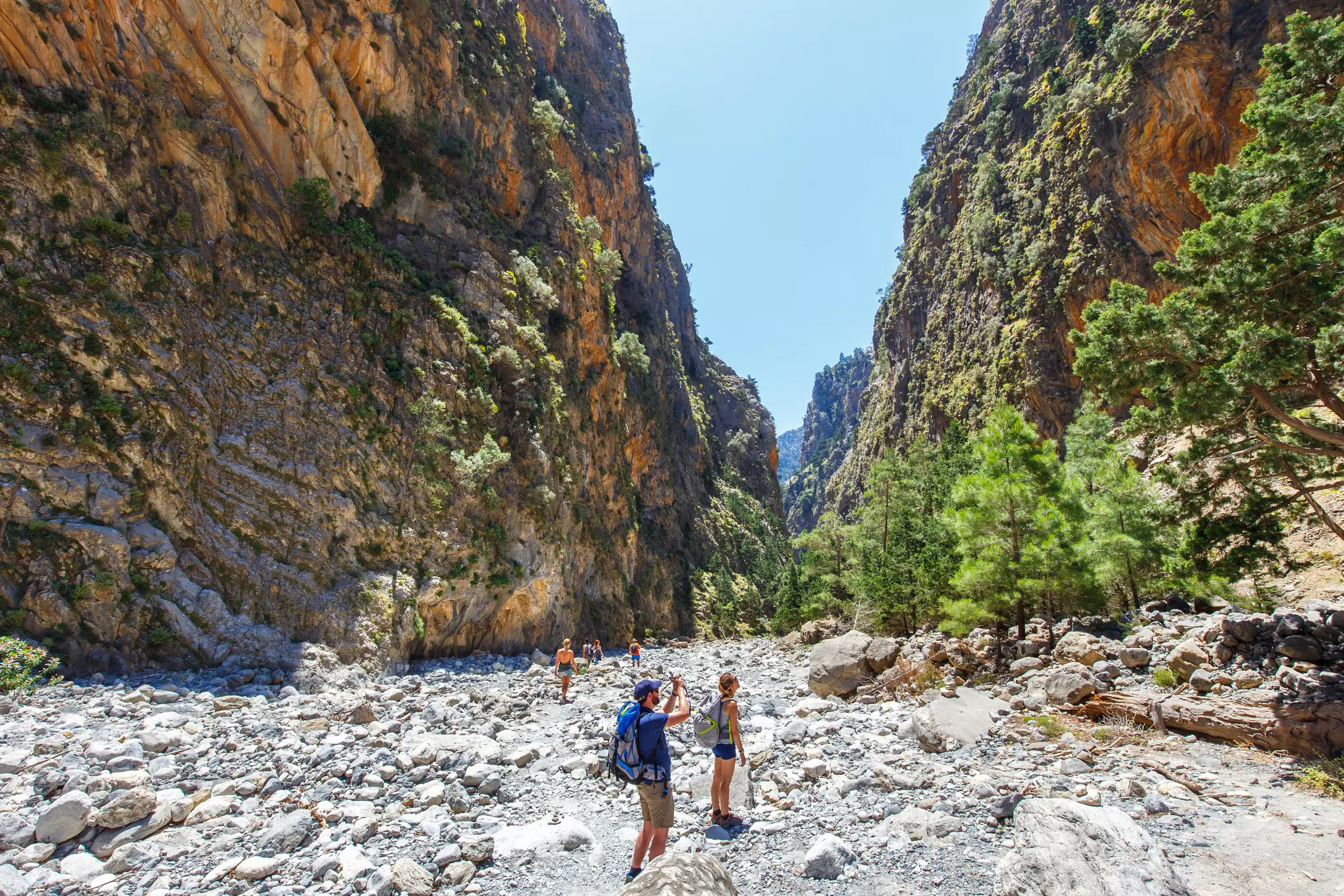
The varied terrain on Greece’s biggest island, Crete, ranges from gentle plateaus dotted with windmills to canyons and mountains. Hiking the Samaria Gorge, Europe’s longest at 16km (10miles), takes you through the homeland of Crete’s famed wild goat, the kri-kri.
Fertile Naxos boasts numerous hikes along the old paths connecting the villages of the central plain – these traverse ancient temples, Hellenistic towers and Byzantine churches and are a great option for those in search of a gentler outdoor adventure. Maps detailing a variety of walks and hikes are available to buy in local shops.
The quiet meandering roads of Evia make for blissfully stress-free cycling and you can stretch out at a local vineyard after a day of graft. Excellent forested trails (and a popular international race) bring mountain biking aficionados to Thasos. Both islands are under the radar of most visitors and you can look forward to having beautiful beaches all to yourself when you need a rest from the road.
Naxos – Corfu – Crete
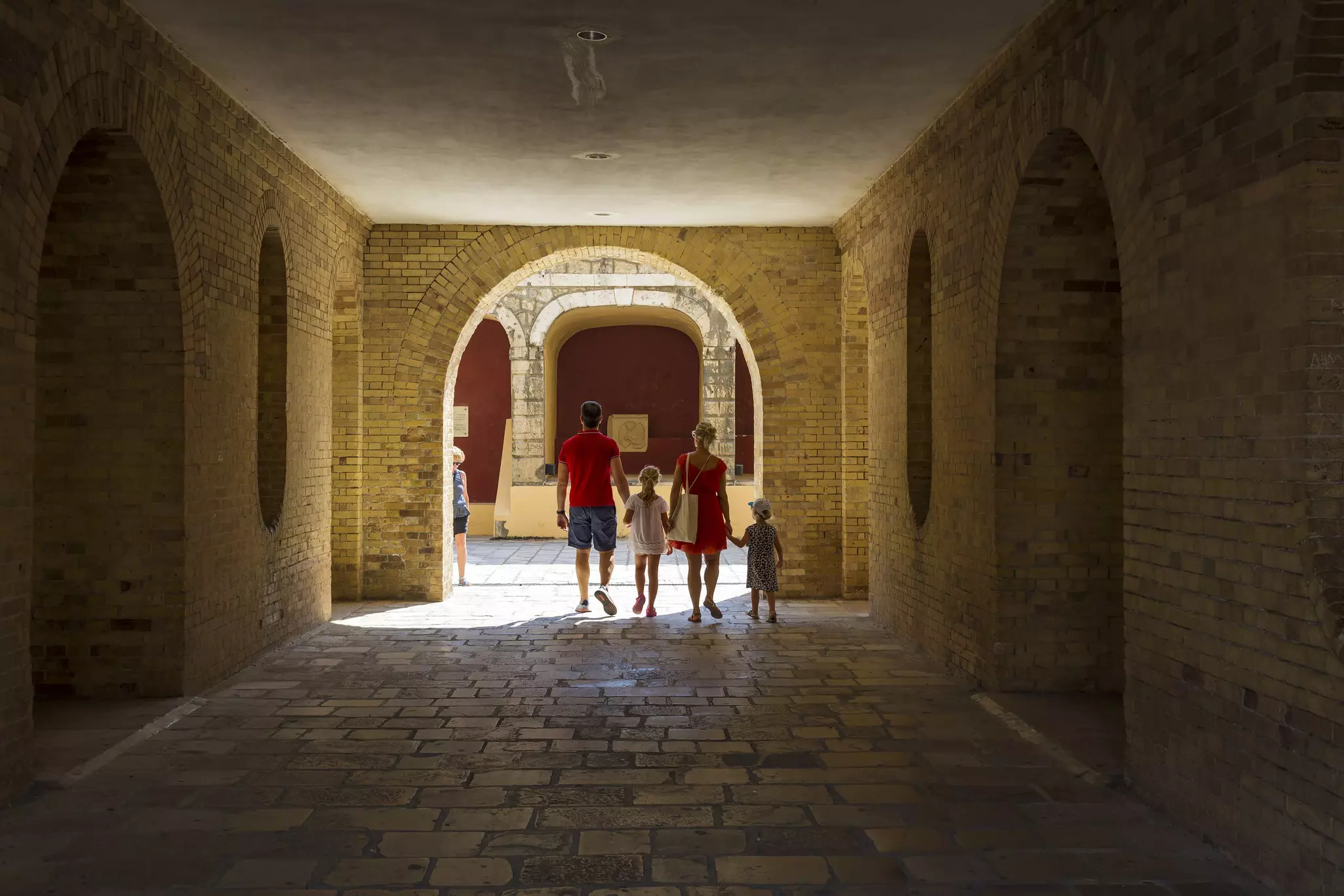
Naxos is the largest of the Cyclades and packs a lot of bang for its buck. The beaches are often quiet and have lots of activities like kite-surfing and paddle-boarding on offer. Restaurants are incredibly child friendly – you'll be welcomed to the table like long-lost family.
The old town of Corfu is a beautiful place to explore with kids and even has a miniature wooden train that runs hourly sightseeing trips – perfect for when little legs get tired. Aqualand Corfu Water Park is one of the biggest attractions in Greece for kids and is definitely worth making time to visit.
The size of Crete means you'll never run out of activities for the kids. The pink sand on Elafonissi beach in Chania will charm everyone and the shallow water in the lagoon on the western side of the beach is perfect for toddlers and young swimmers. East along the coast lies the spectacular Palace of Knossos, an unmissable historical attraction that envelopes visitors in ancient Minoan culture. Get there early to avoid the crowds.
Lesvos – Samos – Folegandros – Crete – Corfu
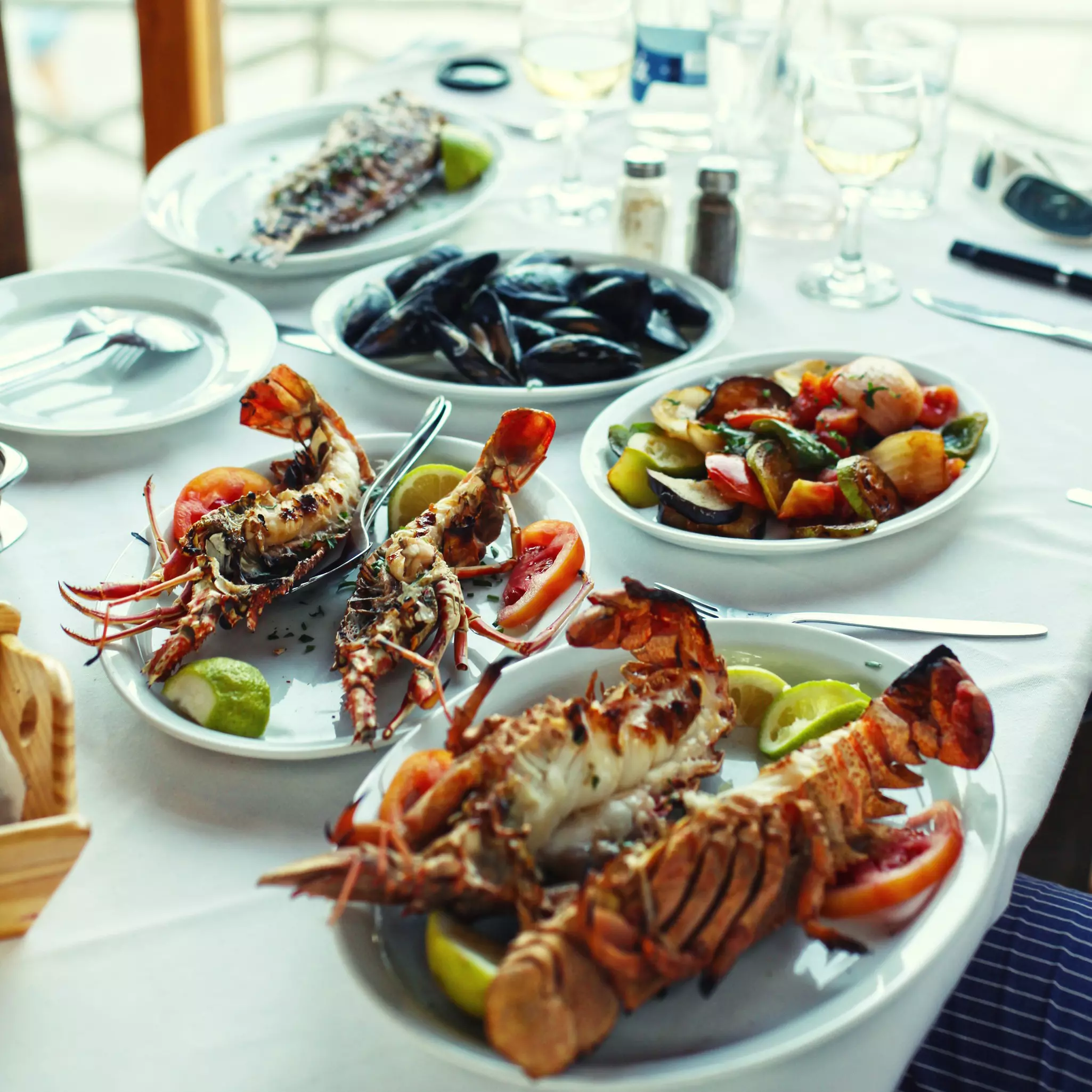
Lesvos is renowned for its olive oil and ouzo (it produces some 70% of all Greek ouzo). The national aperitif is served with mixed mezedhes (appetizers) at traditional ouzeries (ouzo restaurants), which blend the island’s old Turkish influences with Greek seafood specialities. Lesvos produces fine wine, as does Samos, famed for its sweet muscat dessert wine.
The Cycladic specialities of Folegandros include matsata (pasta with rabbit/chicken in red sauce), astakomakaronada (lobster with spaghetti) and liokafto (sun-dried fish). Crete is famous for its olive oil and dishes like dakos (rusks topped with tomato, olive oil and cheese) and myzithra (sweet cheese, used in pastries). Horta (wild greens) provide seasoning for fish or roast lamb. Like other Ionian islands, Corfu was never successfully invaded by the Ottoman empire, and its cuisine remains Italian-flavored.
This article was first published in June 2011.
Book your Greece trip with Lonely Planet Journeys
See Greece how it's meant to be seen
Planned by local experts and tailored to you, Lonely Planet Journeys handles the logistics so you can just enjoy the trip. Tell us what you want and we'll build your Greece itinerary from scratch, or browse our bookable trips to get inspired.

Explore related stories