
Cyclades

LONELY PLANET’S RECOMMENDED eSIM
Stay connected in Cyclades
with
Saily is an affordable eSIM service that helps you stay connected and secure, anywhere in the world.
Overview
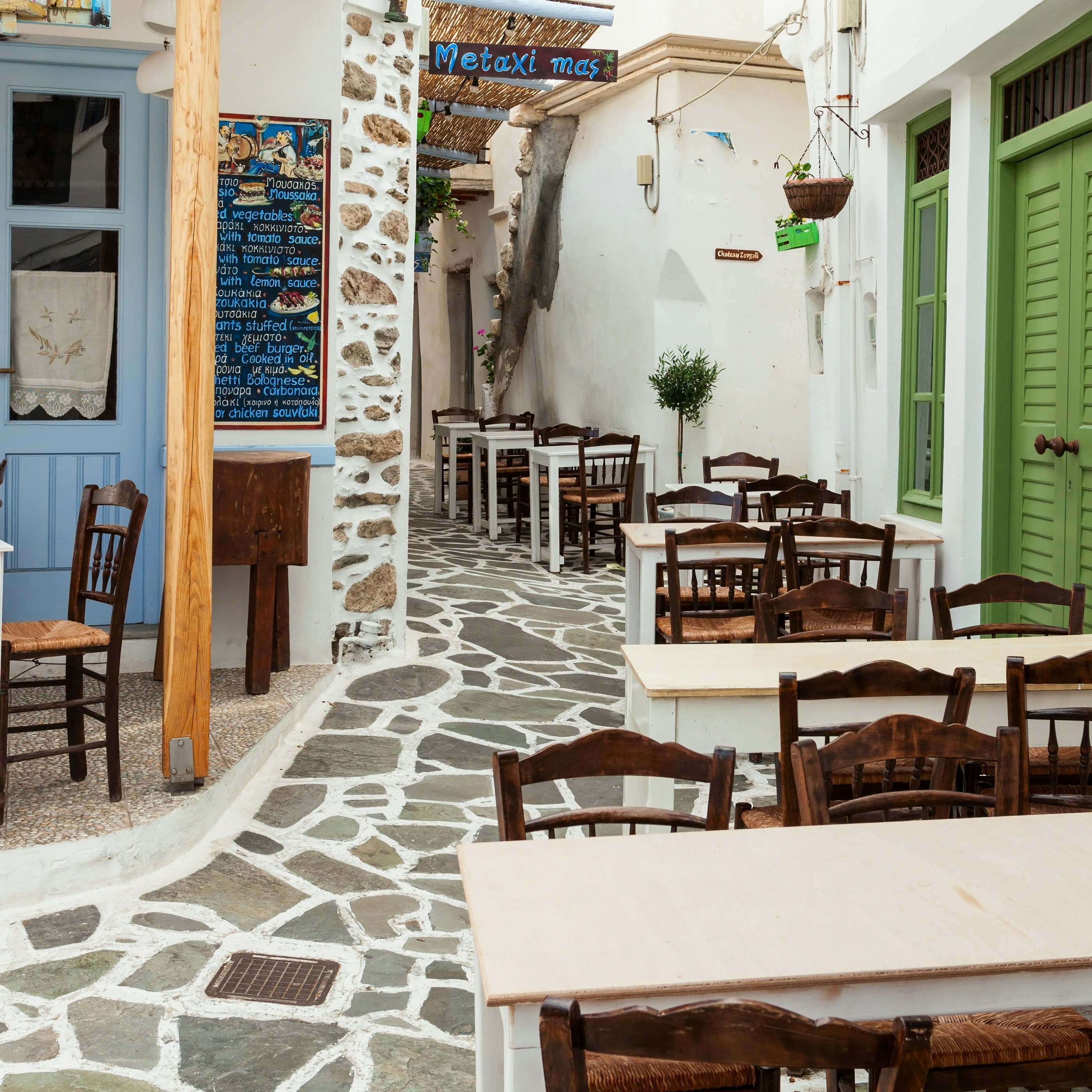
On a quest to find the Greek islands of your dreams? Start, here, in the Cyclades. Rugged, sun-drenched outcrops of rock, anchored in azure seas and liberally peppered with snow-white villages and blue-domed churches, this is Greece straight from central casting, with stellar archaeological sites and dozens of postcard-worthy beaches. Throw in a blossoming food scene, some renowned party destinations and a good dose of sophistication, and you really do have the best of Greece’s ample charms.
Must-see attractions



Advertisement

Get a book. Get inspired. Get exploring.
- Greece
$27.99
- Greek Islands
$26.99
- Pocket Athens
$14.99


in partnership with getyourguide
Book popular activities in Cyclades
Go Beyond
Cyclades and beyond


Advertisement