Aug 12, 20269 min read
7 of the Best National Parks in PanamaAug 12, 2026
9 MIN READ

Writer
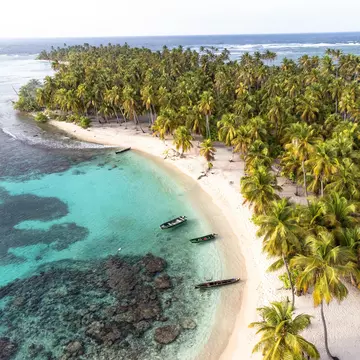
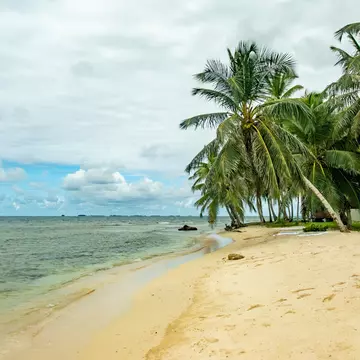
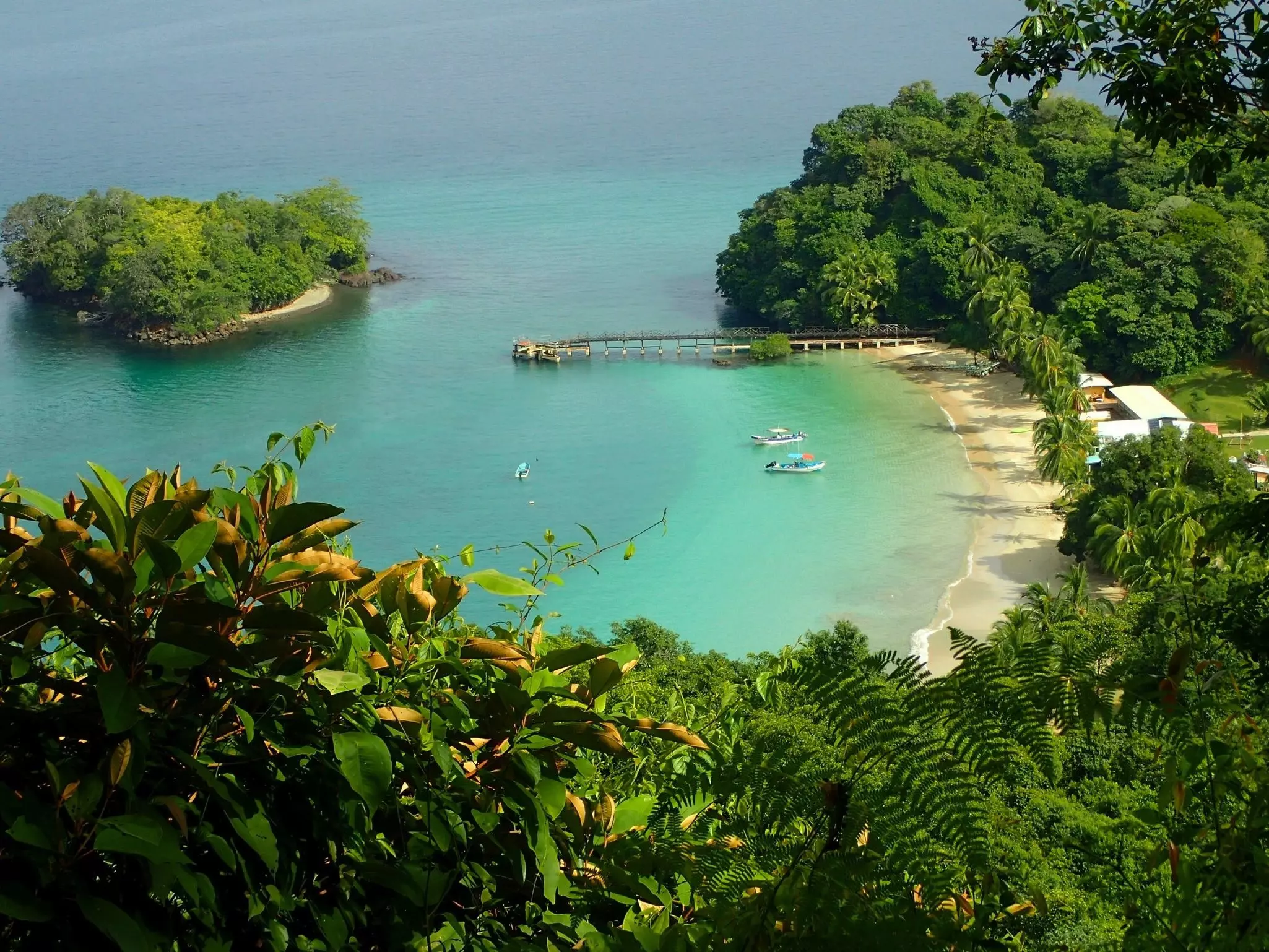
A beach in Parque Nacional Coiba, Panama. halfofmoon/Shutterstock
Writer
Highlights
Editors round up seven of Panama's best national parks, from coast to cloud forest.
Dive Coiba's reefs or hike Bastimentos's raw jungle to sea-turtle beaches.
Hike Volcán Barú for quetzals, Santa Fé for waterfalls or Omar Torrijos for colorful frogs.
Portobelo's Caribbean beaches suit a day trip; Soberanía is ideal for canal-side wildlife.
Lonely Planet may earn a commission from affiliate links on our site. All recommendations and reviews reflect our own independent opinions.
Flush with life and tropical color, the isthmus of Panama is a tangled hothouse of ecological wonders. An emerald cloak adorns the lowlands, filling coastal areas with rainforest wildlife. Ethereal cloud forests envelop the highlands, steeped in mist, moss and delicate orchids. And offshore, beyond a fringe of sandy beaches and languid wetlands, lie hundreds of vivid, verdant islands and luminous coral reefs.
Panama's impressive national parks preserve a remarkable variety of landscapes and some dazzling biodiversity – a result of Panama's vital status as a continental land bridge. The so-called Great American Interchange saw untold animal species migrate north and south across the isthmus around 3 million years ago.
Similarly, the Great American Schism – the dividing of the Pacific Ocean from the Atlantic (and the Caribbean Sea) – set the marine life of these vast bodies of water on separate evolutionary paths, adding to the biodiversity of this fascinating Central American country.
Today, visitors to Panama can dive into an immense wealth of natural history – literally, in the case of Panama's marine reserves – for stunning encounters with a rich, non-human world. Here’s a guide to our favorite national parks in Panama.
To explore more about Panama and start planning your trip, download the Lonely Planet App.
Best national park for snorkeling and diving
Fringed by white-sand beaches and verdant jungles, Parque Nacional Coiba has all the makings of a world-class island resort. However, it has so far escaped intensive development, thanks in part to its dark past as a penal colony. Located around 20km from the mainland, the largest island in Panama housed some of the nation's worst criminals (and political prisoners) for the best part of a century.
The prison was closed in 2004, but not before Coiba’s exceptional conservation value had been recognized. Today, the island is a UNESCO World Heritage Site and it forms part of an acclaimed national park that includes the surrounding waters and coral reefs.
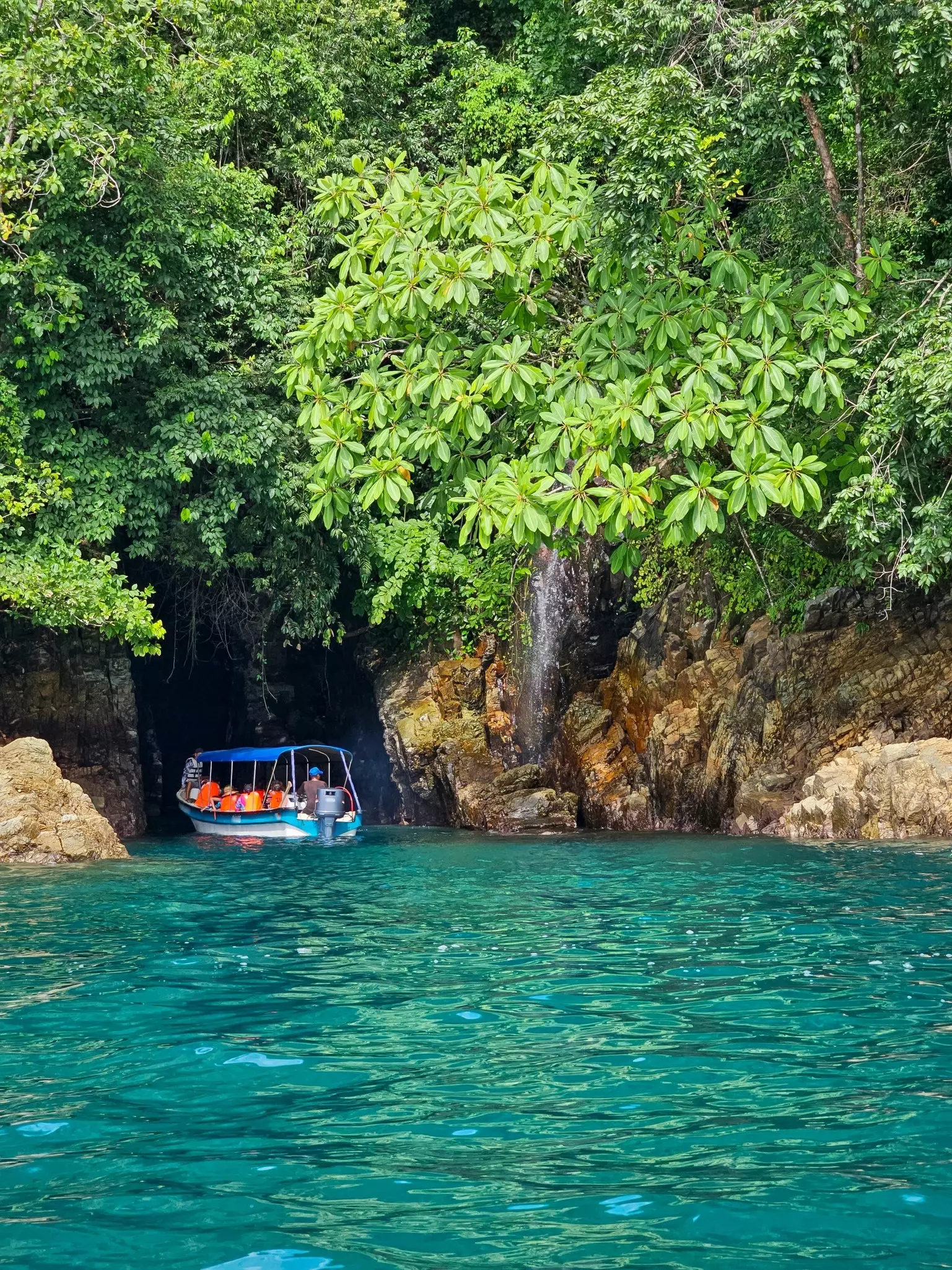
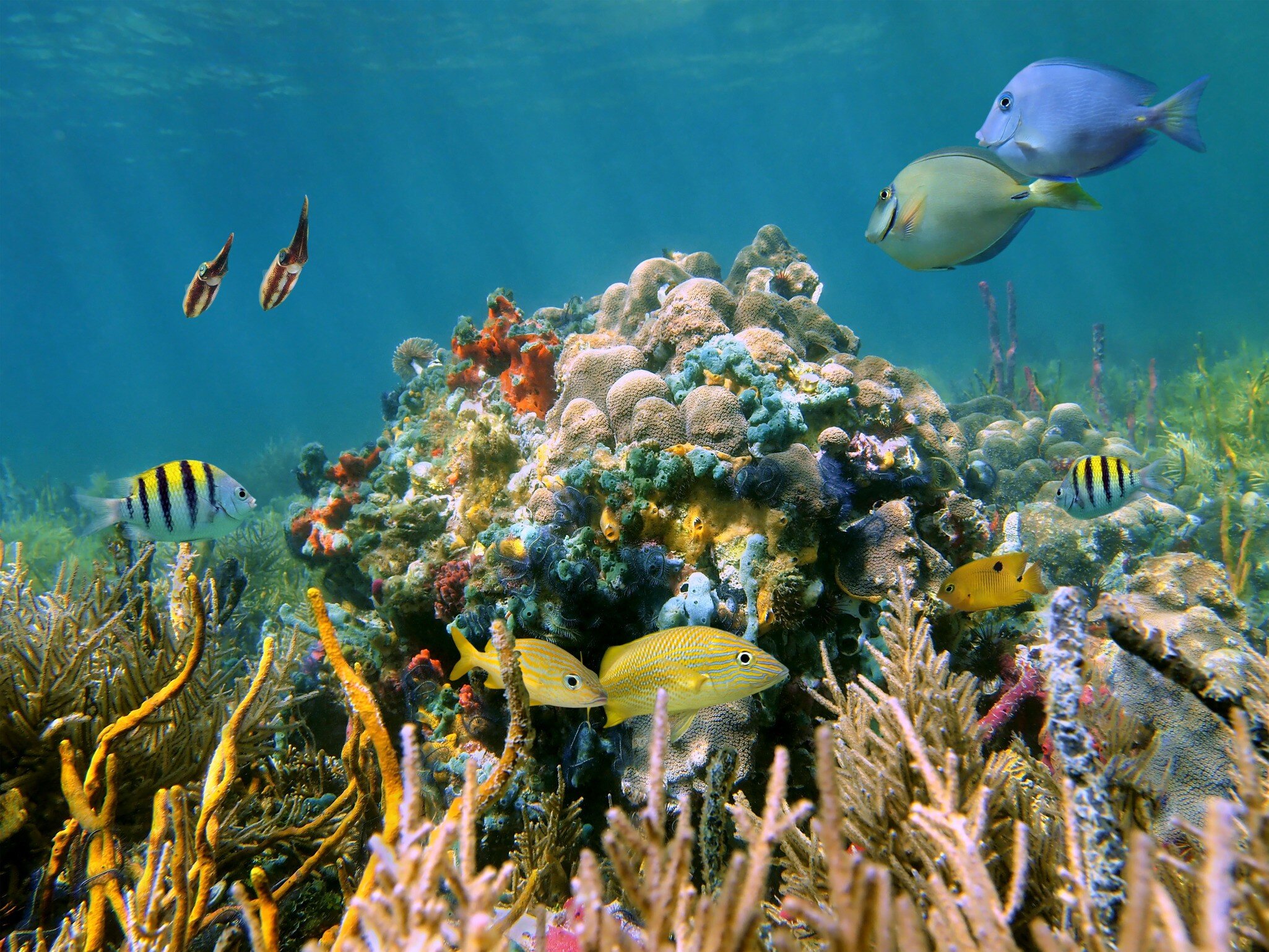
Blissfully free of human habitation, Coiba plays host to the country’s last remaining populations of scarlet macaws and crested eagles, but for truly exceptional animal encounters, head beneath the surface of the ocean, where a vast, mesmerizing underwater world awaits. Populated by shimmering shoals of polychrome fish, graceful sea turtles, formidable sharks, endangered whales and lively dolphins, to name just a few inhabitants, Coiba National Park is one of the finest marine parks in Central America, and a true feather in Panama's cap.
Getting there: Parque Nacional Coiba is one place that it’s nearly essential to visit via an organized tour. Most tours depart from Santa Catalina, and the average travel time to the park’s ranger station by boat is about 75 minutes.
Planning tip: Book your tour at least a day in advance. Special-interest tours to Coiba include ones built round diving, birdwatching, hiking, kayaking, seeing the actual penitentiary and more. Some tours last more than a day – which is essential to really appreciate the islands.
Best national park for raw jungle
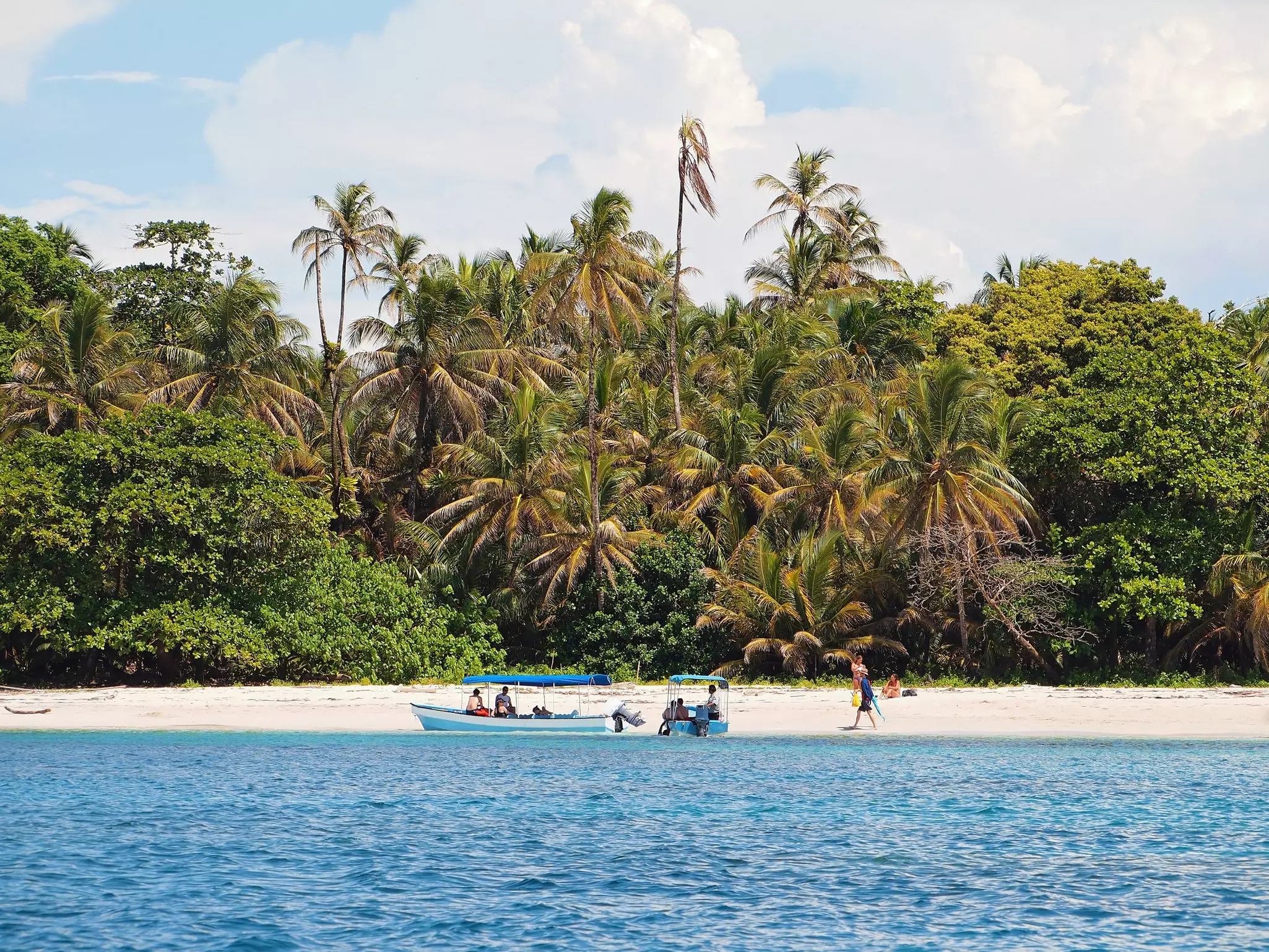
Founded in 1988, Parque Nacional Marino Isla Bastimentos is Panama’s oldest marine park, spanning 33,000 hectares of sea and land. It safeguards the nation’s largest stretch of Caribbean mangroves, countless coral species and marine invertebrates. The park’s terrestrial region includes Playa Larga, a vital sea-turtle nesting site. The miss-them-at-your-peril Cayos Zapatillas a short distance from Isla Bastimentos also form part of the park. These protected areas are verdant refuges for white-faced capuchins, alligators, sea turtles and numerous endangered species. Visit the park to hike raw jungles, swim crystalline waters and admire one of Bocas’ most handsome places.
Getting there: To get to Isla Bastimentos, you’ll need a water taxi ride from Bocas Town. Bring small US bills to make your water-taxi rides seamless. Once there, you’ll move around the island by boat and on foot, as this rugged and ravishing island is free of cars and roads.
Planning tip: Expect muddy trails, dirt roads, beach strolls and jungle hikes, so bring the appropriate footwear. Bring a flashlight for after dark.
Best place to see the resplendent quetzal
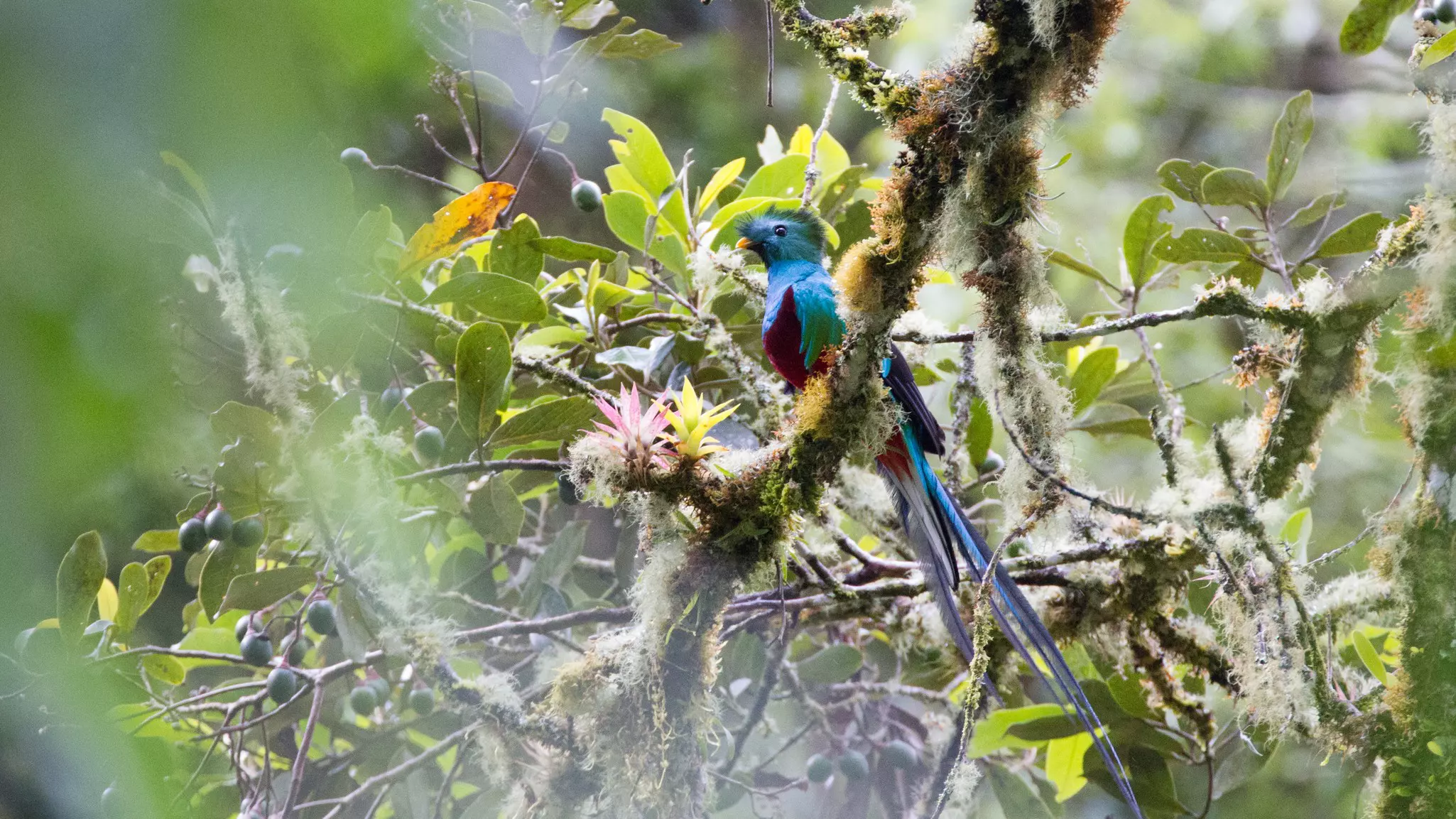
Observing the everchanging moods of 3474m Volcán Barú, the highest peak in Panama, is reason enough to journey to the Talamanca mountains in Chiriquí Province. At times, the iconic peak appears somber and sulking, its summit swathed in swirling clouds and shadow. At other times, sunshine soaks its slopes with gentle warmth and tranquillity. And at other times, the so-called bajareque – an afternoon drizzle carried inland by air currents from the Caribbean – lends Barú a mystical air, dressing the peak with dazzling rainbows.
Nestled inside a 143 sq km national park, Volcán Barú has been dormant since around 1550 CE, and several excellent hiking trails climb to its seven craters. The best way to experience its many charms is to hike all the way to the summit, where, on an exceptional day, it’s possible to glimpse both oceans and enjoy the most expansive, multicolored sunrise you have ever seen.
The Sendero Los Quetzales is one of the most scenic treks in Panama. As its name implies, the trail is one of the best places in Central America to spot the rare resplendent quetzal, especially during the dry season (from February to May).
Getting there: You can enter the national park on the western (Volcán) side, but access from the Boquete side is easier. Every hotel has tours available that they arrange with third party providers to pick up from their property.
Planning tip: Trail conditions in the area can change any time, especially after rain. A guide is essential. February to May are the best months for quetzal sightings.
Best national park for waterfalls
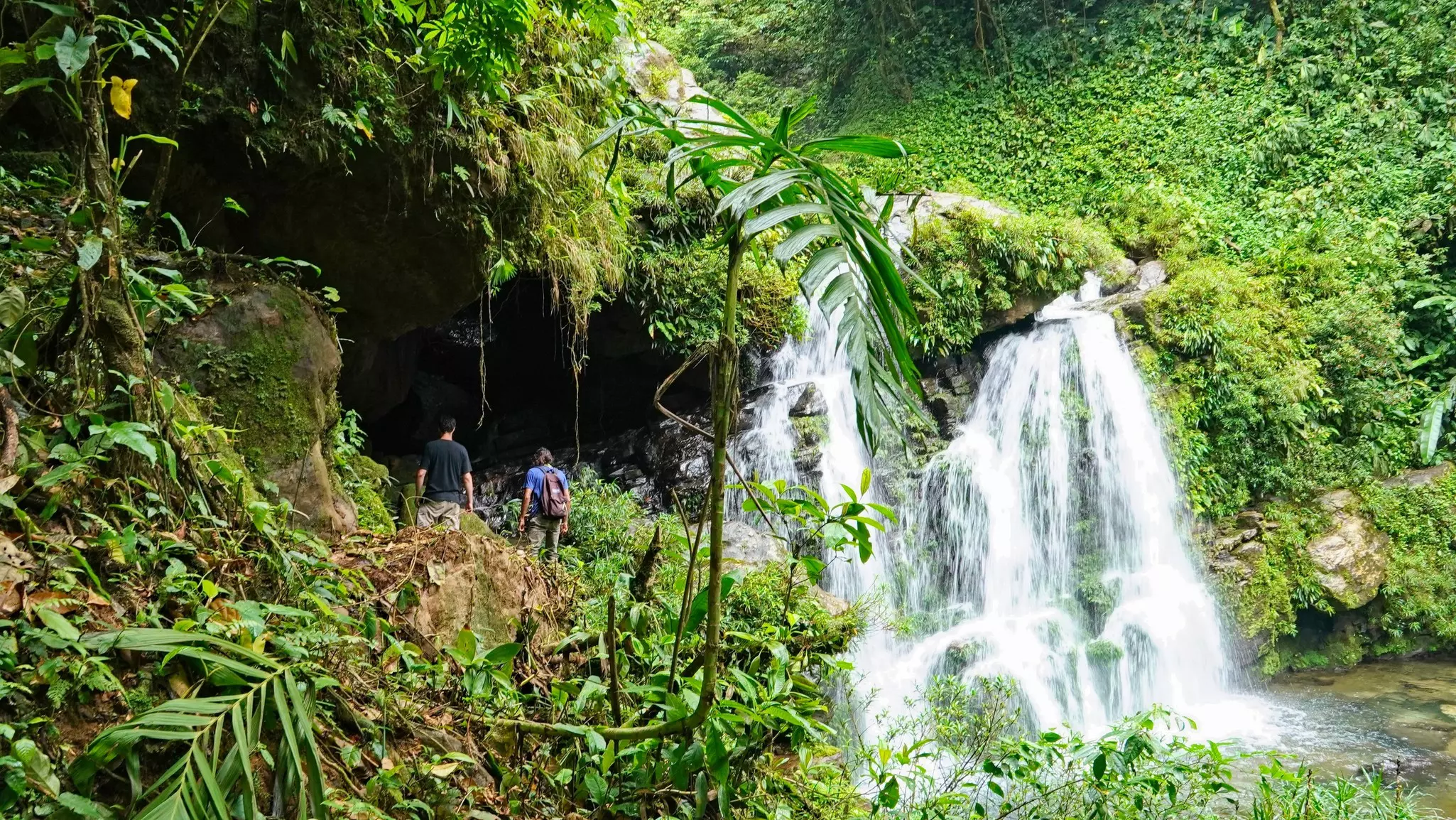
Vast, mountainous Parque Nacional Santa Fé covers 726 sq km of pristine wilderness, extending from the northern edge of Santa Fé to the Cordillera Central. An extensive trail network winds through the mountain’s primary and secondary rainforest.
Don’t expect manicured trails or super-fancy visitor centers. This remote expanse is an untamed refuge for over 1000 unique species, including 300 bird species and endemic plants. Hikes range from quick jaunts to multi-hour treks, where you’ll stumble upon waterfalls tumbling from towering heights, spot tropical birds and maybe even the elusive harlequin toad. For a quick hit of awe, check out Alto de Piedra’s three-tiered falls. It is just a 20-minute hike to the first cascade.
Getting there: Local outfitters offer many options by foot and horseback to explore this dense forest.
Planning tip: Isthmian Adventures runs a 4-hour adventure taking in multiple waterfalls with the indispensable knowledge of a certified guide.
Best national park for colorful wildlife
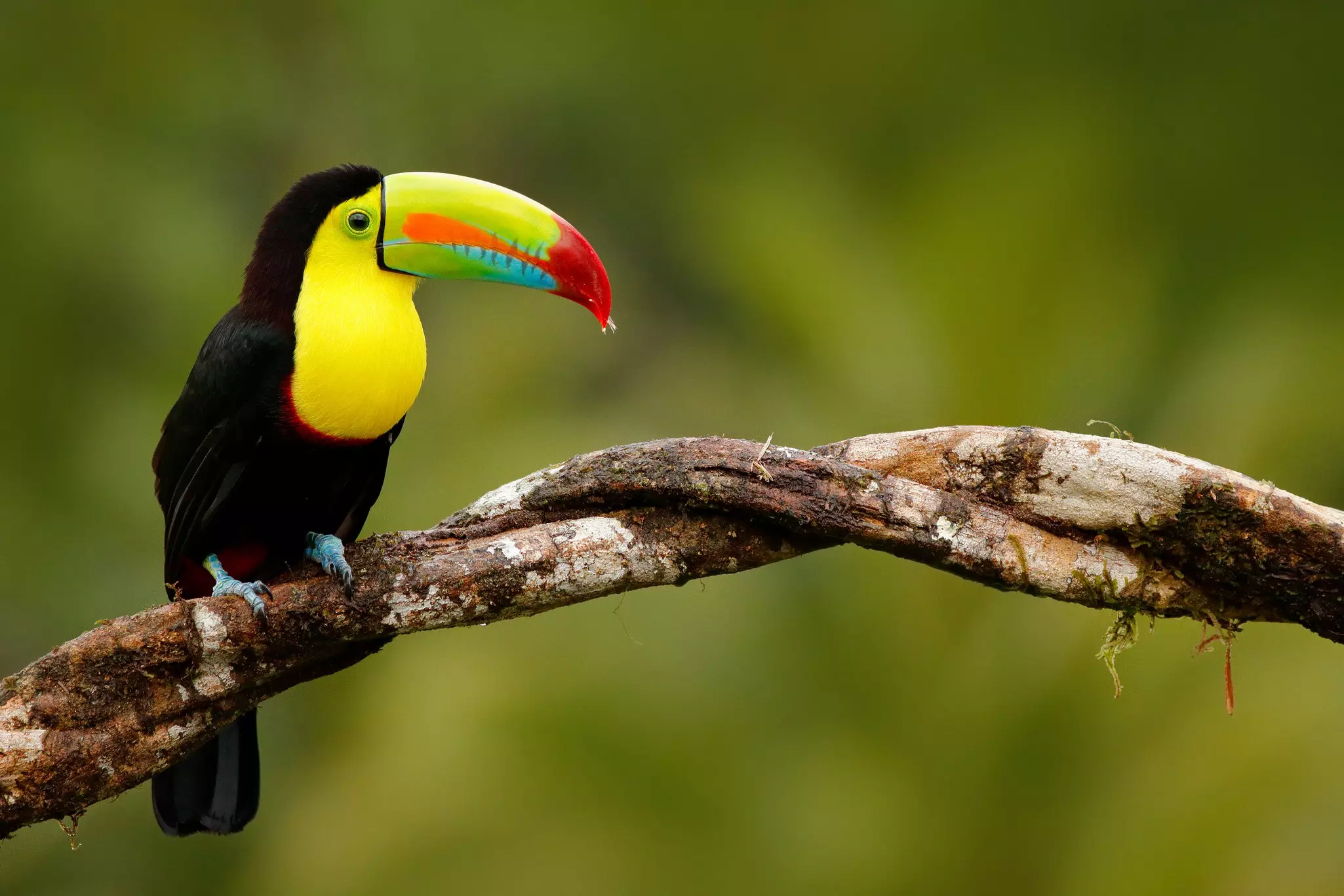
Situated in the cloud-covered mountains of the Continental Divide, Parque Nacional Omar Torrijos is a tranquil rainforest wilderness with hidden waterfalls, panoramic viewpoints and great birdwatching. Named after the former president who was killed in a plane crash in these mountains, the park is home to an impressive array of wildlife but receives few visitors.
The most accessible hike is the fairly easy 2km Sendero de Las Ranas, which follows a well-maintained path past the ranger station near the entrance down into a humid valley where tiny colorful frogs skip around the undergrowth and toucans flutter around the treetops. A steep dirt road leads from the ranger station up to the Mirador El Calvario, from where, on a clear day, you can make out the waters of both the Pacific and the Caribbean. Much more challenging hikes include multiday treks to the stunning El Tiffe waterfall and the arduous 26km round-trip trail to the summit of Cerro Marta.
Getting there: The drive from Penonomé takes 1 hour and 30 minutes.
Planning tip: There are cabins near the ranger station, which is reached by 4WD from the village of Barrigón.
Best national park for beaches
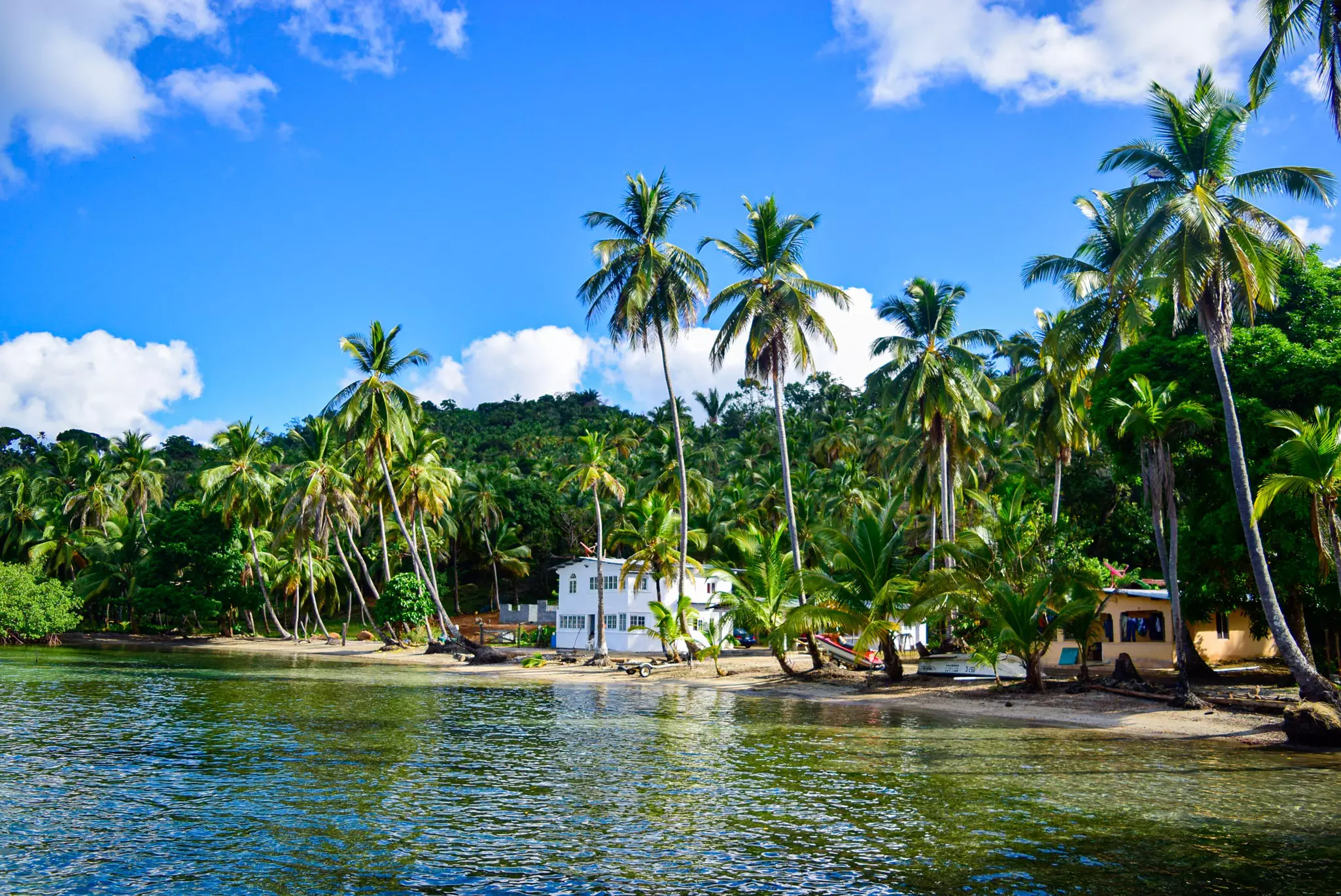
The wild Caribbean beaches of Parque Nacional Portobelo make an excellent day trip from Portobelo town. The closest beach to Portobelo is Playa Huerta, a small bay with crystalline waters considered by many to be ideal for snorkeling. Playa Huerta is also the site of a coral reforestation project from the local Reef2Reef Foundation. Strong paddlers could kayak here, as many hotels offer cheap rentals. A bigger beach at Puerto Frances provides open-sea views and consistent breezes.
Further to the northeast, Playa Blanca is the most famous Portobelo-area beach, with white sands tucked into a protected cove surrounded by dense wilderness. Many visitors combine trips to all three with the nearby Venas Azules, a natural canal of mangroves around Isla del Padre (note: swimming here damages the fragile ecosystem).
Getting there: There’s no road access to most coves, so you’ll need to hire a water taxi or organize a tour from Portobelo.
Planning tip: Packed with local tourists on weekends and holidays, you typically have these beaches to yourself at other times.
Best national park near Panama City
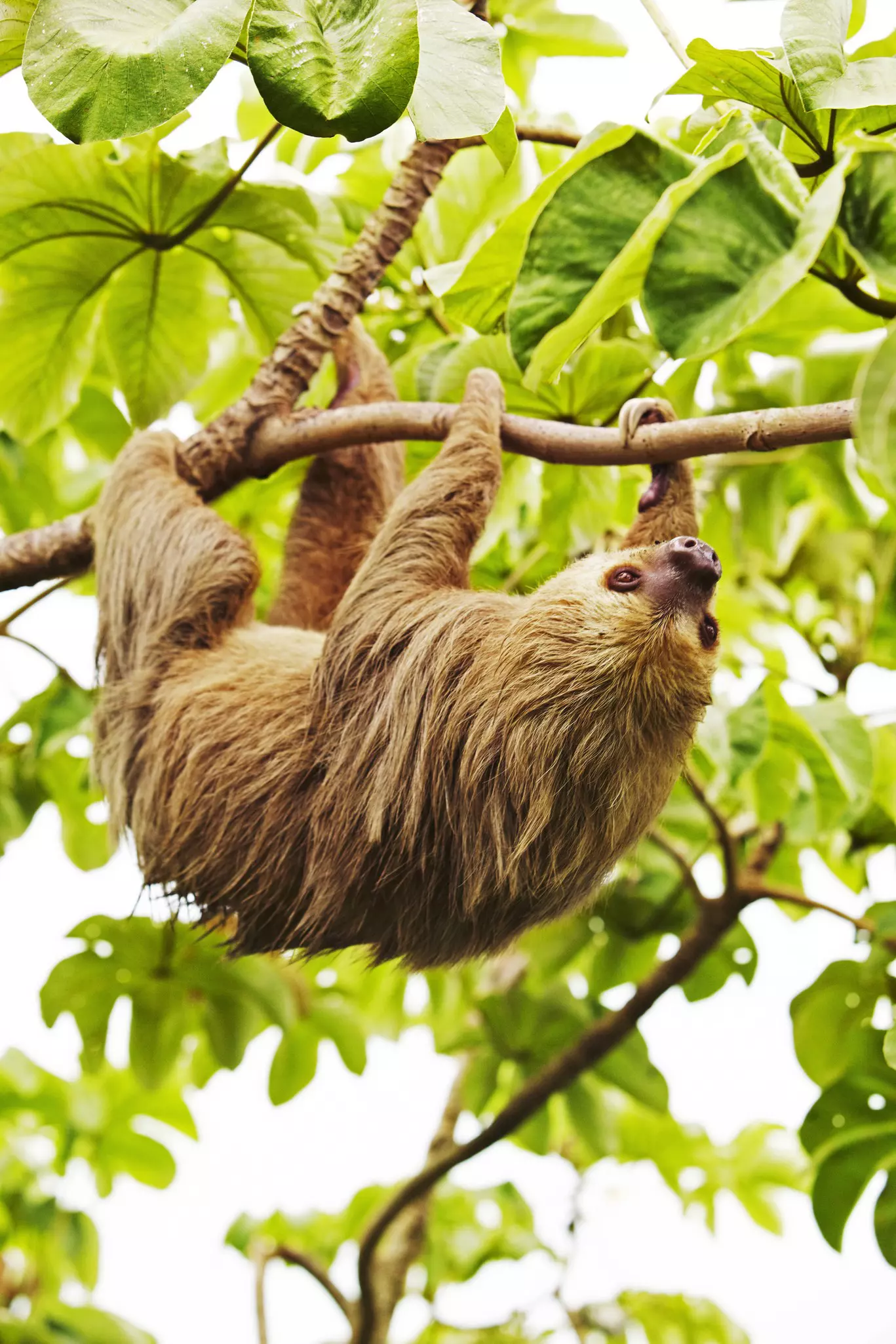
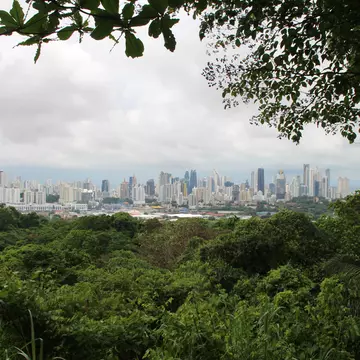
The 195-sq-km Parque Nacional Soberanía is one of the most accessible tropical rainforests in Panama, just 25km from Panama City, on the eastern flank of the Panama Canal. It extends much of the way across the isthmus, from Limón on Lago Gatún to just north of Paraíso and boasts hiking trails that brim with a remarkable variety of wildlife.
The entire family can enjoy Summit Park, which has botanical gardens showcasing many of the hundreds of plants native to the Canal Zone as well as various animals orphaned and others injured and nursed back to health. Look for sloths, monkeys and pumas, as well as plenty of birdlife. It’s close to the park’s headquarters.
Getting there: Parque Nacional Soberanía is easily reached via the road to Gamboa. Leaflets and information about the park, including a brochure for self-guided walks and other trails, are available from park headquarters, which is at the junction of the road to Gamboa.
Planning tip: A special time to visit Soberanía is during the annual raptor migration. More than 2 million birds of prey cross the isthmus from late August to November, transforming the skies into a dark, otherworldly storm of soaring predators.
Book your Panama trip with Lonely Planet Journeys
See Panama how it's meant to be seen
Accommodations, activities and ground transportation all taken care of, so you can focus on the fun part. Tell us what your dream trip to Panama looks like, and our local experts will build it from scratch. Or start with one of our itineraries and make it your own.

Explore related stories