Sep 21, 20268 min read
A Guide to Valle de Guadalupe, MexicoMar 26, 2026
6 MIN READ

Writer
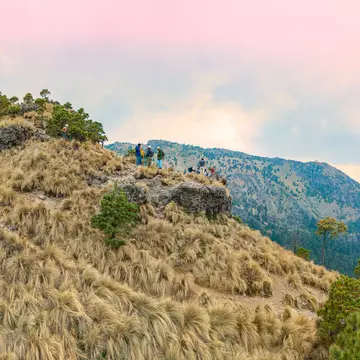
Hikers on Pico del Águila, near Mexico City. Abel Gonzalez/Getty Images

Writer
Highlights
Writer Regis St Louis picks six Mexico hikes from volcanoes to sacred peaks.
Hike Pico del Águila near Mexico City or cross Paricutín's lava fields in Michoacán.
For indigenous culture, walk the Bacajipare Trail in Chihuahua or Oaxaca's Pueblos Mancomunados.
Head to Pueblo Fantasma in San Luís Potosí or sacred Cerro Don Lauro in Chiapas.
Lonely Planet may earn a commission from affiliate links on our site. All recommendations and reviews reflect our own independent opinions.
Home to tropical beaches, pre-Columbian ruins and some of the world’s most celebrated cooking, Mexico has long captivated visitors. Its hiking trails, however, remain little known, which is great news for those eager to experience the nation’s diverse scenery without the crowds.
Hiking trails in Mexico can take you through astonishing landscapes, from newly formed lava fields to jaw-dropping canyons, as well as cloud forests teeming with wildlife. Experienced mountaineers can plan a trip around the country’s famous mountains, like the challenging ascent up 5636m Pico de Orizaba, Mexico’s highest peak.
Hiking here isn't just about the panoramic backdrops, though. You can also head off on a trek through local communities, with indigenous guides shedding insight on the rich cultures that date back centuries. Here's our pick of the top hikes in Mexico.
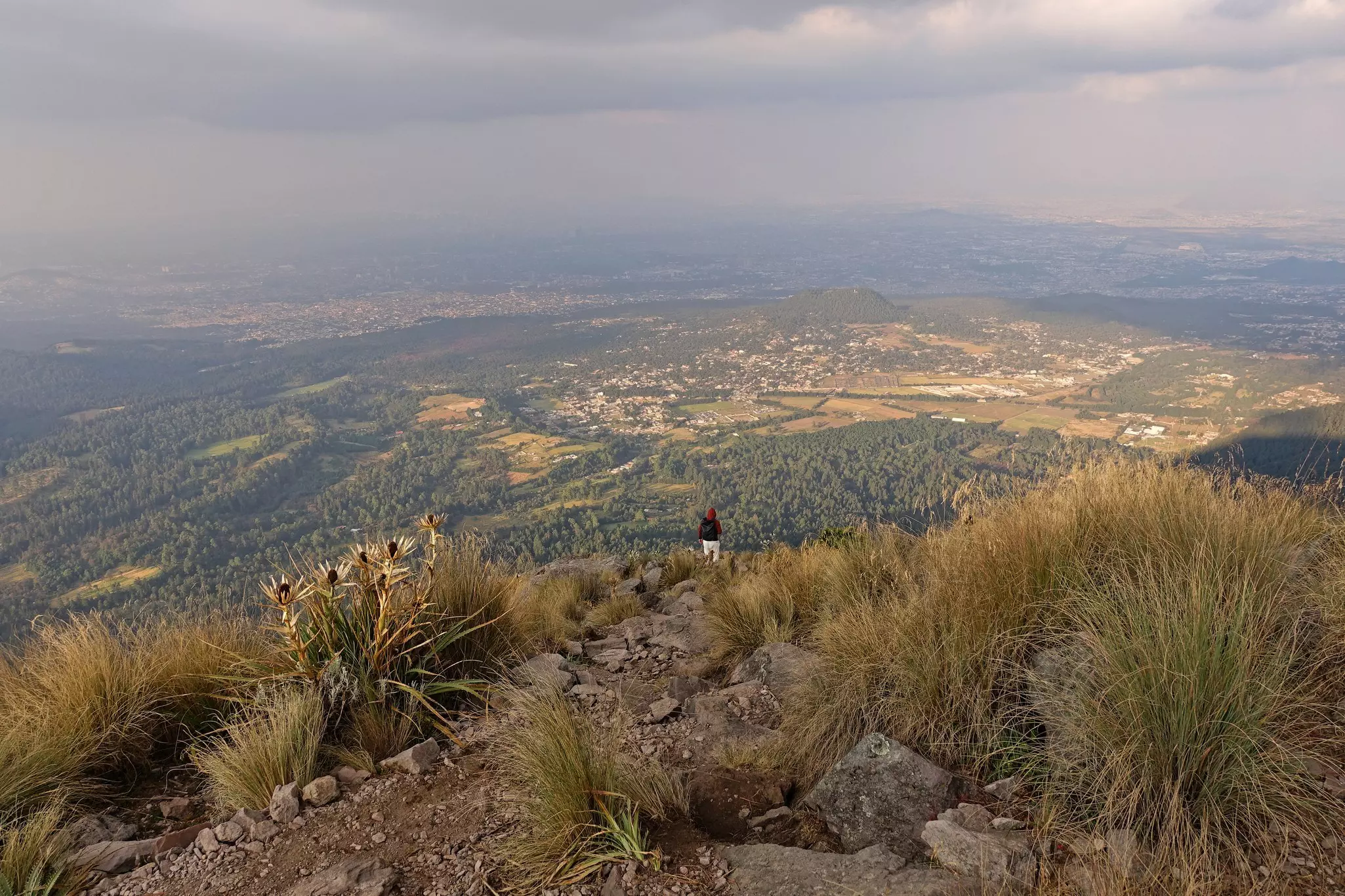
Best hike for views
4.5km roundtrip, 3 hours, difficult
Less than 40km south of Mexico City, the Parque Nacional Cumbres del Ajusco immerses you in a world of forested slopes and rocky peaks that seem a world removed from the bustling capital. The challenging but rewarding climb to the top of Pico del Águila will take you through forests of oaks, firs and pines up to alpine terrain where the views over the rolling valleys and the distant metropolis grow more dramatic with every step.
Although the hike is relatively short, the going is steep as you ascend more than 671m en route to the lofty summit, which sits at 3900m above sea level. Along the way, keep an eye out for the teporingo, aka the volcano rabbit, a rare lagomorph and one of the smallest rabbit species on earth (only the pygmy rabbit is smaller).
Planning tip: The trail begins near El Abrevadero restaurant, a great place to treat yourself to a meal after completing the hike.
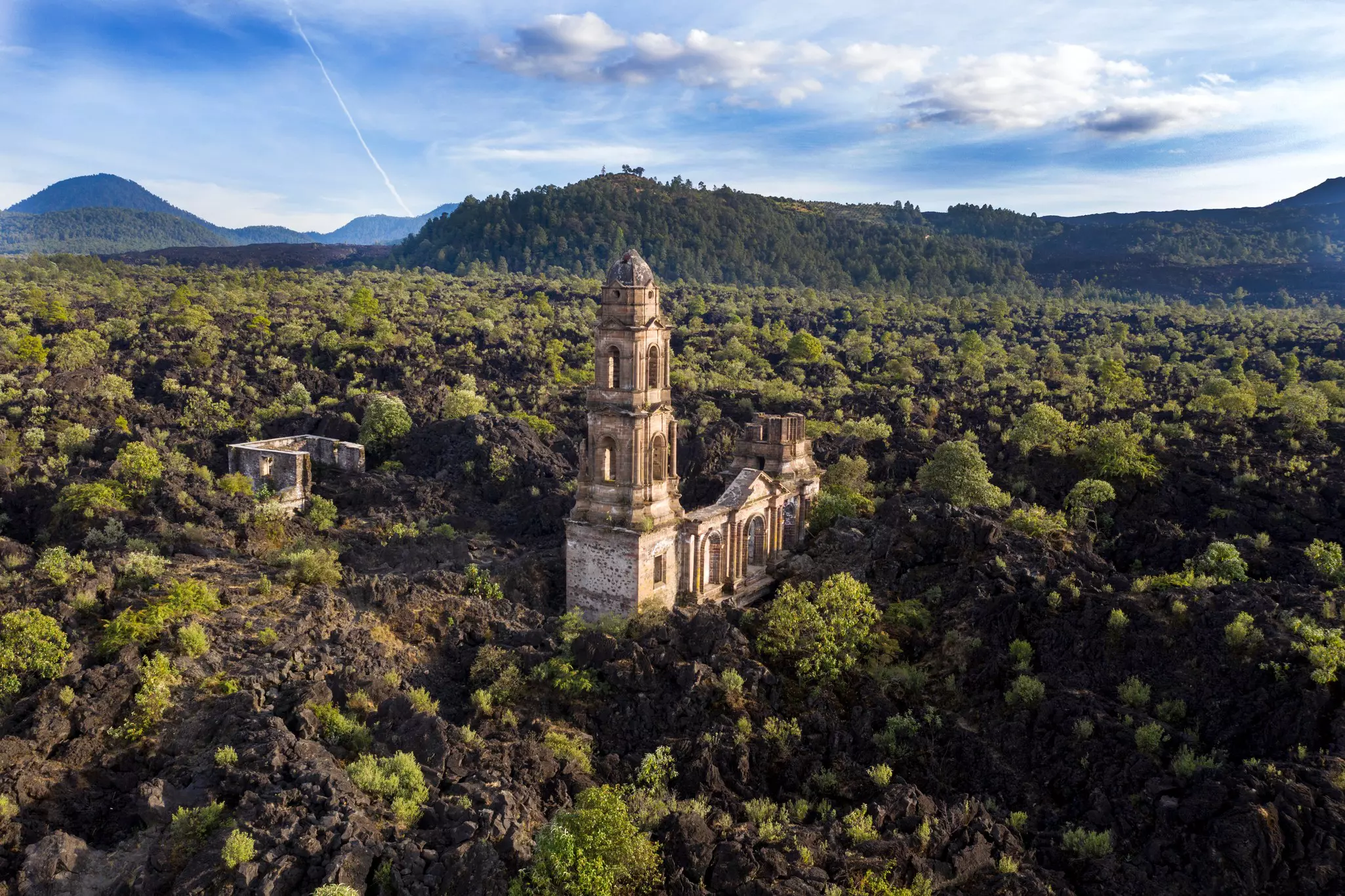
Best hike for volcano encounters
19km roundtrip, 5 to 7 hours, moderate
Most of Earth’s geologic wonders can be measured in eons, but Volcán Paricutín has been around for barely 80 years. Back in 1943, a farmer was plowing his fields in the southwestern state of Michoacán when rumbling started, and steam, ash and lava spurted from the ground. Seemingly out of nowhere, Paricutín volcano rose out of the bowels of the earth, growing over the next decade to around 411m above the surrounding valley.
Today, the large black cone is mostly dormant, which you can see firsthand on a walk from the village of Angahuan. From there you can hire a guide from the Purépecha community and set out across lava fields, trekking past the ruins of the Church of San Juan Parangaricutiro with its battered belfry towering above blackened volcanic rock. Later, you’ll scramble up loose rock and gravel to the summit of the youthful volcano, spying a few steam vents that are the only signs of its activity.
Planning tip: Find hiking guides outside the Centro Turístico de Angahuan, where you begin your ascent.
Best hike for indigenous culture
4km roundtrip, 3 hours, moderate
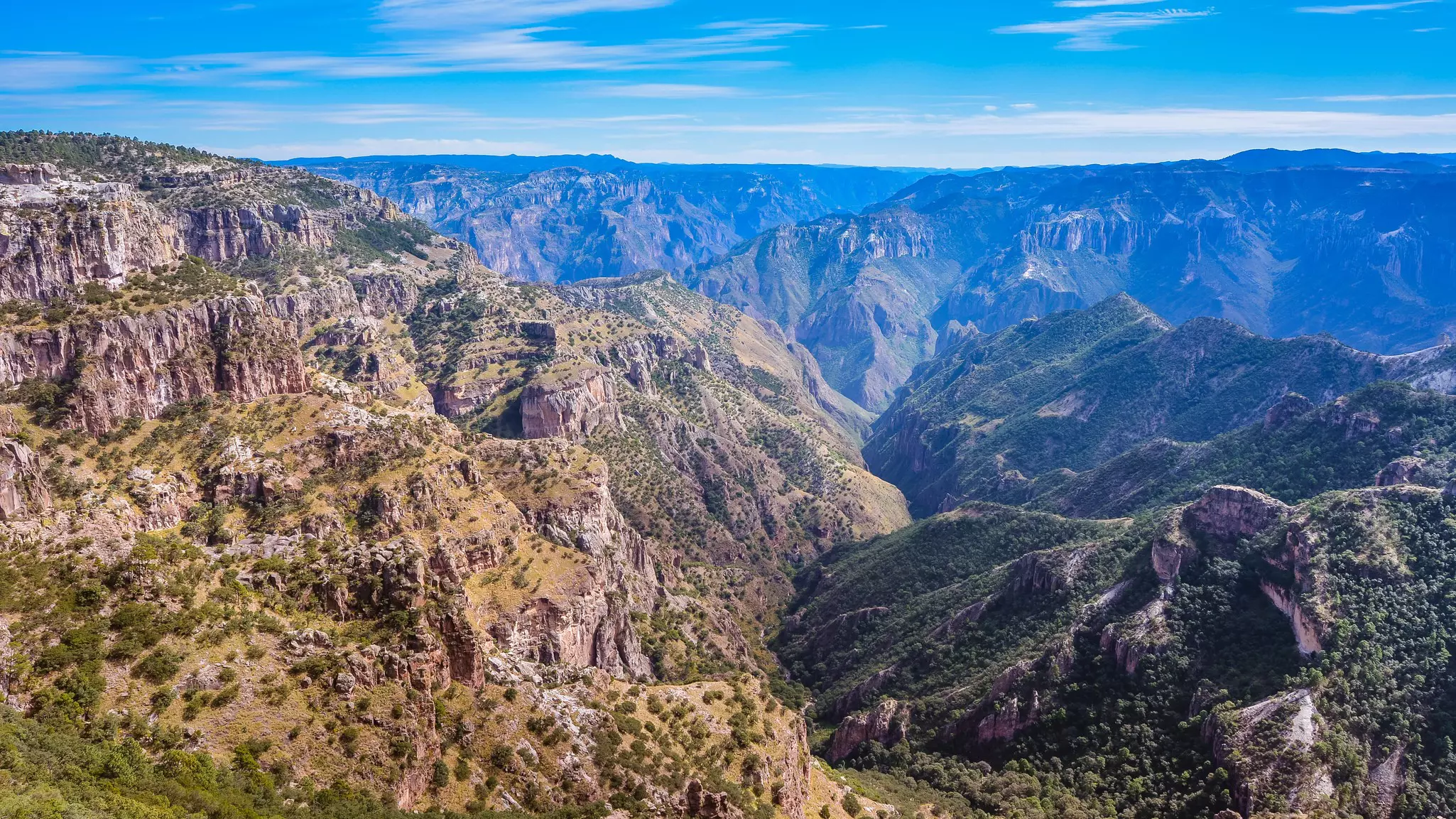
The Copper Canyon in the north of Mexico isn’t one great expanse, but rather a system of six separate canyons that are larger and deeper in places than the Grand Canyon. The rugged mountainous terrain is also home to the Rarámuri (Taramuri), an indigenous group known for their long-distance running traditions.
You can experience astonishing panoramas of the Sierra Madre while also learning about Rarámuri culture on a guided hike along the Bacajipare Trail. Led by Rarámuri members, this memorable walk takes you along an ancient path past remote homesteads and down to the small Bacajipare community.
Planning tip: This is just one of several hikes you can undertake led by Experiencias Rarámuri, a sustainable community tourism project that's been around since 2015. Contact the guides in advance or find them at the lower cable car station inside the Parque de Aventura Barrancas del Cobre. Before or after a hike, be sure to ride the high-flying zip lines over the canyon – another spectacular way to experience this region.
Best hike for adventure
10–100km roundtrip, 4 hours to 4 days, moderate
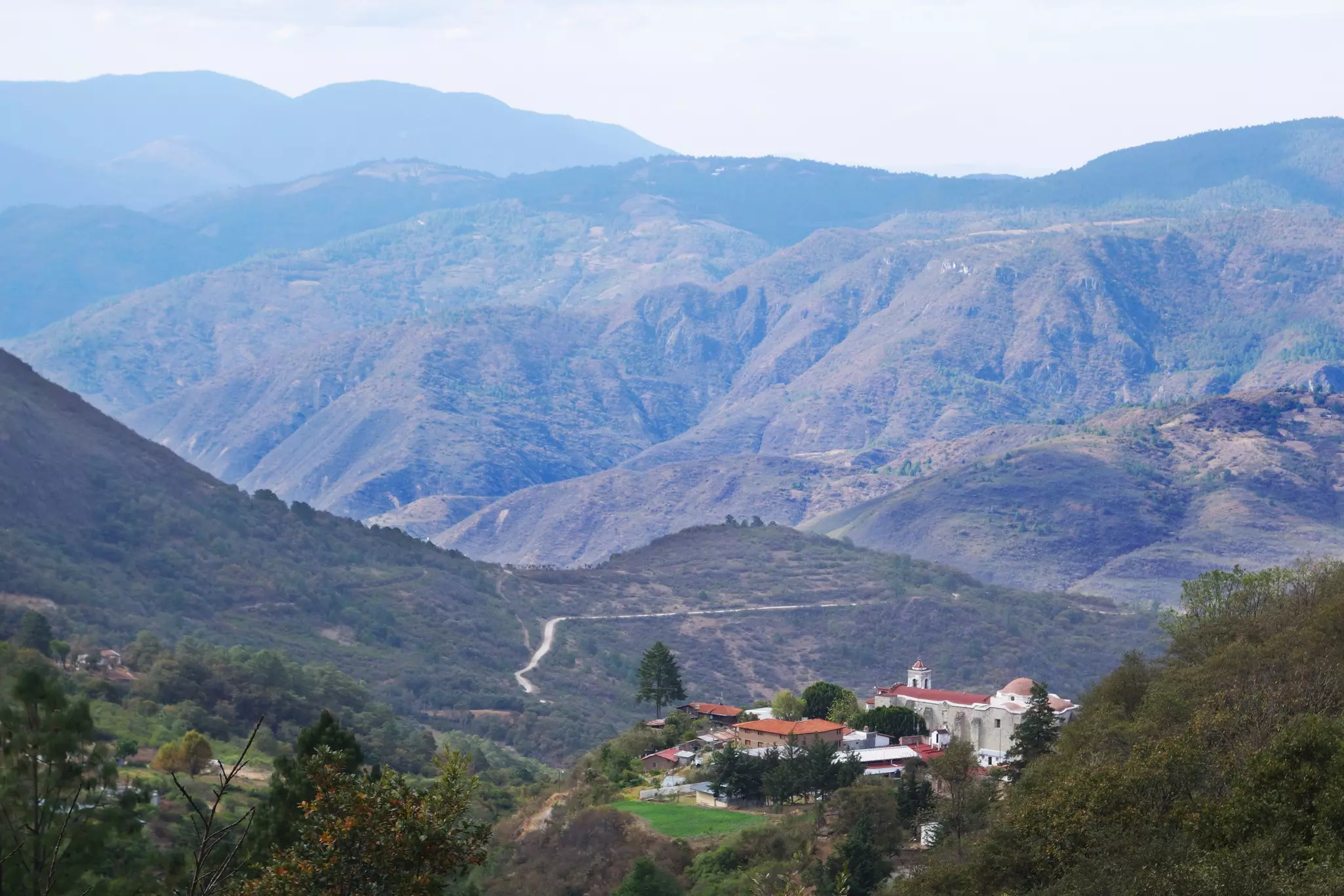
Near the center of Oaxaca state, eight remote villages are linked by some 100km of high-country trails in one of Mexico’s best ecotourism projects. You can plan a wide range of hikes here, from half-day excursions to multiday treks, overnighting in Zapotec villages along the way.
Highlights include walking through misty cloud forests, crossing suspension bridges over ravines and scampering up rocky cliffs to views of snow-capped Pico Orizaba.
Planning tip: The community-run Expediciones Sierra Norte based in Oaxaca City can help with planning and logistics. Among other things, it can set you up with English-speaking guides, additional activities like horseback-riding and bike rentals, and reserve your lodging in advance.
Best desert hike
5km round trip, 2 hours, moderate
The mines of San Luís Potosí showered riches on boom towns like Real de Catorce. When the price of silver went bust in the early 20th century, cobblestone centers turned into pueblos fantasmas (ghost towns) and the population pulled up stakes and moved elsewhere.
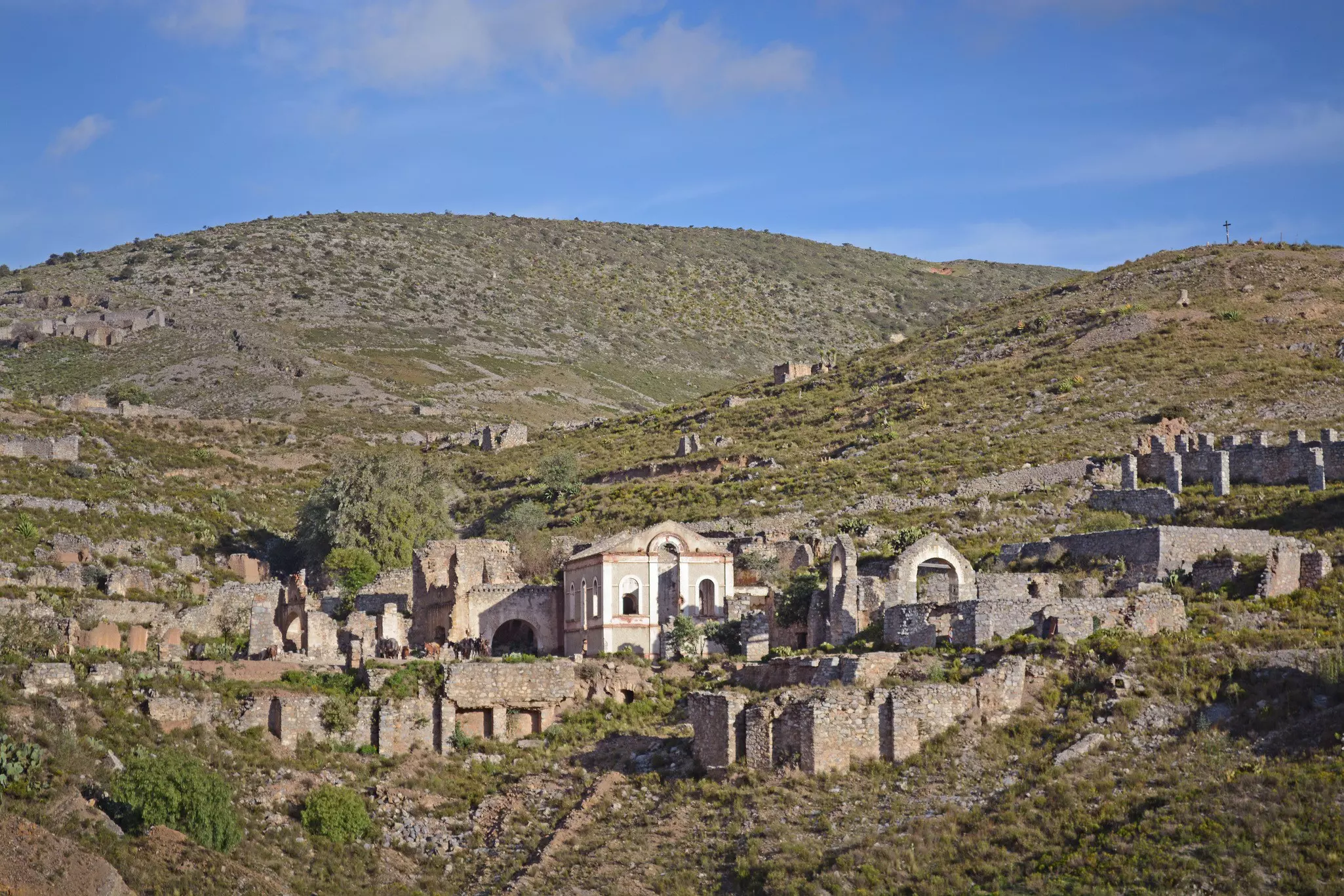
In recent years, boutique hotels and restaurants have breathed new life into Real de Catorce, though it still retains ghostly elements of its once-grand past. With its population hovering around 1000, the small city makes a great base for hikes to abandoned sites, including a hilltop ghost town hidden in the desert landscape.
Along the way, you’ll ascend more than 259m and enjoy sweeping views back toward Real de Catorce and the surrounding mountains stretching off toward the horizon. Once inside Pueblo Fantasma, you can explore eerie 200-year-old houses and peek inside open mine shafts (watch your step!).
Best spiritual hike
4.3km round trip, 2 hours, easy
Surrounded by dozens of traditional Tsotzil and Tzeltal villages, San Cristóbal de las Casas in Chiapas is at the heart of one of the most deeply rooted indigenous areas in Mexico. No matter where you walk, you’ll encounter residents with obvious pride in their Mayan ancestry. The forests and mountains here are considered sacred – none perhaps more so than the Cerro Don Lauro, a craggy, pine-covered mountain looming above San Cristóbal.
An uphill hike takes you through pine and oak forest, past trickling streams and small community farms. As you near the top, you’ll pass an oversized drum, an altar and an area for temascal (sweat lodge) ceremonies. This is where Chiapaneco shaman Don Lauro, for whom the peak is named, leads workshops and ceremonies in honor of the mountain. You can learn more about him in the film El Hombre de la Montaña (2018). At the summit, you’ll enjoy a mesmerizing view over San Cristóbal, fringed by lush peaks rising above the valley floor.
Book your Mexico trip with Lonely Planet Journeys
See Mexico how it's meant to be seen
Planned by local experts and tailored to you, Lonely Planet Journeys handles the logistics so you can just enjoy the trip. Tell us what you want and we'll build your Mexico itinerary from scratch, or browse our bookable trips to get inspired.

Explore related stories