India
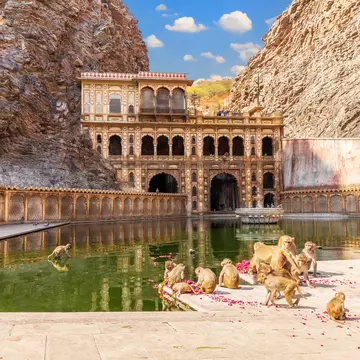
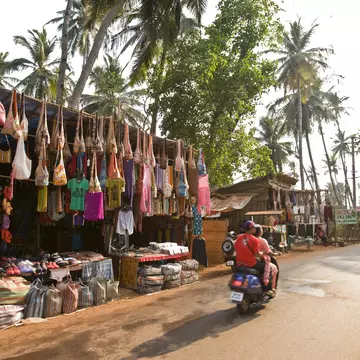
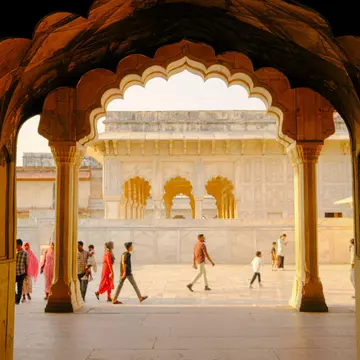
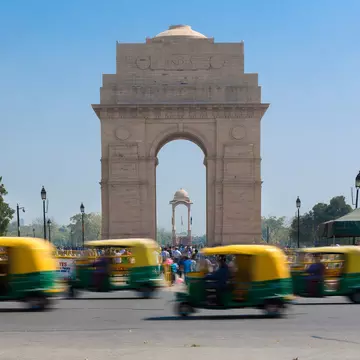
With its sumptuous mix of traditions, spiritual beliefs, festivals, architecture and landscapes, India will set your memories ablaze long after you've left its shores.
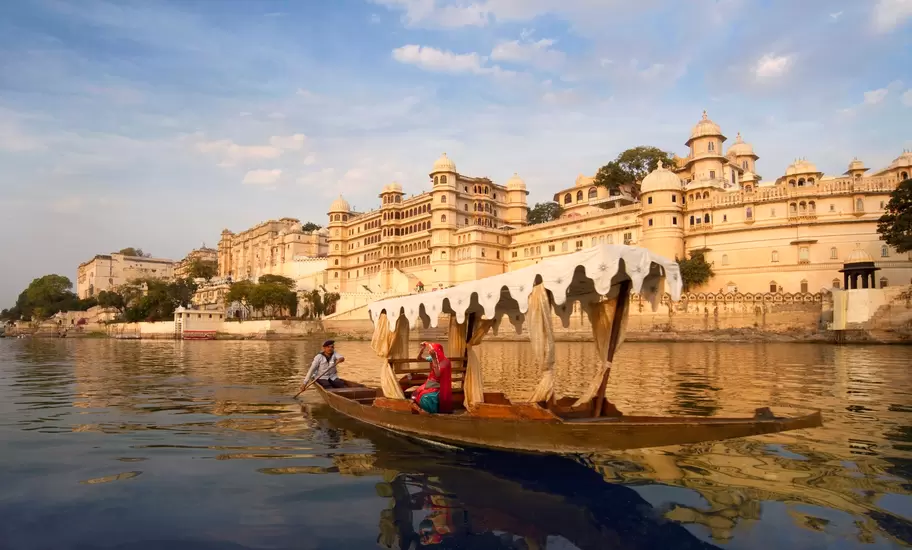
Pete Seaward for Lonely Planet
Latest Stories
- Teja Lele | Sep 24, 2026A Book Lover’s Guide to India
- Joe Bindloss | Sep 7, 2026Taking the Train from Delhi to Mumbai (What You Need to Know)
- Isabella Noble | Aug 23, 202612 Best Beaches in India
- Joe Bindloss | Aug 17, 20269 Incredible Road Trips That Showcase the Beauty of India
Book
Trip 
App

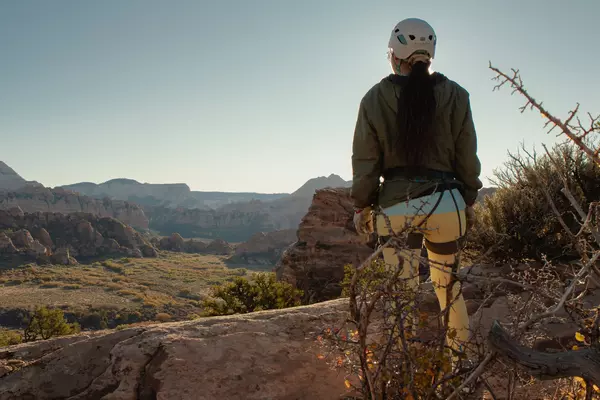
Trusted Partner
Dreaming of India? Protect your trip
Travel with confidence. Protect your trip and your wallet.
We don’t represent World Nomads, we receive a fee from quotes using this link. This is not a recommendation to buy travel insurance.
Book your India trip with Lonely Planet Journeys
See India how it's meant to be seen
Accommodations, activities and ground transportation all taken care of, so you can focus on the fun part. Tell us what your dream trip to India looks like, and our local experts will build it from scratch. Or start with one of our itineraries and make it your own.
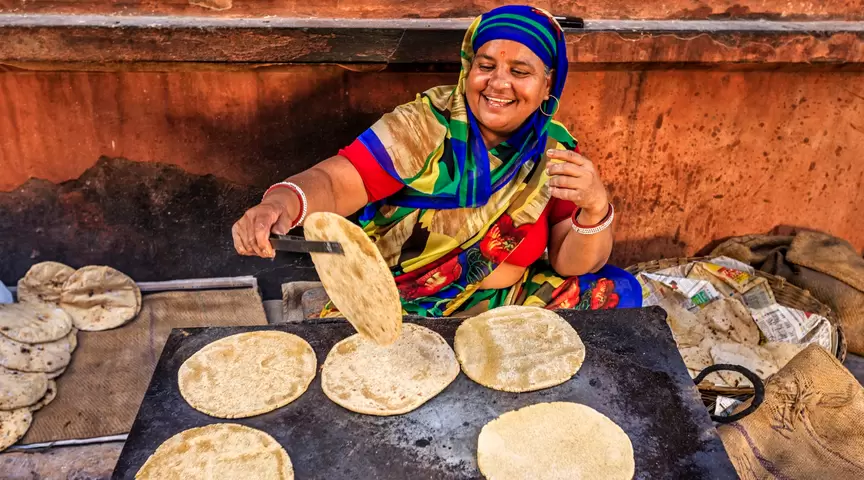

Top places to visit in India
Discover the best attractions in India from must-see sights to unexpected hidden gems.
- Attraction in Gujarat & DiuNarara Marine National Park
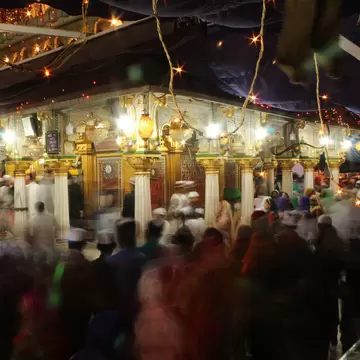
- Attraction in DelhiHazrat Nizamuddin Dargah
- Attraction in RajasthanJunagarh
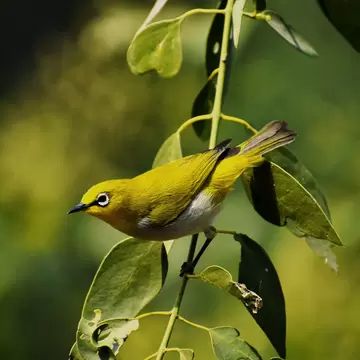
- Attraction in Gujarat & DiuKhijadiya Bird Sanctuary
- Attraction in Kolkata (Calcutta)Marble Palace
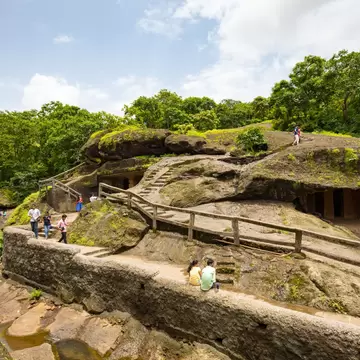
- Attraction in Mumbai (Bombay)Sanjay Gandhi National Park
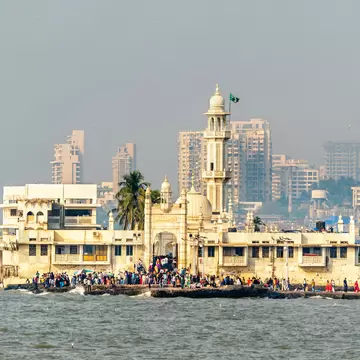
- Attraction in Mumbai (Bombay)Haji Ali Dargah
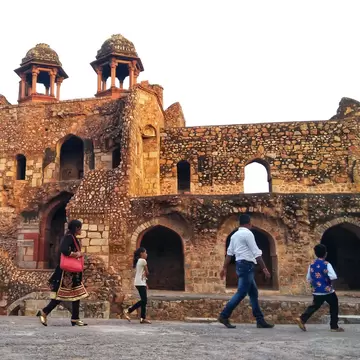
- Attraction in DelhiPurana Qila



Travel Guides
India travel tips from Lonely Planet experts
Find practical guidance from our team of contributors around the world who bring their decades of first-hand travel experience to your next trip.
Best Things to Do
Making a shortlist of things to do can be a challenge in a country as vast as India. Try our list of top activities, from temple trips to tiger safaris.
Read full article
Best Time to Visit
While there’s never a bad time to visit India, the weather and festival calendar can change the course of your trip. Here’s a full guide.
Read full article
Things to Know
Chaotic, wild, exasperating and wonderful: India is a marvel. Don't go without these 5 top tips for your first visit.
Read full article
Transportation
India serves up endlessly evocative experiences but its sheer scale can be overwhelming. Here's everything you need to know about getting around in India.
Read full article
Best Road Trips
Rumbling across India's varied roads and terrains is an unforgettable way to experience this sensational country. These are our 9 favorite road trips.
Read full article
Money and Costs
India is one of the most affordable countries in the world to visit. Make your money go even further with these budget friendly tips.
Read full article
Traveling with Kids
The incredible sights, sounds and smells in India mean your little ones will never be bored for long. Here's how best to visit India with tots in tow.
Read full article
Best Places to Visit
Explore the lesser-known sides of India's history at these ancient sites.
Read full article
Get Connected
Stay fully connected on your next trip with this guide to local wi-fi networks in India, eSIM options in India and data in India.
Read full article
Get a book. Get inspired. Get exploring.

in partnership with getyourguide
Book popular activities in India
Lonely Planet may earn a commission from affiliate links on our site. All recommendations and reviews reflect our own independent opinions.
India and beyond
-
 destinationSouth India
 - destinationRajasthan
- destinationGoa
- destinationDelhi
- destinationNew Delhi
- destinationHimachal Pradesh
- destinationTamil Nadu
- destinationKarnataka