In an emperor power move, Napoléon III commissioned a new Paris Palais Garnier (operadeparis.fr; adult/concession/children under 12 €15/10/free) to his liking after an assassination attempt at the former opera house on nearby rue Le Peletier. Charles Garnier was just 35 years old, and as yet unknown, when he won the commission to build it. He surprised everyone including Empress Eugénie, who was less than impressed when Garnier presented his designs. Napoléon III died before he ever got to see it and it's now visitors who use what would've been his private entrance to protect him from would-be attackers.
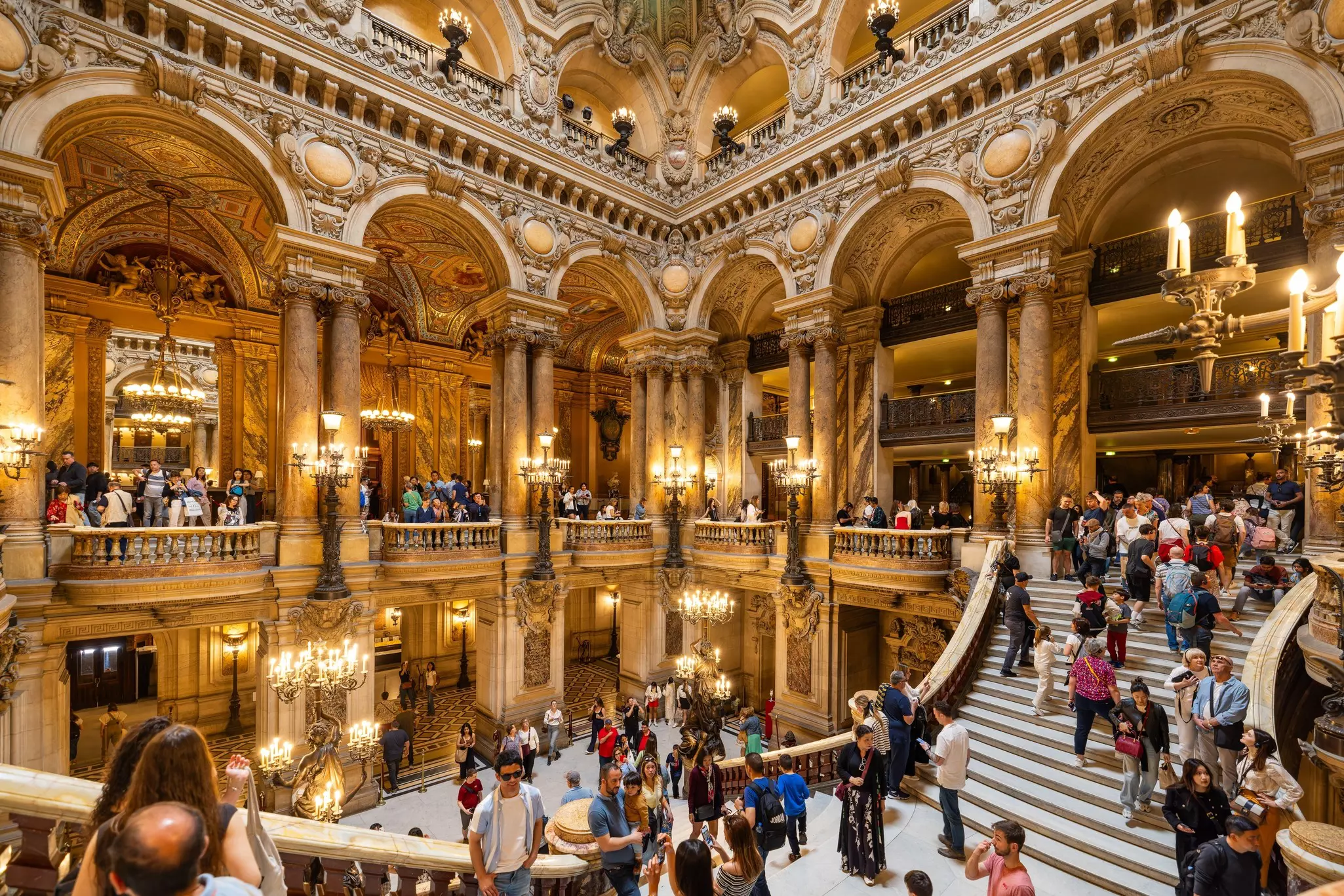
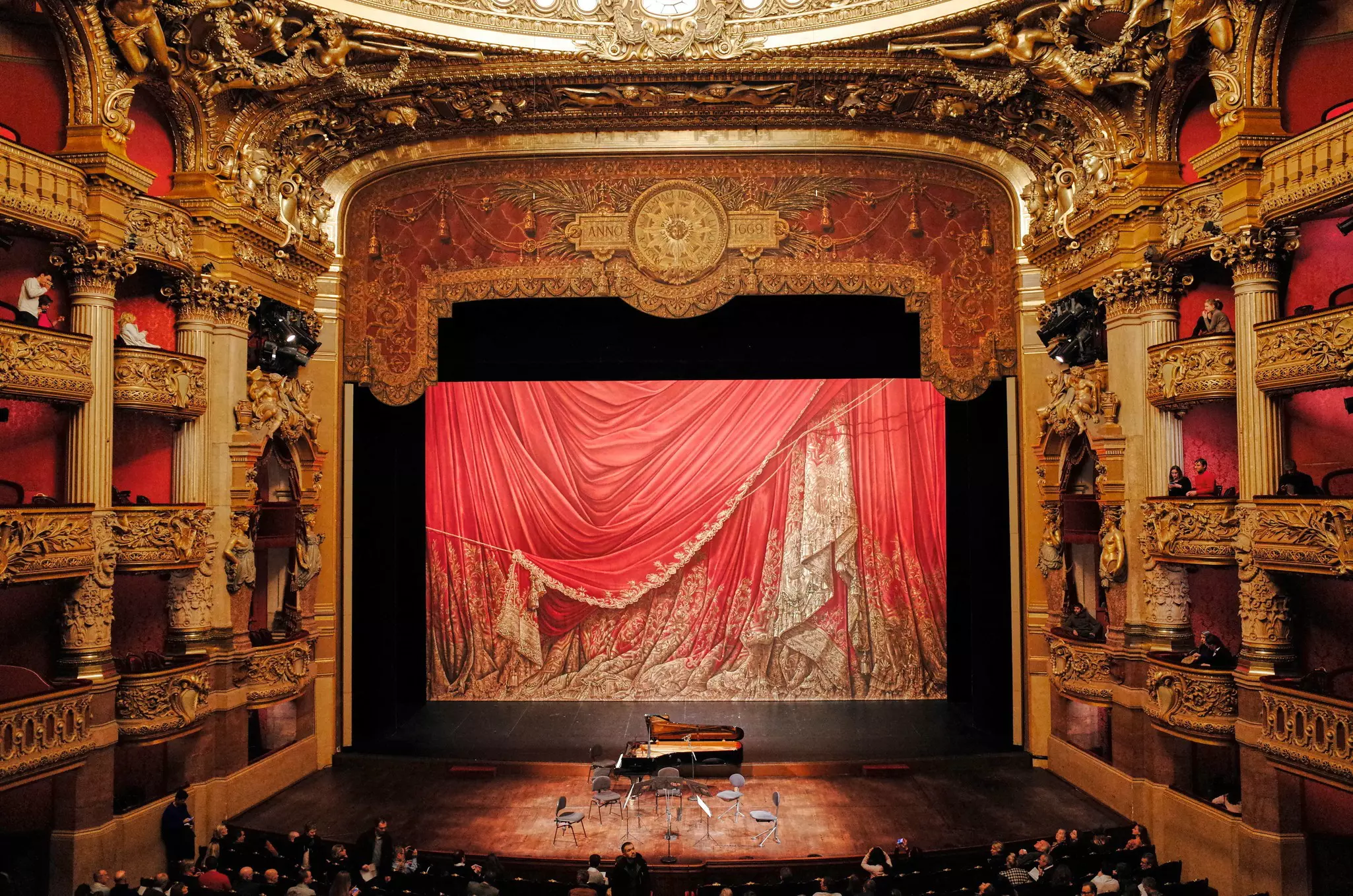
Once inside, the "show" starts not in the auditorium but on another stage: the grand staircase. With its sweeping steps and numerous balconies to observe who was sashaying up them, Garnier purposefully designed it for posing. In the auditorium, he flattered high society again by choosing red velvet seating to complement the gilded gold, saying that the pink tinge reflected on women's faces helped them look "more youthful and radiant." Crowning the space is a fresco ceiling by Marc Chagall, a recent design addition, and the opera house's impressive chandelier, which inspired an event in Gaston Leroux's The Phantom of the Opera when it fell from the ceiling in 1896.
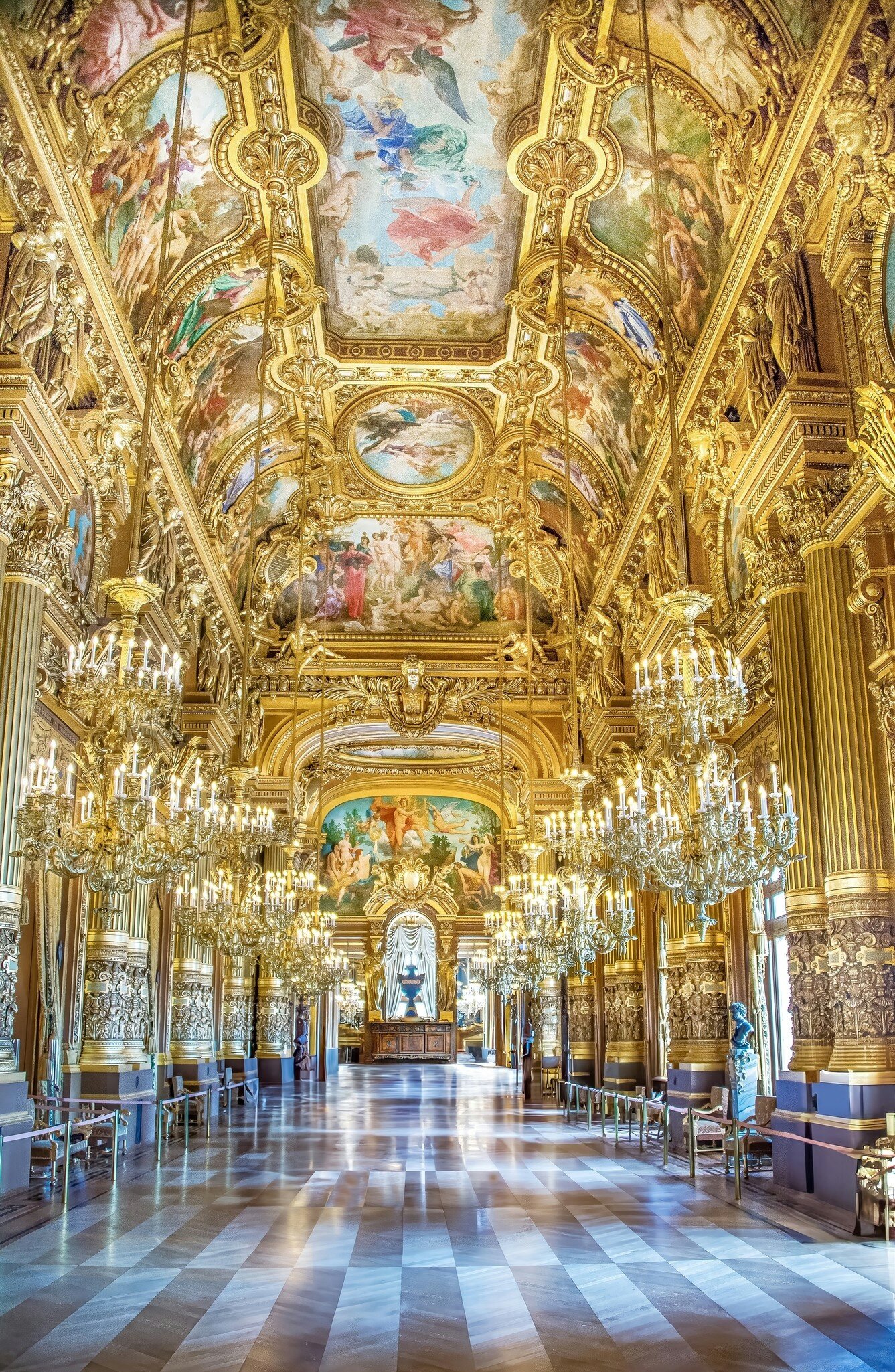
Aside from the auditorium, one of the Palais Garnier's most prestigious rooms is the Grand Foyer, inspired by the Hall of Mirrors at Versailles and recently restored to its full splendor. You can wander around just admiring all of this grandeur but it really is worth taking a tour of some kind: the audio tour is excellent and cheaper than taking a private group tour (bookable on the website), but with the latter you'll be able to actually sit in the auditorium, unless it's in use for practice. And make sure to reserve a ticket in advance online, due to the high number of visitors, it's not guaranteed you'll get a ticket on the day at the box office.