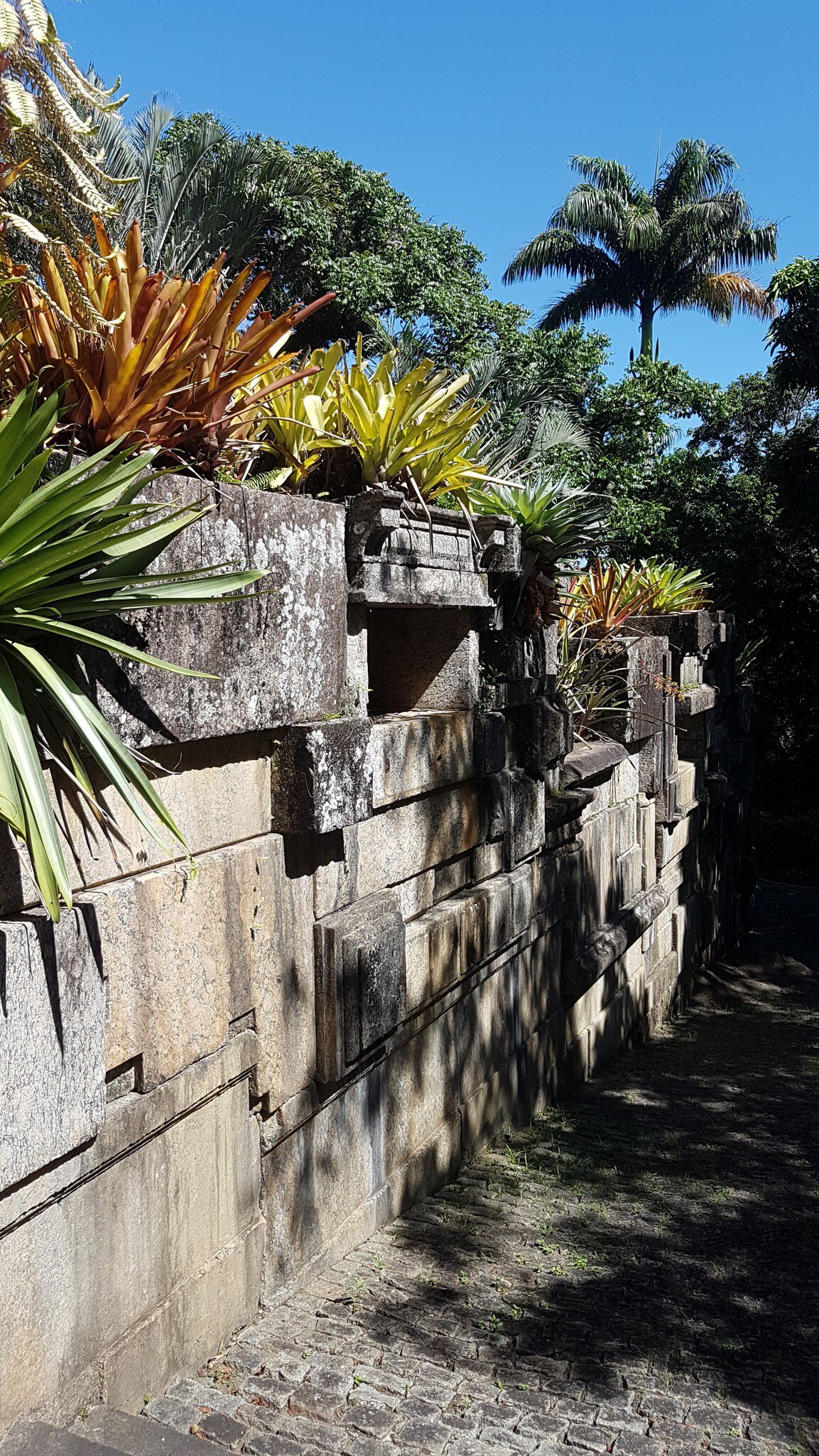
Sítio Burle Marx was once the home, laboratory, atelier and workplace of internationally renowned Brazilian landscape artist Roberto Burle Marx. The property, now UNESCO listed and managed by the state, has one of the most important collections of living tropical plants in the world and continues to be a botanical research space, museum and cultural center.
History
In 1949, brothers Roberto and Guilherme Siegfried Burle Marx bought the first plot of land destined to become the Sítio Roberto Burle Marx em Guaratiba in the West Zone of Rio. The spot was chosen for its rich soil, extensive native vegetation and its location at the edge of the Parque Estadual da Pedra Branca, a protected stretch of Atlantic rainforest that would save the zone from real estate speculation. Two neighboring plots were added in 1952 and 1960, respectively, creating the site we see today.
Casa do Roberto
This restored colonial-style house was the artist's home during the last 20 years of his life. It was remodeled as a museum and opened to visitors in 2019, hosting curated exhibitions giving insight into Roberto Burle Marx's personal life, persona and work. Besides the living room, dining room, kitchen and guest room, the house also has a ceramics room, music room, prayer room and a small atelier, and hosts expansive collections of religious, African, Mesoamerican and South American art.
Atelier
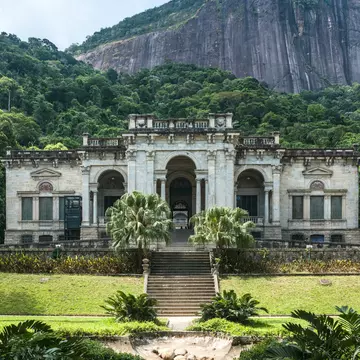
The main atelier is really a multiuse space where Burle Marx both worked and held an array of events, ranging from concerts to courses to exhibitions. The building itself was built overtime, starting in the 1970s when Roberto managed to acquire a neoclassical facade from a demolition site (although it was only installed a decade later). The spacious building has a number of large-size works by the artist, purpose-made for the space.
Loggia
This 60-sq-meter building in between the main house and the chapel is decorated with exceptional contemporary tile work done by the artist and adorned with an extra long, solid wood table where Burle Marx used to work.
The Chapel
Originally built in the 18th century, the Capela Santo Antônio da Bica was part of the original Fazenda da Bica bought by the Burle Marx brothers. They restored the chapel upon purchasing the land and again in the 1970s. It's still used for religious ceremonies and masses, as well as the annual St Anthony's Day procession.
Gardens & Greenhouses
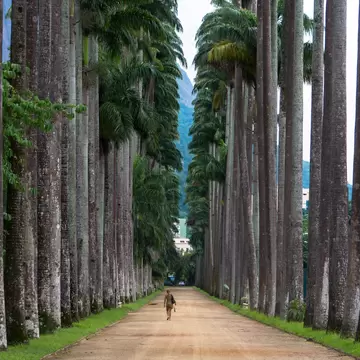
Unsurprisingly, the gardens are spectacular. They also host more than 3500 tropical and subtropical species in greenhouses and gardens, while harmoniously preserving 405,000 sq meters of native vegetation. The main greenhouse was named after Graziela Barroso, a great friend of Burle Marx who was also the first woman to become a naturalist at the Botanic Gardens of Rio in 1946.
Cozinha da Pedra
One of the more interesting buildings on-site, the outdoor kitchen is where Burle Marx used to hold the lunches, dinners and parties for which he became renowned. The stone floor, concrete-awning-covered open space, which was projected by architects Rubem Breitman and Haroldo Barroso Beltrão, and decorated by a huge tile panel done by Burle Marx, won an award from the Institute of Brazilian Architects in 1963 under the name "Pavilhão Roberto Burle Marx."
Preservation
The property has been a national preservation site since 1985, and in 2021, it became the first modern tropical garden to be inscribed on the UNESCO World Heritage List, for its artistic, environmental and cultural importance. Burle Marx donated his home to the federal government, with the condition it continue as a research center, a wish executed upon his death in 1994.