Jul 30, 20269 min read
15 Things to Know Before Visiting San FranciscoApr 13, 2026
9 MIN READ
Writer
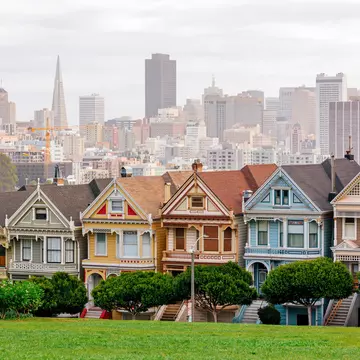
Alamo Square, San Francisco, California. Alexander Spatari/Getty Images

Writer
Lonely Planet may earn a commission from affiliate links on our site. All recommendations and reviews reflect our own independent opinions.
San Francisco’s mild weather makes it a consistent year-round attraction, which is a bonus for visitors looking for flexible travel dates.
This peninsula-shaped city is often covered with a comforting blanket of fog, formed when ocean water evaporates in the hot sun and collides with the chilly air created from a coastal cold-water current. This is then sucked in through the Golden Gate and pushed by Easterly winds.
First-time summer visitors often end up shivering in shorts and hastily wrapping up in gift-shop-purchased SF sweatshirts. While summer isn't the warmest time to visit, there are vibrant summertime events that still make a visit worthwhile. Sun lovers should wait until late summer or early fall to visit SF for perfectly warm (but not too hot!) sunny days.
That said, there are distinctive seasons to experience throughout the year, resulting from a combination of nature and the city's lovely, quirky, diverse SF cultures. Spring blooms, seasonal farmers markets, both wholesome and raunchy street festivals, and migrating whales are just some of what various months have to offer.
Here’s how to plan the perfect time for you to visit San Francisco.
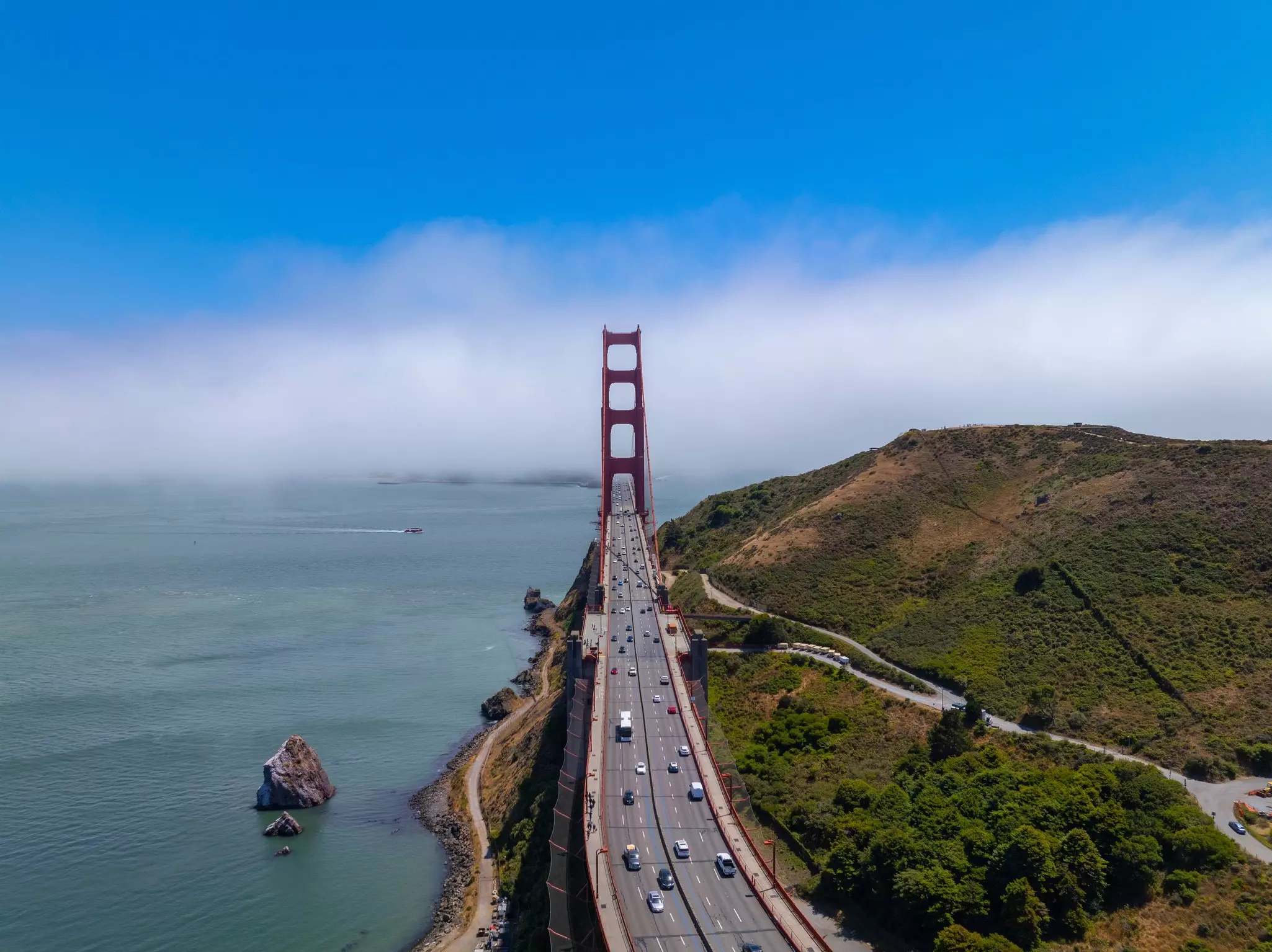
Weather in San Francisco mid-winter to late spring: Rainy winter days with temps in the 40℉ range transition to warmer, more dry seasonal spring days with temperatures in the mid 60℉ range.
Majestic gray whales, orcas and humpbacks all cruise the coastline during their respective migration seasons. While it’s possible to spot at least one species’ migration year-round, the overlap months for all three species usually runs from February to May.
Since a 1985 international moratorium on whaling, the population has made a healthy comeback. Climate change’s recent warmer ocean temperatures have also driven the increased number of whales closer to SF and, at times, actually into the Bay itself. During peak whale season, you don’t even need binoculars (though, of course, they’re helpful). Some whales get close to shore – and in clusters – so it’s easy to spot them by their blowhole activity, then watch their flippers and long bodies breach and lobtail.
If you want to stay in SF proper, sign up for whale boat tours with San Francisco Whale Tours or Oceanic Society. Or plant yourself at Lands End Lookout. Otherwise, tons of whale-watching spots beckon up and down the coast. For places relatively close to the city, consider Point Bonita Lighthouse north in Marin, or go a bit south of SF to Mussel Rock on the Daly City-Pacifica border.
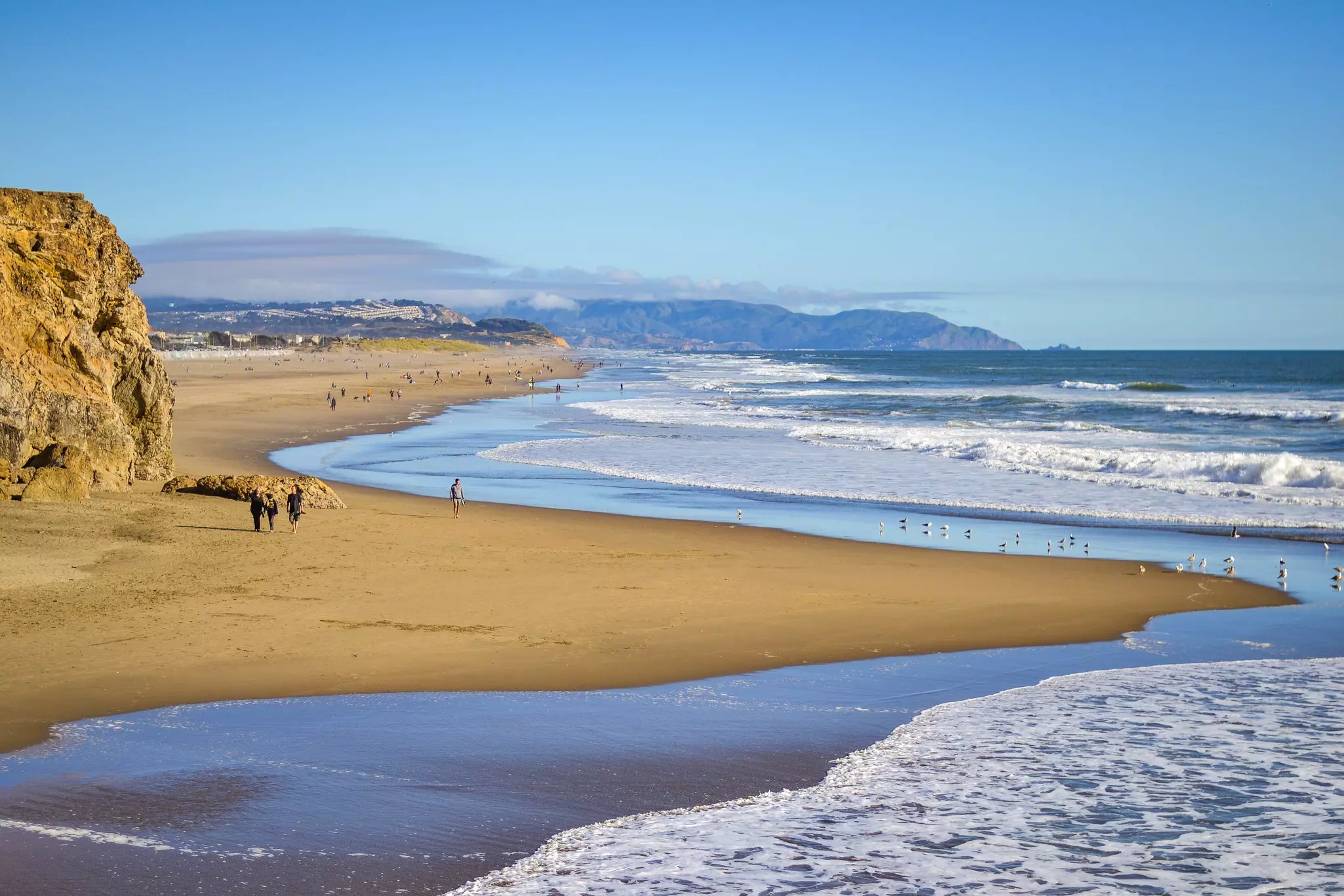
Weather in San Francisco late spring to fall: Spring showers transition to foggy summer months and cool, crisp autumn days.
When you want to balance bar-hopping nightlife and shopping with a little nature downtime, or if you need a family-friendly activity, consider the fact that March through October is Burn Season at Ocean Beach on the westernmost edge of the city.
The 16 fire rings are open from 6am to 9:30pm daily on a first-come-first-served basis, but first, check online for no-burn days due to wildfire risk or Spare the Air days. If the rings are full, ask to share and offer to contribute firewood or snacks. Burn season also includes the summer solstice in June – the longest day when the sun sets after 9pm, giving you time to enjoy a leisurely, brilliantly orange sunset well into the evening.
Wear layers to withstand the wind and bring your own firewood, which is available nearby at Safeway on La Playa and Fulton streets, or the 7-Eleven on 46th Ave and Judah St. There are parking spots and bathrooms nearby., too For public transport options, take Muni buses 5R or 18, or Muni metro line N Judah.
California grows much of the country’s produce, and San Francisco’s farmers' markets offer the freshest, most peak-season goods, given that growing regions such as Salinas (“America’s Salad bowl”), Gilroy and San Joaquin Valley are close by.
A handful of farmers markets here only operate roughly March through November, but the majority of the city’s 20-plus farmers markets open year-round. Still, nothing beats the abundance of produce available during the non-winter months. Get juicy, ruby-red strawberries and cherries during the summer (if you can get in line early enough – competition can be fierce) and tart, citrusy nopales (cactus pads) through fall.
Some favorite farmers markets include Civic Center’s vital Heart of the City Farmers' Market, the Ferry Plaza Farmers Market, the sprawling Outer Sunset Farmers Market and Mercantile and a new farmers market in the Bayview created by Dragonspunk.
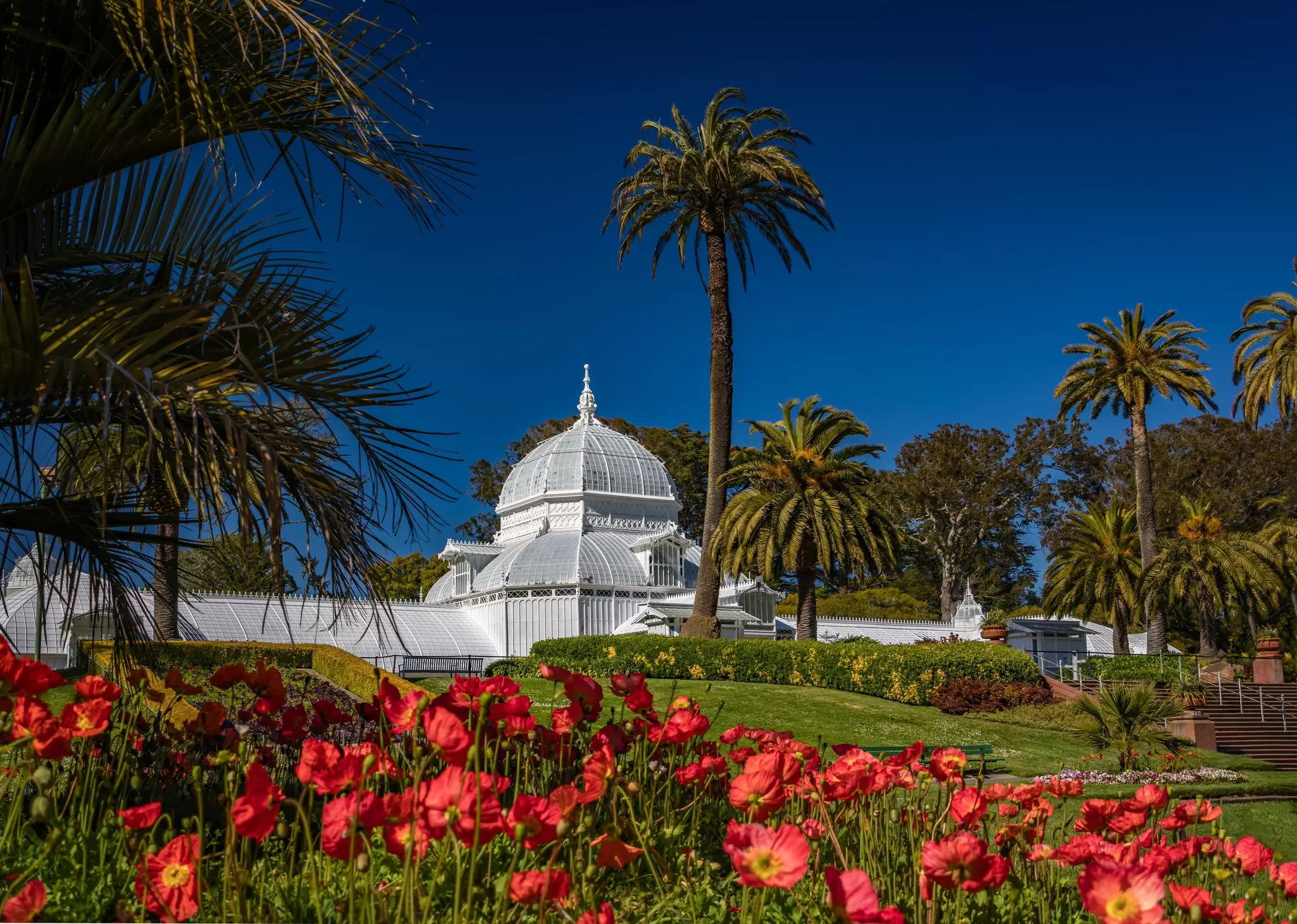
Weather in San Francisco in spring: Mild temps with sun and little rain.
The city experiences an awakening in the air once the rainy season is over, and wildflowers and people alike start to peep their heads out. It’s no joke that April showers bring May flowers.
If the rainy season was particularly heavy, outdoor lovers will be treated to wildflower super blooms seemingly everywhere, from unexpected clusters of richly orange California poppies on freeway medians to what news outlets named the best super bloom of 2023 at Mori Point in Pacifica, just south of SF. The hillsides were flooded with thick carpets of buttery yellow goldfields and white-ended tidy tips. While blooms may peak in late April or early May, plenty of destination-worthy blooms can often remain in the city, and around it, well into June.
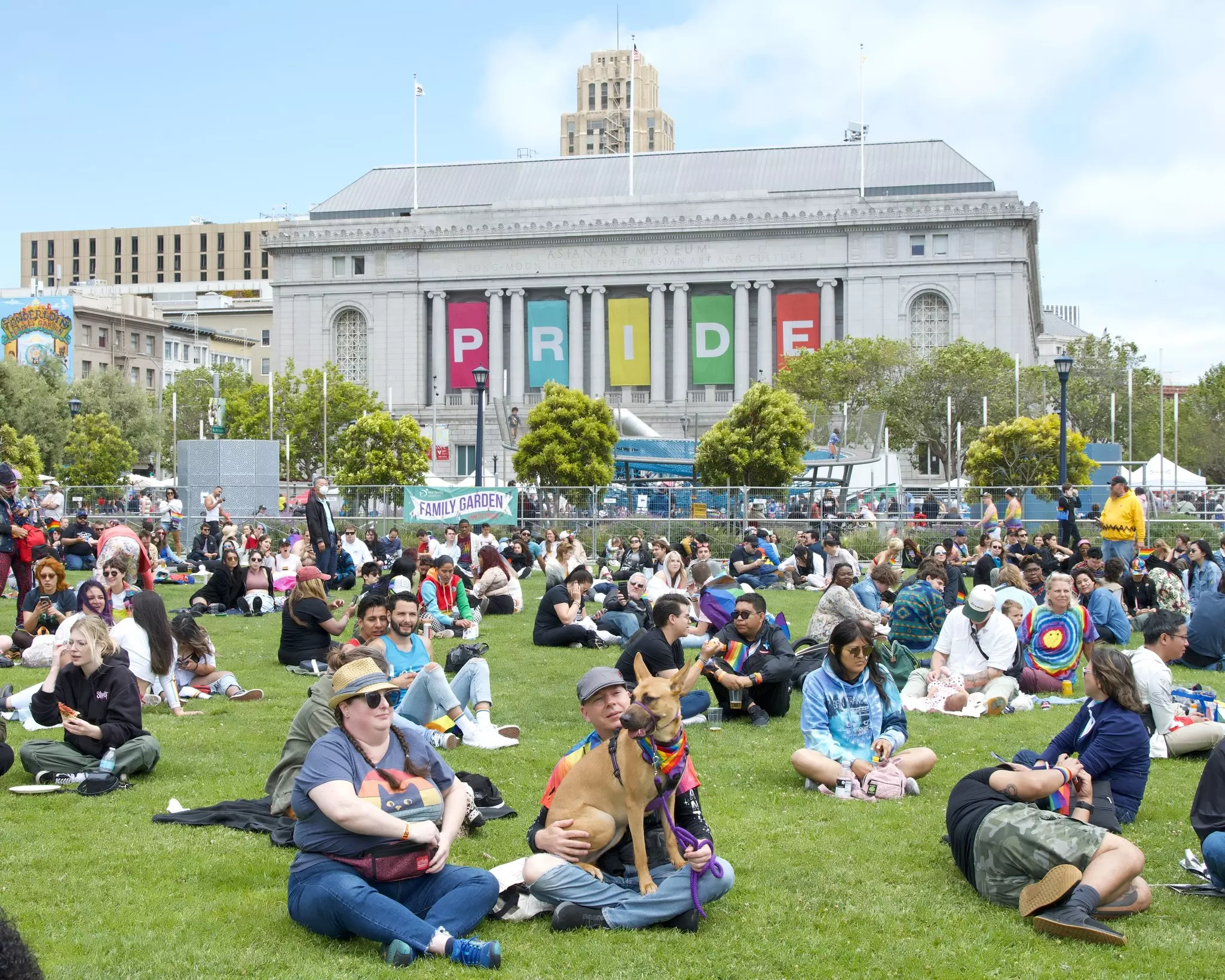
Weather in San Francisco mid-spring to mid-fall: Temperatures range from 55-75℉, depending on the month, with foggy weather in the summer months and pleasant sunny weather in spring and fall.
April and October might look and feel similar weather-wise, but the city creates distinctive seasons through the vibrant street festivals in the spring and fall months. Whether cold and foggy or sunny and clear, the vibes are always celebratory.
Two highlights of the festival season begin a little early with indie music-filled Noise Pop Festival and SF's famous Chinese New Year Parade in March. Then spring brings the Nihonmachi Street Fair (aka Cherry Blossom Festival) in April in Japantown, one of three Japantowns in the nation. The side block parties along the 12K Bay to Breakers route in May definitely count as their own festival, and film fans can enjoy CAAMFest during AAPI Heritage Month.
June brings the very SF celebration of LGBTIQ+ Pride Month and its highly anticipated parade. The free Stern Grove Festival concert series has a lovely long runtime on Sundays from June through August, while the historic Fillmore Jazz Festival takes place in July. Major musical headliners pack Outside Lands in August, in addition to having become a huge food and beverage event on its own. BDSM-themed Folsom Street Fair basks in September’s late summer weather.
The free Hardly Strictly Blue Grass rocks Golden Gate Park in early October. SOMA Pilipinas’ UNDSCVRD night market takes over the district a few times a year, sometimes including October.
Weather in San Francisco in late summer: Warm and sunny with temps in the 70℉ range.
There is still plenty of counterculture and a deeply creative community in San Francisco. That’s why seemingly half the city clears out during the annual Burning Man festival in Black Rock City, Nevada, during the week leading up to and including Labor Day (the festival’s headquarters are in SF). The rest of San Francisco relishes this time, when going out on a Saturday night is a breeze in certain parts of the city.
Around this time, find parking almost anywhere and snag a dinner reservation for places that usually seem impossible, like California State Bird Provisions, modern Italian American Flour + Water, or Michelin-starred contemporary Korean San Ho Won. Waltz into the belly of the Mission District’s bar scene around 16th and Valencia, or other bar-heavy areas like Hayes Valley.
It’s very on-brand that summer months in San Francisco are actually extra foggy, and August in particular. The culmination of hotter summer temps creates intense marine layers that, in turn, create more fog. For fog aficionados, hang out in the southwestern neighborhoods, like the Outer Sunset, to experience the thick of it.
As ocean temperatures get warmer in September, less fog forms, plus hot inland air gets blown toward the coast. Make way for the late summer season, which usually lasts until mid-October. The warm weather and subsequent relaxing vibes are perfect for outdoor activities, whether hiking, exploring a street festival or just sitting in a park. Visiting SF during late summer also works out budget-wise, as traveling during fall tends to be less expensive.
Weather in San Francisco in early winter: Expect cool, damp and rainy weather with temps between 45-57℉.
SF’s winter weather is mild (unsurprisingly), albeit slightly cooler and perhaps a bit rainy compared to the rest of the year. Even if you don’t celebrate Christmas, the holiday light displays around the city are still a cheerful foil to the early winter darkness. Typical tourist destinations one might normally avoid really deliver with the holiday lights, like Fisherman’s Wharf and Pier 39. Near these extravagant lights and decorations also are winter outdoor ice rinks that pop up on The Embarcadero and in Union Square.
The majestic exterior of City Hall is bathed in hundreds of red and green LED lights during Christmas, similar to other year-round light combinations such as a rainbow for Pride month in June and blue and gold for Golden State Warriors’ victories throughout the season. Hotels like the Ritz-Carlton have annual holiday light and decoration extravaganzas, and the Fairmont creates a life-sized gingerbread house. Cruise through some of the city’s ritzier neighborhoods like Pacific Heights for huge, glittering displays.
A bonus to visiting the city during the holidays is SPCA’s annual window displays of puppies and kittens available for adoption at Macy’s Union Square — not a physical light display, but something that will certainly light up your heart.
Explore related stories