Sep 23, 202613 min read
15 Best Things to Do in EstoniaSep 23, 2026
13 MIN READ

Writer
Tallinn, Estonia. Dennis MacDonald/Shutterstock
Writer
Highlights
Writer Tom Peeters picks 15 experiences for visitors to Estonia, from city culture to wild nature.
Start in Tallinn’s medieval Old Town.
Kayak through Soomaa’s flooded forests in spring, or hike duckboard trails over Estonia’s bogs.
Cycle the moody Onion Route near Lake Peipsi to meet the Old Believers.
Lonely Planet may earn a commission from affiliate links on our site. All recommendations and reviews reflect our own independent opinions.
Imagining Estonia as a human being, it would be a hippie-turned-tech entrepreneur: savvy, innovative, forward looking and punching above its (tiny) weight, yet deeply rooted in its cultural heritage and ever embracing its wild side.
Torn between east and north, Estonia presents visitors with a diverse menu of experiences. You’ll find a pinch of history and three spoonfuls of culture, art and creativity served on a bed of pristine nature and spiced by the resilient spirit of the locals. Outside the medieval walls of the capital, Tallinn, dark forests, mysterious bogs, windswept coastlines and tranquil islands lure outdoor enthusiasts.
Whether you’re drawn to Tallinn’s bustling streets or the solitude of the national parks, here are some experiences you shouldn’t miss in Estonia.
To continue planning your visit to Estonia, download the Lonely Planet app, or check out our Estonia, Latvia & Lithuania guidebook.

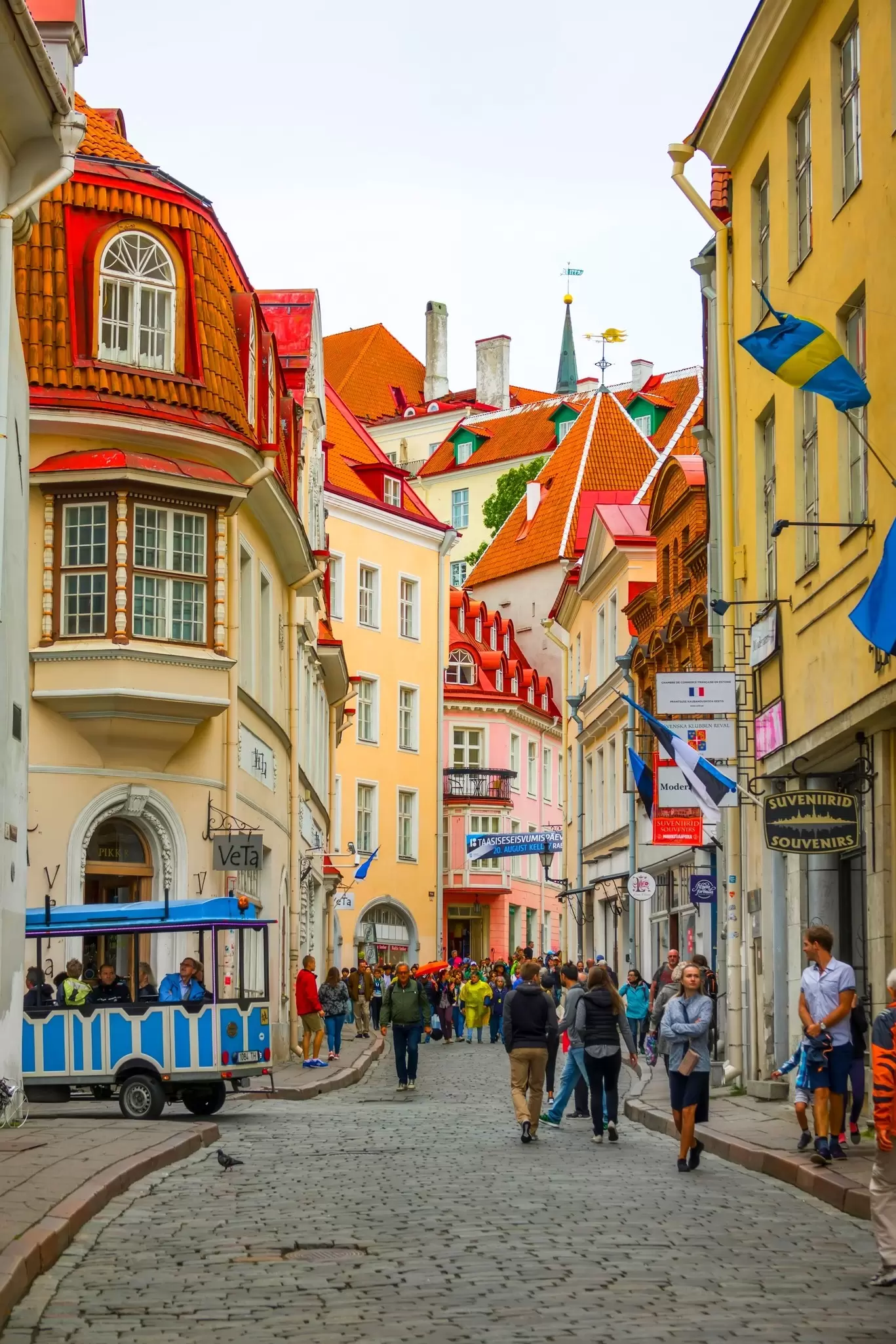
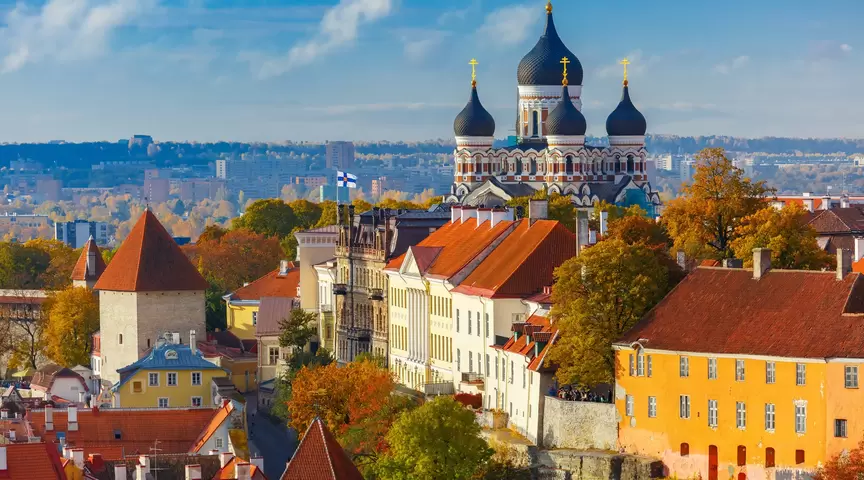
Tallinn’s medieval charm will woo you first. Behind every corner of the Old Town, a cobblestone alley, stalwart defense tower or elegant church spire waits to be pictured. From Raekoja plats (the historic Town Hall Square), climb up Toompea Hill to admire views over red-tiled roofs. But wander outside of the city walls and you’ll discover that Tallinn is more than just a fairy tale. From the stately parks and art museums of Kadriorg to hipster haven Telliskivi, from chic Rotermann to bohemian Kalamaja, Tallinn’s neighborhoods beg to be explored.
Planning tip: In summer, cruise ship passengers flood the tiny Old Town. Check the schedule for incoming ships, and adapt your itinerary accordingly. When a cruise is in port, explore museums or neighborhoods outside of the Old Town in the daytime, then return when the ships have left, usually by late afternoon.
Estonia might not have proper mountains, but it does get plenty of snow, so it’s no surprise that cross-country skiing is a matter of national importance. Even in summer, you might see folks in spandex on roller skis, practicing for the next winter. You can join the locals on the tracks in Tallinn, but the best skiing awaits in the countryside. In the south of Estonia, Elva, Haanja and Otepää, the country’s winter capital, all boast excellent facilities.
Alternatively, take the short train ride from Tallinn to Aegviidu. Rent skis next to the station, then follow the 10km President’s Trail (Presidendirada) through powder-topped pine forests. Don’t be deterred by the Estonians’ speed and agility – they’re practically born with skis on their feet. In fact, you’ll find many locals charmed by your attempts at their national sport, even if you’re not moving at a record speed, and you’ll likely hear plenty of encouraging shouts of “Jõudu,” meaning strength.
Planning tip: After skiing, warm up in the sauna.

Lock three Estonians in a room, the joke goes, and they’ll either found a start-up or a choir. That joke signifies both the digital advancement of the country and its love of singing. Choir singing gave the country a sense of identity during the Estonian national awakening of the 19th century and helped it break free from the yoke of the Soviet Union during the Singing Revolution.
Twice every five years, choirs from Estonia’s farthest corners flock to Tallinn to sing their hearts out during the Song and Dance Festival (Laulupidu). At the beginning of July, boys in sheep wool vests and flat caps, girls with wildflowers in their braided hair, men with top hats and women in traditional dresses go through a repertoire of folk classics and newly composed songs. You don’t need to understand Estonian to sense the emotions. Even if you don’t attend the main event, it’s a merry time to be in Tallinn, with parades all over town and spontaneous bursts of singing in trams.
Planning tip: The next festival is slated for 2028.
With around 30 people per sq km, Estonia ranks among the lowest population density in Europe. That leaves ample room for wild animals to roam – brown bears and moose are sometimes even spotted in Tallinn suburbs. For a more reliable chance to see wildlife, join a tour looking for lynxes and the elusive flying squirrel. Or book a bear hide in Alutaguse, in the wild east of Estonia.
Tound like too much adrenaline? Estonia is an underrated birding destination. Its variety of landscapes and its location on migration routes from east to west and north to south attract plenty of feathered friends, including 10 owl species, a handful of different woodpeckers, white and black storks, cranes and capercaillies. Winter draws elegant Bewick’s swans, pretty caramel-colored Steller's eiders and other waterfowl. Coastal national parks like Matsalu and Vilsandi are exquisite spots to see birds.

Soomaa (meaning “land of swamps”) is Estonia’s most primeval nature, a wilderness of peat moors and riparian forests in which brown bears, wolves, lynxes and moose hide. Five rivers meander through this landscape, and locals traditionally used haabjas (boats carved from a single log) to get around. The best way to see Soomaa is still from the water. Outdoor company Soomaa.com organizes multiday kayak trips; affable Aivar, who runs the show, makes haabjas by hand.
Planning tip: During the so-called fifth season (usually best experienced in March and April), when snow and ice melt and the rivers cannot drain the excess water in time, the water rises and floods the land. It presents a spectacular opportunity to navigate your kayak through the forests and over the meadows of a water world.
When you spend so much time in darkness, you have to honor the sunlight. Estonians do so on Midsummer’s Eve and Midsummer’s Day (Jaanipäev, or St John’s Day). Both days, June 23 and 24, are official holidays. As important as Christmas, Midsummer used to mark the start of haymaking. Nowadays, it’s an excuse for Estonians to escape to their countryside house, grill meat on bonfires and drink copious amounts of alcohol. Visitors can head to the Estonian Open-Air Museum in Tallinn or one of the public events around the country.
Planning tip: An invitation from Estonian friends will get you the most authentic experience, teaching you about the many traditions and beliefs around midsummer. If you’re feeling flirty, ask them where the fern blooms – this is a code for lovers to disappear into the woods together.

For centuries, bogs had a serious reputation problem in Estonia. They were scary places where criminals hid and evil spirits caused travelers to get lost. That attitude has changed completely. Bogs are now the country’s most revered landscapes, where Estonians go for Sunday family walks.
The bogs of Viru and Riisa (in Lahemaa and Soomaa national parks) pull the biggest crowds. Beat the masses by going early, when wisps of fog veil the landscape, or aim for one of the lesser-known bogs, like Mukri, Tuhu or Marimetsa. On a city break in Tallinn and no time to go rural? Urban Pääsküla bog allows you to experience such a landscape without leaving Tallinn. Hiking trails over duckboards loop through all these bogs, limiting the age-old risk of sinking in or losing your bearings.
Planning tip: In summer, don’t forget your swimsuit – no wild swimmer resists a plunge in a bog pond.
However much Estonians would like to forget this painful chapter in their history, the remnants of the Soviet occupation still linger. Many Tallinners would prefer to see brutalist structures like Maarjamäe and Linnahall demolished, but for now, they continue to serve as reminders of the communist era, much like the residential districts of Lasnamäe and Mustamäe. The Vabamu Museum of Occupations and Freedom, the KGB prison cells and the Viru Hotel, where secret agents eavesdropped on guests from the hidden 23rd floor, are the best places to learn about this period.
Detour: Once a resort town where St Petersburg’s cultural and academic elite holidayed, Sillamäe became a closed city and a code on the map, R-6685, after the discovery of uranium. Suspicious of the potentially dissident Estonians, Moscow shipped in loads of Russian workers to staff the factories. To this day, Sillamäe is the most Russian city in Estonia. Its elegant stairs leading to the Baltic Sea, once lined with palm trees, can almost make you believe you’re in Odessa (until an icy wind reminds you of your real geographical location).
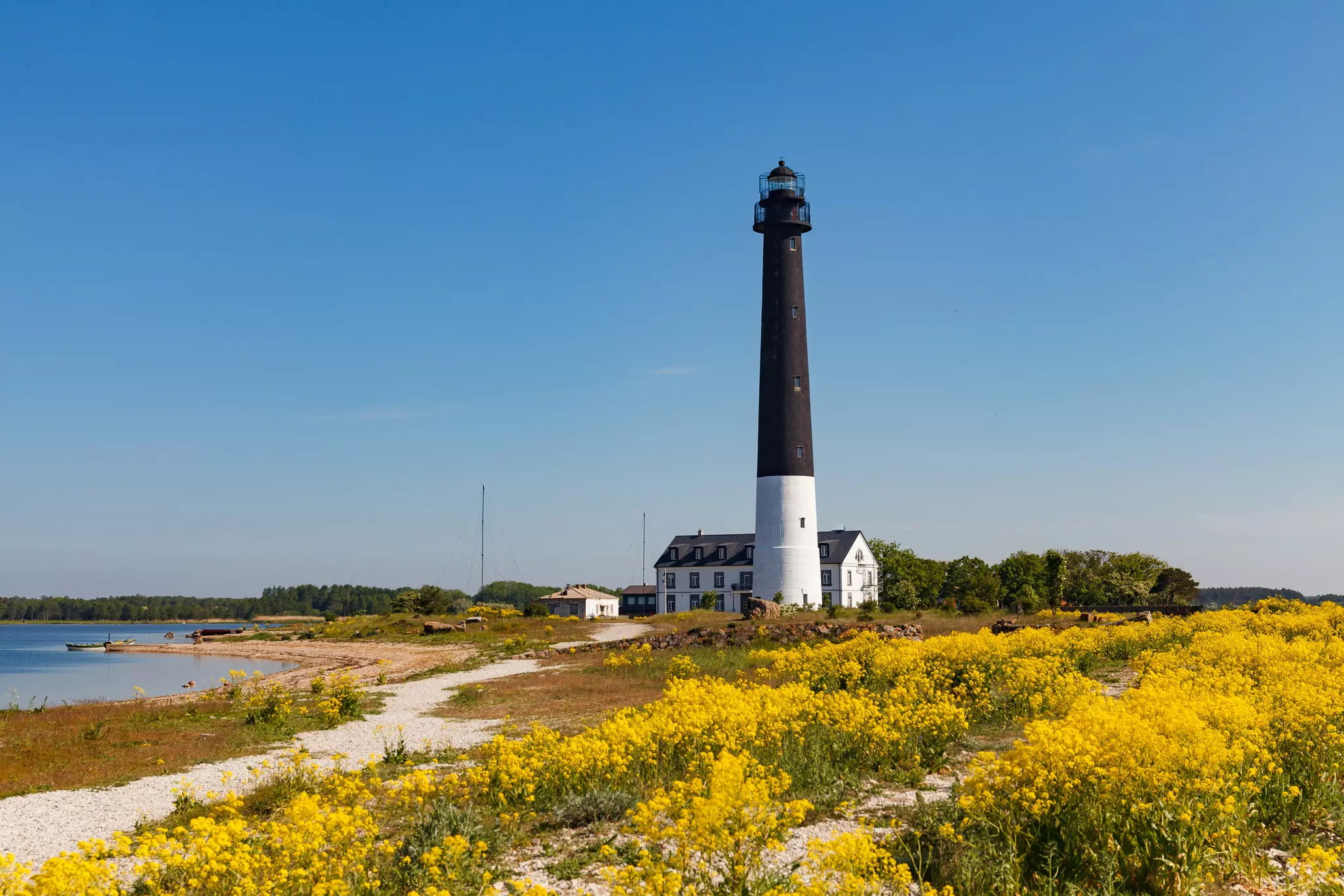
With an archipelago of more than 2000 islands and islets, Estonia offers an unlikely island-hopping opportunity. At the biggest and most visited island, Saaremaa, expect ancient windmills and farmhouses, even older churches, a spectacular meteorite crater, a fairy-tale castle and enough juniper bushes to provide a midsized capital with gin from now until eternity. The entrepreneurial islanders, fiercely proud of their home, welcome you to one of the many spas – no wonder Saaremaa is nicknamed Spa-remaa.
Detour: Don’t skip the smaller islands. They give you a proper sense of being surrounded by water and are often tiny enough to explore on a bike or even on foot. So embark on a ferry to Ruhnu, Aegna, Naissaar, Vormsi or Kihnu. The latter, off the coast of Pärnu, is known as a matriarchal society – while the men fishing were at sea, the women ran the island.
In Tartu, Estonia’s prime student town, knowledge takes center stage. University students flood the streets, their feet tapping or scuffing on the cobblestones, the frantic chatter of gossip a constant. Every time the Town Hall bells chime, their pace quickens. Lessons start 15 minutes after the hour. Since time immemorial, the spirit of Tartu (Tartu vaim) has attracted youngsters thirsty for knowledge (and beer), artists, writers and bohemians. They still congregate in bars across town, philosophizing about life and love.
Detour: In a suburb lies one of the best museums in the country. In the Estonia National Museum, you can learn about the fortunes and misfortunes of the country – from the Stone Age to e-Estonia. The superb permanent exhibition Echo of the Urals represents the Komi people, the Udmurts, the Mari, the Sami and other distant Finno-Ugric cousins of the Estonians. When your brain is tired from the information overload, use your ticket to save the explanation panels digitally to read at home.

Like their Finnish neighbors, Estonians are addicted to saunas. A visit to the sauna is essential to survive the brutal winter, chasing the cold out of your bones, but also to relax and socialize. The most traditional form, the smoke sauna, has no chimney and must be heated for hours. The leil in a smoke sauna – the steam that vaporizes from the stones – does not suffocate but feels rather like a warm embrace. Rotate for a few hours between sauna, hot tub and ice-cold lake, and your stress will evaporate together with your sweat.
Planning tip: Many of the best smoke saunas can be found in the countryside, often in the south of Estonia. Toidupada and Mooska Talu, among others, welcome guests.
Raspberries, wild strawberries, cloudberries, blueberries, bog billberries, lingonberries, chanterelles, boletus, wild garlic – Estonia’s culinary gold comes from nature. The locals love nothing more than to hunt for it. In summer, keep your eyes peeled while hiking through pine forests and you’ll undoubtedly stumble upon blueberries. Wild strawberries often grow on the edges of woodlands; raspberries are on the sides of roads and trails. Finding other delicacies might require a tad more expertise.
Even if you’re not up for a walk on the wild side, you can still enjoy nature’s bounty. In restaurants and cafes all over Estonia, look out for berries in drinks, cocktails and desserts; and mushrooms and wild garlic (called karulauk) in main dishes, snacks and soups. Or head out to forest restaurant Nõmbra for foraging expeditions and cooking classes, or to savor a meal.
Planning tip: No Estonian in their right mind will reveal their favorite spots to collect berries or mushrooms. Luckily, the state forest service, RMK, compiled a list of foraging spots near campsites (in Estonian). Not sure that you can distinguish a horse mushroom from a destroying angel? Afraid to get lost in the boundless forests? Several tour operators, such as Nature Tours Estonia, Soomaa. com and Prangli Travel, will happily take you on mushrooming or berry-picking trips.
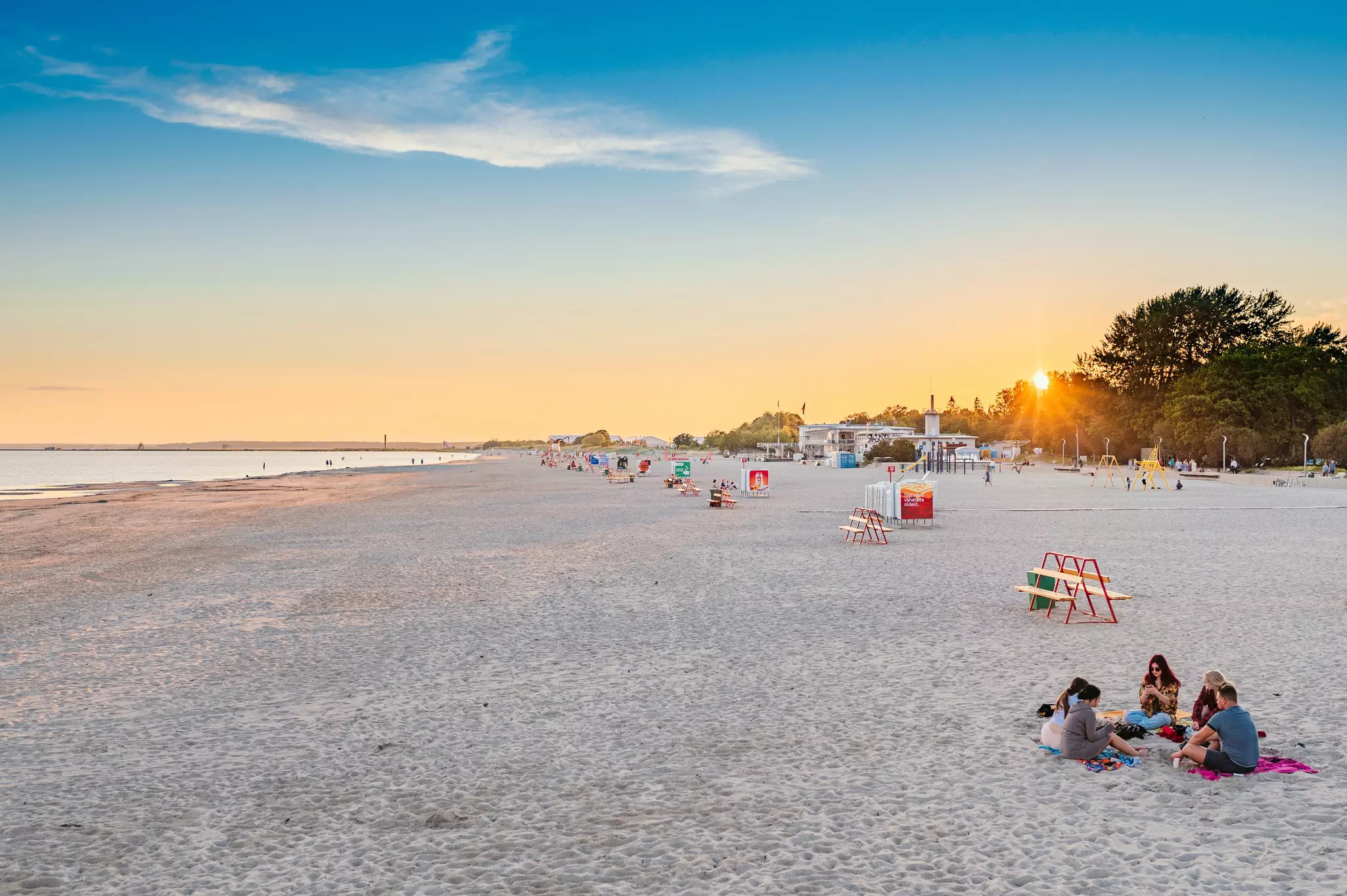
During nine months a year, Pärnu is asleep. But come the first sunny day and half the country – as well as a good chunk of Finland – gathers in the city that tongue-in-cheek Estonians call the “Ibiza of the North.” On balmy days, few things are more glorious than zipping past wooden villas on a bike, sipping cocktails or longero (a gin-based drink) in beach bars, ordering pizza at legendary Steffani or basking in the glow of a never-ending sunset. Just don’t expect the seawater to be warm.
Planning tip: Hopscotch to the end of the long stone pier for the best sunset, and bring along your partner for the promise of eternal love.
In the 17th century, the Russian Orthodox Church forbade its believers from making the sign of the cross with two fingers. From then on, it could only be done with three fingers. Not everyone appreciated this change. Fleeing persecution – dissenters were routinely burned alive or had their tongues cut out – some Old Believers settled on the shores of Lake Peipsi, a massive body of water on the border with Russia.
Many still live in a string of old row villages known as the Sibulatee (Onion Route), named for the beloved bulb crop that thrives in the sandy soil. Lacking major attractions, the area nevertheless exudes a unique charm. Jump on a bicycle to explore sleepy villages where trout, salmon and onions are drying by wooden houses, samovars are always brewing and Orthodox icons adorn the walls. A museum in Kolkja explains the lifestyle of the Old Believers; worship houses in Kasepää, Kallaste and Rajaküla, as well as the Samovar House in Varnja, offer a further glimpse.
Detour: Straddling the frontier between the southeast of Estonia and Russia, the historic region Setomaa nurtures a distinct culture that mixes traditions from both sides of the border. The Seto have their own language, religion and cuisine. Once a year, on the first Saturday of August, they choose a king, an earthly representative of Peko, the pagan harvest god.
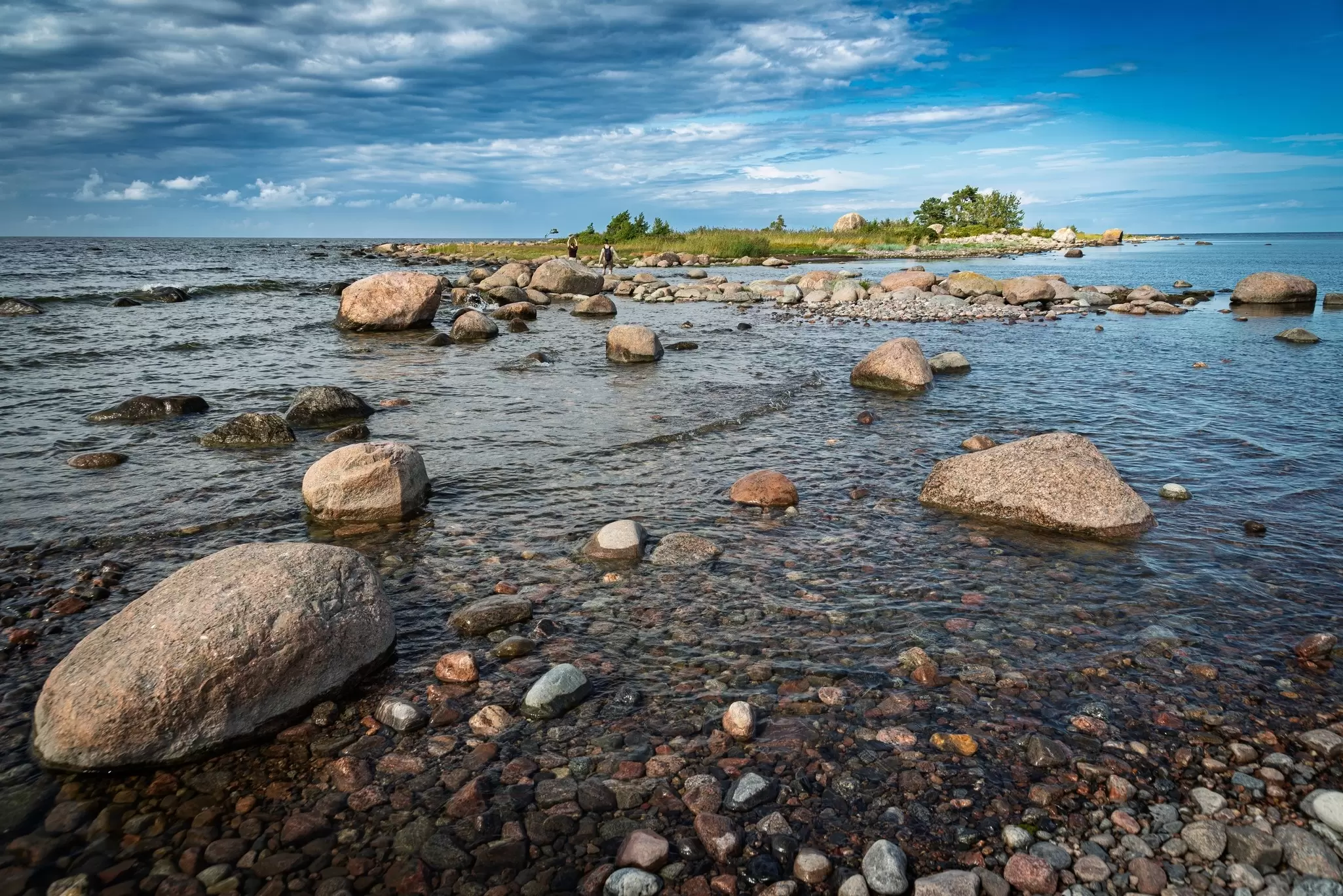
Like other Nordic countries, Estonia upholds igaüheõigus or igameheõigus, granting everyone permission to hike, camp or forage almost everywhere, including on private land. Nothing says freedom quite like rambling through the country with a tent on your back! Long-distance trails crisscross the country; hikers can follow the coast or seek out the forests. With rights, however, comes responsibility – do check the rules, exceptions and code of conduct outlined by the government.
Parallel with the freedom to roam, RMK provides campsites in national parks and elsewhere. These have basic amenities, such as fire pits, picnic tables and dry toilets, and are free to use. Deservedly popular camping spots include Cape Purekkari (Estonia’s northernmost point, in Lahemaa National Park), Nõva Recreation Area (dunes, pine forests and beaches of "singing sand" in the northwest of the country), and the beaches of Lemme and Krapi (south of Pärnu).
Planning tip: RMK’s website overflows with information about hikes, free campsites and rental cabins.
Book your Estonia trip with Lonely Planet Journeys
See Estonia how it's meant to be seen
Accommodations, activities and ground transportation all taken care of, so you can focus on the fun part. Tell us what your dream trip to Estonia looks like, and our local experts will build it from scratch. Or start with one of our itineraries and make it your own.
Explore related stories