Jul 30, 20269 min read
15 Things to Know Before Visiting San FranciscoJul 30, 2026
9 MIN READ
Writer
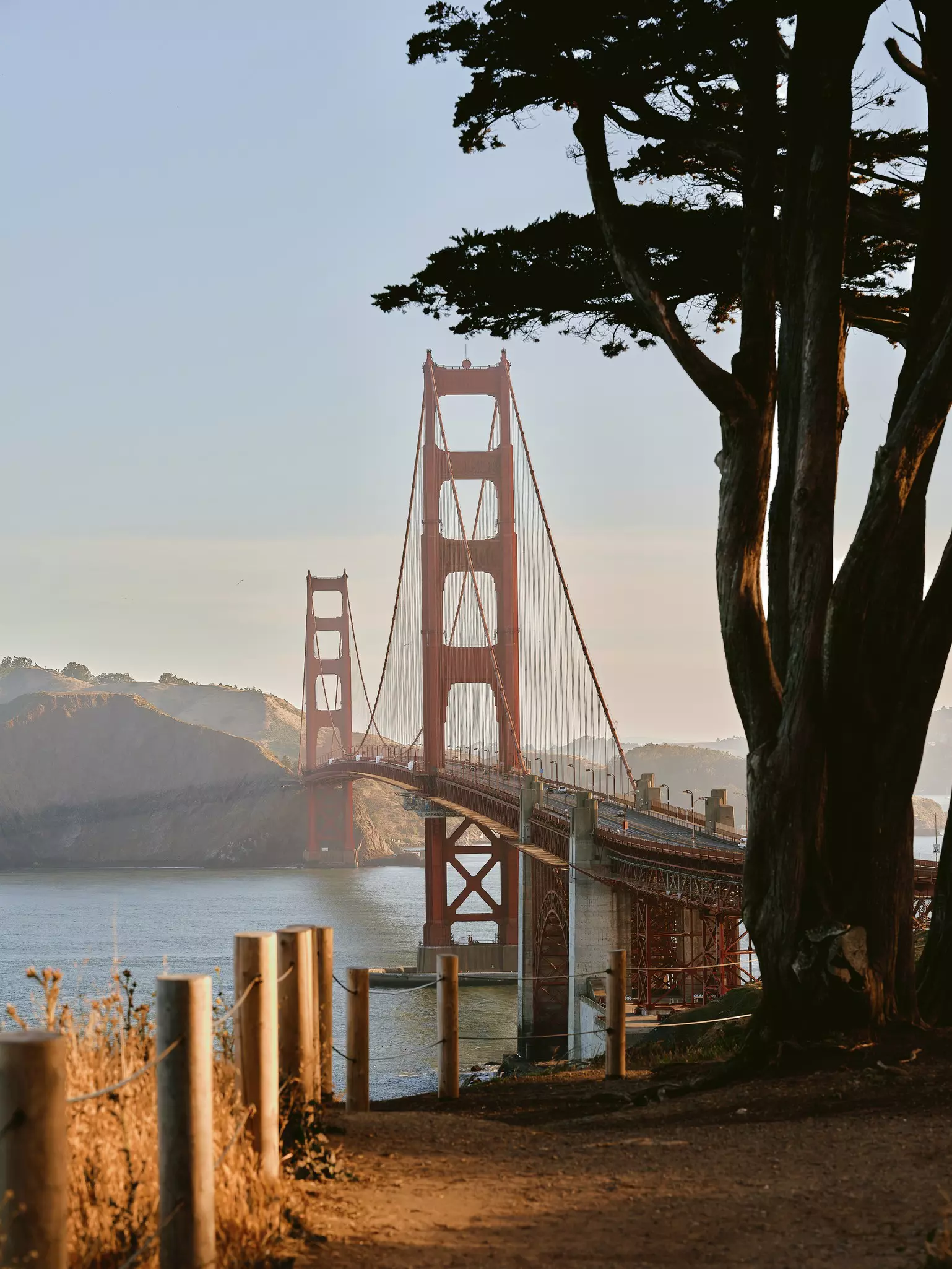
The Golden Gate Bridge from the Presidio in San Francisco, California. Benjamin Heath for Lonely Planet
Writer
Highlights
Writer Ryan Ver Berkmoes shares 15 insider tips on reservations, tipping and safety in San Francisco.
Book Alcatraz tickets a month ahead, and call restaurants directly if online reservations are full.
Tip servers 15–22% and bartenders US$1–2 per drink.
Keep your phone in your pocket, and leave nothing in your rental car – both invite theft.
Lonely Planet may earn a commission from affiliate links on our site. All recommendations and reviews reflect our own independent opinions.
San Francisco makes it easy for visitors – dress codes are nearly nonexistent, and the city's self-aware, laid-back culture keeps formalities to a minimum. But there are a few things that a savvy traveler can do in advance to make the most of their time and have an excellent trip. Tipping etiquette can be confusing, for instance, and navigating nightlife is a little different than in other cities, but don't worry: I'm a California native and have lived in and around the Bay Area for years. These insider tips will make your trip even better.
Here are 12 things you need to know before you book your San Francisco vacation.
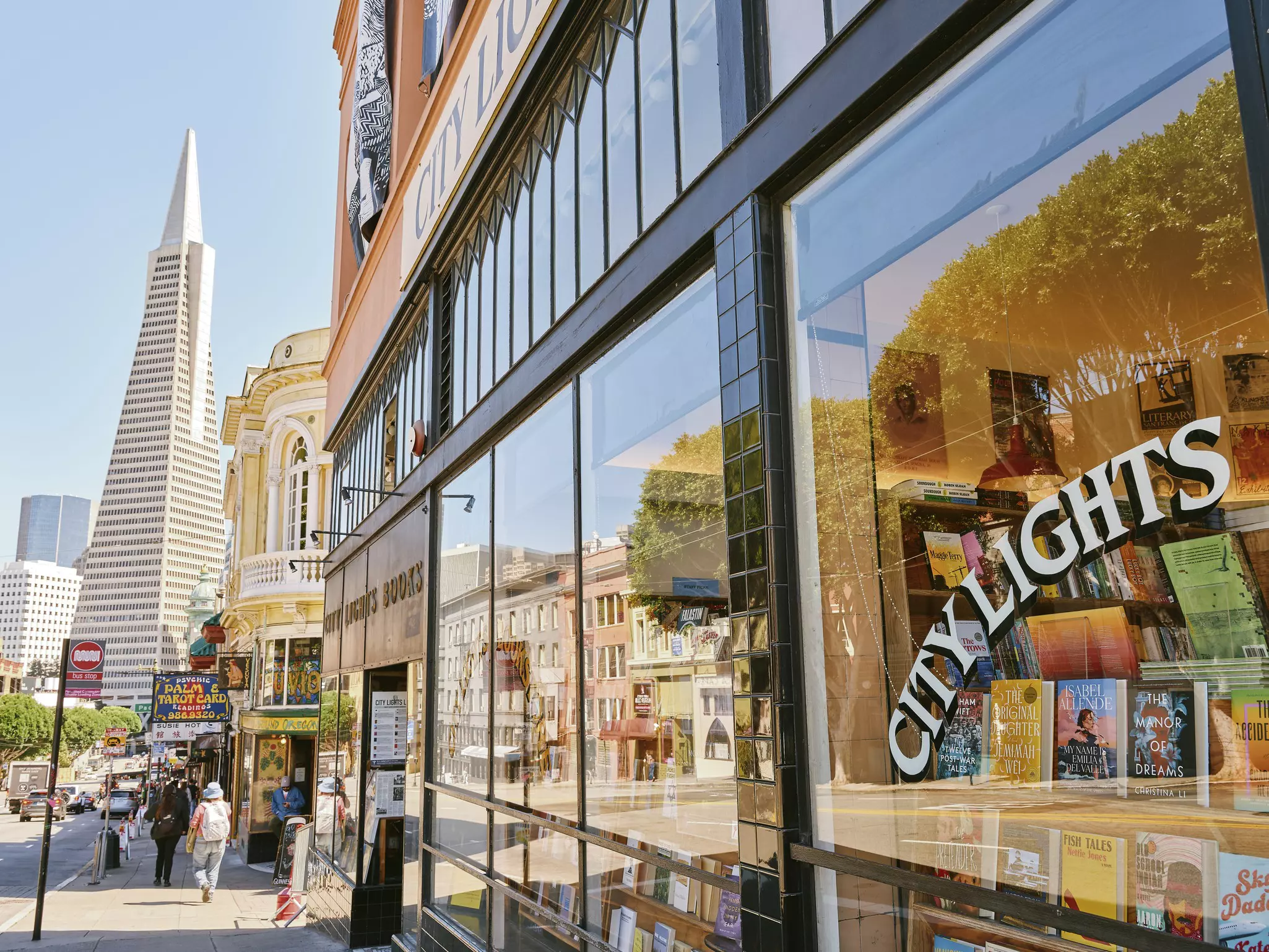
Vacation bliss is easy to find in this 7x7-mile city. In 1–3 days, you can engage your senses with breathtaking art, foot-stomping concerts, mouthwatering meals and belly-laugh comedy, plus see many of the major sights.
San Francisco takes a nonconformist approach to the seasons (and everything else). Summer can feel wintry, fall feels like summer, and winter blooms like spring. Hotel rates fluctuate wildly from the low season (January and February) to summer peaks (June and July), with special events causing periodic spikes too.
Fall (September to November) is the best time to visit San Francisco for sunny beach days, harvest food festivals and crush season in nearby Napa and Sonoma Valley – plus loads of street fairs and outdoor concerts across town.
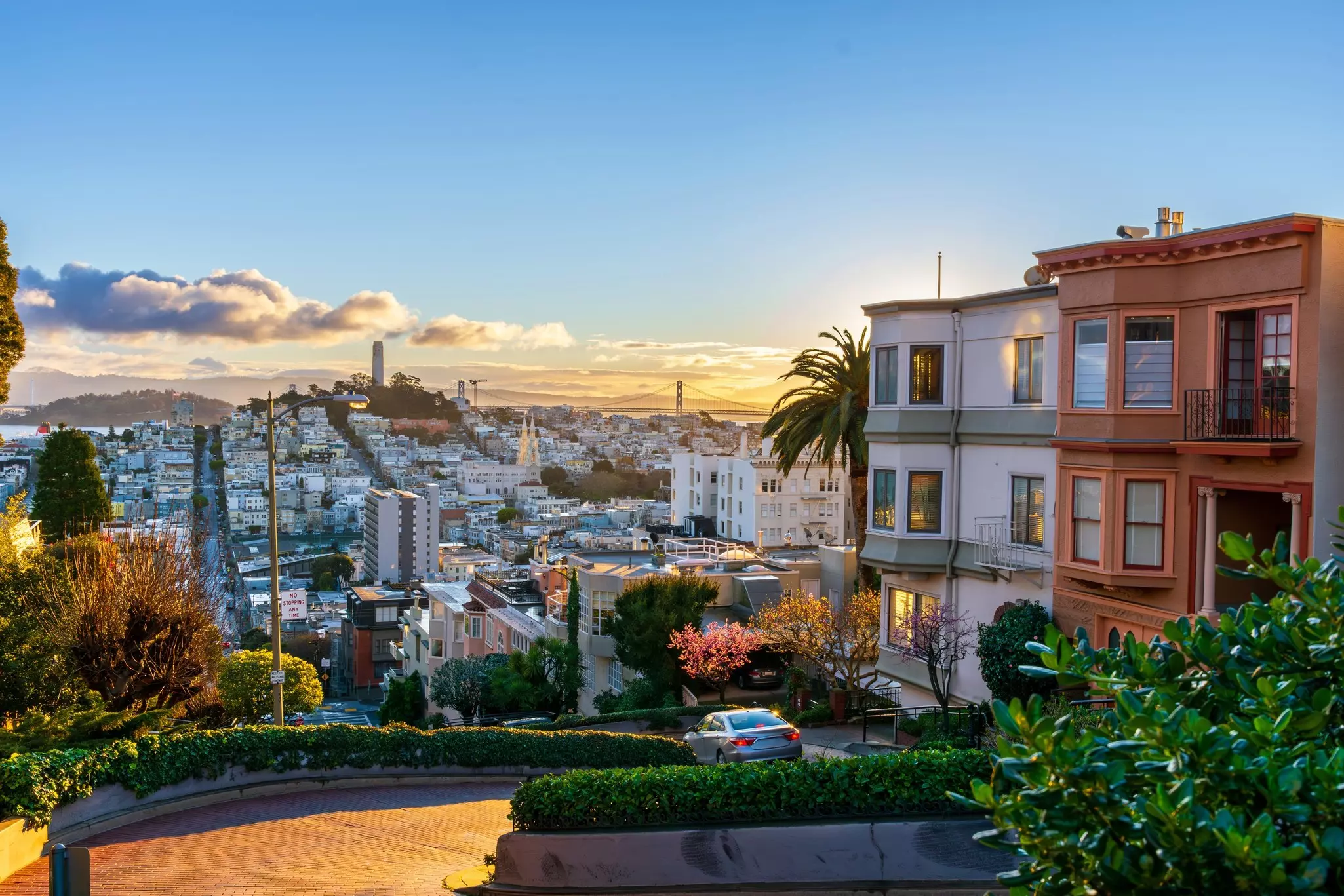
Downtown has a wide range of places to stay, and Union Square is a fine home base, thanks to its high concentration and variety of accommodations, especially for visitors who want to explore Chinatown and North Beach, both of which are walkable from the neighborhood.
The Embarcadero is a good alternative. It’s near the food- and gift-laden Ferry Building (and thus near the ferries to Alcatraz, Angel Island and Sausalito), plus the Embarcadero Muni and BART station. You can walk along the Embarcadero or take the vintage F-Market line streetcars north to Fisherman’s Wharf and Pier 39.
The San Francisco cliché of worn jeans and a hoodie for everyone and anyone is true. You'll see people in situations wearing clothes that would have horrified their parents, grandparents or maybe even their great-grandparents.
The Bay Area is a casual place, and while people aggressively dress down, the opposite isn't unheard of. Really, anything goes, so if you've got a special outfit in mind, by all means, wear it for the appreciation of one and all.
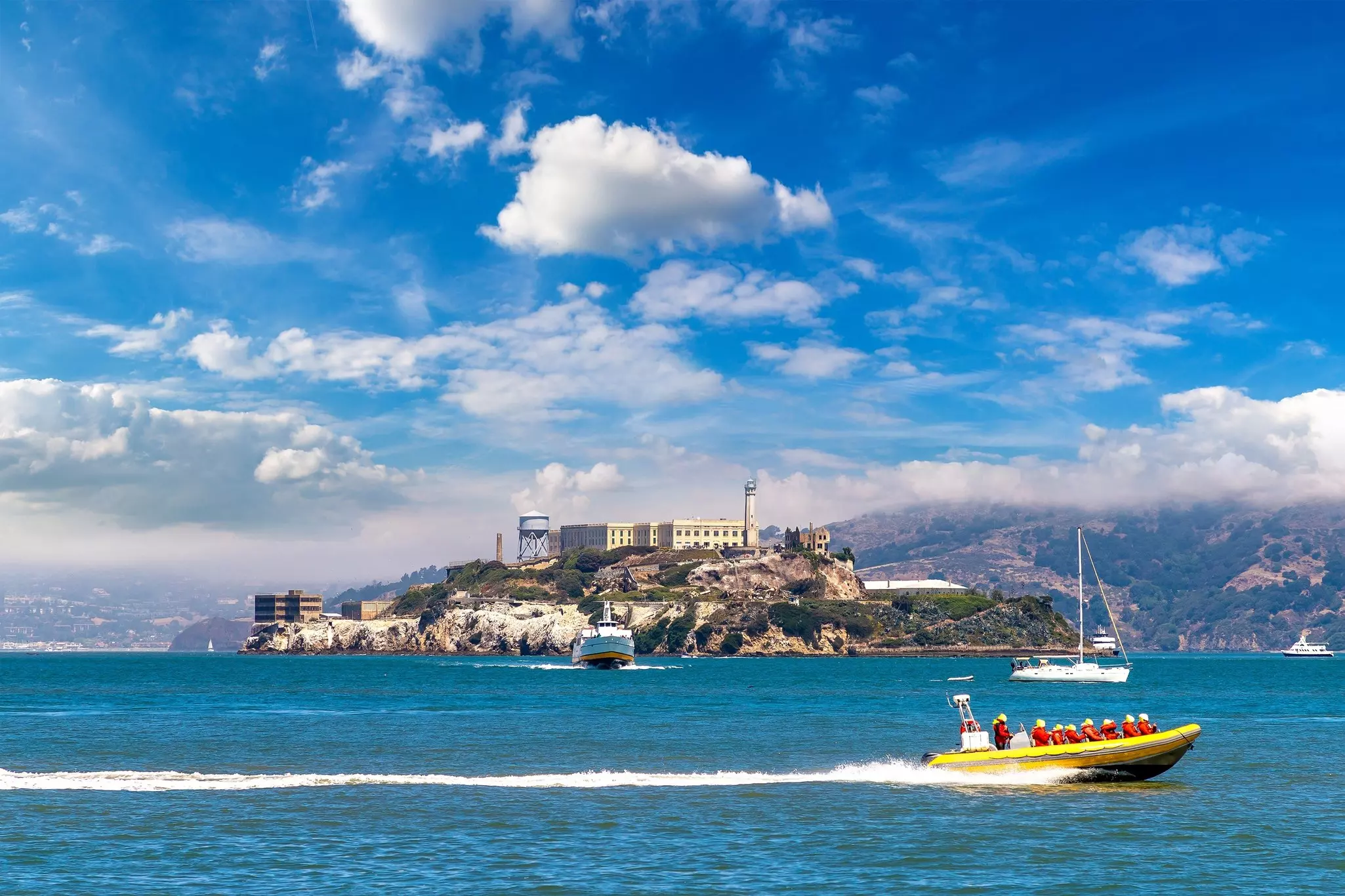
Tickets to The Rock are always in high demand. Book yours at least a month in advance, or you may have no more luck getting to Alcatraz than its inmates had escaping it.
Reservations are a must at popular San Francisco restaurants like Liholiho Yacht Club, Izzy's Steaks & Chops and State Bird Provisions. The sooner you make reservations, the better your options will be. You can book most restaurants via their websites, OpenTable or similar services.
If the online system or app shows no availability, call the restaurant directly – some tables may be held for phone reservations and early-evening walk-ins, and there may be last-minute cancellations or seats at the bar. Landmark restaurants offer limited seating, so call a month ahead and take what's available.
When reserving, be sure to mention any dietary limitations ahead of time or special events tied to your meal (such as an anniversary, birthday or even a proposal). In most cases, you'll be cheerfully accommodated.
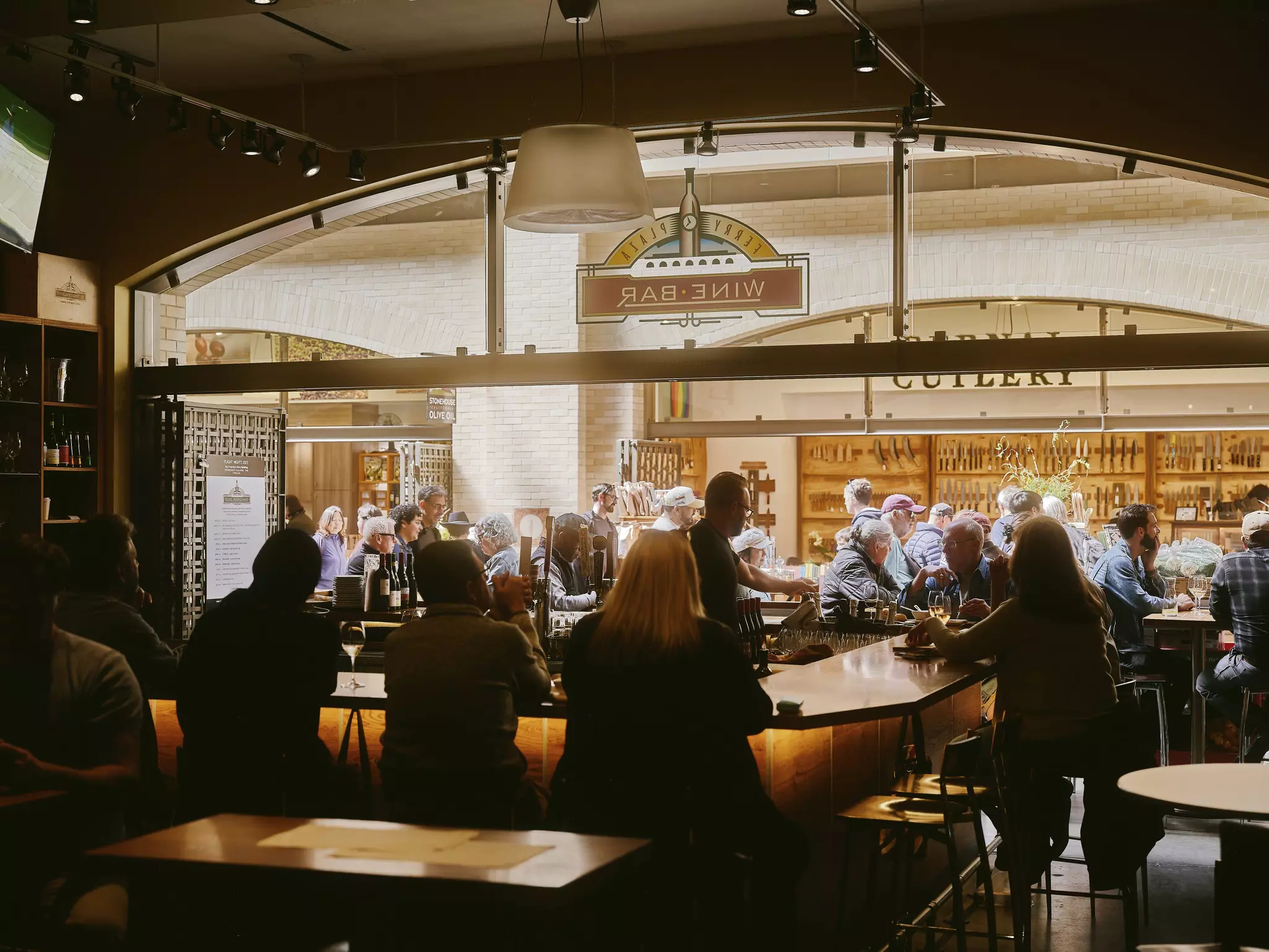
Most workers in the service industry in the US are paid tiny wages by their employers and rely almost entirely on tips for their income. These amounts are standard.
Bartenders: 1–2 US dollars (US$) per drink or 15% of the bill; good tippers tend to get stronger drinks.
Bellhops and airport skycaps: US$2 per bag, plus US$5–10 extra for special service.
Concierges: Nothing for simple information, such as directions; US$2–20 for securing restaurant reservations or concert tickets or for providing exceptional service.
Housekeeping staff: US$2–5 daily, left on the pillow daily, more if you're messy (you know who you are).
Parking valets: US$2; extra for special service.
Restaurant servers: 15–22% of the total bill.
Taxis and rideshares: 10–15% of the fare.
If using a food delivery app, try to tip your delivery person in cash (10–15%, but more if it's raining) as regular exposés have shown some apps stiffing the line workers and keeping tips made through them.
Some restaurants tack on a 4–5% surcharge to cover the cost of providing health care to restaurant employees – health-care coverage is required by San Francisco law. If you don't appreciate restaurants passing on their business costs to customers, don't blame your server (who may not directly benefit from the surcharge); perhaps share your feedback with the owner or online.
Many toilets in public or shared spaces in San Francisco are designated for use by all genders, denoted by a triangle. All-gender toilets usually have stalls instead of open urinals. Busier areas of town have public restrooms, which are often used as a shelter by members of the city's unhoused community. Accept the fact that you may need to buy coffee or a drink in a cafe so you can use a customer-only toilet.
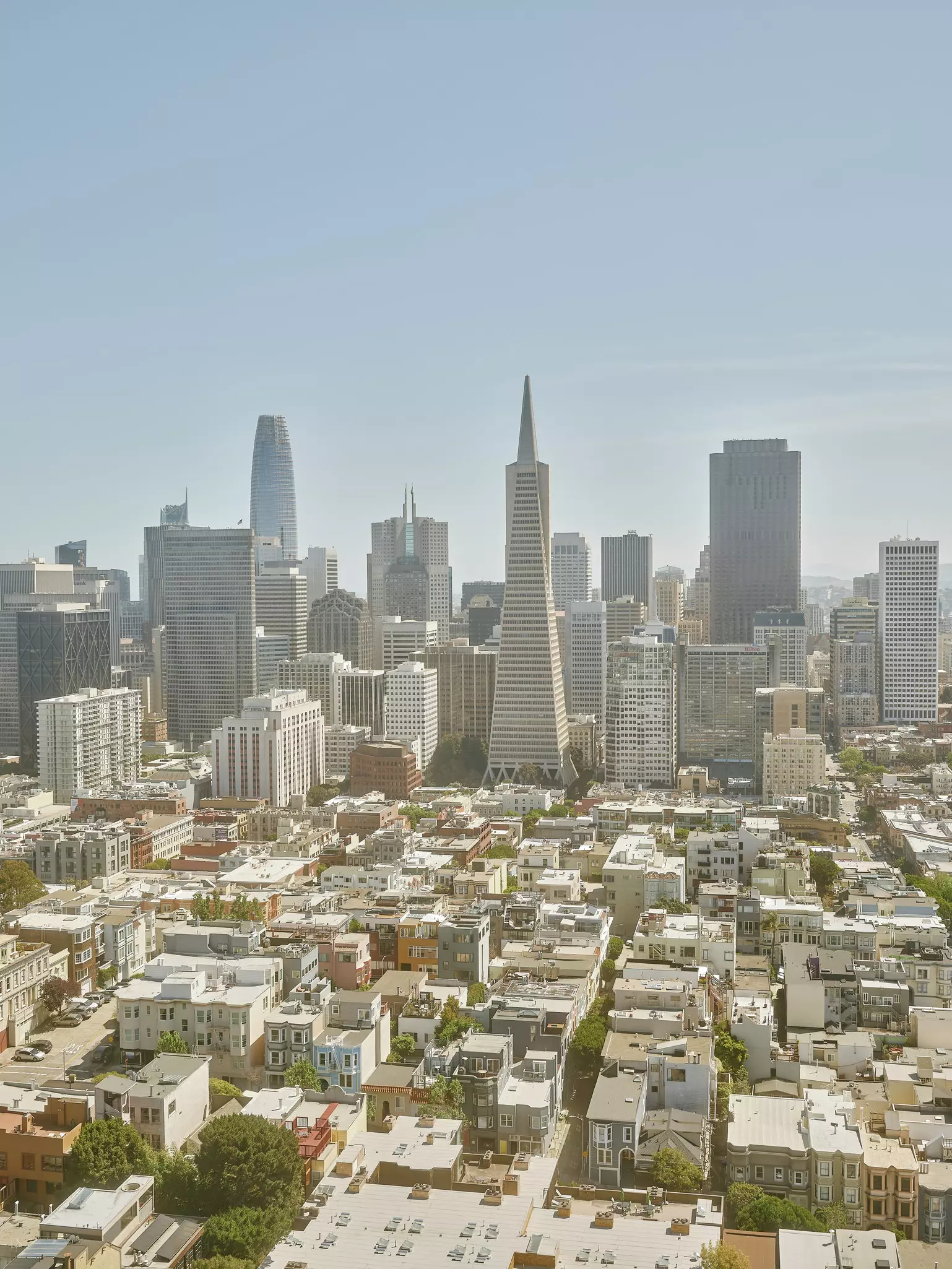
Rental vehicles are targeted by gangs of thieves in San Francisco, and videos of cops standing back and watching smash-and-grab robberies are legion. If you've brought a car into the city, never, ever leave anything in sight, whether you're out driving or leaving the vehicle parked.
Assume in advance that a window will be smashed, and your goods – even that flimsy little map from the rental company – will be stolen. If you're putting items in the trunk, do so before you arrive at your destination, as thieves watch parking lots and note who puts valuables in their trunks, then other thieves break into those cars seconds later.
Keep your city smarts and wits about you, especially at night in South of Market (SoMa), the Upper Haight and the Mission. If you're alone in these areas at night, consider requesting a rideshare or taxi instead of waiting for a bus.
Avoid using your smartphone unnecessarily on the street – phone snatching happens. The Bayview–Hunters Point neighborhood (south of Potrero Hill, along the water) isn't suitable for wandering tourists due to policing and crime issues.
After dark, some of the city's green spaces, like Mission Dolores Park, Buena Vista Park and the entry to Golden Gate Park at Haight and Stanyan Streets, are used for drug deals and prostitution. If you're there at night, you may get propositioned.
Though it's an area with many hotels, the Tenderloin, immediately west of Union Square and north of Market St, suffers from all manner of social ills and can be uncomfortable for casual visitors both day and night.
It's inevitable that you will be asked for spare change, especially around Union Square and downtown tourist attractions.
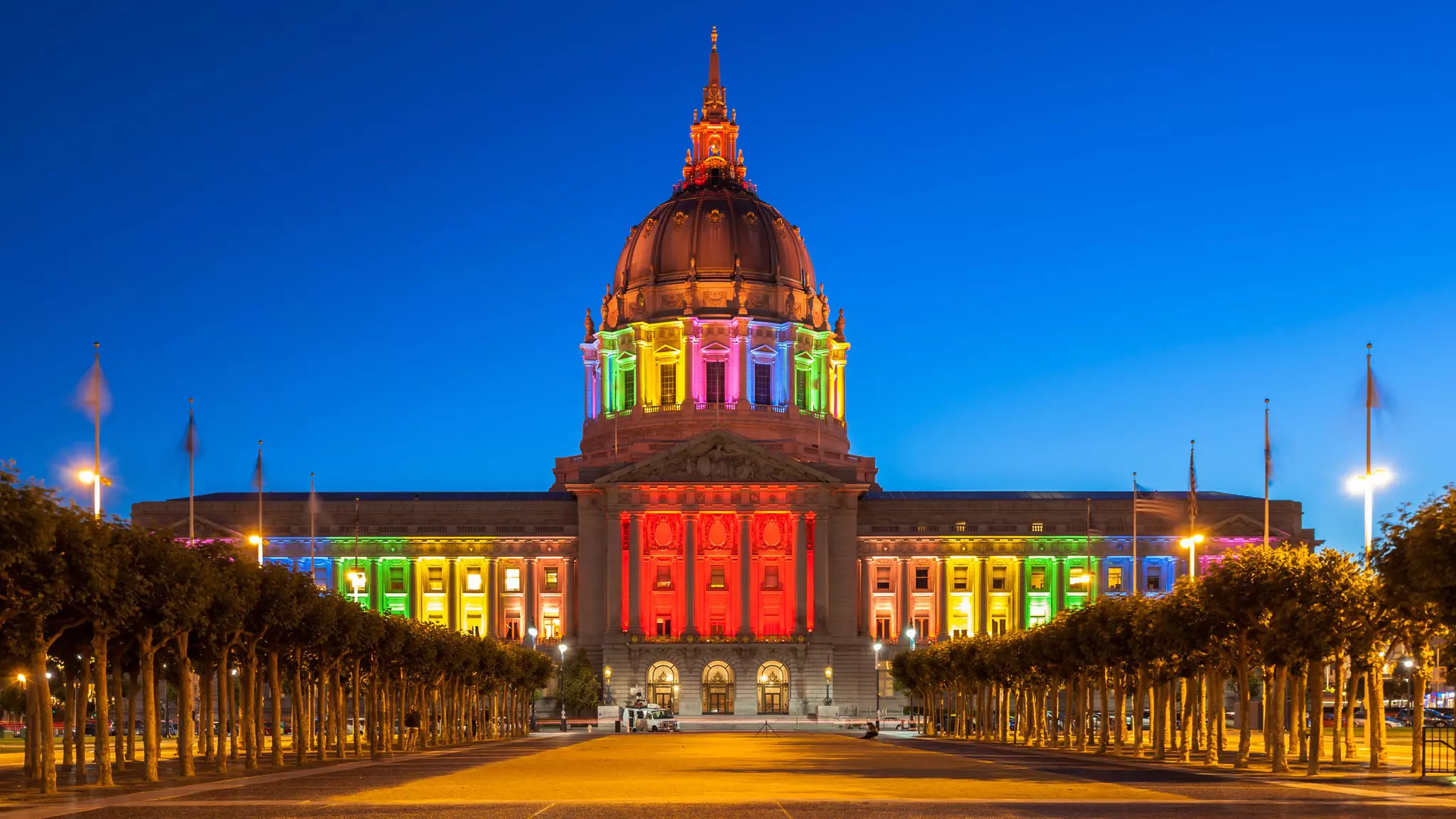
San Francisco City Hall is a marriage-equality landmark and also a romantic, highly photogenic place for a wedding – the rotunda is filled with light and has double staircases for bonus drama. So if you decide you want to get hitched in San Francisco, first of all: congratulations! The city is duly honored. The process here is simple: make an appointment to get your marriage license at City Hall, bring a federal ID or a birth certificate, and be prepared to spend around US$200 in fees.
You do not have to be a California resident or US citizen, and you and your spouse can be any gender. Once you have your license, you can get married on the same day. Yes, really! You can choose a civil ceremony performed by a city official or one officiated by any person who's a registered justice of the peace. In California, anyone can get ordained online.

With notoriously bad traffic and parking that is either impossible or expensive, most San Franciscans prefer to walk, bike or rideshare to get around.
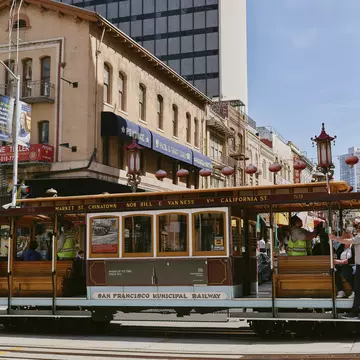
Riding Muni is a great way to see San Francisco, too. Its historic streetcars and iconic cable cars double up as experiences, and the buses and light-rail trains provide access to most of the city. But getting around by car? Forget it. Avoid driving until it's time to leave town.
Many San Francisco streets have bicycle lanes, and major parks have bike paths. The safest places to cycle in the city are Golden Gate Park (mostly car-free on Sundays), the Embarcadero, Ocean Beach, the Marina, and the Presidio.
The city's cyclists are a proud lot, and most will enthusiastically share advice with visitors who ask.
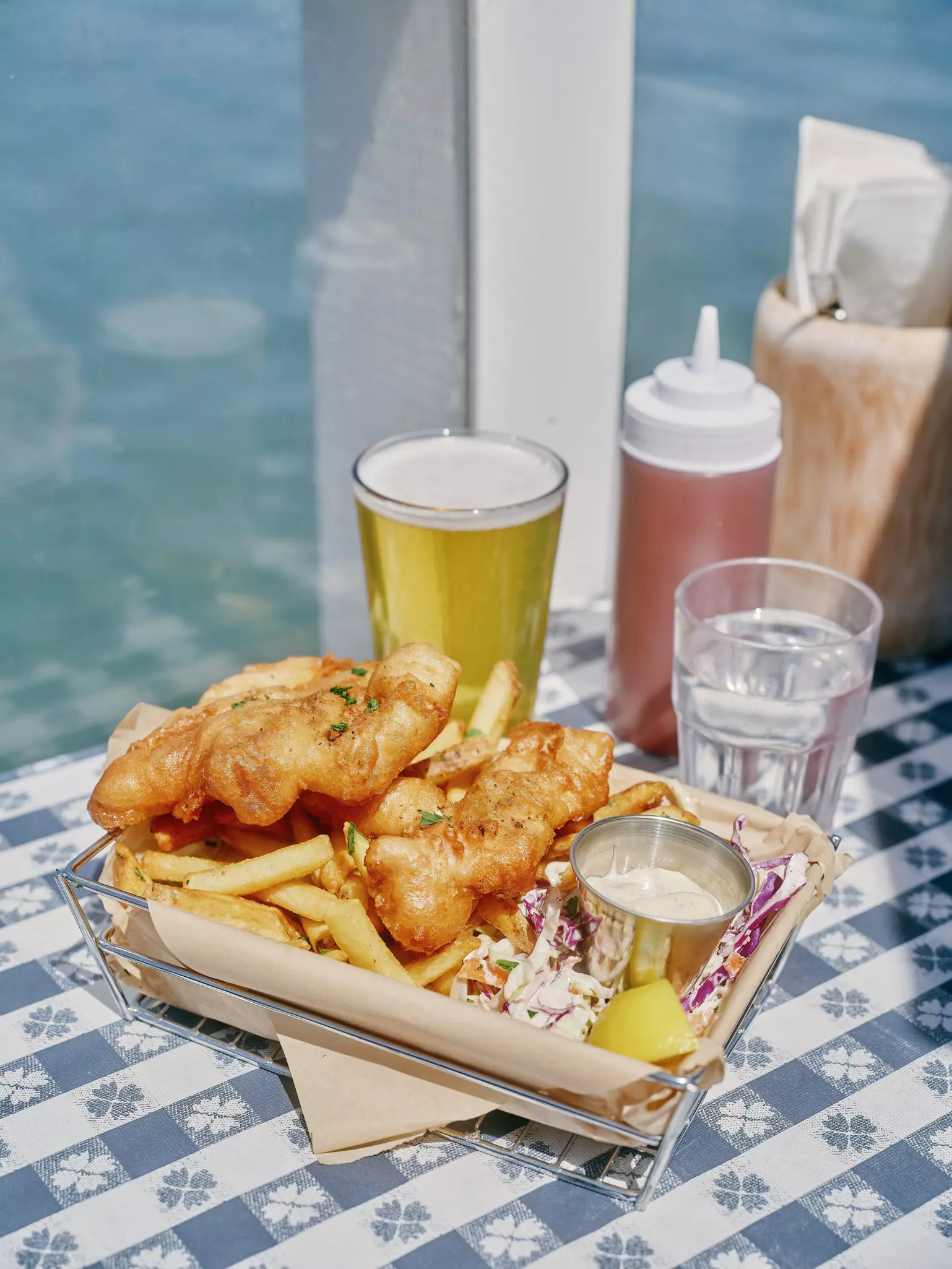
Many restaurants are open seven days a week, though some are closed on Sundays or Mondays. Breakfast hours are normally 8–10am, lunch is usually 11:30am–2:30pm, and dinner starts around 5:30pm, with the last service between 9pm and 9:30pm on weekdays and 10pm on weekends. Weekend brunch tends to be from 10am to 2pm.
Partying all night is very much a DIY activity in San Francisco. Downtown and SoMa bars draw crowds for happy hour from 4pm to 7pm; otherwise, bars are hopping by 9pm, with last call at 10:30–11:30pm on weekdays and 1:30am on weekends.
Most clubs charge US$10–25 at the door. For discounted admission, show up before 10pm or sign up for the guest list online (look for a VIP or RSVP link). Seating may be reserved for bottle service at high-end clubs, and you'll usually only wait 15 minutes to get in anywhere.
Dress codes are casual, though club bouncers do turn away people wearing flip-flops, shorts or T-shirts. Last call at many clubs is a breathtakingly early 11:30pm on weekdays and 1:30am on weekends. Most clubs close around 2am (due to California's strict liquor laws), though a few manage to stay open until 4am or later.
Explore related stories