Oct 13, 20269 min read
One Perfect Day: 24 Hours in New York CityFeb 24, 2026
7 MIN READ

Writer
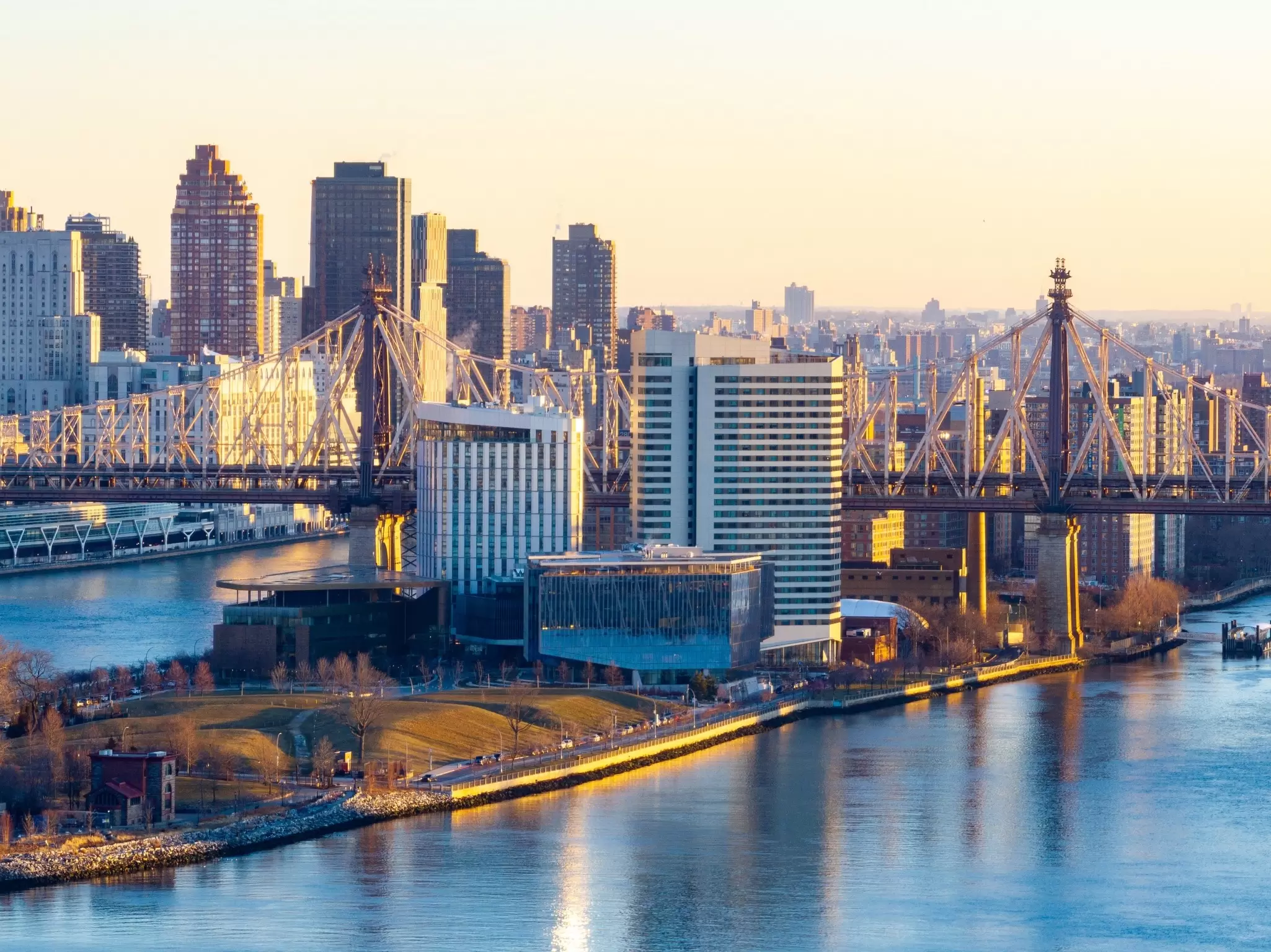
The Manhattan and Roosevelt Island skyline view at dawn. Felix Lipov/Shutterstock
Writer
Highlights
Writer Brian Healy picks six things to do on NYC's Roosevelt Island.
Take the red aerial tram from Midtown, then cycle the low-traffic island perimeter.
The eerie Smallpox Hospital ruins and FDR Four Freedoms Park invite history and reflection.
Visit Cornell Tech's open grounds, then linger in the sheer quiet of the low-traffic neighborhood.
Lonely Planet may earn a commission from affiliate links on our site. All recommendations and reviews reflect our own independent opinions.
Roosevelt Island is 2 miles of prime real estate with a fascinating history. For almost 150 years, this sliver of land in New York City’s East River – just 800ft across at its widest point – was a site for prisons, hospitals, asylums and other grim institutions. But since the mid-1970s, New Yorkers have chosen to live in the planned residential community, where the island’s 12,000 inhabitants enjoy a low-key version of big-city life on the redeveloped island. Grand projects, including a memorial park and a cutting-edge tech campus, bring Roosevelt Island even further into the positive present and away from its troubled past.
The most popular way to travel to the island was once its primary attraction. Use this list to get to know all the best things to do in Roosevelt Island.
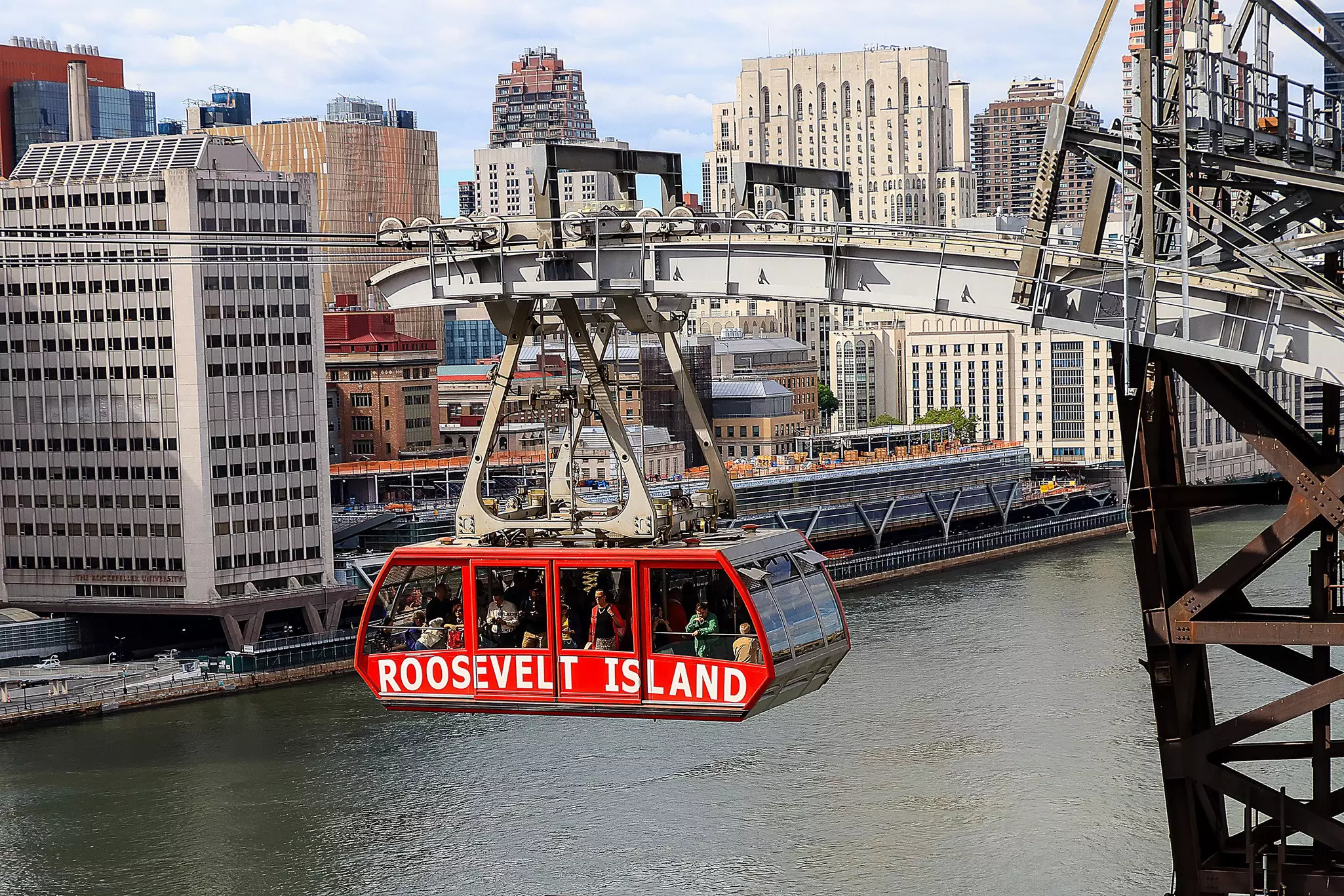
Roosevelt Island remained unconnected to the rest of New York City for centuries. Today, a bridge to Queens and subway and ferry stops make getting around much easier. Yet none of those transportation options compares to what might be the island’s most famous attraction: the red cable car (or aerial tram) that departs from Midtown Manhattan.
There's truly no better ride for the money in New York than in this scarlet bus-sized cabin. Gripping fast-moving steel cables above on its vertiginous 230ft ascent, it then floats with surprising smoothness between a forest of high rises and the tower of the Ed Koch Queensboro Bridge. Before you know it, the East River is beneath you, and the skyline becomes a spectacular panorama as the tram whisks you across the water. The descent comes quickly – hopefully before you've had time to recall that harrowing rescue scene from Spider-Man – all for the price of a standard subway fare.
Detour: On your way up, you might catch a quick glimpse of a historic stone-fronted structure between the ultramodern buildings of E 60th St. Dating to the 18th century, the Mount Vernon Hotel was built as a country inn for day-trippers escaping the clamor of the city, whose limits then ended many miles downtown. The improbably preserved building offers a fascinating glimpse into Manhattan’s bucolic past.
Native Americans first arrived on Roosevelt Island some 12,000 years ago. The Blackwell family later settled on the island over four generations before selling the whole lot – then known as Blackwell’s Island – to the government in 1828. (The deal was negotiated on the porch of Blackwell House, a 1796 mansion that still stands.)
Over the following century, New York City authorities turned the island into a complex of institutions designed to house – or, really, to hide – some of the city’s most vulnerable populations. A notorious prison, an asylum, a workhouse and hospitals for patients with smallpox, typhus and other infectious diseases soon gave Blackwell’s Island a well-deserved reputation for squalor.

Lonely planet’s trusted travel insurance provider
Travel with confidence. Protect your trip and your wallet.
We don’t represent World Nomads, we receive a fee from quotes using this link. This is not a recommendation to buy travel insurance.
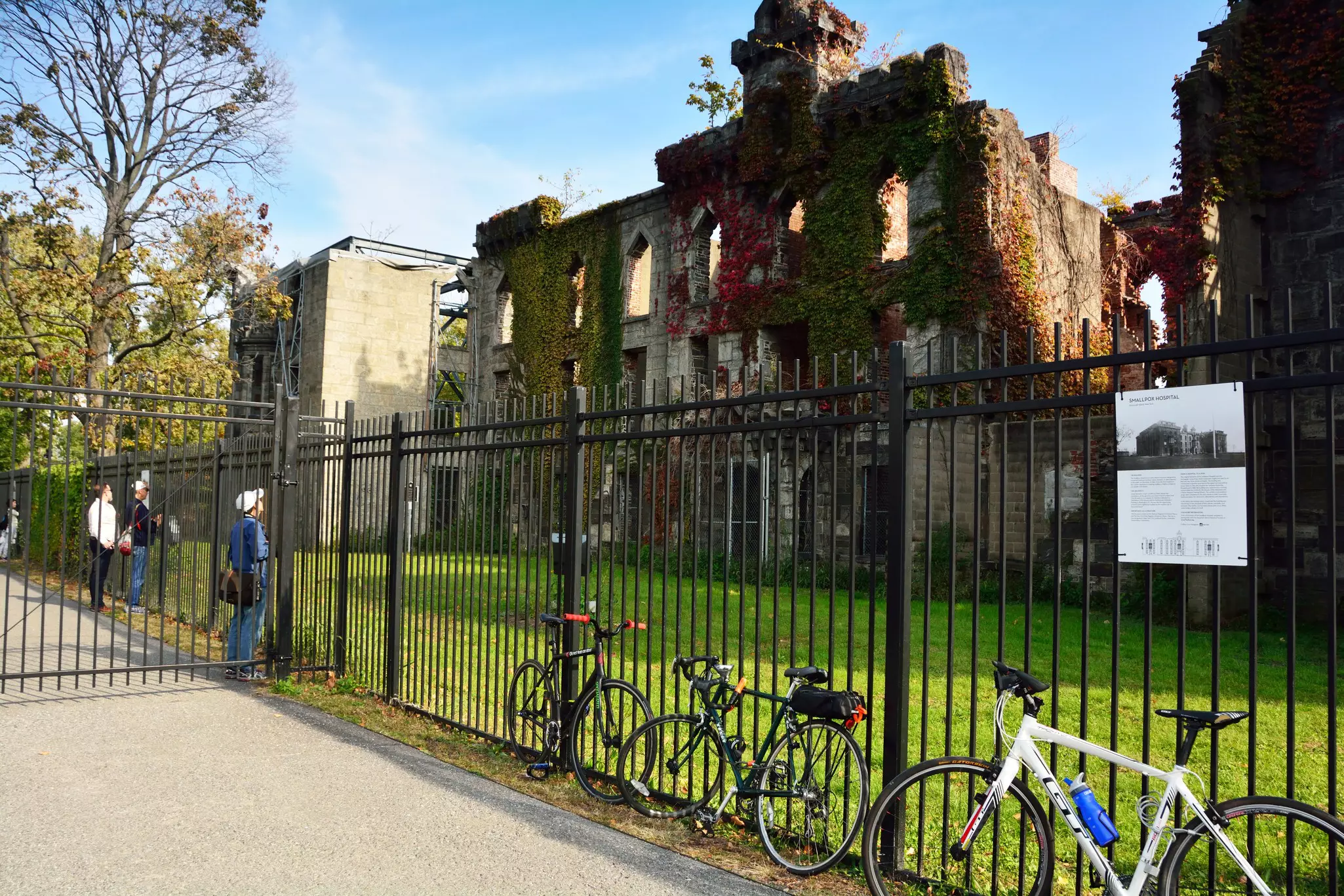
Happily, these institutions are long gone, with parks, playgrounds and other public spaces today occupying their former sites. Yet one physical trace of this past remains: the ruins of the Smallpox Hospital, to the island’s south. Now covered in ivy and hollowed out by the elements, this eerie, decaying structure (fenced off for safety) once housed patients who suffered greatly. As you pass, spare a thought for those who visited Roosevelt Island through no choice of their own.
Local tip: A row of cherry trees grows on the waterside pathway that leads from the tram to the island’s southern tip. Come April, they put on quite the show, and shots of glorious pink blossoms against the backdrop of Manhattan will activate major FOMO among your followers.
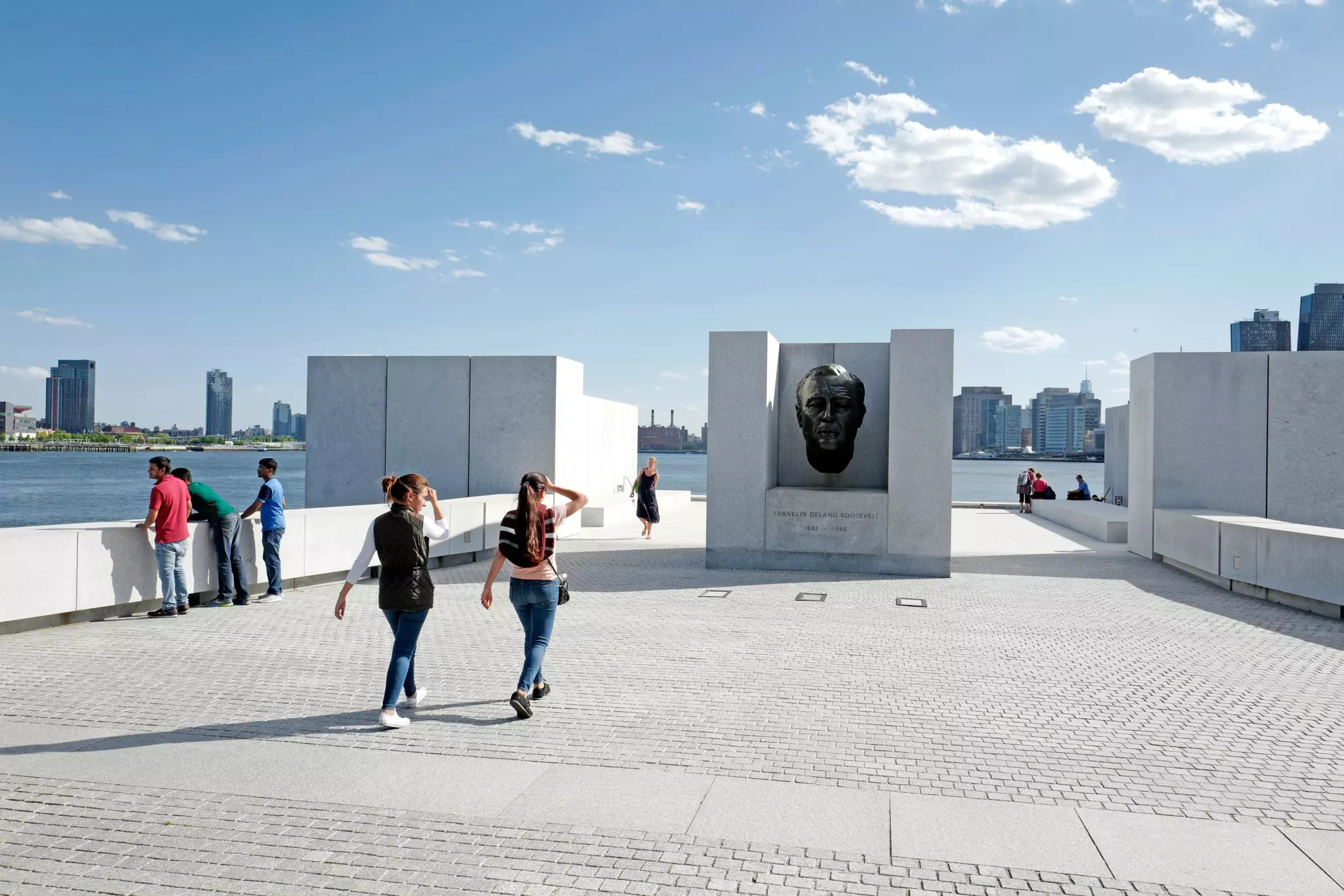
The last project by architect Louis Kahn, this monument to the legacy of President Franklin D Roosevelt (the island’s namesake) was unrealized until 2012, 38 years after Kahn’s death. The stark yet uplifting result was well worth the wait. After ascending a grand set of marble steps just beyond the Smallpox Hospital, visitors to the free state park traverse a lawn flanked with elegant trees that tapers to a bust of FDR, the text of his famous “Four Freedoms” speech engraved on marble slabs that flank the sculpture. On the other side of the panels lies The Room, a wide, water-level terrace that turns the very southern tip of the island, with New York’s skyline unfolding all around, into an extraordinary space for quiet reflection.
Local tip: The southern reaches of Roosevelt Island offer the best views of the modernist United Nations complex. The formation of this multilateral institution is one of FDR’s many important legacies.
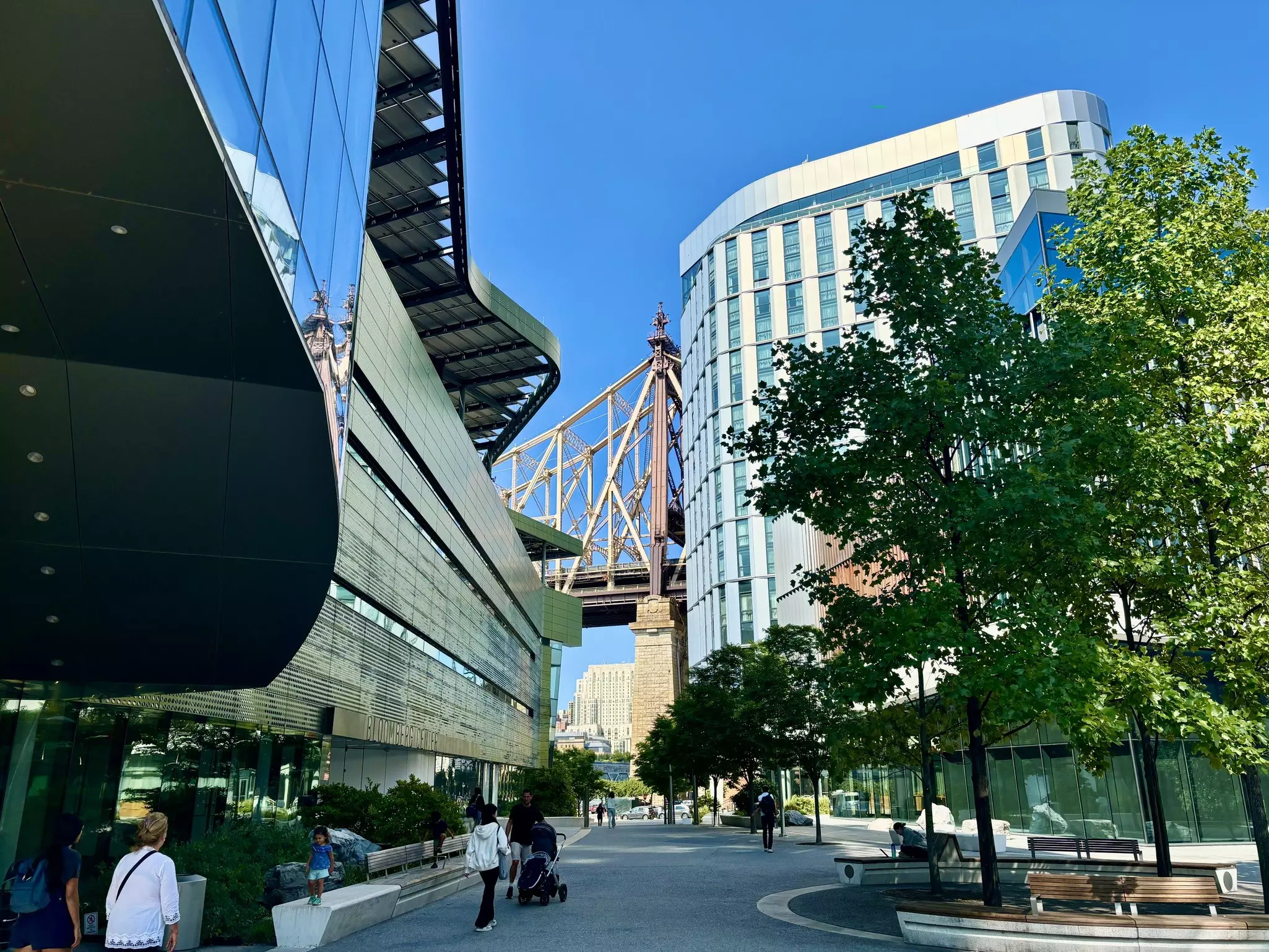
Put on a hoodie and some sandals with white socks, and you just might pass for a student at Cornell Tech, a campus that’s been a work in progress over the past 15 years – with much more to come. Within these ultra-high-tech buildings, entrepreneurs and graduate students studying computer science, design and business engage in hands-on learning, exchange ideas and launch cutting-edge new companies. While the university buildings are off-limits to visitors, the appealingly landscaped grounds have plenty of lawns and seating areas for the use of laptop-toting students and interlopers alike. Take an alfresco break for a taste of campus life you’ll find only in New York.
Local tip: Nothing buoys the spirits like a rooftop bar. Lift a glass by the floor-to-ceiling windows at the Panorama Room, the 18th-floor bar atop the Graduate, a hotel on the Cornell Tech campus, and you’ll toast some of the best views of the city around. The hotel's ground-floor Anything at All serves port-side pleasures so satisfying that you might decide to stay the night.
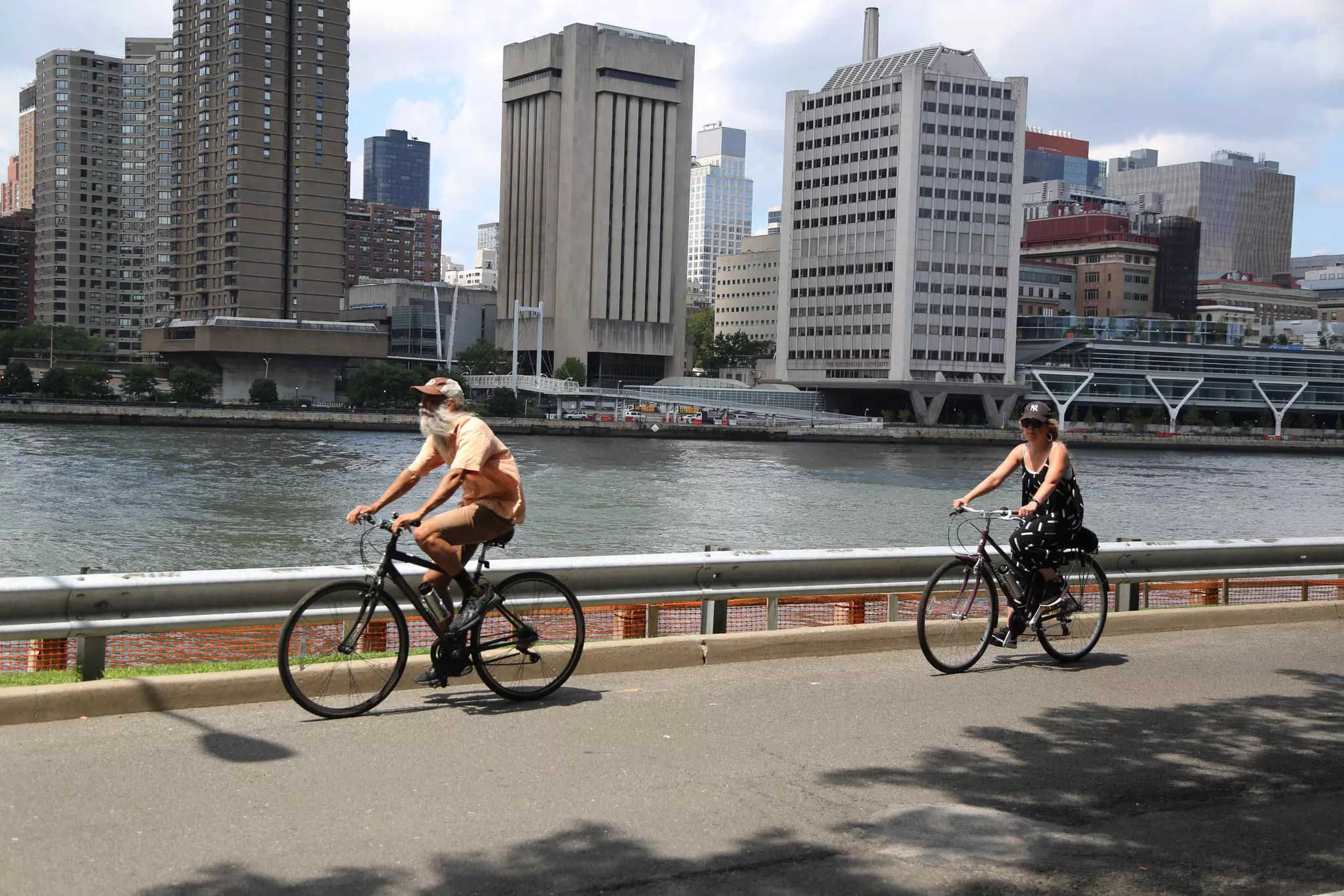
The presence of very few cars and a bikeable path that encircles the entire perimeter makes Roosevelt Island a cyclist’s paradise. Along with the fresh air, river views and minimal traffic, a loop of the island provides a special tour of the structures that support New York City.
As you grab a Citi Bike at the tram station, look up at the underside of the Queensboro Bridge, with a lattice of steel beams that supports the weight of more than 170,000 vehicles each day. This sturdily braced 1909 span's four towers topped with decorative spires are New York City infrastructure at its most Gotham–esque.
When you pedal up the island’s west side, take note of the half-exposed lanes of the FDR Dr just across the water, which channel traffic along the edge of the East River and underneath the Manhattan apartment buildings, hospitals and parks that are dramatically cantilevered above. The massive power station at E 74th St (you can't miss its giant smokestack) from 1902 is a Beaux-Arts marvel. A complementary hulk lies across from the island’s east side: the waterfront Ravenswood Generating Station in Queens, which provides nearly 2,500 megawatts of electricity – supplying over 20% of the city’s needs.
At the north end of the island, a 50ft-tall lighthouse dates from 1872. Made from locally quarried gneiss (and allegedly built by inmates incarcerated on the island), the beacon is a reminder of the fierce currents that still bedevil ships in these waters.
Local tip: If you have your bike, bring it on the F train; the island’s deep station has elevators serving both platforms. If you’re more ambitious, a protected bike line runs parallel to the East River along Queens’ Vernon Blvd, connecting to the Roosevelt Island Bridge.
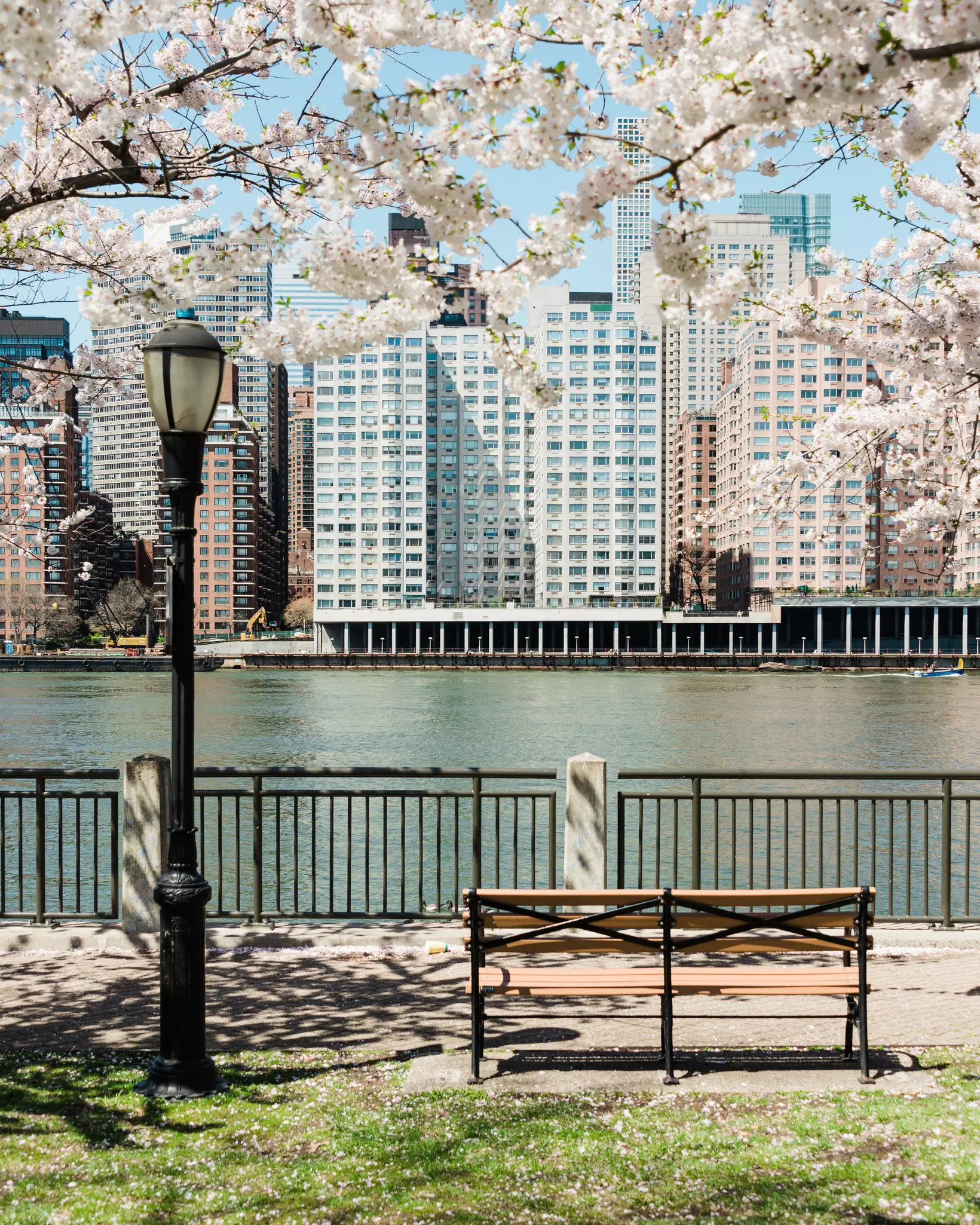
A 1969 civic plan for Roosevelt Island’s redevelopment called for a mix of apartment towers and green spaces free of cars – a vision that came to pass in the decades that followed. And the residential core of the island today is a New York neighborhood unlike any other.
While the centrally planned apartment blocks that radiate off Main St aren’t architectural showpieces, the plan’s harmonious whole, which includes connecting footpaths and ample greenery, is far more gracious than the sum of its parts. What’s most remarkable is the sheer quiet of it all – the sounds of children playing or joggers huffing are interrupted only rarely by a passing car or bus. You won’t be able to catch a cab here. But then again, you won’t need to.
Book your United States trip with Lonely Planet Journeys
See United States how it's meant to be seen
Accommodations, activities and ground transportation all taken care of, so you can focus on the fun part. Tell us what your dream trip to United States looks like, and our local experts will build it from scratch. Or start with one of our itineraries and make it your own.

Explore related stories