Jul 7, 20267 min read
The ultimate weekend in LimaMay 21, 2026
6 MIN READ

Writer
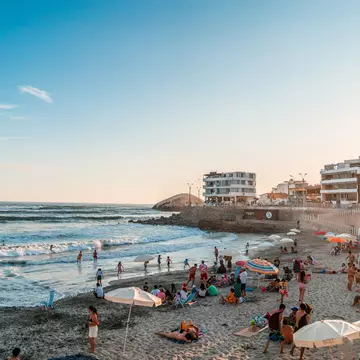
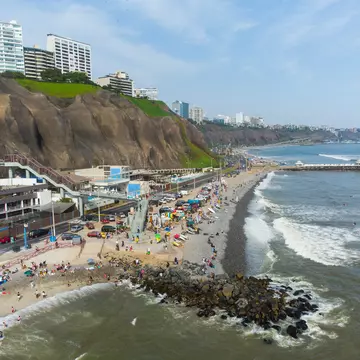
Punta Hermosa Beach. Arthurs perspective/Shutterstock

Writer
Lonely Planet may earn a commission from affiliate links on our site. All recommendations and reviews reflect our own independent opinions.
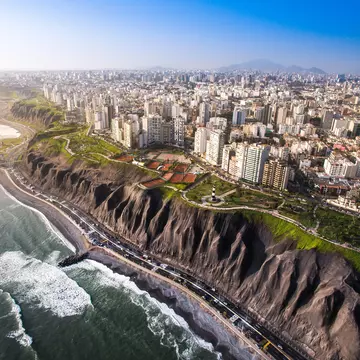
Home to world-renowned restaurants and award-winning boutique hotels, the cosmopolitan capital of Lima, Peru can be posh, indeed. Yet straying from the more expensive spots on the city's “best of” lists can give you options for accommodations, eating out and even transportation to fit every type of budget.
Getting the most out of your trip to Lima needn’t break the bank. Opting for lesser-known (and less expensive) experiences often brings a more enriching experience of local life and culture. Here are some travel tips that will help you navigate Lima on a budget.
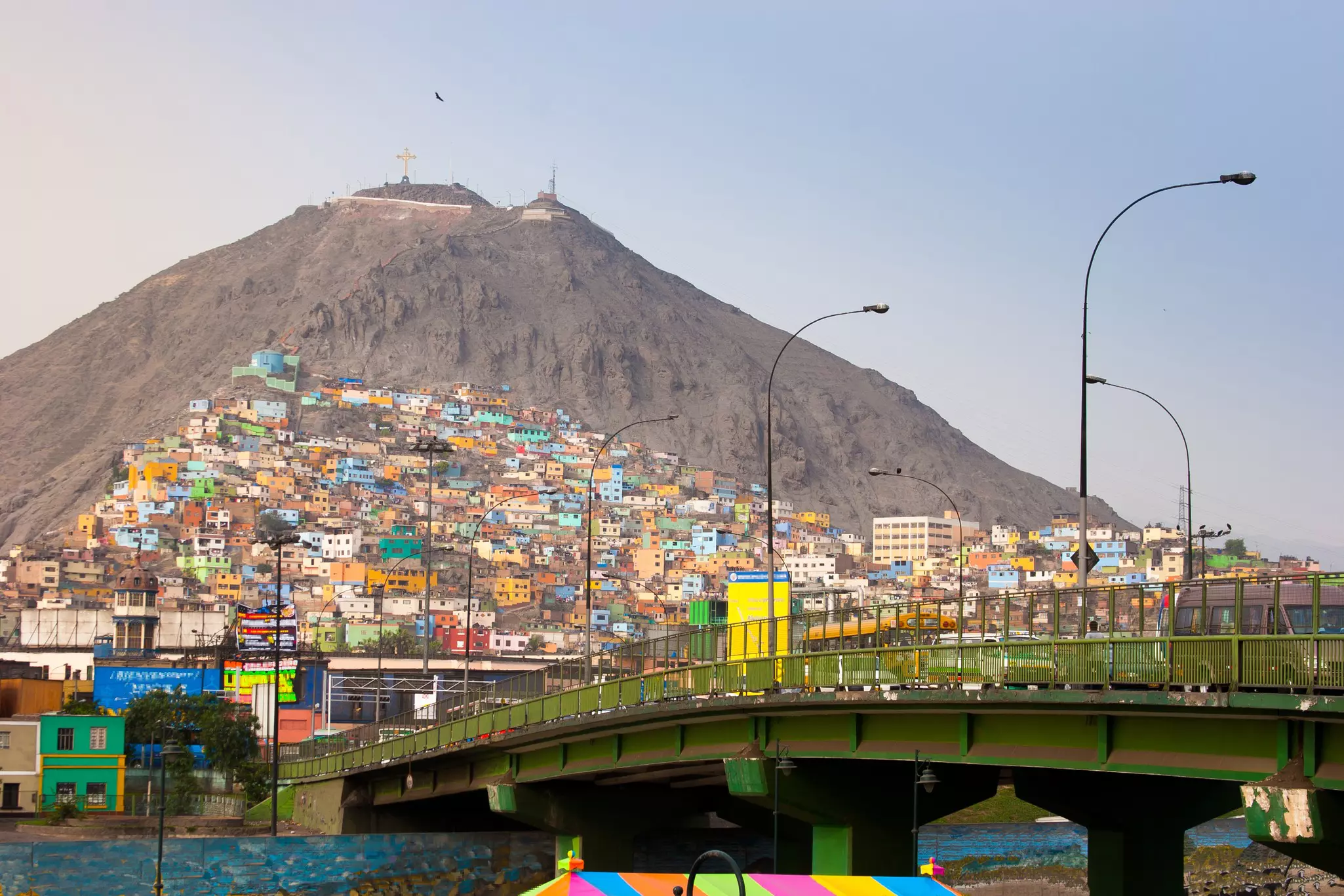
At the cusp of Lima’s summer (September to November) and again at its tail end (April to May), the city hosts a comparatively low count of tourists. One of the biggest perks of being an off-season tourist is lower airfare.
What’s more, avoiding the crowds of travelers that arrive during the Northern Hemisphere’s summer season can allow you to feel less like a, well, tourist and more a part of local life. You’ll also likely find that the staff at restaurants and hotels are more accommodating when there are fewer customers to serve.
The Jorge Chávez International Airport is the central hub for almost everyone arriving in Lima and traveling on to every other corner of the country.
After retrieving your luggage, you will be swarmed by overpriced taxi services practically begging you to choose them. On the other end of the price spectrum are city buses and taxis you can hail on the street. It's best to avoid these.
Hailing a taxi outside of the Lima airport can be dodgy. They are not working with a company and, though we can't generalize, can see recently arrived travelers as an easy target with valuable luggage. Opt for taxi services offered inside the airport or one of the shuttle bus companies such as Airport Express Lima (the airport's official bus system).
If traveling with one or more people (or lots of luggage), consider using a rideshare app like Uber. It'll cost you approximately 40–50 nuevo soles (S40-50) to the Miraflores and Barranco districts.
For solo travelers staying in the Miraflores district, use QuickLlama Airport Shuttle (S20) or Airport Express Lima (S15). If staying in Barranco, you can simply take one of the bus services to Miraflores followed by a cheap and quick taxi ride onward to your hotel.
The combination of being pickpocketed and unsafe driving makes taking the bus from the airport an unwise choice. Bus drivers won't likely rip you off as there are far too many witnesses. Traffic builds up around the airport, and the city buses will weave in and out to make good time.
It can very difficult to decipher the exact route that a specific bus follows without verifying with a local as there are no maps or websites.
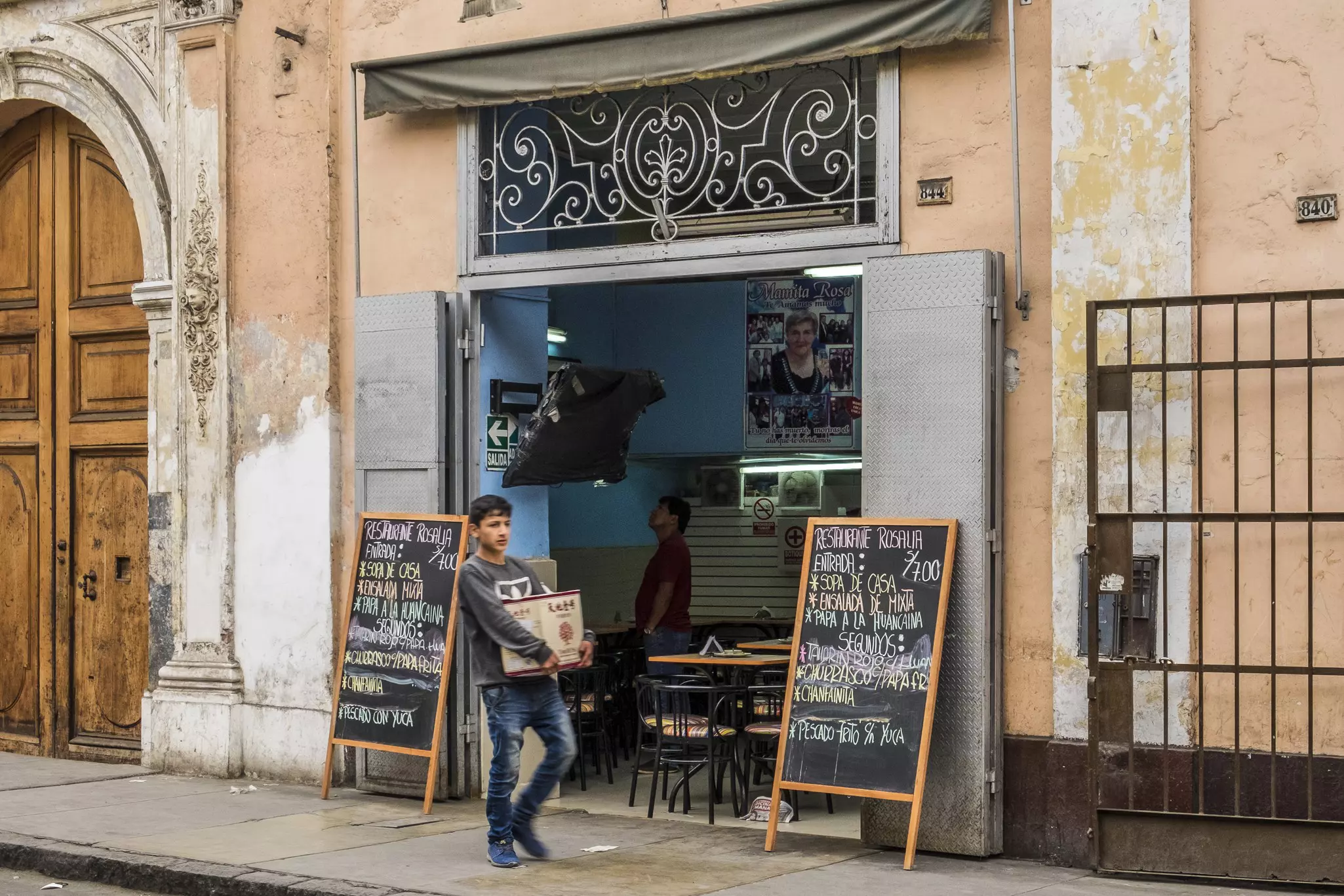
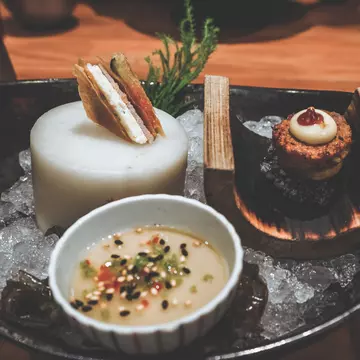
A fixed lunch with no-fuss tableware and decor, a menú in Lima is the ideal way to try the flavors of Peru without having to splurge. A chalkboard or whiteboard will list the day’s options, including a traditional Peruvian starter (think stuffed avocado or potatoes bathed in a creamy sauce), a main dish and beverage (usually a watered-down fruit juice or the sweetened herbal drink called emoliente).
Many hole-in-the-wall establishments in the city only serve menús. Frequented by a diverse crowd that includes business people as well as construction crews during the lunch hour, menús are typically priced between S8–15; anything lower than that may not be worth risking your stomach for.
With prices like these, you could save up enough to splurge at one of Peru’s leading fine-dining restaurants for your last meal of the trip.
Another transportation option for travelers looking to spend an afternoon in Lima’s downtown is the metropolitano system. Also referred to as the metro, the rapid transit service runs from the Historic Center and heads south, making stops along the way in San Isidro, Miraflores, Barranco and Chorrillos.
To ride the metro, you will need to make a small investment of S5 for a rechargeable card. No matter which station you board from or get off at, each ride costs S1. 50. With a fixed price and regular schedules, Lima’s metro is far more user-friendly than the city buses.
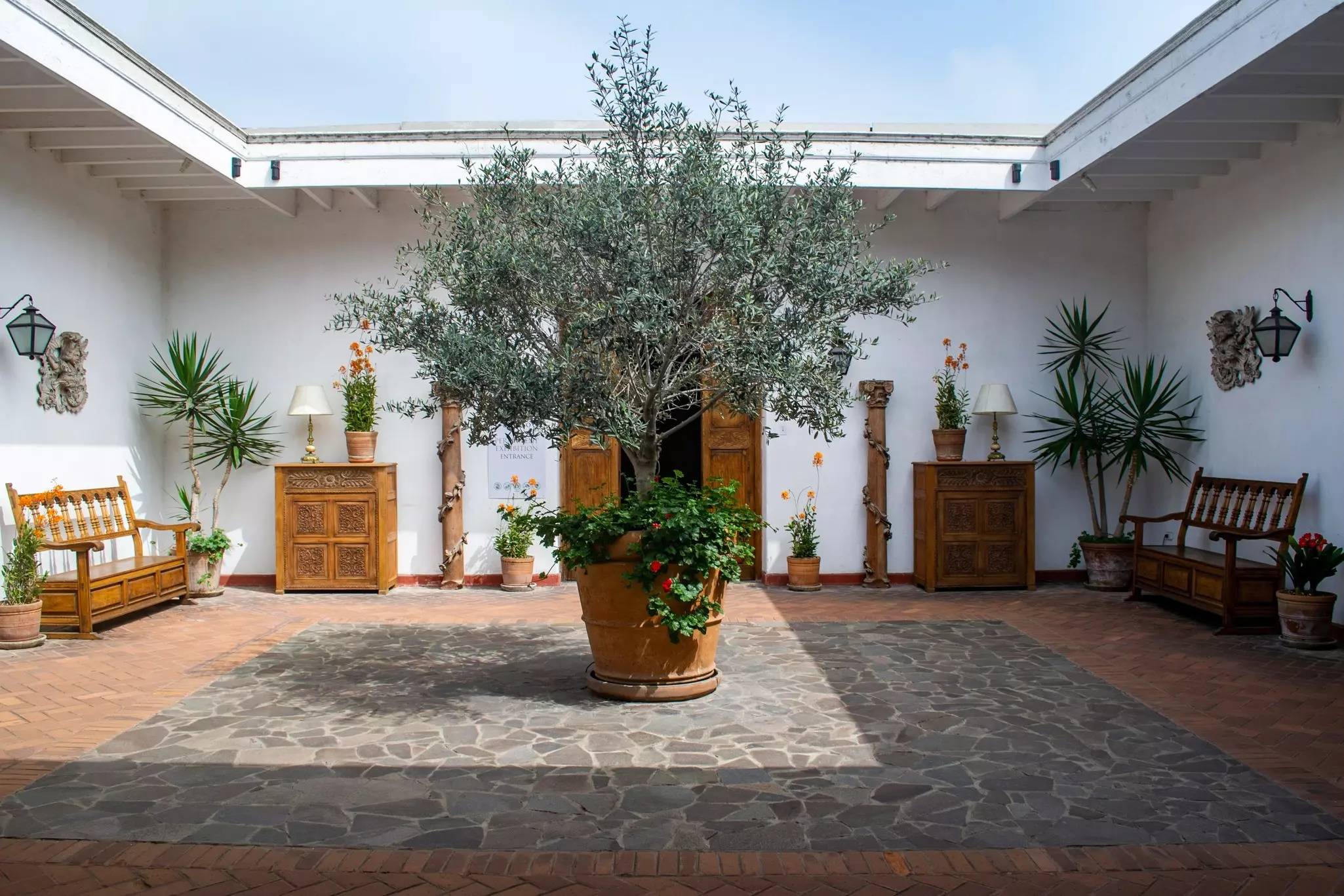
Barranco, Miraflores and San Isidro are the most popular districts in Lima for tourists – which also makes them the most expensive. As an economic alternative, we recommend exploring Pueblo Libre and Magdalena del Mar.
What these two neighboring districts lack in hipness they make up for in old-school charm and quaint architecture. Plus, they're safe for tourists. Another selling point for travelers on a budget: the restaurants in these neighborhoods cater to locals, with prices that reflect that.
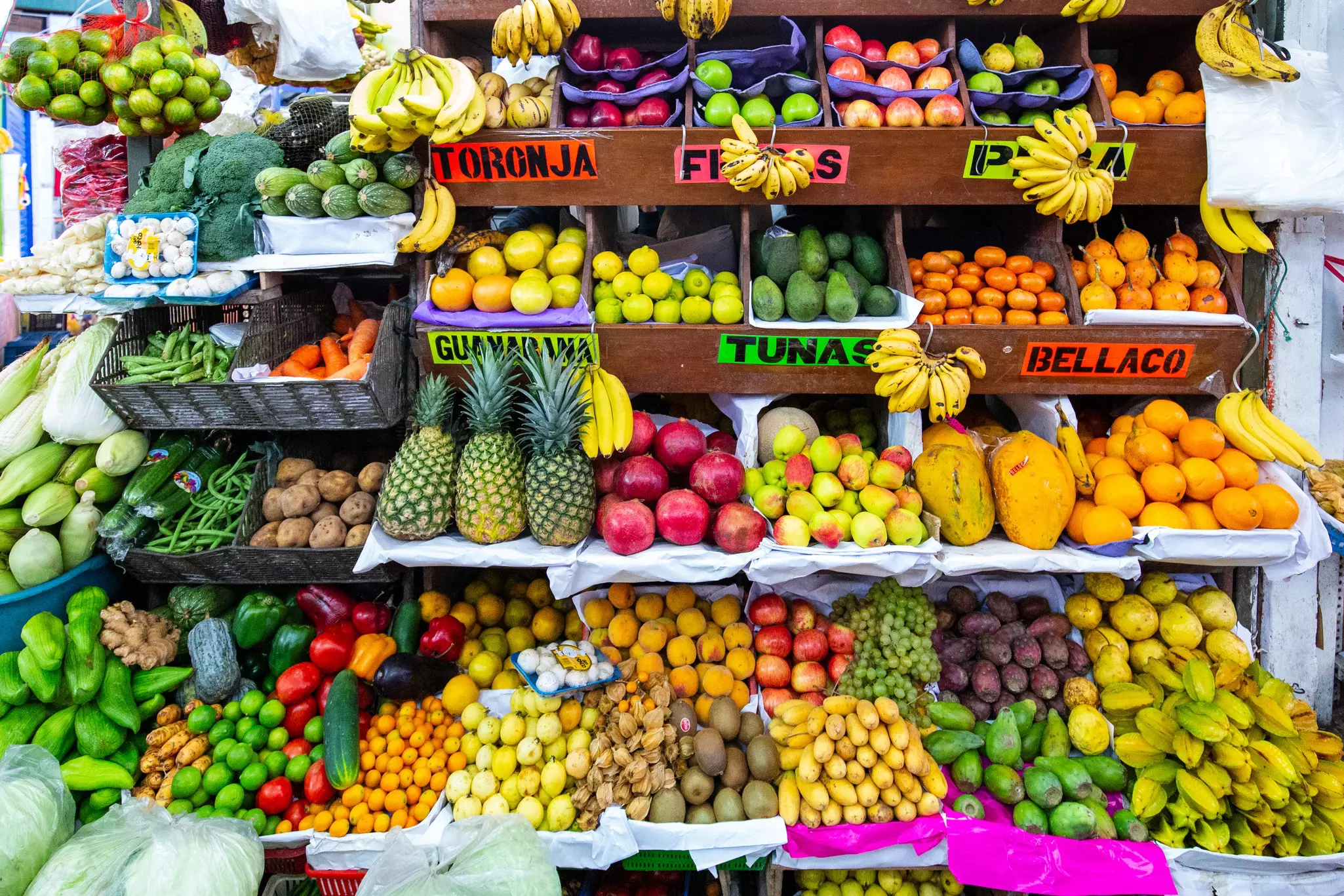
Colorful fruits from the jungle, curious tubers from the highlands, and catch-of-the-day fish straight from Lima’s coast: why shop at a supermarket when Lima’s open-air markets offer the freshest ingredients at a lower price?
Though found in nearly every one of Lima’s fabulous neighborhoods, the markets of Surquillo (yes, there are two!) are the best known. What’s more, you can avoid the plastic packaging used by chain grocery stores.
Lima is home to the best museums in Peru, which invite guests to explore the nation through outstanding artifacts and collections. While entry fees for standouts like Lima’s Museum of Art (S30) can certainly add up, especially for groups and families, the museum offers a two-for-one deal on Sundays.
Nearly all the art galleries in Lima offer free entry and are an insightful look into the local contemporary art scene. Discover your new favorite burgeoning artist at art spaces like Impakto, Ginsberg or Revolver.
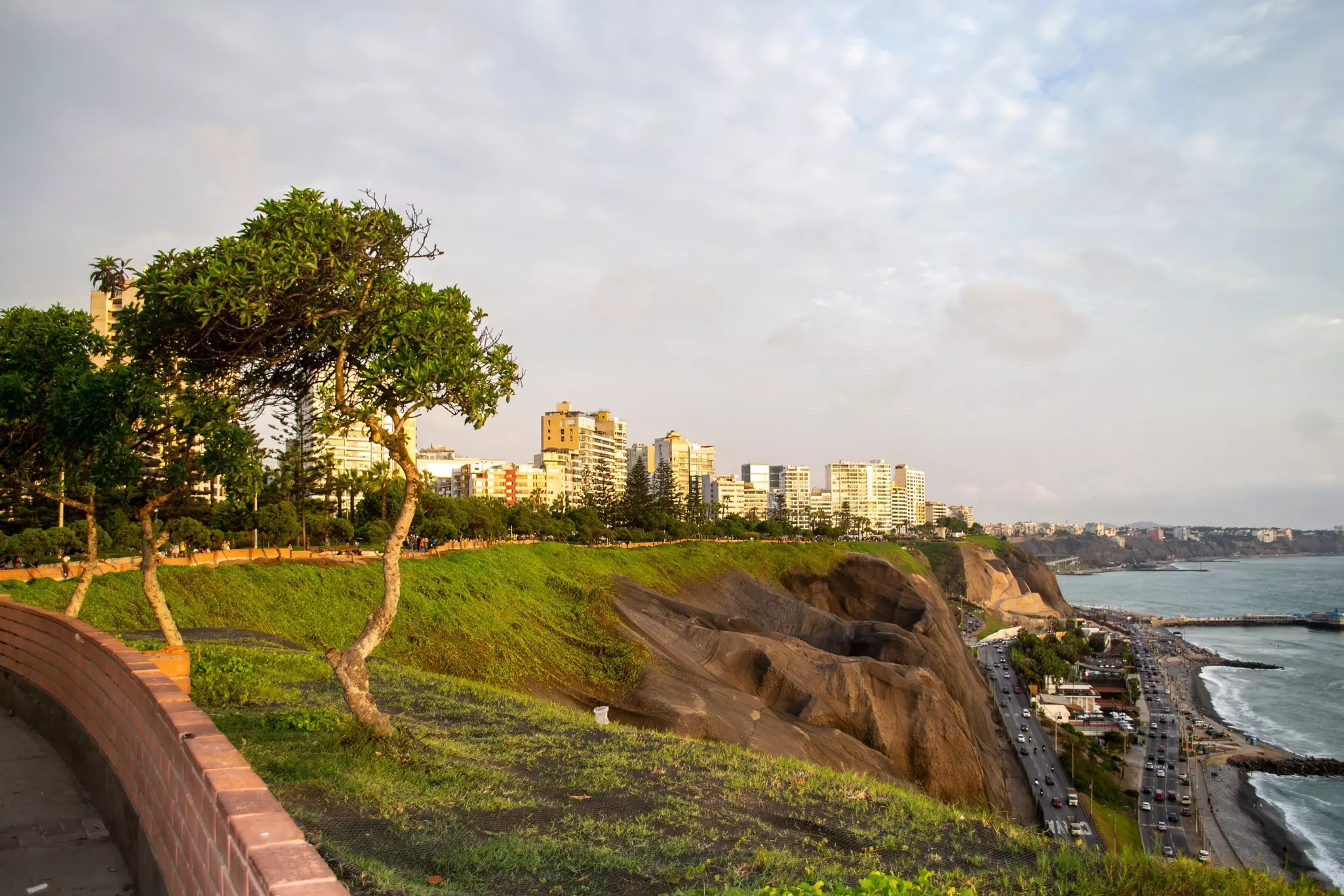
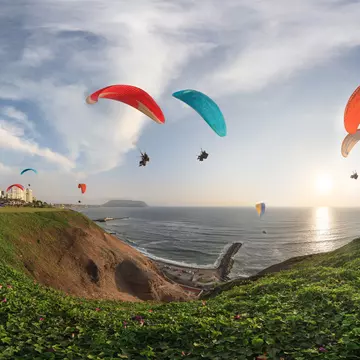
The most inexpensive way to get around any city is by foot, and Lima’s malecón makes this a breeze thanks to its natural beauty and paved walkways. The coastal pathway is popular with those looking to break a sweat as well and is open to the public 24/7.
Private room in a hostel: S38–95
Basic room for two: S285–385
Self-catering apartment (including Airbnb): S95–150
Public transport ticket: S1. 50–8
Coffee: S8
Lunch at menú for two: S15–30
Beer/pint at the bar: S20
Explore related stories