May 14, 202612 min read
A Guide to Nagano Prefecture, JapanMay 14, 2026
12 MIN READ
Contributors
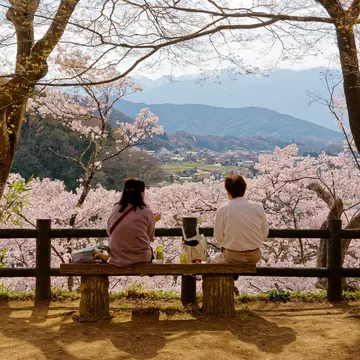
Spring blossom in a park in Nagano Prefecture, Japan. AaronChenPS2/Shutterstock

Contributors


Phoebe Amoroso, Lonely Planet Editors
Highlights
Writer Phoebe Amoroso shares a first-timer's guide to Japan's Nagano Prefecture.
Base yourself in Nagano City – just 80–100 minutes from Tokyo on the shinkansen (bullet train).
Hike the Northern Alps from Kamikōchi in summer, or ski Hakuba Valley's slopes in winter.
Try oyaki dumplings and soba in Nagano before sampling sake at five breweries in Suwa.
Lonely Planet may earn a commission from affiliate links on our site. All recommendations and reviews reflect our own independent opinions.
There are 47 prefectures in Japan, but Nagano Prefecture is one of the best. Set in the heart of Honshū – Japan's largest island – and dominated by the breathtaking peaks of the Japanese Alps, this huge province is famed for snow sports in winter, seasonal color in spring and fall, and scenic forest hikes in summer, yet the center of Tokyo is less than 2 hours away by shinkansen train.
This guide to Nagano Prefecture will introduce you to a land of ancient trading routes, picturesque lakes, sake breweries, modern art hubs, and refreshing hot springs – including Jigokudani Monkey Park, where Japanese macaques have famously adopted the habit of bathing in the warm waters in winter.
From December to March, the big lure is skiing and snowboarding on some of Japan's top ski resorts, while hikers come in summer to escape the lowland heat on Edo-era roads and forest trails. In spring, traditional villages erupt with cherry blossoms; in fall, the forested slopes erupt in a blaze of oranges and reds.
It’s impossible to experience everything Nagano Prefecture has to offer on just one trip, but you can certainly take in the highlights in a week or so, starting from Tokyo or Nagoya. This Nagano Prefecture guide will help you make the very best of your first visit to this stunning region.
Let your interests decide the best time to visit. If you’re looking to walk some of the old trade routes and see the landscape at its most colorful, spring and early summer offer some of the most appealing weather. Daytime temperatures reach 20ºC (68ºF) by May and stay above 15ºC (ºF) into October, and the slopes are painted by a range of blooms, from cherry blossoms to wildflowers, depending on timing and elevation.
If you're looking for a reprieve from Japan's summer heat, follow the lead of locals and head for the Japanese Alps and the elegant mountain resort town of Karuizawa. However, it’s best to avoid the mid-August Obon Holidays, particularly if you’re headed to the mountains of Kamikōchi, where private cars are banned and public buses can get very crowded.
Fall brings a spectacular explosion of autumn foliage, but be aware of Kamikōchi crowds (again) and monitor the weather reports, as the occasional typhoon in September and October might force you to postpone any hiking plans. The snow sports season typically runs from mid-December to late March, but several resorts at higher elevations operate for longer.
With the sheer scale of Nagano Prefecture and the remarkable number of stunning places to visit, you could easily while away two weeks here. For first-time visitors, however, 4–5 days will give you a good sense of the area’s natural beauty and rich culture, allowing time to spend a day or two hiking.
That said, with fast trains running to Matsumoto, Nagano City and several major winter resorts, a weekend trip from Tokyo is totally possible. Trains also run to Nagano City from Nagoya, taking around 3 hours, and from Toyama on the north coast, taking less than an hour.
Nagano Prefecture is extremely easy to reach. Nagano City is the main transportation hub, just 80–100 minutes from Tokyo on the Hokuriku Shinkansen route, with multiple trains every hour. What’s more, the route is covered by the Japan Rail Pass and JR East Pass, so you can get here economically if you're a pass holder.
Matsumoto is another good base for exploring the region; you can get here in just 2.5 hours from Shinjuku Station on the JR East's Azusa limited express train, with one or two trains per hour. Flights also run to Matsumoto's small airport from a handful of destinations around Japan. The town of Magome-juku – a popular starting point for exploring the Nakasendō Trail and Kiso Valley – is about 1.5 hours by train from Nagoya Station.
Once in Nagano Prefecture, you can get around on local trains and buses. Services are not always frequent, but they are extremely reliable. Not all operators accept payment via rechargeable IC cards, so carry some cash to pay fares. Renting a car is also an option, but note that Kamikōchi has a ban on private automobiles all year round.
Trips to Nagano Prefecture are focused on nature and stunning scenery – the perfect antidote to Tokyo's urban crush.
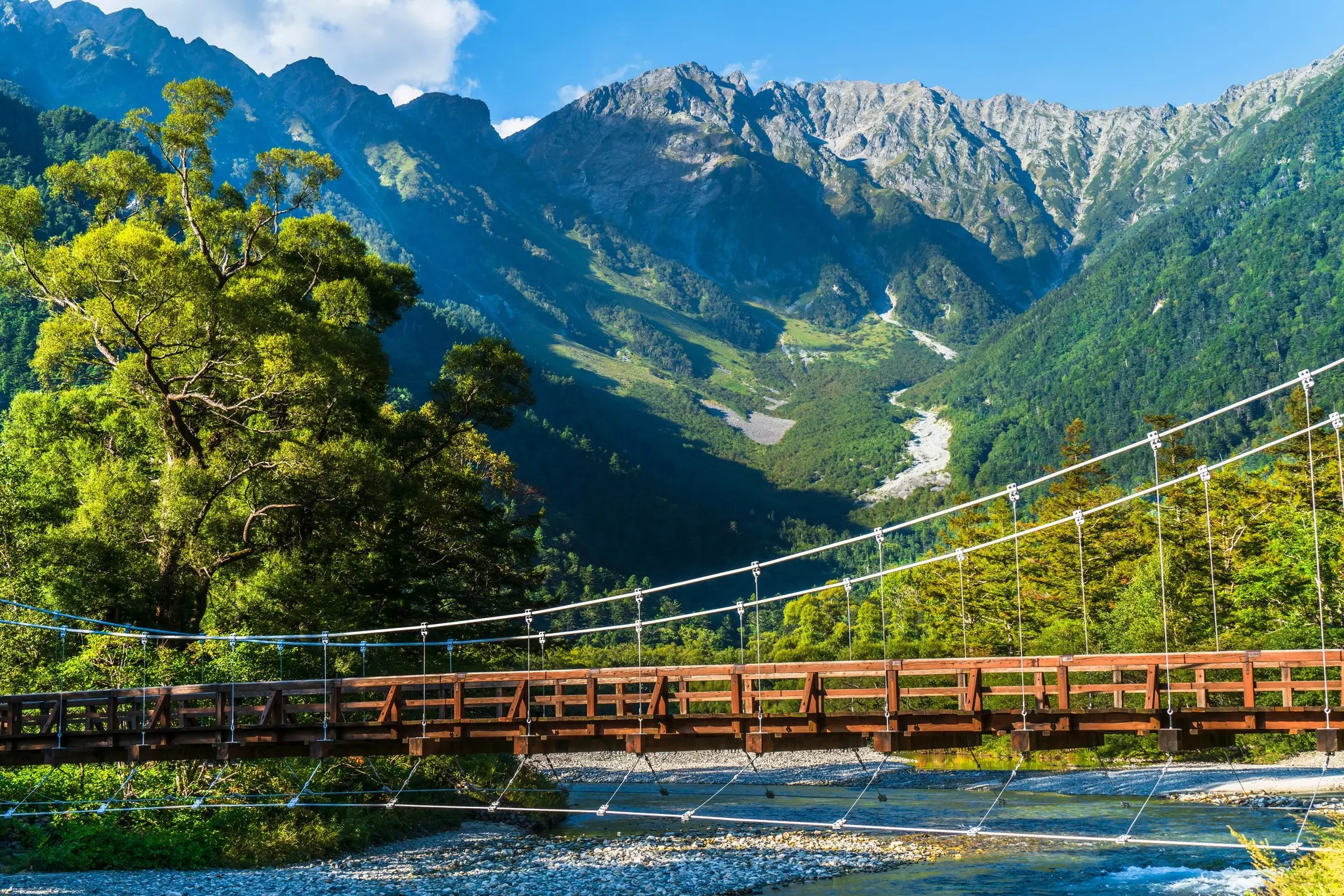
The gateway to the Northern Alps, Kamikōchi is a mountainous region famed for vistas that will make you stop in your tracks with their sheer magnificence. Rugged ridges, forested slopes and snowcapped summits enclose tranquil lakes and pools that mirror the matchstick trees and azure sky.
The natural offerings here are endless, and hiking trails through this stupendous landscape cater to all fitness levels. Beginners can enjoy gentle, level strolls beside the Azusa River, while experienced hikers can traverse the slopes of some of Japan’s most well-known peaks, staying at mountain huts along the way. The official Kamikōchi website offers a helpful list of walks and treks ranked by difficulty.
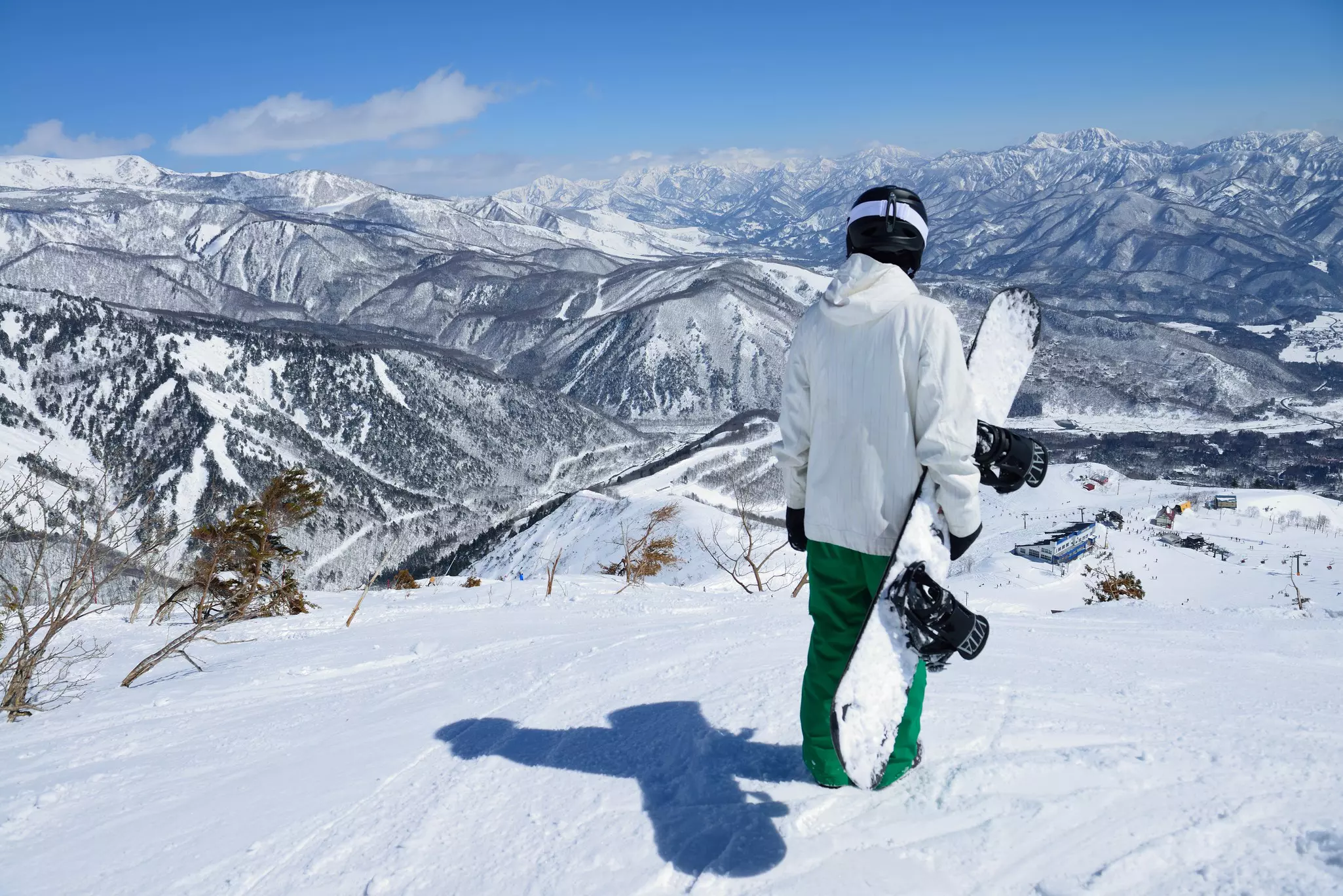
Dominated by the jagged ridges of the Japanese Alps, Nagano Prefecture is a dream for skiers or snowboarders. One of the most popular winter sport hubs is the Hakuba Valley, which boasts more than 200 runs spread across 11 resorts. The valley caters to a wide range of experience levels, with gentle practice slopes for beginners and gravity-defying powder runs for backcountry pros.
Or why not stop for a few days at charming Nozawa Onsen? As well as offering ski slopes to suit all levels, the town is full of traditional buildings and public bathhouses for a warming and relaxing soak after a hard day on the slopes. As with onsen across Japan, you should follow the proper bathing etiquette and wash before entering the pools, following the onsen's rules on gender and naked bathing.
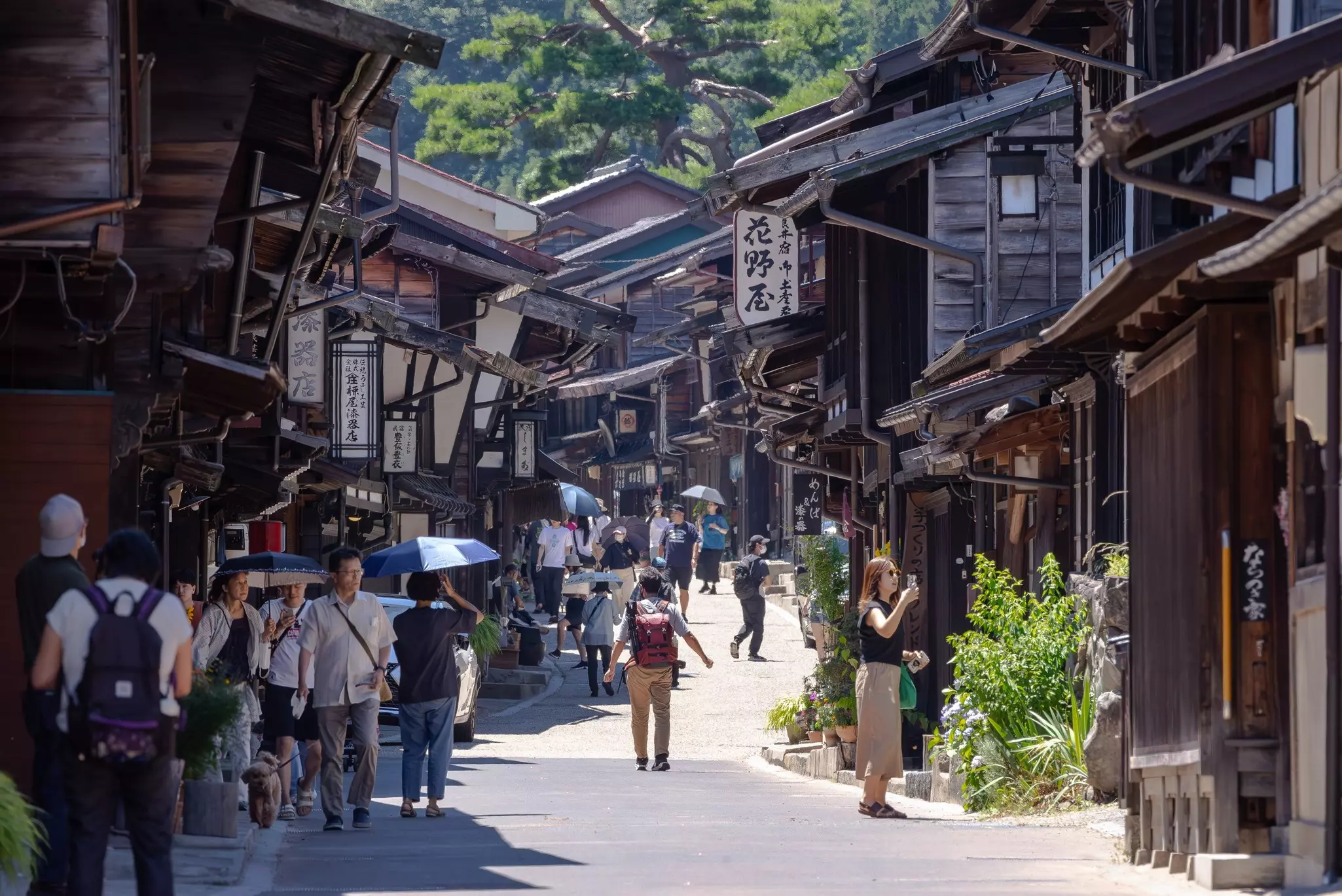
A world away from the hectic hubbub of Japan’s major cities, the wooden towns of Tsumago-juku and Narai-juku in the Kiso Valley are frozen in time. Connected via stone paths, forested byways and country lanes, these villages lie along the Nakasendō Way, a key route connecting Edo (now Tokyo) and Kyoto during the Edo Period (1603–1868).
The Tokugawa shogunate, which ruled Japan at the time, strictly controlled movement around the countryside; as most people had to travel on foot, so-called "post towns” sprang up along major routes way to cater to travelers’ needs. The Nakasendō Way runs for 540km on its way from Tokyo to Kyoto, but the section in Nagano Prefecture is particularly scenic.
Head to Magome (technically just over the border in Gifu Prefecture) to begin a relatively gentle 8km walk that winds through forests and past rice fields and local residences to Tsumago-juku, one of the best preserved post towns in the region. Stay at a minshuku (family-run budget accommodation) or ryokan (traditional Japanese inn) to experience local hospitality and Nagano cuisine.
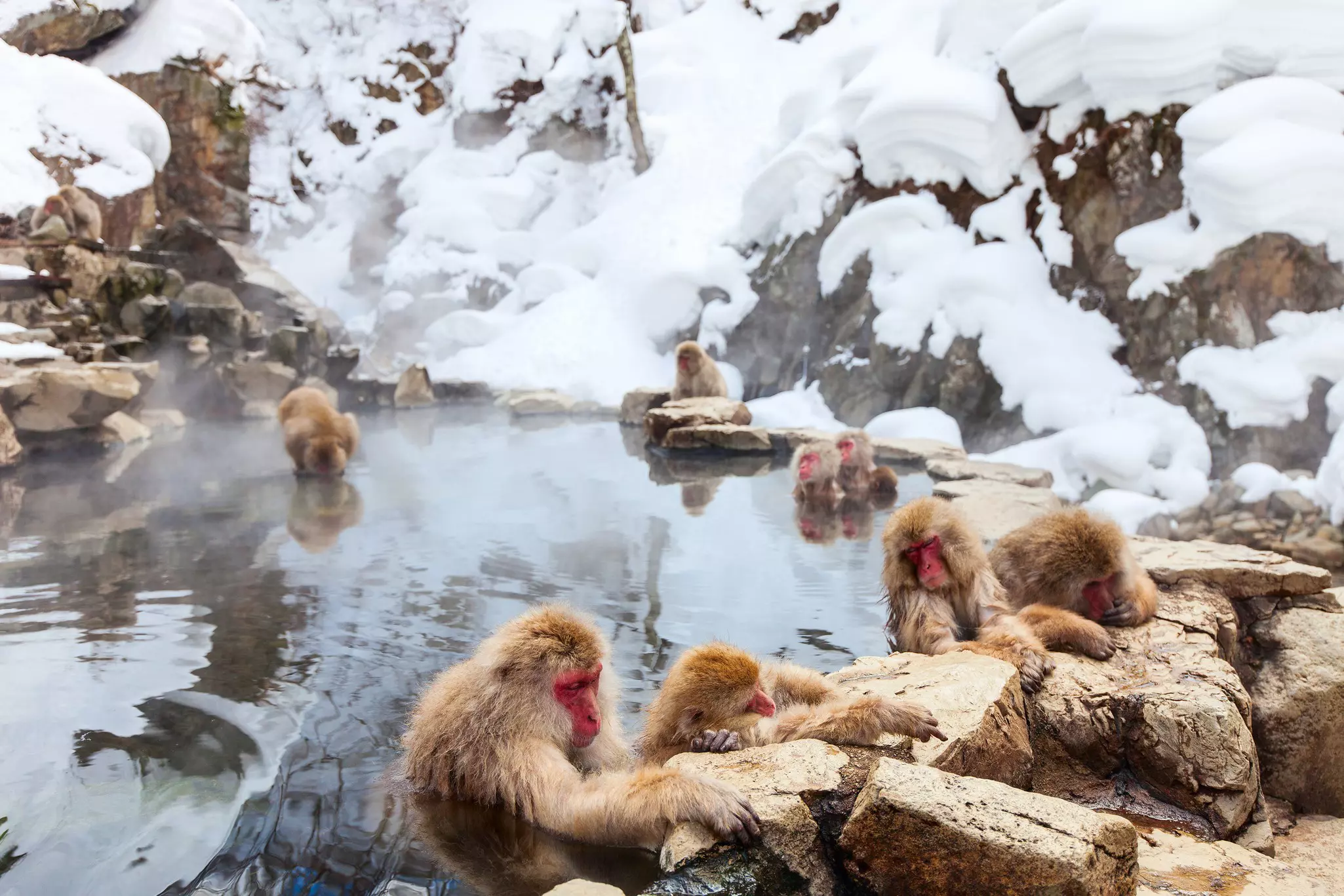
“The only place in the world where monkeys bathe in hot springs,” proclaims the official website of Jigokudani Monkey Park, and with a tagline like that, how can you resist? The Japanese macaques that escape the chill of the winter snow in these natural springs are undoubtedly one of the most iconic symbols of Nagano Prefecture.
Although the hot spring park was designated as a monkey park in 1964, the monkeys are entirely wild, freely coming to bathe and leaving as they like. While the setting is gorgeous, the name Jigokudani literally translates to “Hell Valley," a reference to its steep cliffs and steaming pools.
Set at 850m above sea level, the area usually has snow cover from December through March, but January and February are the best times to enjoy the scene with a blanket of white. Note that due to its remote location, reaching the hot spring involves a walk of 30–40 minutes from the bus stop; warm clothes and sturdy footwear are recommended.
Nagano Prefecture is a famous center for the production of sake. For a tasting-led afternoon, head to the tourist information center in the town of Suwa and buy a “Gokuraku Set,” which will give you a glass and a stamp card that lets you sample sake at five breweries, all within walking distance.
This small town is also famed for its lakeside setting, its onsen and castle, and the historic Taisha Shintō shrine, which has drawn pilgrims for 1200 years. Get here by train on the JR Chuo Line from Tokyo or Nagoya.
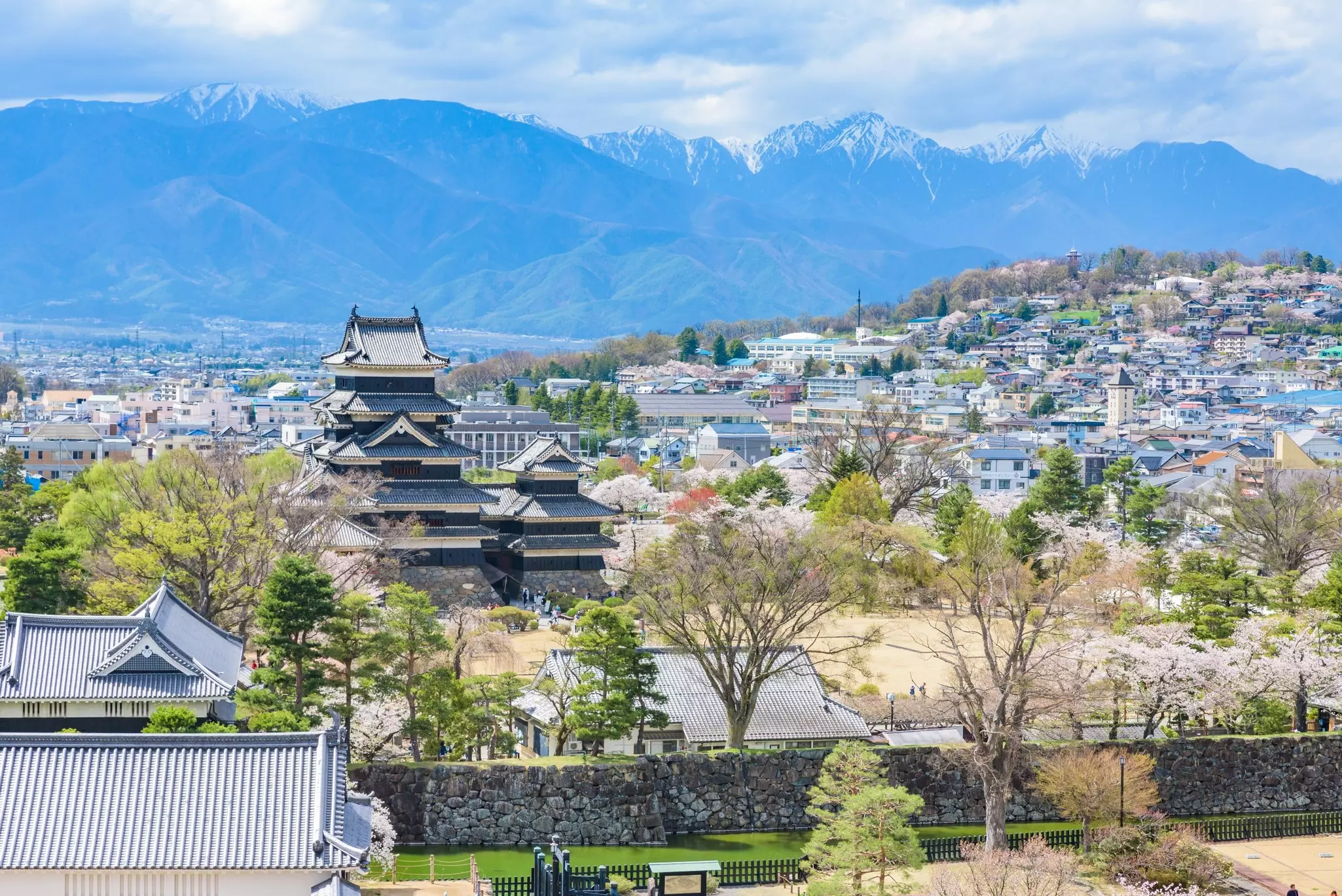
The one place I’ve found myself coming back to again and again is Matsumoto. I once even spent the New Year holidays there and ended up dancing in the street with locals at midnight. The next day, I took a morning run to a hillside park with stunning views of the snowcapped Northern Alps and welcomed New Year's Day feeling refreshed and at peace.
A compact, laid-back city, Matsumoto invites visitors to take a stroll, hop between a coffee shop or two, and soak up the atmosphere, while of course taking time to admire its striking castle, with one of only 12 original tenshu keeps still surviving in Japan.
First-time visitors should also stop by the Matsumoto City Museum of Art, which features works by the Matsumoto-born artist Yayoi Kusama (of polka-dot pumpkins fame). Foodies will enjoy a visit to Ishii Miso Brewery, where you can observe the miso-making process followed by a delicious miso-themed lunch.
While Nagano Prefecture is generally much cheaper than Tokyo, there are seasonal and regional price variations across the region. You'll need to loosen your purse strings if you’re headed to the upscale resort town of Karuizawa or any of the winter sports hubs – it’s best to book accommodations far in advance for the ski season.
A budget of around 15,000 yen (¥) per person per day is a good starting point for a no-frills trip, but it's easy to spend much more than this if you come on a ski trip or stay in more upmarket accommodation. As with most rural destinations in Japan, always carry cash, as cards are not accepted everywhere. Here are a few sample prices to help you budget for your visit.
Basic double hotel room: ¥7000
Basic double hotel room in the Hakuba ski area: ¥35,000
Basic ryokan stay: ¥10,000
Upmarket ryokan (with breakfast and dinner included): ¥40,000
Hakuba Valley 1-day lift pass: ¥10,400
Matsumoto to Kamikōchi bus ticket: ¥5000 one way
Casual dinner at an izakaya (Japanese pub-eatery): ¥3000–5000
Upmarket restaurant dinner: ¥10,000–20,000
Cup of coffee: ¥450–800
A pint of Japanese beer: from ¥500
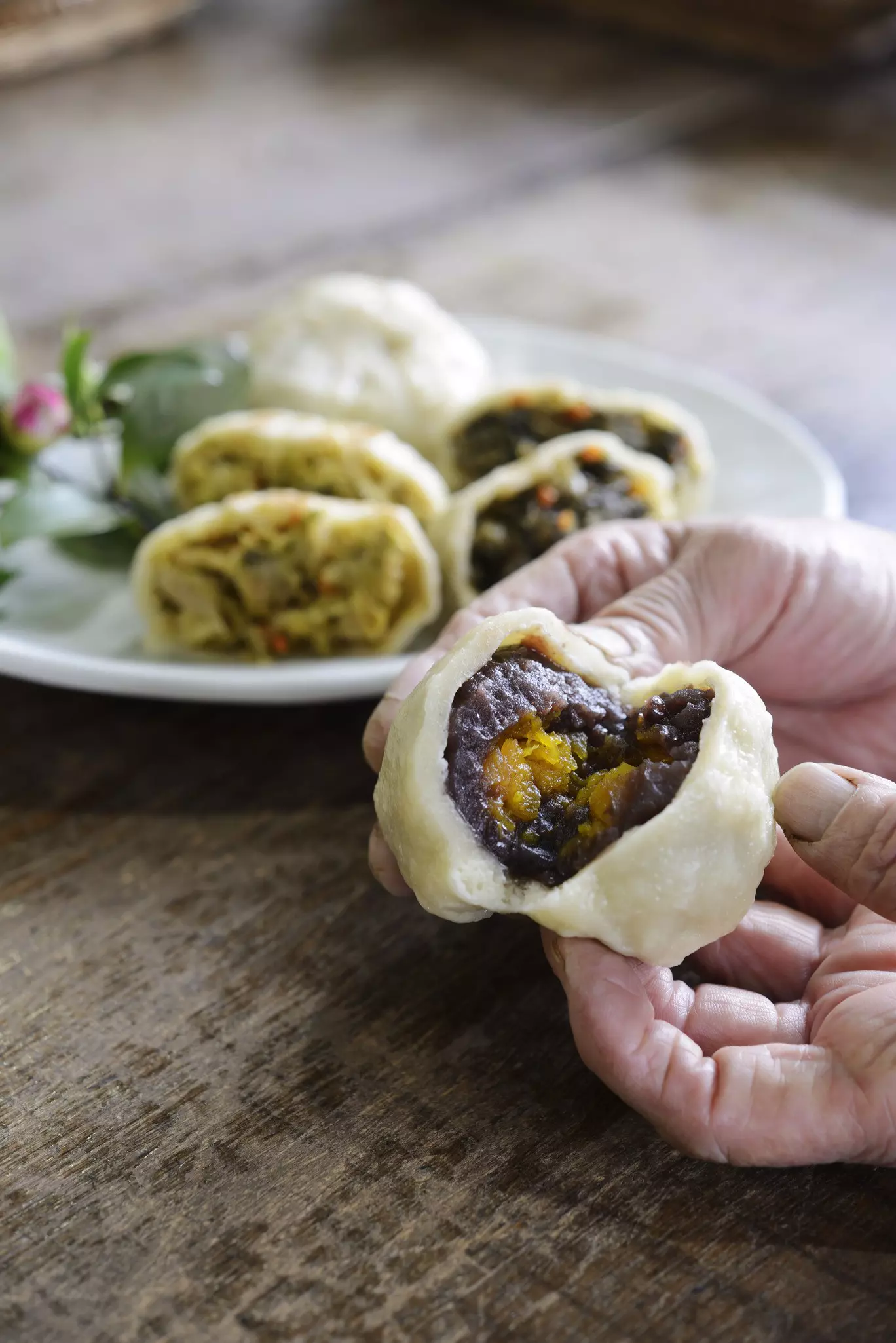
Nagano is known for its rich cuisine, based on an incredible diversity of local ingredients. First up, all visitors should start with oyaki, a kind of dumpling made from wheat or fermented buckwheat flour. Fillings can be savory or sweet – my absolute favorite is another local delicacy, pickled mustard greens, sometimes with some added chili for an extra kick.
The region’s soba (buckwheat noodles) are also renowned and particularly delicious when combined with wild mountain vegetable tempura in spring or mushroom tempura in the fall. Nagano is a landlocked prefecture, but many excellent dishes are made with fish sourced from local rivers – one local delicacy is the so-called "Shinshu Salmon," a crossbreed of female rainbow trout and male brown trout.
Shinshu wagyū(premium Japanese beef) is valued for its beautiful fat marbling and soft texture, and Nagano produces almost half of all the miso consumed in Japan. For the more adventurous, some traditional taverns serve hachinoko(wasp or bee larvae), often simmered in soy sauce and mirin (sweet cooking sake). Fear not – they taste just like mildly sweet shrimp or clams, and make an excellent topping for rice.
Lastly, Nagano Prefecture has some of the best sake in the whole of Japan. Suwa is one rewarding place to sample sake, but many other distilleries are dotted around the region. See the Nagano Sake website for listings.
As a mountainous region, Nagano Prefecture receives heavy snowfall, which is great for skiing, but inconvenient if you want to reach non-skiing areas during the winter season. Be aware that many attractions and roads away from the ski resorts are closed during the winter months. If you plan to explore with a rental a car, make sure you have snow tires for the icy driving conditions.
The hiking season at Kamikōchi National Park runs from late April to November, when hotels and roads close for the season; winter visits require you to be fully independent and equipped for the conditions. If you plan to visit Jigokudani Monkey Park in winter, note that the springs can only be accessed by taking the public bus, followed by a short walk.
People in Nagano know how to have fun, so be sure to check whether there are any local festivals, or matsuri, taking place before you set off on your travels. The Lake Suwa Fireworks Display in August is one of the most spectacular in the country, and there’s a second event in September to choose the new fireworks for the following year.
For music fans, the Matsumoto Grand Taiko Festival takes place on the last weekend of July every year, with performances by drumming groups from all over Japan. For a smaller yet wackier event, there’s the Frog Festival held on Nawate St every 2 years in June, with lots of frog cosplay, snacks and memorabilia.
For a truly spectacular and very rare experience, you should come back to Nagano during the dramatic and dangerous Onbashira Festival, held every 6 years (next scheduled for 2028), where giant tree trunks are cut down and rolled down a hill while being ridden by participants, before being dragged across a river and taken to Suwa's Taisha Shrine to replace its sacred wooden pillars.
Explore related stories