Jun 3, 20268 min read
Florida’s 13 best beachesJan 12, 2026
7 MIN READ
Writer
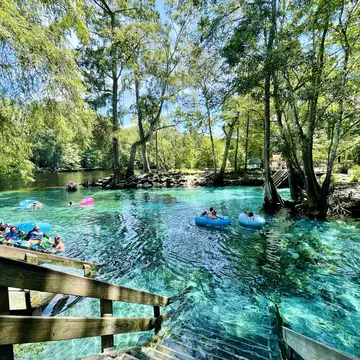
Tubers and swimmers at Devil's Ear Spring, Florida. Erin Westgate/Getty Images

Writer
Lonely Planet may earn a commission from affiliate links on our site. All recommendations and reviews reflect our own independent opinions.
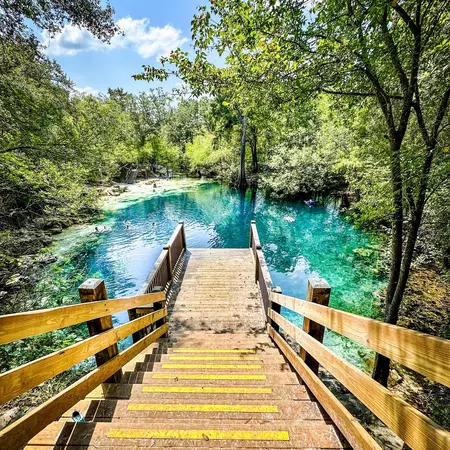
Florida beckons visitors to its more than 1000 freshwater springs, each pleasingly resting at around 70°F (21°C) and, when healthy, clear as glass. The best springs to visit are sheltered in state parks or national reserves, where visitors have ready access to swimming, tubing, boating and wildlife encounters.
Sunshine State visitors are spoiled for choice in natural springs because of the region's foundational layers of limestone and dolomite, which are easily dissolved by rainwater that seeps into the ground, carving out fissures, conduits and caves where the water pools. Springs form when groundwater under pressure flows out through natural openings.
These seven of the best springs in Florida are a few of our favorites.
Best for tubing
One way to experience Ichetucknee Springs State Park is to leisurely float along in a tube. Bring your snorkel gear and make your way down a half-mile trail dotted with cypress trees to Blue Hole Spring, the largest in the park. While roaming the park, look for beavers, otters, gar and softshell turtles. You may also see wild turkeys, wood ducks and limpkin (a large wading bird).
Planning tip: Couldn't fit an inner tube in your carry-on? Tubes and life jackets are available for rent within the park. Check which sections of the river are open before you arrive.
Best for kayaking
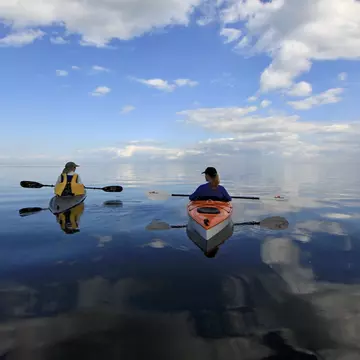
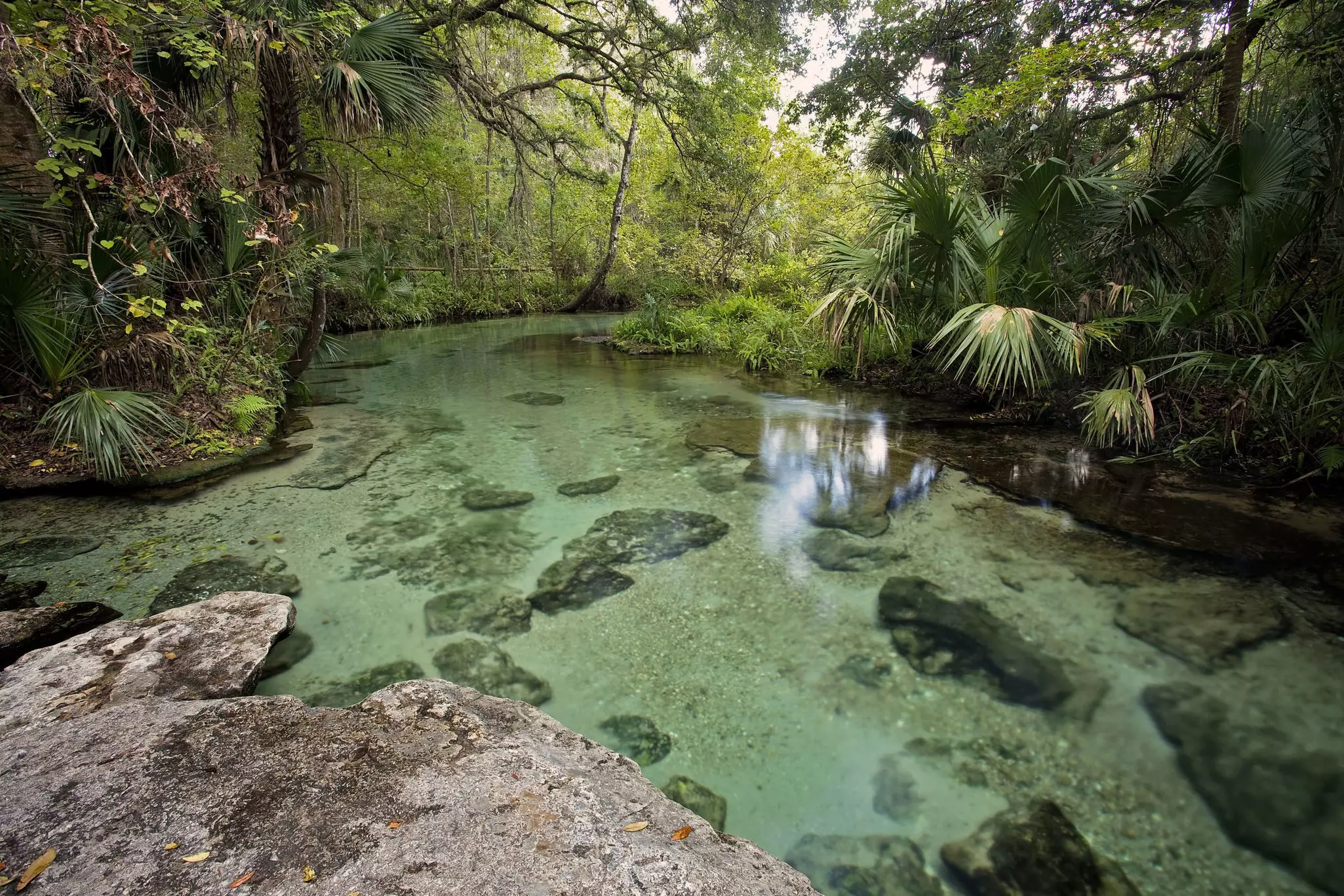
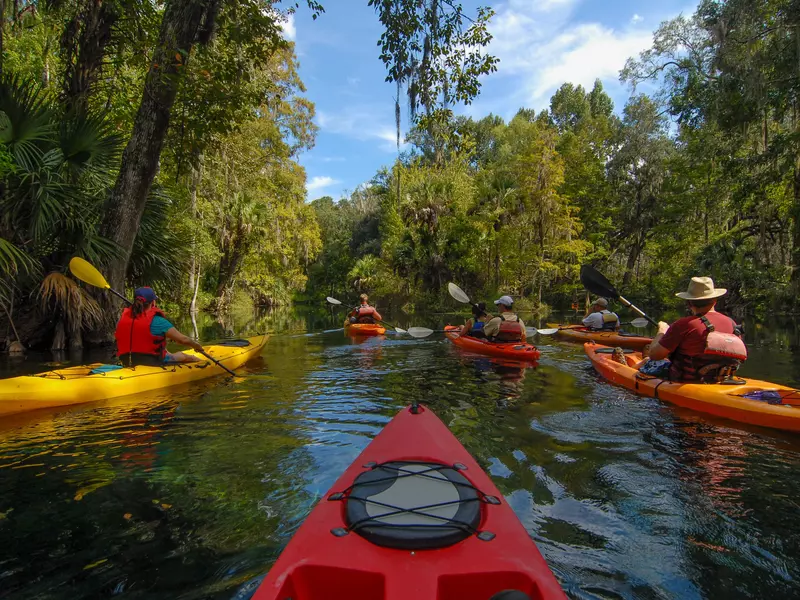
A tour with Get Up and Go Kayaking makes an excursion to Rock Springs Run State Reserve extra special. For starters, you'll paddle through the stunning water in clear kayaks, so it is super easy to spot fish and otters darting below.
Along with a knowledgeable guide, you’ll begin by kayaking from Kings Landing down a narrow canal and making your way to fantastic spots like Emerald Cut. It’s all upstream on the first half of the trip, so you’ll get a great workout.
The surrounding forest is home to deer, herons and egrets and the occasional black bear. Of course, there are gators, too, but typically they head in the opposite direction when humans come along, or they remain in their sunbathing spot without moving a muscle.
Planning tip: Be sure to wear your swimsuit – there’s a platform at Jacob’s Island where you can cannonball into the water below. This spot is only about 40 minutes from Florida's world-famous theme parks, yet it feels like a world apart. Here, it’s all about unwinding under the tree canopy, listening to the gentle hum of the cicadas and taking in the wild scenery around you.
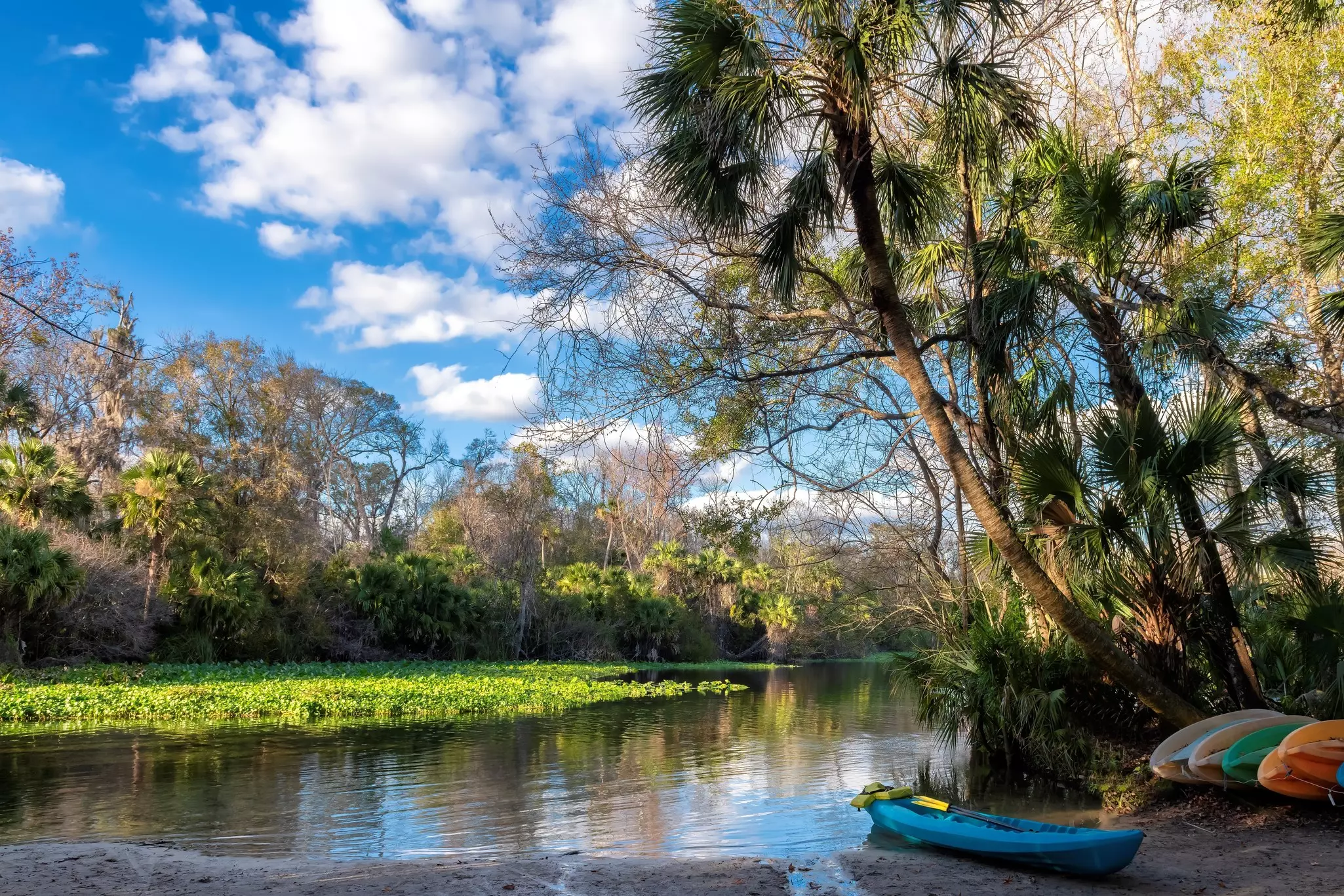
Best near Orlando
Wekiwa Springs State Park, about 20 miles from downtown Orlando, is a grand escape. Take a dip in the emerald springs any time of the year, hike the trails or head about a mile downriver to Wekiva Island. Make it your home base, rent a paddleboard and be on the lookout for turtles and birds galore. When your arms are exhausted, kick back in a private cabana, complete with a cozy couch, Adirondack chairs and a grill. Order up a charcuterie board and craft beer from the on-site restaurant.
Planning tip: If you’ve got enough energy left after that, hit the volleyball courts or enjoy a game of corn hole. If you visit during the winter, bring s’mores supplies: there’s a fire pit at the campground for roasting marshmallows.
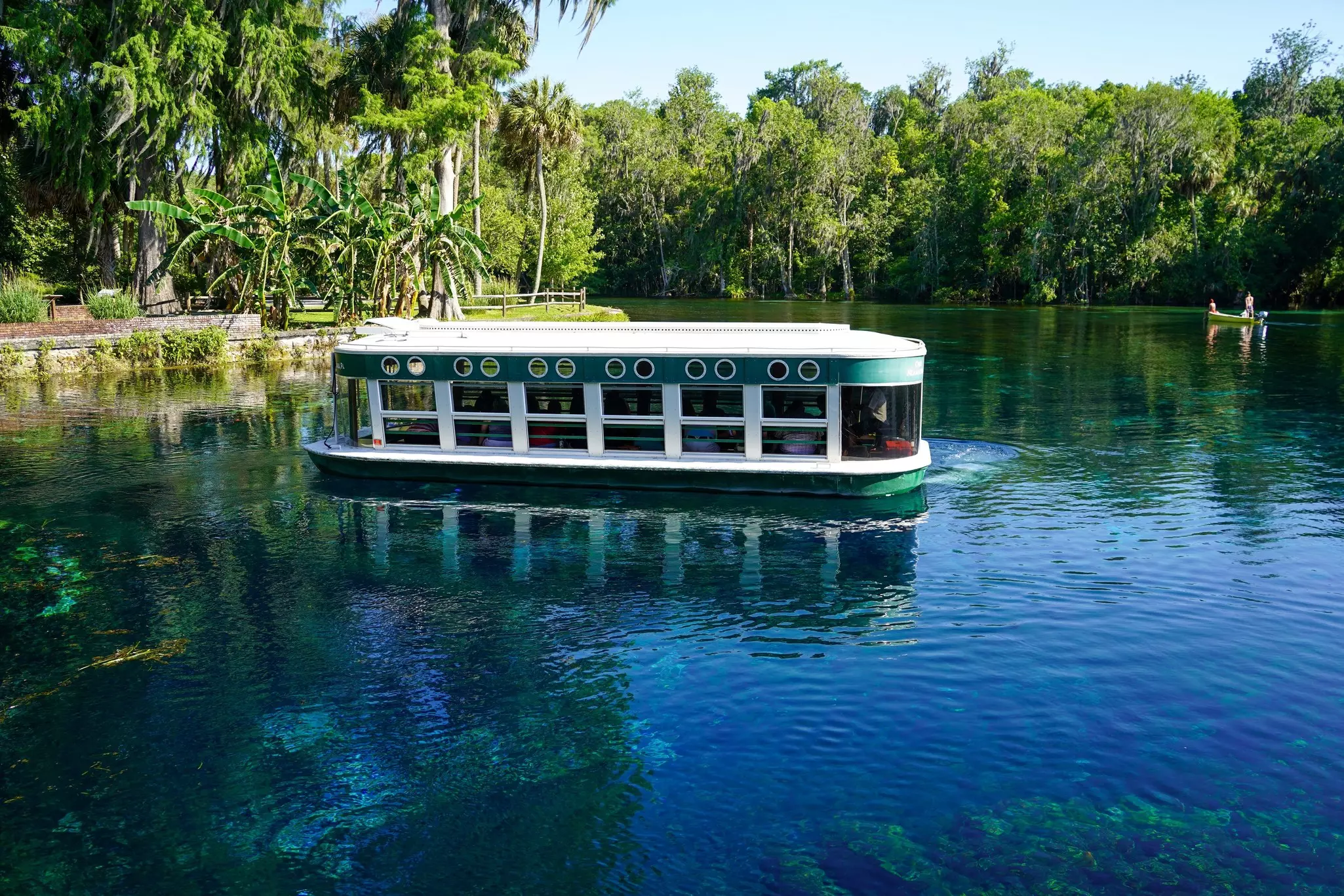
Best for glass-bottom boats
Back in the 1820s, 150 years before Disney World hit the scene, Silver Springs State Park was one of the most visited places in the state. By the late 1870s, the glass-bottom boat had come along, and it became a very convenient way for travelers to see the springs, one of the nation’s largest. Hollywood producers loved the exotic, jungle-like environs and crystal-clear waters, choosing it as a filming destination for classics like Tarzan and Creature From the Black Lagoon.
The spring-fed river that winds through the park will have you in awe. The bright blue water, beautiful strings of green algae and network of underwater caves are hard to beat. Of course, you’ll see fish galore, alligators on the banks and turtles resting on logs. Also, be on the lookout for the endangered Florida manatee.
Planning tip: What might come as a surprise when visiting Silver Springs is the rhesus macaques. Years ago, a boat captain released six non-native monkeys in the area, and now hundreds of them roam the 5000 acres of impressive forests and wetlands.
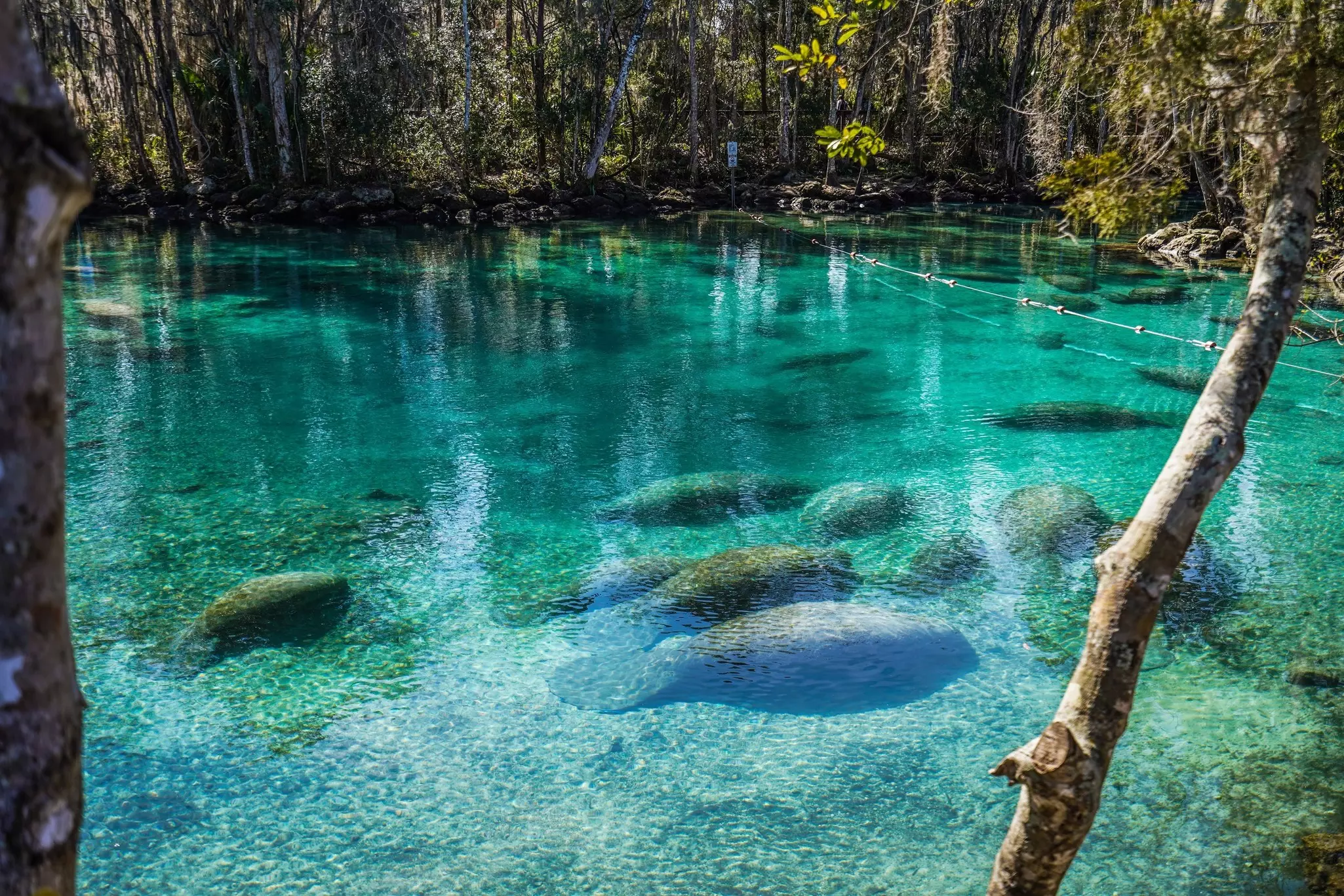
Best for seeing manatees
If you visit Crystal River’s Three Sisters Springs in the winter, you are nearly guaranteed a manatee sighting. You can spot them all year long in the clear water – West Indian manatees can weigh up to 1500 pounds, so they're hard to miss – but mark your calendar for November through March, when tons of them flock there to escape the chilly sea temperatures. You’ll soon see why it’s known as the manatee capital of the world.
Detour: Nearby Ellie Schiller Homosassa Springs Wildlife State Park, a 210-acre preserve, is another excellent place to spot manatees year-round. See them on a leisurely boat ride through the rainforest while keeping your eyes peeled for flamingos, blue herons and Key deer. Or simply view them from the elevated boardwalks and bridges among the many lagoons, or from the underwater observatory, where you can listen in on an educational talk.
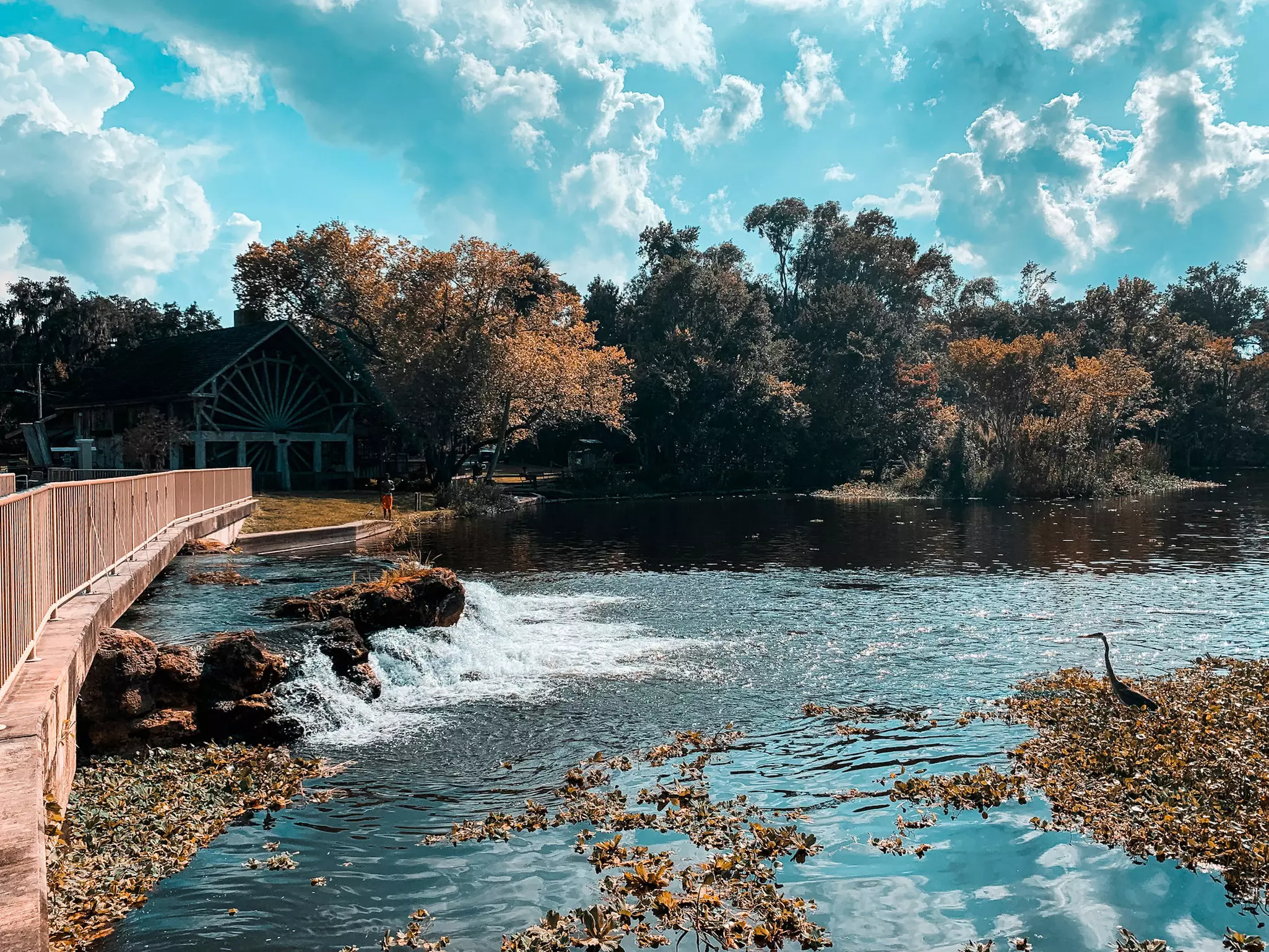
Best for families
Float your way down about 9.5 miles via canoe or paddleboat from the springs at De Leon Springs State Park (an hour-long drive from Orlando) into Lake Woodruff National Wildlife Refuge, which has been attracting visitors since the 1880s. Plan some extra time to hike on the trails there afterward. Gopher tortoises, turkeys, deer and gators roam these parts. With 18,000 acres of lakes and marshes, it’s impossible to be bored.
Planning tip: Before you explore the park, fill up with an all-day breakfast at the Old Spanish Sugar Mill Grill and Griddle House, inside a replica of an 1830s sugar mill – you can cook pancakes right at your table and add your own toppings.
Best for mermaids and underwater caverns
The turquoise waters in Weeki Wachee Springs State Park, about an hour north of Tampa, contain the deepest naturally formed underwater caverns in the USA. In fact, the spring is so deep that the bottom has never been found. Visitors can explore from the surface on boat tours and paddleboards (availability may be affected by the water level).
Planning tip: The park has long been known for its famous mermaid shows, a gleeful celebration of nostalgic kitsch. While there’s no mystery to the trick – the mermaids hold air hoses as they swim and gulp air as needed – there’s an undeniable magic to their effortless performances, which are scheduled two or three times a day.
Florida's freshwater springs generally sit at a constant average temperature of 72°F (22°C). The springs are concentrated across the Panhandle, in the northeast and around the central part of the state, above Orlando. While plentiful sunshine is always promised, in the northern areas, that can be tempered by a chill in the air in the winter (December to March), and the rainy season (mid-May to mid-October) brings brief albeit torrential downpours statewide.
Tourism is a major industry in Florida, and there are visitors just about all over at any time of year. School holidays, particularly in winter and around Easter in spring, are guaranteed to be busy, and expect to be joining locals enjoying the attractions in their own backyard on weekends.
Activities at the springs are unsurprisingly affected by the water levels, so always check what's possible before you head out for the day. Each park sets its own opening hours and fees, and you may need to make reservations for equipment like kayaks and paddleboards in peak times.
Visitors with mobility issues can often still enjoy Florida's natural springs via boardwalks and boat tours, depending on the location.
Springs in protected reserves are a great destination for travelers but also a haven for wildlife. Always follow the posted safety rules, use common sense when animals are within your vicinity and respect the environment for fellow visitors and the inhabitants.
Explore related stories