Sep 23, 202613 min read
15 Best Things to Do in EstoniaAug 17, 2026
17 MIN READ
Writer
Autumn colors on the banks of Loch Alvie, Cairngorms, Scotland. Judith Andrews/Shutterstock

Writer
Lonely Planet may earn a commission from affiliate links on our site. All recommendations and reviews reflect our own independent opinions.
Many people wait all year for summer’s sunshine days, but I wait for fall. When mornings and evenings beckon for a cozy sweater, soup is back on the menu, stargazing conditions are a chef’s kiss, and the landscape slowly morphs into a rustic tapestry of reds, golds and everything in between, my excitement is palpable. As a travel photographer and writer who grew up in and is based in Upstate New York, I'm happiest in autumn, when I’ll willingly sacrifice sleep for misty sunrises. My camera and I are up for all the leaf-peeping endeavors: hiking, paddling, camping and road-tripping any back roads I can find.
For the last 15-plus years, I’ve captured foliage-dappled landscapes all over the globe. From fiery maples and copper-colored tundra to liquid gold aspens and larches, these are the best places to take in fall’s magic around the world.
Best for hiking enthusiasts
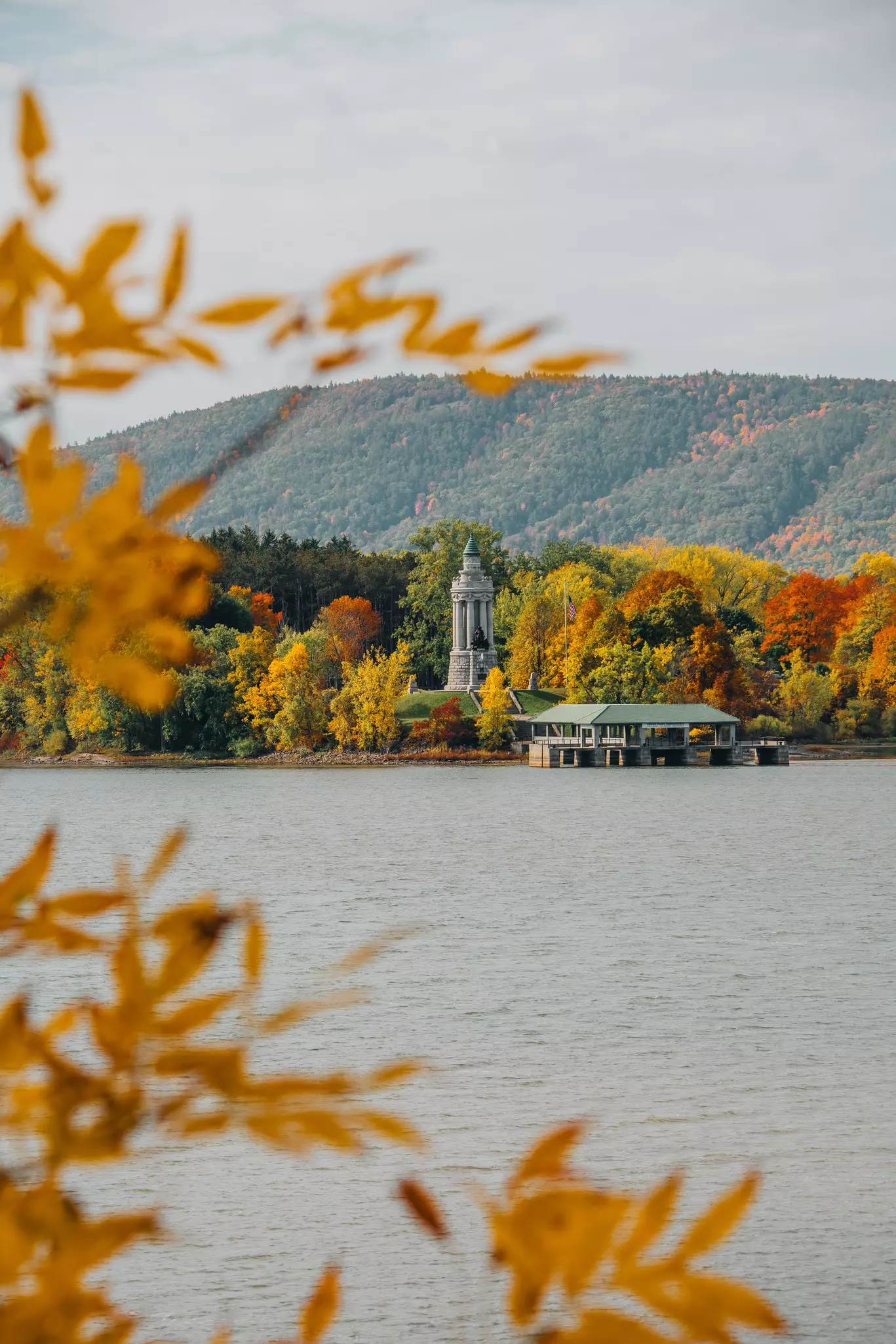
I’m admittedly partial to the Adirondacks, seeing as it’s my backyard. But each fall, there’s a reason I halt my travels to carve out time at home: it’s brilliant. The seasonal shift slowly begins in August, and by mid-September, the landscape erupts in a diverse medley of hues, thanks to our red and sugar maples, beeches, tamaracks and birches. With an extensive network of lakes, ponds, rivers and streams, leaf-peeping from the water is a must, as well as our numerous hiking trails. Self-driving one of the 14 scenic byways that meander through the wild and rugged lands of the Adirondack Mountains is a real treat, too.
For a nostalgic fall stay with the best bits of the park at your fingertips, don’t miss out on Elk Lake Lodge. This all-inclusive wilderness lodge is a hidden slice of old-school Adirondacks, tucked into the High Peaks region. It has one of the best views in the park, and there's even a dinner bell that calls guests to the table each evening.
Getting there: There are various ways to access the vast 6-million-acre Adirondack Park. Driving from Montréal takes about an hour and a half along I-87, 4 hours from New York City, and 5 hours from Boston. Flying into Albany International Airport (ALB) puts you about an hour and a half away, while Burlington International Airport (BTV) and Syracuse Hancock International Airport (SYR) are approximately 2 hours' drive away. I highly recommend renting a car for the best access throughout the park.
Planning tip: Follow the Foliage Tracker Map for the most up-to-date information on color progress throughout the park. If you plan to book a cabin or popular accommodation for the weekend, you’ll want to book at least a few months ahead.
Where to try it: Try island camping on Saranac Lake. Attend one of the several fall festivals, like the Adirondack Balloon Festival in Lake George or Whiteface Oktoberfest in late September. Hike Cascade or Giant Mountain to check off a High Peak, or bike the 34-mile Adirondack Rail Trail. Fall provides fantastic stargazing conditions, with Tupper Lake being one of the up-and-coming dark sky areas. Hike up the resident Coney Mountain (2 miles round trip) for a 360-degree night sky view, or head to the Adirondack Sky Center & Observatory.
Best for photography enthusiasts
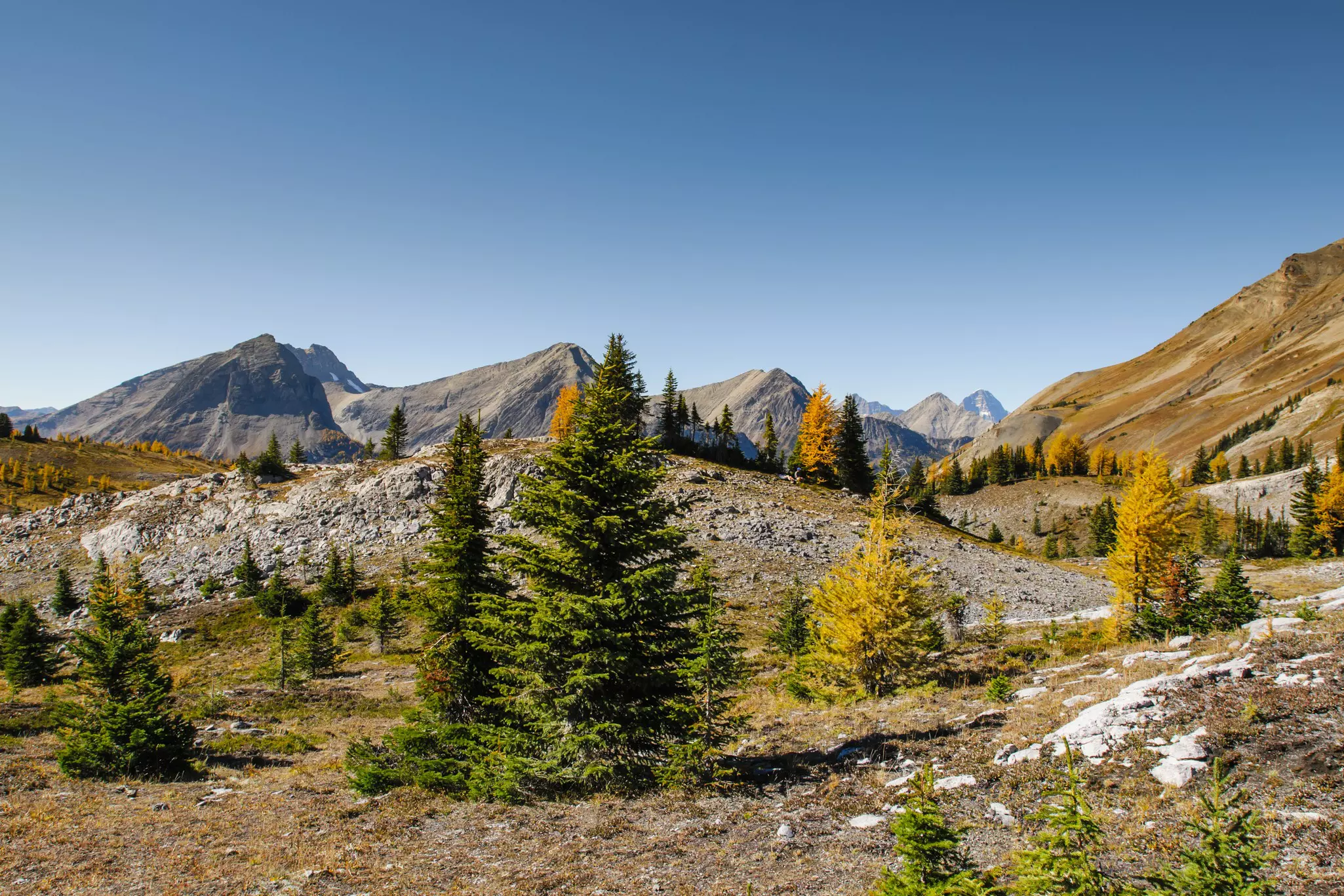
Think mountain-fringed alpine lakes, sprawling swaths of golden larches and possible wildlife sightings of elk, moose, big-horned sheep and more. From mid-September to mid-October, larch trees in Alberta, Canada, warm the landscape with pops of yellow. With five national parks and more than 400 provincial parks, Alberta is an endless outdoor paradise. Since many of them are fairly close together, it’s possible to park-hop during your trip (or even in a single day). Basing yourself in the town of Banff or Jasper will put you in an ideal position to explore, but also provide you with a plethora of spots to eat and drink well after your adventures.
Don’t miss out on off-beat gems like Spray Valley Provincial Park, the quaint town of Canmore, and an overnight stay at Banff Sunshine Village, where you can take the gondola up to hike around Sunshine Meadows – untouched beauty known for larches.
Getting there: Fly into and out of Calgary airport (YYC); it’s only an hour and a half from Banff National Park. Alternatively, if you plan to visit Jasper National Park, you can fly into Edmonton International Airport (YEG), which is approximately three and a half hours away.
Planning tip: Road-trippers should download a map from Google Maps to use offline, as there are several areas with no cell service. Watch out for wildlife when driving, and buy a can of bear spray as a precaution if you plan to hike.
Where to try it: Visit Banff’s iconic and beautiful spots like Lake Louise, Two Jack Lake (great for sunrise), Moraine Lake (also a popular sunrise spot, but a shuttle is required), and Johnston Canyon. As you make your way north, Peyto Lake will have you grabbing your camera once again, but then again, the entire Icefield Parkway is ridiculously scenic. Once in Jasper National Park, more beautiful adventures abound, from the Valley of the Five Lakes Trail to pretty-as-a-picture Pyramid Lake.
Best for solo travelers
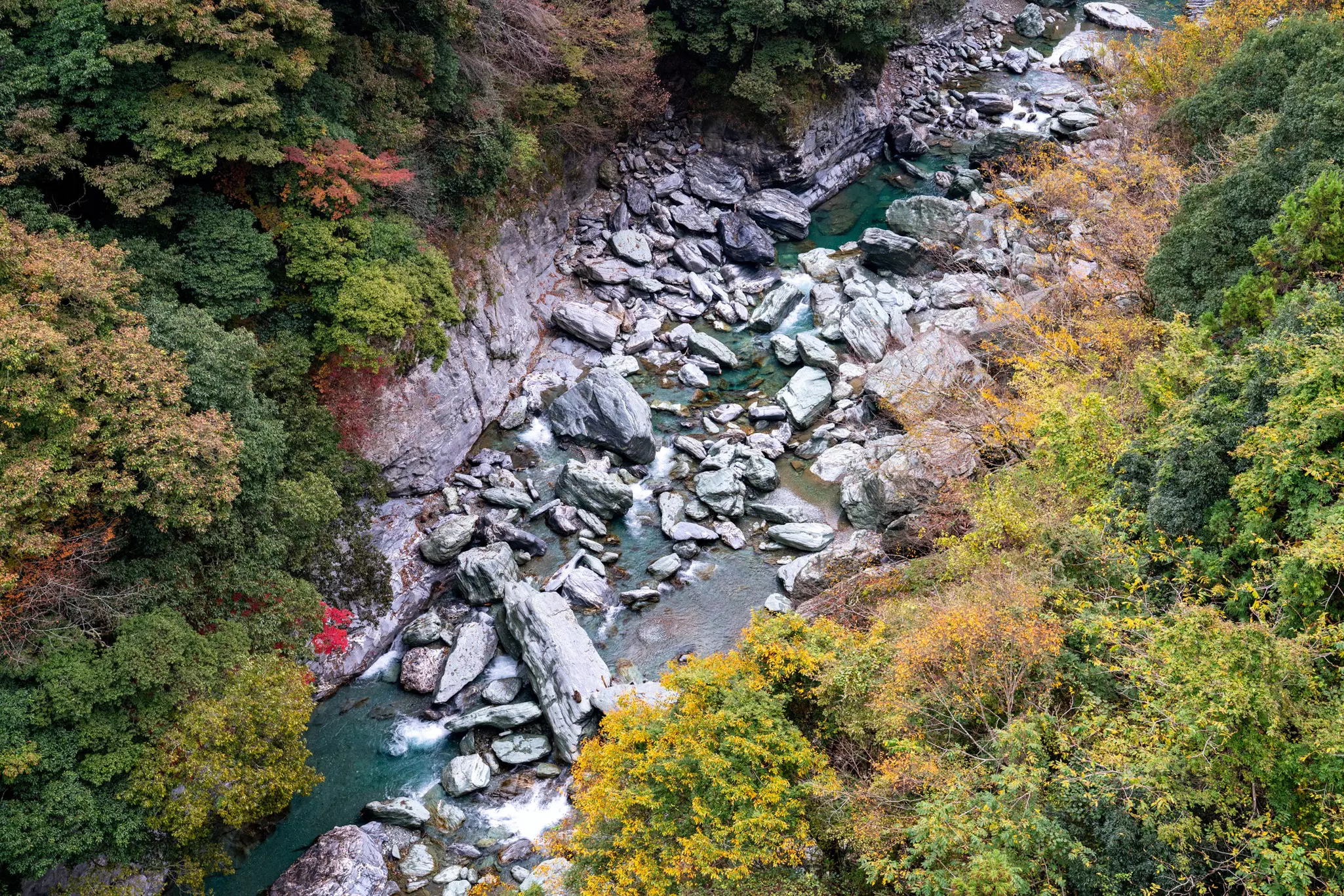
Japan is a top-notch fall destination, with travelers flocking to Tokyo, Mt Fuji, Kyoto, Nara, Hokkaidō and Nikkō to marvel at a foliage cocktail of bright yellow ginkgo and crimson maple trees paired with ancient temples and mountains. But as the smallest of Japan’s four main islands, Shikoku has managed to remain relatively under the radar for travelers. One of the most remote destinations in the country, the Iya Valley has deep mountain gorges flanked by foliage, which are a striking contrast against the luminous turquoise of the Iya River.
Autumn’s crisp air makes onsen soaking that much more enjoyable, especially after a day of hiking. The Hotel Kazurabashi has a hot spring experience that is reached via cable car, overlooking the mountains’ fall kaleidoscope. Afterward, enjoy Sanuki udon, the Kagawa prefecture’s regional specialty, at their restaurant.
Getting there: Travelers can connect to Takamatsu Airport via domestic flights from both Tokyo airports, and then hop on a bus to the valley. Trains to Ōboke Station run from Kochi (50 minutes) and Okayama (around an hour and a half). Additionally, some direct buses connect Osaka to Awa-Ikeda, taking approximately 4 hours.
Planning tip: Colors change starting in the north of Japan and work their way south, so Shikoku’s peak foliage is typically early December.
Where to try it: Take a leisurely 30-minute boat cruise through the Ōboke Canyon, and visit the Kazurabashi vine bridge, where you’ll view stunning scenery. While there, try Iya no dekomawasi, a local delicacy sold by vendors, consisting of grilled skewers with goshuiimo potato, buckwheat dumplings and firm tofu, topped with a miso sauce. Hiking enthusiasts might want to consider a multi-day Shikoku pilgrimage trek with Walk Japan. I completed their seven-night/eight-day itinerary in the fall, and it was an immersive feast for the senses, with rich culture, cuisine and scenery.
Best for foodies

Stay connected abroad with an eSIM
Holafly eSIM provides unlimited mobile data with no hidden fees, giving you peace of mind wherever you travel. Stay connected even after your plan ends with Always On. Use code LONELYPLANET for an exclusive discount.
Lonely Planet may earn a commission from affiliate links on our site. All recommendations and reviews reflect our own independent opinions.
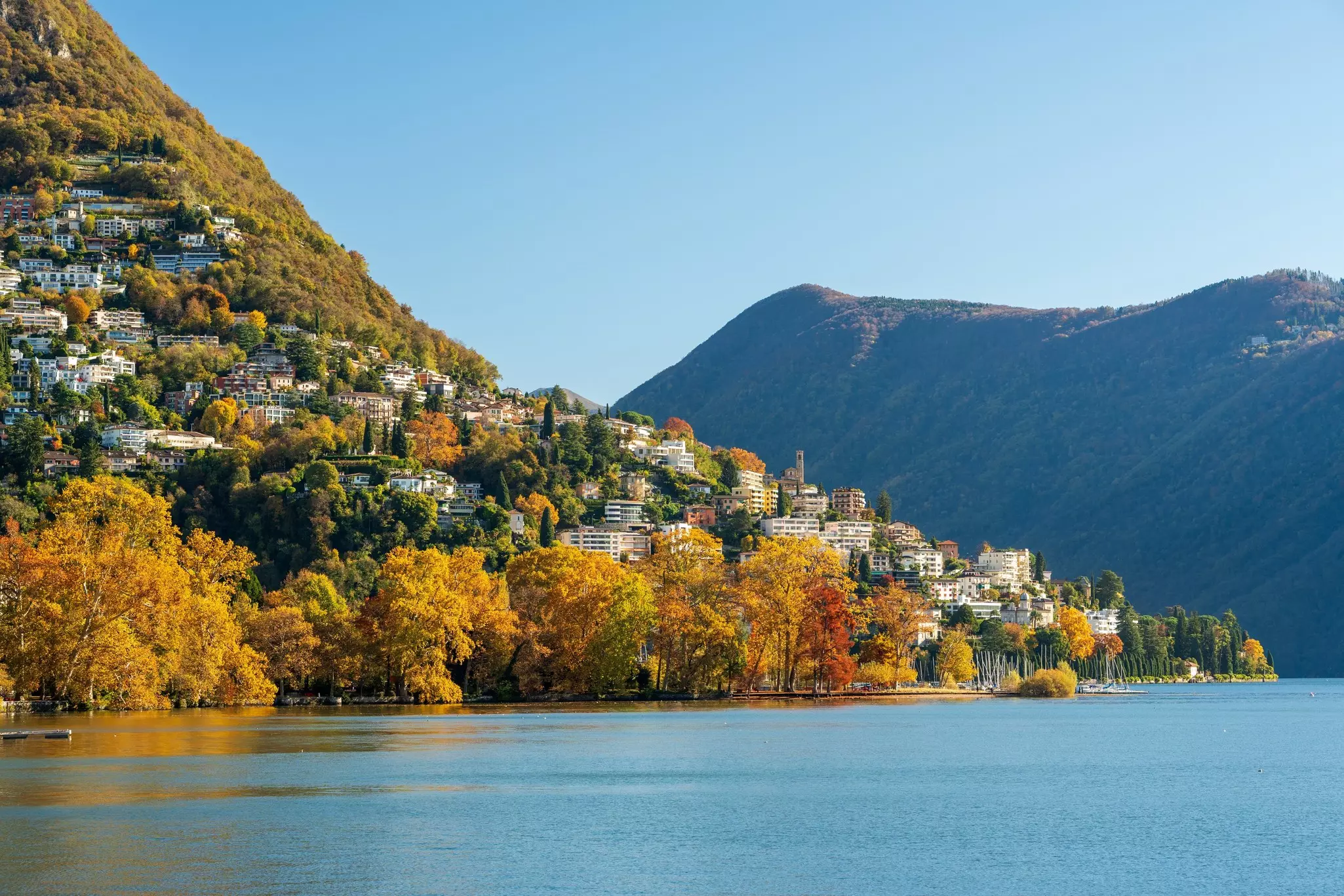
I’m convinced that Ticino has long been the inspiration for storybooks, fairytales and postcards. Known as the sunny side of Switzerland, the Swiss Riviera borders Italy and is a truly lesser-known paradise where dramatic mountain peaks and palm trees mix with Italian cuisine and Lake Como vibes without the crowds. The fall season adds foliage to the whimsy, with gilded chestnut trees, orange-hued larches and acres upon acres of scarlet vineyards.
My favorite village is Ascona, on the northern shores of Lago Maggiore, where al fresco dining, relaxation and adventure come together in the perfect marriage of Swiss and Italian cultures. Switzerland isn't usually considered a beach destination, but Hotel Eden Roc Ascona might convince you otherwise. Billed as the country’s "only true beach resort," the luxury property is a hub for Ticinese culture and cuisine, as well as outdoor adventures such as boating, hiking and parasailing – even in autumn, when the weather is mild and sunny.
Getting there: Getting to Ticino is surprisingly easy. If you choose to fly into Zurich, just hop on a train for about 2 hours, and boom, you’re there. Alternatively, you can fly into Milan and take the train in under 2 hours.
Planning tip: Autumn weather kicks off in mid-October, thanks to the milder climate. Plan your visit around October’s Chestnut Festival, with traditional fire roasting and a market featuring local goods and crafts.
Where to try it: Climb aboard the Il treno del foliage, aka the scenic Centovalli train, a narrow-gauge railroad that takes you on a 32-mile route between Locarno, Switzerland, and Domodossola, Italy. Don’t skip out on visiting a traditional historic grotto restaurant, where you can try local specialties like brasato (stew), Swiss risotto, polenta, formaggio d'alpe, torta di pane, fresh pasta and the delightful Il Bianco di Chiara (a white merlot). One of my favorite restaurants is Grotto Cà Rossa, where the risotto au merlot still fuels my food daydreams.
Best for families
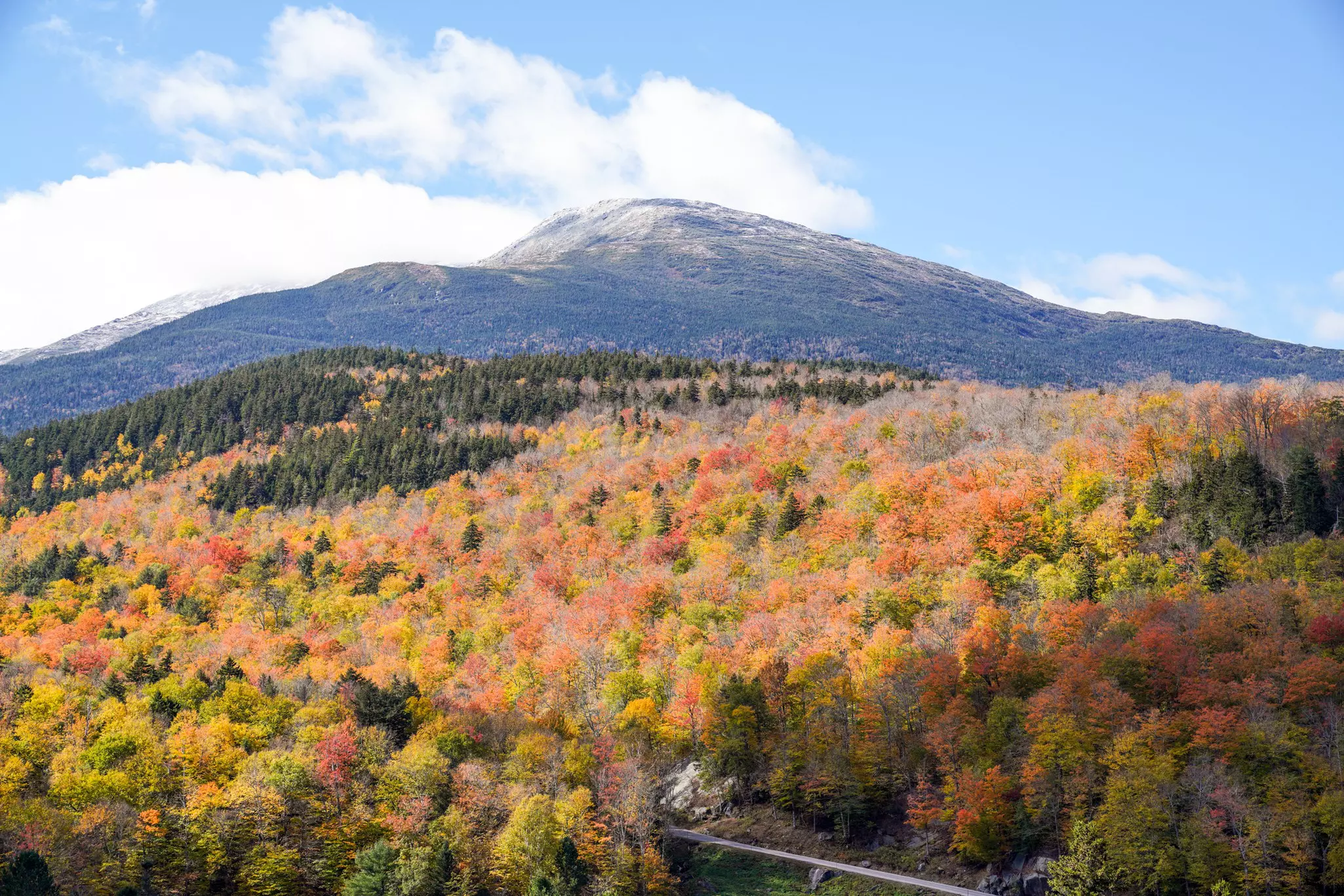
New England as a whole puts on quite the color show, but the Granite State’s White Mountain National Forest is especially renowned for a spectacular foliage display. Every autumnal color you expect shows up vividly, and there’s no shortage of fun activities to pay homage to it all properly. Everything from the famous Franconia Notch State Park to giant Mt Washington is prepared to knock your New England socks off.
Getting there: Boston-Logan International Airport (BOS) is a little under 3 hours away, while Portland International Jetport (PWM) and Portsmouth International Airport (PSM) are approximately 2 hours away. You will definitely want a rental car to explore the area.
Planning tip: Drive the Kancamagus Highway early in the morning to avoid the crowds. This way, you won’t be elbow to elbow with other leaf-peepers at overlooks, and if you choose to hike one of the trails off the highway, it will be much more enjoyable.
Where to try it: Take the Mount Washington Cog Railway to the “top of New England,” where you’ll climb Mt Washington aboard a historic locomotive and enjoy sweeping views. Drive the 34.5-mile, incredibly scenic Kancamagus Highway, stopping for photos and a jaunt through the woods via trails like the 2.8-mile Boulder Loop Trail featuring a covered bridge and fantastic views, and Champney Falls, a family-friendly, 3-mile out-and-back trail where you can gawk at the 70-foot-tall Pitchoff Falls.
Best for remote-destination lovers
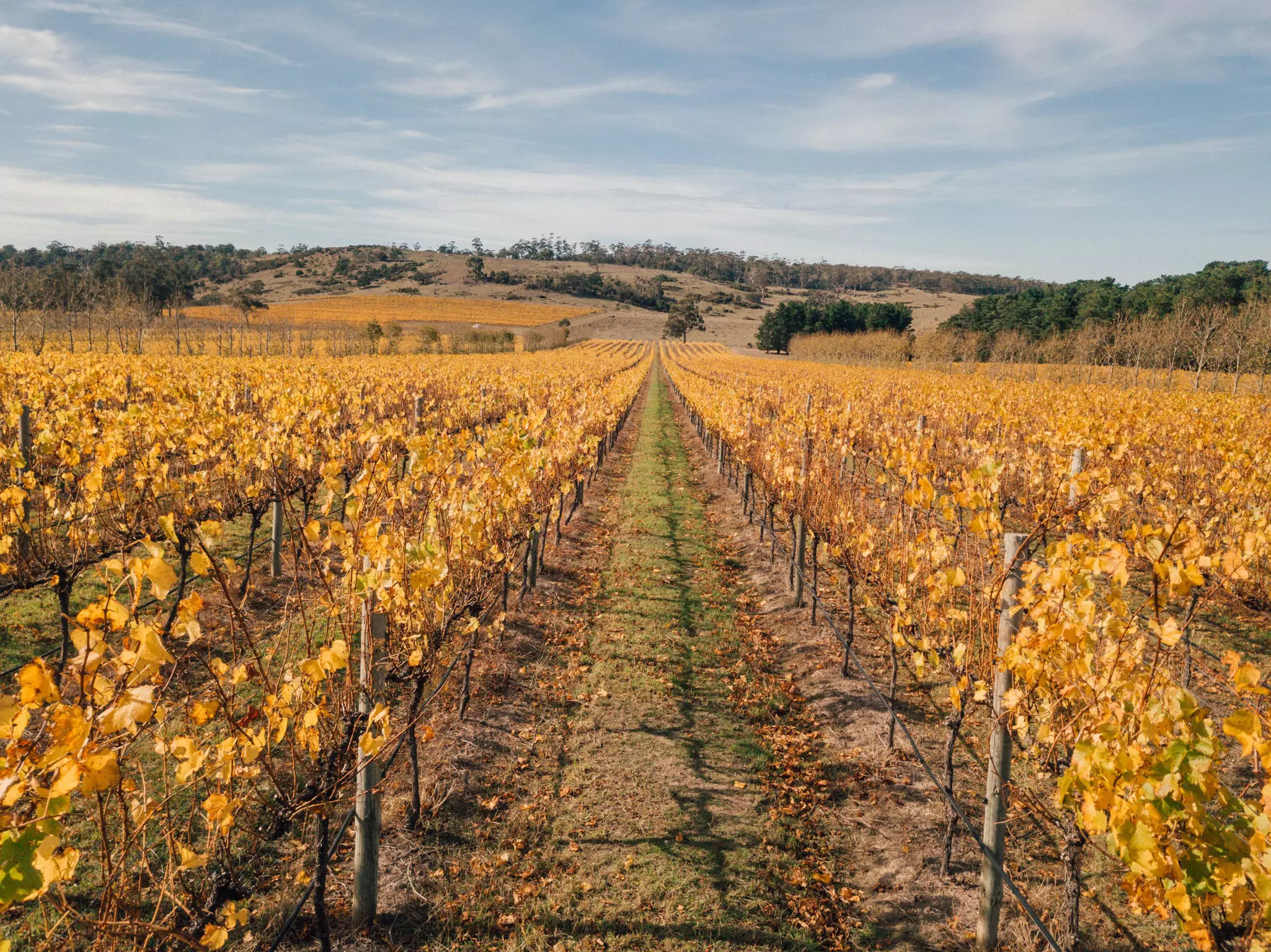
How about foliage viewing at the southern edge of the world? Every April and May, Australia’s wild island state of Tasmania experiences the "turning of the fagus," a progression from yellow to gold, orange to red, and eventually rusty brown across the landscape thanks to the low-to-the-ground native fagus tree. Make sure to indulge in the island’s culinary scene as well; try scallop pie, local honey, oysters, pinot noir and Sauvignon Blancs.
Book a nature-immersive stay at Pumphouse Point, a wilderness resort situated on the lake in Cradle Mountain-Lake St Clair National Park. It’s a one-of-a-kind boutique, all-inclusive stay at a historic industrial property with on-site trails, paddling, fishing and experiences like community meals.
Getting there: Given its remote location, traveling to Tasmania is an effort but completely worth it. Most will arrive at Hobart International Airport (HBA), direct via domestic flight from cities like Sydney, Melbourne and Brisbane, as well as Auckland, New Zealand.
Planning tip: Rent a car for more freedom and flexibility to get into the national parks to maximize your fagus viewing opportunities. Note that driving is on the left side of the road.
Where to try it: Explore Mount Field National Park, a hotspot for turning fagus that is easily accessible from Hobart in an hour and a half. Take the short (0.8-mile), flat trail to the multi-tiered Russell Falls, a popular photography spot. Drive Dobson Rd, and you’ll get your fagus fix too. Book a guided kayak trip with Cradle Mountain Canyons, where you can paddle Dove Lake in a hand-crafted vessel, made from native King Billy trees. After, hike the 3.7-mile Dove Lake Loop Trail to view expanses of fagus amid the dramatic mountain landscape.
Best for road-trippers
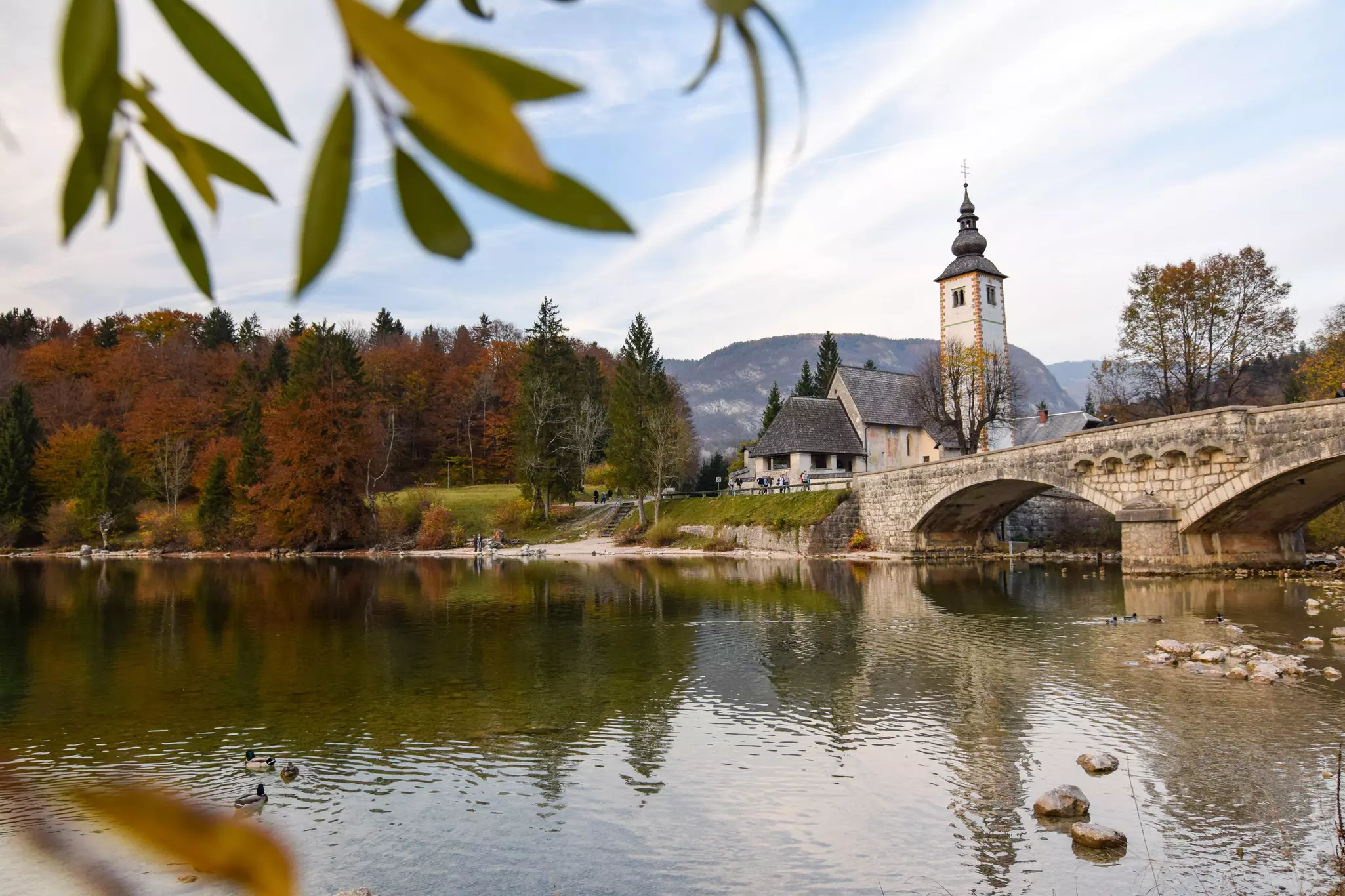
Situated in Slovenia’s Triglav National Park within the gobsmacklingly beautiful Julian Alps, Lake Bohinj is a large glacial lake speckled with autumn foliage during the first few weeks of October. I love Lake Bohinj because it’s quieter and less crowded than neighboring Lake Bled, though it’s possible to visit both in one day. Early fall mornings on Lake Bohinj are quite special: calm foliage reflects in bright blue water, and strips of fog adorn the mountains. Appreciate the beauty in full with a flat trail walk around the lake, either in its entirety (6.8 miles) or just a section along the south or north shores.
Families with younger children can enjoy shorter nature walks, particularly Goldhorn’s Fairyland Trail, an interactive nature path.
Getting there: Fly into Ljubljana Airport (LJU), and drive about an hour northwest to Lake Bohinj.
Planning tip: Base yourself in serene Lake Bohinj, and visit Lake Bled early in the morning to minimize the crowds. The traditional wooden pletna boats to Bled Island and the Mother of God Church start at 8:30am in October, so it’s wise to be on one of the first.
Where to try it: Take a cable car up to the Vogel viewpoint for a panoramic vista. From here, there are many activities, such as mountain biking and hiking, including the trail to Zadnji Vogel, an alpine meadow. Another fabulous lookout is Vodnikov Lookout Point, or take the stair trek to Savica, a popular and beautiful waterfall. Carve out some time to do a scenic drive along Stara Fužina to the Vogar Viewpoint (a short walk from the parking area). The switchback-riddled route offers dazzling views into the canyon and driving past waterfalls until you reach the viewpoint overlooking Lake Bohinj. Hiking enthusiasts should embark on the 7-mile Mostnica Gorge Trail, which weaves into the lush Voja Valley, rewarding trekkers with a waterfall at the end.
Best for wine lovers and couples
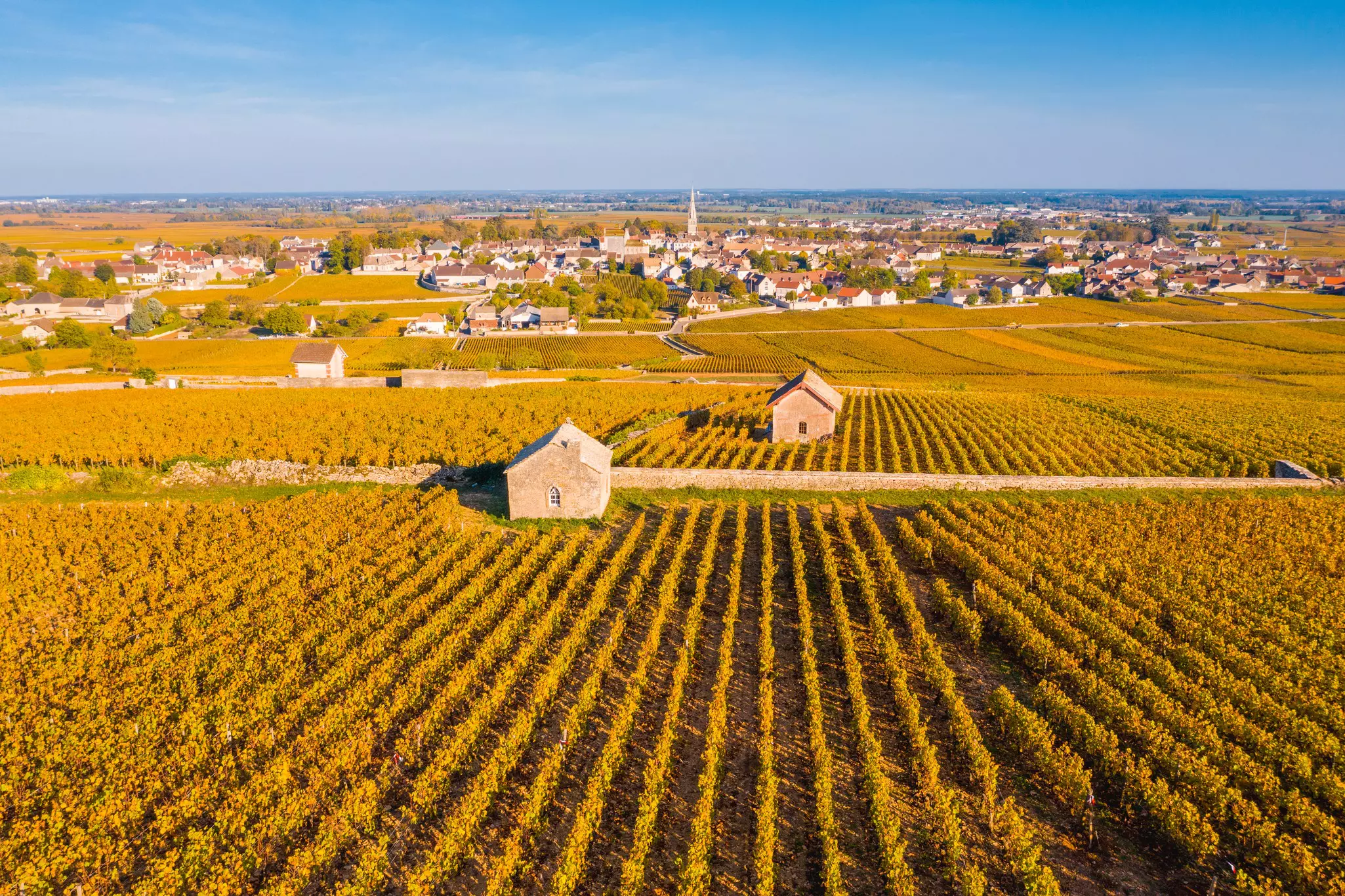
Locals will tell you that fall is the best season in Burgundy. Vineyards turn crimson, forests don shades of ginger and gold, and it’s the ideal time to cozy up and savor one of the region’s world-class wines.
In addition to fantastic wine and seasonal dishes, you can appreciate autumn with everything from horseback riding to hiking, and even a hot-air balloon ride. Slumber at Château la Commaraine, a working vineyard with a specialized harvest season "wine safari" through the Côte de Beaune vineyards.
Getting there: Take the train from Paris in under 2 hours, connecting to various towns in the region, which is situated southeast of the capital city. Burgundy is also accessible by flying into Paris or Lyon, or Geneva, Switzerland, all within a few hours' drive.
Planning tip: Peak foliage is typically mid- to late October, with harvest season starting in September.
Where to try it: Of course, the cities of Dijon, Beaune and Auxerre are worth visiting, but for top leaf-peeping, make sure to spend some time wandering cobblestone lanes in the smaller countryside villages like Vézelay (the basilica is a UNESCO World Heritage Site), Châteauneuf-en-Auxois, Flavigny-sur-Ozerain and Noyers-sur-Serein. Wine lovers should embark on the 37-mile Route of Great Wines – stretching from Dijon, south to Santenay – and spend time wine-tasting like royalty at various castles amid the fall scenery. In Southern Burgundy, join a guided moped or e-bike tour through Mâconnais, which includes a vineyard picnic.
Best for birdwatchers and families
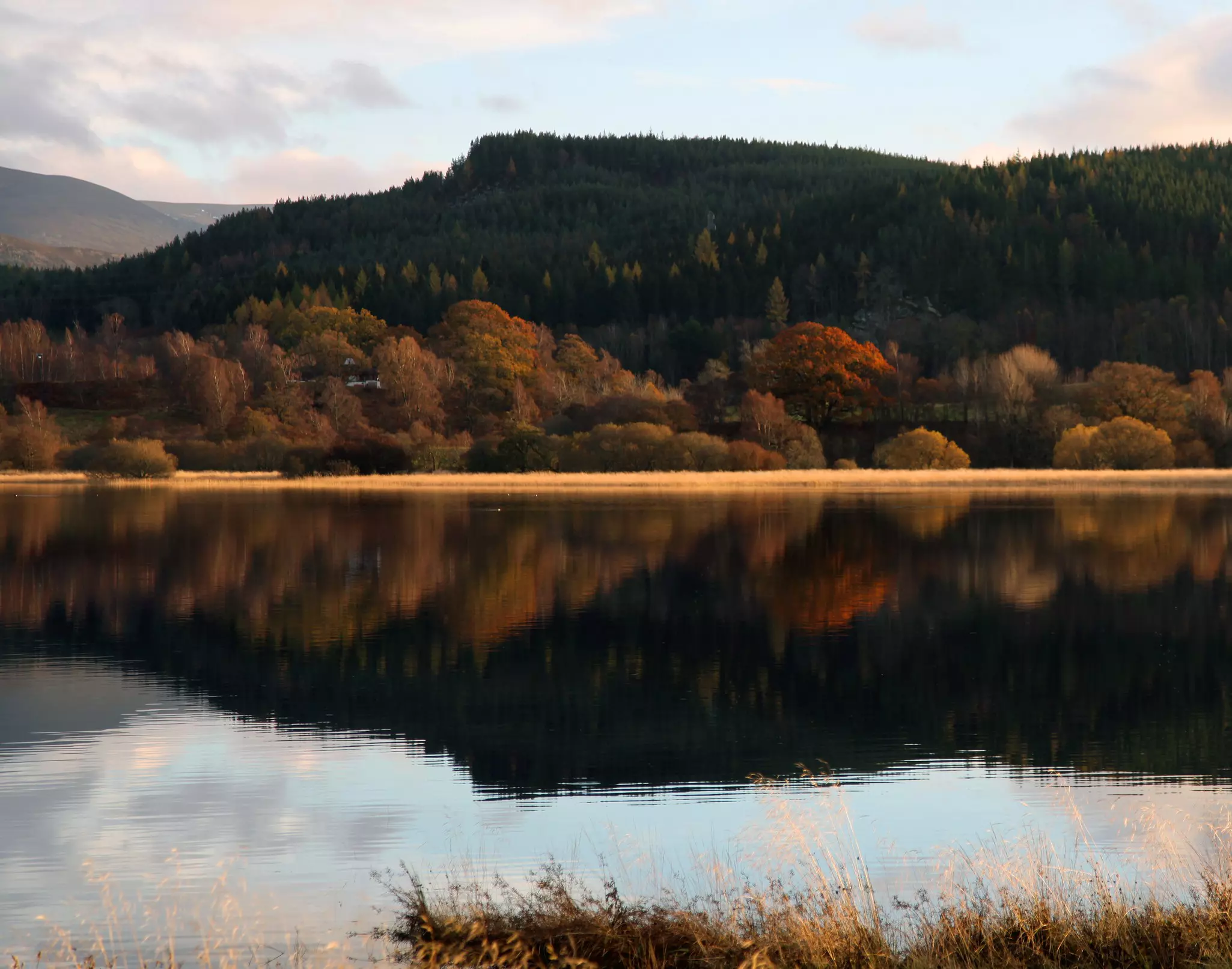
In the heart of the Scottish Highlands, Cairngorms National Park pops with autumn colors from pines and birches, and snow-dusted peaks for some added drama. It’s the UK’s biggest national park, and fall is best enjoyed along the hiking trails, spotting wildlife: red squirrels searching for their winter haul; deer, mountain hare and pine marten; as well as birdwatching for crested tits and Scottish crossbills. Oh, and don’t forget the castle ruins throughout, because it is Scotland, after all.
Families will especially enjoy Cairngorm Mountain Resort, loaded with recreational activities like mountain carts, tubing slides and an adventure play park.
Getting there: The park is well connected to hubs such as Inverness, Glasgow, Edinburgh and London by train. It takes approximately 2 hours by train or about 40 minutes by car from Inverness Airport (INV). From Edinburgh and Glasgow, it’s only an hour and a half drive.
Planning tip: Pack layers, as the weather in the Scottish Highlands is notoriously unpredictable and can change on a dime. Definitely bring a raincoat and wool base layers for chillier days.
Where to try it: Hike or bike the famous Speyside Way, a 41-mile route with forests laced in confetti-like copper, amber and gold. It passes through quaint villages and beautiful scenery, but the real stars are the whisky distilleries (the valley is home to 50 of them). Walkers Britain offers a self-guided itinerary for this distinct Scottish experience, where walking and whisky go hand in hand. Don’t miss out on exploring some of the small towns on the outskirts of the park: Grantown-on-Spey with its gorgeous architecture, riverside Boat of Garten with access to hiking trails, and Pitlochry, with some well-known distilleries. Visit Loch an Eilein, where 13th-century castle ruins pair nicely with foliage viewing, and hop aboard the Strathspey Steam Railway, a heritage steam train that chugs through the autumn landscape for a scenic 20-mile ride.
Best for adventurers and wildlife lovers
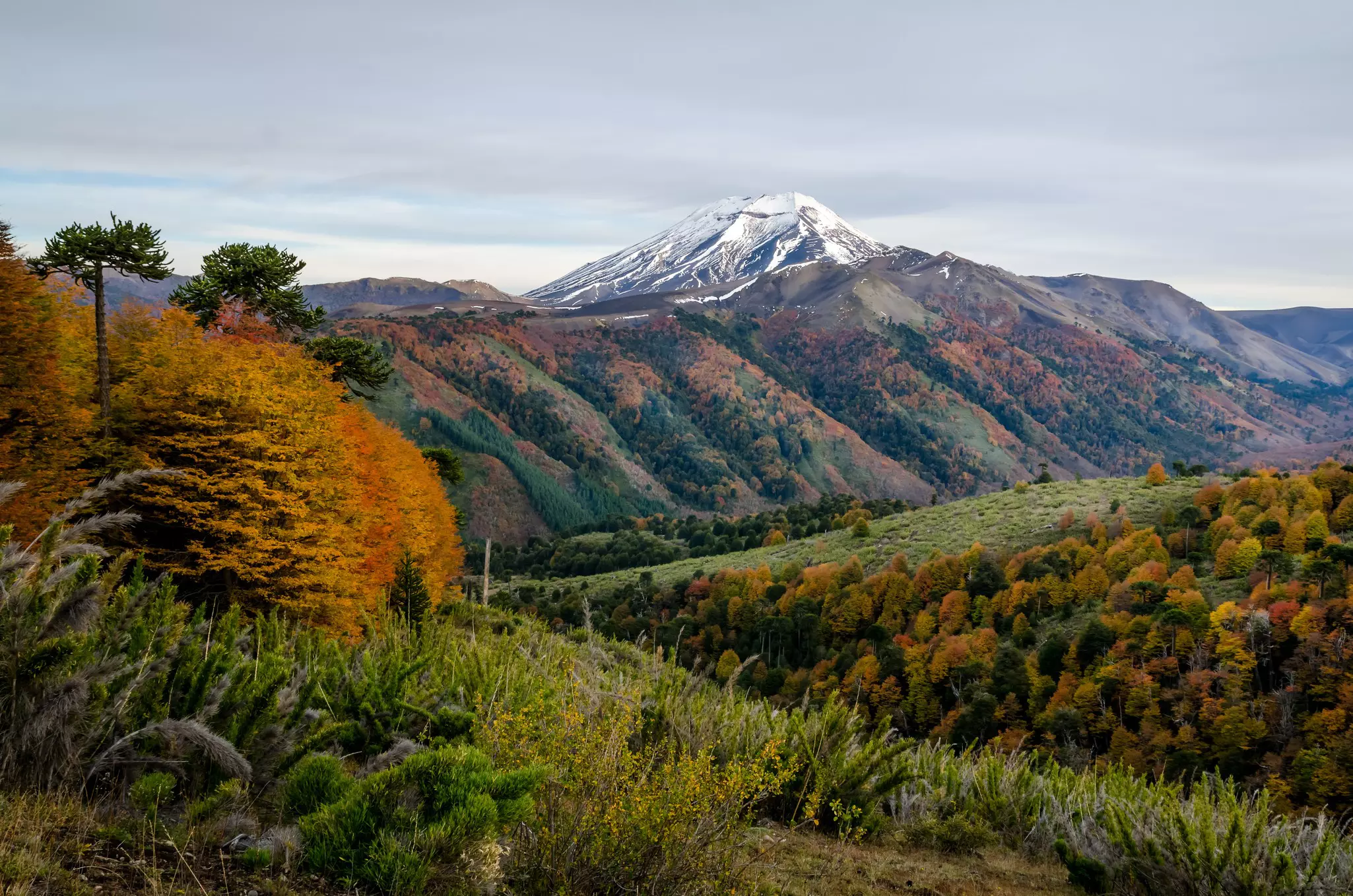
While Torres del Paine is the destination that comes to mind for most people, the lesser-known Conguillío National Park and its resident snow-capped Llaima Volcano have a lot to offer. Located in the Araucanía region of southern Chile, the diverse landscape provides an unusual autumn backdrop of red and green foliage contrasting with dark volcanic lava and ash fields and alpine lakes. Hiking, photography and wildlife watching for animals like foxes, parakeets and Magellanic woodpeckers are a huge draw, particularly among the ancient native Araucaria trees, also referred to as the "monkey puzzle" or Chile pine trees.
Getting there: Flying into Temuco Airport (ZCO) via Santiago will have you about a 2- to 2.5-hour drive from the national park, depending on whether you enter through Curacautín in the north or Melipeuco in the south. Alternatively, you can embark on a long-distance bus ride from Santiago that takes approximately 10 hours.
Planning tip: The foliage season here typically goes from the end of April until mid-May. Rent a car for flexibility to explore on your own.
Where to try it: Hikers, rejoice! The Sierra Nevada Trail is a 7.1-mile jaunt with a smorgasbord of autumn scenery. Highlights include sweeping foliage vistas of southern beech and Araucaria trees, alpine lakes and the volcanic giant Llaima. Visit the "Araucaria Madre" and pay homage to this 1000-year-old monkey puzzle tree via the Los Carpinteros Trail, a 4-mile hike that’s also known for fantastic woodpecker sightings, especially in the afternoons. Add the family-friendly Truful Truful Waterfall Trail to your list, as well as the Rainbow Lagoon Trail, a short hike around an incredibly clear lake.
Explore related stories