Jun 30, 20267 min read
9 of the Best Museums in MarseilleJun 30, 2026
7 MIN READ

Writer
Mucem in Marseille, France. Cole Wilson for Lonely Planet

Writer
Lonely Planet may earn a commission from affiliate links on our site. All recommendations and reviews reflect our own independent opinions.
As ancient Greek port, traditional rebel and contemporary French starlet, the beguiling city of Marseille has a hypnotic mashup of urban grit and grandeur. It's the rough-cut diamond on a coastline bejeweled with tranquil fishing villages and natural beauty spots. The good news is that Marseille's best museums are as bold and eclectic as the city itself.
In keeping with the city’s socialist spirit, several musées are free and take visitors to less-explored neighborhoods where Marseille’s working-class heart beats loud and clear. At municipal-run museums, you only pay to view temporary exhibitions (except on the first Sunday of each month): permanent collections are free year-round.
Best for history buffs
The history of Marseille is the focus of this thoughtful museum. From its birth as Greek around 600 BCE to the deadly plague, the coining of France’s national anthem La Marseillaise in the 18th century and mass immigration from Algeria in the 1950s, the action-packed drama that unfolds in 12 interactive exhibits is enthralling. Archaeological relics from ancient Massilia, uncovered on site during building work, add to the museum’s authenticity.
Planning tip: Permanent exhibitions are free to visit; the museum is closed on Mondays. The exhibition space covers over 15,000 sq m, so take your time.
Best for striking architecture and sea views
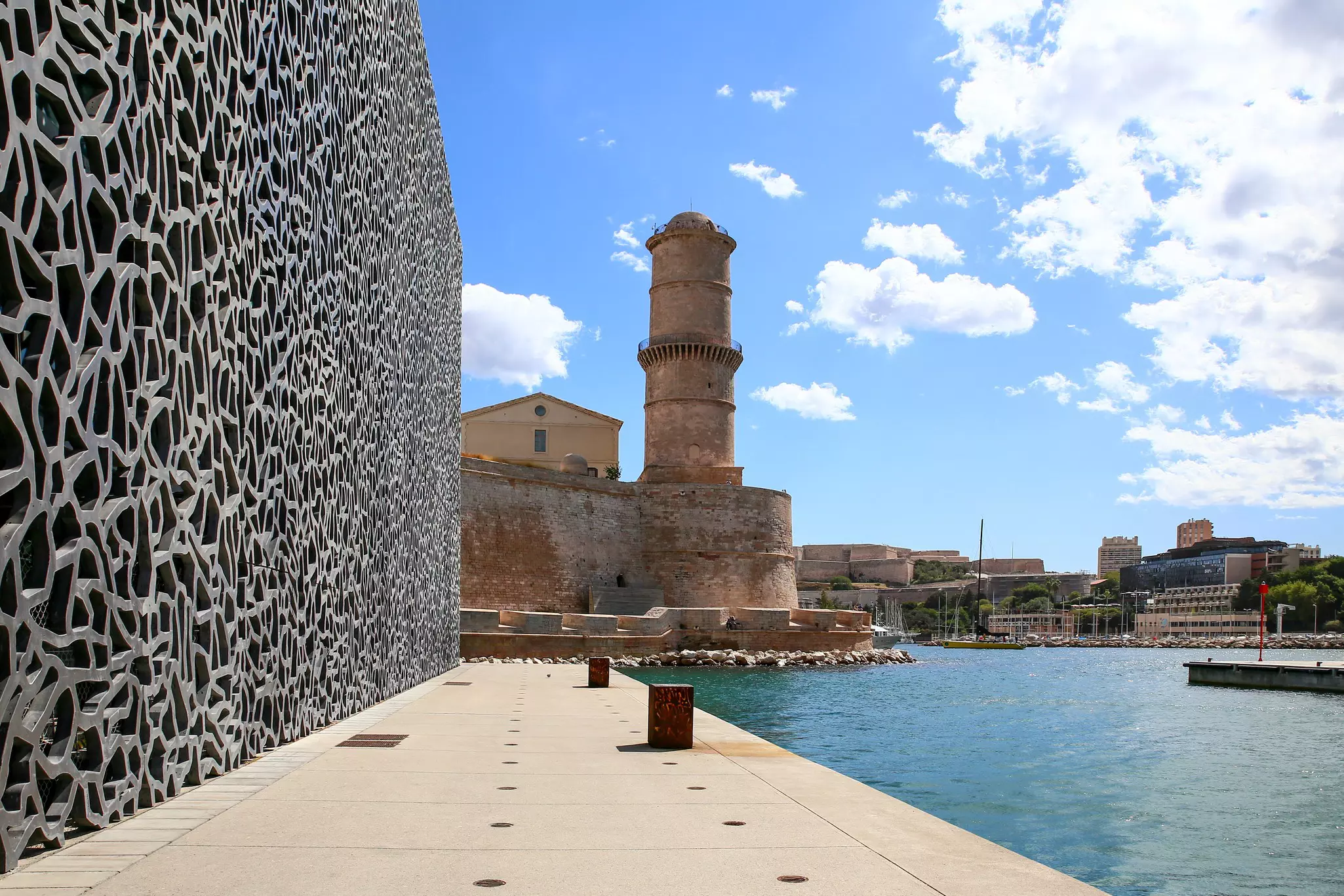
Contemporary Marseille’s Musée des Civilisations d’Europe et de la Méditerranée's (Mucem) J4 building is as much about sharp architecture and sassy sea views as world-class exhibits delving into the curious tales behind European and Mediterranean civilizations. Neolithic and contemporary art, football, graffiti, antique tarot cards, 80,000 sound recordings, mermaid-shaped bread: the diverse collection is vast, eclectic and relentlessly surprising.
Exploring the "secret" walkways tucked between the glass facade of Rudy Ricciotti’s stunning cube-shaped building and outer fishnet-inspired latticework cladding is a highlight. Wind up the external ramp to the rooftop for a sensational ocean panorama. Later, cross the footbridge to Fort St-Jean to leap from modern architectural sass to 13th-century military design.
Planning tip: Exhibitions are ticketed, but you can access the gardens and exterior spaces for free. Don’t miss Mucem after dark when a lighting installation by artist Yann Kersalé bathes the ensemble in deep sea blue.
Best museum to visit with older kids and teens
Art, environmental protection and marine biology meet at Marseille’s most unusual museum – at the bottom of the sea. Accessible from the sandy shore of urban beach Plage des Catalans, museum visits require a snorkel, mask and flippers. Free admission translates as a 100m swim from the beach to the underwater museum where an artificial reef of 10 sculptures – a polar bear, giant fish, sea urchin, buddha-styled figure, et al, crafted by different international artists from PH-neutral cement – languishes 5m deep on the seabed.
Planning tip: Visit in pairs or more – never alone – and check weather conditions before diving in. Or book a guided snorkeling or scuba-diving visit via the museum website. Post-snorkel, chill on the beach while bronzed volleyball players bounce around on the court.
Best for soccer fans
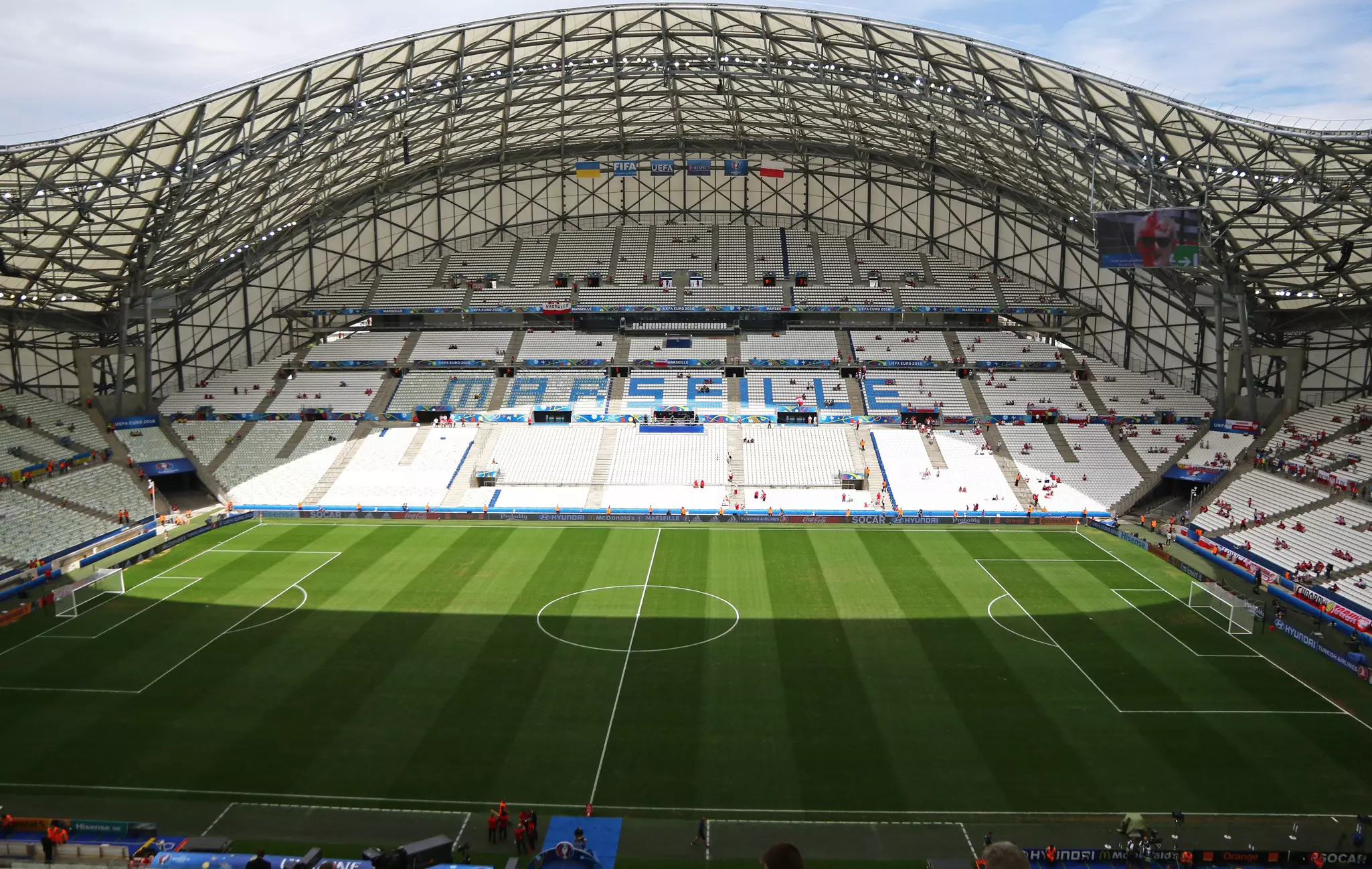
Orange Vélodrome is one of France’s most revered sports stadiums and gig venues to see international bands. For passionate sports fans eager to delve into the wings of Olympique de Marseille’s hallowed home ground, a tour is not to be missed.
Tours set up by the Marseille tourist office take you backstage into the 67,000-seater stadium, built as a cycling track in 1937 and rebuilt with a recyclable rainwater roof system for the 1998 football World Cup. Self-guided tours take you onto the pitch, into the players’ changing rooms and around an exhibition dedicated to the history of Marseille’s iconic OM football club, which has played here since the 1930s.
Planning tip: Tours do not run on days with major events. Check the schedule and book in advance.
Best for curious foodies
If you want to know a momie from a mominette or a perroquet from a mauresque, Mx Maison Yellow is the address. Provence’s classic aperitif, pastis, was cooked up in Marseille by industrialist Paul Ricard in 1932, and this hybrid museum-concept store celebrating the history and culture of the anise-flavored spirit is a pilgrimage no foodie should miss.
Interactive exhibits whirl visitors through a kaleidoscope of sensory experiences based around anise, Marseille’s most important flower, spice and aromatic. Workshops provide ops to drink pastis, which, amber-colored in the bottle, turns white when mixed with water. End the museum experience over a Pastis 51 at the sunflower-yellow Le Bar Maison Yellow.
Planning tip: Workshops last 1 hour and 30 minutes. Book online in advance.
Best for street art
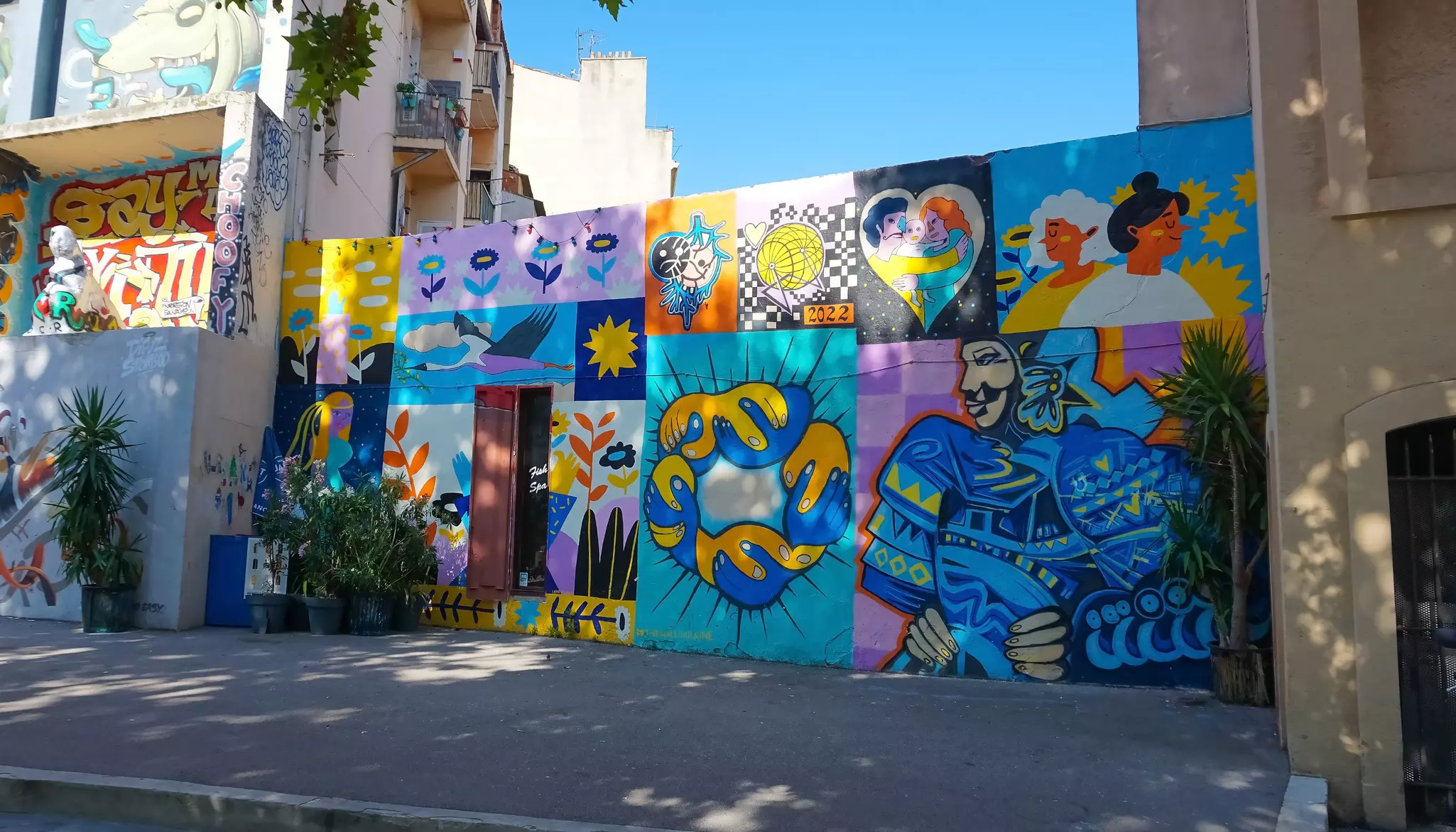
Look out for murals and frescoes by French and international artists on public building facades in less explored neighborhoods around the port and northern Marseille as part of the edgy Musée des Arts Urbains à Marseille (MauMA; Urban Arts Museum).
Pick up the open-air trail in the 2e and 3e arrondissements, and later 14e and 15e. The inaugural portrait of Uyghur refugee Tursunay Ziawudun by Marseille-based Parisian artist Mahn Kloix at 93 rue Félix Pyat, 3e, is worth the urban trek. On the same street, look for a brilliant 40m-tall Pissenlit (Dandelion) by Aurélie Maset clambering up the side of a high-rise apartment block.
Planning tip: MauMa sometimes offers 90-minute guided tours of the artworks. Keep an eye on the website to secure your place.
Best for old-world romantics
Mooching around the historic neighborhood of Le Panier – Marseille’s oldest quartier – is a mellow experience. Its steep, golden-hued stone streets and dusty squares are a living museum in their own right, and its centerpiece 17th-century almshouse is home to two excellent museums dedicated to African, American and Pacific arts and Mediterranean archaeology. The latter displays France’s largest Egyptian collection after the Louvre in Paris. Both museums are free.
Detour: Afterward, browse the neighborhood’s scattering of artist studios and artisan boutiques for olive oil, buttery biscuits, traditional Marseillais santons (nail-sized Christmas creche figurines) and a rainbow of handmade scented soaps.
Best for classical art
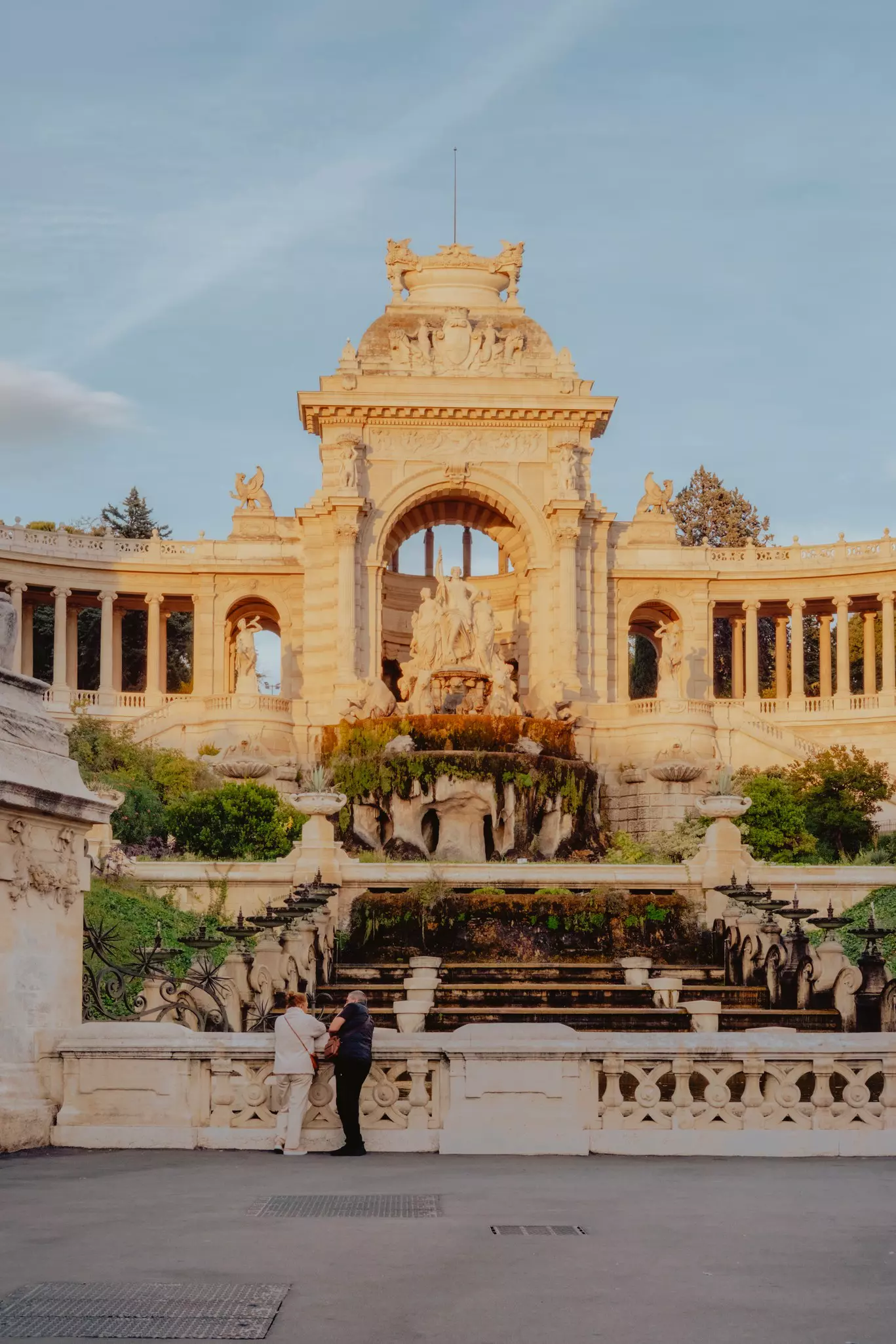
Everything about this elegant Musée des Beaux Arts is beau (beautiful). It's located in Palais Longchamp, a colonnaded palace, built in 1869 to celebrate the completion of a 10-year engineering project bringing fresh water from the Durance River, 85km north, to a reservoir on Marseille’s Longchamp plateau via 18 aqueduct bridges. Sculpted lions and tigers guard the palace entrance, and paintings, drawings and sculptures from the 17th and 18th centuries fill its left wing.
Planning tip: Access to the permanent collections is free. Post-museum, enjoy a walk in the park. Palais Longchamp’s manicured, fountain-adorned gardens are a soothing green antidote to built-up Marseille.
Best for modern art
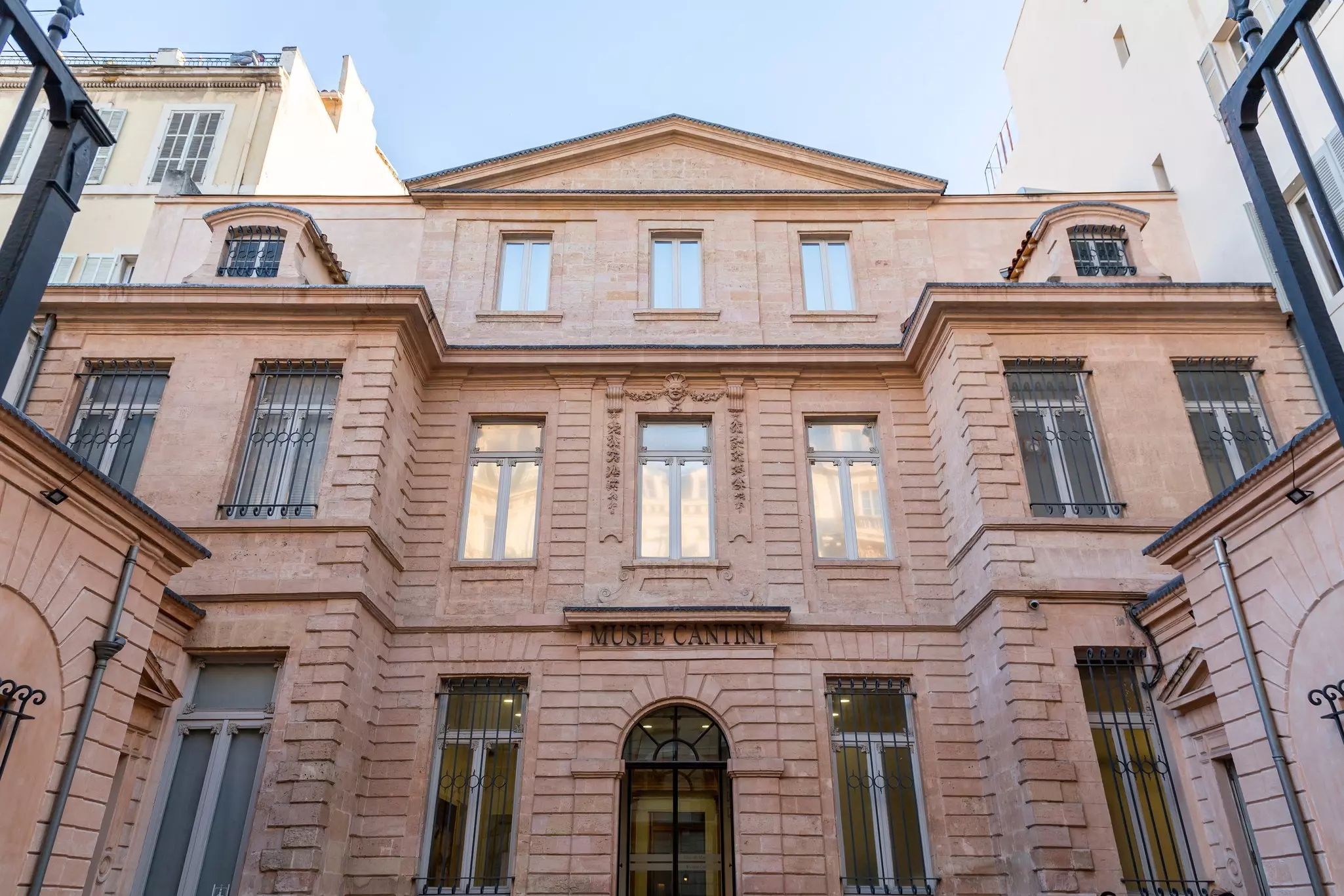
One of Marseille’s best art museums, this renovated house museum languishes in the elegant hôtel particulier where sculptor Jules Cantini lived and worked until his death in 1916. The mansion was built in 1694 for the Compagnie du Cap Nègre, a company that fished for coral along Tunisia’s northern coastline and – as was so typical of Marseille at the time – traded in leather, wool and wax.
Jules Cantini was an avid art collector as well as artist, and the private art collection he bequeathed to the city is sensational. Covering the period from around 1900 to 1960, all the modern greats are well represented: the Fauvists, early Cubists, Surrealists and so on, all of whom were lured to Provence for its extraordinary warmth and light.
Planning tip: The permanent collections are free to visit, with temporary exhibits free to visit on the first day of their opening and on the first Sunday of every month.
Explore related stories