Jul 24, 20269 min read
Burning Man: Everything You Need to KnowOct 5, 2023
3 MIN READ

Writer
A rare Annular "ring of fire" solar eclipse as seen in Doha, Qatar in 2019 © Sorin Furcoi / Getty Images

Writer
Lonely Planet may earn a commission from affiliate links on our site. All recommendations and reviews reflect our own independent opinions.
Turn around, bright eyes. Come mid-October, a major celestial event will be viewable from major swaths of the Western Hemisphere. Or maybe just look up – with the proper eye protection, that is.
The 2023 annular solar eclipse, which will be fully viewable from most of the Southwestern US and partially viewable from the rest of the country, takes place on October 14, and I'm headed west to see it.
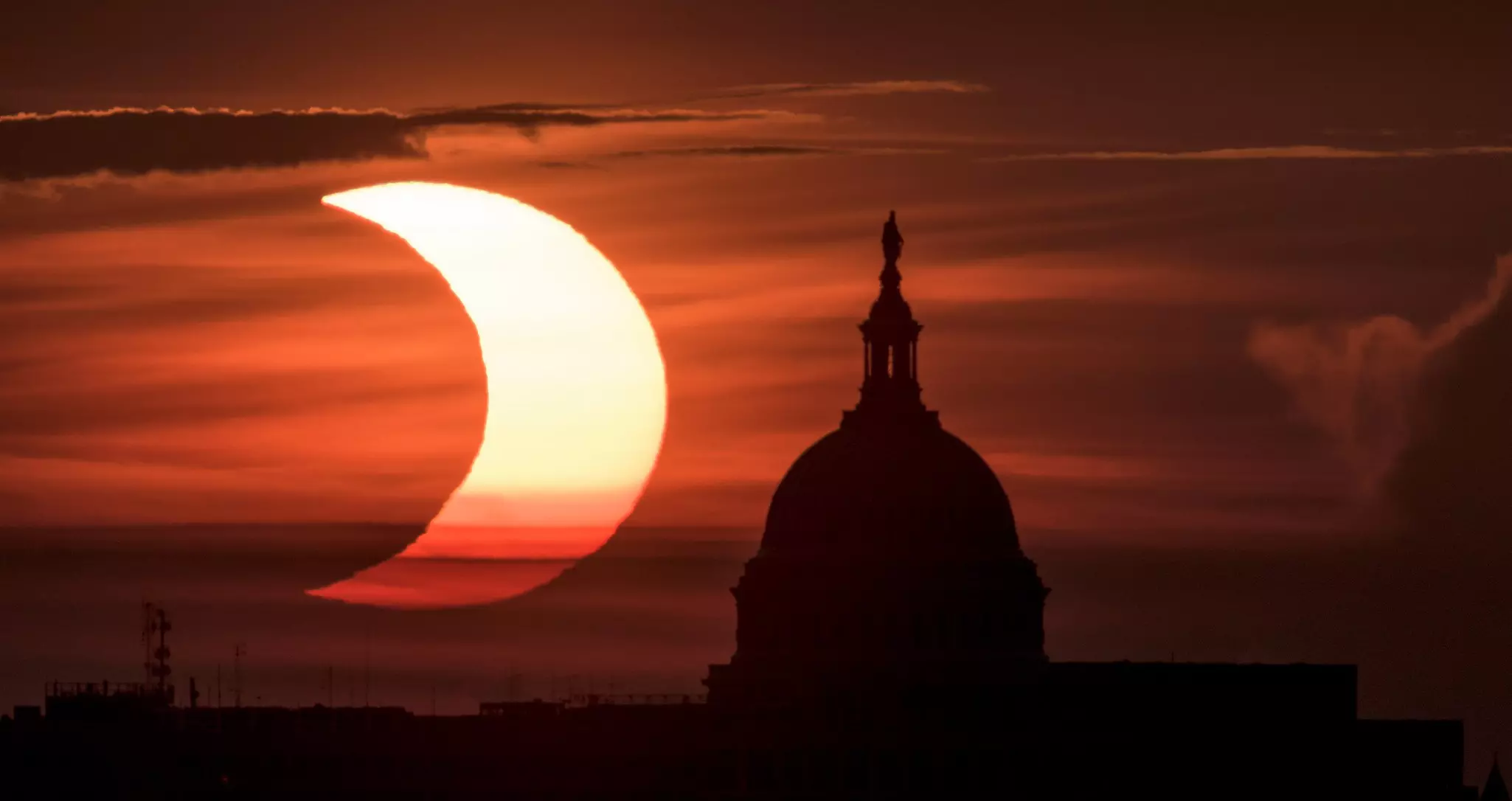
An annular eclipse occurs when the apparent diameter of the moon looks smaller than that of the sun, creating a circular "ring of fire" as the moon passes directly in front of it. (This is your cue to switch your playlist from Bonnie Tyler to Johnny Cash.)
If an annular eclipse isn't enough for you and you're in search of a total eclipse (of the sun, but also of the heart), you'll have to wait until 2024, when a total solar eclipse will be viewable from 13 states across the midwest and northeast. Prime viewing spots for that event will include Dallas, Texas; Rochester, NY; and Montreal, Canada. Rochester is already planning a multi-day festival around the event that includes viewing experiences, food and lectures. Kids can even make shadow puppets (get it?) at the Strong National Museum of Play.
I'll be viewing this year's annular eclipse from Nevada. I'll be aboard the historic Nevada Northern Railway en route to Keystone, a location that is in the "path of annularity" – the area where the sun's ring will be clearly viewable. The NNRY is a slew of historic railway buildings and a collection of working vintage trains that date back to 1906. It's operated as a museum since 1987.
If you're in search of the perfect viewing spot, the path of annularity includes a number of national parks and preservation areas across the American Southwest, including Great Basin National Park in Nevada, Crater Lake National Park in Oregon, Modoc National Forest in California, Canyonlands National Park in Utah, and the Padre Island National Seashore in Texas. It will even coincide with the last day of the Albuquerque International Balloon Fiesta in New Mexico.
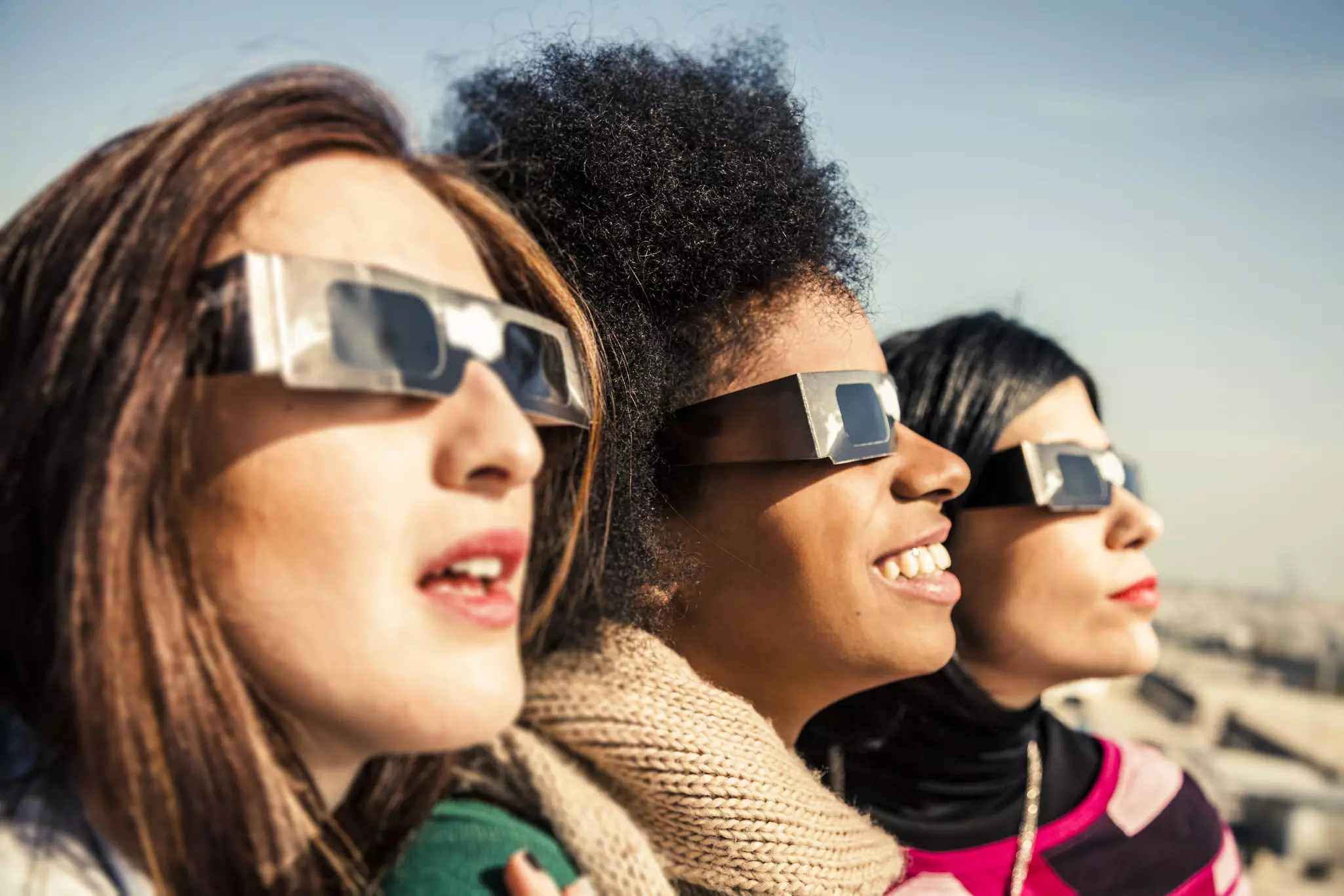
Many of these areas are setting up special programming and hosting viewing parties, and offering advice for avoiding crowds and finding parking. They're also offering guidance for safe eclipse viewing, because viewing a solar eclipse without eye protection – even for very short periods – can cause retinal damage. In short, don't stare into the sun. At any time, even during an eclipse.
Risk of dramatic injury aside, I'm excited to see and hear the peripheral signs in the environment. During an eclipse, wildlife behaves as though it's nighttime. Chirping birds fall silent, nocturnal animals like bats and owls begin to stir. It's eerie, and something that can't really be experienced outside of an eclipse – not just every now and then.
Stay tuned to Lonely Planet for more on Nevada and the 2023 annular eclipse.
Explore related stories