Jul 7, 202610 min read
The 13 Best Things to Do in Avignon, FranceJul 7, 2026
10 MIN READ

Writer
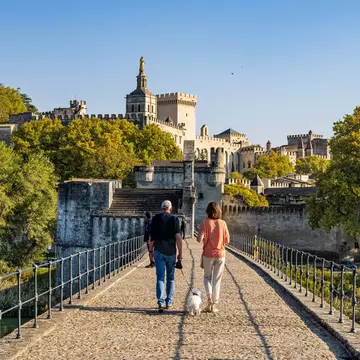
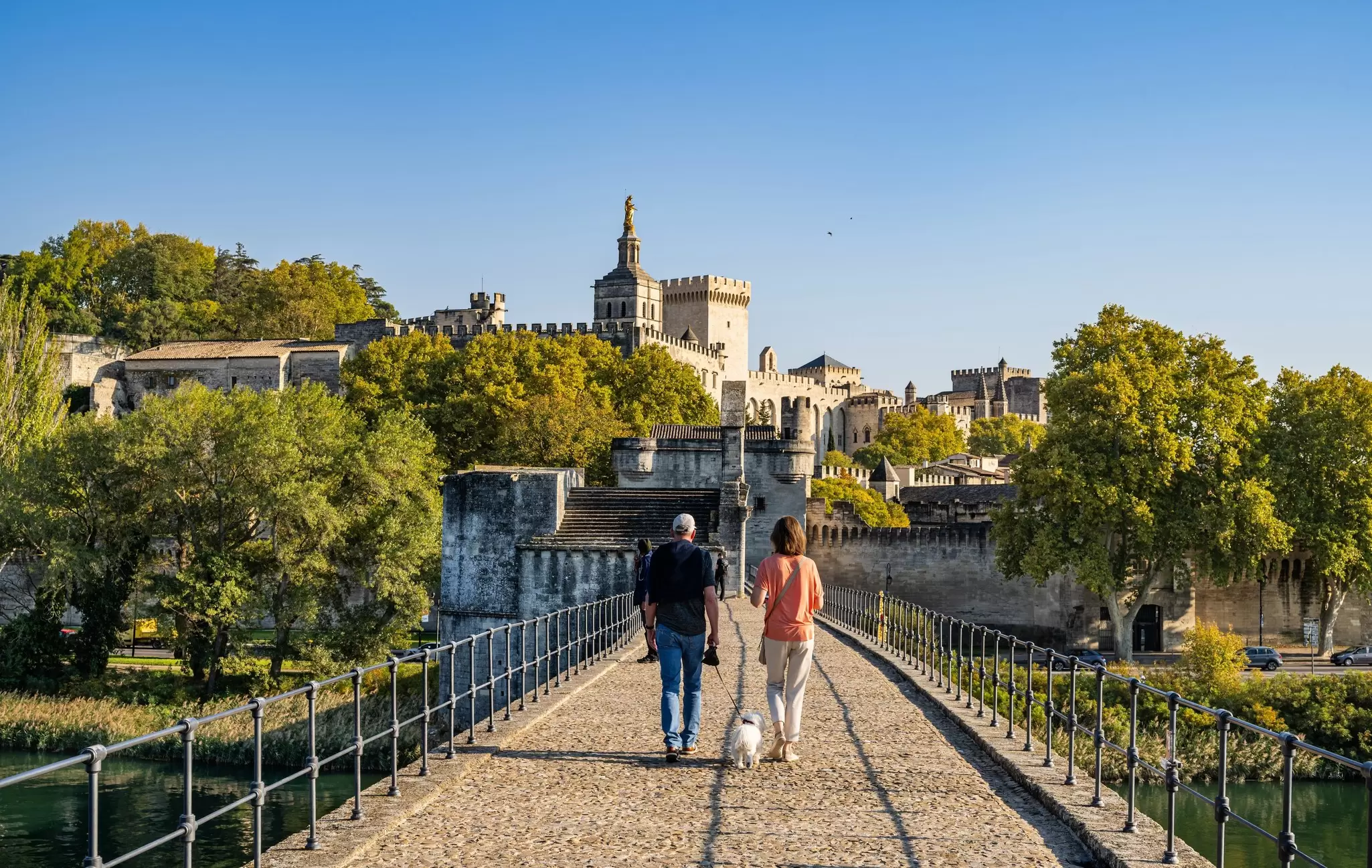
Pont St-Bénézet in Avignon, France. Majonit/Shutterstock
Writer
Highlights
Editors round up 13 Avignon activities from papal landmarks to Provençal day trips.
Walk the Palais des Papes and Pont St-Bénézet, then people-watch from a terrace.
Arts lovers should catch the Festival d'Avignon in July and visit Musée Calvet.
Head to Châteauneuf-du-Pape for fine wine or Carpentras's truffle markets in November–March.
Lonely Planet may earn a commission from affiliate links on our site. All recommendations and reviews reflect our own independent opinions.
Perched on the banks of the Rhône, Avignon is the gateway to Provence, and it's a great place to stop at the beginning or end of a Provence visit for a mini city break. In July, Avignon fills to bursting as it hosts the Festival d'Avignon, when theater troupes walk the narrow streets in costume to promote their plays, and the whole city feels like a stage. But there's plenty to keep you busy whenever you come.
Inside the rampart-ringed old town, curious visitors can learn about Avignon's past as a papal city, visit Provençal gardens and people watch from one of the cafes and leafy squares in the central pedestrian zone. Local restaurants blend the favorite French pastime of eating en terrasse with seasonal menus that flaunt flavors from the rich agricultural plains alongside the Rhône and Durance rivers. And with half a dozen museums displaying world-class Provençal and Italian painting collections, as well as contemporary museums and galleries, the city is a top stop for lovers of the arts.
Here are the top things to do on a visit to Avignon.
Avignon is a joy to explore on foot. Start your walking tour of the city center at the Pont St-Bénézet (also known as the Pont d’Avignon). This bridge is a city landmark, but over the centuries, half of its arches have been washed away by flooding along the Rhône.
Next, cross the outer road and over the walls enclosing Avignon's historic heart, walk past the Jardin des Doms (closed until 2027), and enter the Cathédrale Notre-Dame-des-Doms, containing the tombs of Pope Jean XXII, who anchored the papacy in Avignon during his lifetime, and his successor, Pope Benoît XII.
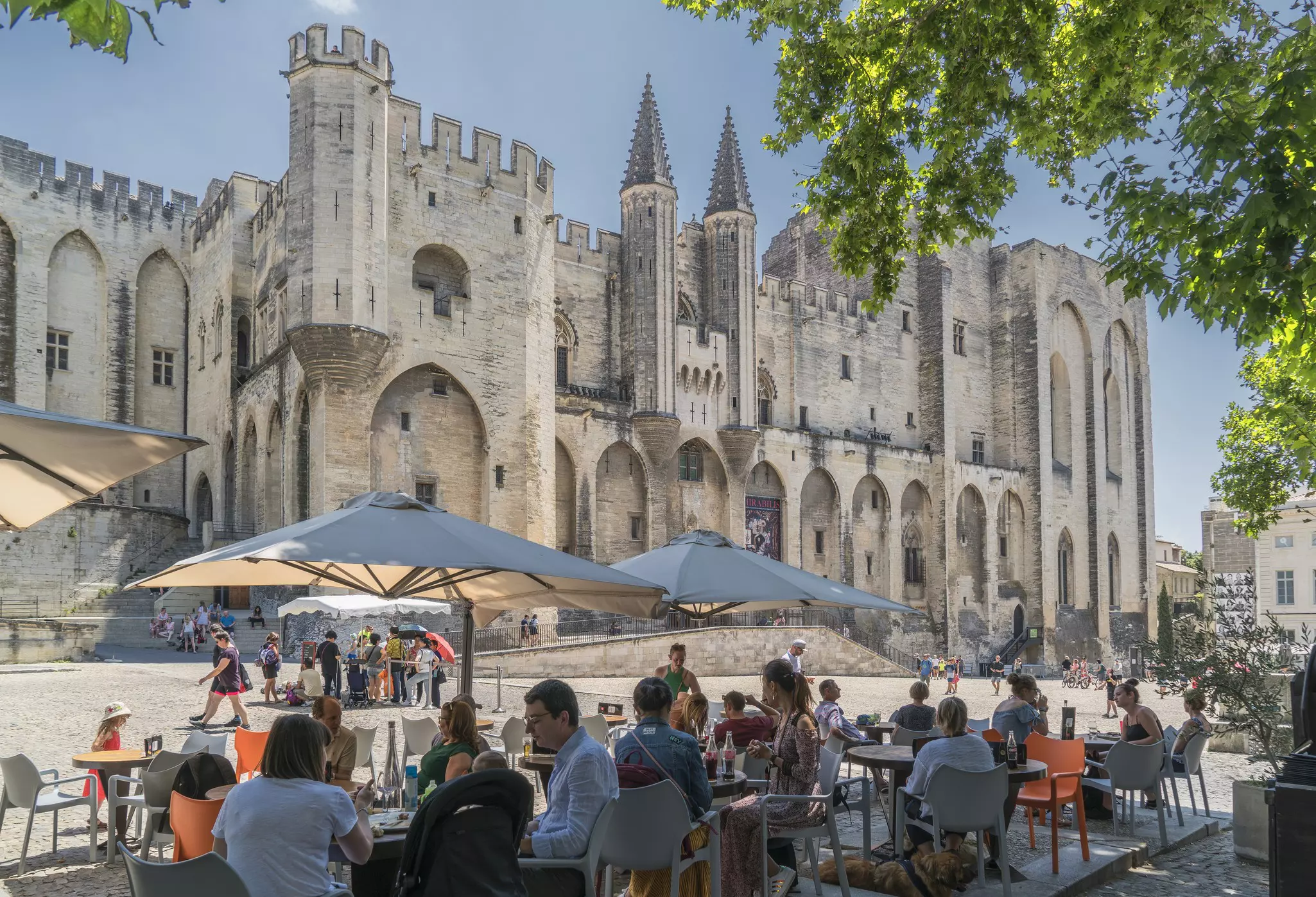
Continue the papal theme with a visit to the grandiose Palais des Papes. Exploring the complex takes about an hour; some rooms have not been restored, but you can imagine how they once looked with the help of interactive tablets. Outside the palace, stop at the park at Vergers Urbain V, founded by Pope Urbain V. Inspired by his childhood in the Cévennes, he spent large sums to build and keep up these orchards and nearby gardens.
Walk down the rue Banasterie to reach the Basilique St-Pierre. Built in the 13th century, this Gothic church is a fine representation of the architecture and artwork of medieval Avignon (the ornately carved walnut door is worth a second glance). Make your way back to study the walls of the city. These ramparts were built during the reign of Pope Innocent VI during the 14th century to protect Avignon from mercenaries during the Hundred Years' War.
Planning tip: Check for events for kids as well as concerts inside the Palais des Papes.
Who doesn’t love settling in for an afternoon soaking up the local scene? Among Avignon's best people-watching spots are the half dozen bars lining rue des Teinturiers beside a small canal. Just grab a seat to watch the world passing by.
Hailed as Avignon’s oldest cafe, Grand Café Barretta has a sprawling terrace under a large plane tree. And if you fancy a delicious meal while you absorb the Avignon vibe, pull up a chair at Restaurant Le Coin Caché, which is tucked below the chestnut trees on the north side of the Basilique St-Pierre.
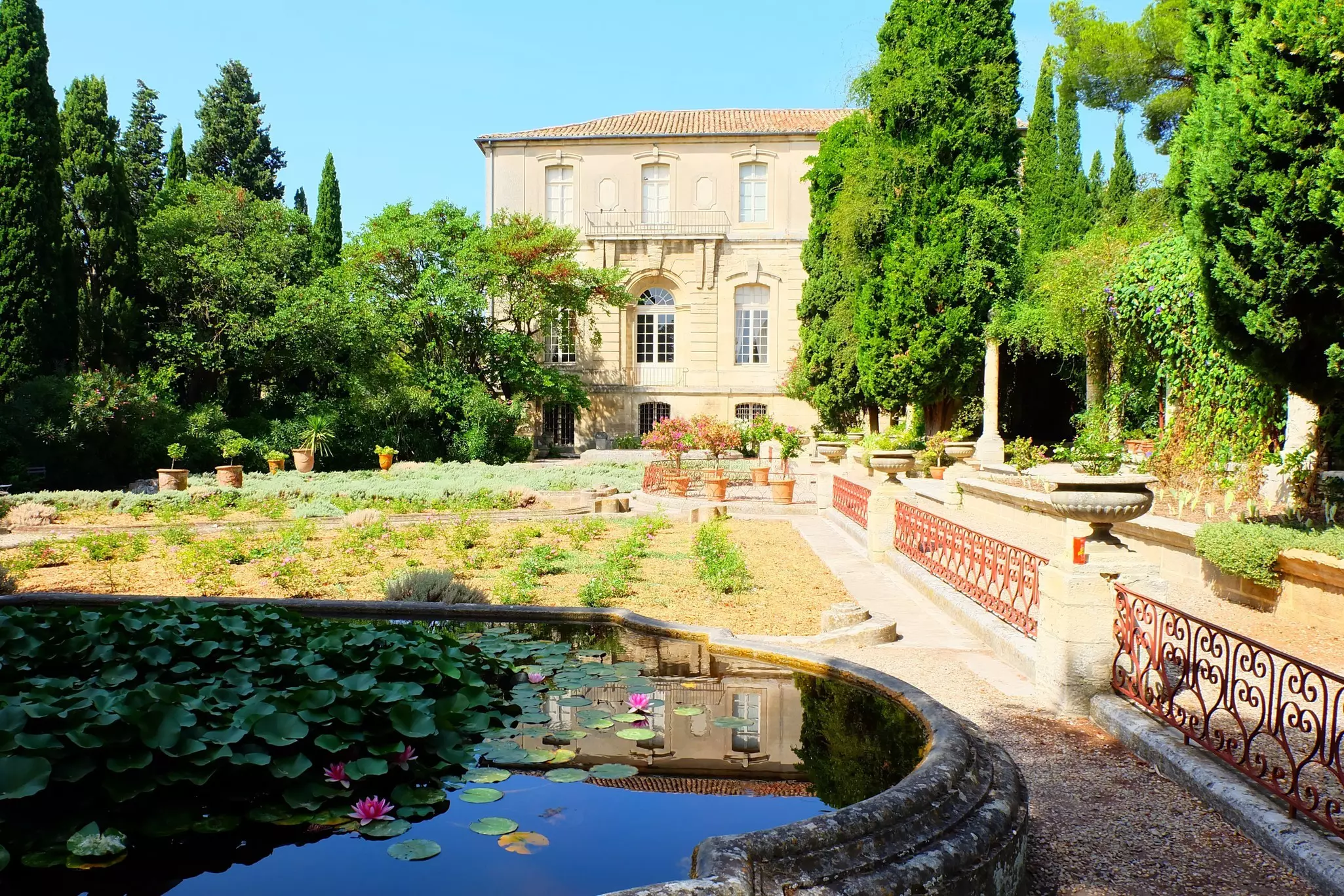
Provence is famed for its gardens, and Avignon is no exception. Across the Rhône, the Jardins de St-André, set on a hilltop by the Abbaye St-André in Villeneuve-lès-Avignon, is a relaxing spot to spend a spring or autumn afternoon. This Mediterranean-style garden is tended using climate-forward methods. You can take in views of Avignon, the Palais des Papes, the Rhône Valley and even Mont Ventoux.
Planning tip: Admission to the garden is €8–15. If you are part of a group, guided tours in English or French for 10 people can be arranged for €15–20 per person.
The archbishops' palace was constructed during the 14th and 15th centuries, when the papacy moved to Avignon. It was later turned into an educational institution after the French Revolution. Now the palace houses an outstanding collection of 13th- to 16th-century Italian religious paintings by Old Masters, the most famous being Botticelli’s La Vierge et l’Enfant from 1470.
Planning tip: The museum is part of the Place du Palais des Papes, in the heart of the UNESCO World Heritage Site. It’s open until 6pm (closed Mondays), and entry is free.
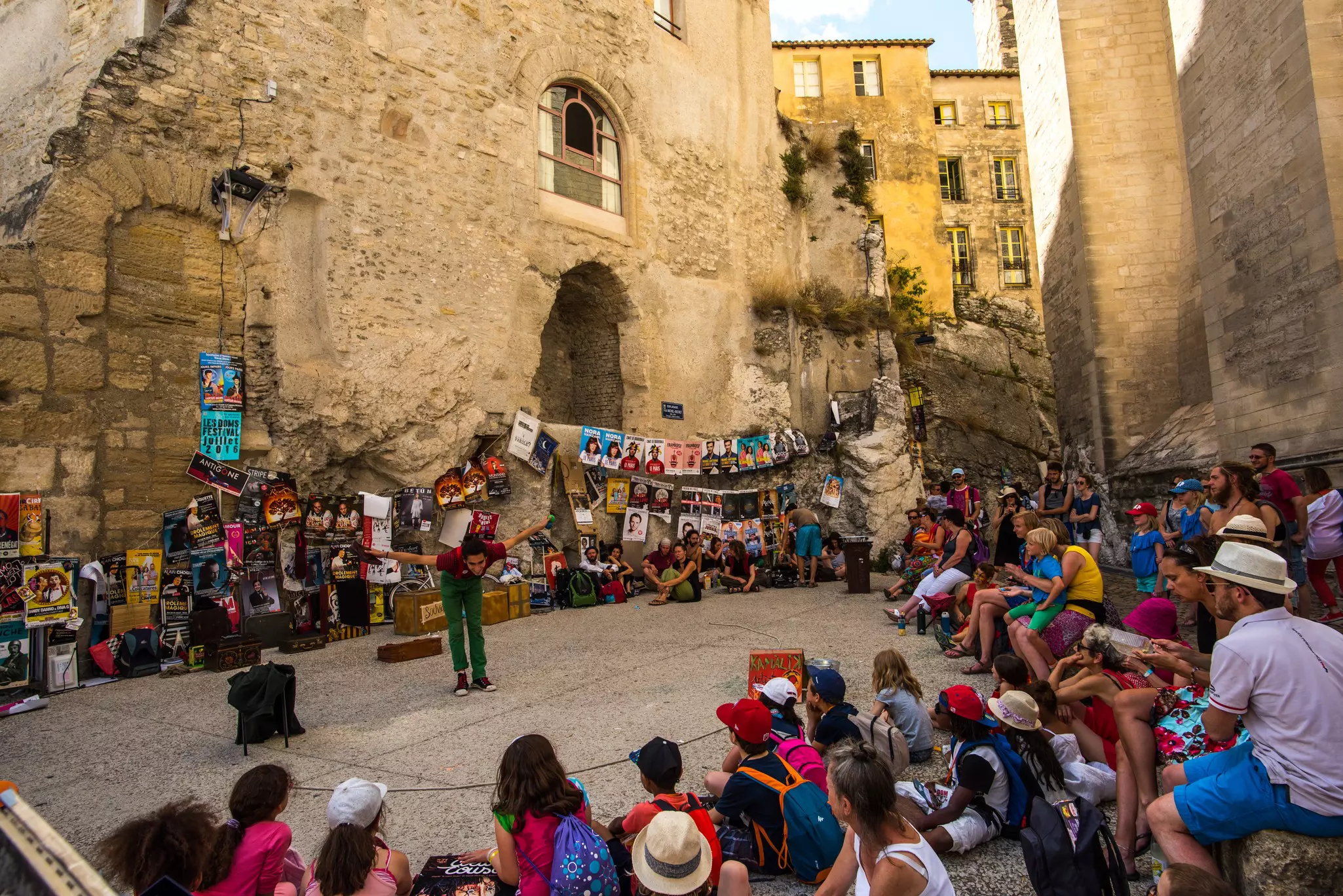
For three weeks in July, the otherwise calm city of Avignon becomes a vibrant hub for the theater world, hosting international works of dance and drama. The Festival d'Avignon takes place across the city, with its epicenter in the old town. Tickets go on sale in April and sell out fast, although resale tickets are advertised on a noticeboard at the festival box office in Cloître St-Louis.
The festival's most unique stages have to be those in former papal and abbey courtyards. Wherever the popes went, vast construction projects followed – during their 100-year reign in Avignon, they commissioned courtyards, gardens and chapels. Try to catch a play at the Cour d’Honneur du Palais des Papes, the Chapelle des Pénitents Blancs or the Cloître des Célestins. And the Carrière de Boulbon, located in a former limestone quarry outside the city, is absolutely worth the trip for a show.
The unofficial fringe festival – Festival Off Avignon – runs at the same time. While events at the official festival are selected by a jury, the Off troupes are responsible for securing their own place at the festival, renting a theater and promoting their show.
Planning tip: Performances are mainly in French, but some are in other languages, and some shows transcend language through movement and music.
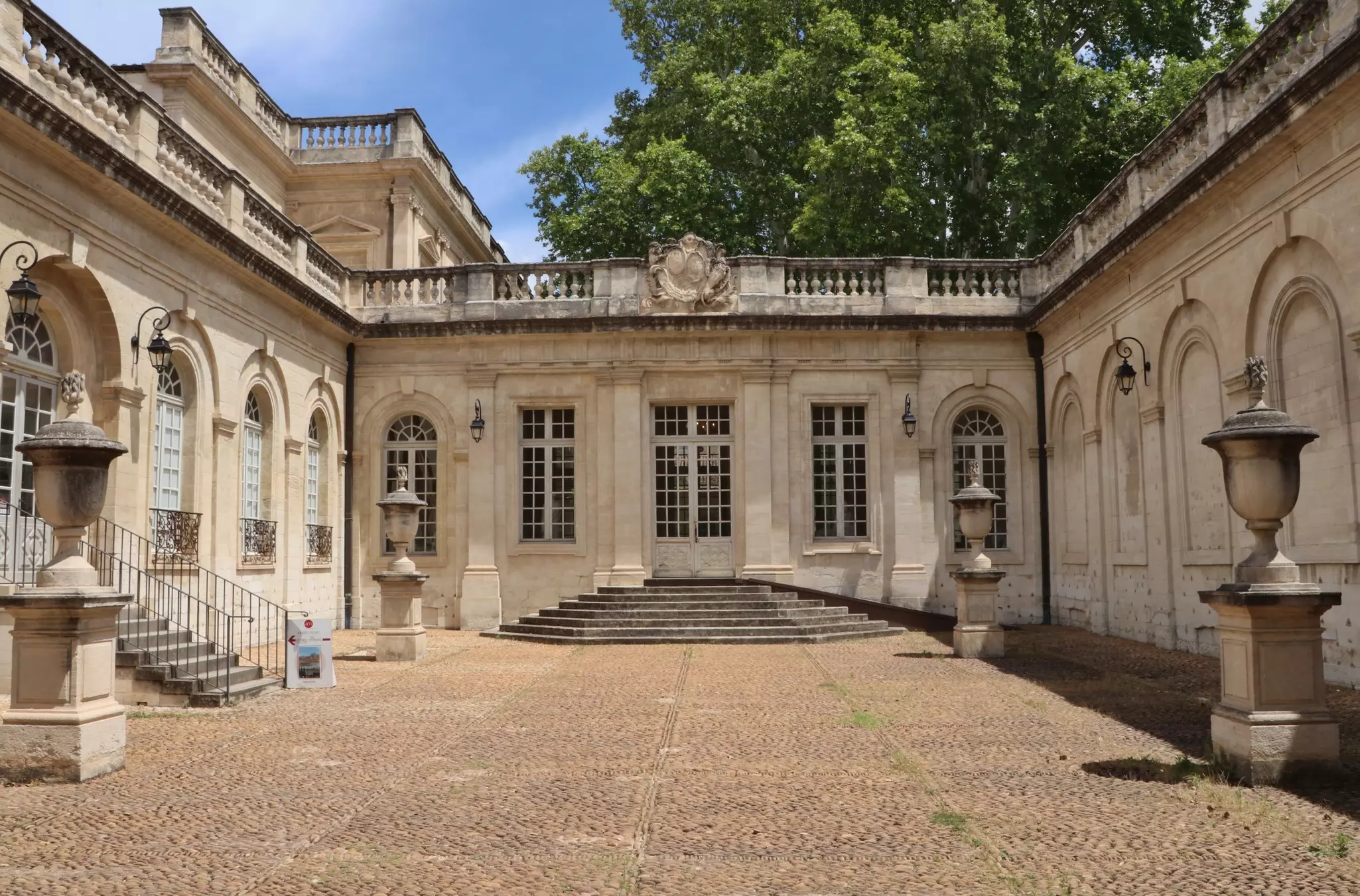
The elegant 18th-century Hôtel de Villeneuve-Martignan provides a fitting backdrop for Avignon's top fine arts museum. The Musée Calvet covers artistic output from the Renaissance to the French Revolution, with 16th- to 20th-century oil paintings, 15th-century wrought iron and the elongated landscapes of Avignon's own Joseph Vernet.
Detour: The associated Musée Lapidaire is housed inside the town's striking Jesuit chapel and exhibits the archaeological collection of the Musée Calvet. There's a good display of Greek, Etruscan and Roman artifacts, but it's the Gaulish pieces that really draw the eye, including some grotesque masks and deeply strange figurines.
The Vaucluse region produces an estimated 70% of the black truffles consumed in France, and the town of Carpentras is known for its serious black truffle markets. From November through March, the Friday morning truffle market on place Aristide Briand offers a fascinating contrast to the usual busy and buzzing markets of Provence. Here, secrecy and mystery reign as chefs and wholesalers haggle for the best truffle deals. Reserve a table at Chez Serge to enjoy a dish – or dishes – flavored with this aromatic fungus.
Planning tip: Summer truffles are less sought-after but still have their fans. From May to September, scan local menus for summer truffles grated over salads and omelets; or have them sliced, drizzled with olive oil and served on toast.
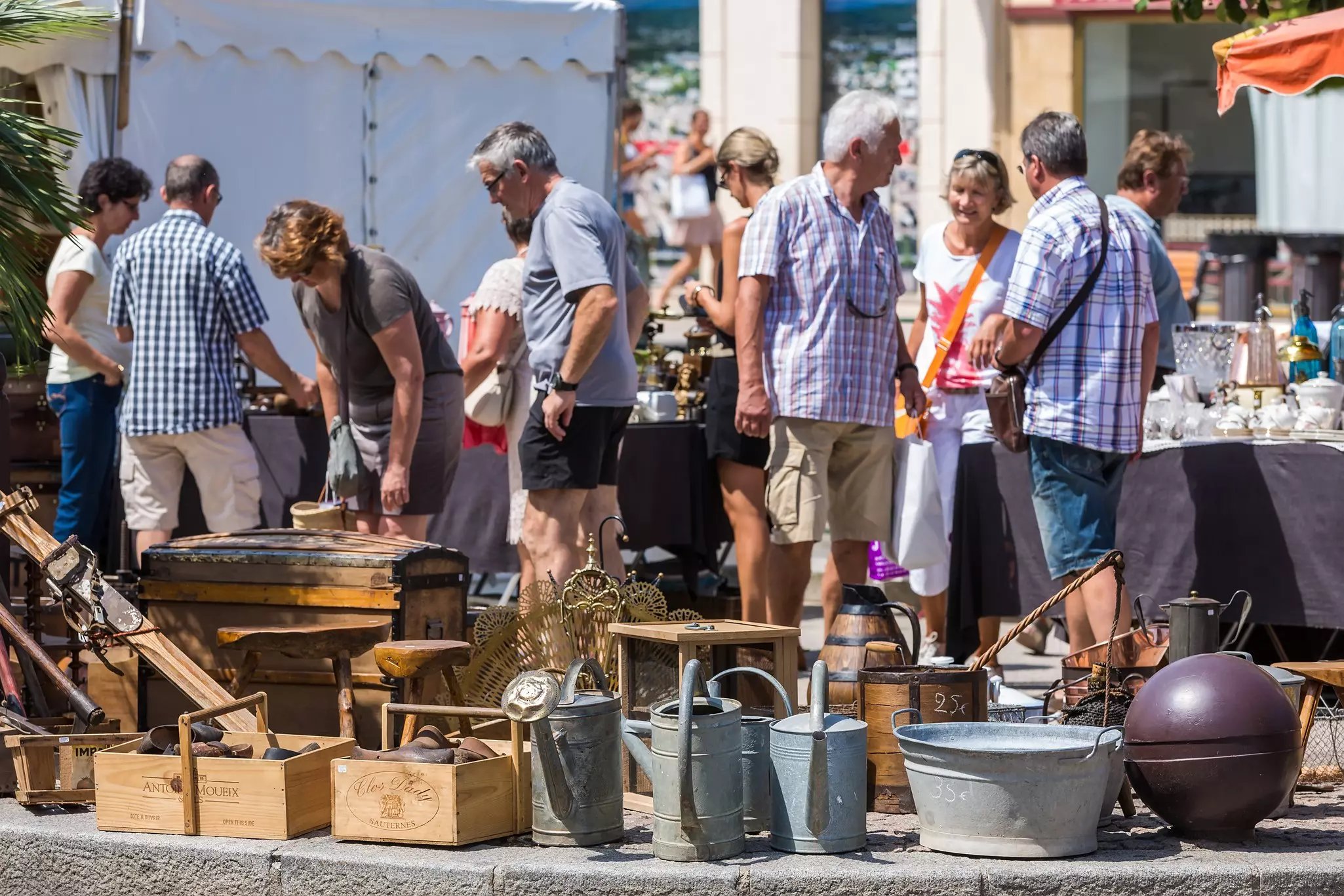
The town of L'Isle-sur-la-Sorgue, 30km east of Avignon, hosts hundreds of antiques dealers. If you're a fan of flea markets, visit L'Isle-sur-la-Sorgue for the Sunday market – it's one of France's largest and most famous. If you can't come on Sunday, a smaller market is set up during the week along the village streets.
Planning tip: Twice a year – at Easter (in March or April) and in August – the town is taken over by the Foire Internationale Antiquités et Brocante, which attract thousands of visitors from across the country and further afield.
Collection Lambert focuses on works from the 1960s to the present, from minimalist and conceptual pieces to video and photography, providing a stark contrast to the museum's premises in a 18th-century mansion.
Planning tip: Broaden your art experience by booking a yoga workshop at the museum.
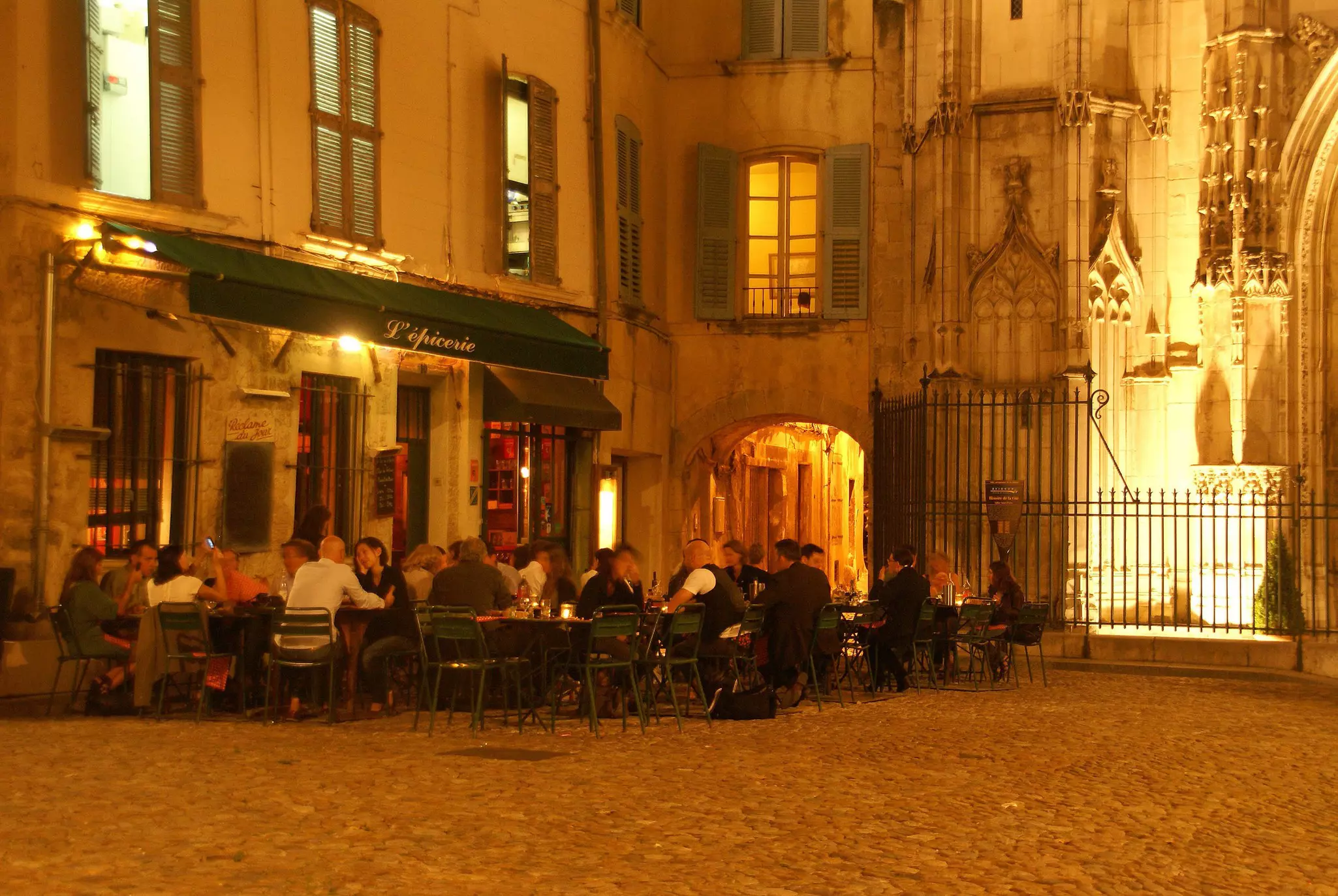
Avignon has an excellent food scene, with Michelin-starred Pollen as well as Bib Gourmand recipient L'Agape. An affordable, tasty bistro on place de la Principale, Graines de Piment is also a social enterprise that gives disadvantaged youth a chance to gain work experience. Avignon staple Fou de Fafa riffs on Mediterranean and Provençal cuisines, complemented by an excellent wine list during its four-course dinner (you'll need to book ahead). Head to rustic-styled L'Épicerie in the heart of old Avignon for classic, hearty meat-based dishes or a satisfying cheese platter.
Tiny Musée Angladon harbors an impressive collection of realist, impressionist and expressionist treasures, including works by Cézanne, Sisley, Manet, Modigliani, Degas and Picasso. Its star piece is Van Gogh's Railway Wagons, the only painting by the artist on display in Provence. Impress your friends by pointing out that the earth in the painting isn’t actually paint but bare canvas.
Planning tip: Musée Angladon is open 1–6pm Tuesdays to Sundays; the last admission is at 5:15pm. When booking your ticket, it’s possible to organize a themed guided tour in either French or English.
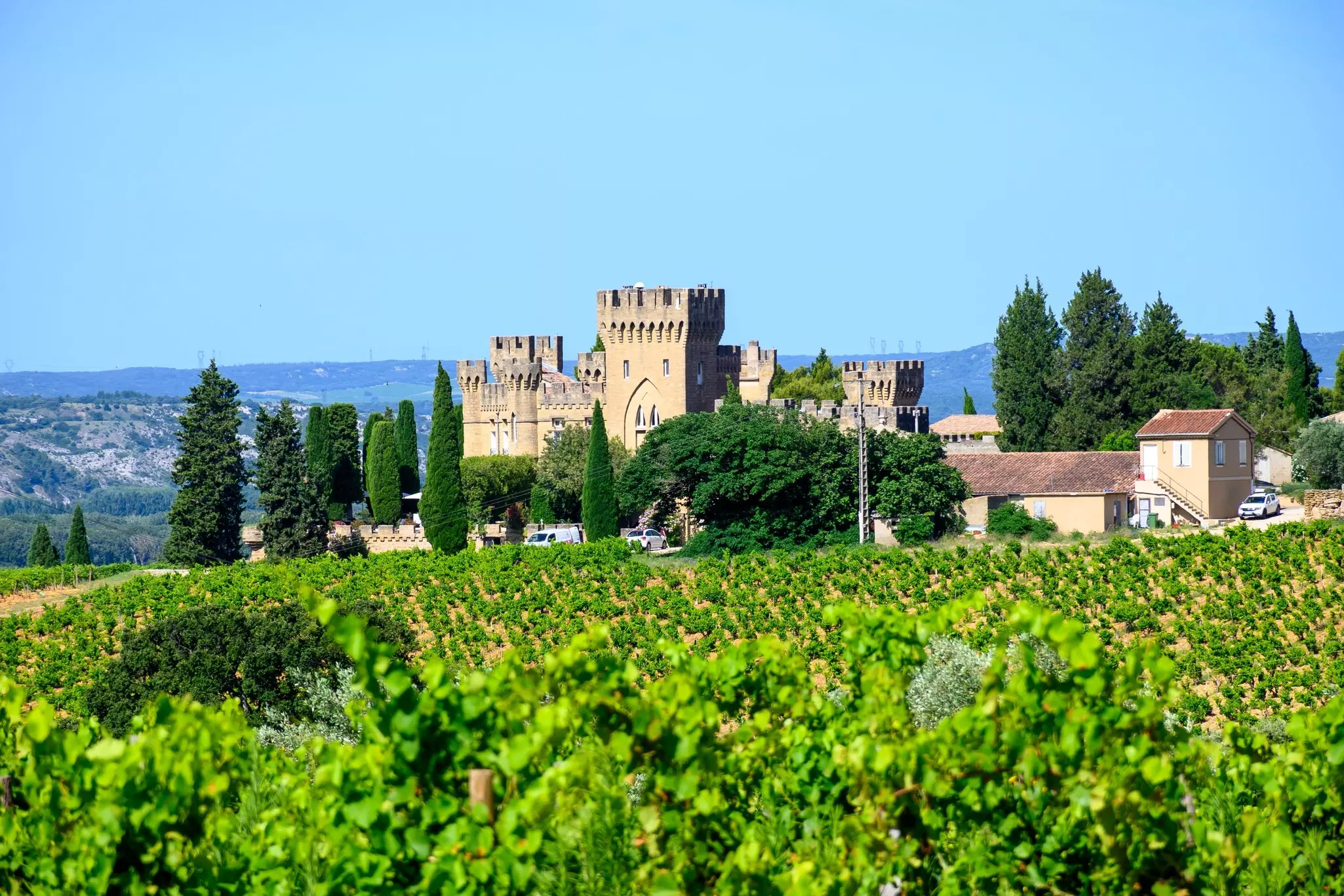
Even in the world of fine wines, Châteauneuf-du-Pape has a special cachet. Only 18km north of Avignon, it's arguably the best known of the Rhône appellations, prized by oenophiles the world over. It's well worth a visit to investigate its prestigious wine culture.
Châteauneuf-du-Pape grapes are grown along the river in clay soil topped with river pebbles, which absorb the sunlight during the day and diffuse it at night, providing the roots with a constant temperature. Each winemaker has their own growing tricks, and only the finest grapes are selected to make wines here.
The hilltop château after which the wine is named was built as a summer residence for Avignon's popes in the 14th century, but it's little more than a ruin now – plundered for stone after the French Revolution and bombed during WWII. Nonetheless, the village itself is a perfect day trip destination, and you can pick up a few bottles to take home for a special occasion.
Detour: If you're travelling with kids, Château Fortia runs a fun escape game in its vineyard for children over 12. The clock is ticking as you follow the history of the domaine to gather the numbers needed for a code that unlocks a special reserve wine.
Theater doesn’t just run in Avignon’s blood – you can reconstruct the stories of the Gallo-Roman empire at the monumental Roman theater in Orange or by wandering the ancient ruins of Vaison-la-Romaine. Both are easy day-trip destinations from Avignon.
One of the three best-preserved Roman theaters in the world (the other two are in Syria and Turkey), the UNESCO World Heritage-listed Théâtre Antique d’Orange makes for a memorable visit – its sheer size is awe-inspiring. Around 30km northeast, Vaison-la-Romaine sits on a partially excavated Gallo-Roman site of around 15 hectares, making it the most spread-out open-air museum in France.
This article was adapted from Lonely Planet’s Provence & the Cote d'Azur guidebook.
Book your France trip with Lonely Planet Journeys
See France how it's meant to be seen
Accommodations, activities and ground transportation all taken care of, so you can focus on the fun part. Tell us what your dream trip to France looks like, and our local experts will build it from scratch. Or start with one of our itineraries and make it your own.


Explore related stories