Jul 22, 20269 min read
A Guide to the Caribbean's Grenadine IslandsJul 22, 2026
9 MIN READ

Writer
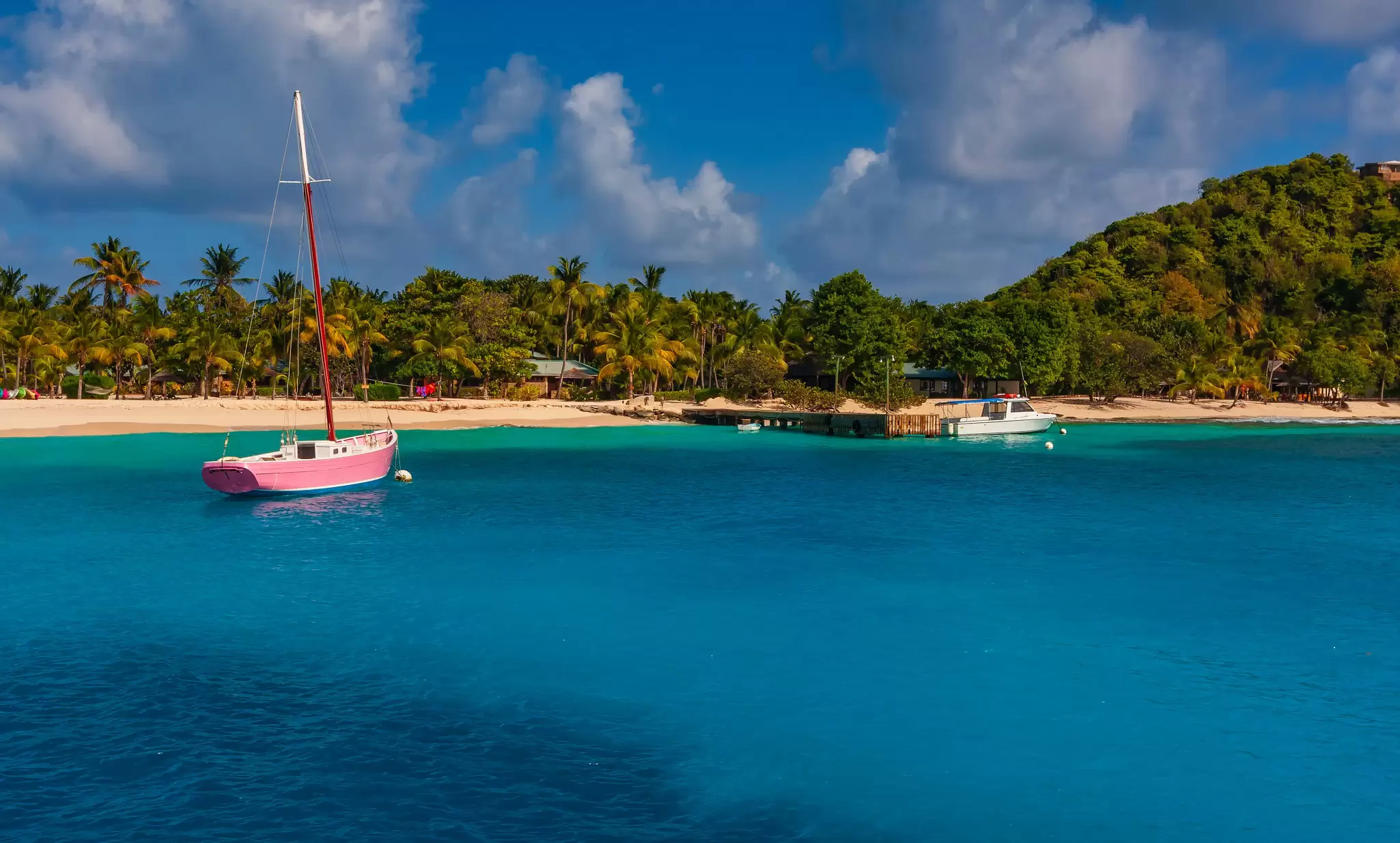
Tobago Cays in St. Vincent and the Grenadines. Peter Krocka/Shutterstock
Writer
Highlights
Writer Alex Egerton guides you through the Grenadines' major islands.
Base yourself in Bequia for beaches, drift dives and a year-round cultural calendar.
Snorkelers should make for the Tobago Cays; kiteboarding enthusiasts head to Union Island.
Carriacou's raucous Carnival and Mustique's Blues Festival reward those who time it right.
Lonely Planet may earn a commission from affiliate links on our site. All recommendations and reviews reflect our own independent opinions.
Long the domain of savvy sailors and fly-in millionaires, the spectacular Grenadines offer independent travelers plenty to do, and exploring this magnificent archipelago of 32 islands and cays is by no means restricted to those with their own boats.
Here is your essential guide to the Grenadines' major islands and how to get there.
This Caribbean nation is known for its unspoiled natural beauty, luxury accommodations, and sailing and pirate history. Spanning the nations of St Vincent and the Grenadines and Grenada, the Lesser Antilles region provides a wide variety of authentic Caribbean experiences in which nature is never far from the spotlight. Visitors flock to the chain for marine and wildlife encounters, as well as outdoor wonders like the active La Soufrière volcano.
Throughout the region, there is no shortage of cultural activities; take your pick from blues and gospel festivals, regattas and the annual Carnival. Each island’s traditions and history are as lush as its landscape, making this the ideal destination for those who fear they may get bored in paradise.
The official language is English, however, most residents also speak Vincentian Creole. You’ll often hear the English-based Creole in informal settings – it's influenced by French, Spanish, Portuguese and the languages of the Garifuna and West Africa.
Best for events
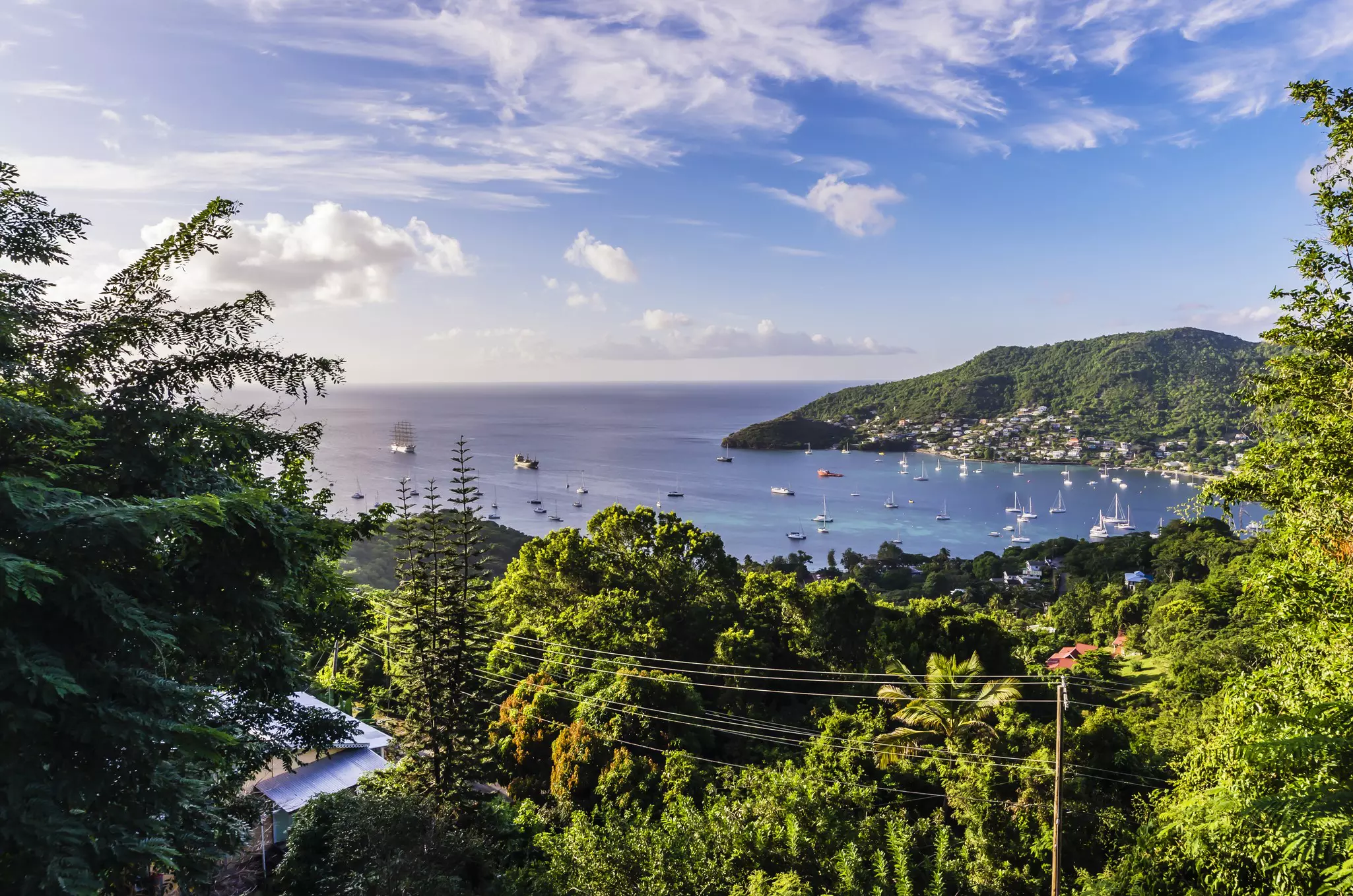
The most visited of the Grenadines and rightly so, beautiful Bequia is the quintessential slow-paced Caribbean island that really does have it all. Visitors can swim, dive and hike through dazzling natural beauty by day, then soak up the tropical atmosphere in the evening, sipping cocktails or tucking into a gourmet meal on a panoramic terrace.
The second-largest island in the chain, Bequia offers plenty of attractions for nature lovers. Among Bequia's many draws are Princess Margaret Beach and Lower Bay, two wonderful stretches of sand backed by lush greenery, just a short hike from the capital, Port Elizabeth. There are good drift dives along the leeward side of the north of the island, while the remote hilly north of the island affords ample opportunity for exploration; climb some of the imposing forested peaks for fine views of St Vincent and other Grenadine islands.
Bequia also has a wealth of cultural attractions throughout the year. The multiday Bequia Music Festival, one of the island’s most popular events, kicks off in January. A smaller-scale Carnival takes place at the end of June, as part of the regional Vincy Mas, while Bequia Fisherman’s Day is the largest annual fishing event (held the Saturday after Vincy Mas). For a bit of holiday spirit, partake in the tradition of Nine Mornings – a local pre-Christmas activity during which residents sing and celebrate throughout the island over the nine nights leading up to the holiday.
Getting there: Visiting Bequia is a breeze. An efficient, regular fast ferry service links it with Kingstown on St Vincent, and SVG Air has flights from the airport on the south of the island.
Best for celebrities
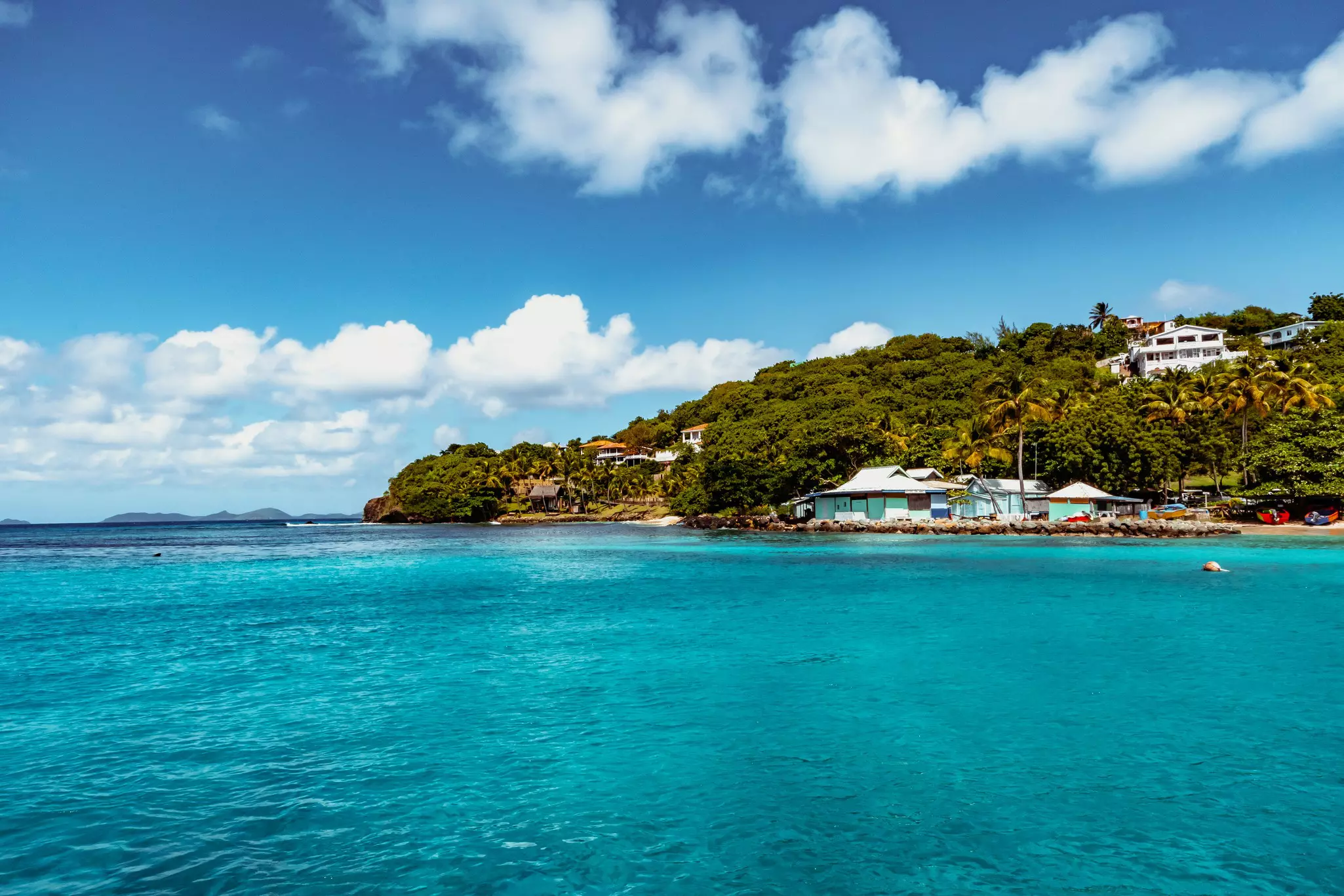
Mysterious Mustique, home to rock stars and the uberwealthy, fomented the image of the Grenadines as playground for the rich and famous. This private island has some of the priciest accommodations in the region – if you have the bank balance, you can crash at the Balinese-themed villa built for David Bowie. Mustique is also reported to be a longtime home of music and fashion legends like Mick Jagger and Tommy Hilfiger. But you don’t need to be rolling in it to visit: day trips on yachts from Bequia allow regular folks to get a taste of Mustique’s manicured lawns and pure tropical perfection. Visitors can lie on pristine beaches and have a drink at Basil’s Bar overlooking the main harbor – you never know who might be at the next table.
The Mustique Blues Festival is a highlight of the island’s event calendar. This gathering of the world’s biggest blues acts typically occurs at the end of January and through February. Travelers will enjoy aligning their visit with the annual Mustique Charitable Trust craft fair, where local vendors sell handmade beauty products, banana art, baskets and jewelry. Like other islands in the region, the shared traditions of Carnival, Nine Mornings and regatta culture are equally important in Mustique.
Getting there: There are no public ferry services to Mustique. Travelers can visit on a day cruise from Bequia; a recommended boat is the elegant Caribbean schooner Friendship Rose. Visitors with accommodation on Mustique can find regular flights from Mustique Airways.
Best for snorkeling
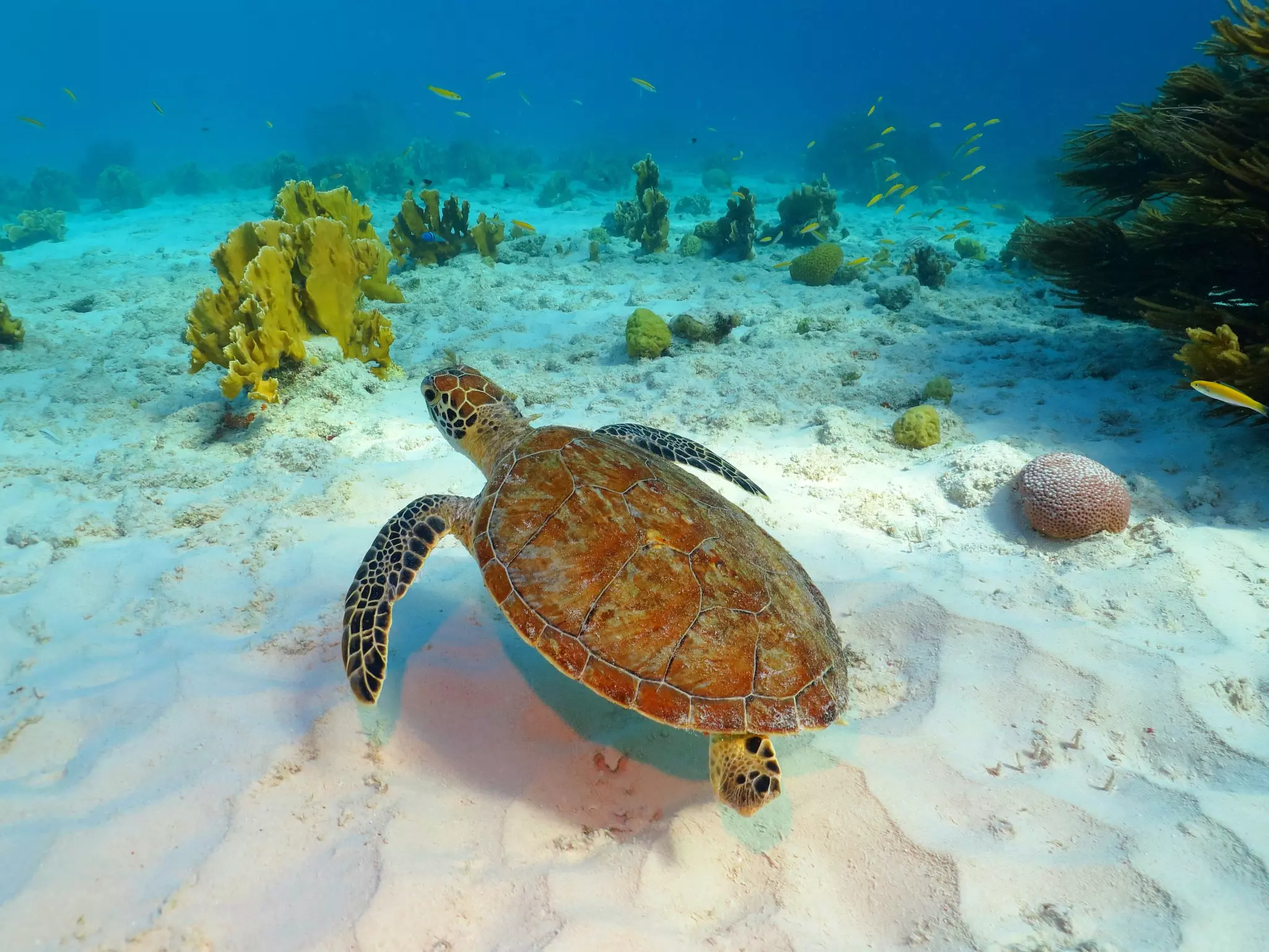
Uninhabited, surrounded by an impressive barrier reef and protected as a marine park, the gorgeous Tobago Cays are the highlight of any trip to the Grenadines, providing some of the best snorkeling in all of the Caribbean. The warm, shallow waters are filled with hard corals that are alive with marine life, including a thriving population of marine turtles.
The beauty of the cays is no secret, but they rarely feel overrun, thanks to their remote location and lack of development. A day trip here is a thoroughly relaxing experience, with bouts of snorkeling, swimming and lazing on the sands interrupted only by freshly caught seafood meals.
Getting there: There is no public transportation to the Tobago Cays, but it's possible to charter a small boat for a day trip from any one of the populated Grenadine Islands. Mayreau is the least-expensive departure point, followed by Union Island.
Best for barhopping
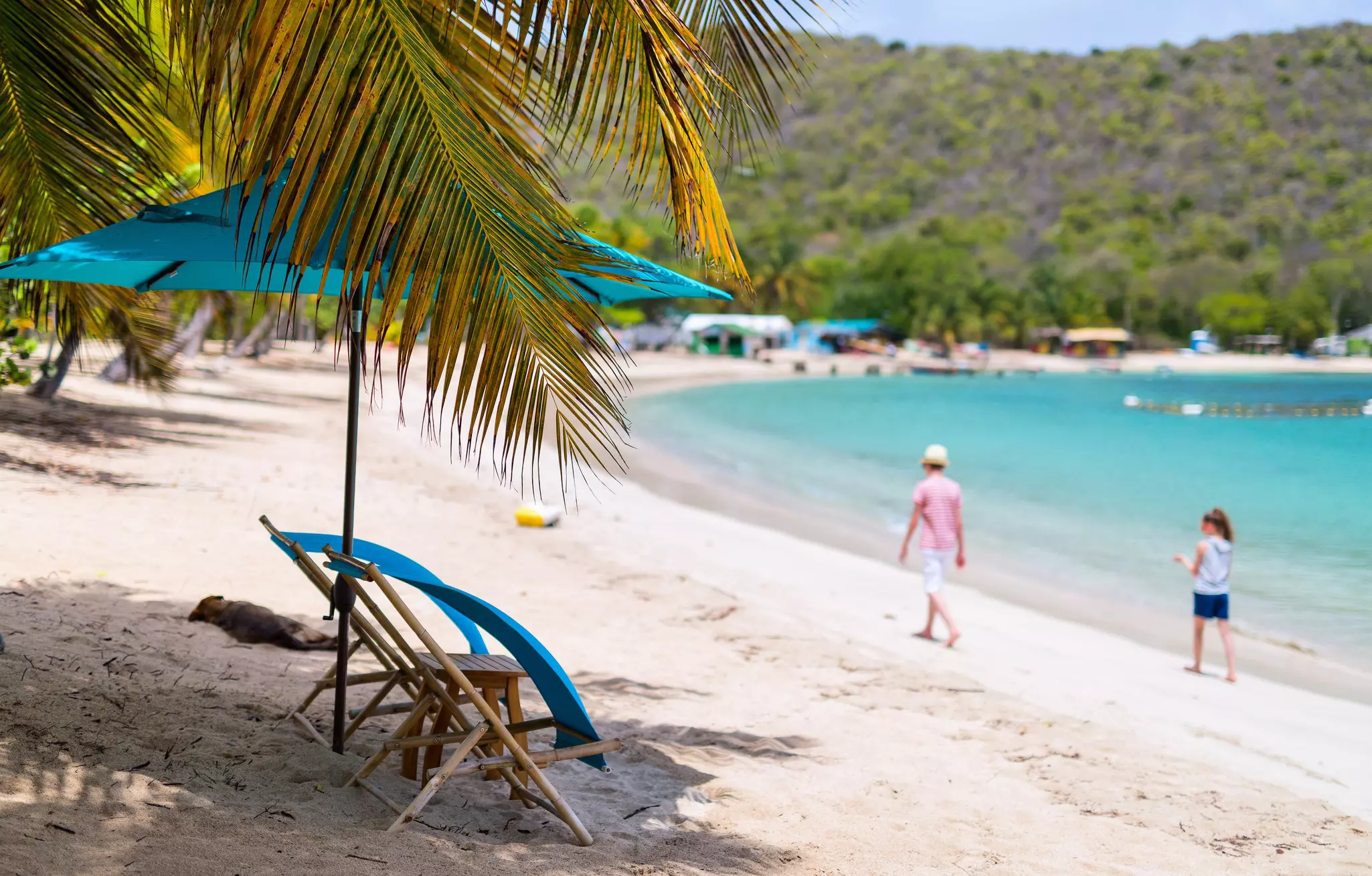
Tiny Mayreau may not have a hospital, school or any police, but the lack of development doesn’t stop the small population of locals from having a good time. Mayreau is famed in the region for its hard partying. It is said that the island’s weekly beer order far eclipses that of Union Island, its far larger neighbor.
But apart from barhopping, there are plenty of other reasons to visit. The island is part of the Tobago Cays Marine Park and has spectacular beaches. Long a secret among yachties in the know, Salt Whistle Bay on the northern tip of the island is one of the most perfect bays in the Grenadines: a full horseshoe-shaped crescent of brilliant white sand lined with coconut palms that looks almost too good to be true.
The undeveloped nature of Mayreau means there are plenty of rarely visited smaller bays to discover, and the small size of the island means you’re never too far from home (or a cold beer) once you tire of exploration.
Getting there: Some southern Grenadines ferry services call at Mayreau on the Kingstown–Union Island run. There’s no airstrip on Mayreau.
Best for beaches
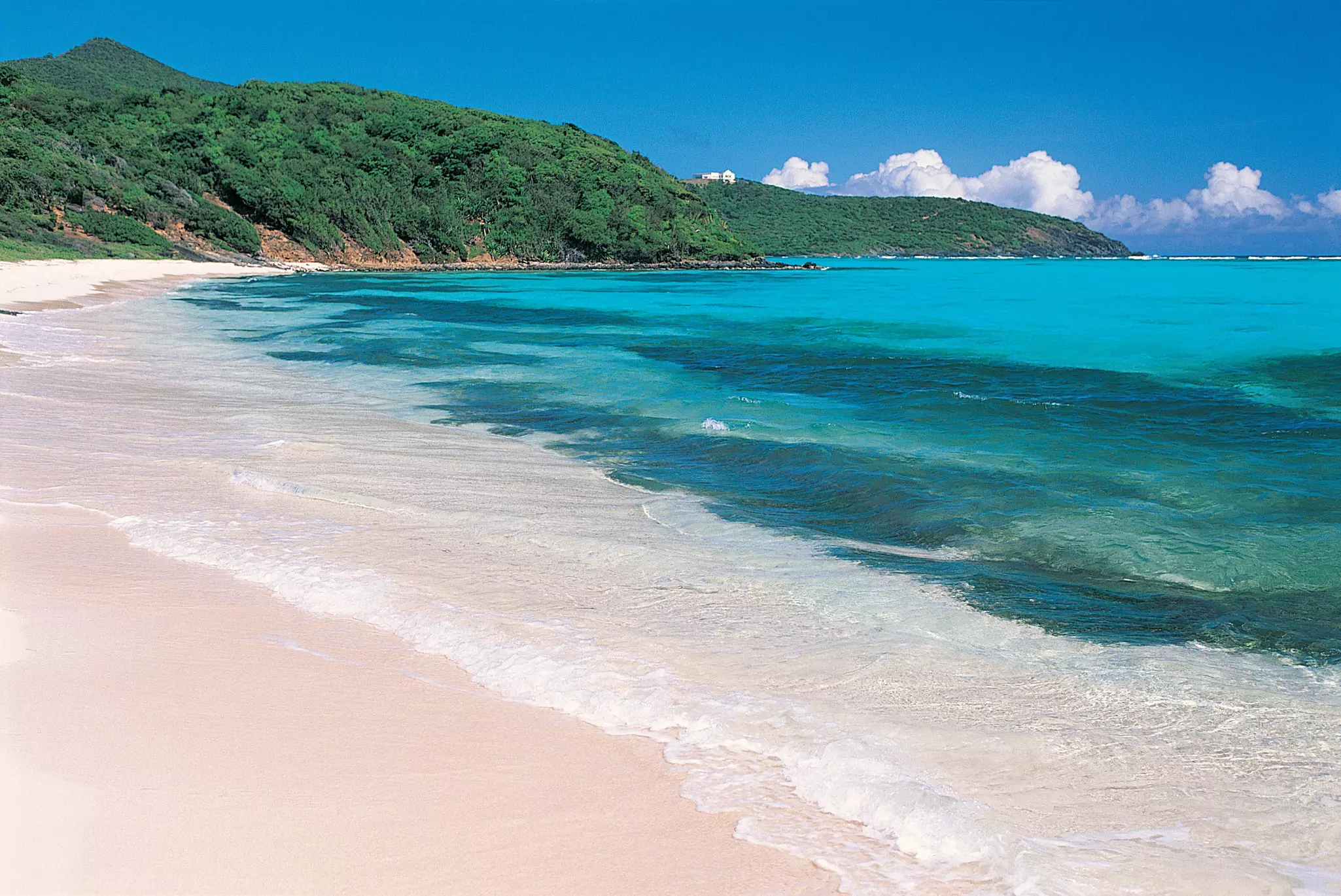
A tale of two islands – Canouan is a peculiar place that in some ways, shows the perils of tourism development. The government sold more than half of the island to private investors for a mega resort, leaving locals bunched up in the village on the southern reaches of the isle without access to some of Canouan’s loveliest spots. Of course, if you’re staying at the resort, you will enjoy access to absolutely stunning beaches with first-class snorkeling and zero crowds.
While many of the nicest beaches are within the resort's boundaries, there is also fine snorkeling and some lovely sands to the south and east of the village of Charlestown, although infrastructure on the island is limited for independent visitors.
The Canouan Regatta in May attracts crowds from around the region for several days of boat races, family-friendly cultural activities, and sporting and dance competitions.
Getting there: Canouan is accessible by ferry from Kingstown on St Vincent and Union Island. There are flights to Kingstown and Union Island – a 5-minute hop over the channel – with SVG Air.
Best for kiteboarding
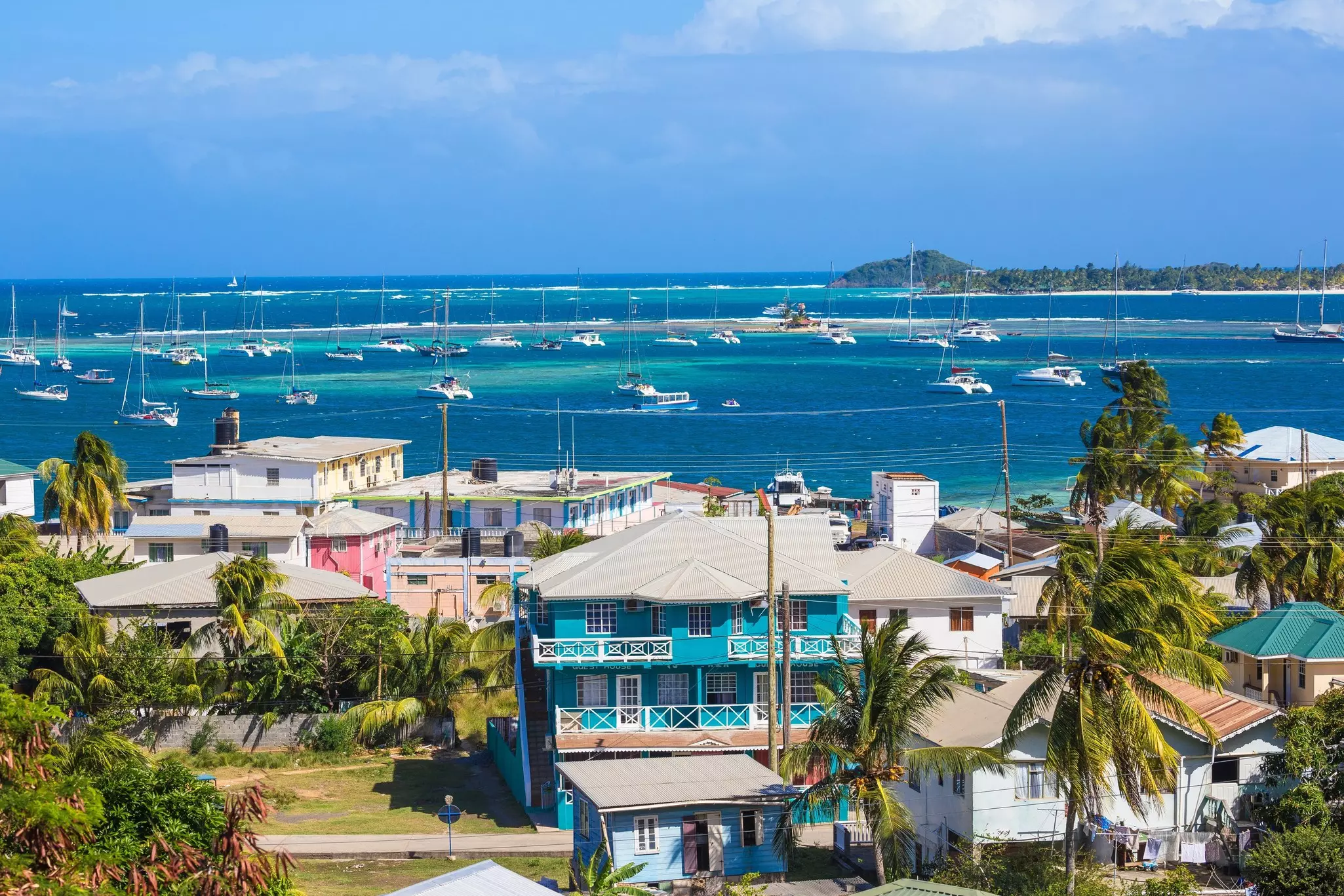
An outpost at the far southern end of St Vincent and the Grenadines, and across an international border, mountainous Union Island has traditionally been off the radar for many visitors, but recently a wave of adventurous independent travelers has come ashore. With a couple of laid-back villages and no major resorts, it’s one of the best places for visitors to mix it up with locals. The main street in Clifton is lined with cafes and restaurants, and it's a fun place to relax in the evening after sun-soaked adventures.
And Union Island is not without its share of astonishing natural beauty. Big Sand on the west side of the island is a wonderful crescent of powdery white fronted by brilliant turquoise sea and framed by jungle covered bluffs. The waters to the east of the airport runway on the north side of the island offer some of the best kiteboarding in the archipelago.
Union Island is also the home of a uniquely special Caribbean celebration – the Maroon Festival. Taking place during the full moon in May, the festival draws inspiration from the harvest rituals of enslaved West Africans, acknowledged today in the form of ancestral song, dance and drum rhythms passed down generationally.
Getting there: Union Island is the last stop on the southern Grenadines ferry routes from Kingstown. Its small airport receives regular flights from Kingstown, as well as less frequent services from Barbados and other Caribbean islands. Bookings can be made through SVG Air.
Best for performances
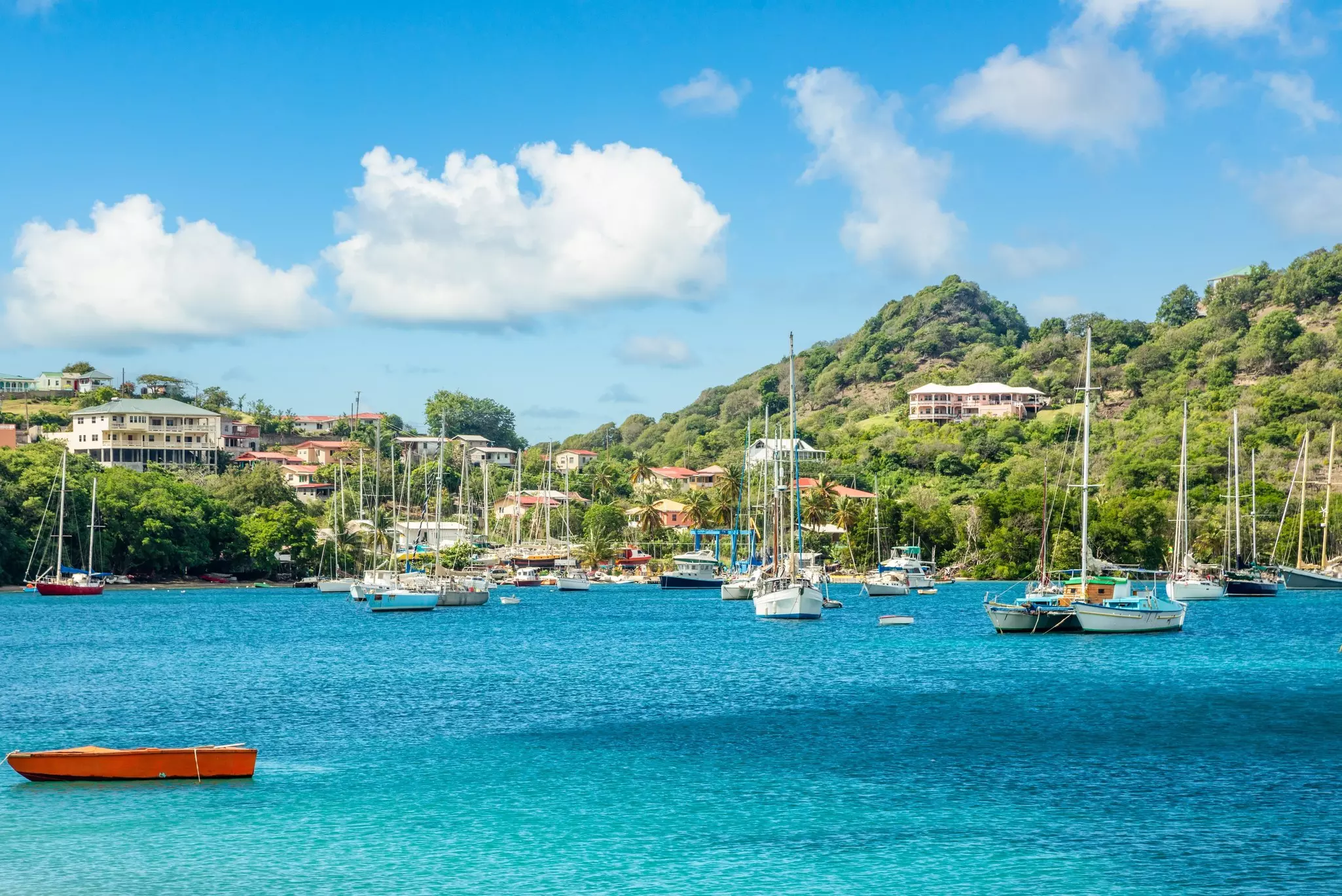
Home to the Grenadines’ most vibrant Carnival, as well as one of its leading music festivals, Carriacou is the archipelago’s largest island and also its most culture focused. Sure, it has the requisite first-class beaches – Paradise Beach on the west side of the island very much lives up to its name, while secluded Anse La Roche is a delightful cove surrounded by bush with coral reefs just offshore – but there’s also plenty going on once the sun goes down.
Carnival in Carriacou is a raucous affair involving oil-covered celebrants dancing in the street until the early hours. But Carriacou Carnival’s biggest claim to fame is the intriguing Pierrot, or “Shakespeare Mas,” in which pairs of costumed men recite verses from the bard and bash each other with sticks if they fumble their lines.
Other cultural showpieces include the Big Drum Dance – an ancestral dance performed on special occasions and accompanied by plenty of rum – and the Carriacou Maroon and String Band Music Festival, a full-on celebration of drumming, dancing and smoked foods.
Getting there: Carriacou is one of the easiest islands in the Grenadines to visit, courtesy of the regular fast ferry service run by Osprey Lines from St Georges on Grenada, which has good international air links.
Explore related stories