Aug 11, 202610 min read
13 Things to Know Before You Head to Puerto RicoFeb 2, 2026
3 MIN READ

Writer
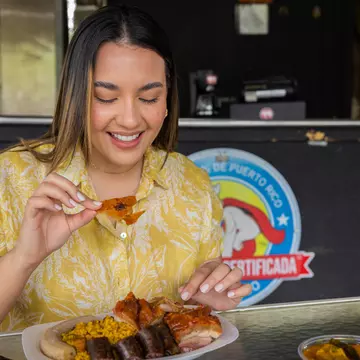
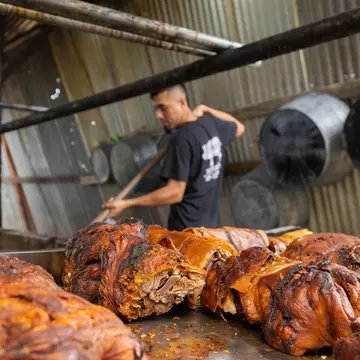
El Rancho de Apa in Puerto Rico. Alejandro Granadillo/Lonely Planet

Writer
Lonely Planet may earn a commission from affiliate links on our site. All recommendations and reviews reflect our own independent opinions.
The promise of what’s in store for you and your stomach begins upon arrival in Puerto Rico. A heavy aroma of beans and rice wafts through Luis Muñoz Marín International Airport – you’re going to eat well here.
Puerto Rico and its flavors tell of the country’s past, from the Indigenous Taino to Spanish colonizers and enslaved Africans. Puerto Rican cuisine is a history book. At the center of it all is community, because the best dishes are the ones shared with loved ones. And nothing captures the joy of food and family quite like a chinchorreo.
In a chinchorreo, families and friends come together, occasionally wearing matching shirts or colors, and travel from one restaurant (called chinchorreos) to another eating, drinking and, if you’re lucky, singing and dancing salsa and merengue. Though you can indulge all year round, chinchorreo in Puerto Rico typically happen around the holiday season.
The vibe is fun and joyful as most chinchorreos are locally owned, family-run businesses that have been around for generations. They’re usually casual affairs, sometimes just simple shacks on the side of the road.
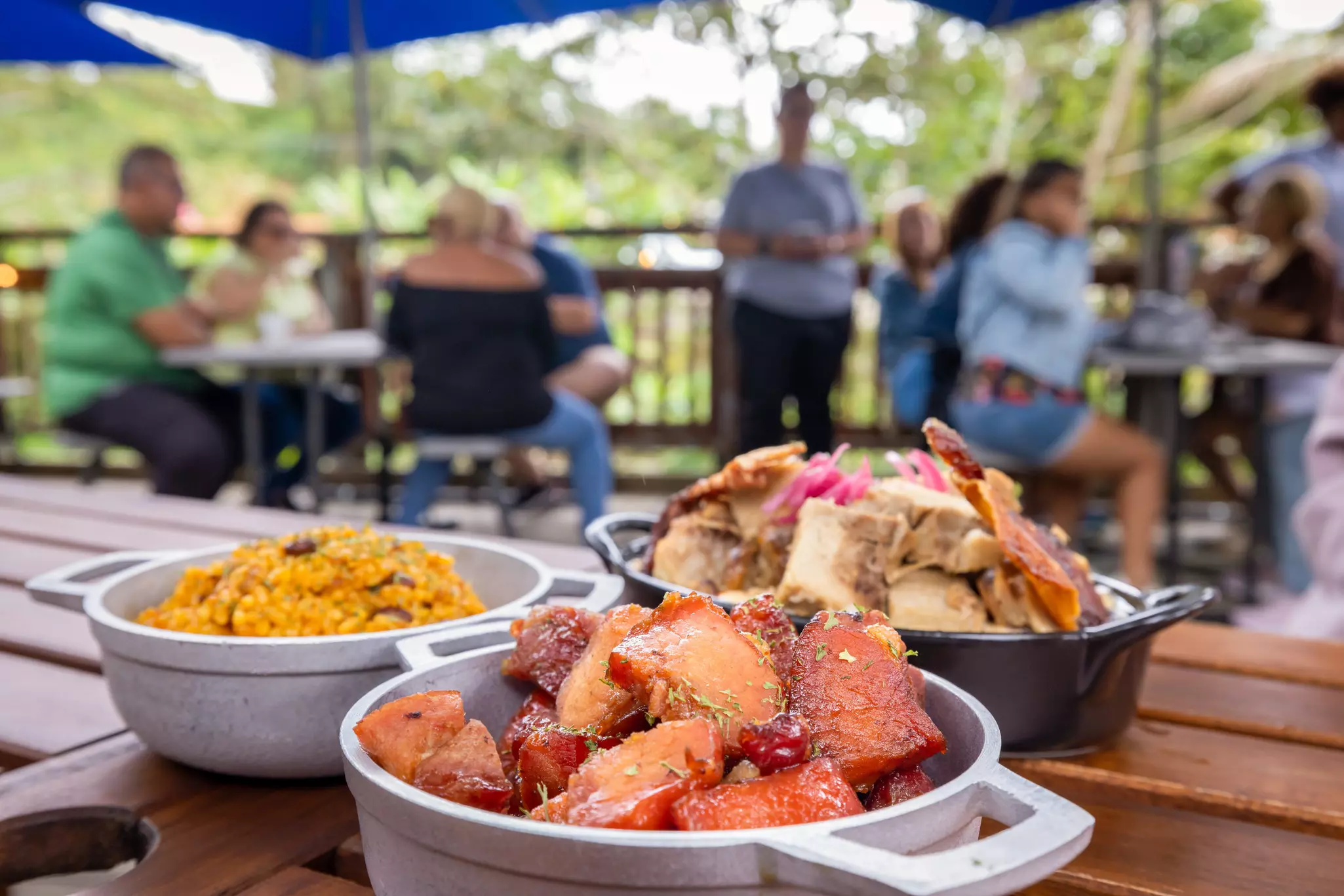
Pinpointing an origin year is difficult, but researchers place the beginning of today’s version of a chinchorreo in the mid- to late 20th century. Its roots are tied to the central mountains, though the tradition exists throughout the country.
There’s the pork route (Ruta del Lechón) in Guavate, a seafood route in Rincon and a longaniza route (a Puerto Rican sausage) in the central mountains.
The rundown is the same everywhere – move from establishment to establishment, sampling the best that each spot has to offer and keeping the party moving.
Families will most often rent a bus or travel in a series of cars from one chinchorreo to another. Visitors in San Juan can rent a car and drive about 35 minutes to the central mountain town of Naranjito and create their own chinchorreo itinerary.
Discover Puerto offers a list of chinchorreos, or you can simply ask a few helpful Puerto Ricans for recommendations. Some of our favorite spots in Naranjito include El Rancho de las Longanizas Don Nando, Asador San Miguel and La Casita 152.
But another stress-free option is to join a tour group, which typically involves traveling in a bus from place to place.
Tour guides will not only explain the history of the chinchorreo but also keep you on track. A couple companies that offer chinchorreo experiences are PR 365 Tours and The Adventure Collective. Book tours ahead of time, as they fill up quickly, especially around the holidays.
The goal is to visit between three to five chinchorreos, but with a full belly and fun vibes, it’s easy to camp out at a single location all day – completely defeating the purpose of the tradition.
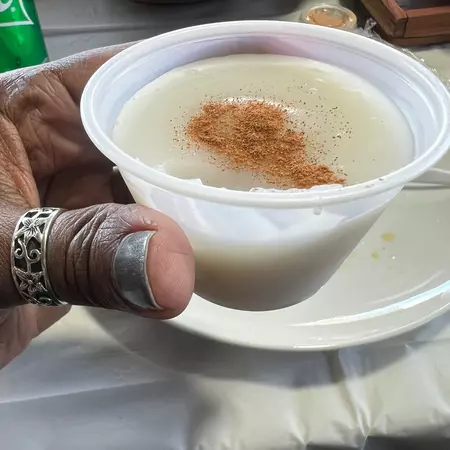
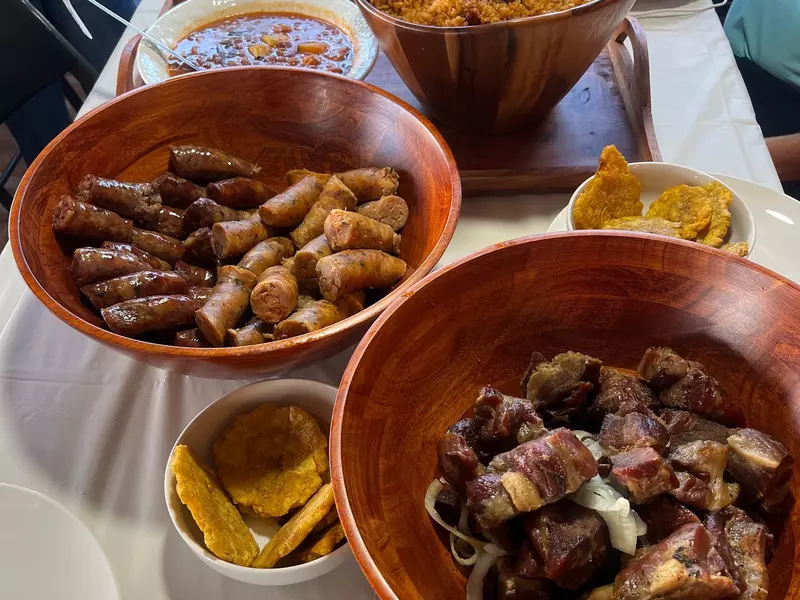
Depending on the route you take or the area of the country, your chinchorreo experience could focus on a single item (roasted pork) or many Puerto Rican delicacies.
In Naranjito, fare includes pork or chicken longanizas, rice and beans, beef with chimichurri, tostones, bolitas de queso (fried cheese balls) with guava dipping sauce, and fried cheese.
Servings are either bite-size or large shareable entrées. The game plan is to eat small portions, which is easier said than done when you start snacking on the delicious food.
When it comes to drinks, you can keep it simple with a soft drink, have a little fun with fruity mojitos or get classy with a glass of wine. But please, don’t forget to drink some water. A chinchorreo isn’t for the faint of heart.
Explore related stories