Jason Gardner has spent nearly 20 years traveling around the globe to photograph how different cultures celebrate Carnival, also commonly known as Carnaval and Mardi Gras. Originating in the Dionysian festivals of ancient Greece and Middle Ages ceremonies marking the end of winter and the beginning of spring, Carnival evolved in the Christian calendar as a counterbalance to Lent – a time of feasting and indulgence before a period of fasting and reflection. 

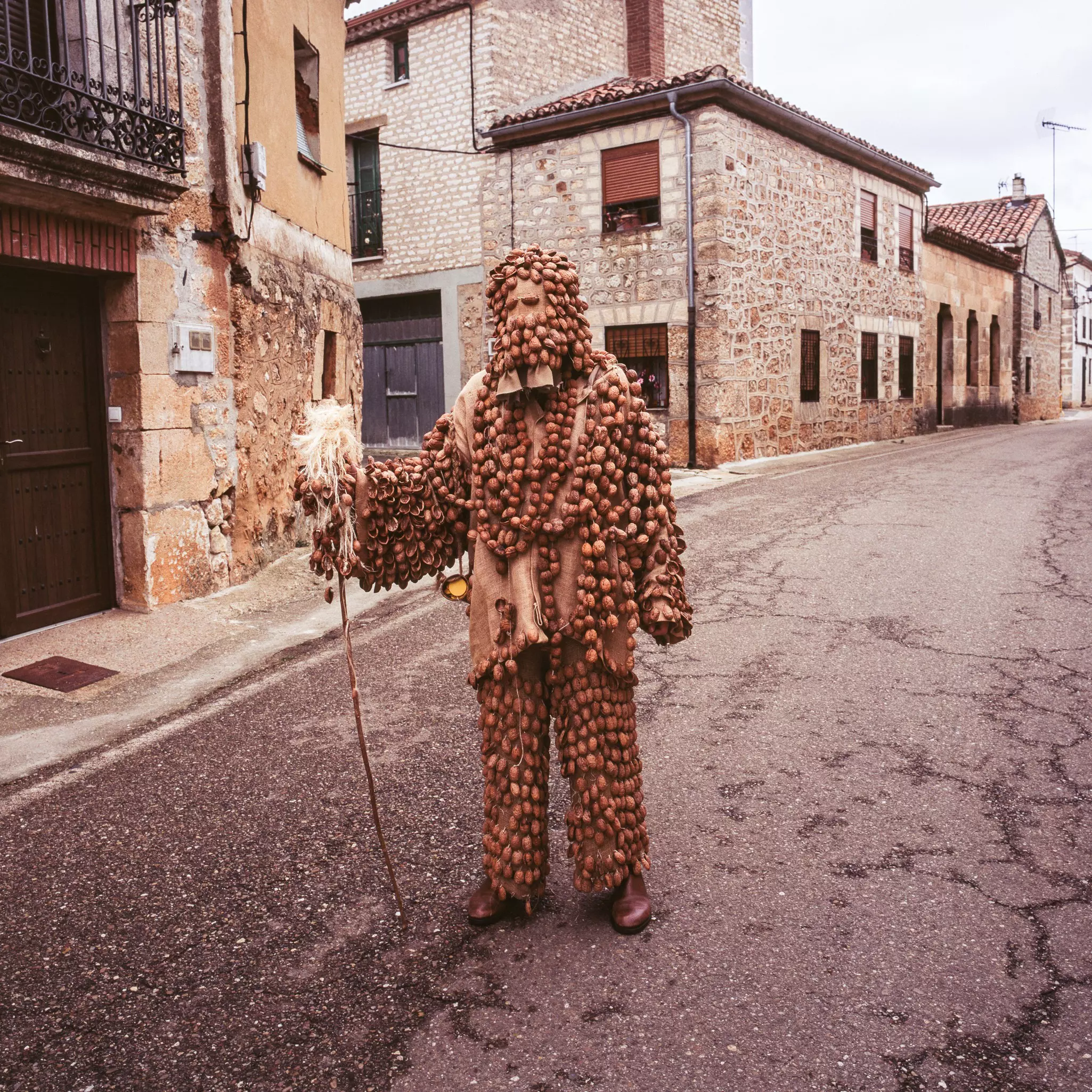
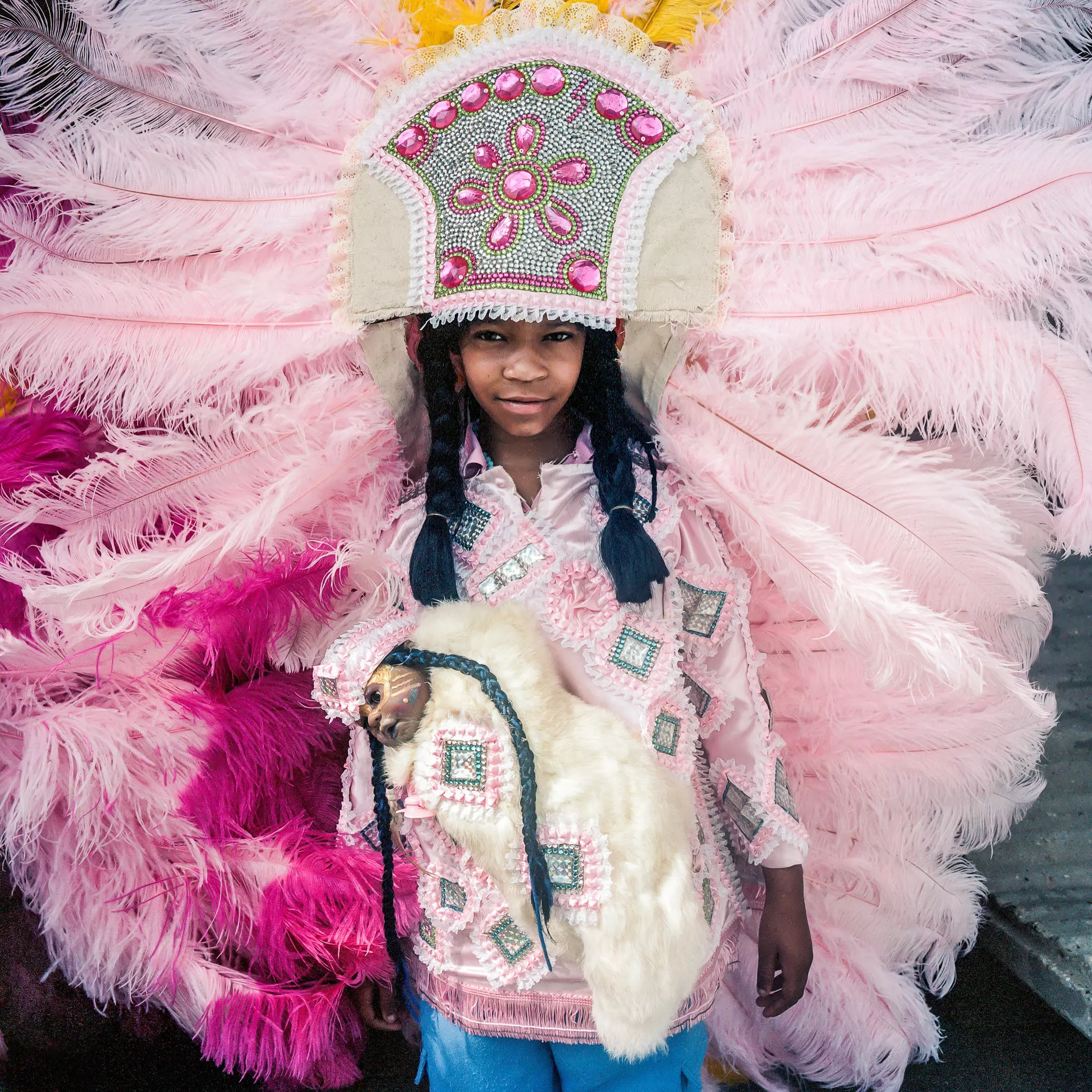
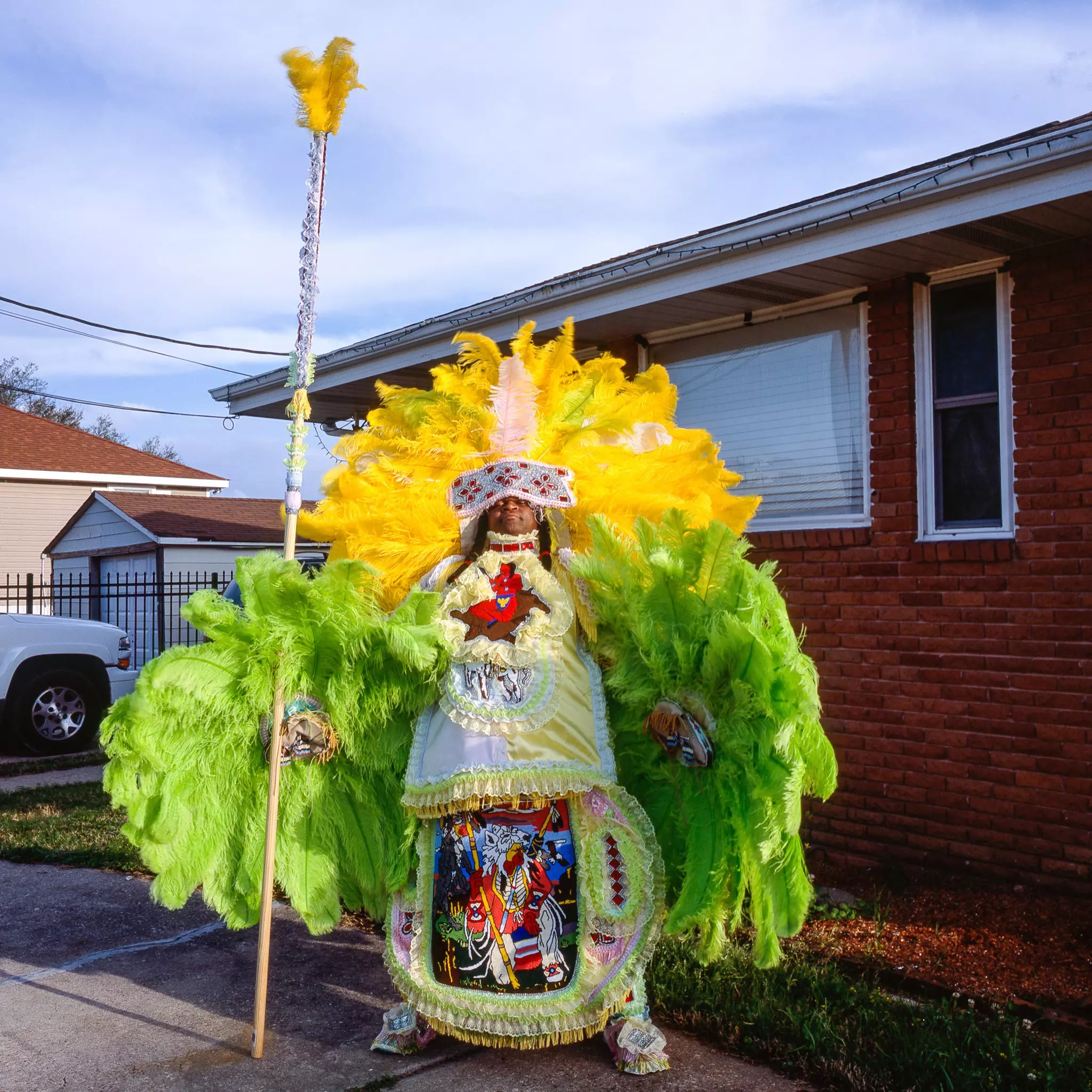
In Gardner's images, and in his 2023 book, We the Spirits, he describes how the tradition split from shared origins, grew and adapted with regional and culturally specific quirks. For example, at Mardi Gras in New Orleans, parades in the French Quarter feature Black Masking Indians, organized by Black Americans in remembrance of the Native Americans who accepted escaped enslaved people among their members in the 1800s. In the starkly different rural traditions of Spain, men dress to represent the harsher elements of nature, wearing ivy, moss, leaves and nutshells; these familiar items are recognizable to locals but presented in new, terrifying forms that are then cast out in a ceremony.

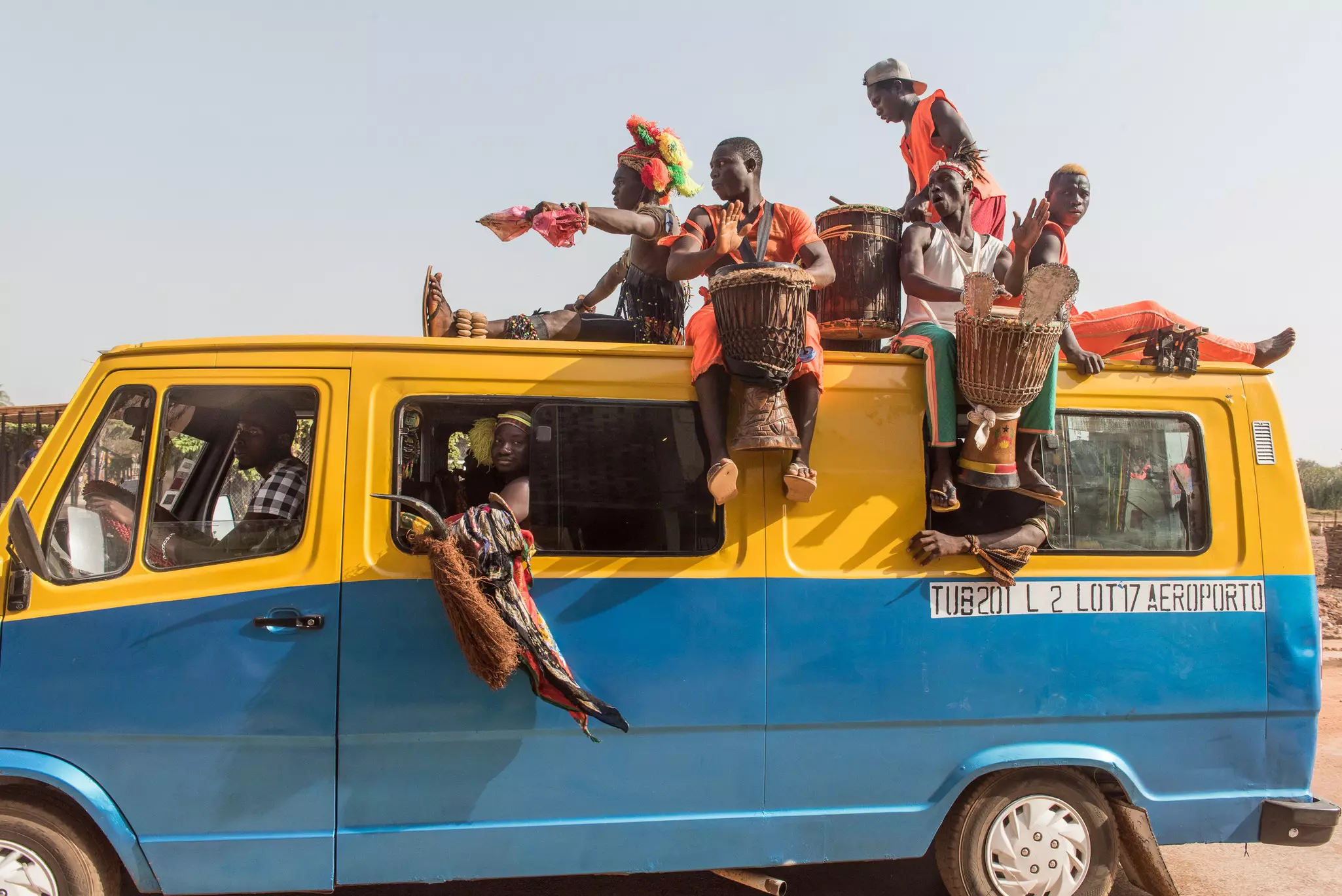
Masks are common across cultures; some simple and made by children eager to participate, others heavy and intricate. It can take years to make the masks worn for Carnival in Guinea-Bissau.

Gardner's photographs show how Carnival has taken on a life of its own the world over. 

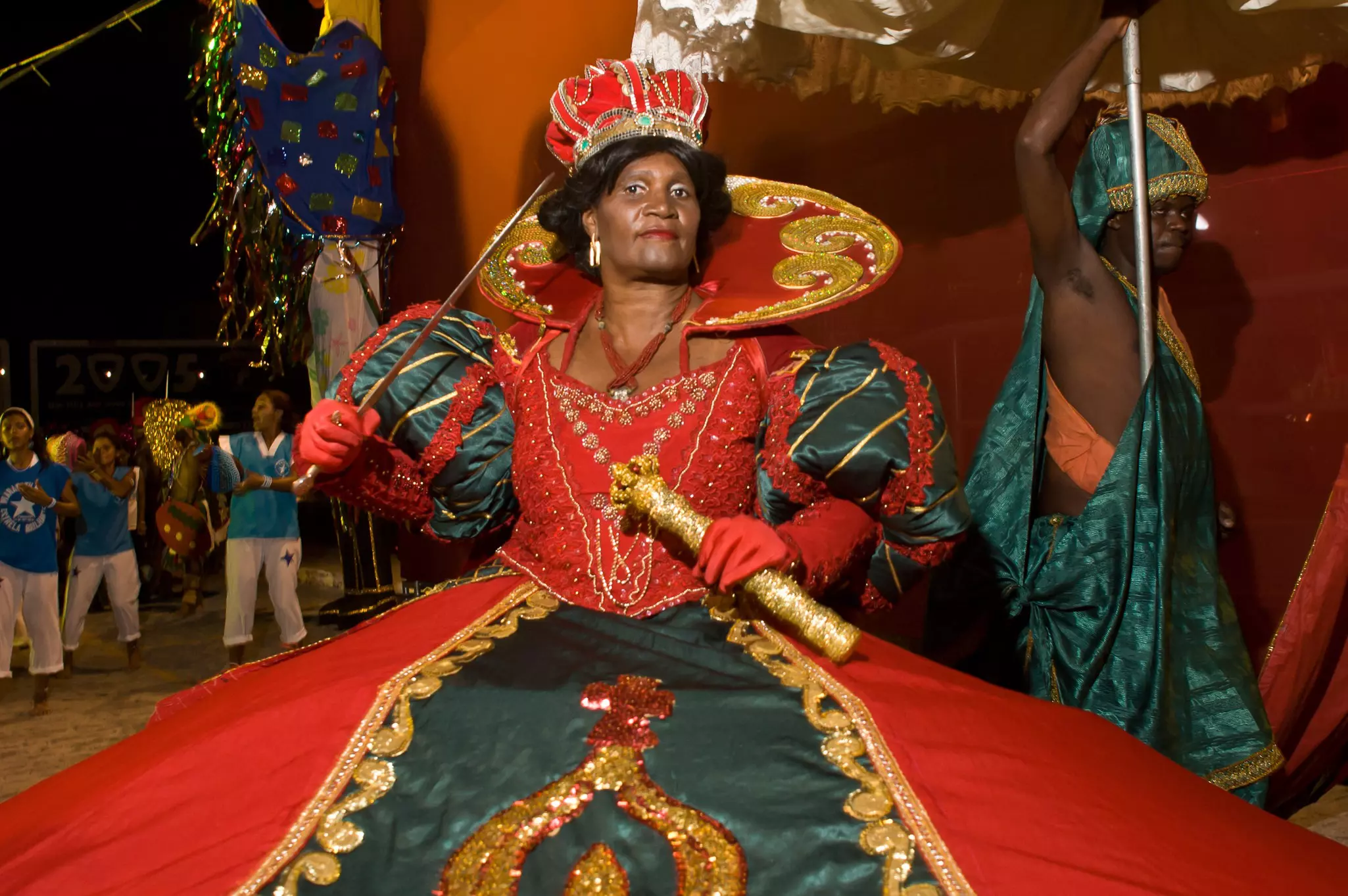
A person in an elaborate red and gold dress, with beading and braiding. The dress has a large round collar, puffed sleeves and a wide skirt. The person carries a scepter.
Queen of the Maracatu in Recife, Brazil, in 2005. Jason Gardner
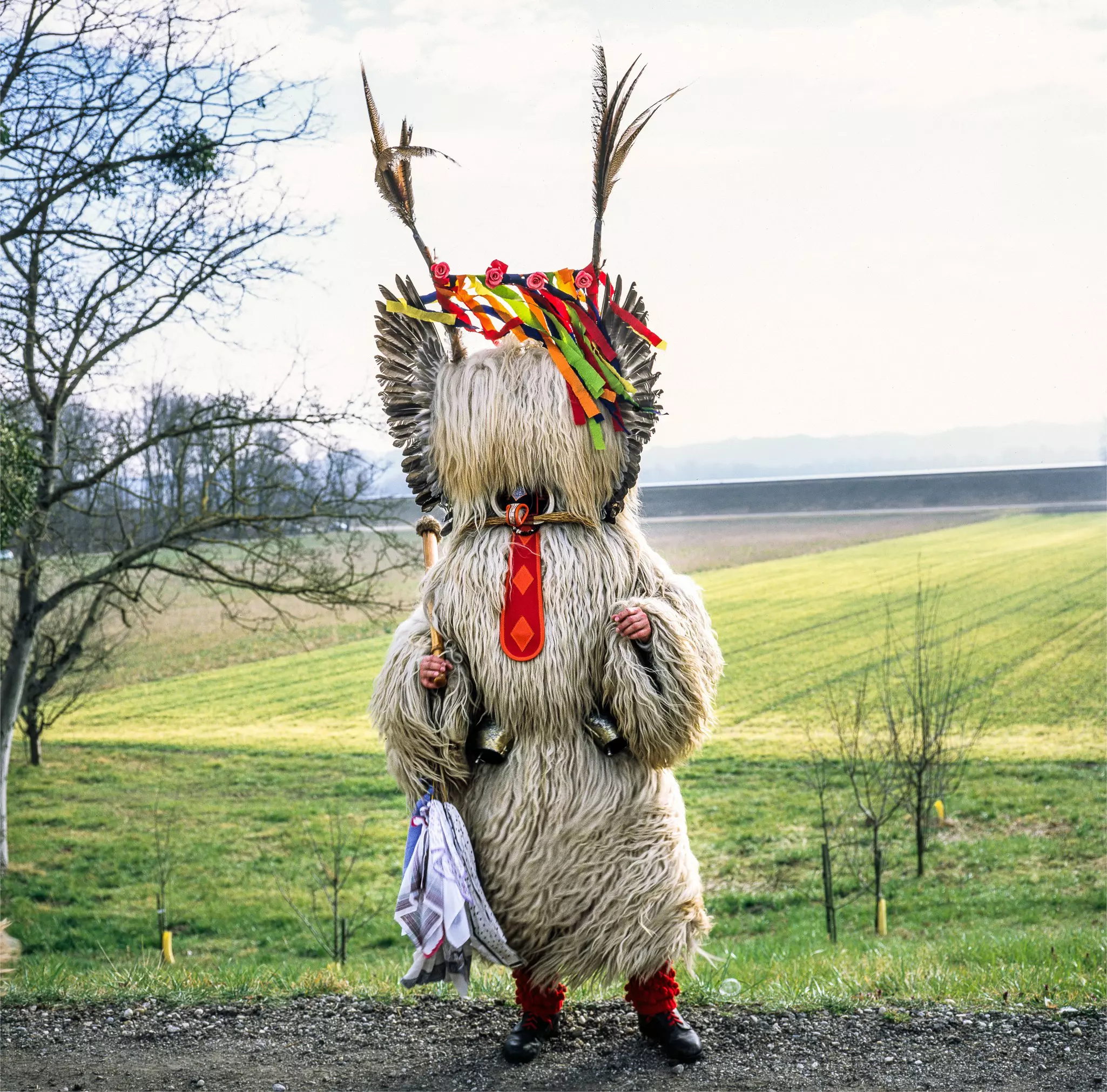
A person completely covered by a costume of long fur with a red tie and multicolored ribbons stands by a green field.
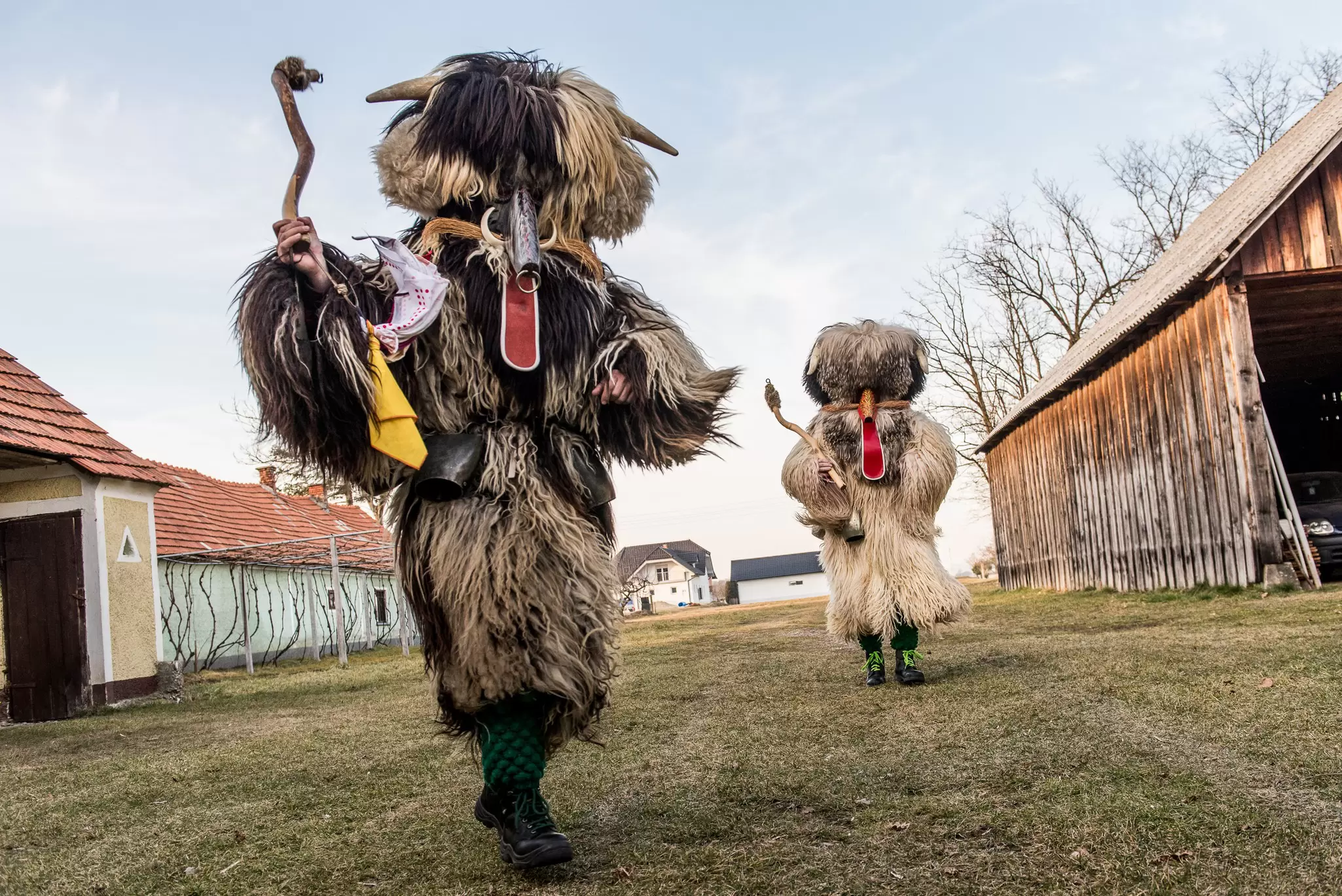
A "Kurent" character in Markovci, Slovenia, in 2019. Jason Gardner
A person wearing a costume made of small round objects stands in an empty street.
A "Gallarones" character in Mecerreyes, Spain, in 2023. Jason Gardner
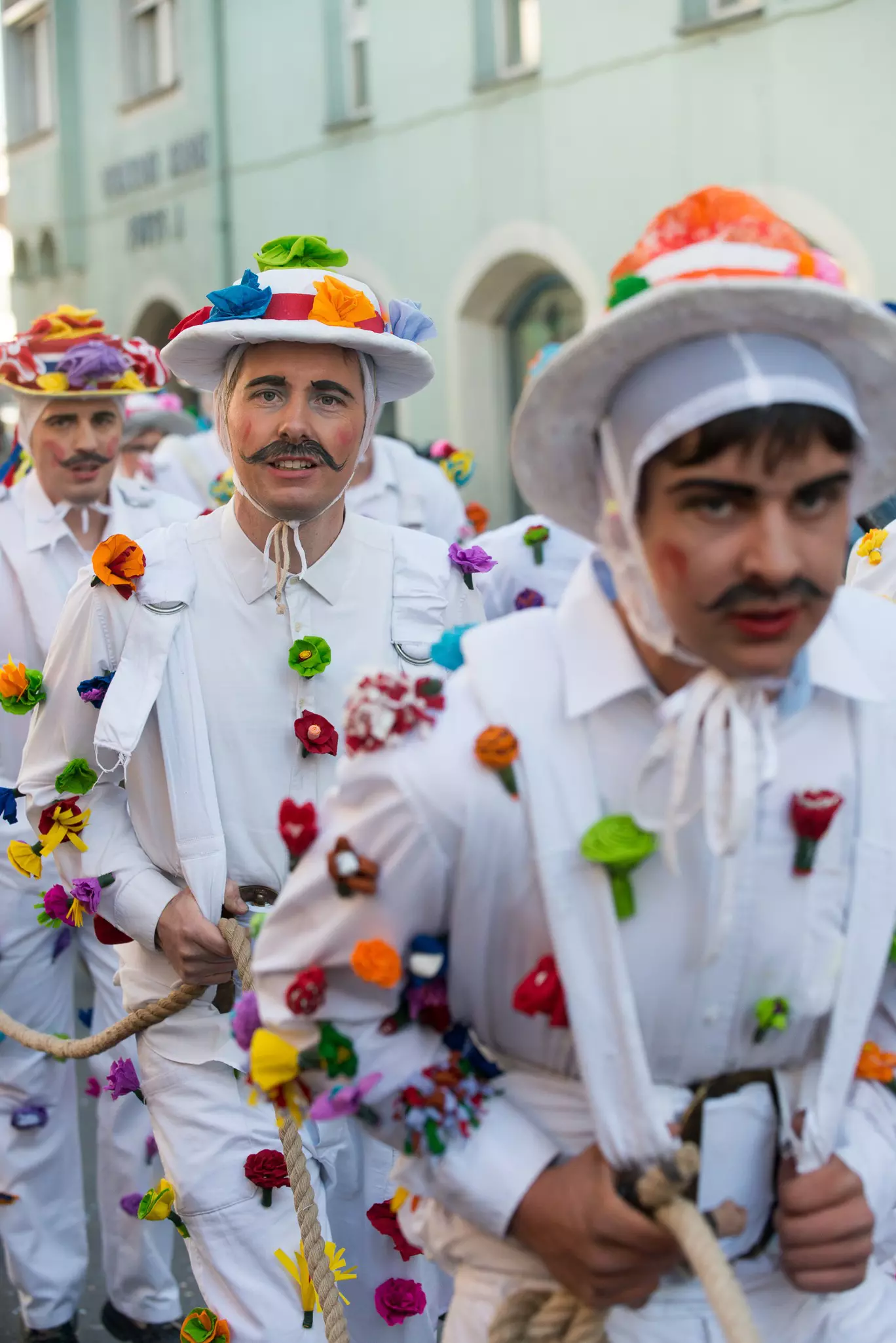
Festival participants wearing white garments strewn with multicolored flowers hold a nautical rope.
The "Zussl" of Prad am Stilfserjoch in South Tyrol, Italy, in 2023. Jason Gardner
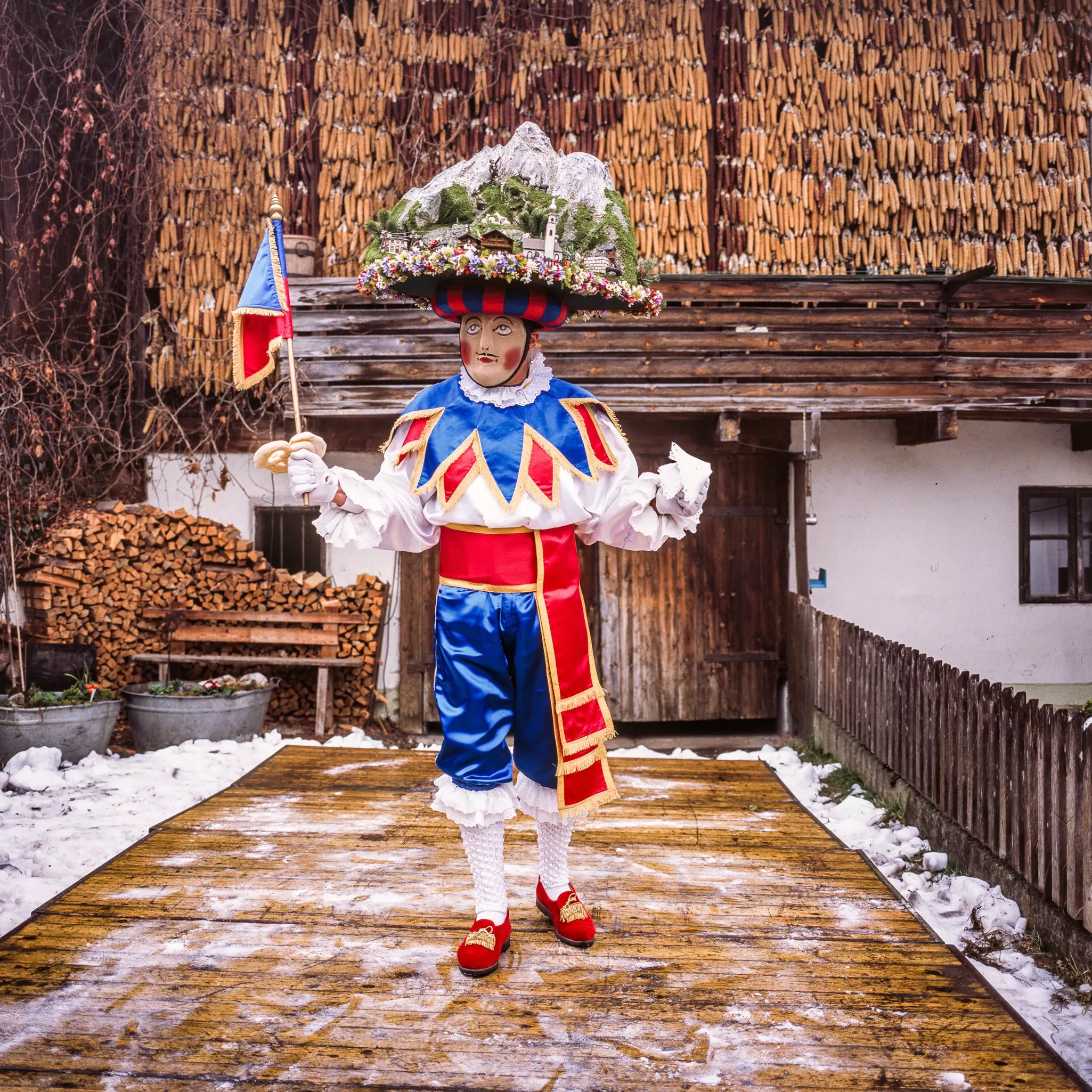
A person wearing a red, white and blue costume wears a mask and carries a flag in front of a traditional home.
The "Schleicher" of Telfs, Austria, in 2020. Jason Gardner
Drummers ride on the top of a blue and yellow van.
Guinea-Bissau in 2018. Jason Gardner
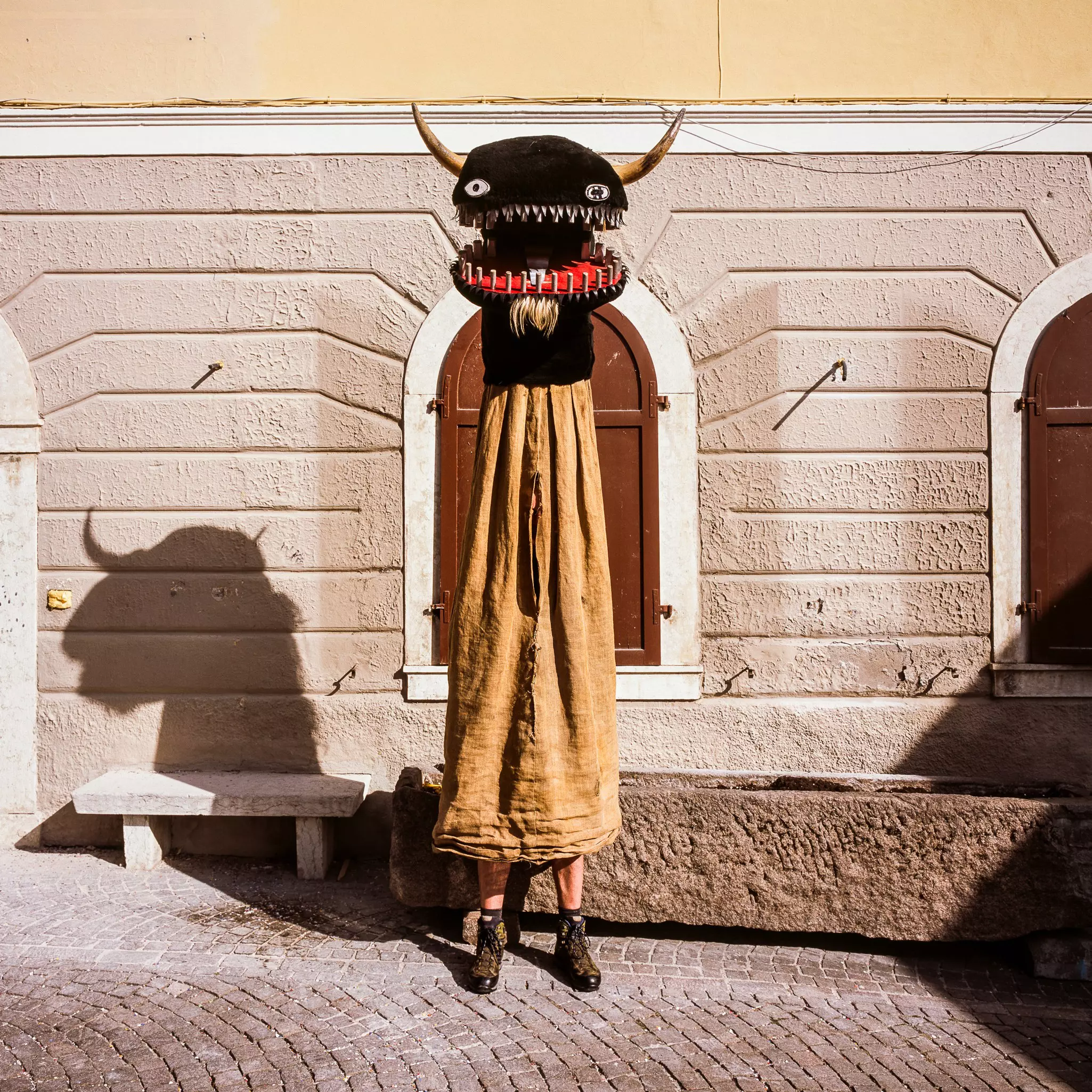
A person wears a costume with a black horned head.
A "Schnappviecher" character in Tramin, Italy, in 2023. Jason Gardner
A person wears a costume with a massive pink feathered headdress.
A member of the Wild Mohican Black Masking Indians, New Orleans, USA, in 2011. Jason Gardner
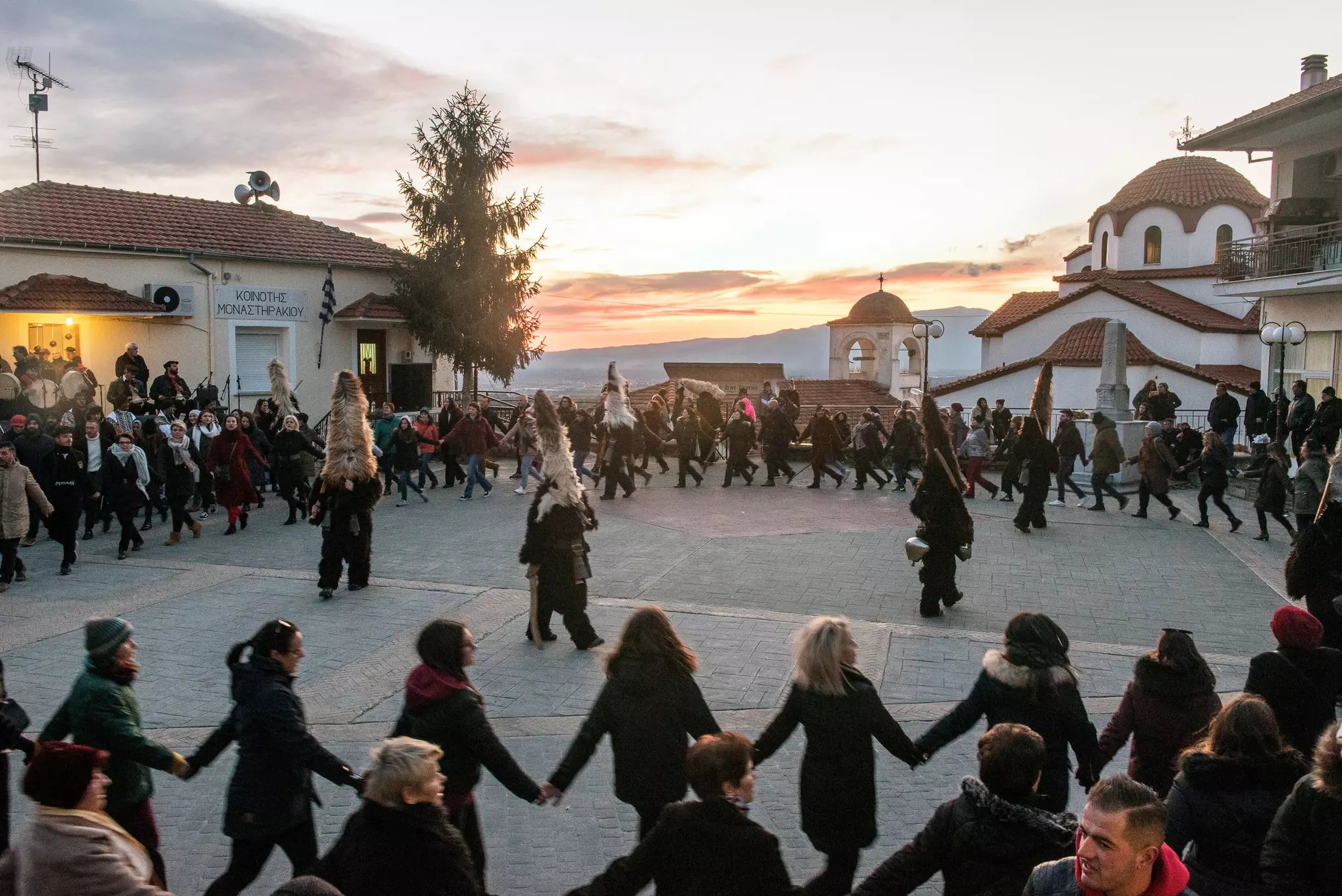
Dancers join hands and circle around an open plaza at sunset. Several costumed figures are in the middle of the circle.
"Arapides" characters dancing in the village of Monastiraki, in the Drama region of northern Greece, in 2020. Jason Gardner
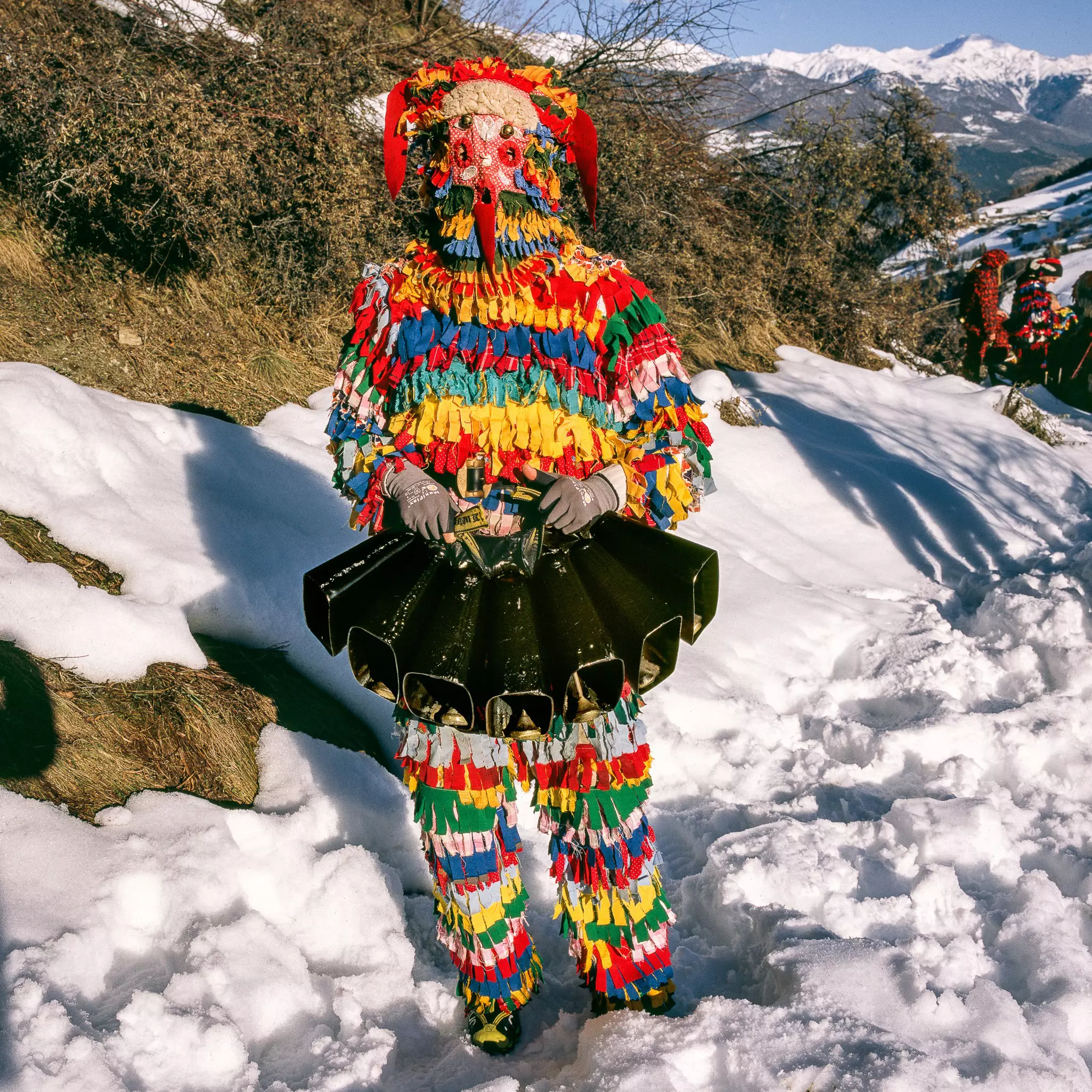
A person in a multicolored costume stands in the snow holding a black object.
Stilfs, Italy, in 2019. Jason Gardner
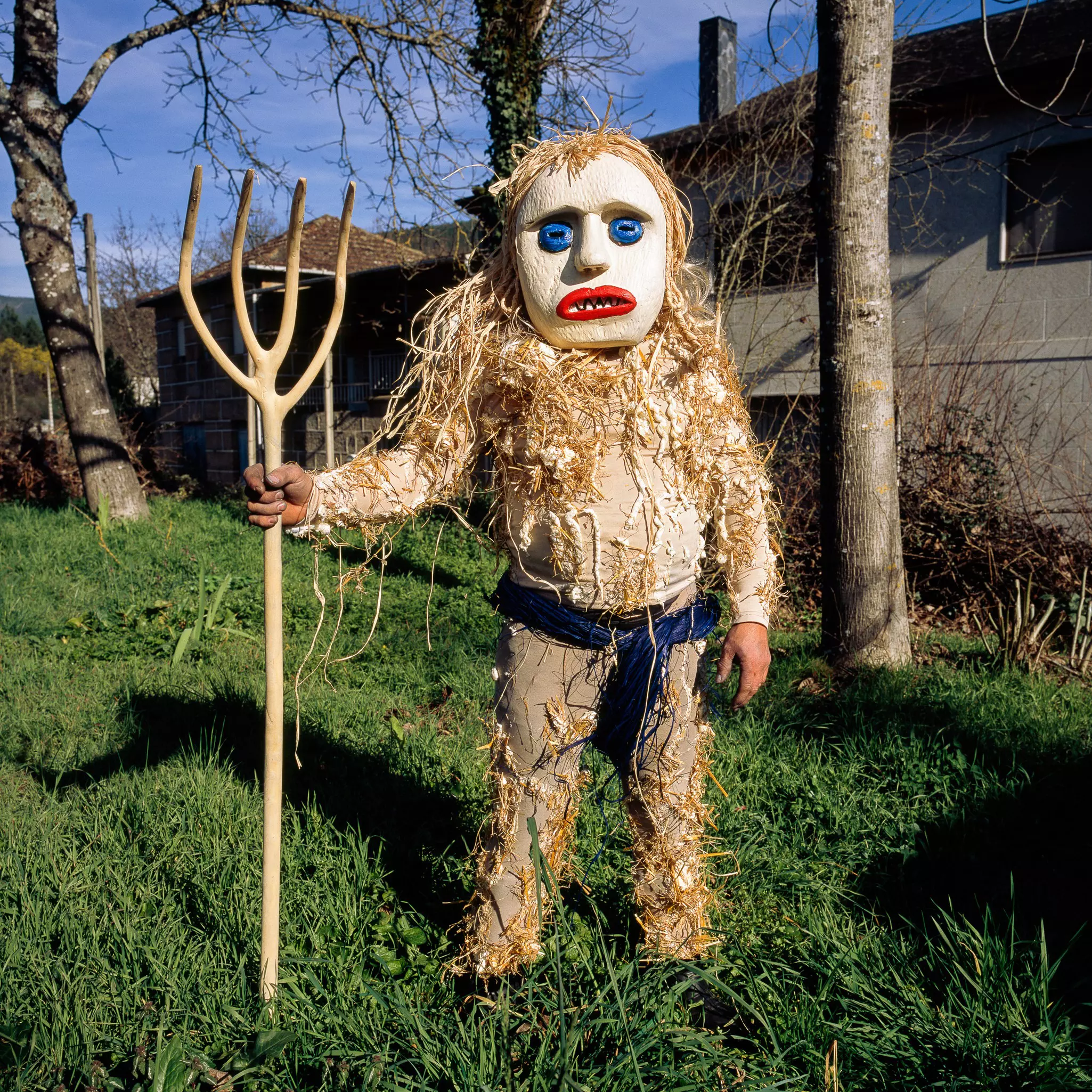
A masked person wearing a costume holds a pitchfork in the grass.
Matamá, Spain, in 2020. Jason Gardner
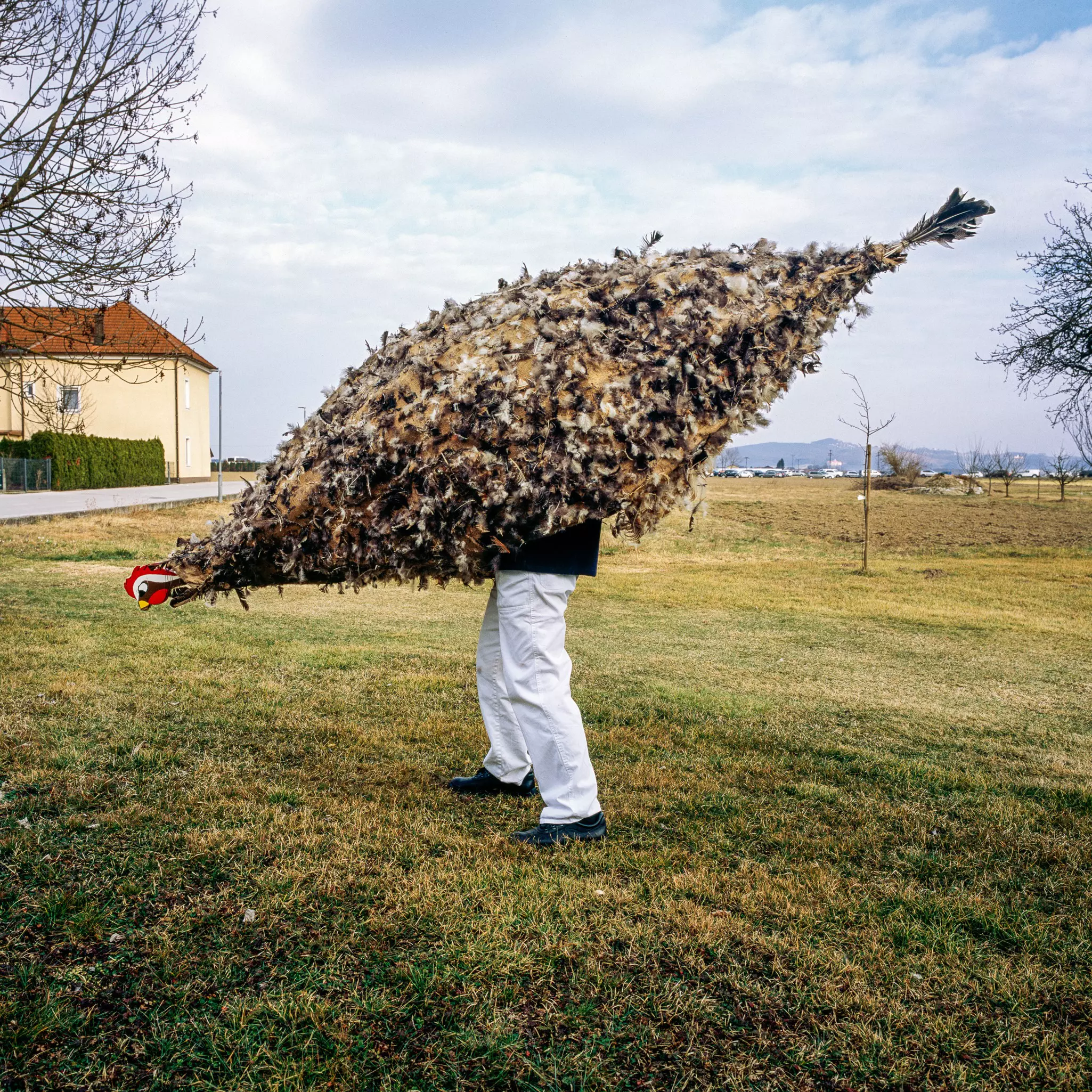
A person wearing white pants and a monumental chicken mask stands in grass.
A "Kurika" character in Markovci, Slovenia, in 2019. Jason Gardner
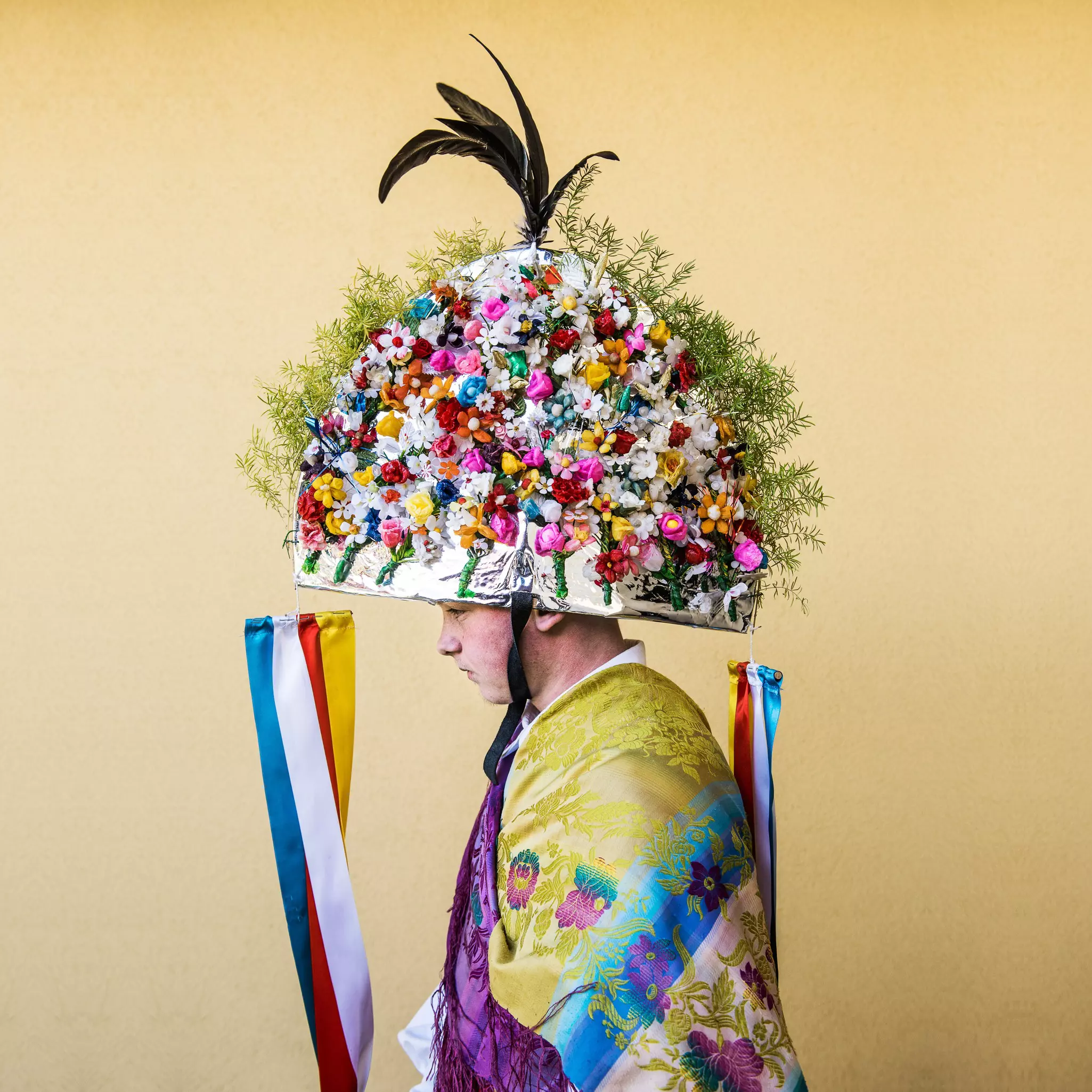
A person wears a large round headpiece covered with flowers and a patterned costume.
A "Kojič" character in Lancova Vas, Slovenia, in 2019. Jason Gardner
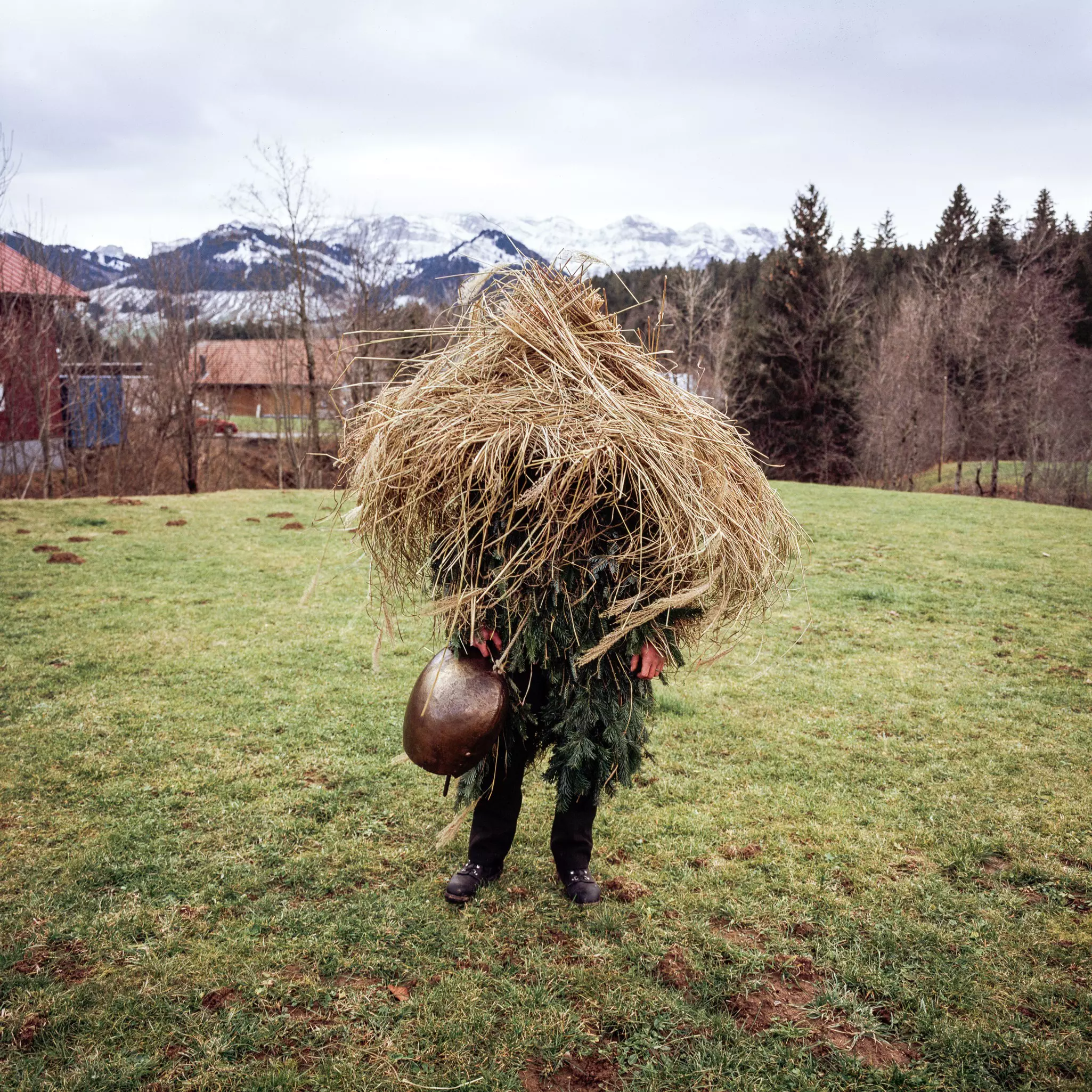
A person wearing a costume made of dried grass and evergreens stands in grass.
"Naturkläus" in Urnäsch, Switzerland, 2023. Jason Gardner
A person wears an elaborate costume with massive green and yellow feathers.
The Big Chief of the Wild Mohican Black Masking Indians, New Orleans, USA, in 2011. Jason Gardner

Explore related stories